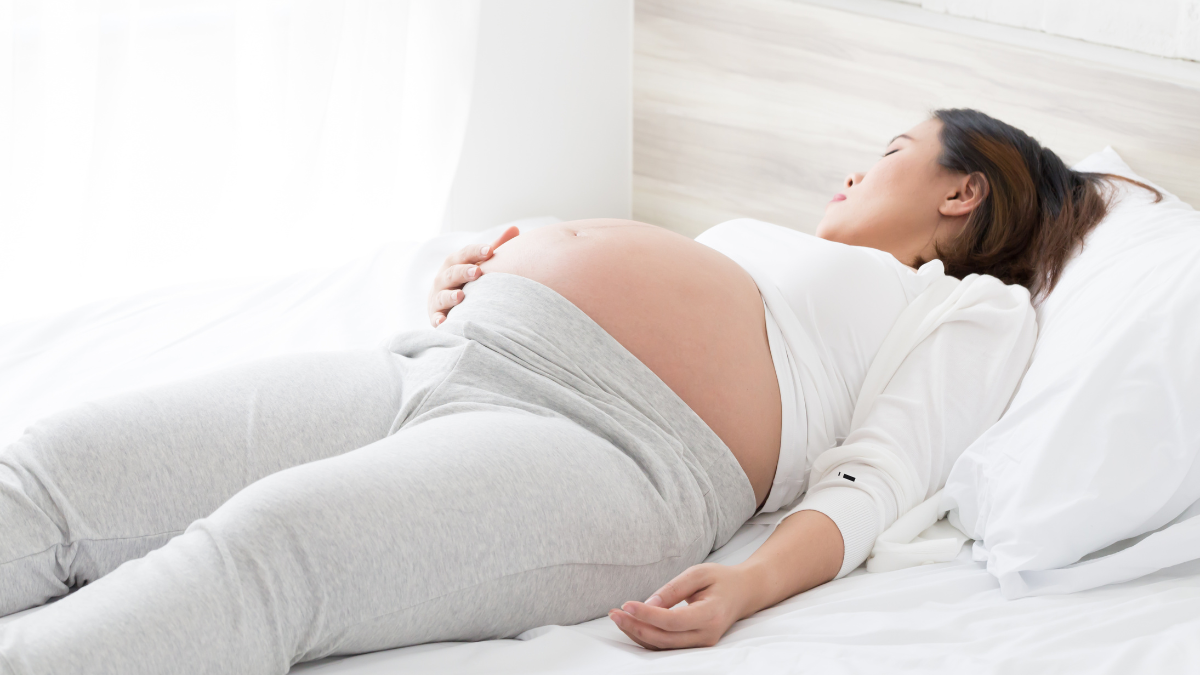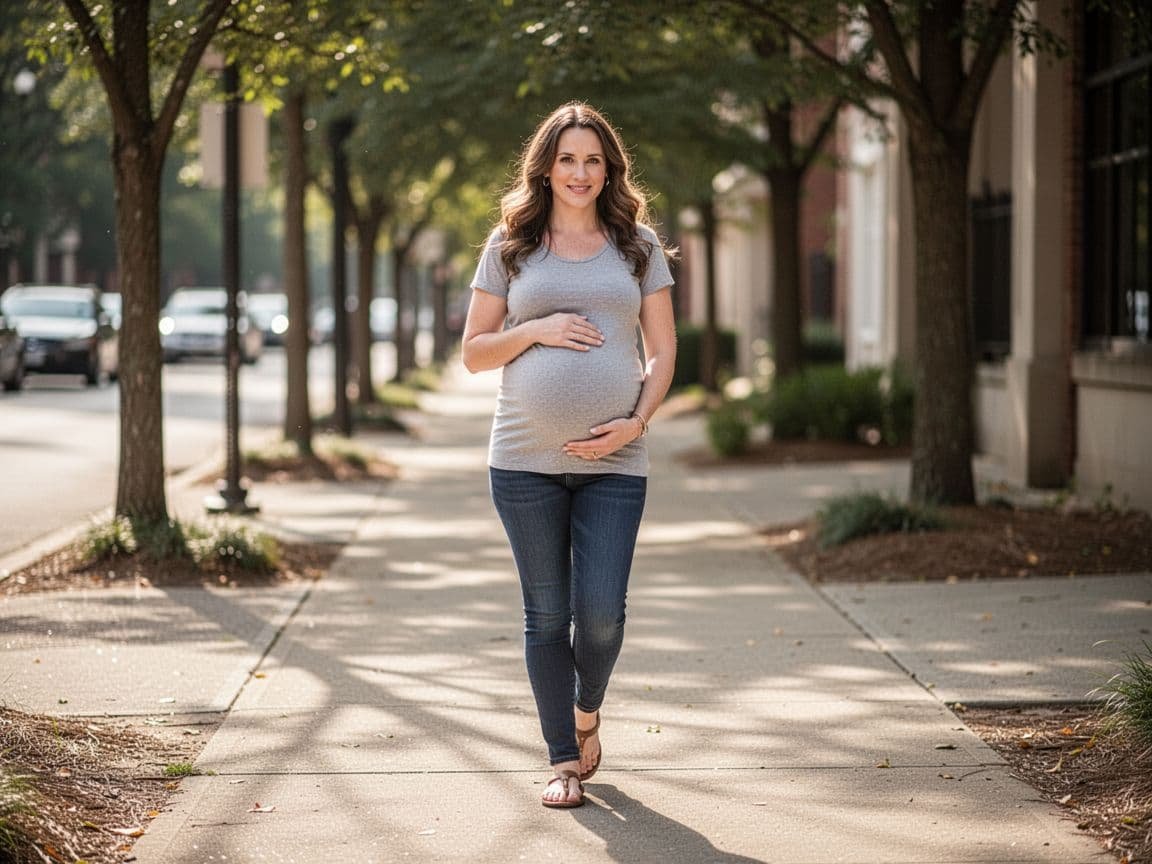
Walking is one of the easiest ways to stay active during pregnancy, and for many healthy women, it fits into the day without much fuss. It can support your body, ease aches, lift your mood, and help you feel more in step with the changes happening week by week.
Still, pregnancy movement should feel calm and steady, not draining. If you want simple guidance on staying active while pregnant, the basics in this healthy pregnancy activity checklist will help you walk with more confidence and avoid pushing too far. Keep reading for the main benefits of walking during pregnancy and the safety tips that matter most.
Is walking during pregnancy safe for most women?
For most healthy pregnancies, walking is a safe and practical way to stay active. It’s gentle on the joints, easy to fit into a busy day, and usually simple to adjust as your body changes. The key is to keep it comfortable and to pay attention to warning signs.
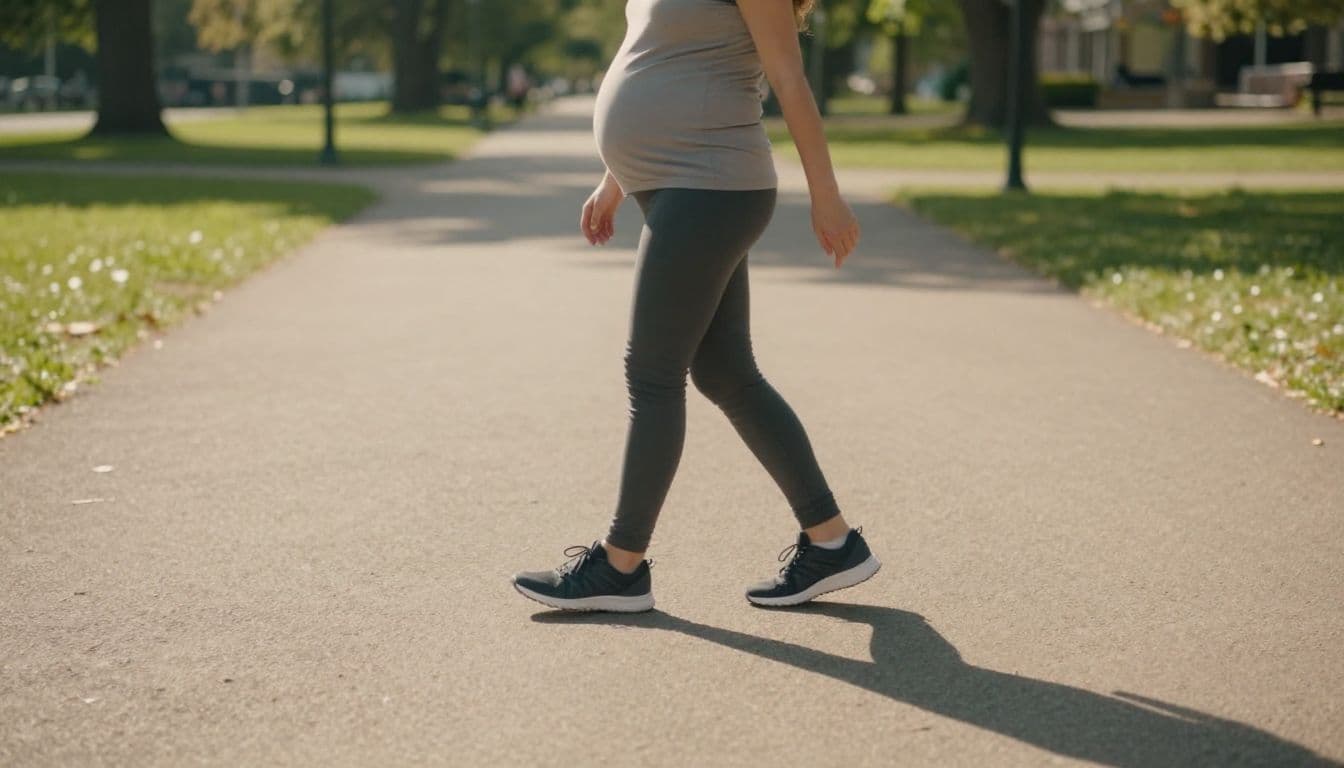
That said, pregnancy is not one-size-fits-all. If you have bleeding, pain, dizziness, or a condition that makes your pregnancy higher risk, walking should be discussed with a doctor or midwife first. The American College of Obstetricians and Gynecologists says exercise during pregnancy is usually safe for most women, but medical guidance matters when complications are present. See their exercise during pregnancy guidance for a clear overview.
When you should get medical advice before starting
Some pregnancies need extra caution before any exercise routine begins. Walking may still be possible, but only after a healthcare provider gives the okay.
Talk to your doctor or midwife first if you have:
- Placenta issues, such as placenta previa
- A history of preterm labor
- Severe anemia
- Heart or lung conditions
- High blood pressure, preeclampsia, or another pregnancy complication
- Vaginal bleeding, fluid leakage, or strong pelvic or belly pain
If walking makes you feel faint, gives you chest pain, or leaves you short of breath in a way that feels wrong, stop right away. The same goes for reduced baby movement later in pregnancy. In those cases, it’s better to pause and call your provider than to push through.
A walk should support your body, not wear it down.
If you were already active before pregnancy, your provider may tell you to keep going with small changes. If you were not active before, a lighter start is usually best. A good rule is simple: when in doubt, ask first.
How to tell if your walking pace is right
The easiest way to check your pace is the talk test. If you can talk in full sentences while walking, you’re usually at a moderate effort. You may breathe a little faster, but you should still feel in control.
A good walking pace feels steady, not rushed. It should feel like you’re moving with purpose, not hurrying to beat a clock. For a practical pregnancy movement checklist, you can also use this healthy pregnancy activity checklist as a simple guide.
Moderate walking should leave you:
- Warm, but not overheated
- Breathing faster, but not gasping
- Tired in a normal way, not drained or dizzy
- Able to slow down or stop without feeling unwell
If you need to stop often, feel breathless, or can’t speak comfortably, slow down. Think of your walk as a smooth pace you could keep up for a while, not a sprint. That steady rhythm is what makes walking such a smart choice for many pregnant women.
The 15 essential benefits of walking during pregnancy
Walking gives you a lot without asking much in return. It fits into a morning, a lunch break, or an evening reset, and it can support both body and mind as pregnancy changes your routine. The benefits build quietly, then start to show up in how you sleep, move, rest, and feel day to day.
A short walk can feel like opening a window in a stuffy room. The air changes, your thoughts settle, and your body gets a gentle signal to keep going. That simple pattern is one reason walking during pregnancy is so easy to keep up.
How walking can lift your mood and calm stress
A short walk can clear mental clutter in a way that sitting still often can’t. When your thoughts start looping, a slow walk gives them somewhere to go, and that alone can ease stress. Many women find that a few minutes outside helps them feel more steady and less overwhelmed.
Movement also helps release tension in the shoulders, jaw, and back. As your body softens, your mood often follows. If pregnancy has left you feeling stretched thin, walking can bring back a small sense of control in a day that may feel full of changes.
That emotional lift matters. A walk can turn a heavy afternoon into something more manageable, especially when you pair it with fresh air and a calm route. For women who want more ideas for gentle movement, these staying active in the first trimester tips can help keep exercise simple and safe.
Why it may help with tiredness, sleep, and energy
Pregnancy fatigue can hit like a wall. Walking helps your circulation move blood through the body, which can leave you feeling more awake instead of more drained. Even when you feel low on energy, a gentle walk can sometimes create more energy than it uses.
It can also help your body settle down at night. Regular movement during the day may make it easier to fall asleep and stay asleep, especially when rest feels broken or light. Walking is not a sleeping pill, but it can take the edge off restlessness.
A steady walk during the day often makes the evening feel calmer and the bed feel more inviting.
For many women, the rhythm matters. A consistent pace gives the body a cue that the day has a shape, and that can help your sleep feel more organized too. If you like gentle movement that also supports rest, prenatal yoga routines can work well alongside walking.

How walking supports healthy weight gain and blood sugar
Healthy weight gain during pregnancy is normal, and walking can help keep it on track without turning exercise into a chore. It burns energy at a moderate pace, which supports a balanced routine when paired with regular meals and good rest. You don’t need intense workouts to see the benefit.
Walking may also help your body handle blood sugar more smoothly. Research has linked regular walking with a lower risk of gestational diabetes, especially when movement is done consistently across the week. In one review, walking in early to mid-pregnancy was tied to about a 20% lower risk of gestational diabetes, which is a strong reason to keep moving in simple ways.
That doesn’t mean walking replaces medical care or nutrition advice. It does mean that a daily stroll can be one useful part of a healthy pregnancy routine. The Better Health pregnancy and exercise guide gives a clear overview of why regular movement matters.
Ways it can ease back pain, constipation, and body aches
Pregnancy can make the body feel stiff, heavy, and tight in places that used to feel fine. Walking helps loosen that stiffness by gently moving the hips, legs, and lower back. That small amount of motion can make a big difference when you feel boxed in by aches.
It also supports digestion. When your body keeps moving, your bowels often move more easily too, which can help with constipation and bloating. That matters because belly pressure, gas, and slow digestion can make the day feel longer than it should.
A steady walk may ease:
- Lower back pain, by reducing stiffness and keeping muscles from locking up
- Constipation, by encouraging natural movement in the digestive system
- Bloating, by helping gas move through more comfortably
- General body aches, by keeping joints and muscles from staying still too long
Small changes help most here. Even a 10-minute walk after a meal can make your body feel less stuck and more open.
How regular walks prepare your body for labor and recovery
Walking builds endurance in a simple, practical way. Your legs get stronger, your circulation improves, and your body gets used to steady effort. That matters when labor asks you to stay focused and physically active for long stretches.
It may also help with stamina. Women who walk regularly often keep better day-to-day fitness, and that can support the physical work of labor. Some research also links walking in late pregnancy with better labor outcomes, including a stronger chance of spontaneous labor and fewer interventions. You can read more in this study on walking and labor outcomes.
Recovery can feel easier too. A body that stayed active during pregnancy often bounces back more smoothly after birth, especially when circulation and endurance stayed in good shape. Walking won’t do all the work, but it can leave your body better prepared for what comes next.
The best part is how ordinary it is. You don’t need special gear or a perfect plan, just a safe route and a pace that feels comfortable. A regular walk can support your pregnancy in more ways than one, and those small steps add up fast.
How to walk safely when you are pregnant
Safe walking during pregnancy comes down to simple habits that protect your balance, body temperature, and energy. A good walk should leave you feeling refreshed, not wrung out. That means choosing smart routes, dressing for the weather, and knowing when to slow down or stop.
A little planning goes a long way here. When you set up the walk well, your body can focus on the movement instead of fighting heat, hunger, or sore feet.
Choose the best time, place, and shoes
The safest walk often starts with the ground under your feet. Flat, even paths are best because they lower your chance of tripping or twisting an ankle. Parks, sidewalks in good repair, indoor tracks, and smooth neighborhood routes usually work better than steep hills or rough trails.
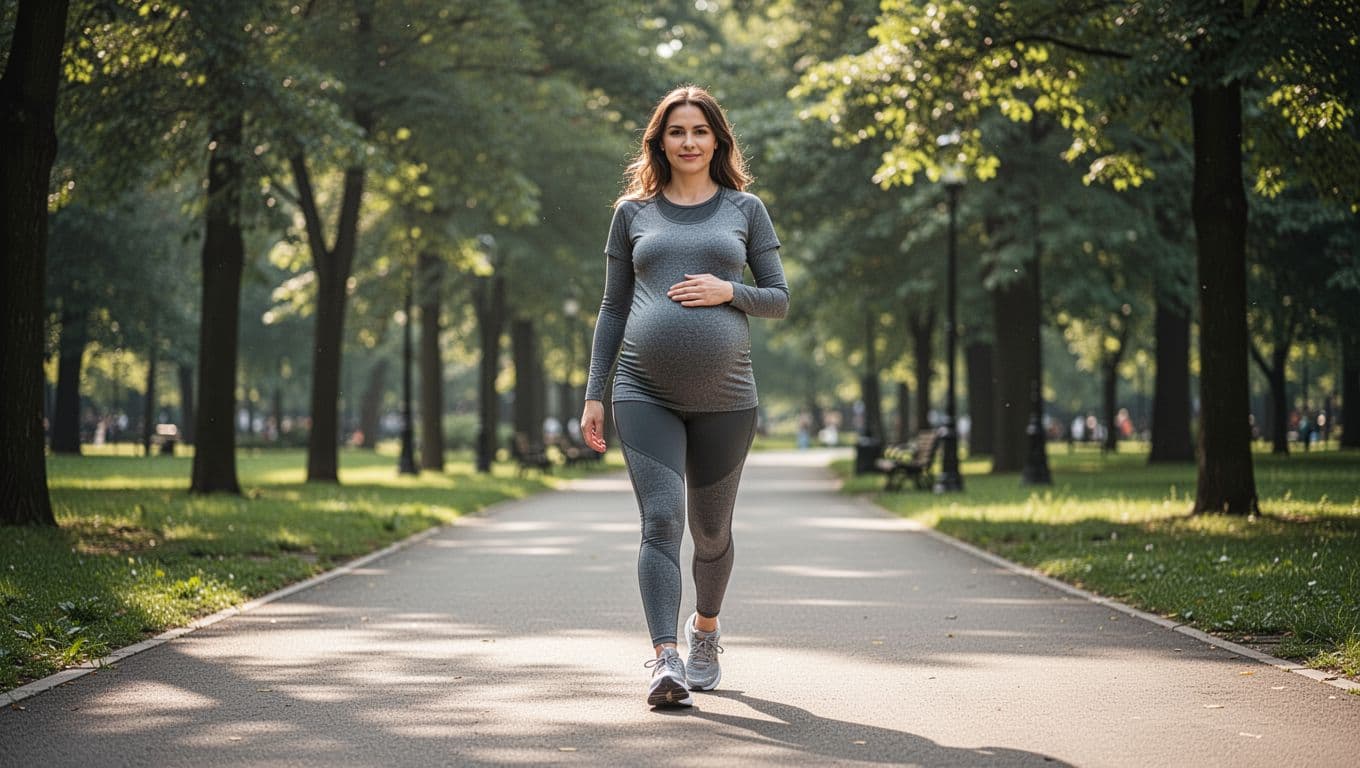
Shoes matter just as much. Wear supportive sneakers or low-heeled walking shoes with good traction and enough room for your toes. If your feet swell, avoid tight shoes that pinch or rub. Breathable material helps too, especially if you walk often.
Try to avoid slippery spots, crowded walkways, cracked pavement, and places where you may need to move fast to dodge others. During pregnancy, stable footing is more valuable than speed.
Weather plays a part as well. Cooler times of day, like early morning or later evening, are usually more comfortable. Hot, humid air can wear you down faster, so skip outdoor walks when the heat feels heavy or intense. If the forecast looks rough, an indoor mall, treadmill, or covered space may be the better choice. For more gentle movement ideas, safe yoga moves for expecting mothers can also help on days when walking feels like too much.
Stay hydrated and keep your body comfortable
Water should come before the walk, not just after it. Drink a glass beforehand, then sip again during longer walks. Pregnancy raises your fluid needs, and walking adds more demand, especially in warm weather.
Breathable clothes help your body handle that effort. Light layers work best because you can remove one if you warm up. Cotton, moisture-wicking fabrics, and loose maternity activewear can make a big difference when your body feels warmer than usual.
Pay attention to how you feel, not just how far you planned to go. If you start feeling overheated, flushed, shaky, or worn out, stop and cool down right away. Sit in the shade, drink water, and give yourself time to settle.
A few small habits can make walks easier:
- Carry a water bottle on longer routes.
- Wear a hat or choose shaded paths on sunny days.
- Walk near bathrooms if you need easy stops.
- Avoid heavy meals right before walking.
- Slow your pace when the weather feels sticky or still.
If your body feels too hot, treat that as a stop sign, not a challenge.
Summer walks can be safe, but they need extra care. The summer pregnancy tips page offers more useful ideas for staying comfortable when temperatures climb.
Start slowly and build up at your own pace
If you’re new to walking during pregnancy, begin with short, easy walks. Ten minutes is enough to start. After that, you can add a few minutes every few days if your body feels good.
Consistency matters more than distance. A short walk most days usually helps more than one long walk that leaves you drained. Your goal is a steady habit, not a fitness test.
You may find that your pace changes from week to week. That is normal. Some days you may walk briskly and feel great. Other days, a slower stroll is the smarter choice. Listen to your breathing, your joints, and your energy level.
A simple rhythm works well:
- Start with five to ten minutes.
- Add time only when you feel comfortable.
- Take breaks when you need them.
- Stop before you feel exhausted.
Walking should feel manageable, like something you can keep repeating tomorrow. If you need gentler movement on a sore day, pair short walks with stretching or rest.
Warning signs that mean you should stop walking
Walking should stay comfortable. If your body sends a strong warning, stop and pay attention. A calm pause is always better than pushing through a bad sign.
Stop walking and get medical advice if you notice:
- Dizziness or faintness
- Vaginal bleeding
- Chest pain
- Trouble breathing
- Regular contractions
- Fluid leakage
- Pain that does not fade after rest
Also stop if you feel sudden weakness, sharp pelvic pain, or severe cramps. Those signs need a check from your provider, even if they pass.
The safest approach is simple: slow down at the first sign of strain, and don’t wait for discomfort to get worse. If your walk feels off, trust that signal. Your body often speaks early, and it pays to listen.
A walk should leave you more settled than when you started. When you choose the right route, stay cool, drink water, and pace yourself, walking becomes a safe habit you can return to again and again.
Simple ways to make walking fit into real life
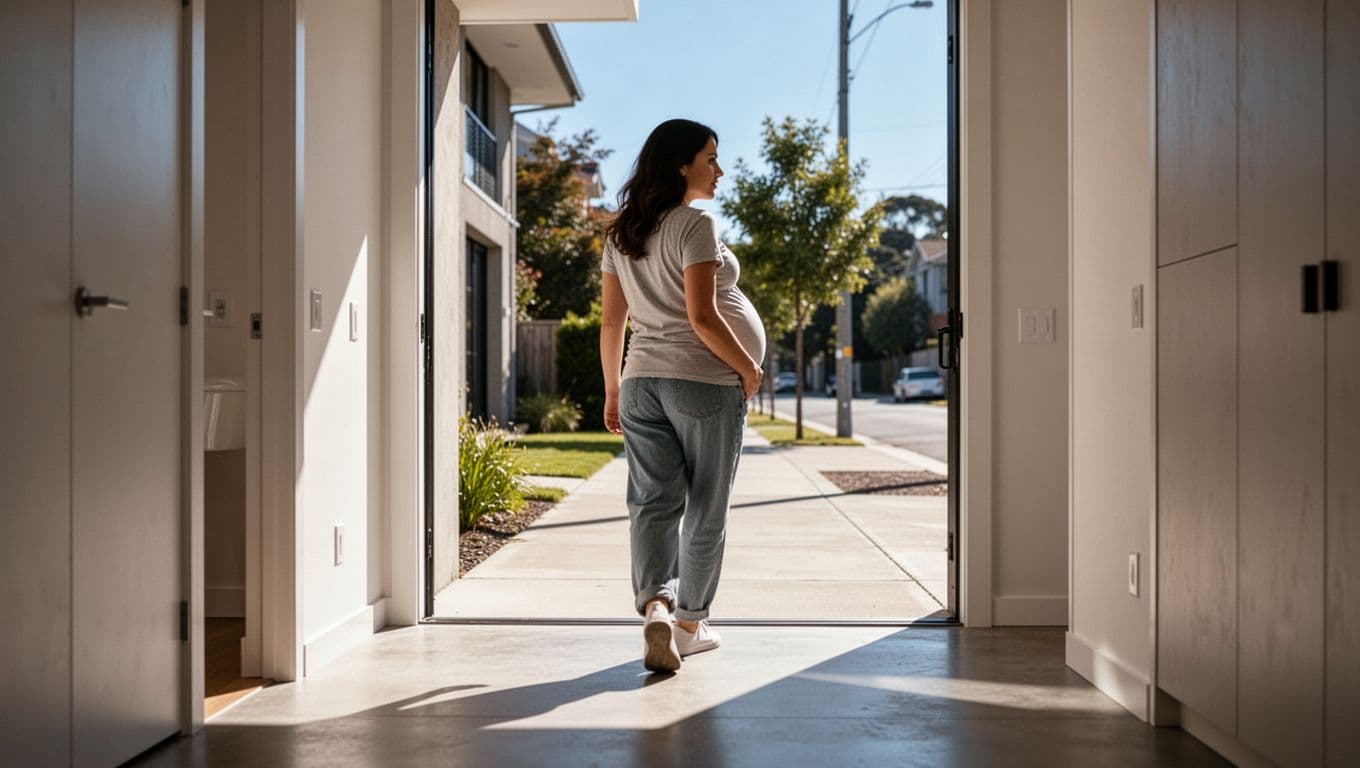
Walking sticks better when it feels easy to start. Pregnancy days can be packed, uneven, or just plain tiring, so the best routine is the one that bends with your schedule instead of fighting it. Small, repeatable habits often work better than a perfect plan.
Small habits that help you stay consistent
The easiest walking routine is the one tied to something you already do. After-meal walks are a smart place to begin, since they help the day feel structured without asking for extra planning. Even a short loop around the block after lunch or dinner can become a steady habit.
Morning walks work well too, especially if your energy drops later in the day. A brief walk before the house gets busy can feel like opening a window before the room fills up. If mornings are rough, pair walking with something you already enjoy, like a phone call, a favorite playlist, or a podcast.
A few simple habits can make a real difference:
- Keep shoes near the door so you can head out fast.
- Walk during a regular break, like after breakfast or before dinner.
- Use phone calls as walking time.
- Choose a short route you already know well.
- Keep the goal small enough to repeat tomorrow.
If your schedule changes often, try linking walking to one daily anchor. For example, you might walk after your morning tea or after you drop off another child. A habit grows faster when it has a clear home in your day. For more ideas on staying active with a calm mindset, tips for staying happy during pregnancy can fit nicely alongside a walking routine.
How to adjust on low-energy days
Some days will call for a shorter walk, a slower pace, or more rest. That does not mean you failed. It means you listened to your body, which is part of a healthy routine too.
On tired days, cut the walk down instead of skipping movement altogether. Five minutes around the house, a slow lap in the yard, or a gentle stroll to the corner can still count. If you feel worn out after that, stop and rest without guilt.
You can also break movement into pieces. A short walk in the morning and another after dinner may feel easier than one longer outing. That approach works especially well on busy days, because it keeps the habit alive without draining you.
Flexibility keeps walking realistic. Rigid rules usually break first.
If you want to keep the habit going through lower-energy seasons, think in terms of minimums, not perfection. Some days your walk will feel light and easy. Other days, the win is simply showing up and moving a little.
Conclusion
Walking during pregnancy can do a lot with very little. It can lift your mood, ease aches, support steady energy, and help you stay active without adding stress to your body. For many women, that simple daily walk is one of the most practical ways to care for both health and comfort.
The key is to keep it safe. Check with your healthcare provider first, start at a pace that feels easy, stay hydrated, and stop if anything feels off. A walk should feel steady and calm, with your balance, breathing, and comfort in view.
If your pregnancy is cleared for movement, walking is a gentle habit that can grow with you, one safe step at a time.
Save pin for later

- Asperger’s Syndrome in Babies: Early Signs and Next Steps - October 7, 2026
- 12 Beautiful Baby Names That Mean Forest, Plus Woodland Picks - September 27, 2026
- 15 Fantastic Baby Nicknames for Boys, From Sweet to Playful - September 27, 2026