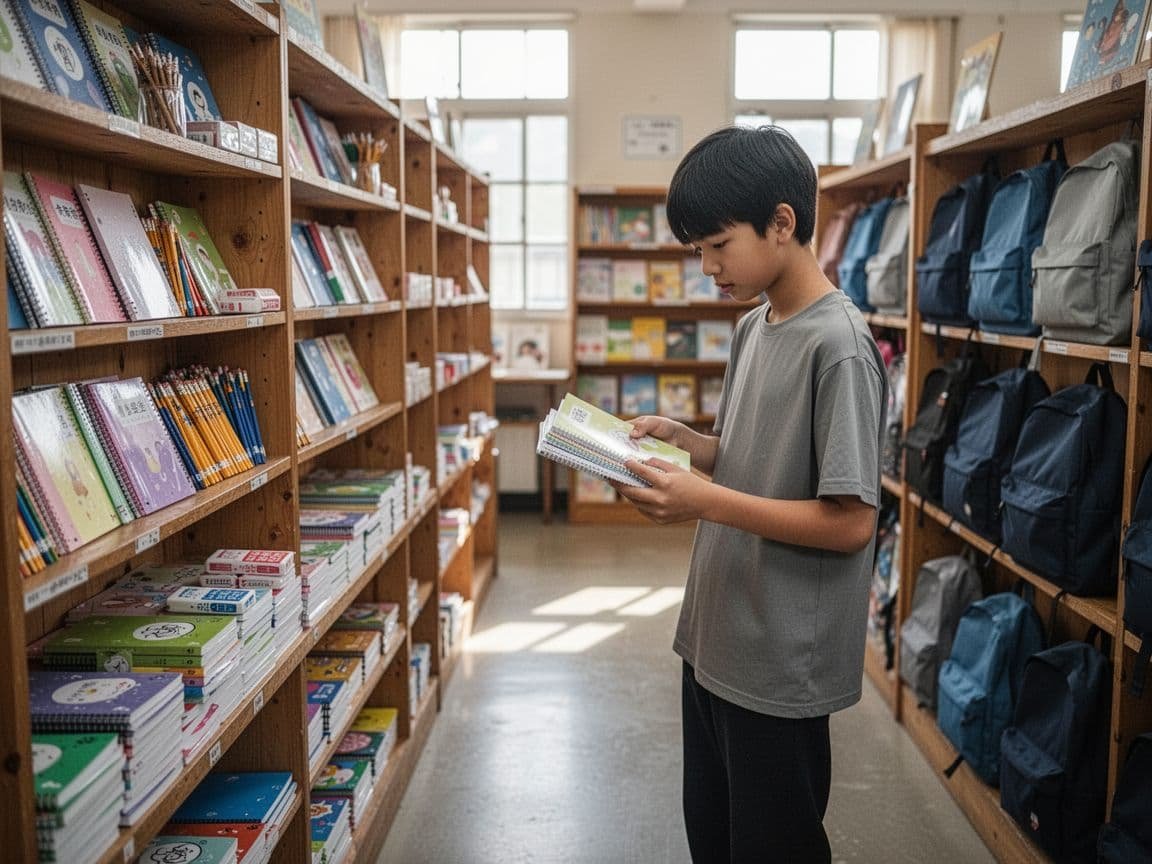
Eighth grade feels like a bigger step than the middle school years before it, and the school supply list can grow with it. A clear back to school shopping list for 8th grade keeps the trip simple, helps you spend less, and gets your student ready for day one without the last-minute scramble.
Every school asks for something a little different, so start with the basics first, then add teacher-specific items once the supply list comes home. That way, you’re buying what matters now, while also leaving room for the extras that make the year run smoother, like a planner, graph paper, or earbuds.
If you want the school year to feel calmer at home too, helping your student stay organized can make a big difference. The list below starts with the essentials that most 8th graders need first, so you can shop with confidence and keep the day-one rush under control.
Start with the 8th Grade School Supply Basics
The safest way to shop for 8th grade is to begin with the items that get used every day. These basics keep homework moving, notes organized, and the backpack from turning into a paper pile by October.
A simple core list also helps you avoid buying too much. Once these supplies are in place, you can add teacher requests, special project items, or extras after the first week of school.
Writing tools every student should have
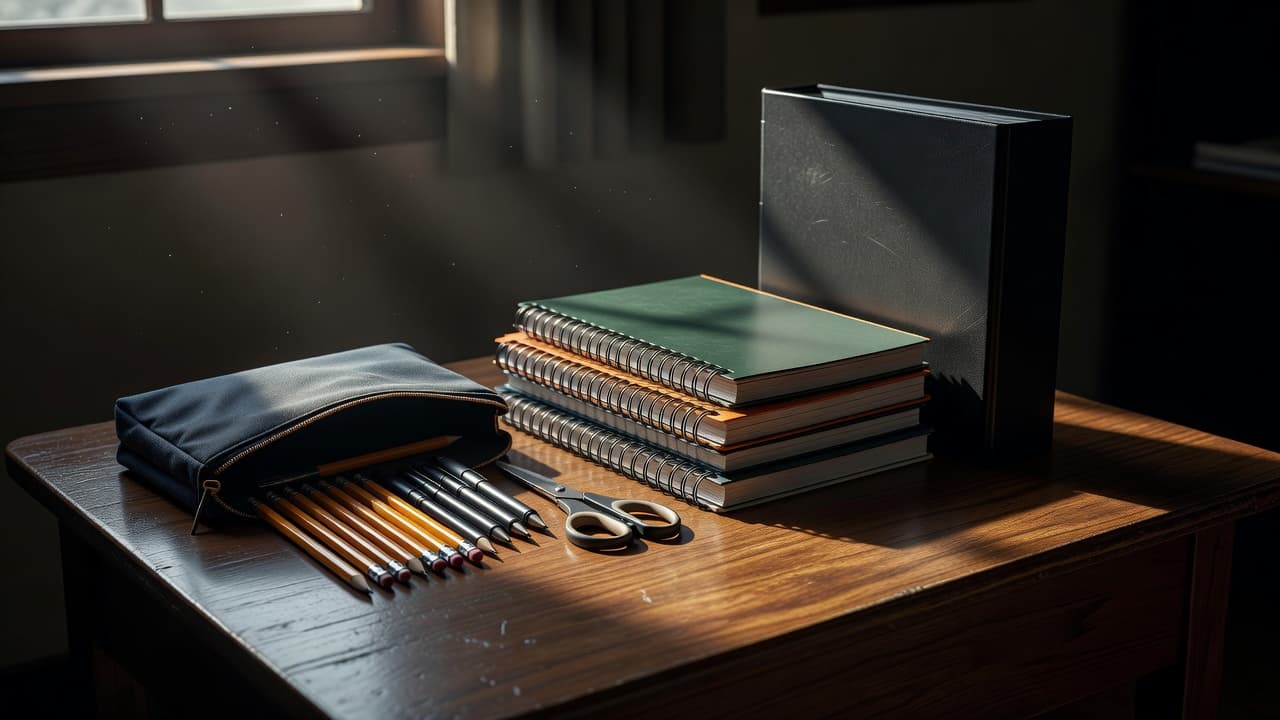
Start with the supplies that disappear the fastest. Pencils and pens get used up, borrowed, dropped, and lost, so it helps to buy extra right away. A student who runs out mid-semester ends up scrambling during class, and that never feels good.
Add erasers and highlighters next. Erasers help with math, drafts, and quick fixes, while highlighters make it easier to mark key ideas in reading and study guides. A few extras in the drawer can save a lot of stress later.
For a good basic setup, keep these on hand:
- Several pencils
- A few black or blue pens
- Extra erasers
- At least two highlighters
If you want a school-by-school sample list, TeacherLists has a useful 8th grade supply page that shows how specific classroom lists can be.
Paper, folders, and binders that keep schoolwork in order
Eighth grade usually brings more homework, more packets, and longer assignments. That means loose papers pile up fast unless they have a home.
A binder, folders, and loose-leaf paper work together to keep subjects separated. Use folders for quick handouts, a binder for papers that need to stay together, and binder paper for class notes and written work. This setup makes it easier to find math sheets, science packets, or reading responses without digging through the bottom of a backpack.
A small stack of notebooks helps too. Some students like one notebook per subject, while others prefer fewer notebooks with dividers inside a binder. Either way, the goal is the same, keep schoolwork neat enough to find in a hurry.
A messy backpack can turn a simple homework check into a scavenger hunt.
Tools for projects, art, and everyday cleanup
Once the basics are covered, add a few supplies that help with class projects and daily life. Scissors, glue sticks, and colored pencils come in handy for posters, craft work, and assignments that need a cleaner finish.
Small items matter too. A pencil pouch keeps loose supplies from floating around the backpack, and tissues are one of those quiet essentials students always seem to need. They do not get much attention, but they make the school day smoother.
For a quick practical check, make sure the bag includes:
- Scissors
- Glue sticks
- Colored pencils
- Tissues
- Pencil pouch
If you want more ideas for keeping supplies and routines in order at home, these family organization systems can help make school mornings less rushed.
Add the middle school extras that make life easier
Once the basics are in the cart, it helps to add a few middle school extras that take pressure off the school day. These are the small items that keep homework moving, bags packed, and routines from falling apart when the week gets busy.
They may not look exciting on the shelf, but they work like quiet helpers. A planner catches due dates before they slip away, headphones make busy classrooms easier to manage, and a water bottle or lunch box keeps a student moving through long days without extra hassle.
Supplies that help with studying and homework
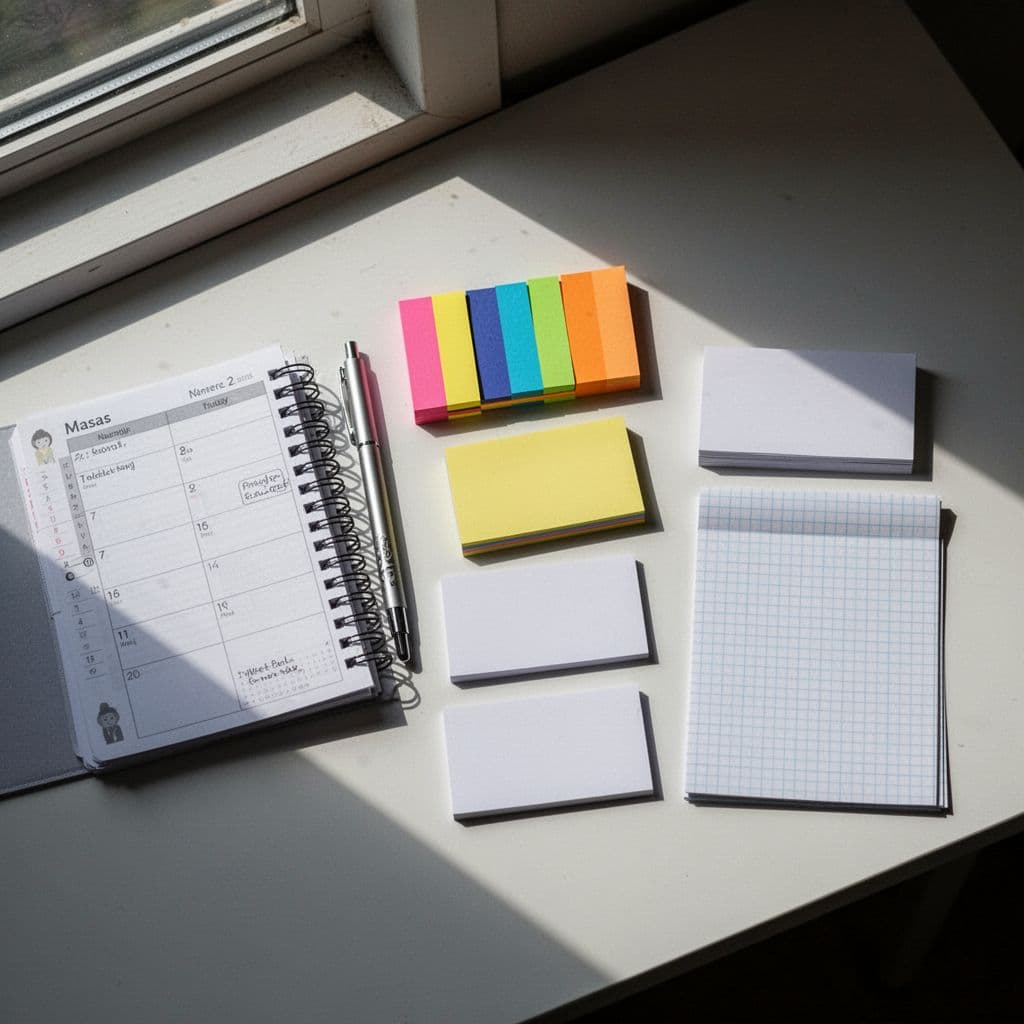
A planner or agenda is one of the smartest buys for 8th grade. It gives students one place to write down tests, project dates, and homework, so they do not have to rely on memory alone. That small habit can save a lot of late-night stress, especially when several classes assign work at once.
Sticky notes and index cards also pull their weight. Sticky notes are great for quick reminders in notebooks, textbooks, or locker doors, while index cards work well for flashcards, vocab review, and test prep. For math and science, graph paper makes neat work easier and helps with charts, grids, and equations.
A few of these tools can turn scattered studying into a simple routine. In other words, they help students stay ahead instead of catching up. For more support with home routines, these tips for building better study habits at home can also help.
Items that make the school day more comfortable
Some school-day items are less about homework and more about comfort. Headphones help students listen to class videos, focus during quiet work, or block out distractions when the room gets noisy. If the school allows them, they can make a big difference on long days.
A sturdy water bottle matters too. Kids forget to drink water when they get busy, so having one within reach is a simple way to stay focused and feel better through the day. A lunch box also keeps meals packed, fresh, and easier to carry than loose containers stuffed into a backpack.
Don’t forget hand sanitizer. It’s an easy add-on that helps students clean up before lunch, after group work, or after using shared surfaces. These are everyday items, but they make the school day feel more manageable.
Locker and classroom tools worth buying early
Some supplies get missed until the last minute, then they become a problem fast. A combination lock is a good example. If the school uses lockers, students need one that works smoothly and feels easy to remember, not one they are trying to figure out on the first morning.
Dry erase markers belong on the list too. Teachers use them for group work, whiteboard activities, and quick class practice, so having a few on hand can help when supplies run low or a class asks students to bring their own. They also come in handy for a locker calendar or a small study board at home.
The small extras are often the ones that keep the day from getting messy.
A good middle school supply list is not just about pencils and paper. It also includes the tools that help a student stay organized, stay clean, and stay ready for whatever the day asks for.
How to shop smart without overspending
Smart shopping for 8th grade starts with restraint. The goal is to buy what your student actually needs, then stop before the cart fills with extras that never leave the closet. A short list, a set budget, and a few smart choices can keep spending under control without sacrificing quality.
It also helps to shop with a clear order. Buy the basics first, check what the school asks for next, and reuse anything at home that still works. That approach keeps the trip focused and takes the pressure off your wallet.
Use the school list before you buy anything extra
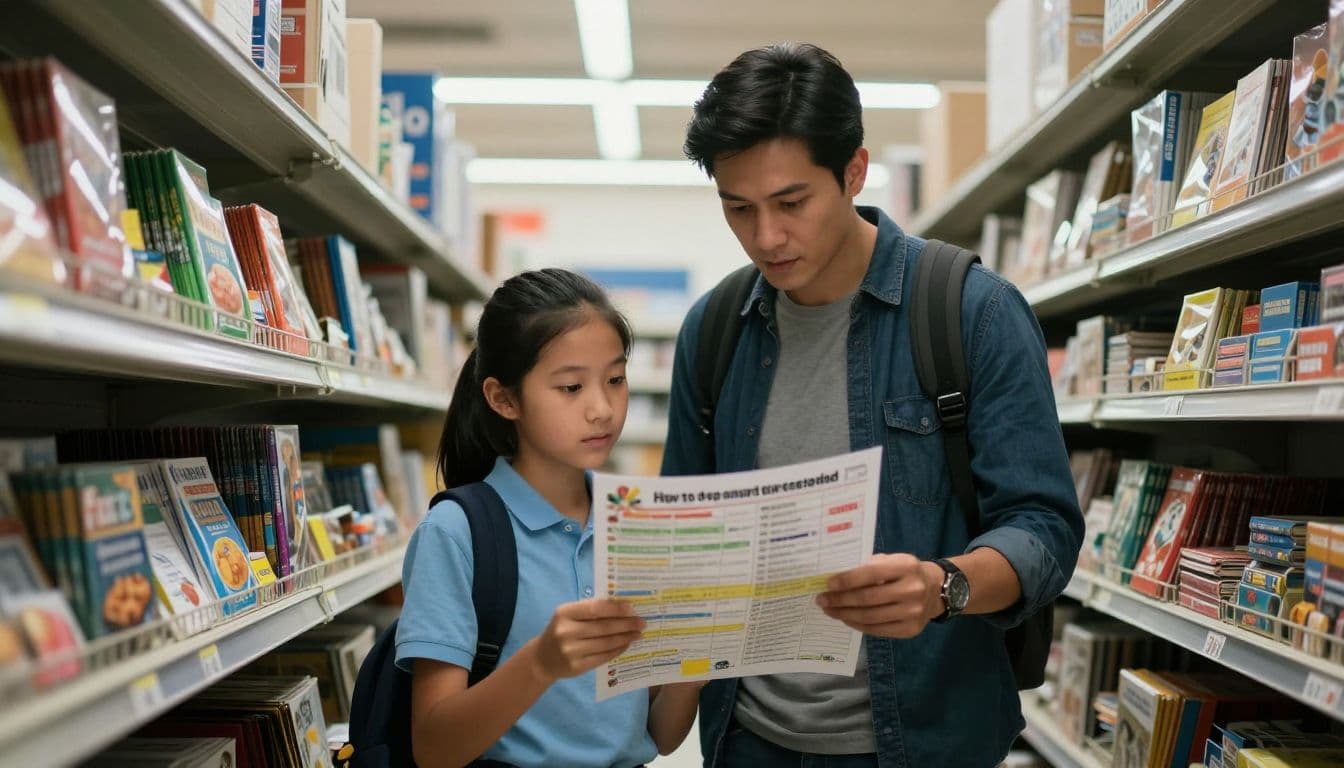
The official supply list should always come first. Teachers and schools often ask for certain brands, sizes, or quantities, and those details matter more than a sale sticker.
Before you add anything to the cart, compare your list with the school supply sheet. If the teacher wants wide-ruled notebooks, a specific binder size, or only two composition books, buy that amount and no more. Extra notebooks, fancy pens, and themed accessories can wait until you know they will actually be used.
A quick check of the school list also helps you avoid duplicate purchases. Many families already have scissors, folders, or calculators tucked away in a drawer. Teaching kids to budget for school supplies can also help older students understand why sticking to the list matters.
The cheapest item is the one you never buy in the first place.
If you are unsure whether an item is required, leave it off for now. It is easier to add one thing later than to return a bag full of things your student never needed.
Choose items that can last past the first month
Back-to-school shopping gets expensive when cheap supplies wear out fast. A backpack with weak zippers, flimsy binders, or pens that dry out in a week ends up costing more in the long run.
Spend a little more on the basics that take the most use. A durable backpack should hold books without tearing at the seams. Sturdy binders need rings that close cleanly and covers that do not bend after a few trips. Pens and pencils should write smoothly and survive daily use without constant replacement.
A few good purchases can stretch across the whole year. That matters in 8th grade, when classes ask for more notes, more packets, and more organization. If you want a clearer picture of how school costs add up, average back-to-school spending costs can help put the budget in context.
Make a simple budget and shop in stages
You do not have to buy everything in one trip. In fact, breaking the list into stages often makes the whole process easier.
Start with the essentials, such as notebooks, folders, pencils, and a backpack. Then move to the extras, like planners, earbuds, or class-specific tools, after you confirm what the school really wants. This keeps the first shopping trip manageable and gives you room to wait for later sales.
A simple budget can look like this:
- Set a total spending limit before you shop.
- Buy the must-have basics first.
- Reuse supplies that are still in good shape.
- Compare store brands with name brands.
- Add extras only if the school asks for them.
That kind of plan gives you control. It also leaves space for sales, coupons, and surprise needs that pop up after school starts.
Shopping smart is really about buying with purpose. Check the list, choose quality where it counts, and reuse what still works. Then shop in stages so the process feels calm instead of rushed.
A simple shopping plan for parents and students
A good shopping plan turns back-to-school errands into a clear path instead of a long, tiring afternoon. When you sort supplies, label them, and set up a few spaces before school starts, the first week feels lighter for everyone.
This is also a great time to involve your 8th grader. A student who helps choose, pack, and organize their supplies usually feels more confident and more responsible when the school day begins.
Pack and label supplies before school starts
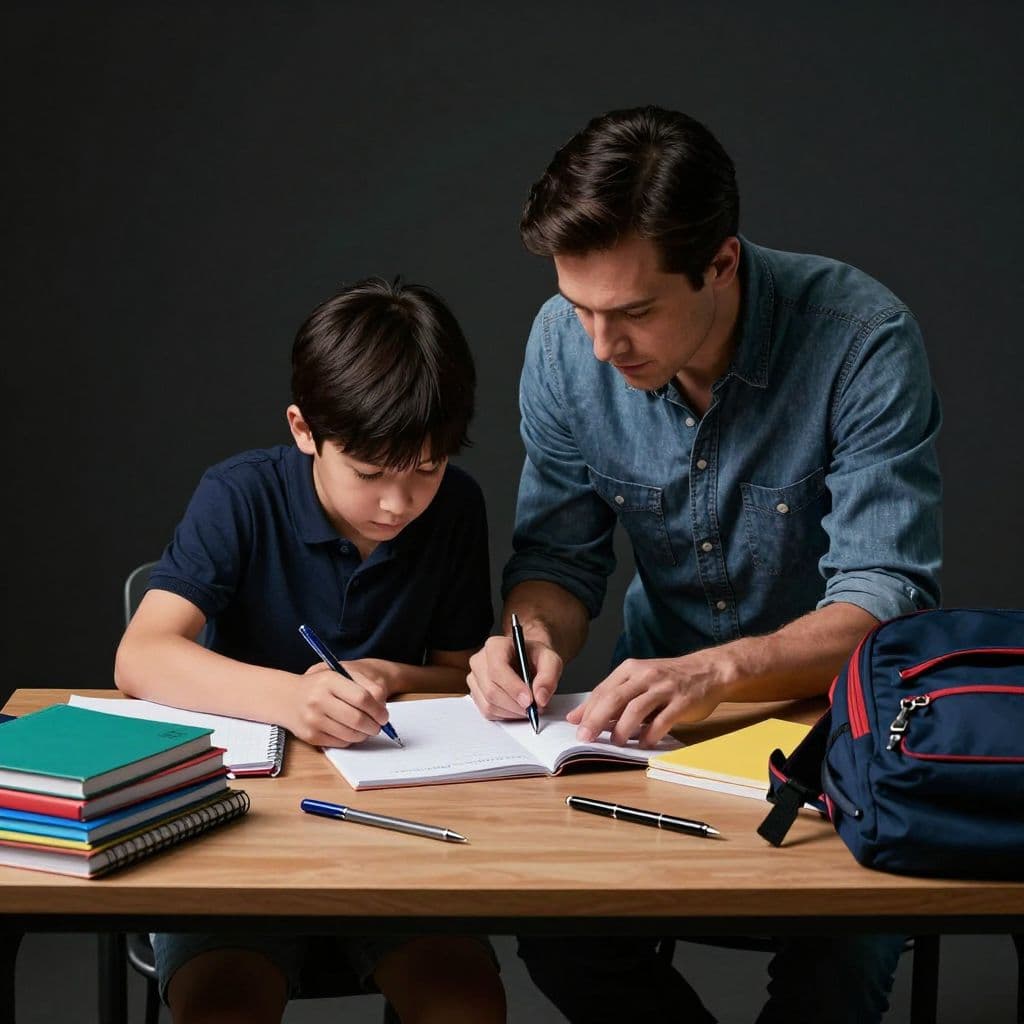
Labeling sounds small, but it saves time all year. When notebooks, folders, and water bottles have names on them, they are less likely to end up in the wrong hands or disappear into the classroom pile. That matters in middle school, where students switch rooms, share tables, and move fast between classes.
Use simple labels that are easy to read. A name sticker, a piece of masking tape, or a permanent marker works fine. Some families also use color coding for subjects, which makes it easier to grab the right folder without stopping to think.
Keep the system easy to maintain. If your child has five subjects, label five folders and notebooks the same way, then match them to the class colors if you use them. This organized routine helps school supplies feel familiar instead of random.
A quick labeling habit can also prevent the daily “whose notebook is this?” problem. When items are marked clearly, lost-and-found trips get shorter, and homework stays easier to track.
Set up the backpack and homework station early
A packed backpack by the door can change the morning mood fast. When pencils, folders, lunch items, and a planner already have their spots, there is less searching, less rushing, and fewer forgotten items. The same idea works at home with a small homework station.
Pick one place for schoolwork, even if it is just a corner of the kitchen table or a desk in a bedroom. Keep extra pencils, paper, charger cords, and sticky notes there so your student does not have to hunt for them after school.
A simple backpack check can become part of the evening routine. Put the next day’s papers in the right folder, refill the pencil pouch, and zip everything up before bed. That small habit can make a busy school morning feel much calmer.
A five-minute reset at night can save a much bigger scramble in the morning.
Let your 8th grader help choose a few items
Giving your student a say in a few supply choices can make a big difference. Let them pick the color of a backpack, the design on a notebook cover, or the style of a pencil pouch. Small choices give them a sense of ownership, and kids usually take better care of what feels like theirs.
You do not need to hand over the whole list. Just let them choose a few items within your budget and the school rules. That keeps the plan practical while still giving them a voice.
This also helps 8th graders feel ready for the year ahead. When they help pack their own bag and sort their own supplies, they practice responsibility in a simple, low-stress way. A student who has a hand in the process often walks into the first day with more confidence and less resistance.
Conclusion
A strong back to school shopping list for 8th grade keeps the year on track before the first bell rings. Start with the basics, add a few helpful extras, and hold the official school list next to your cart so nothing important gets missed.
That simple approach makes the load lighter at home, too. When supplies are labeled, packed, and ready, mornings feel less rushed and homework has a better place to land, much like organized morning routines for families.
The best list is the one that covers what your student truly needs and skips the rest. A little planning now can make the whole school year feel calmer, neater, and easier to manage.
Save pin for later

- Asperger’s Syndrome in Babies: Early Signs and Next Steps - October 7, 2026
- 12 Beautiful Baby Names That Mean Forest, Plus Woodland Picks - September 27, 2026
- 15 Fantastic Baby Nicknames for Boys, From Sweet to Playful - September 27, 2026