
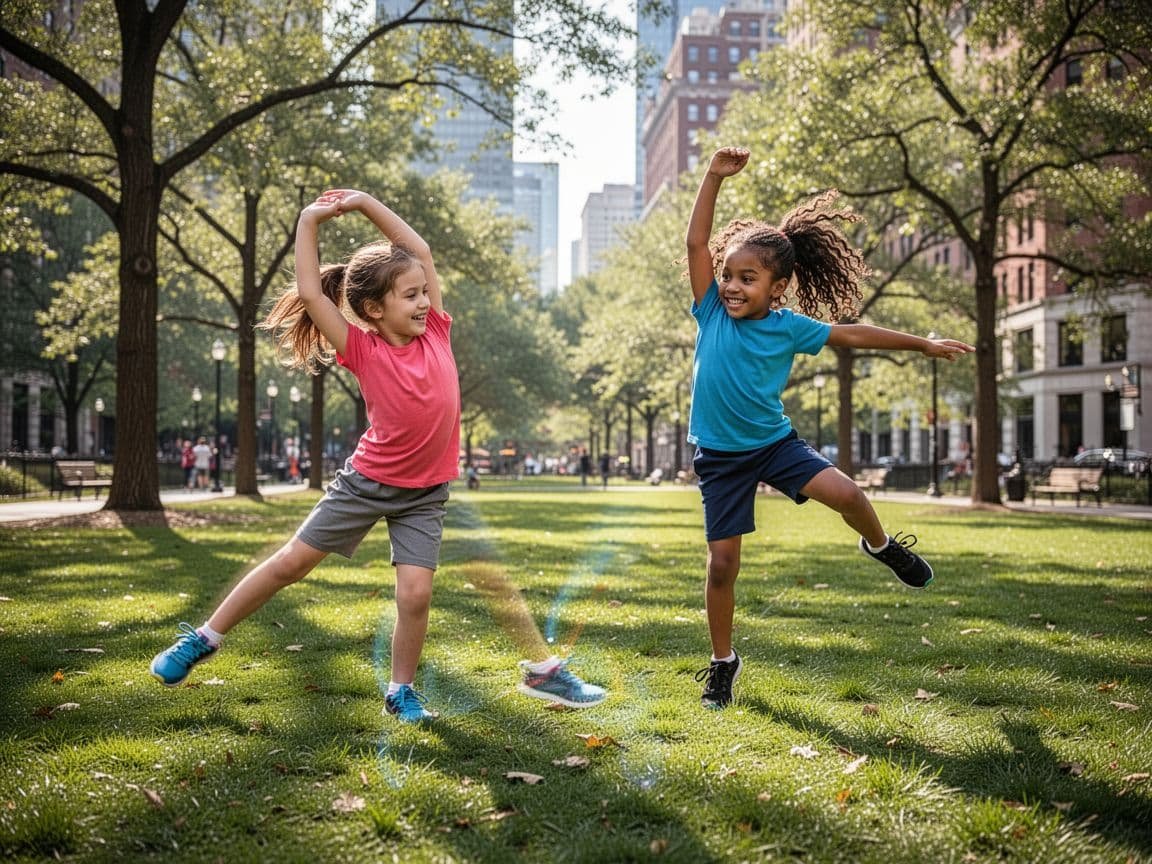
Kids don’t need long workouts to wake up their brains. A few short brain gym exercises can help them settle down, pay attention, and move with better control.
These playful movements are easy to use at home, in the classroom, or between tasks when your child seems wiggly or stuck. They can support focus, coordination, memory, and calmer behavior, which makes everyday learning feel smoother. If you’ve already seen how puzzles can improve child focus and coordination, these simple activities work in a similar way by giving the brain and body something to do at the same time.
The best part is that most brain gym exercises take only a minute or two, so they fit into busy mornings, study breaks, and transition times. They don’t need special equipment, either, just a little space and a child who’s ready to move.
Below, you’ll find 15 easy brain gym exercises for kids that parents, teachers, and caregivers can use right away, along with a helpful demo here:
What brain gym exercises do for a growing child
Brain gym exercises give a child’s body and brain a chance to work together. A few minutes of movement can wake up attention, steady restless energy, and make schoolwork feel less heavy. For a growing child, that matters because learning does not happen in the head alone. The body helps set the pace.
Why movement can help the brain work better
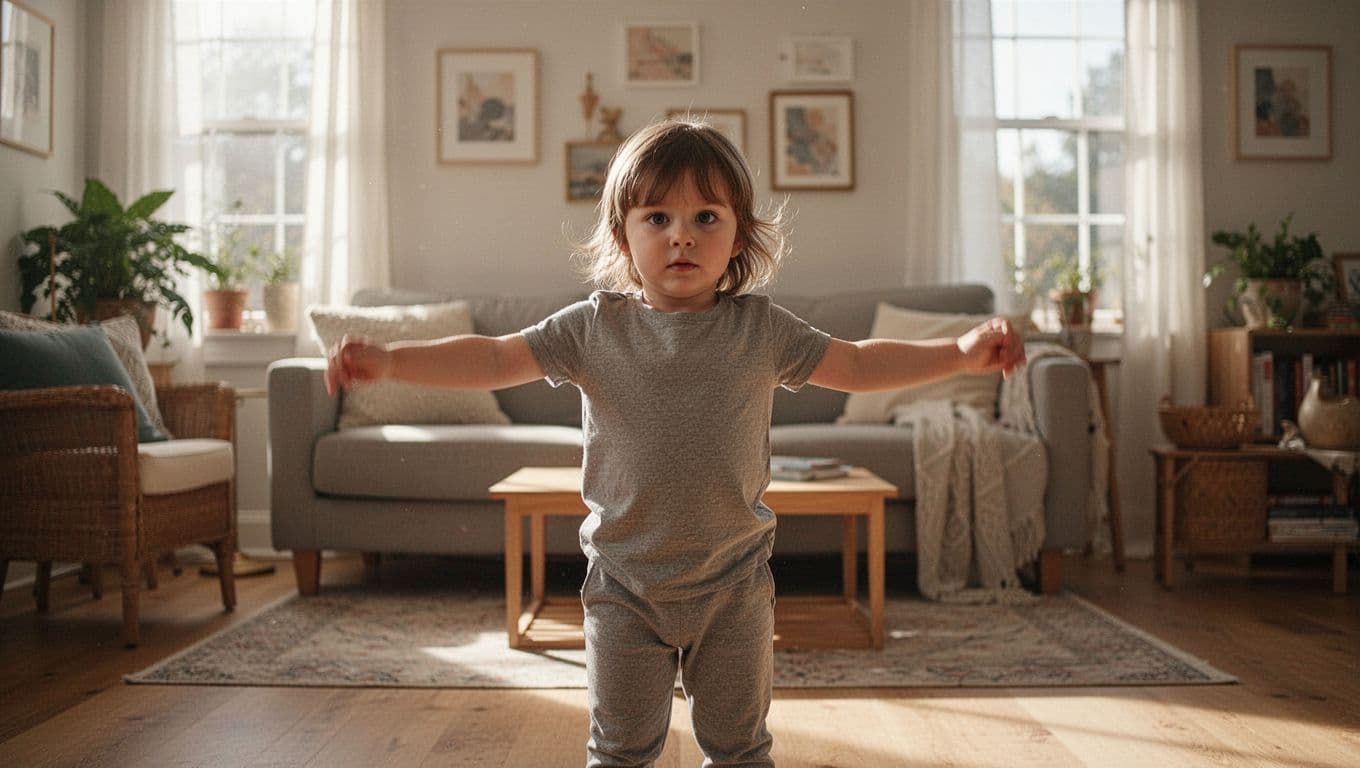
Movement can help a child stay alert because it gives the brain fresh input. When children use both sides of the body at once, such as with cross-body action, the brain has to organize and coordinate those motions. That kind of work can support skills like balance, eye-hand control, and body awareness.
Those skills matter in everyday learning. A child who can track movement with the eyes and guide the hands more smoothly often finds reading, writing, and listening tasks easier to manage. Cross-body motions can also help children follow direction more easily, since the brain is practicing focus and coordination at the same time.
A recent summary from the University of Nevada, Reno Extension notes that physical activity can support brain and cognitive function, including attention and memory: Physical Activity Improves Brain and Cognitive Functions. That does not mean movement replaces study time. It simply gives the brain a better starting point.
When kids benefit most from brain gym breaks
Brain gym breaks work best at simple, useful moments during the day. They fit before homework, after screen time, before reading, or in the middle of a long class period. They also help when a child looks tired, fidgety, or stressed.
These exercises are short, low-cost, and easy to repeat. That makes them a practical part of family routines, classroom transitions, and after-school study time. A quick movement break can be enough to reset the mood and help a child settle into the next task with less resistance.
The top 15 brain gym exercises for kids
A good brain gym routine feels a little like pressing a reset button. The moves are simple, but they ask the brain and body to work as a team, which can help with focus, coordination, balance, and calm.
Use these exercises as quick breaks, warm-ups, or a soft landing before homework or bedtime. You can also mix them into playtime, since kids usually stick with movement when it feels fun.
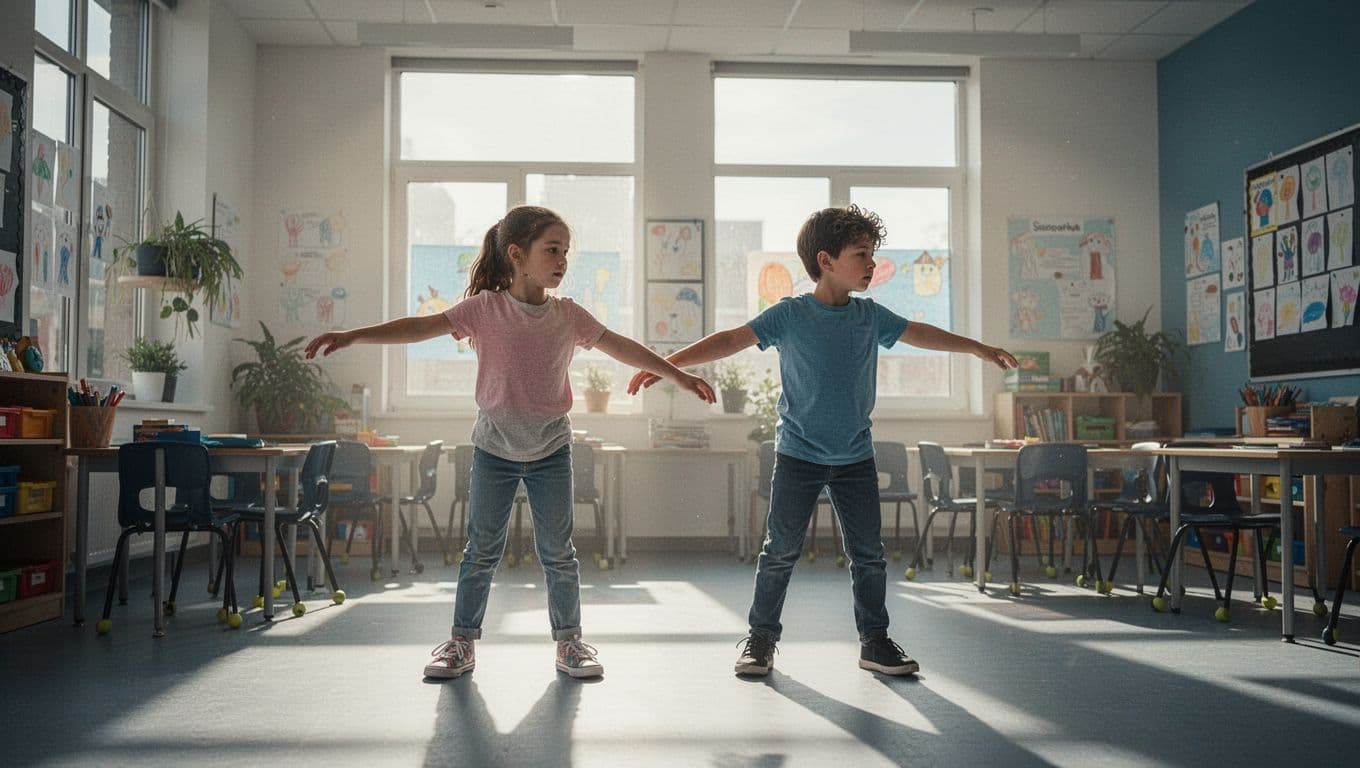
Exercises that help kids cross the midline
Crossing the midline helps both sides of the body work together. That matters because many school tasks ask the eyes, hands, and brain to move across the center line, especially reading, writing, and copying from a board. These movements can also improve coordination in a simple, steady way. For a closer look at how body movement supports learning, see guiding school-age development.
Cross Crawl asks a child to touch the right hand to the left knee, then the left hand to the right knee. Keep the pace slow at first, then add music or a count. This move can support coordination, rhythm, and left-right awareness.
The Elephant starts with one arm reaching forward while the child leans the head toward the shoulder and draws big, loose swings. Then switch sides. It helps with body awareness, balance, and eye tracking, and it gives the upper body a nice wake-up.
Lazy 8s uses the hand or the eyes to trace a sideways figure eight in the air or on paper. Kids can follow the shape with one finger, then switch hands. This can support smooth eye movement, hand control, and reading flow.
Cross-body moves can feel small, but they ask the brain to organize a lot at once.
Calming moves for restless or anxious moments
Some children need to slow down before they can learn. These exercises help the body soften, the breath settle, and the mind feel less crowded. They work well before class, after a busy afternoon, or at bedtime when a child needs a quiet reset. Sleep also plays a big role in focus and mood, which makes bedtime routines even more useful. You can read more about why sleep is vital for child development.
Brain Buttons are the soft spots below the collarbone, near the center of the chest. A child can place one hand on those spots and the other on the belly while taking slow breaths. This may help with calm, attention, and a more settled start to learning.
Hook Ups are made by crossing one ankle over the other, then crossing the wrists and bringing the hands toward the chest. After a few slow breaths, uncross and rest. This simple position can help a child feel grounded and less fidgety.
Balloon Breathing invites kids to breathe in through the nose and stretch their arms wide, then breathe out slowly as if letting air out of a balloon. Use a soft count to keep the rhythm even. It supports relaxation, body control, and a gentle transition to homework or sleep.
Coordination and focus builders for active kids
Active kids often need movement that feels like play but still builds skill. These exercises wake up the hands, arms, and shoulders while training the brain to stay with the task. They can help with attention, hand control, and body awareness, which are useful during writing, drawing, and classroom work.
Double Doodle uses both hands at the same time to draw matching shapes, lines, or loops on paper or in the air. Start with big motions, then make the shapes smaller. This helps both sides of the brain work together and can strengthen coordination for writing tasks.
Finger Tapping means touching the thumb to each fingertip in order, then going back the other way. Kids can do it slowly, then faster, or match the taps to a beat. It can improve hand control, rhythm, and focus.
Arm Circles are easy to do and easy to repeat. A child stretches both arms out and makes small circles, then larger ones. This builds shoulder strength, body awareness, and the kind of upper-body control that helps with sitting upright and using a pencil well.
Shoulder Touches ask a child to tap the left shoulder with the right hand, then the right shoulder with the left hand. You can add a count or a song to keep it playful. It supports cross-body coordination and helps kids pay attention to a movement pattern.
Balance and memory games that feel like play
These last five exercises feel most like mini games, which is why kids usually enjoy them. They can wake up memory, balance, and posture without feeling like work. A few rounds are enough, and you can turn each one into a quick challenge to keep it fresh.
March and Count combines movement with simple math or memory practice. Kids march in place while counting by ones, twos, or threes, or they can count backward if they’re ready. It strengthens coordination, attention, and number recall.
Balance on One Foot is as simple as it sounds, yet it gives the body a real challenge. Have your child lift one foot and hold the pose for a few seconds, then switch sides. This helps with balance, core strength, and body control.
Toe Touch Reach asks kids to bend down and touch their toes, then reach up toward the ceiling. You can make it more playful by pretending to scoop apples from the floor or grab stars overhead. It stretches the body, wakes up the muscles, and helps children notice how their body moves.
Alphabet Tracing in the Air turns letter practice into a whole-body motion. A child traces large letters with a finger, arm, or even both hands. This can help memory, letter recognition, and smoother writing habits.
Wall Push-Ups give kids a gentle strength move without needing floor space. Have them stand arm’s length from a wall, place their hands on it, and bend the elbows to push in and out. This helps with shoulder stability, posture, and body awareness.
A short game can make these even better. Try asking your child to hold one balance pose until you count to ten, or trace three letters before a snack break. That little spark of play keeps the routine light and easy to repeat.
A simple way to use brain gym exercises
You do not need all 15 exercises every day. Pick two or three that match the moment, then keep the session short. Cross-body moves work well before reading, calming moves fit bedtime, and balance or hand-control exercises are great before writing.
The best routine is the one your child will actually do again tomorrow.
How to build a brain gym routine kids will actually enjoy
The easiest brain gym routine is the one that feels light, familiar, and fun. Kids stick with movement when it looks more like a game than a lesson, so keep the pressure low and the rhythm steady. Pick a few exercises, repeat them often, and let the routine become part of the day.
A simple 5-minute routine for school mornings
Morning routines work best when they are short and predictable. Choose two to four exercises that wake up the body without slowing the whole house down.
Start with March and Count for about 30 seconds to get blood moving. Next, try Cross Crawl for another 30 seconds, then finish with Balloon Breathing or Brain Buttons to settle the mind before shoes, backpacks, and car keys take over. If your child likes a bigger movement, swap in Wall Push-Ups or Lazy 8s.
Keep it moving. Play one song, count the reps out loud, and give a quick praise line like, “Nice focus” or “Great crossing your knees.” That small burst of encouragement helps the routine feel rewarding instead of rushed.
Consistency matters more than variety. A child who does the same short routine each morning usually sticks with it better than one who faces a new workout every day.
If you want to pair movement with other healthy habits, building positive behavior in children often starts with simple routines like this.
Easy ways to use brain gym at home or in class
Brain gym fits into the day almost anywhere. During homework time, use one quick move between reading and writing, such as Finger Tapping or Double Doodle, to reset attention. On rainy days, turn three moves into a mini challenge and let kids choose the order.
In classrooms, brain breaks work well during transitions, after lunch, or before a tricky lesson. A short round of movement can help children return to their seats with more control, especially after long sitting stretches. For more classroom-friendly ideas, brain breaks for students offer simple options that keep energy from spilling over.
At home, tie brain gym to a regular cue, like after breakfast, before homework, or right after screen time. Use music, stickers, or a quick high-five to keep the habit warm and positive. When the routine feels easy to start, kids are far more likely to ask for it again tomorrow.
Safety, age fit, and what parents should keep in mind
Brain gym exercises should feel light, safe, and easy to repeat. The best version is the one your child can do with good form and a calm mood, not the one that looks hardest. A few minutes of movement can help, but only when the body feels comfortable and the space feels secure.
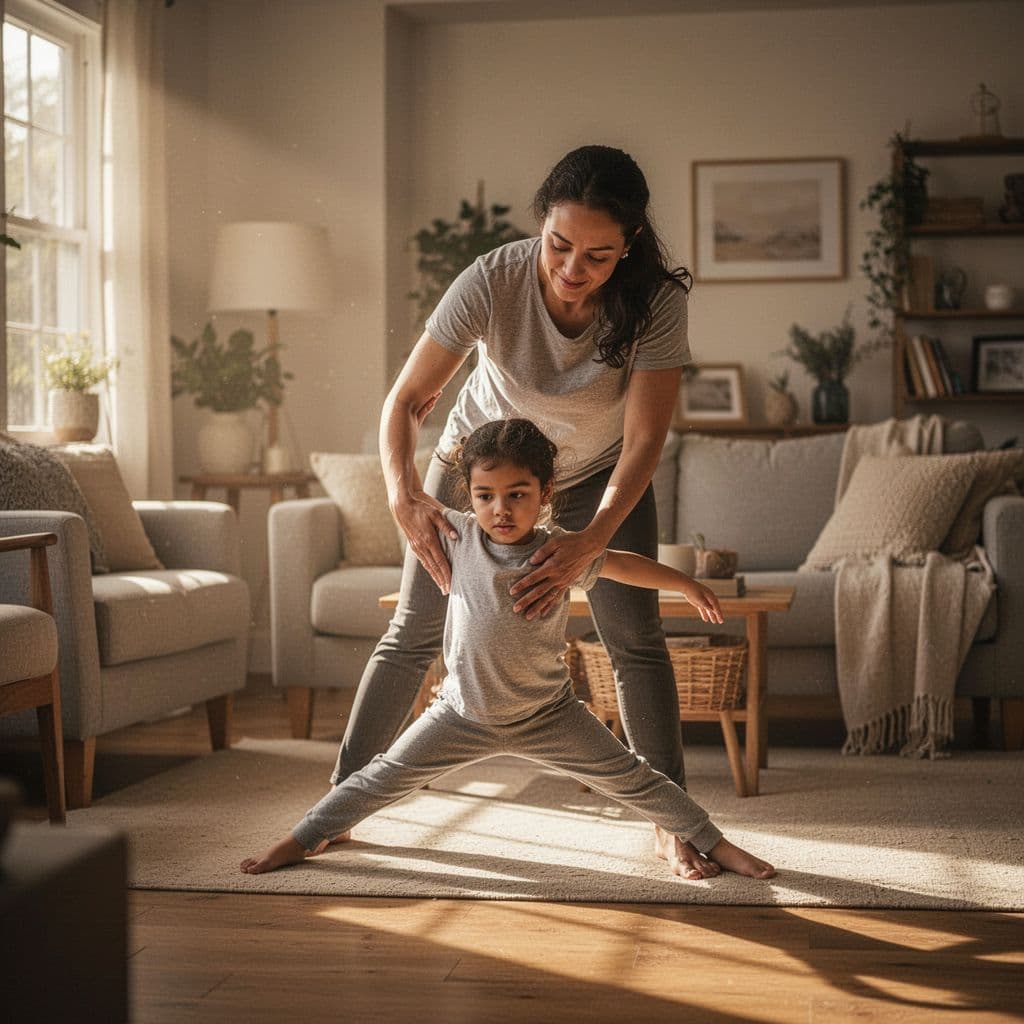
Keep the pace gentle and age-appropriate
Younger kids usually do best with simple actions, short rounds, and clear directions. Older children can handle a little more balance or coordination work, but they still need easy wins and frequent breaks. If a move looks too hard, scale it down by slowing it, shortening it, or doing it with support.
A safe routine should never cause pain, dizziness, or strain. If your child feels discomfort, stop the exercise and choose a softer option instead. According to the CDC physical activity guidelines for children, movement should match a child’s age and abilities, which is a good rule for brain gym too.
Stay close, watch the setup, and use support when needed
Clear the floor, move sharp objects out of the way, and keep the space uncluttered. For balance moves, stay nearby so you can guide or steady your child if needed. Children with special physical needs, injuries, or medical concerns should get adult guidance before trying new exercises, and some may need seated or supported versions.
Remember what brain gym can and cannot do
Brain gym is a support tool, not a fix-all. It can help with focus, coordination, and calm, but it does not replace professional advice for learning concerns, sensory issues, or medical problems. If a child struggles often with attention, balance, or movement, a pediatrician, therapist, or school specialist can help sort out the next step.
Conclusion
Brain gym exercises work because they give kids a small, useful pause. A few simple moves can sharpen focus, calm busy energy, and help the body feel more in step with the mind.
That is the heart of it. When children cross the midline, balance, stretch, breathe, and tap through short routines, they build coordination and get more ready for reading, writing, and classroom time. For younger children, these quick movement breaks pair well with fun brain breaks for kindergarteners, especially when attention starts to slip.
Start small. Pick one or two brain gym exercises today, use them often, and let the habit grow from there. Small movements can carry real weight when a child needs a calmer, clearer start.
Save pin for later

- Asperger’s Syndrome in Babies: Early Signs and Next Steps - October 7, 2026
- 12 Beautiful Baby Names That Mean Forest, Plus Woodland Picks - September 27, 2026
- 15 Fantastic Baby Nicknames for Boys, From Sweet to Playful - September 27, 2026