The smallest moments matter most when you’re around a baby, because they absorb more than words, they pick up moods, voices, and patterns.
That means the way you act in front of your baby can shape how safe, calm, and secure they feel. This post isn’t about perfect parenting, it’s about simple choices that protect your baby’s sense of safety, support healthy development, and set a steady example from day one.
You’ll see 5 things you shouldn’t do in front of your baby, along with why each one matters and what to do instead. If you want a gentle way to support your baby when they’re already upset, these quick tips for calming a fussy baby can help too.
Start with the first one, because a baby’s quietest lessons often come from watching you.
Why your baby notices more than you think
Babies may not understand your words, but they notice your face, your voice, and the way a room feels. A baby can sense calm the way a plant senses sunlight, and tension the way skin notices cold air.
That is why your tone, body language, and daily habits matter so much. Even before your baby can talk, they are collecting clues about safety, comfort, and trust.
How babies pick up stress, tone, and routine
A baby does not need a full explanation to feel stress. Sharp voices, rushed movements, and tight faces can feel upsetting, while soft speech and gentle handling can feel soothing. Research on infant emotional development shows that babies respond to facial expressions, tone, and the emotional climate around them, even in the earliest months of life. For a broader look at this stage, see emotional and social development in babies.
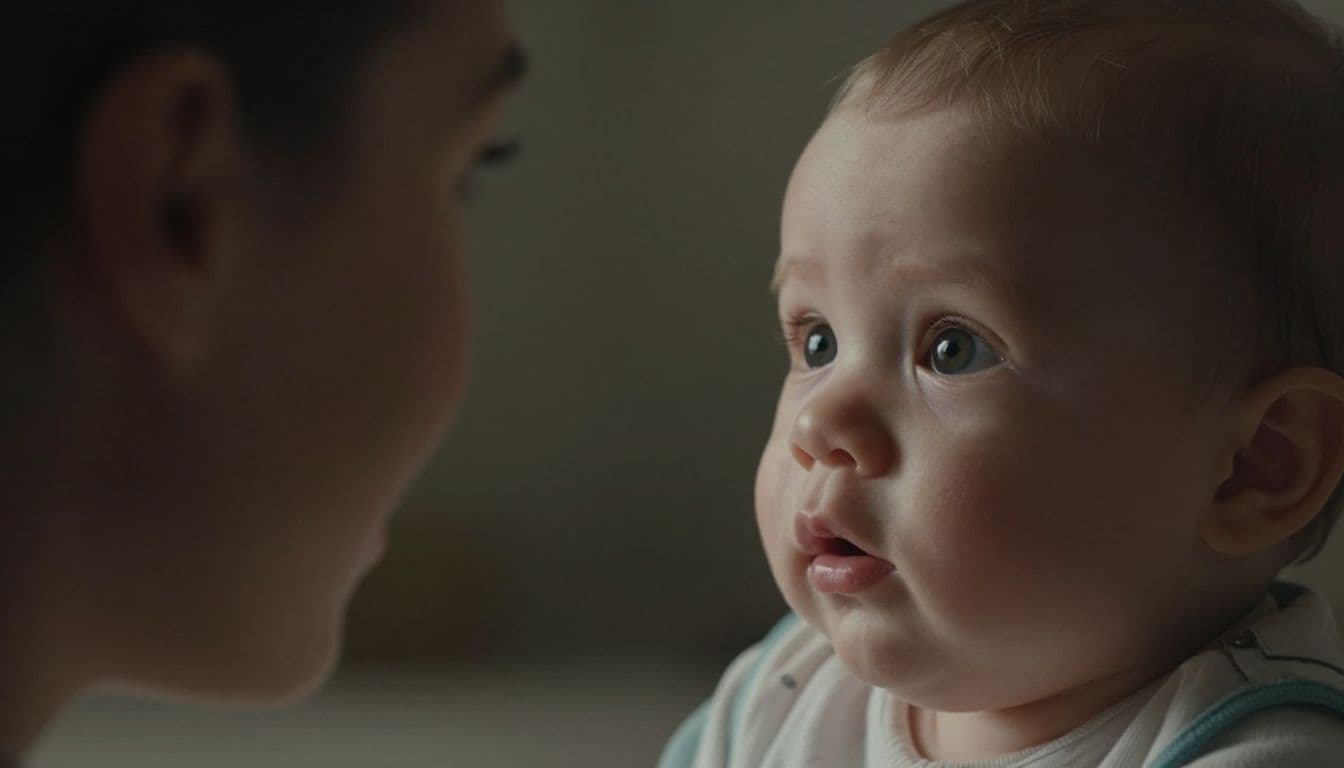
Routine matters too. When your days follow familiar patterns, your baby starts to recognize what comes next, and that predictability feels safe. Feeding, soothing, and bedtime all become easier when the home atmosphere stays steady and warm.
Babies may not understand the words, but they remember the feeling.
That is why a noisy, tense home can weigh on a baby, even if no one says anything directly. A calmer rhythm gives your baby a better base for sleep, comfort, and early emotional security. The babies and stress facts explain how early stress cues can affect infant well-being.
What your baby learns by watching you every day
Babies learn by copying long before they can explain what they see. If you speak kindly, pause before reacting, and handle frustration with care, your baby gets a live lesson in self-control. If you snap, shut down, or move through the day with constant tension, that pattern also gets noticed.
Small moments teach big things. The way you greet your partner, answer a phone call, or react when you spill something shows your baby what relationships and coping look like.
A baby watches for more than action. They notice whether your face matches your words, whether your voice feels steady, and whether home feels like a place where people can relax. That early model becomes part of how they expect the world to work.
The second thing to avoid: name-calling, sarcasm, and harsh language
Babies may not know the exact words yet, but they hear the music of speech. A sharp voice, a mocking laugh, or a cruel tone can hang in the room like smoke. Even when the sentence is short, the feeling behind it can be loud.
That matters because babies read faces, voices, and body tension before they understand language. Harsh words can make home feel tight and uneasy, while gentle speech keeps the air softer. Over time, that difference shapes what your baby sees as normal.
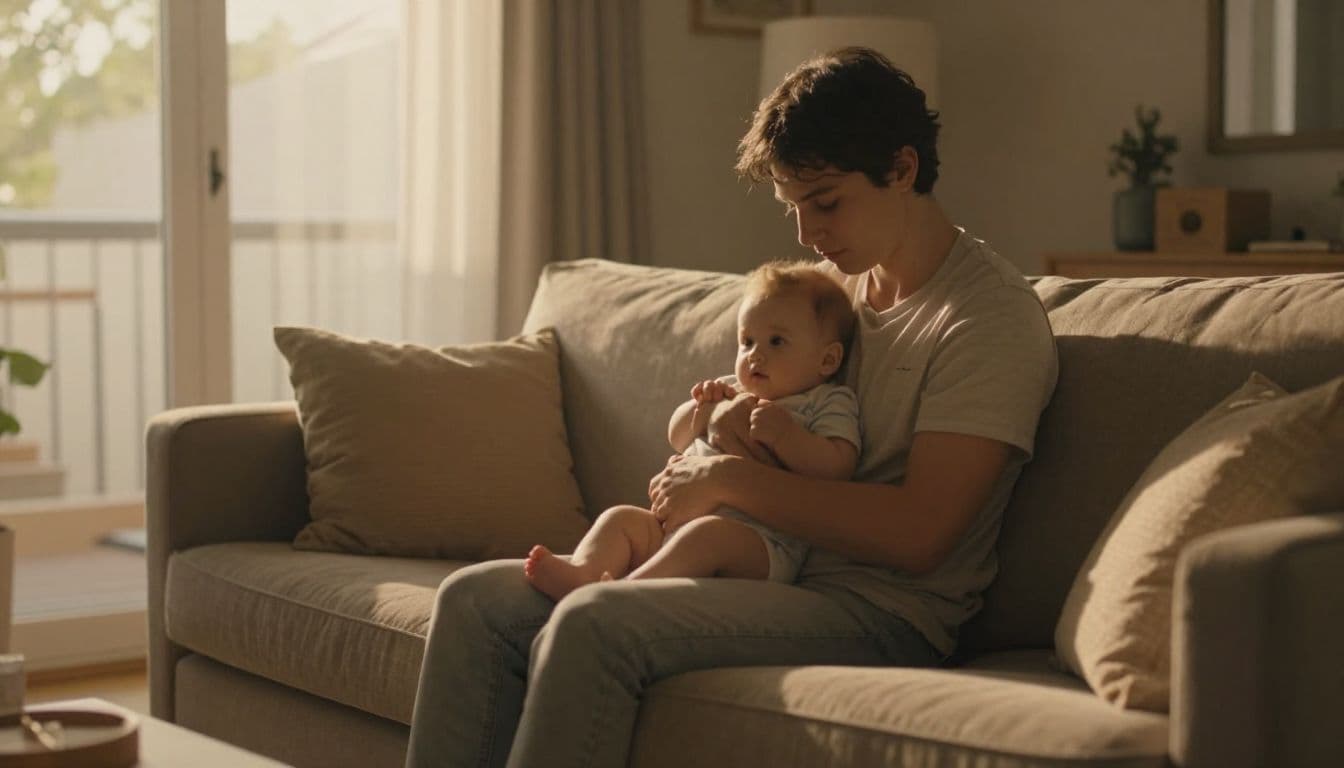
Why tone matters even before your baby knows the words
A baby may not understand sarcasm, but they feel its edge. A joke that lands like a jab still changes the mood in the room. Name-calling does the same thing, because it turns frustration into something cold and heavy.
That kind of speech can become the background noise of a home. Then a baby grows up hearing that people speak to each other with sting instead of care. Research on harsh verbal discipline shows that harsh language is tied to worse emotional outcomes later on, and the pattern often starts with everyday moments.
You can hear the difference in small scenes. A tired parent saying, “You always do this,” feels very different from a calm, “I’m frustrated right now.” One pushes blame into the room. The other names the feeling without throwing it at someone.
What to say instead when you are frustrated
When you feel your temper rising, slow the moment down. Pause first, then speak in a lower voice. If you need a break, say so plainly.
A few simple options work well:
- “I’m upset, so I need a minute.”
- “Let’s talk when I’m calmer.”
- “I don’t like what just happened, but I want to speak respectfully.”
- “I’m frustrated right now, and I need to pause.”
Those words protect your baby, but they also protect the people around you. Kind language lowers tension, makes repair easier, and shows your baby what respect sounds like in real life. If you want more help with calm communication at home, these positive parenting techniques for bonding can help you keep the tone steady, even on hard days.
The third thing not to do: smoke, vape, or drink heavily around your baby
A baby needs clean air, alert care, and a steady room to live in. Smoke, vapor, and heavy alcohol use disturb all three. Even when the baby seems too small to notice, their body and nervous system are taking in the scene.
This is about more than a bad smell or an awkward moment. It is about lungs that are still growing, eyes that are still learning faces, and a home that should feel safe and predictable. When substance use is visible in front of a baby, the message is loud, even without words.
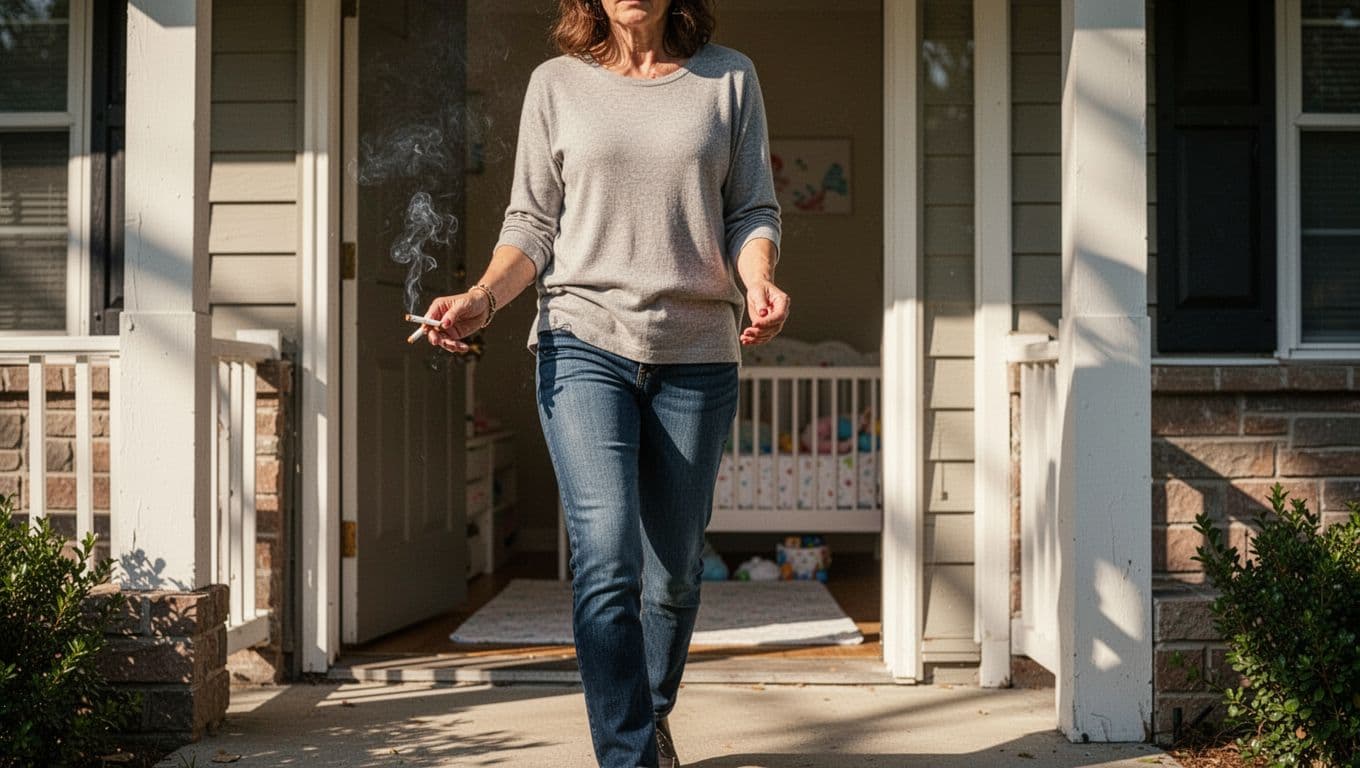
How these habits can affect your baby’s health and sense of safety
Secondhand smoke can irritate a baby’s lungs fast. It can make breathing harder, raise the chance of ear infections, and increase the risk of serious sleep-related harm. The CDC explains the health problems caused by secondhand smoke, and babies are among the most vulnerable because their bodies are so small.
Vaping is not harmless around babies either. The cloud may look lighter, but it still carries chemicals and fine particles that do not belong in a nursery, a car seat area, or a living room. Babies breathe what is in the air around them, and they cannot walk away.
Heavy drinking creates a different kind of risk. A parent who is drunk can move too fast, forget a bottle, misread a cry, or fall asleep when the baby still needs supervision. That kind of unpredictability can make a baby’s world feel shaky, like a crib with one loose leg.
Babies do best when the adult in the room is clear-headed and steady.
The message matters too. When a baby sees smoking, vaping, or heavy drinking as a normal part of daily life, that behavior can start to feel ordinary. Over time, repeated exposure can shape what your child expects from home, comfort, and coping. For background on smoke exposure and babies, second-hand smoke, third-hand smoke and vapour is a helpful overview.
Safer habits to model instead
Small boundaries can make a big difference. If you smoke or vape, set a smoke-free space and step outside well away from the baby, then change your outer layer or wash your hands before holding them again. That keeps the air cleaner and cuts down on residue that can cling to clothes and skin.
If you are the main caregiver, choose not to drink heavily. Better yet, skip alcohol when you know you need to stay fully alert. Babies do not need a parent who is half-present, they need someone who can hear the tiny shifts in a cry and respond fast.
A few simple habits help protect that calm:
- Keep the home and car smoke-free.
- Put vaping outside, away from doors and windows.
- Avoid holding the baby after heavy drinking.
- Ask another sober adult to step in if you are impaired.
If drinking or smoking feels hard to control, get support instead of hiding it. A baby does not need perfect parents, but they do need honest ones who create a safer home. Choosing help is a stronger move than pretending the problem is not there.
The fourth thing to stop: living on your phone while your baby is awake
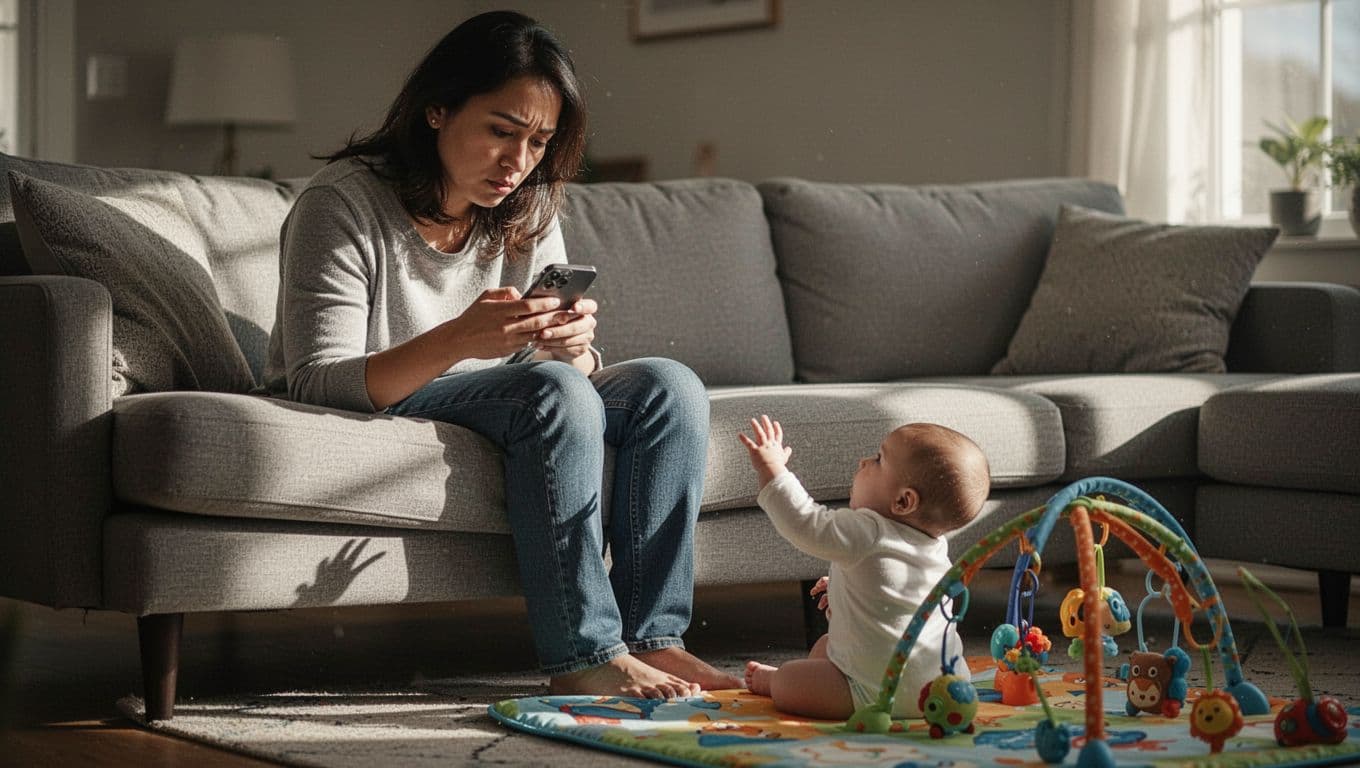
A phone can pull your eyes, your attention, and your mood in seconds. When that happens often, your baby feels the gap. Babies need your face, your voice, and your quick response to feel connected, and a half-present parent can make even ordinary moments feel distant.
That doesn’t mean you need to ban your phone forever. It does mean your baby should not have to compete with endless scrolling for your attention. A few clear limits can protect bonding and make daily care feel calmer for both of you.
What constant screen time can steal from bonding
Babies build connection through tiny exchanges. They look at your eyes, watch your mouth move, listen for your tone, and wait for your reply. When your attention keeps drifting to a phone, those small loops of connection get cut short.
That can leave a baby with less eye contact, fewer smiles, and less back-and-forth chatter. Over time, those missed moments add up, because bonding grows in repeated, ordinary contact, not in one big dramatic scene. Research on parent smartphone use and children’s emotions links frequent device use with more child anger and sadness, which fits what many caregivers notice at home: babies become fussier when they have to compete with a screen.
A baby does not need a perfect parent. A baby needs a present one.
Constant scrolling can also make caregiving feel rushed. You may finish the feeding, change the diaper, or bounce the baby, but miss the little pauses where connection happens. Those pauses matter because babies learn from your timing as much as your touch.
Simple ways to stay present without giving up your phone completely
Small habits work better than strict rules you can’t keep. Put your phone away during feeding, diaper changes, and play time, then check it later when your baby is settled. That one shift can make the room feel softer and more focused.
Short check-in windows help too. Instead of opening your phone every few minutes, pick a few times to look at messages, then leave it alone again. You stay reachable without letting your screen run the house.
A few realistic boundaries can help:
- Keep the phone out of reach during floor play.
- Leave it face down during bottles or nursing.
- Charge it in another room during naps when possible.
- Use silent mode for a set block of time.
- Answer only urgent calls while your baby is awake.
If you want another way to keep bonding strong, try more face-to-face play and fewer distractions. These simple newborn play ideas can help you stay connected without needing a screen between you.
The goal is balance. Your phone can wait for a few minutes, but your baby is learning from this moment right now.
The fifth thing to avoid: acting out of line in private or unsafe ways
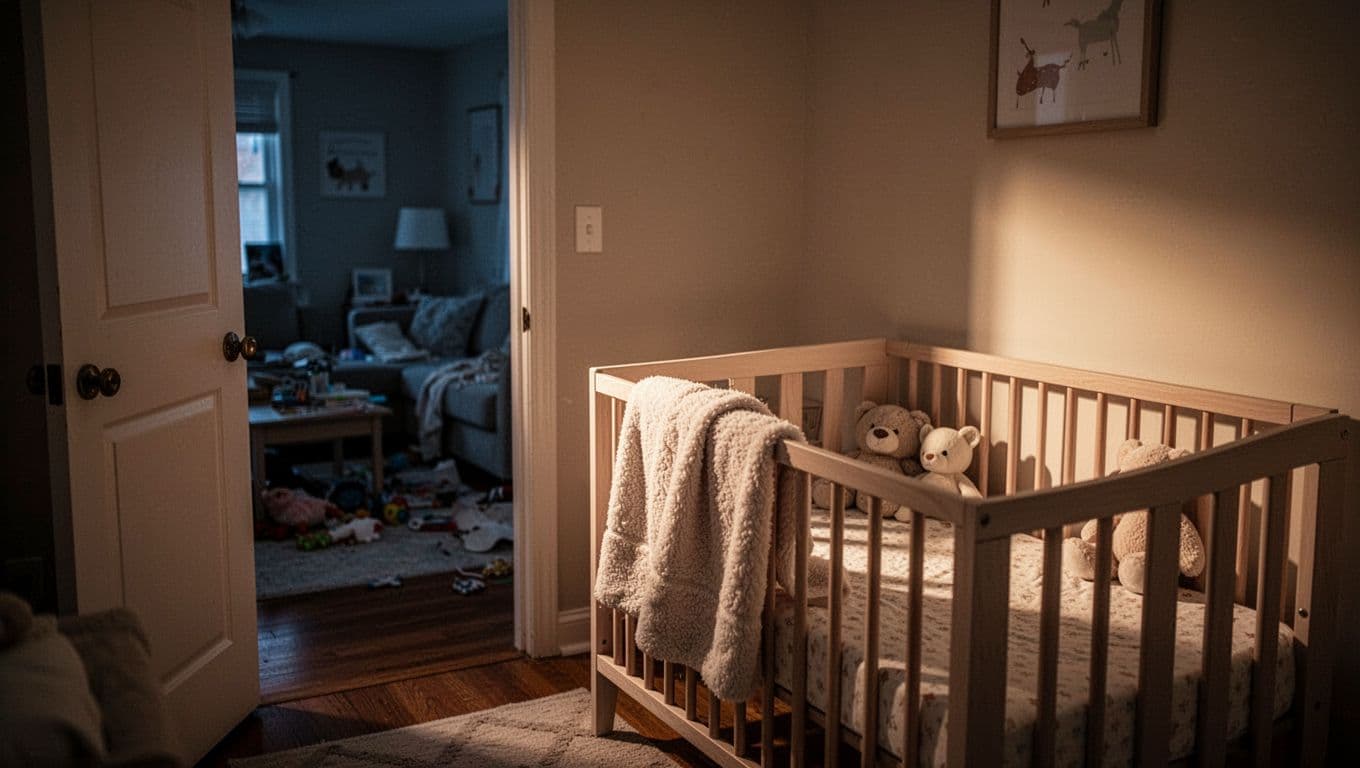
Some behavior may feel hidden from a baby, but home does not work like a locked box. Babies absorb tone, tension, and the feel of the space around them. When private behavior becomes unsafe, messy, or disrespectful, the whole house can feel off balance.
That is why boundaries matter even before a child can speak. A baby thrives in a home that feels calm, protected, and steady, where adult choices do not create fear, confusion, or instability.
Why boundaries matter in a home with a baby
A baby may not understand every detail, but they still feel discomfort. Raised voices, slamming doors, secretive arguments, or adult behavior that turns the air tense can leave a child unsettled. In other words, they may not know what is wrong, but they know something is wrong.
Warm, responsive care helps babies feel safe and settled. Research on infant development shows that babies learn trust and emotion control from the way caregivers handle everyday stress at home, especially through tone, touch, and consistency. For more on that early bond, see how parent-infant relationships shape development.
If a room feels unsafe for adults, it does not feel safe for a baby.
That includes private behavior that should stay private, unsafe conduct, and any adult conflict that spills into a child’s space. A baby does not need the details, but they do need a home that feels predictable and gentle. When the environment stays calm, they have more room to sleep, feed, and grow without stress pressing in on them.
How to keep your home feeling safe and respectful
Start with simple privacy. Close doors when needed, keep adult matters out of the nursery, and handle personal conversations away from your baby’s ears. A peaceful home does not mean pretending life is perfect, it means protecting your child from things they should not carry.
The same rule applies to behavior. Choose the right setting for adult issues, keep physical affection age-appropriate, and avoid anything that turns the home tense or unsafe. Babies do best when the adults around them act like the room is always being watched, because in a way, it is.
A few practical habits help keep the space respectful:
- Handle arguments out of the baby’s hearing.
- Keep private adult behavior behind closed doors.
- Save serious talks for when the baby is asleep or supervised.
- Keep the nursery calm, clean, and free from adult stress.
- If emotions run high, step away and reset first.
When you protect the tone of the home, you protect your baby too. A small child does not need access to every adult moment. They need safety, calm, and the steady feeling that the people around them know how to keep the walls of the home soft and secure.
What babies learn from your habits, not just your words
Babies are pattern collectors. They notice what happens again and again, then they start to treat it as normal. That is why calm speech, patience, self-control, and kindness matter so much in front of a little one.
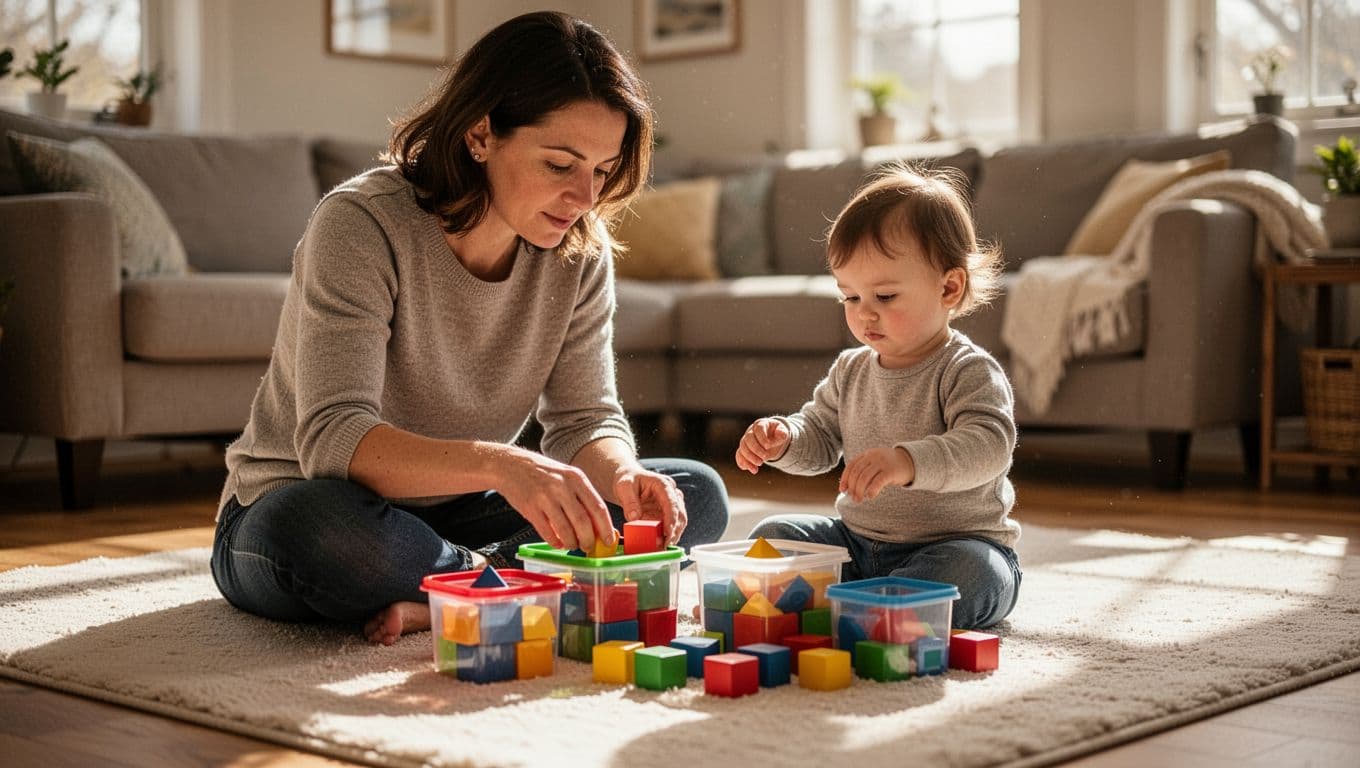
Your baby does not need a long lecture to learn how to behave. They learn from the way you answer stress, how you treat other people, and how you handle ordinary messes. Those daily repeats become the backdrop of home.
Small daily choices that leave a lasting mark
The little things matter most because babies see them often. A calm “please” at breakfast, a patient pause during a diaper change, or a steady breath after spilled milk tells your child what normal looks like.
In contrast, a home filled with rushed words and sharp reactions teaches tension as a habit. Babies may not name it, but they feel the difference. If you want a child who grows up with respect and ease, start with the tone they hear every day.
You can model the habits you hope they copy:
- Calm speech when things go wrong
- Patience when a task takes longer than expected
- Self-control when frustration rises
- Kindness in the way you speak to others
These choices do not have to be perfect to matter. A baby learns from repeated direction, and even small acts of repair count. If you slip, reset, soften your voice, and try again.
For a useful reminder of how early imitation starts, Parenting Counts explains infant imitation in simple terms.
A simple rule to follow when you are unsure
A good test is easy to remember: if you would not want your child to copy it later, don’t do it in front of them now. That rule works for speech, reactions, and private habits that shape the mood of the home.
It also keeps the focus on growth instead of guilt. You will make mistakes, and that does not erase the good you model most days. Progress matters more than perfection, because babies learn from the pattern you return to, not one rough moment.
When in doubt, choose the version of yourself you want your child to meet later. Speak more gently, slow your reactions, and show the kind of home you hope they carry forward.
Conclusion
The five things to avoid in front of your baby are clear, harsh language, smoke or heavy drinking, constant phone use, unsafe private behavior, and tense habits that make home feel unsettled. Each one shapes the mood your baby lives in every day.
The goal is not perfection. It is a calm, safe, loving space where your baby can watch steady care, gentle words, and respectful behavior unfold in real time.
Your baby is always learning from what they see and hear, so the small choices you make now can support healthy growth later.
Save pin for later


- Asperger’s Syndrome in Babies: Early Signs and Next Steps - October 7, 2026
- 12 Beautiful Baby Names That Mean Forest, Plus Woodland Picks - September 27, 2026
- 15 Fantastic Baby Nicknames for Boys, From Sweet to Playful - September 27, 2026