
Teen group time can feel lively and relaxed when the activity fits the room. That’s why Bible games and activities for teens work so well, they ease tension, build trust, and help Scripture stick in a way a lecture often can’t.
When teens are laughing, moving, and talking together, they open up faster and pay attention longer. If you’re planning for a youth group, church event, small group, or even a night at home, age-appropriate activity ideas for teens can make the whole thing smoother.
The best part is that these ideas don’t need much setup or a pile of supplies. Keep this Bible quiz video handy for a quick spark:
Bible games for teens that work with almost no prep
When time is short, simple Bible games for teens keep the room moving without turning setup into a chore. A stack of cards, a few verse prompts, and a willing leader are often enough to fill a whole youth night with energy.
These games also help when plans change at the last minute. They work for small groups, large groups, and mixed personalities, so no one gets stuck waiting around while the clock runs out.

A good no-prep game also lowers the pressure. Teens can jump in fast, laugh a little, and still walk away with Scripture details in their heads.
Keep the rules short and the pace brisk. The faster the game moves, the easier it is to hold attention.
For more ready-to-use ideas, these teen activity ideas can also help fill out a group night when you need extra options.
Bible charades
Bible charades is one of the easiest games to run because it needs almost nothing. Teens act out Bible stories, people, or events while everyone else guesses, and the room usually breaks into laughter within minutes.
Write a few names on slips of paper, or call them out one by one. A teen might mime Noah building the ark, David facing Goliath, or Peter walking on water. The guessing keeps everyone alert, and the acting helps teens remember story details better than they might from a quiet review.
This game works well with any group size. If the room is large, split into teams and give each team a chance to score points.
Verse scramble challenge
A verse scramble challenge turns memory work into a race. Mix up words or short phrases from a Bible verse, then let teens put them back in the right order.
You can write the words on index cards, scraps of paper, or a whiteboard. Teams can work together, which makes the game useful for memory and teamwork at the same time. It also brings out a little friendly competition, which teens usually enjoy.
To keep it simple, use one verse at a time. Short verses work best, especially if you want the game to move quickly and stay fair for everyone.
Bible trivia relay
Bible trivia relay adds movement to a regular quiz. Instead of sitting still, teens run, tag in, or dash back to their team before answering the next question.
The setup can be very basic. Place questions on the other side of the room, or have one leader call them out while players rotate in and out. Teams can keep going until they miss an answer, then the next player steps up.
That format works well for different group sizes because you can adjust the pace. If the room is small, keep it in place. If the room is bigger, spread out and let the movement add to the fun.
For a few more indoor youth ideas, Bible Games Central has a solid collection of no-prep group games.
Who am I from the Bible?
“Who am I from the Bible?” is a guessing game built around famous Bible characters. One teen gets a name on a card, then asks yes-or-no questions or listens to clues until the answer becomes clear.
This game works best when clues are simple but not too obvious. “I led people out of Egypt” points to Moses, while “I was swallowed by a big fish” gives away Jonah fast. Teens have to listen carefully, think through the clues, and pull details from memory.
Because the game is so flexible, you can play it in a circle, in teams, or one-on-one. It takes very little prep, yet it still keeps the group focused and active.
Active Bible activities that keep teens moving
When teens have room to move, they tend to stay interested longer. Motion breaks up the usual sit-and-listen routine, and it gives Bible learning a fresh rhythm.
These active Bible activities work well in a gym, fellowship hall, classroom, backyard, or open field. They are also easy to supervise because the rules stay simple, the space stays clear, and the action stays focused.

Scripture scavenger hunt
A scripture scavenger hunt gets teens moving from one stop to the next with Bible clues, verse references, or hidden symbols. You can place cards around the room, tape verses under chairs, or hide small pictures that point to the next clue.
Each stop should lead to a Bible search skill. One clue might ask teens to find a verse about courage, then solve a short question before they move on. Another stop could use a symbol like a fish, a crown, or a cross, which sends them to the next location.
This game blends movement with Bible work in a way that feels natural. Teens are walking, searching, reading, and thinking at the same time, so the lesson sticks better.
A simple setup keeps it stress-free:
- Choose 5 to 10 clues.
- Use short verses or clear reference hints.
- Keep the route safe and easy to watch.
- Place all stops within a defined space.
For a wider pool of group ideas that also work well with teens, these engaging activities for kids can spark easy twists for youth night too.
Bible verse obstacle course
A Bible verse obstacle course adds energy to memory work. Set up cones, chairs, jump ropes, tape lines, or hula hoops, then connect each station to a verse, a question, or a short recall task.
Teens might crawl under a table, hop through hoops, or balance a beanbag before they answer a Bible question. At the next station, they could repeat a verse phrase, finish a missing word, or name the character tied to the passage.
The setup can stay simple, which makes it easy to run indoors or outside. You do not need fancy gear, just enough space for teens to move without bumping into each other.
Keep the course short and clear. A messy setup slows the game and makes supervision harder.
This kind of activity works best when every stop has a purpose. The movement keeps the room lively, and the Bible task keeps the game tied to the lesson.
Run to the verse
“Run to the verse” is a quick game that turns Bible search into a race. Call out a chapter, theme, or question, and teens rush to find the right verse or answer first.
You can make this even easier by placing several Bibles around the room or giving each team a shared Bible. When the cue sounds, everyone moves fast, flips pages, and tries to land on the right passage before the other team does.
It works well for younger teens because you can use simple clues and shorter verses. Older teens can handle tougher prompts, like matching a verse to a theme or finding the correct chapter without help.
The game also adjusts easily for space. In a classroom, teens can move to marked spots. Outside, they can run to stations spread across the yard.
For more structured youth activity ideas, Dare 2 Share’s youth ministry games list offers more formats that keep a group active and involved.
A few good prompts make the game more engaging:
- “Find a verse about faith.”
- “Run to the book of Psalms.”
- “Show the verse that talks about peace.”
- “Which chapter tells the story of David and Goliath?”
The pace stays quick, the energy stays high, and teens keep using their Bible skills while they move.
Creative Bible games that spark discussion and teamwork
Some Bible games do more than fill time. They give teens a reason to talk, listen, build, and make choices together. That matters, because faith often becomes clearer when a group has to solve a problem or shape an idea as one team.
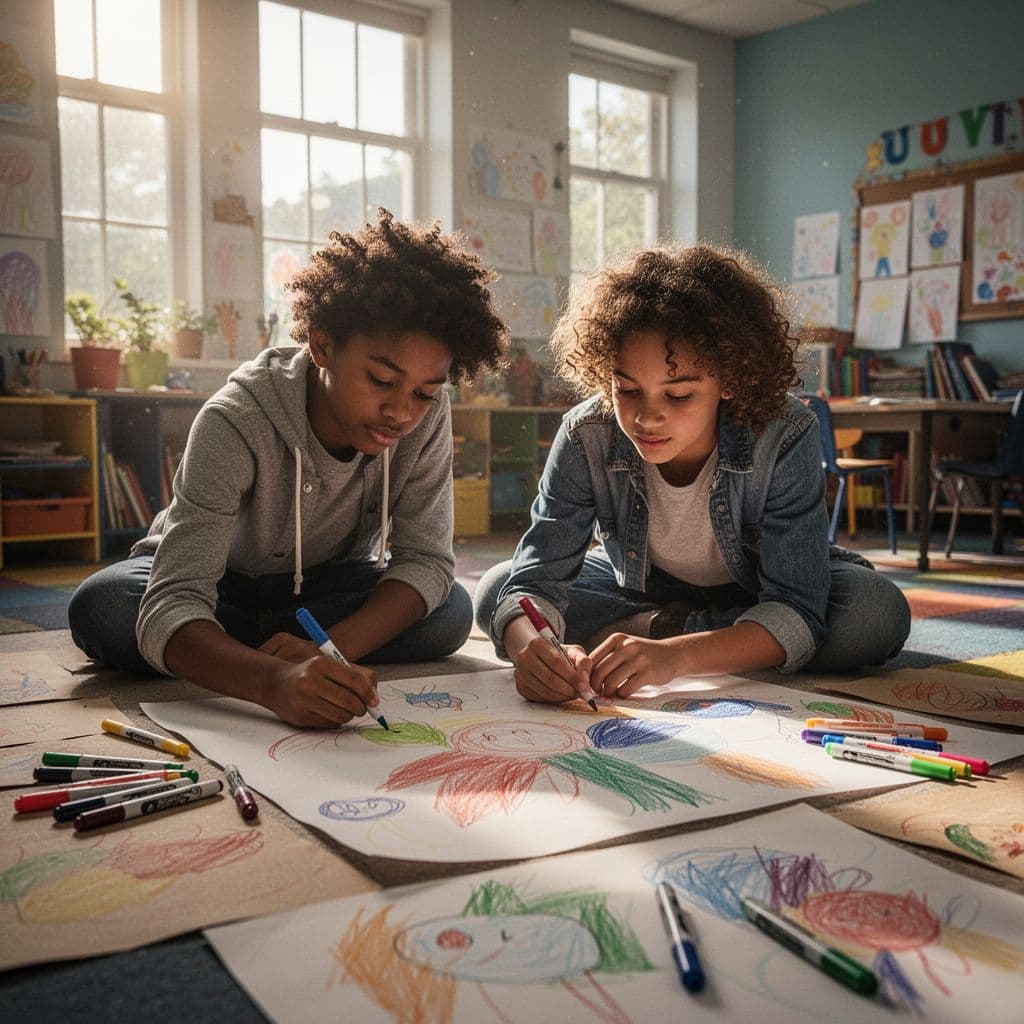
These games work well when you want more than quick answers. They invite teens to think about Scripture in a hands-on way, then talk through what it means in real life. As a result, the room feels active without turning shallow.
For a wider mix of youth ideas, Pushpay’s youth group activities list includes a helpful range of group options for churches.
Bible story drawing challenge
In this game, one teen draws a Bible scene while the rest of the group guesses the story or passage. It can be as simple as Noah’s ark, the burning bush, or the loaves and fishes.
The best part is that no art skill is needed. In fact, rough stick figures often make the game better, because they lower pressure and get everyone laughing faster. Once the story is guessed, ask the group what details helped them figure it out.
That short discussion can open the door to deeper memory and reflection. Teens start noticing how much they remember when they have to turn a scene into a picture.
Build the scene
Give teams simple supplies like paper, markers, cups, blocks, or tape, then ask them to recreate a Bible moment. One team might build Jericho’s walls. Another might set up a manger scene or a storm-tossed boat.
This game works because it pulls everyone in. One person arranges pieces, another explains the scene, and someone else remembers the passage. The teamwork matters as much as the final result.
You can keep it light for a big group or make it more detailed for a small group. Either way, teens have to communicate clearly, which helps them remember the story longer.
Scripture freeze frame
Scripture freeze frame asks groups to create a still pose that shows a Bible story or the meaning of a verse. One group might freeze as David facing Goliath. Another might show mercy, forgiveness, or trust through body language alone.
The challenge is simple, but it makes teens think. They have to ask what the story looks like, not just what it says. That shift can lead to stronger discussion about how Scripture shows up in real life, at school, at home, or with friends.
A few prompts can help the game flow:
- Show courage in one pose.
- Freeze as a Bible story moment.
- Act out what forgiveness looks like.
- Make a pose that fits one short verse.
Would you rather, Bible edition
This version uses Bible themes, values, or characters to spark choice-based discussion. Questions like “Would you rather forgive first or wait to be apologized to?” or “Would you rather serve quietly or lead openly?” get teens thinking fast.
Keep the tone thoughtful, but not heavy. The goal is to let teens explain their choices, hear other views, and connect those choices to Scripture. That kind of conversation often lasts longer than the game itself.
This works well in small groups, but it also scales for larger youth nights if you let teens move to different sides of the room based on their answer. Then ask a few people to explain why they chose that side.
That mix of movement and discussion keeps the game lively, while the Bible focus keeps it grounded.
Easy ways to make Bible games more meaningful for teens
Bible games land best when they do more than fill time. A good game can open the door to Scripture, pull teens into honest talk, and leave them with one clear idea they can carry home. The trick is simple, keep the fun, but give it a point.
A short game can still teach a real truth when you guide it well. That means choosing a focus, asking the right questions, and making room for every teen to take part without pressure.
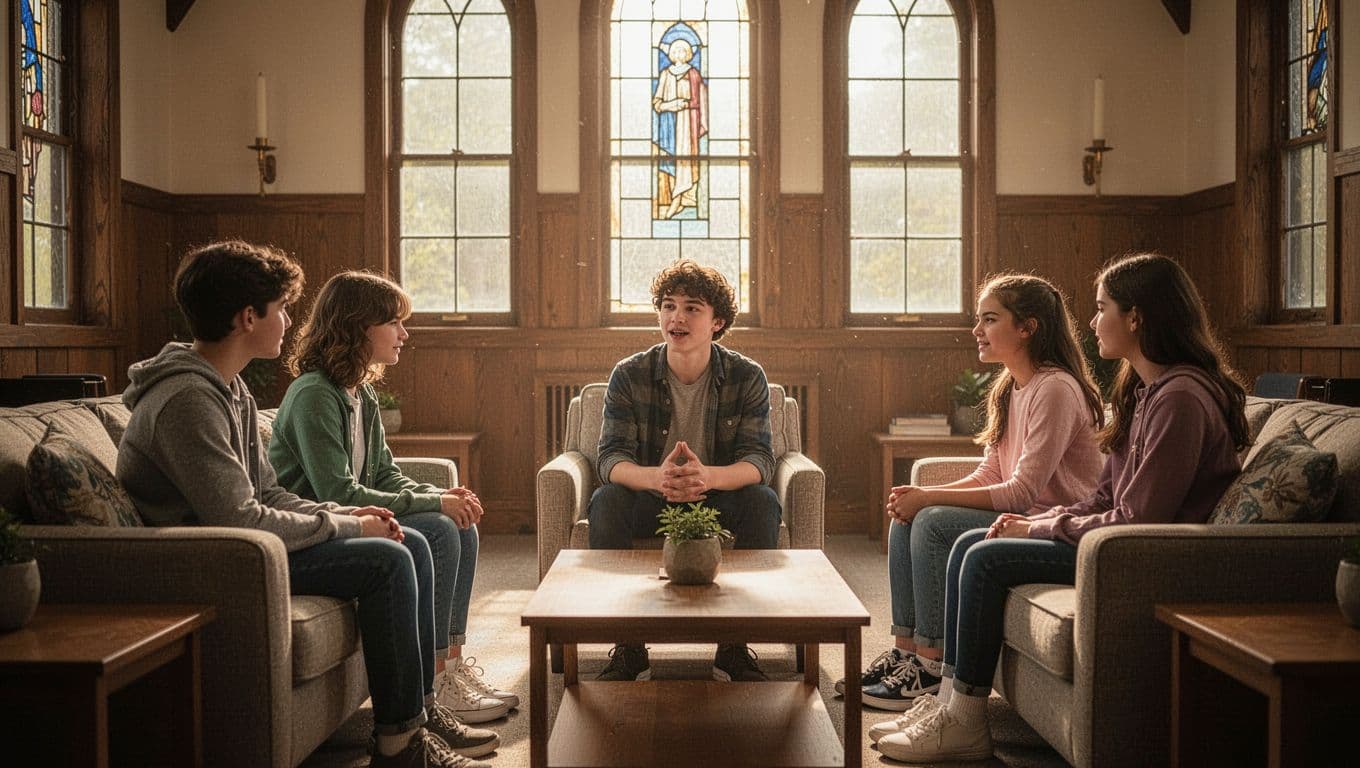
Tie every game to one Bible truth
Start with one clear message before the game begins. Pick a theme like courage, trust, kindness, wisdom, forgiveness, or patience, then build the activity around that idea. When everything points to one truth, the game feels focused instead of random.
For example, a verse scramble can center on God’s faithfulness. A charades game can highlight courage through Bible heroes. A scavenger hunt can point teens toward verses about kindness or wise choices. That simple connection helps the activity feel connected to Scripture instead of just entertaining.
Keep the message easy to name in one sentence. “Today we are seeing how God gives courage” works better than a long speech. If the truth is clear, teens are more likely to remember it later.
Use short debrief questions
The conversation after the game matters just as much as the game itself. A few short questions help teens move from laughs to real thought without making the room feel stiff. Good prompts keep it easy and honest.
Try questions like these:
- What part of the game reminded you of a Bible story or verse?
- Where do you see this truth at school, home, or with friends?
- What was easy to notice, and what was harder?
- How could you live this out this week?
Keep the pace light and the answers brief. One or two teens may speak a lot, but others may only need a quick sentence. If you want more ideas for simple group prompts, these youth hot seat questions can help spark discussion without dragging the mood down.
Make space for shy and bold teens alike
Some teens jump in right away. Others watch first, then join when they feel safe. A strong game makes room for both.
Pair work helps quieter teens speak more easily. Team roles work well too, such as clue reader, score keeper, runner, or verse finder. Nonverbal parts also matter, because drawing, acting, pointing, or building can give shy teens a way in without putting them on the spot.
It also helps to rotate roles. A teen who stays quiet in one game may open up in the next if the pressure drops. Small wins build trust, and trust opens the door for better participation.
Teens engage more when they know they can join in without getting embarrassed.
Keep the atmosphere upbeat and safe
Fun lasts longer when the room feels safe. Clear rules protect that. Explain how points work, what counts as a fair answer, and what happens when someone misses. That keeps the focus on the activity instead of on confusion.
Encouragement matters too. Cheer for effort, not just correct answers. A teen who tries, laughs, or helps a teammate is already part of the win.
Avoid games that single people out too hard or rely on embarrassment for laughs. Teens may smile in the moment, but they remember how they felt. The best Bible games feel like a team huddle, not a spotlight. For more group formats that keep purpose and fun in balance, these Bible group games with a purpose are a helpful reference.
Conclusion
Bible games and activities for teens work best when they feel lively, clear, and connected to real truth. When teens laugh together, move together, and think through Scripture together, the lesson stays with them longer.
The strongest games are the ones that build connection first and make Bible memory easier second. That kind of group time gives teens room to show up, speak up, and see faith in a fresh way, which fits well with guiding teens in spiritual growth.
Pick one or two ideas and try them at your next youth night, small group, or family gathering. A simple game with a clear Bible focus can turn an ordinary evening into one teens remember.
Save pin for later


- Asperger’s Syndrome in Babies: Early Signs and Next Steps - October 7, 2026
- 12 Beautiful Baby Names That Mean Forest, Plus Woodland Picks - September 27, 2026
- 15 Fantastic Baby Nicknames for Boys, From Sweet to Playful - September 27, 2026