
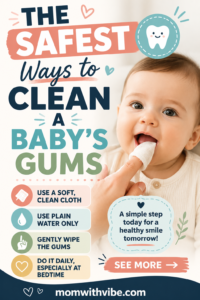
The safest way to clean your baby’s gums is by using a clean, damp washcloth or sterile gauze pad with plain water. You don’t need any special toothpaste or tools to keep those tiny, sensitive tissues healthy.
Cleaning your baby’s mouth before their first teeth appear is important because it clears away lingering milk or formula residue. This simple habit helps reduce harmful bacteria, keeps gums clear of irritation, and gets your little one comfortable with oral care routines early on. Just like maintaining hygiene during diaper changes, establishing this small daily practice sets a positive foundation for their long-term health.
You can watch this video on the best way to clean a baby’s teeth to see these gentle techniques in action.
Why gum cleaning matters before the first tooth appears
Taking care of your baby’s mouth is a great way to support their long-term health, even before those first little teeth break through. Many parents assume that oral hygiene begins only when the first tooth emerges, but the gums themselves benefit significantly from regular, gentle attention. This practice is about keeping the mouth environment clean and helping your baby feel comfortable with a routine. It is a simple habit that lays the groundwork for a lifetime of healthy dental habits.
What builds up on a baby’s gums after feedings
When your baby drinks milk or formula, tiny traces often stay behind on their gums and tongue. While this is a natural part of feeding, those remnants create a place where bacteria can settle. Your baby also produces saliva, which mixes with these residues throughout the day, especially after frequent feedings.
Gentle cleaning helps clear away these lingering deposits before they have a chance to sit on the delicate gum tissue. You aren’t aiming for a deep scrub; you are simply removing the layer of film that accumulates after a meal. Keeping the area clean prevents unnecessary irritation and maintains a fresh environment in their mouth. It is a gentle way to keep their gums healthy and comfortable as they grow.
How early mouth care makes future brushing easier
Starting a routine early helps your baby get used to the sensation of having their mouth touched. By gently wiping their gums now, you introduce the concept of oral care in a low-pressure way. When the time eventually comes to introduce a toothbrush, your baby will already be familiar with the process. They won’t be surprised or uneasy when a soft brush replaces the cloth or gauze.
Building this habit early creates a smoother transition for both you and your little one. It turns oral hygiene into a normal, predictable part of their day. You can find more tips on establishing a healthy mouth cleaning routine to help you navigate these early stages. Consistent, gentle care helps your child associate these moments with comfort and attention, which makes future brushing a much more cooperative experience for everyone. Remember that while this habit is a key step, it remains a helpful daily practice rather than a replacement for regular professional dental care as they grow older.
The safest tools to use on your baby’s gums
You do not need an arsenal of expensive gadgets to keep your baby’s mouth healthy. In fact, the safest tools are often the simplest ones you likely already have at home. When selecting items for your little one, prioritize materials that feel soft to the touch and are easy to maintain. The goal is always to wipe away residue gently rather than scrubbing the delicate tissue.
Soft washcloths and sterile gauze work well for most babies
For newborns and young infants, a basic washcloth or sterile gauze pad is the gold standard for oral care. These materials provide a soft, non-abrasive surface that effectively clears milk or formula residue without irritating sensitive gums. To maintain control, wrap the cloth or gauze firmly around your index finger. Ensure the fabric is clean and slightly damp with plain water before you begin.
This simple method gives you a tactile feel for the inside of your baby’s mouth, allowing you to clean thoroughly while feeling exactly how much pressure you apply. Because these materials are inexpensive and easy to sanitize, they remain the most accessible option for daily routines. You can learn more about caring for gums during teething if you find your baby needs extra comfort during this stage.
When a silicone finger brush can be a good choice
As your baby grows, you might find that a silicone finger brush offers a better grip for your daily routine. These brushes fit snugly over your finger, which can feel more secure than a loose cloth when your baby becomes wiggly. Always select a soft, infant-specific brush made from food-grade or medical-grade silicone.
When using a finger brush, stay gentle and use small, circular motions to sweep along the gums. Keep in mind that these tools are for parents to use, not for the baby to chew on as a toy. Because silicone is durable and easy to wash, it is a practical addition to your oral hygiene routine once you feel comfortable with the process. Check the brush regularly for signs of wear and replace it if you notice any tears or damage.
What not to use on a baby’s gums
It is just as important to know what to leave out of your baby’s mouth. Avoid using adult-sized toothbrushes, as their hard bristles and large heads can cause unnecessary injury to delicate gum tissue. You should also skip toothpaste until a doctor or dentist specifically recommends it, as most infants do not need the extra ingredients and often swallow what is placed in their mouths.
Stay away from any tools with rough textures or hard plastic edges. Your baby’s gums are thin and sensitive, so they do not require abrasive scrubbing to stay clean. Simple, soft, and hygienic tools are more than enough to establish healthy habits. If you have questions about specific natural teething pain relief methods, always check with your pediatrician before introducing new objects into your baby’s mouth. Stick to the basics, and keep your approach light and gentle.
A simple step-by-step way to clean baby gums
Establishing a quick cleaning habit protects your baby’s oral health and prepares them for future brushing. You only need a few seconds and a couple of simple items to clear away residue from milk or formula. This process should remain calm, short, and positive for both of you.
Start with clean hands and a damp cloth
Before you touch your baby’s mouth, wash your hands thoroughly with soap and warm water. This simple step prevents unwanted germs from entering their mouth during the process. Hygiene is your first priority when handling such sensitive tissues.
Next, prepare your cleaning tool by using a clean, soft washcloth or a piece of sterile gauze. Dampen the fabric with plain, room-temperature water. You only need the cloth to feel slightly moist; do not soak it or use soap, toothpaste, or other cleaning products. Soap residue can irritate their mouth and leave an unpleasant taste, so stick to water alone to keep everything safe and natural.
Wipe the gums gently, then stop if baby gets upset
Position your baby comfortably in your lap, perhaps cradling them in the crook of your arm. Wrap the damp cloth around your index finger to give yourself control. Gently lift their upper lip to expose the gum line, then move your finger in soft, light strokes across the upper and lower gums. You may also gently wipe the front of their tongue if they allow it.
The entire process should take only a few moments. Keep your movements slow and light to avoid causing any discomfort to their delicate mouth tissues. If your baby becomes fussy, pulls away, or seems unhappy, stop immediately. It is perfectly fine to pause and try again later when they are in a better mood. Your goal is to associate these cleanings with comfort and care, not stress.
Choose the best time of day for the routine
Consistency is far more important than achieving a perfect technique every single time. Try to wipe your baby’s gums after their feedings, as this clears away lingering milk or formula residue before it settles on the tissues. Many parents find success by making this a part of their morning and bedtime rituals.
Pairing this task with a routine you already have, like a diaper change or a bedtime snuggle, makes it much easier to remember. You can find more details on maintaining oral hygiene for infants to help you refine your daily approach. Just stay relaxed, keep it simple, and treat these moments as a quick check-in for your baby’s health. You will find your own rhythm that works for your little one over time.
Common mistakes that can irritate a baby’s mouth
It is easy to overthink your baby’s oral care routine, especially when you want to do everything perfectly. Many parents worry that a quick wipe won’t be enough, leading them to apply too much pressure or use tools that are simply too harsh. Knowing what to avoid is just as helpful as knowing the right steps. Keeping your approach light and simple prevents unnecessary irritation and helps your baby feel comfortable during these daily moments.
Why scrubbing is never needed
You might think that your baby’s gums need a thorough cleaning to stay truly fresh, but that is not the case. Their gum tissue is incredibly delicate and does not need any force. A soft, damp washcloth or piece of gauze removes milk or formula residue quite easily without the need for pressure.
Heavy scrubbing or rubbing can actually cause redness, swelling, or even minor abrasions on those sensitive surfaces. Think of it more like wiping away dust from a delicate surface rather than washing a countertop. If you feel yourself pressing down hard, stop and reset your grip. A gentle, light touch is always the most effective way to clear away debris while keeping your baby happy and calm.
Why toothpaste should wait unless a doctor says otherwise
Many parents wonder if they should add toothpaste to their cleaning routine right away, but it is rarely necessary before the first tooth appears. For most babies, plain, clean water is all you need to clear the gums effectively. Ingredients in standard toothpaste are intended for teeth and can be irritating to the gums or tongue of an infant.
In addition to potential irritation, most babies cannot spit out the excess toothpaste. This leads to them swallowing more than they should, which is best avoided until a dentist or pediatrician gives you the green light to start. Unless a medical professional tells you otherwise, keep your routine simple with just a damp cloth and water. As you prepare for future oral care, you can learn more about when to start cleaning baby gums from reliable pediatric resources.
Why baby gums should never be cleaned with adult toothbrushes
It is tempting to use what you have on hand, but adult toothbrushes are not designed for an infant’s mouth. The heads are too large to maneuver safely, and the bristles are far too firm for thin, soft gum tissue. Even a brush labeled as “soft” for adults can feel like a scouring pad on a baby’s gums.
Baby-safe tools, such as soft silicone finger brushes or simple gauze pads, are specifically crafted for this stage of development. These options allow for gentle, controlled contact that fits the proportions of a tiny mouth perfectly. Using the right tool makes the experience much safer and prevents the accidental nicks or scrapes that can happen with oversized brushes. Stick to items designed for newborns to ensure every part of your routine stays soothing and effective.
What to do when the first teeth start coming in
Seeing that first little tooth peek through your baby’s gums is an exciting milestone. It means it is time to move from simple gum wiping to actual tooth care. While the process changes slightly, your gentle approach remains the best way to keep your little one comfortable and cooperative. You are now shifting from cleaning soft tissue to caring for a hard surface that needs a bit more attention.
How brushing changes once teeth appear
The appearance of that first tooth marks a change in your daily rhythm. You should now transition from using a washcloth or gauze to a small, soft-bristled baby toothbrush. Teeth are more prone to plaque buildup than gums, so this manual brush helps you clear away bacteria more effectively. Even with this new tool, remember that the inside of their mouth is still very sensitive.
Maintain a light touch to avoid irritating the surrounding gums. You should brush your baby’s teeth twice a day to keep them healthy. As for toothpaste, the American Academy of Pediatrics and the American Dental Association recommend starting with a tiny smear of fluoride toothpaste as soon as the first tooth emerges. A grain-of-rice-sized amount is perfect for children under the age of three.
This small amount is safe even if your baby swallows some, but it provides the protection needed to prevent decay. Always verify the right amount or product with your pediatrician or dentist if you have concerns. They can offer guidance tailored to your baby’s unique needs. Keep the motion slow and steady, focusing on gently cleaning all sides of the emerging tooth.
How to keep the routine easy as your baby grows
Consistency is the most powerful tool you have for building lifelong habits. Linking oral care to moments you already enjoy makes the transition simple and keeps the pressure low. For example, you might decide that brushing happens right after a bath or as part of your toddler bedtime hygiene habits. Connecting these tasks helps your baby recognize the signs that it is time to clean their teeth.
You don’t need a long, complicated session to be effective. A quick, thorough brush lasting just a minute or two is plenty. If your baby is wiggly, try singing a song or making funny faces to keep them engaged. Remember that you are setting a foundation for them to eventually take over the task themselves.
Keep the environment calm and positive, as your mood often influences how your baby reacts to the new sensation of brushing. If they seem resistant, don’t worry. Just focus on keeping the experience pleasant so they look forward to it tomorrow. Over time, this becomes a natural, non-negotiable part of their day, much like getting dressed or having a nap. If you want more background on these recommendations, you can read facts parents should know regarding their first tooth. Stay patient and celebrate each small success as you navigate this new stage of growth.
When sore gums need a call to the doctor or dentist
Knowing the difference between typical teething discomfort and symptoms that require medical attention gives you peace of mind. While most gum issues during infancy relate to the natural process of teeth breaking through, your baby’s comfort is the ultimate guide. If something feels off, or if your intuition tells you your little one is struggling more than usual, calling a professional is always the right move. You know your baby best, so never hesitate to reach out to your pediatrician or a pediatric dentist if you notice persistent changes in their mouth or behavior.
Signs that look normal versus signs that need attention
Teething is a common phase that usually brings mild irritability, extra drooling, and a desire to chew on everything in sight. These behaviors are typical and often manageable at home with gentle care and clean, cool surfaces. You might see some light redness around the area where a tooth is erupting, which is perfectly expected. These symptoms should not disrupt your baby’s overall happiness or ability to eat and sleep peacefully for extended periods.
In contrast, certain red flags indicate that something else might be going on, such as an infection or an injury. Keep a close watch for these signs:
- Severe or constant pain that prevents your baby from eating or sleeping.
- Swelling that extends to the face, cheek, or jaw rather than staying localized to the gum line.
- Pus or unusual drainage near the gums, which often points to an underlying infection.
- Persistent fever that accompanies mouth pain, as teething itself does not cause high temperatures.
- Bad breath or a foul taste in the mouth, which can suggest bacteria buildup or oral thrush.
- Sores, white patches, or heavy bleeding that does not stop after applying gentle pressure.
If your baby appears very sick or exhibits these warning signs, consulting a medical professional is the safest path forward. It is always better to have a simple checkup to rule out problems than to wait while your little one remains uncomfortable.
When teething pain may need professional advice
It is easy to blame every bout of fussiness on teething, but it is important to remember that not all discomfort stems from new teeth. If your baby seems to be in significant pain or if their symptoms appear to worsen over time, do not assume it is just a phase. Ongoing issues like trouble drinking from a bottle, frequent crying, or refusal to eat should always be addressed.
If you are unsure whether a symptom is normal, get guidance from your dentist or pediatrician. They can quickly assess if the pain is due to a dental concern or if an outside factor like a cold or ear infection is causing the distress. If your baby looks or acts very sick, or if you simply have questions that keep you worried, call your doctor’s office. You do not need to diagnose the cause yourself; their role is to help you determine if your child needs to be seen. If you are ever in doubt, reaching out for professional advice ensures that your baby gets exactly the care they need.
Conclusion
Maintaining healthy gums is a simple yet important part of your baby’s daily hygiene. Always remember to start with clean hands, then use a soft, damp washcloth or sterile gauze pad with plain water to wipe the gums gently. Keeping this routine consistent helps your baby feel comfortable and prepares them for future oral care as they grow.
Caring for your baby’s mouth is an easy, gentle first step toward building lifelong healthy habits. Stay patient and keep the process calm, as your relaxed approach helps your little one look forward to these quiet moments of care.
Save pin for later

- Asperger’s Syndrome in Babies: Early Signs and Next Steps - October 7, 2026
- 12 Beautiful Baby Names That Mean Forest, Plus Woodland Picks - September 27, 2026
- 15 Fantastic Baby Nicknames for Boys, From Sweet to Playful - September 27, 2026