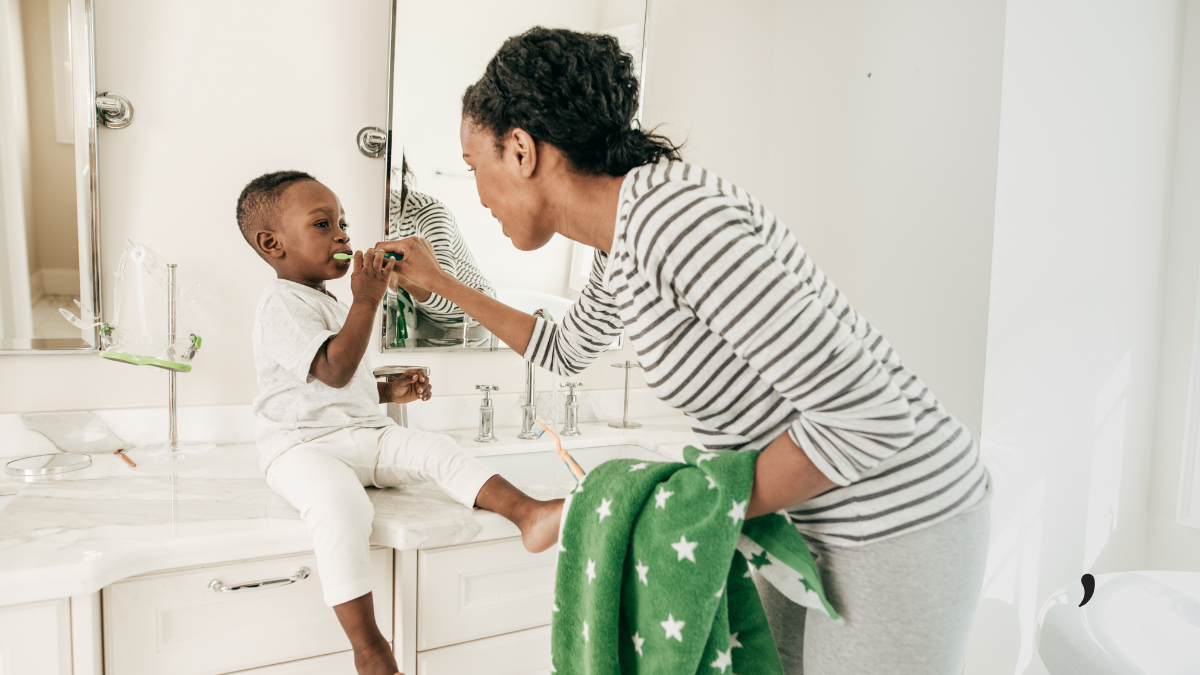
Getting ready for baby number two can feel more emotional, more physical, and more complicated than the first time. Your body may recover differently, your sleep can disappear faster, and your older child still needs you at the same time.
If your first birth involved a cesarean, these C-section notes can help you think through what comes next. The best second-child prep covers health, money, sleep, sibling changes, and support, because this season is about planning well, not doing everything perfectly.
Know Why You Want Another Baby, and What You Hope Will Change
Before you try for baby number two, get honest about the reason behind the wish. The timing matters, but the deeper reason matters more, because a second baby changes your days, your energy, and your marriage or partnership in very real ways. A clear reason won’t remove the hard parts, but it can keep you steady when the newborn fog sets in.
Check your reasons without guilt
A lot of moms want a second child for valid reasons. Some want their children to grow up with a sibling close in age. Others feel ready because of age, work timing, or a sense that the family is not quite complete. Those feelings are common, and none of them are wrong.
You may be thinking about:
- Sibling bonding, because you want your first child to have a built-in playmate and companion.
- Personal timing, because your body, career, or life stage feels right now.
- Age gaps, because you want your kids close together or farther apart.
- A full-family feeling, because your home feels like it still has room for one more child.
The key is to separate a real desire from outside pressure. Wanting your child to have a sibling is a loving reason, but it should not be the only reason. A second baby also needs your energy, your patience, your time, and your support system. If you’re still unsure, questions like the ones in these second-baby decision tips can help you talk it through with more honesty.
Clarity now can prevent regret later. You do not need a perfect reason, but you do need a real one.
It also helps to talk with your partner about expectations early. That conversation should cover more than the baby stage. It should include sleep, money, childcare, chores, and how much help you will actually have.
Think about the kind of family life you want
A second child changes the whole rhythm of home life. Breakfast gets louder. Packing a bag takes longer. Travel, holidays, and weekends all need more planning, because now you are managing two kids with different needs.
The baby years are only part of the picture. You also need to picture what life looks like when one child wants your lap and the other wants your attention at the same time. That can feel sweet one minute and stretched thin the next.
If you already have one child, sibling dynamics will shape a lot of your daily life. There will be sharing, competing, and plenty of learning on both sides. If that feels like an important part of your decision, it may help to read practical advice for sibling fights before you make the jump.
Here are a few real-life changes to think about before you try again:
- Your free time will shrink. Even simple outings take more prep, more snacks, and more patience.
- Your routines will shift. Bedtime, errands, and meals often need a new system.
- Your relationship will need more care. Two kids can leave less room for easy conversations and quiet time.
- Your home will feel busier. Noise, clutter, and constant motion are part of the package.
If you can picture the hard parts and still want the life on the other side, that says a lot. The goal is not to talk yourself out of baby number two. The goal is to make sure you are saying yes to the full picture, not just the sweet parts.
Make Sure Your Body and Health Are Ready
Before you try for baby number two, pause and check how your body feels now, not just how you felt at the end of your first pregnancy. Preconception health matters because a second pregnancy asks a lot from your energy, your nutrients, and your recovery reserves.
A few honest conversations now can save you stress later. Your doctor can help you look at timing, spacing, and any health issues that need attention before you conceive again.
Review your recovery from the first pregnancy
How long did it take your body to heal after your first birth? That question matters more than many moms realize. If recovery was slow, your body may need more time before it can handle another pregnancy well.
This is especially important after a C-section, a deep tear, anemia, or postpartum complications. If healing took months, or if you still deal with pain, weakness, or fatigue, that is useful information, not a failure. Why postpartum recovery takes time is a reminder that your body may still be catching up long after delivery.
Healing well can matter more than rushing into another pregnancy.
A second pregnancy is easier to carry when your body has already rebuilt strength. If you ignore lingering issues, you may start pregnancy already worn down. That can affect sleep, mood, and how much you can keep up with day to day.
If you had surgery, heavy bleeding, low iron, or an infection after birth, bring those details to your next visit. Those pieces help your doctor give advice that fits your body, not a guess.
Ask your doctor about spacing and risks
Pregnancy spacing can affect recovery and energy. In general, many guidelines advise avoiding a very short gap between pregnancies, especially less than 6 months, and talking through the pros and cons of shorter intervals with your doctor. The American College of Obstetricians and Gynecologists recommends interpregnancy care as part of planning a healthy next pregnancy.
You do not need to copy what worked for a friend or cousin. Your body, birth history, and health needs are the ones that matter.
Ask direct questions like these:
- How long should I wait before trying again?
- Do I need more time because of my C-section, anemia, or tearing?
- Are there blood pressure, thyroid, or diabetes concerns to address first?
- Should I take iron, folic acid, or another supplement now?
That kind of planning helps you enter pregnancy with fewer surprises. It also gives you a better shot at having enough strength for the newborn stage.
Expect this pregnancy to feel different
Even if the first pregnancy went smoothly, the second one can feel harder in ways you did not expect. Fatigue can hit sooner, and rest is often harder to get. You may have less time to nap, eat well, or sit still, because a toddler still needs you.

That does not mean you are doing anything wrong. It just means your life is fuller this time. You may also notice different symptoms, such as more back pain, stronger pelvic pressure, or less patience for discomfort.
Confidence helps, but it does not erase the load. Chasing a toddler while pregnant can make everything feel heavier, even when you know what to expect. If your body feels different sooner, listen to it and slow down where you can.
A little preparation goes a long way here. When you know your recovery status, talk through spacing, and plan for a different kind of pregnancy, you give yourself a steadier start.
Plan for the Money Side Before the Baby Arrives
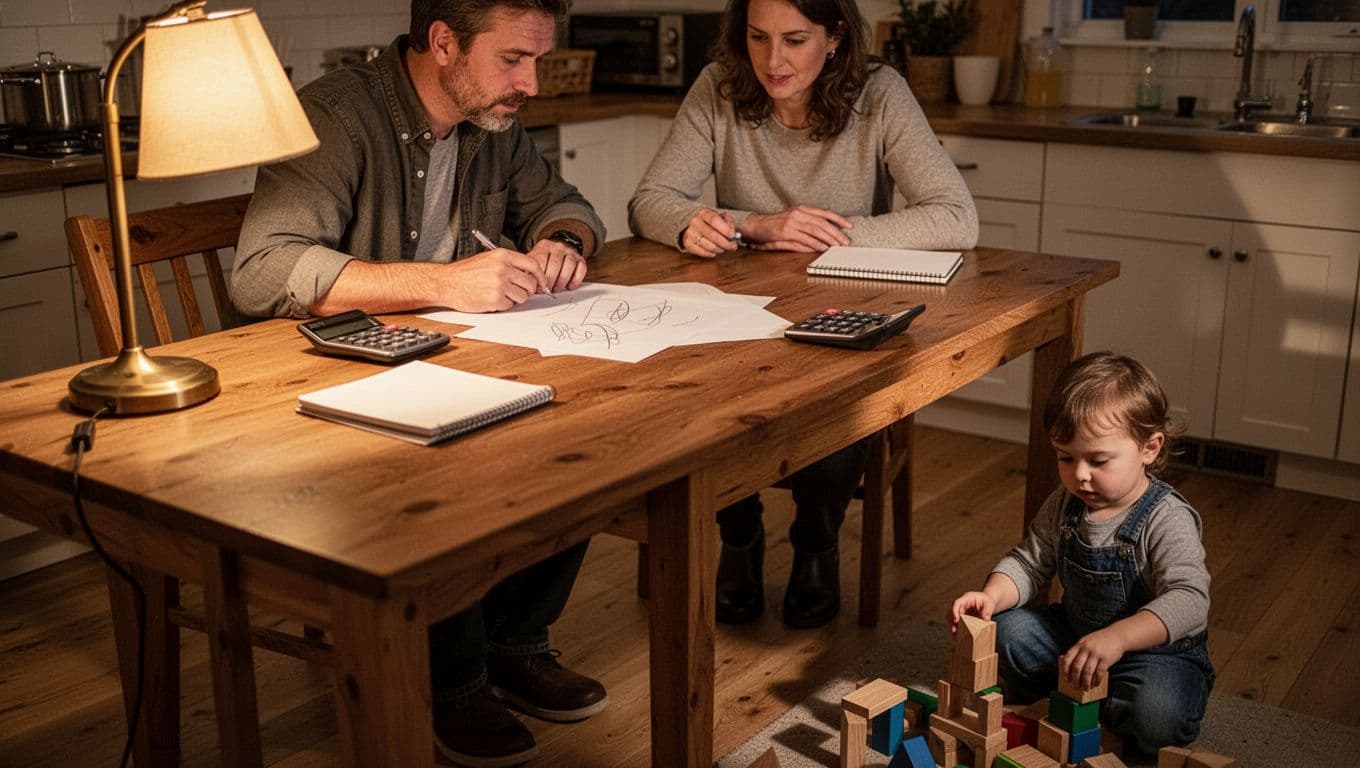
A second baby does not always double your costs, but it does change your budget in real ways. Some things carry over from your first child, while others need a reset, a refill, or a full replacement. The sooner you map that out, the less likely you are to get hit by surprise spending later.
This is the stage where a simple plan helps most. You do not need a perfect spreadsheet, just a clear picture of what you already own, what still works, and where the money will go each month.
Look at what you can reuse and what you still need to buy
Start with the items that are still in good shape. Hand-me-downs can save a lot, especially for clothes, blankets, books, and some gear. If you saved baby items from your first child, now is the time to sort them, test them, and be honest about condition.
Some things can be reused only if they still meet current safety standards. Car seats, cribs, and bassinets may need to be replaced if they are expired, recalled, damaged, or too old to trust. A stroller or high chair may still be fine, but worn straps, loose parts, or missing pieces are a reason to buy again.
A quick review helps you avoid buying duplicates you do not need. It also helps you spend only where it matters most, which keeps the baby budget from ballooning before the due date. If you want a simple gear list, essential basics for your new baby is a helpful place to keep your focus tight.
What to sort into piles:
- Reuse now: clothes, swaddles, burp cloths, books, toys, storage bins, and some nursery items.
- Check carefully: car seats, cribs, bassinets, breast pumps, bottle parts, and baby carriers.
- Buy again: diapers, wipes, pacifiers, nipples, and anything worn out or no longer safe.
Build a budget for the first year
A baby budget works best when it stays simple and specific. Break it into monthly pieces for diapers, feeding, doctor visits, clothing, and the extra household costs that show up once a newborn is home. That makes the numbers easier to see, and it keeps you from undercounting the small stuff.
A recent baby budget cost breakdown shows how fast routine expenses can stack up. Diapers alone may run about $70 to $100 a month, and formula can add much more if you use it. Childcare is usually the biggest line item, and that one can change the whole picture.
Here is a simple way to think about first-year planning:
| Category | Monthly planning range |
|---|---|
| Diapers and wipes | $70 to $100 |
| Formula or feeding supplies | $0 to $250 |
| Medical copays and visits | $50 to $200 |
| Clothing | $30 to $70 |
| Childcare | $0 to $2,000+ |
| Household extras | $50 to $150 |
The table is only a starting point. Your real numbers may be lower if you breastfeed, reuse gear, or have family help. They may be much higher if you need full-time daycare or live in a pricier area.
Childcare usually changes the budget more than baby gear does.
For that reason, it helps to build your plan around the largest fixed cost first. Then fill in the smaller monthly items around it. That gives you a more honest view of what the second baby will cost in your home.
Prepare for hidden costs that surprise parents
The sneaky expenses are the ones that catch many families off guard. You may not double every bill, but you will probably notice more grocery runs, more laundry, and more spending on family time. Two kids also mean more driving, more snacks, and more little purchases that never feel big on their own.
Childcare can shift if your older child needs different hours, a different program, or sibling pricing. Food costs usually rise too, especially once the baby starts solids and your older child eats more than before. Clothing adds up faster than people expect, because babies grow quickly and older siblings may need size changes at the same time.
It also helps to plan for activities and outings. Birthday parties, museum trips, kid meals, and weekend treats may not look expensive one by one, but they add weight to the month. A small buffer for these expenses keeps your budget from feeling too tight every time you leave the house.
A few hidden costs to watch:
- Bigger grocery bills when meals, snacks, and baby food all live in the same cart.
- More laundry from spit-up, extra outfits, and blankets.
- Activity costs for both children, even simple outings.
- Childcare changes if your family schedule shifts.
If you leave room for these costs now, the first months with baby number two feel less stressful. The goal is not to predict every dollar. The goal is to know where the pressure points are before they show up.
Get Your Home and Routines Ready for Two Kids
Life with two children runs better on simple systems than on perfect organization. You do not need a picture-perfect house. You need places for the basics, a few backup plans, and routines that cut down on decision fatigue. A few family organization systems for busy moms can help you set that up before baby arrives.
Set up easy grab-and-go spaces
Create small stations where you actually use them. A nursing basket by the couch, a diaper caddy in more than one room, and a snack bin within toddler reach all save time when both kids need you at once. Add an activity box with coloring pages, blocks, or quiet toys so you can answer the baby without hearing “I’m bored” every two minutes.
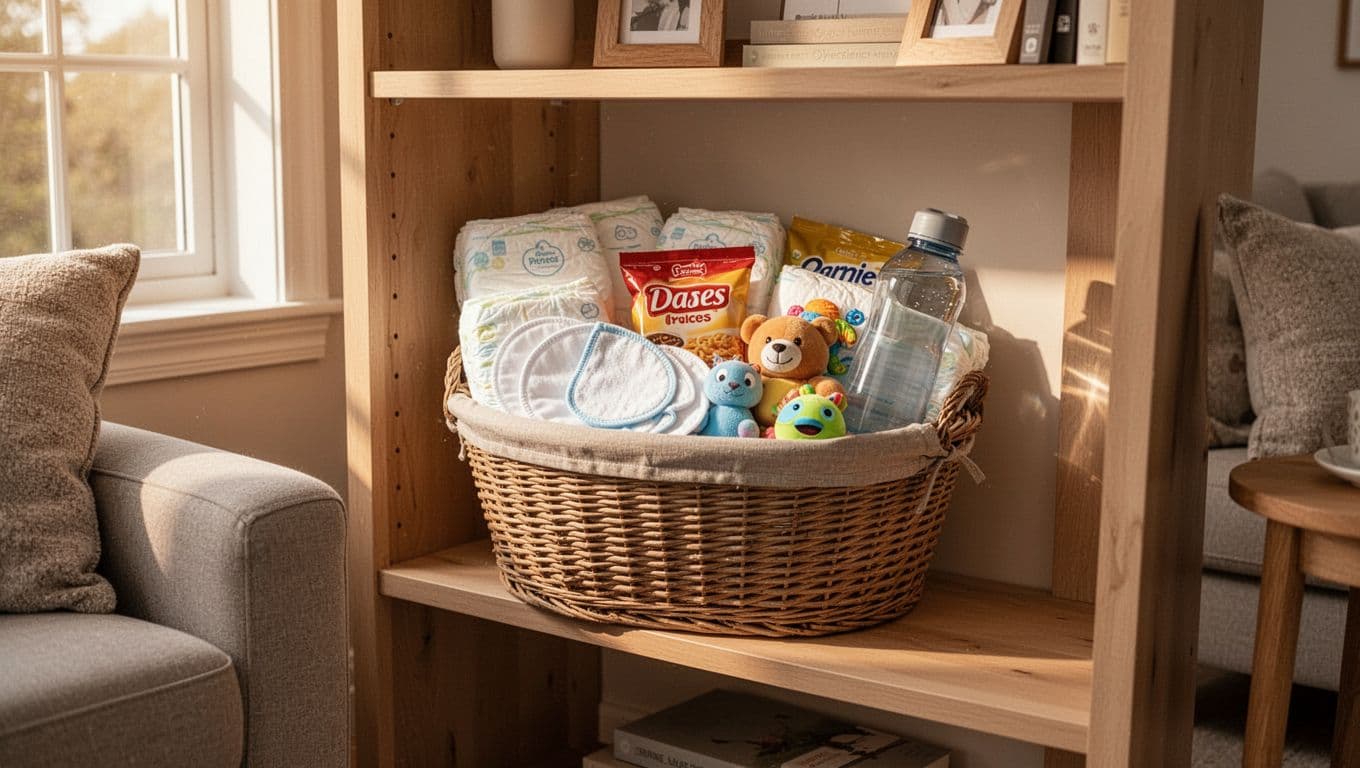
Keep these spots easy to refill and easy to see. When everything has a home, daily care feels less rushed. The point is convenience, not a Pinterest shelf.
- Nursing basket with water, lip balm, burp cloths, and phone charger
- Diaper station with diapers, wipes, cream, and extra onesies
- Snack bin with shelf-stable foods your toddler can reach
- Activity box with a few toys for the times you need five quiet minutes
If a system feels hard to maintain, it is too complicated for this season.
Make toddler life easier before the baby comes
Your older child will need more independent play once the baby arrives, so practice now. Keep simple routines for breakfast, naps, and bedtime, because toddlers do best when the day feels familiar. Children’s Wisconsin also points out that routine matters even more when you have two children.
Choose a few special toys or activities that only come out during busy moments. That makes them feel fresh, and it buys you time when the baby needs a feeding or a diaper change. Good options include puzzles, sticker books, magnetic tiles, and a small bin of favorite books.
You can also lower the pressure on yourself by setting up short, repeatable play moments. A toddler who knows how to color at the table or stack blocks beside you is easier to support than one who needs constant direction.
Simplify meals, chores, and cleanup
Freezer meals help more than fancy meal plans. Stock a few easy dinners, batch breakfast items, and prep snacks so you can feed everyone without starting from scratch. These freezer-friendly baby and toddler meals can also make the early weeks feel less chaotic.
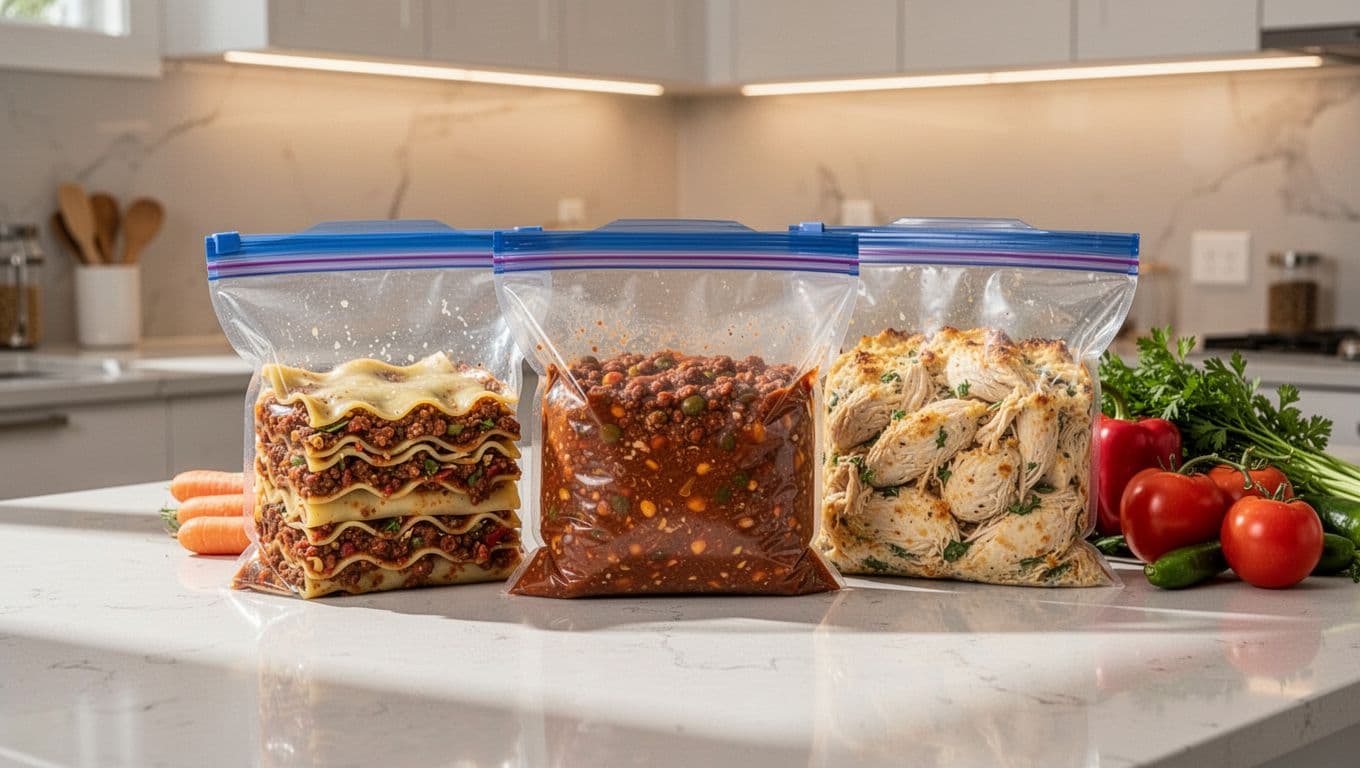
Chores should get simpler too. Use paper plates for a stretch if that helps. Run the dishwasher less often if it means you can rest. Keep one laundry basket per person, and let the floor stay a little messy when both kids need attention.
A smoother home life comes from repeatable systems, not spotless rooms. When meals, cleanup, and toy storage are easier, your whole day feels lighter.
Prepare the First Child for a Big Family Change
Your second pregnancy is also your first child’s big life shift. They may feel excited one minute and uneasy the next, because a new baby changes the rhythm of home, attention, and daily routines.
The goal is not to force happiness. It’s to help your child feel safe, included, and still very much loved.
A child adjusts best when the change feels honest, familiar, and steady.
Talk about the baby in age-appropriate ways
Keep your explanations simple. A toddler does best with short sentences and concrete ideas, like, “There’s a baby growing in my belly. The baby will come home and live with us.”
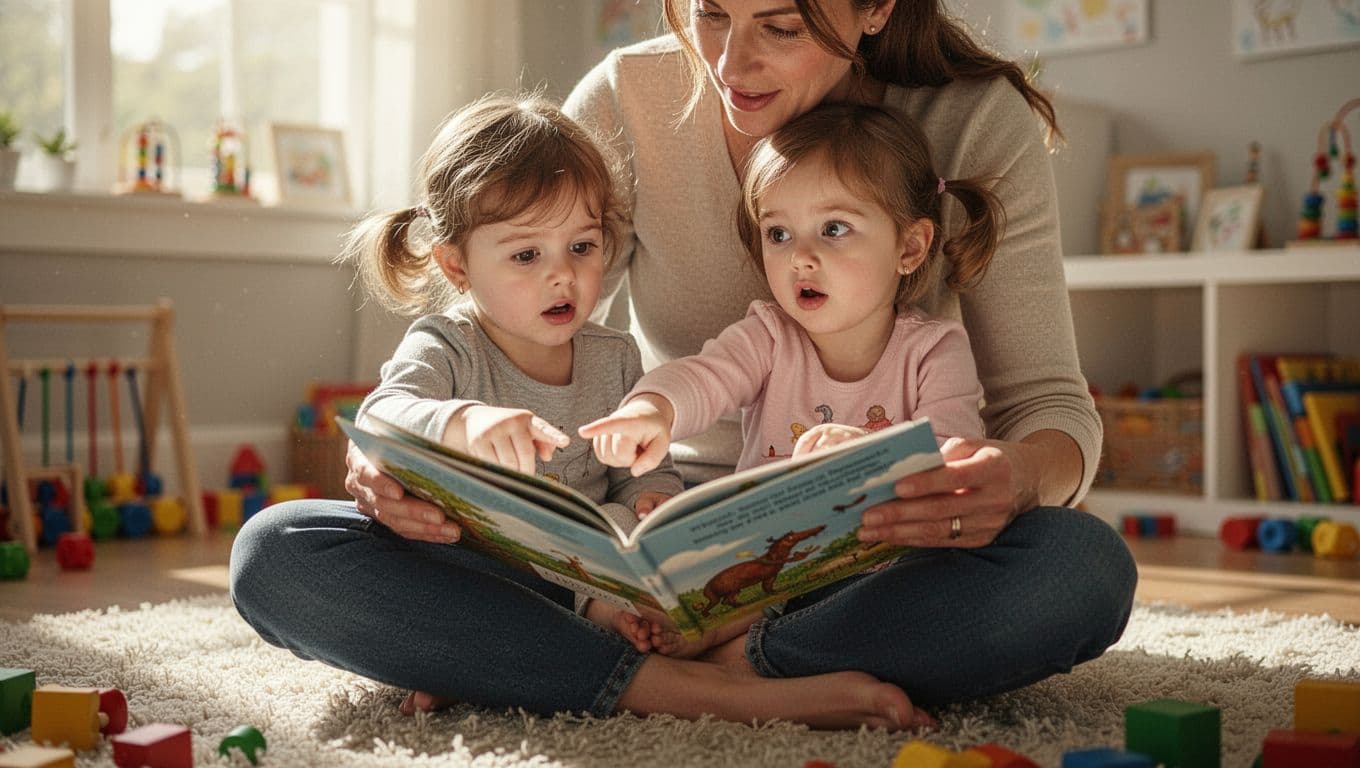
Books can help because they give your child a picture to hold onto. Read stories about babies, siblings, and family changes, then pause to answer questions without overexplaining. If your child likes pretend play, let them feed a doll, tuck it in, or practice gentle touches.
A short, calm talk works better than one big speech. You can repeat the same message many times, because young children understand change in pieces.
Try language like this:
- “Babies cry a lot and need help.”
- “You will still have your room, toys, and bedtime.”
- “You can help me with the baby when you want to.”
If your child is older, you can add a little more detail about feeding, diapers, and naps. ZERO TO THREE’s guidance for older children is a helpful reminder that involvement should feel inviting, not forced.
Protect special time with your oldest
Your older child needs proof that they still matter. Regular one-on-one time gives them that proof in a language they understand, which is your full attention. Even ten minutes can go a long way.
Keep it simple and repeatable. Read the same bedtime story, take a short walk after dinner, or sit together for a snack without your phone nearby. When the baby comes, these little routines become anchors.
A few easy options work well:
- Morning connection before the day gets busy
- A short walk with no big agenda
- Bedtime reading that stays just for them
- Special errands where they get to help or chat
You do not need an elaborate outing. In fact, small rituals often matter more because they happen often. A child who knows they still get their own time feels less replaced when the baby demands more of you.
If your older child enjoys simple emotion games, these emotional intelligence activities for kids can also make the transition easier. They help children name feelings instead of acting them out.
Expect jealousy, big feelings, and sibling adjustment
Even the most loving firstborn can struggle when the baby arrives. Excitement and jealousy often show up together, and that mix can look messy. Your child may want to hold the baby one minute and push them away the next.
Regression is common too. A child who used the toilet may start having accidents. A sleeper may wake more often. Some kids want more cuddles, more help, or more attention than they needed before. That does not mean something is wrong.
Stay steady and keep your responses simple. Praise helpful behavior, name the feeling, and hold the line on basic rules. When your child melts down because you are feeding the baby, say, “You’re upset because I’m busy. I’m here, and your turn is next.”
That kind of response teaches two things at once. It shows that feelings are okay, and it shows that family routines still matter.
If you can keep one thing in mind, make it this: behavior often gets louder when kids feel less secure. More attention-seeking usually means they need more reassurance, not harsher correction.
A few calm habits help during the adjustment period:
- Keep bedtime, meals, and morning routines as steady as you can.
- Give brief, specific praise when your child is gentle or patient.
- Let them have feelings without telling them to “be a big kid.”
- Offer extra closeness after hard moments, not just after good ones.
The sibling bond will grow over time, but the first stretch can be bumpy. Patience and consistency matter more than perfect parenting here.
Protect Your Marriage, Mental Health, and Support System
A second baby can bring joy and strain at the same time. You may feel more confident because you have done this before, yet more stretched because you now have two children who need you at once.
That mix is normal. Many moms expect the second round to feel easier, then feel surprised when it feels heavier in new ways. The best protection is honest support, clear communication, and a simple plan before life gets hectic.
Talk honestly with your partner about roles and expectations

Do not wait until you are both exhausted to sort out who does what. Talk now about nighttime care, housework, toddler duties, and the mental load that keeps a home running.
Be specific. One parent may handle the newborn while the other gets the toddler dressed, packs snacks, or starts laundry. Another may take the first night shift so the other can sleep. When these details stay vague, resentment builds fast.
A clear talk can also prevent a lot of the common fights after having a baby. The issue is usually not one big mistake. It is a pile of small mismatched expectations.
Try covering these points before the baby arrives:
- Who gets up first at night
- Who handles meals and dishes
- Who manages toddler bedtime
- Who tracks appointments, diapers, and supplies
- What each of you needs to feel supported
If you assume things will “work themselves out,” one of you will usually end up carrying more.
Keep the conversation practical, not dramatic. You are not planning a perfect system. You are agreeing on a shared one that can survive tired days.
Build a real help plan, not just a hope
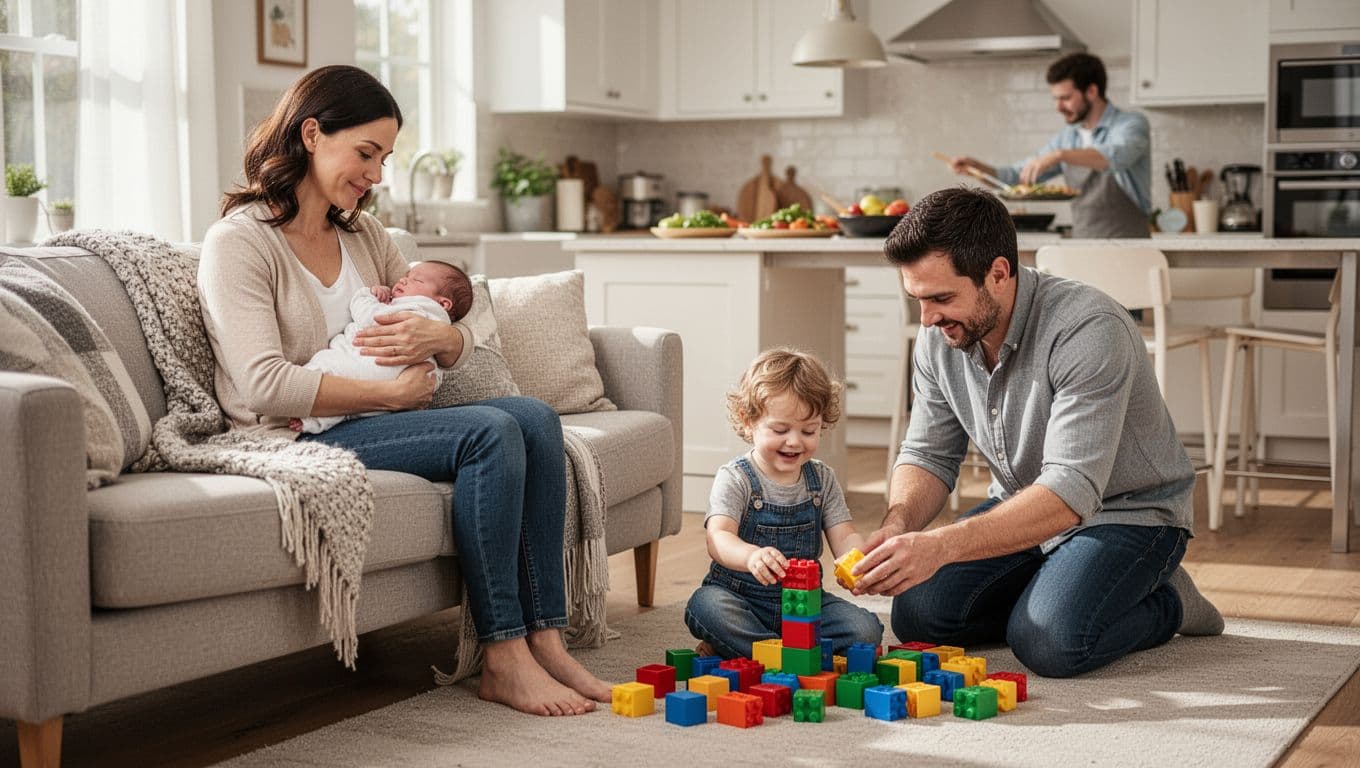
Support works best when it is named early. Think through who can bring meals, run errands, watch the older child, clean a bathroom, or sit with you when you need a break.
Ask for help before you are drowning in laundry and takeout boxes. People often want to help, but they need direction. A clear request is easier to answer than a vague “let me know if you need anything.”
A strong help plan might include:
- A friend who drops off dinner once a week
- A family member who takes your toddler for an afternoon
- A neighbor who can pick up groceries
- A parent who folds laundry or unloads the dishwasher
- One trusted person you can text when you feel overwhelmed
This is also a good time to build emotional support, not just task support. A short check-in from a sister, friend, or mom group can keep you grounded when the days feel long. If you want a wider support network, why support matters during pregnancy is a good reminder that help is part of healthy parenting, not a sign of weakness.
A real help plan gives you room to rest, and rest changes everything. Even one less chore can make a hard week feel manageable.
Watch for stress, anxiety, or burnout
Second babies often bring more pressure, less sleep, and a higher chance of feeling overwhelmed. You may look calm on the outside and still feel like you are barely holding it together.
Pay attention to warning signs that your mental load is getting too heavy. These can include irritability, constant worry, crying more than usual, trouble sleeping even when the baby sleeps, or feeling numb instead of happy. If stress starts showing up in your body, mind, or patience, take it seriously.
A few signs to watch closely:
- You feel tense all day and cannot relax
- Small problems feel huge
- You snap at your partner or older child more often
- You feel guilty no matter how much you do
- You stop enjoying things that usually help you
Confidence does not cancel out burnout. You can know more this time and still feel stretched thin. That does not mean you are failing. It means you need more support.
If the heaviness lasts, talk to your doctor, therapist, or a trusted provider. Postpartum depression and anxiety can show up after the second baby too, and getting help early makes a real difference. If you feel close to your limit, speak up sooner rather than later.
Realistic expectations matter here. The second baby season may be smoother in some ways, but it can also be lonelier and more demanding. You do not have to carry that weight alone, and you should not expect yourself to.
Conclusion
Baby number two can feel more emotional, more physical, and more complicated than the first time. That is why the best prep starts with honest reasons, then moves through your body, your budget, your home, your first child, and the support you have around you.
Life with two children is often messier and busier than you expect, and it can also be more joyful than you imagined. When you plan for the hard parts early, you give yourself more room to enjoy the sweet ones.
No mom has to have it all figured out before baby number two. A clear plan, a little grace, and the right help can carry you farther than perfection ever will.
Save pin for later


- What To Pack In Your Hospital Bag - September 23, 2026
- Postpartum Body Changes No One Warns You About - September 23, 2026
- Postpartum Depression: Signs, Symptoms, And What To Do - September 23, 2026