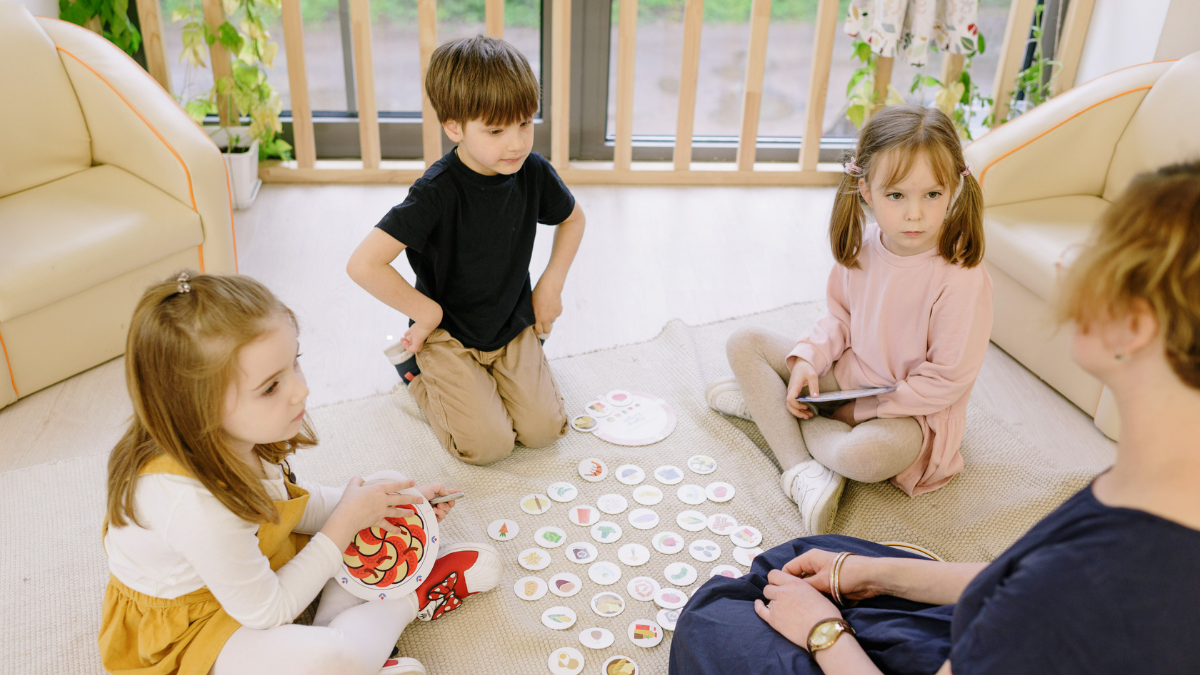
Every parent wants to protect a child from pain, frustration, and failure. That instinct comes from love, but kindness is not the same as removing every hard thing.
When you step in too fast, kids lose chances to think through problems, recover from mistakes, and trust their own judgment. Over time, too much help can weaken confidence, problem-solving, and the steady grit they need when life gets messy. A child who gets steady support, including supporting kids through failure and challenges, learns that struggle does not mean they are on their own.
That balance matters, because the goal is to guide your child without taking over. A short watch on the same idea is Why Pushing Kids Too Hard Always Backfires, and the next section gets into why a little frustration can help kids grow.
What happens when kids never have to struggle
When adults rush in too fast, kids miss the reps that build effort, patience, and coping. A child who never has to sit with frustration does not learn how to work through it, and that gap shows up later in school, friendships, and everyday decisions.
Short-term comfort can hide a long-term cost. It feels easier to solve the homework problem, smooth over the argument, or rescue a child from disappointment, but that habit can keep them from learning how to try again.
Why protecting kids from every hard moment limits growth
Struggle teaches lessons that easy success cannot. A child who gets stuck on a math problem learns persistence, a child who has to repair a friendship learns empathy, and a child who loses a game learns how to handle letdown without falling apart.
Small failures matter because they give kids a safe place to practice recovery. They learn to pause, think, ask for help, and trust that they can figure things out. That is how confidence grows, one hard moment at a time.
Healthy challenge builds strength. Constant rescue removes the chance to build it.
This is not about being harsh or letting kids sink. It is about letting them face age-appropriate struggle with support nearby. A hard puzzle, a missed shot, or a disappointing grade can all be useful if a child gets space to work through it.
Research on overprotective parenting points in the same direction, linking heavy parental control with lower mastery and self-regulation in young people, helicopter parenting and adjustment outcomes. Kids grow by doing hard things, not by avoiding them.
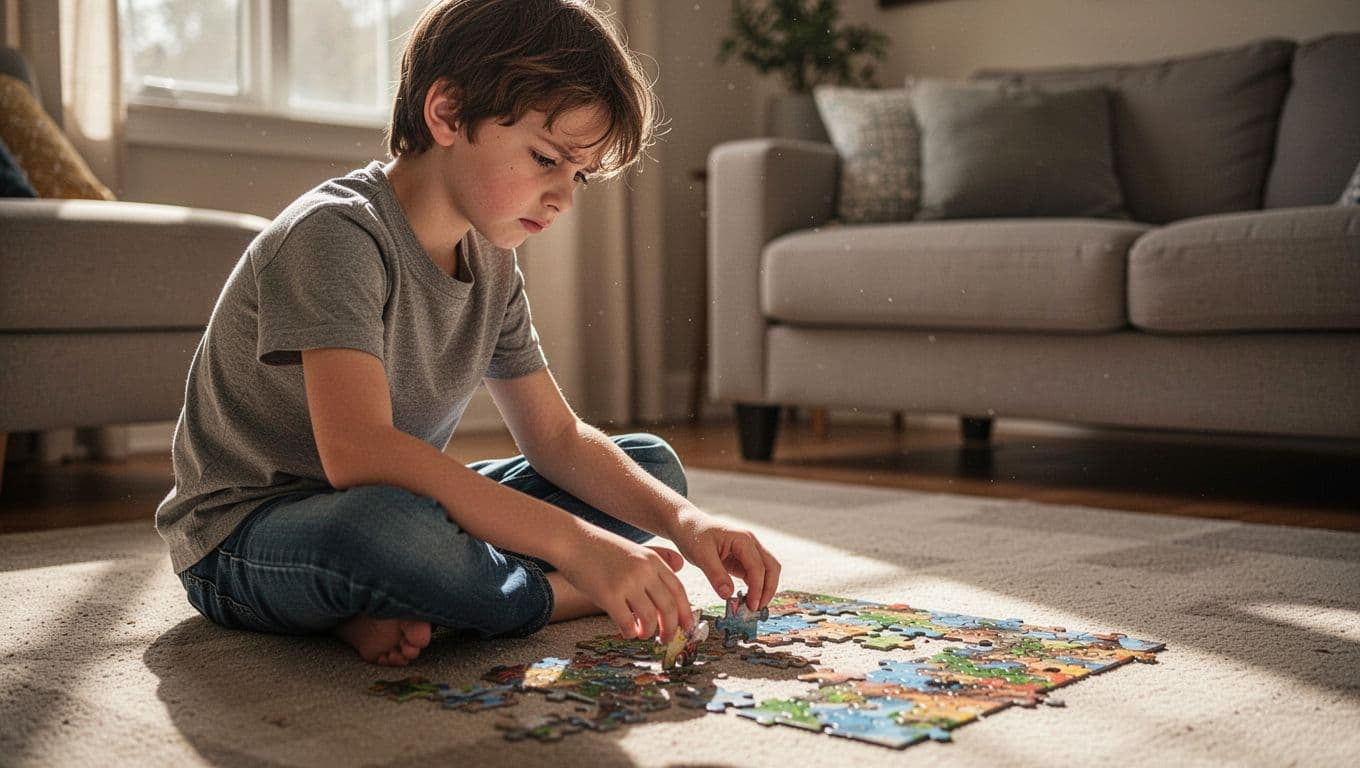
The hidden cost of always stepping in
When adults fix everything, kids lose more than frustration. They lose confidence, because they stop seeing themselves as capable. They lose patience, because they get used to quick relief. They also lose ownership, because the message becomes, “Someone else will handle it.”
That pattern can spread fast. In school, a child may wait for help before trying. With friends, they may avoid conflict instead of talking it out. Later in life, they may expect bosses, partners, or teachers to solve problems for them.
You can see the same pattern in everyday behavior. A child who never has to struggle may also become more dependent, more reactive, and less willing to stick with hard tasks. If you want a related example, signs your child is becoming spoiled often start with this kind of overhelping.
The goal is simple, give support without taking over. That balance helps kids grow into people who can handle discomfort, recover faster, and keep moving when life gets hard.
The real-life effects of overhelping and overprotection
When kids get too much help, they miss the small reps that build calm, confidence, and judgment. At first, that can look harmless, even loving. Over time, though, it can make ordinary stress feel bigger, make kids doubt themselves, and leave them less ready for real life.
Recent research summaries keep pointing in the same direction: overprotective parenting is linked with more anxiety, more stress, lower self-efficacy, and weaker resilience. In plain terms, kids who are shielded from every hard moment often have a harder time handling the next one.
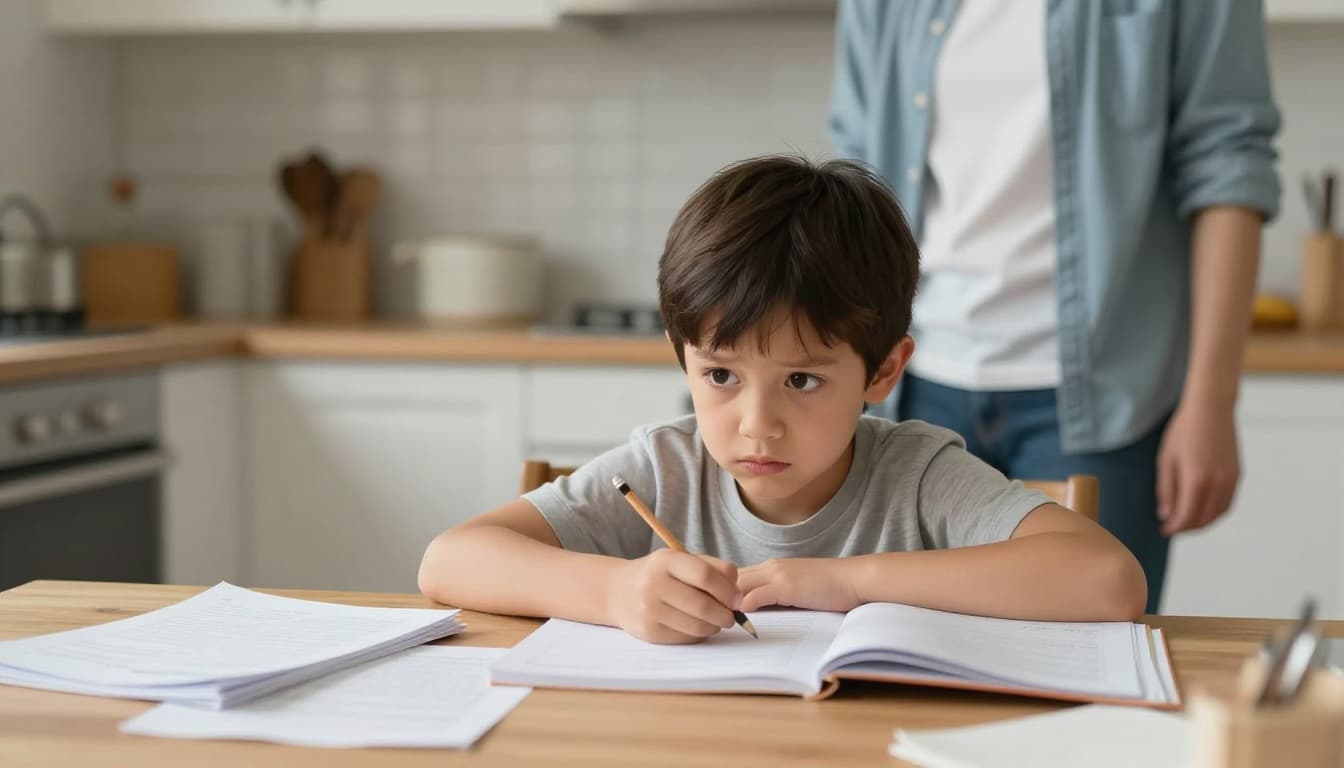
How too much help can raise anxiety and stress
If a child rarely gets to handle normal pressure, bigger pressure can feel huge. Schoolwork, a friendship problem, or a small mistake can start to feel like a crisis instead of a bump in the road.
That happens because stress works like a muscle. When kids never get to practice with manageable discomfort, they have less tolerance when life pushes back. A missed assignment can lead to panic, a group project can feel overwhelming, and a simple conflict with a friend can feel like a disaster.
Kids who are shielded from every rough edge often have the hardest time when life gets messy.
This is one reason overprotective parenting can feed anxiety instead of easing it. A child may start to expect adults to step in, which keeps them from learning how to steady themselves. Signs you’re too strict as a parent often show up right beside this kind of overhelping.
Why self-confidence drops when kids never get to do hard things alone
Children build self-belief by trying, failing, and trying again. Each time they solve a problem on their own, they get a clear message: “I can handle this.”
When adults rush in every time, that message gets weaker. Even if the help comes from love, constant rescue can tell a child, “You can’t do this without me.” That chips away at self-efficacy, which is the simple belief that effort can lead to success.
Self-esteem grows the same way. Kids feel better about themselves when they earn small wins, recover from mistakes, and see their own progress. Recent findings on helicopter parenting and well-being show that too much control can hurt that process.
What overprotected kids may struggle with later
The effects often show up in young adulthood, not just childhood. Kids who never had to sit with discomfort may struggle with frustration, poor decision-making, and a strong need for outside help.
That can affect school, work, and relationships. A young adult may avoid hard feedback, freeze when plans change, or depend on parents to solve problems that should be theirs to handle. They may also have a harder time bouncing back after rejection, failure, or conflict.
In daily life, the pattern can look like this:
- quitting quickly when something feels hard
- waiting for adults to make choices
- reacting strongly to small setbacks
- blaming other people when things go wrong
Over time, those habits can hold kids back in very normal parts of life. The earlier they get room to practice responsibility, the better prepared they are for the pressure that comes later.
Why challenge helps kids build resilience, grit, and confidence
Healthy challenge does more than toughen kids up. It gives them practice recovering, trying again, and learning that effort changes outcomes. Resilience is the ability to bounce back after setbacks, grit is sticking with something important even when it feels hard, and a growth mindset is the belief that skills can improve with practice.
When kids face manageable struggles, they learn that mistakes are part of learning, not a sign to quit. That lesson shows up in everyday life, like finishing a hard homework assignment, working through a bad game, or repairing a friendship after an argument. The more often they handle small setbacks, the more adaptable and confident they become.
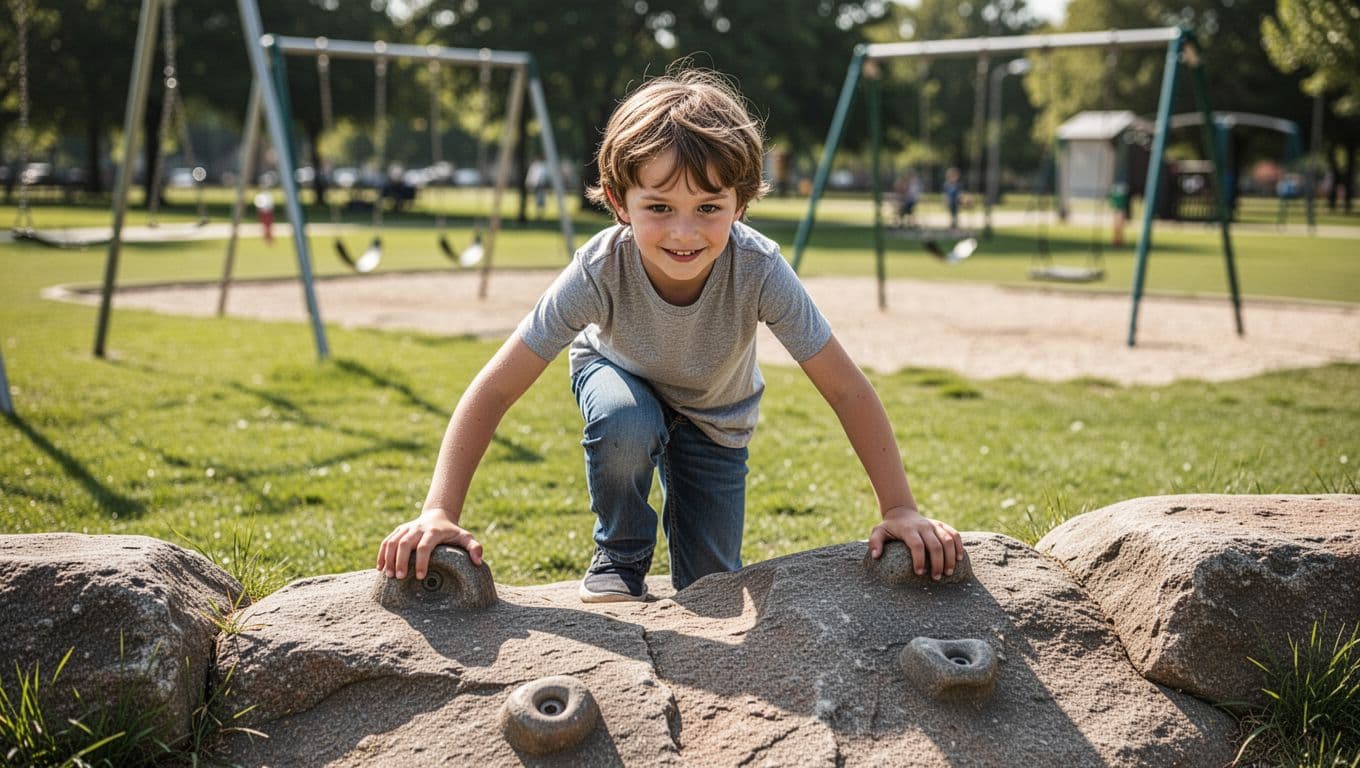
Resilience grows when kids bounce back after setbacks
Resilience is learned through experience, not by being told to “be resilient.” A child who loses a game learns how to handle disappointment, reset, and try again. A bad grade can push them to ask what went wrong, then study in a better way next time.
The same is true with friendship problems. Kids who work through conflict, instead of avoiding it, learn that relationships can survive hard moments. That recovery builds emotional strength one experience at a time.
Kids do not need a perfect streak. They need chances to recover.
This is why small setbacks matter. They give kids a safe place to practice problem-solving before bigger life stress shows up.
Grit helps kids stay with hard tasks long enough to improve
Grit is simple to explain to a child. It means keeping at something because it matters, even when progress feels slow. A child with grit keeps practicing the piano song, keeps working on the puzzle, or keeps reading the tricky chapter.
That steady effort matters because growth rarely happens all at once. It happens through repetition, correction, and patience. In fact, recent research on growth mindset and well-being links grit with better self-efficacy and stronger adjustment in students, which supports what parents see at home and school growth mindset and grit in students.
When you praise effort and progress, kids learn that hard work has a purpose. They stop chasing quick wins and start trusting the process.
A growth mindset helps kids see mistakes as part of learning
“I can’t do this” shuts learning down. “I can’t do this yet” keeps the door open. That one word, yet, changes how a child faces difficulty.
A growth mindset lowers fear of failure because mistakes stop looking final. Instead, they become clues about what to practice next. Kids who think this way usually stay calmer, try longer, and build better habits over time.
You can reinforce that mindset by talking about effort, strategy, and progress. For example, teaching empathy and self-control helps kids handle setbacks without giving up, because emotional skills and learning skills work together. When children believe they can improve, they keep showing up, and that is where real confidence starts.
What parents can do instead of making everything easy
Kids do not need a life without difficulty. They need a life with the right kind of difficulty, the kind that teaches, stretches, and stays safe.
That means stepping back enough for them to try, fail, and recover. It also means giving support without turning every bump into a rescue mission. The goal is to help them build skill, not dependence.
Let natural consequences teach simple lessons
Natural consequences work best when the lesson is clear and the risk is low. If a child forgets homework, they deal with the teacher’s response. If they leave a toy outside, it may get lost. If they rush through a chore, they may need to do it again.
Those moments help kids connect choices to results without a long lecture. That connection matters, because it teaches responsibility in a way kids can feel. For a fuller look at this approach, using natural consequences for bad behavior gives a clear example of how to keep it calm and fair.
The best consequence is often the one that feels real, safe, and tied to the choice.
A natural consequence should correct, not crush. You are not trying to embarrass your child. You are helping them see that everyday actions have everyday results.

Teach kids how to think through problems step by step
When your child gets stuck, coach the process before you jump in with the fix. Start with simple prompts like, “What happened?”, “What have you tried?”, and “What might work next?” Those questions slow the moment down and help kids think instead of panic.
If emotions are high, keep your tone calm and guide them back to the problem. Then let them handle the next small step. That kind of support builds independence because kids learn how to work through trouble, not around it.
Praise effort, progress, and problem-solving, not just being smart
Kids need to hear that their effort matters. “You kept going” and “You found a new way” give stronger footing than “You’re so smart.” Process praise helps children connect success with work, practice, and persistence.
Research on praise shows that effort-based feedback supports more persistence after setbacks than trait-based praise does, parents who praise effort. That matters because kids face harder tasks when they believe improvement is possible.
Keep praise specific. Point out the strategy, the retry, or the patience they showed. That tells your child that growth comes from what they do, not just what they are.
Know when support is helpful and when it gets in the way
Children still need comfort, especially when they feel frustrated, embarrassed, or tired. A hug, a calm voice, and a little reassurance can help them settle down. However, comfort should not replace practice.
A helpful rule is simple: support the feeling, then hand back the job. Stay nearby, but let your child try. That balance gives them room to build confidence without feeling abandoned.
How to let kids struggle without leaving them on their own
This is the part many parents worry about most. Letting a child struggle can feel cold if you picture it as stepping back and doing nothing. The better middle ground is simple: stay calm, stay close, and keep the child in charge of the hard work.
That balance matters because support and rescue are not the same. Child Mind Institute explains the difference well in its guide on supporting kids without enabling them. Your job is to steady the room, not to solve every problem for them.
Use calm support instead of fast fixing
Start with the feeling, then move to the task. A child who is upset needs to hear, “I can see this is hard,” before they can hear advice. That keeps shame out of the moment and makes it easier for them to try again.
Your words should sound calm and confident. Try phrases like:
- “I know this feels frustrating.”
- “You can try one more time.”
- “I’m here if you need help getting started.”
- “Show me what you’ve tried so far.”
Then give space. Let them pause, think, and make the next move. If you jump in too fast, you send the message that discomfort is dangerous. If you stay present without taking over, you teach them that hard moments are manageable.
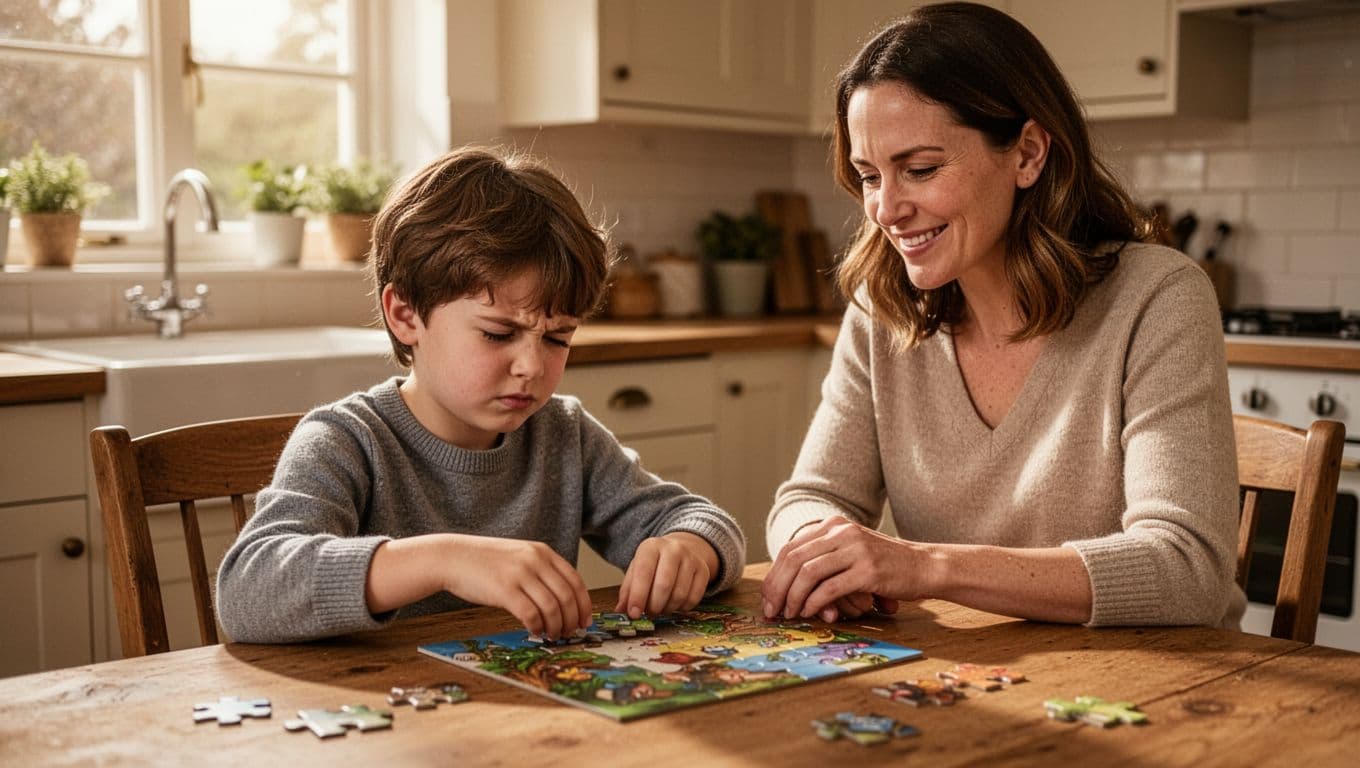
Support says, “I believe you can do this.” Rescue says, “I’ll do it for you.”
Match the challenge to the child’s age and ability
The goal is not to make life harder on purpose. It’s to give kids challenges they can handle with growing independence. A task should feel a little stretchy, not crushing.
That means choosing small, safe risks that fit the child’s stage. A younger child might pack their own backpack, while an older child might ask a store clerk for help or handle a simple errand. Psychology Today makes a similar point in its piece on helping children feel competent: kids build confidence when adults let them practice before stepping in.
The sweet spot is clear. If the task is too easy, they learn nothing. If it’s too hard, they panic. But when the challenge fits their ability, they get real practice with success, frustration, and recovery.
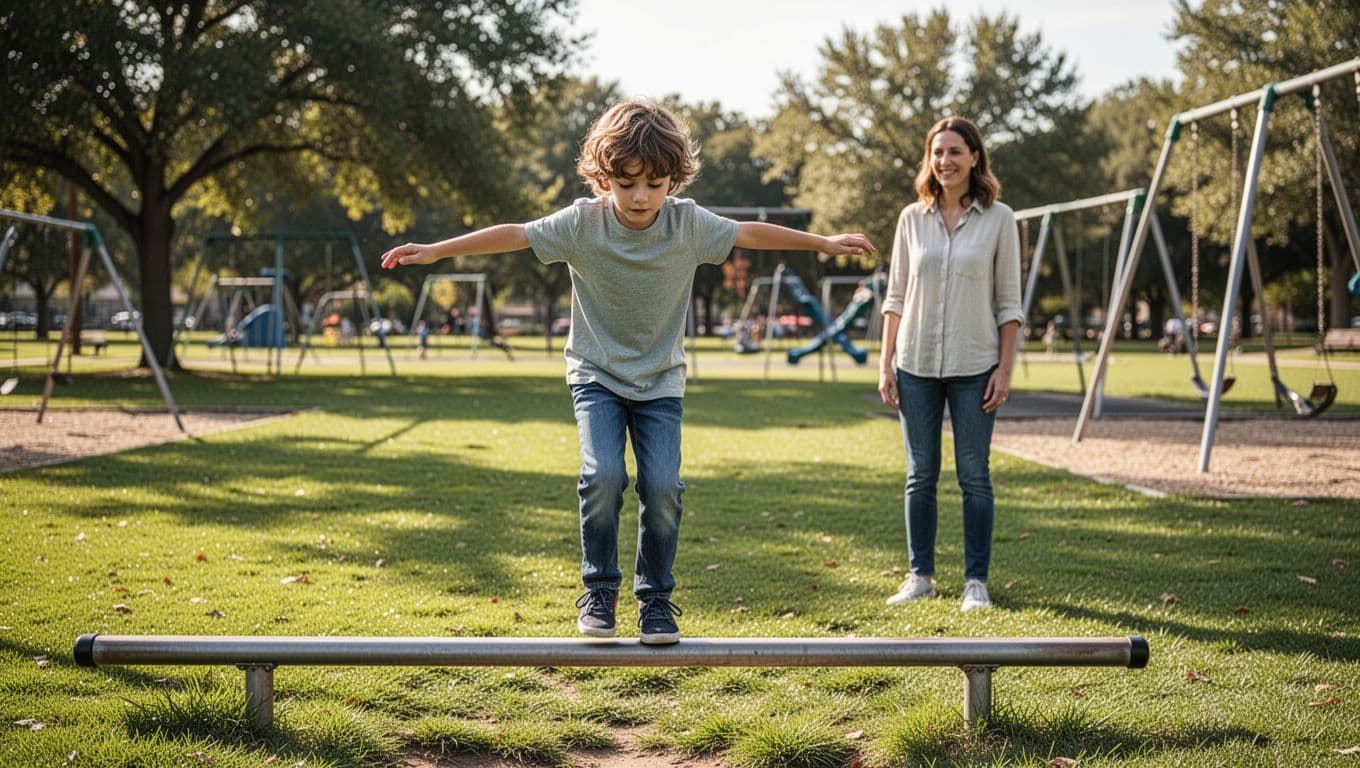
A good rule is to ask, “Can they do part of this on their own?” If the answer is yes, let them. You can still stand nearby, offer a steady voice, and step in only when safety or real risk calls for it.
Conclusion
Kids do not grow stronger when every problem is removed. They grow when loving parents stay close, set limits, and give them room to try.
That was the heart of the post from the start, and it still holds up here. When you step back a little, your child gets a chance to build confidence, practice problem-solving, and learn that hard moments can be handled.
Look for one place this week where you can pause before jumping in. Maybe it is homework, a small conflict, or a task your child can finish with a little guidance. Let them struggle a bit, then let them work toward the answer.
That kind of parenting does not add stress for the sake of it. It builds strength, one hard moment at a time, and that is a gift your child will carry far beyond today.
Save pin for later


- 10 Things You Shouldn’t Do in Front of Your Baby (and What to Do Instead) - September 22, 2026
- 15 Effective Ways to Deal With Stubborn Children (Without Yelling) - September 22, 2026
- Birth Order Influence: 8 Things Parents Should Know About Each Child - September 22, 2026