


Waking up with crusty, sticky eyes can be annoying, and it can also feel a little alarming when the discharge keeps coming back during the day. Sticky eyes happen when mucus or eye discharge makes the eyelids or lashes feel glued together, and a small amount of morning crust is often harmless.
But thick yellow or green discharge, redness, swelling, or sticky eyes that keep returning can point to dry eyes, allergies, pink eye, blepharitis, or another problem that needs care. In the next section, you’ll get a clear look at the most common causes, simple home treatment that can help, and the warning signs that mean it’s time to call a doctor.
What sticky eyes actually are and what they can look like
Sticky eyes happen when eye discharge builds up enough to make the lashes, eyelids, or corners of the eyes feel tacky or glued together. A small amount of crust after sleep is common, but sticky eyes can also point to irritation, blocked drainage, allergies, dry eyes, or an infection.
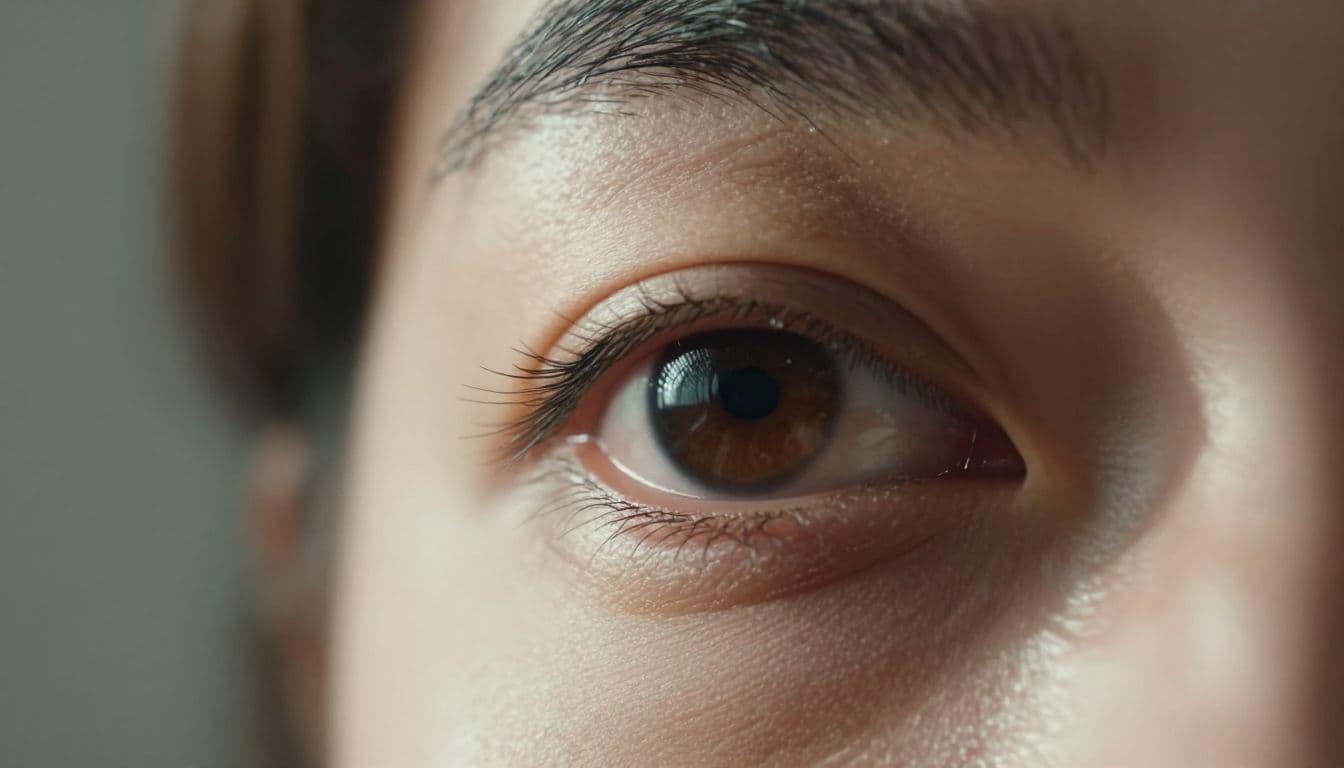
Normal morning crust versus unusual eye discharge
A little dry mucus in the morning is often harmless. During sleep, your eyes blink less, so tears, oils, and tiny bits of debris can gather at the corners and dry into a light crust. It usually wipes away easily and does not keep returning all day.
Unusual discharge looks different. It may be thick, yellow, green, stringy, or heavy enough to coat the lashes. It can also have a smell, which is more concerning than clear or light crust. For a simple overview of eye discharge types, Cleveland Clinic’s eye discharge guide explains how the look and feel can point to different causes.
The pattern matters as much as the color. Watery discharge often shows irritation or allergies, while sticky mucus can come with infection or blepharitis. If the crust keeps coming back after you clean it, the eye is usually still irritated.
A quick way to judge it is to ask:
- Does it show up only after sleep?
- Is it light and easy to wipe away?
- Or does it build back quickly and cling to the lashes?
When the answer shifts toward thick, colored, or repeated discharge, the problem is less likely to be simple morning crust.
Other symptoms that often show up with sticky eyes
Sticky eyes rarely travel alone. Redness, itching, burning, and swelling often show up beside the discharge, and those extra signs can change the picture fast. They tell you the eye surface may be irritated, inflamed, or fighting infection.
Light sensitivity and blurry vision matter even more. If bright light hurts or your vision looks foggy, the issue is no longer just annoying crust at the lashes. The eye itself may be involved, and that raises the need for medical care.
You may also feel like something is stuck in the eye, even when nothing is there. That gritty, sand-in-the-eye feeling often goes with dryness, irritation, or inflammation. If you keep rubbing the eye, the problem can get worse.
Common warning signs include:
- Redness that spreads across the white of the eye
- Itching or burning that makes you want to rub the eye
- Swelling around the eyelids or along the lash line
- Blurry vision that does not clear after blinking
- Light sensitivity that makes screens or sunlight uncomfortable
- A gritty feeling like a speck is trapped inside
Mild sticky eyes can settle with basic cleaning and rest. However, when discharge comes with pain, blurred sight, or strong redness, the cause needs a closer look.
The most common causes of sticky eyes
Sticky eyes usually come from a small group of common problems, and the clues are often in the discharge itself. Some causes bring watery mucus, while others leave thick crust, stringy threads, or a gooey film along the lashes. The timing matters too, because eyes that are only sticky after sleep point to different issues than eyes that keep sealing shut during the day.
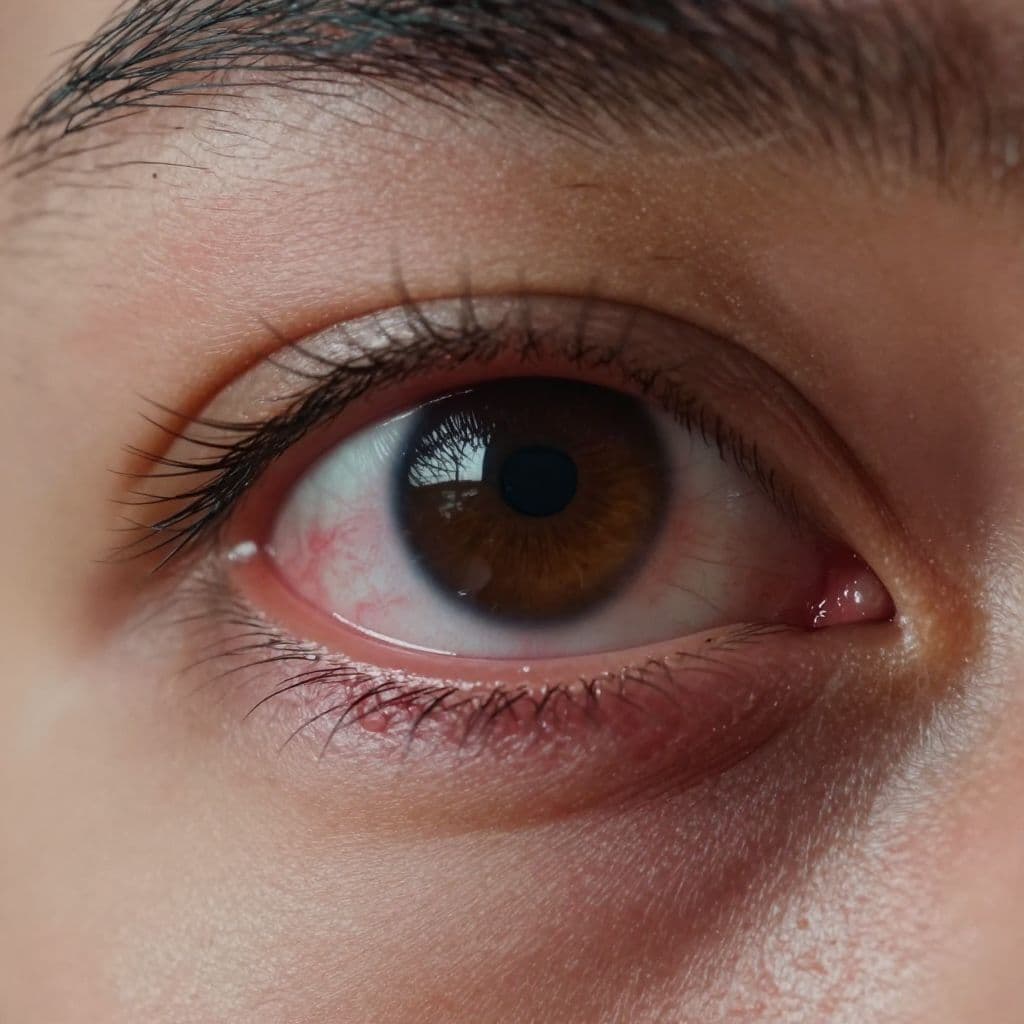
Pink eye can cause sticky discharge
Pink eye, also called conjunctivitis, is one of the most common reasons eyes feel sticky. It can happen because of a virus, bacteria, or allergies, and each cause can leave a different kind of discharge. Viral cases often bring watery eyes, bacterial cases often create thicker yellow or green mucus, and allergy-related conjunctivitis may cause clear, stringy discharge with lots of itching.
The eye usually looks red and irritated too. Both eyes may be affected, or it may start in one eye and spread to the other. If the cause is infectious, it can pass easily through hands, towels, pillows, and shared surfaces, which is why good hygiene matters so much.
A simple way to think about it is this, the eye is trying to wash something out, but the drainage leaves behind a sticky trail. For a more detailed breakdown of discharge types, Cleveland Clinic’s eye discharge guide gives a helpful overview.
Dry eyes can make mucus stringy and sticky
When your eyes do not make enough tears, or when tears dry out too fast, the surface of the eye gets rough and irritated. In response, the eye may produce rope-like or stringy mucus that clings to the lashes and corners. That can make the eye feel both dry and sticky at the same time, which feels confusing but is very common.
Screen time is a frequent trigger because people blink less while staring at phones or computers. Dry indoor air, fans, heating, and air conditioning can also pull moisture away from the eyes. Certain health issues, such as autoimmune conditions or eyelid problems, may play a part too.
If your eyes feel scratchy, burn easily, or seem worse after long hours indoors, dryness may be the real problem. In that case, the discharge is often a warning sign that the eye surface needs more moisture.
Blepharitis and other eyelid problems can leave crust behind
Blepharitis is inflammation along the eyelid edges, and it can leave a crusty ring at the lash line. Oil buildup, bacteria on the skin, and clogged oil glands often contribute to it. The eyes may sting, itch, or feel gritty, and the lids can look greasy or flaky.
Symptoms often come and go. Many people notice they are worse in the morning, when the crust has had all night to settle. The eyelids can feel heavy, and the lashes may stick together before the first blink of the day.
Other eyelid problems can act the same way. A blocked oil gland can trap debris, while irritated skin along the lashes can keep producing flakes and sticky residue. If the crust keeps returning, the lid margin may need more than a quick wipe.
Blocked tear ducts, styes, and eye irritation in babies and adults
In babies and young children, blocked tear ducts are a very common cause of sticky eyes. Tears cannot drain normally, so they pool and mix with mucus. The eye may water a lot, then dry into crust, especially after sleep.
Adults can have blocked drainage too, but they also deal with other triggers. A stye can cause a tender bump on the eyelid with discharge near the lash line. A tiny foreign object, like dust or an eyelash, can scratch the eye and make it water and stick. Minor eye injuries can do the same.
Contact lens irritation is another common cause. Lenses can dry out, trap debris, or irritate the eye if worn too long or cleaned poorly. The eye responds by making more mucus, almost like a defense shield, but the result is often sticky, uncomfortable lashes.
If sticky eyes keep coming back in a baby, child, or contact lens wearer, the cause is often mechanical rather than severe. Even so, swelling, pain, fever, or trouble seeing are signs that need prompt care.
How to treat sticky eyes at home the safe way
When sticky eyes are mild, the safest home care is simple and gentle. The goal is to clear crust, ease irritation, and avoid making the eye more inflamed. Clean hands, soft cloths, and light pressure go a long way.
Use a calm routine and stick to it. If the eye gets more red, painful, or swollen, stop home care and get medical advice.
Clean the eyes gently without causing more irritation
Start with clean hands. Wash them well with soap and water before touching the eye area, then dry them with a clean towel. This lowers the chance of spreading germs or adding more debris.
Next, soak a clean washcloth in warm water and wring it out so it stays damp, not dripping. Hold it over the closed eye for a few seconds to soften the crust. Then wipe from the inner corner outward with a light touch.
Use a fresh part of the cloth each time you wipe. If both eyes are sticky, use a separate cloth or cotton pad for each eye so you do not move discharge from one side to the other. The American Academy of Ophthalmology’s home care tips also recommend a warm damp washcloth for loosening dried mucus.
Do not rub the eye. Rubbing can scrape the surface and make irritation worse.
Keep the motion slow and easy, like brushing crumbs off a table. You are removing buildup, not scrubbing a stain.
Use warm compresses and artificial tears when needed
A warm compress can do more than clean the lashes. It can soften crust, calm the lid margin, and ease that tight, dry feeling that often comes with sticky eyes. Hold the warm cloth on the closed eye for a few minutes, then wipe away loosened discharge.
If the eye also feels dry or gritty, preservative-free artificial tears may help. They add moisture and can wash away tiny irritants without harsh rubbing. Choose plain lubricating drops, not redness-relief drops, because those can sometimes irritate the eye more.
For a quick reference on eye discharge and comfort care, Cleveland Clinic’s eye discharge guide explains when warm and cold compresses may help. Use warm compresses for crust and dryness, and save cold compresses for swelling or itching.
Adjust habits that may be making the problem worse
Some daily habits keep sticky eyes hanging around. Stop using eye makeup until the eye clears, because mascara, liner, and shadow can trap debris. Also avoid facial products that sting, such as fragranced creams, harsh cleansers, or acne treatments near the eyes.
If you wear contact lenses, take them out right away. Clean and store them the right way before wearing them again, and replace any lenses that feel dirty or irritated. A lens that feels scratchy is a warning, not something to push through.
Allergies can also make the eyes water, itch, and turn sticky. If pollen, dust, or pet dander is the trigger, rinsing the face, changing pillowcases, and closing windows during high-pollen hours may help. When itching is the main symptom, a cold compress can feel better than a warm one.
Simple changes matter most:
- Stop eye makeup until symptoms settle
- Skip irritating skin products near the eyes
- Remove contact lenses during irritation
- Clean lenses exactly as directed
- Use a cold compress for itching
If the discharge keeps coming back despite these steps, or if it turns thick, colored, or painful, the eye needs a closer look.
When prescription treatment or a doctor visit may be needed
Most sticky eyes clear with gentle cleaning and basic home care. However, some patterns point to more than simple irritation, and those cases need a doctor to look closer. The cause matters, because the right treatment for allergies is not the same as the right treatment for infection or dry eye.

Signs the discharge may need medical attention
Thick yellow or green discharge is a red flag, especially when it keeps coming back after you clean the eye. Worsening redness, pain, swelling, blurry vision, or fever also point to something that should not be brushed off.
If sticky eyes keep returning, that can mean the eye is still inflamed or infected. In other words, the body is sending the same warning again and again. A Mayo Clinic guide to pink eye notes that symptoms can overlap, so a doctor may need to sort out the cause before treatment works.
Get checked sooner if you notice:
- Thick yellow or green discharge
- Pain or swelling
- Blurry vision
- Fever or feeling unwell
- Sticky eyes that keep coming back
If your vision changes or pain increases, home care is no longer enough.
What a doctor may recommend for the cause
Treatment depends on what is behind the sticky eyes. A bacterial infection may call for antibiotic eye drops or ointment, while allergies often improve with allergy medicine or other anti-itch treatment. Dry eye may need lubricating drops or a plan to help your eyes hold moisture better.
If the problem comes from blepharitis or eyelid inflammation, the doctor may suggest lid hygiene, warm compresses, or other treatment to calm the lid edges. The Cleveland Clinic’s eye discharge overview explains that the type of discharge can point toward different causes, which is why one-size-fits-all care is not the right move.
Why babies, contact lens wearers, and people with eye injury need extra caution
Babies with sticky eyes often have a blocked tear duct, and that can cause constant tearing and crusting. If you want a deeper look at baby eye issues, see understanding baby eye alignment. Even when a blocked duct is the cause, a pediatrician should confirm it, especially if the discharge is heavy or the eye looks swollen.
Contact lens wearers need fast care when sticky eyes show up with redness, pain, or blurry vision. Lenses can trap germs and raise the risk of infection if they are worn too long or handled poorly. Eye injuries also need quick attention, because scratches, chemical splashes, and foreign objects can turn a small problem into a serious one.
A doctor visit is the safe next step when the eye looks angry, feels painful, or stops seeing clearly.
Conclusion
Sticky eyes are often harmless for a day or two, especially when the crust shows up only after sleep. The real clue is the pattern, because the color of the discharge, how fast it returns, and the symptoms beside it tell the bigger story.
Gentle home care is usually the first step. Wash your hands, soften the crust with a warm damp cloth, use preservative-free artificial tears if the eyes feel dry, and pause contact lenses or eye makeup until the irritation settles. Those simple steps can calm a mild case and keep the eye from getting more irritated.
Call a doctor if the discharge turns thick yellow or green, or if the eye becomes more red, swollen, painful, or sensitive to light. Blurry vision, fever, eye injury, or sticky eyes that keep coming back are also signs that need a closer look. When you pay attention to those details, it becomes much easier to tell the difference between a short-lived nuisance and a problem that needs treatment.
Save pin for later


- Dry Cough in Kids: 5 Causes and Safe Solutions - September 23, 2026
- How to Help a Child Deal With Anxiety at Home - September 12, 2026
- How to Prepare Your Child for the First Day of School - September 12, 2026