
Some pregnancy habits help build a stronger baby brain. Others can quietly work against that progress. Alcohol, nicotine, unsafe medications, and too much heat can all put extra strain on the body and affect how a baby grows.
The goal is simple, protect the space your baby needs to develop well. That means spotting the biggest risks early and making safer choices without panic or shame.
Why alcohol, smoking, and vaping are a no-go
Alcohol is one of the clearest things to avoid during pregnancy. It crosses the placenta, so your baby gets exposed too. That can affect brain development, growth, and later learning, and CDC guidance on pregnancy and alcohol is very direct about avoiding it completely.
Smoking and vaping are also risky because nicotine narrows blood vessels. That makes it harder for oxygen and nutrients to reach the baby. When that supply drops, brain growth can suffer along with overall development. If quitting feels hard, ask for support right away. You do not have to do it alone, and every smoke-free day helps.
A simple rule works here:
- No alcohol
- No cigarettes
- No nicotine vape products
Even small exposures can matter, so the safest choice is to skip them all.
For a broader look at common pregnancy dangers, this guide on risks to avoid during pregnancy is a useful companion to your daily routine.
Be careful with medicines, drugs, and unsafe supplements
Anything new during pregnancy should go through your doctor first. That includes prescription medicine, over-the-counter pain relievers, herbal products, and weight-loss supplements. Some products that seem harmless can interfere with fetal growth or affect the baby’s brain and organs.
This matters because pregnancy changes how your body processes substances. A dose that once felt normal can act differently now. It also helps to check labels carefully, since some supplements contain extra ingredients that are not safe for pregnancy. The NIH pregnancy supplement guide gives a clear look at what doctors often recommend and what to question.
If you need pain relief, allergy help, or a new vitamin, ask before you take it. That small pause can prevent a big problem later. Wise choices here are less about fear and more about protection.
Watch out for overheating and other hidden stressors
Heat can strain your body faster during pregnancy. Hot tubs, very hot baths, sauna sessions, and long time in high heat all raise your core temperature, which can affect the baby too. Early pregnancy is especially sensitive, so it pays to be cautious.
You also want to avoid pushing too hard on days when your body feels drained. Heavy exertion, dehydration, and skipping breaks all add stress. Drink water often, rest in cool spaces, and slow down when your body asks for it.
Watch for warning signs like:
- Dizziness
- Shortness of breath
- Fainting
- Strong weakness
- Regular cramps after heat exposure
If any of these show up, get help quickly. A cooler, calmer routine gives your body a better chance to do its job well.
Keep prenatal checkups and daily care on track
Prenatal care gives your baby’s body and brain a better chance to grow well. Each visit is a chance to spot small problems early, track steady growth, and calm the nerves that come with pregnancy.
Daily habits matter just as much. Sleep, water, movement, and following medical advice all work together like a quiet support team in the background.
What doctors look for at each visit

At routine visits, your doctor is not just checking one number or one symptom. They are looking at the bigger picture, how you are doing, how the baby is growing, and whether anything needs attention.
Common checks include blood pressure, weight gain, urine tests, and belly size. They may also listen for the baby’s heartbeat, ask about movement later in pregnancy, and review symptoms like swelling, pain, bleeding, headaches, or strong nausea. The National Institute of Child Health and Human Development explains that regular prenatal care helps catch concerns before they grow.
Those visits also help with nutrition. If your weight, appetite, or energy changes too much, your doctor can tell whether you need more support. That matters because healthy growth depends on enough fuel and a steady supply of key nutrients.
Small changes often show up before big problems do, which is why routine checks matter.
If you are in the middle of planning, a second trimester pregnancy checklist can help you stay organized between appointments.
Use checkups to ask questions early
Prenatal visits work best when you speak up. If something feels off, bring it up right away, even if it seems small. A short question today can spare you days of worry later.
Use the appointment to ask about:
- Symptoms that seem new, like cramps, dizziness, or headaches
- Supplements you’re taking, including vitamins, herbs, and teas
- Food questions, especially if nausea, cravings, or aversions are getting in the way
- Medicine safety, including pain relief, allergy medicine, or sleep aids
- Mood changes, stress, or trouble sleeping
That conversation matters because pregnancy care is not only about tests. It also gives you clear answers in a season full of changes. If you need more guidance on timing and regular care, this overview of pregnancy health after 30 can help frame the bigger picture of prenatal support.
When you leave with fewer guesses and more clarity, it’s easier to make good choices at home. That peace of mind is part of the care too.
Do the small daily habits that add up
The days between appointments shape pregnancy just as much as the visits themselves. Sleep, movement, hydration, and medical advice all work together to support steady growth.
Aim for enough rest each night, and take naps when your body asks for them. Gentle movement, like walking or stretching, can help with stiffness, digestion, and energy. Water matters too, especially if you feel warm, tired, or prone to headaches.
Following your provider’s instructions is just as important. If they ask you to take iron, cut back on certain foods, or watch for a symptom, do it. Those small steps can make a real difference.
A simple daily rhythm might look like this:
- Take your prenatal vitamin at the same time each day.
- Drink water through the day instead of waiting until you feel thirsty.
- Move your body in a gentle, doctor-approved way.
- Rest when you feel drained, not only when you are exhausted.
- Keep notes on symptoms so you can report them clearly at your next visit.
Daily care does not need to be complicated. It just needs to be steady, because steady care gives your baby a more stable place to grow.
Support brain development with calm routines and emotional care
Stress is part of life, and pregnancy will not erase it. Still, constant stress can wear you down, and your body feels that strain too. When you build a calmer daily rhythm, you give yourself more room to breathe, rest, and care for your baby with less tension in the background.
Try rest, breathing, prayer, or quiet time
Some days call for simple calm, not a perfect fix. A short nap, a few slow breaths, prayer, or ten quiet minutes with no noise can help your body settle. These small pauses lower the pressure that builds when your mind never gets a break.
You can keep it basic:
- Rest when your body feels heavy.
- Breathe in slowly through your nose, then exhale a little longer.
- Pray, read a comforting verse, or sit in silence.
- Step away from screens for a few minutes.
- Close your eyes and let your shoulders drop.
These habits do not solve every worry, but they can soften the edge. Research on prenatal stress and brain development shows why easing stress matters during pregnancy, since strong stress can affect fetal brain growth over time. Even brief calm moments help create a steadier rhythm for you and your baby.

Lean on people who make pregnancy feel lighter
Pregnancy feels easier when you are not carrying everything alone. Family, friends, and trusted loved ones can help with meals, errands, rides, or just a kind conversation when the day feels long. A little support can turn a heavy afternoon into one that feels manageable.
If emotions start feeling bigger than you can handle, reach out sooner rather than later. Support groups can help you feel less isolated, and counseling can give you a safe place to sort through fear, sadness, or worry. Asking for help is smart, not weak, because it protects your peace and your energy.
You do not need to prove you can do pregnancy alone. You need support that helps you stay steady.
If mood changes are starting to feel intense, this guide on managing pregnancy mood swings can help you spot helpful next steps. You can also look at simple habits for pregnancy joy when you want small ways to feel more grounded each day.
Give sleep and gentle movement a real place in your day
Sleep is one of the best forms of support you can give your body. It helps you recover, lowers irritability, and gives your mind a break from the constant buzz of pregnancy thoughts. When nights are rough, short daytime rest can still help.
Gentle movement matters too, as long as your doctor says it’s safe. A walk after lunch, light stretching, or swimming can lift your mood and ease body tension. The right activity can help you sleep better later, which creates a better loop for both body and mind.
A calm routine might look like this:
- Go to bed at a regular time.
- Take a short walk or swim a few times a week.
- Rest after busy tasks.
- Keep water nearby.
- Choose quiet evenings when possible.
If you want a gentle exercise option, prenatal yoga for stress relief can fit well into a pregnancy routine. The point is simple: when your days hold more rest and gentle motion, your mind often feels lighter, and your baby benefits from the calmer pace too.
Talk, read, and sing to your baby as they grow
Your baby may not know the words yet, but they can still hear your voice and sense its rhythm. That familiar sound can become part of their first sense of safety, like a gentle thread that starts before birth and keeps going after delivery.
These small moments also give you a simple way to connect. You don’t need a special script or a perfect routine, just your voice and a few calm minutes each day.

Why your voice matters before birth
A baby in the womb can’t follow a story, but they can respond to sound. Your voice is one of the first patterns they begin to know, and that repeated sound can feel comforting after birth. It is a small thing on the surface, yet it carries warmth, rhythm, and recognition.
Talking, reading, and singing also give the baby gentle brain input. The steady beat of your words, the rise and fall of a lullaby, and the repetition of familiar phrases may all support early brain and language development in simple ways. The Oklahoma State University guide on talking, reading, and singing explains how these everyday habits help build early learning from the start.
Your baby doesn’t need perfect words. They need a familiar voice that shows up again and again.
This can also help you feel more connected during pregnancy. When you speak kindly to your baby, you turn an ordinary moment into a small act of love.
Easy ways to make it a habit
Keep it easy. The best routine is the one you can repeat on a busy day, even if you’re tired or short on time.
A few simple ideas fit well into real life:
- Read aloud for a few minutes before bed, even if it’s a short article or a children’s book.
- Sing one favorite song while folding clothes, making tea, or resting on the couch.
- Talk through your day in a soft voice, sharing what you’re eating, feeling, or planning.
- Use quiet moments in the car, during a walk, or before sleep to speak to the baby.
You don’t need a full session. A few steady minutes matter more than doing it “right.” A short daily habit can become a sweet ritual, one that helps your baby get used to your voice and helps you slow down too.
In short, speak, read, and sing when the house is calm. Those repeated sounds may seem small, but to your baby, they are part of the first world they know.
Turn healthy habits into a simple pregnancy plan
Healthy pregnancy habits work best when they fit into real life. You do not need a perfect schedule or a long list of rules. You need a few steady choices that repeat often enough to matter.
Start small, stay consistent, and let the plan feel easy enough to keep on tired days. If you are making bigger changes, talk with your healthcare provider first so your routine matches your needs.
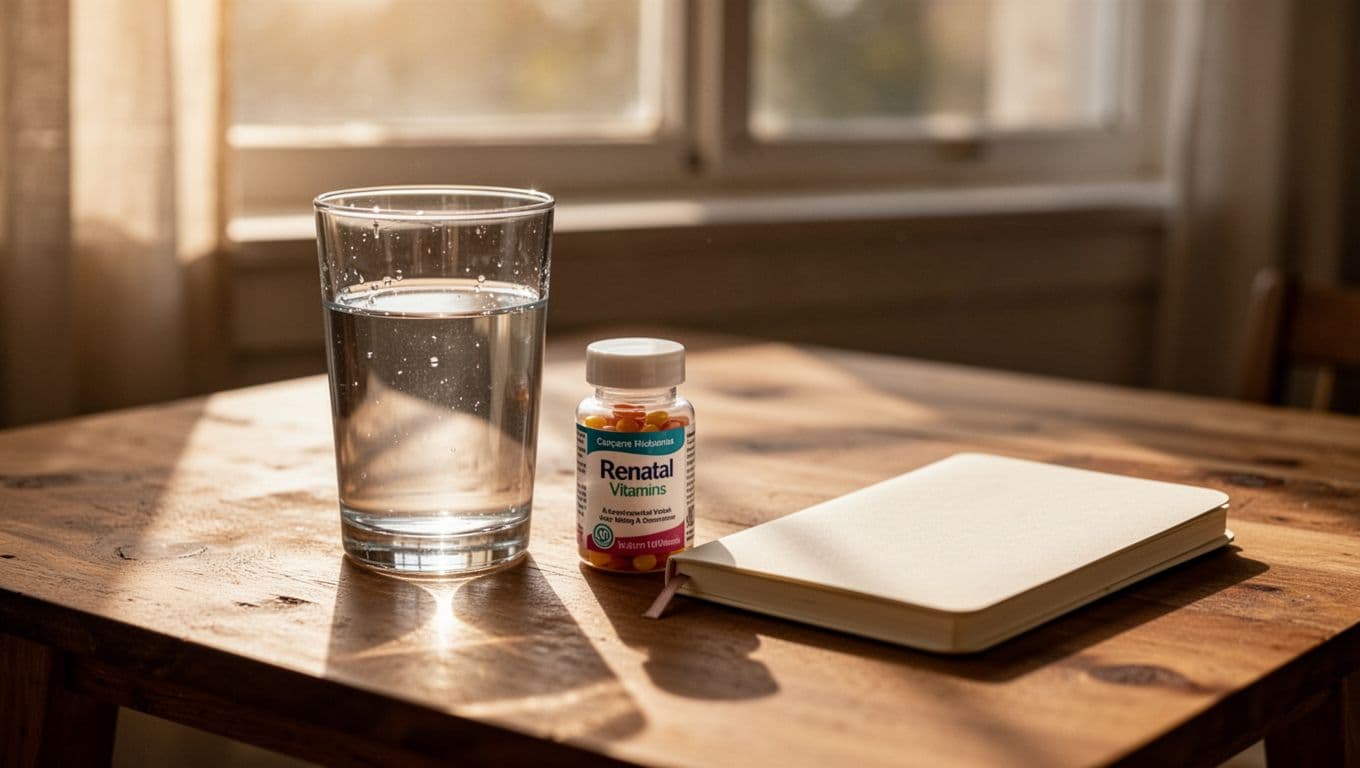
Pick one habit to start this week
Choose the easiest next step, not the biggest one. That might mean taking your prenatal vitamin each morning, booking a checkup, or filling a water bottle and finishing it twice a day. A strong pregnancy plan often starts with one habit that feels almost too simple to skip.
If you want a place to begin, use the habit that removes friction from your day. For some women, that means setting a prenatal vitamin beside the coffee mug. For others, it means keeping a water bottle in the car or writing down the doctor’s number for that overdue appointment.
A few good first steps include:
- Take your vitamins at the same time each day.
- Book your prenatal visit if you have not done so yet.
- Drink more water by keeping it close.
- Add one balanced meal you can repeat during the week.
Small habits work best when they feel almost effortless.
This approach fits what habit-based pregnancy support often shows, because repetition matters more than intensity. A simple, repeatable routine is easier to keep than a strict plan that drains you. If you need help organizing the basics, this pre-pregnancy planning checklist can help you sort the first steps.
Use reminders so healthy choices stick
Good intentions fade fast when pregnancy brain, fatigue, and busy days step in. Reminders help carry the load. A phone alarm can nudge you to take your vitamin, a sticky note can remind you to drink water, and meal prep can keep lunch from turning into a grab-and-go choice.
Try building your day around a few cues that you already see:
- Phone alarms for vitamins, water breaks, or bedtime.
- Sticky notes on the fridge, mirror, or desk.
- Meal prep on one calm day so healthy food is ready.
- Visible items like fruit on the counter or a water bottle by the sink.
These little prompts make healthy choices feel automatic. They also cut down on decision fatigue, which matters when your energy changes from one hour to the next.
Keep the plan gentle. One habit can lead to another, and that slow chain is often what makes pregnancy routines last.
Conclusion
A healthy baby and a sharp brain start with steady care, good food, safe choices, and love. The first weeks matter, but the small habits you repeat each day matter just as much. When you keep meals balanced, take your prenatal vitamin, show up for checkups, and avoid the biggest risks, you give your baby a strong start.
There is no need to chase perfection. A calm routine, a little rest, and simple support at home can carry more weight than grand gestures. Consistency is what builds momentum, and during pregnancy, those little choices add up fast.
If you keep returning to the basics, you are already doing a lot right. That quiet, steady care is one of the best gifts you can give your baby before birth.
Save pin for later


- Dry Cough in Kids: 5 Causes and Safe Solutions - September 23, 2026
- How to Help a Child Deal With Anxiety at Home - September 12, 2026
- How to Prepare Your Child for the First Day of School - September 12, 2026