
Some babies seem to notice everything, remember everything, and figure things out fast, which can leave you wondering whether you’ve got a little genius on your hands. Early signs of high intelligence can be exciting to spot, but they’re only clues, not a diagnosis or a promise about the future.
Babies grow at different speeds, and that matters more than any single milestone. A baby who lights up at faces, learns patterns early, or stays laser-focused on a toy may stand out, but those traits can also shift with age, mood, and environment. If you’ve ever noticed small habits that hint at personality, like the ones in these newborn behaviors that reveal future personality, you already know how much babies can tell us before they can speak.
The good news is that there are common signs parents and doctors often look for when a baby seems unusually sharp. Up next, those clues will make more sense, and so will the role context plays in what you’re seeing.
What People Usually Mean When They Say a Baby Is a Genius
When parents call a baby a genius, they usually mean something simpler than a formal label. They are noticing advanced development, strong curiosity, fast learning, or early gifted traits that stand out for that age.
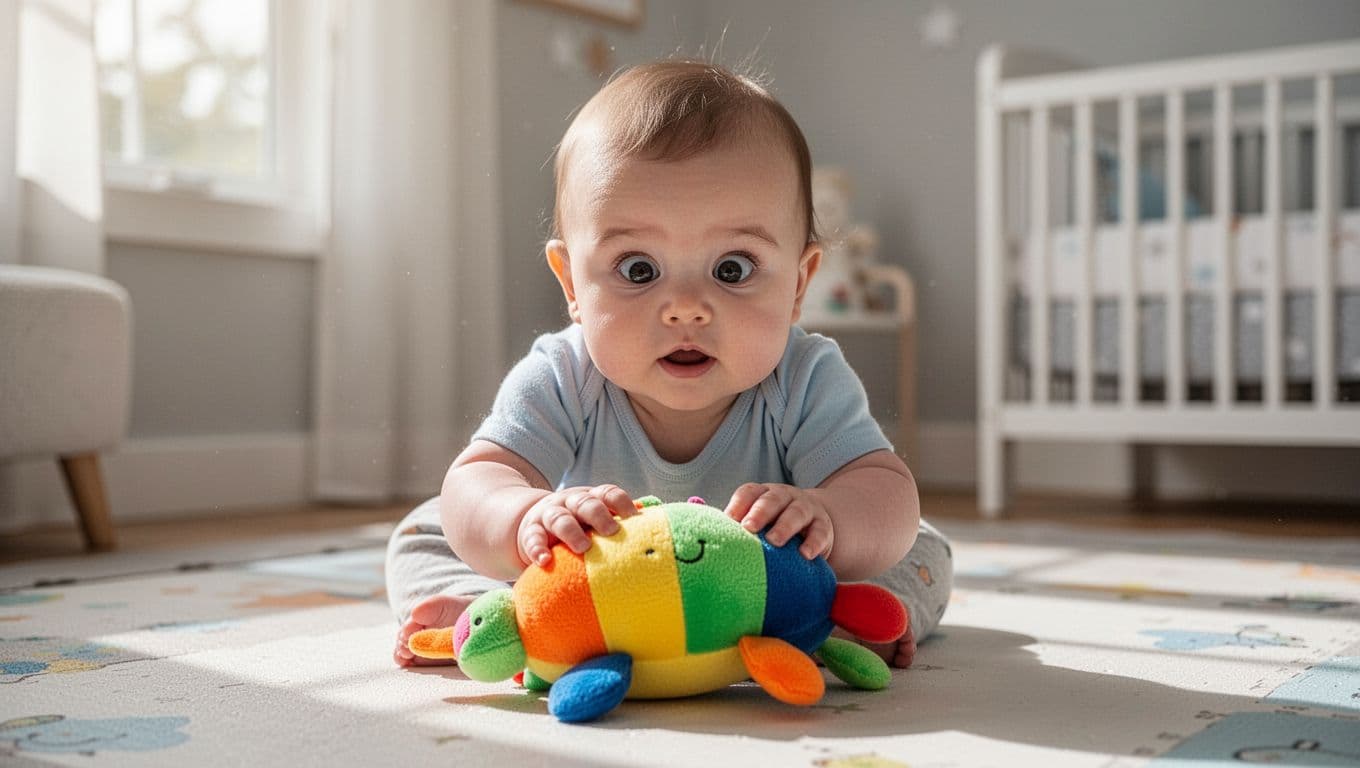
It usually means a baby is ahead in one area
A baby might track faces with unusual focus, pick up patterns quickly, or show early language interest. Those are real clues, but they point to one part of development, not a final verdict on intelligence.
Many babies also show one or two advanced traits without being gifted in every area. A child may have sharp memory and strong curiosity, yet be average in motor skills. That mix is normal.
People often confuse gifted traits with normal variation
Babies grow on their own timeline. Some are early talkers, some are early movers, and some are simply intense observers. If you want a broader view of early growth, the American Academy of Pediatrics has helpful milestone guidance.
The key is to watch for patterns, not a single impressive moment. A baby who keeps learning fast, notices details, and stays highly engaged is worth paying attention to. For more on playful ways to support that curiosity, see these engaging play activities for babies 1-12 months.
A baby does not need to be brilliant in every area to show early signs of giftedness.
The takeaway for parents
A “baby genius” usually means a child shows early strengths that feel ahead of schedule. That can be exciting, but it still fits inside normal child development.
Your baby pays attention in a way that feels unusual
Some babies seem to take in the room like little scientists. They watch faces for long stretches, follow moving objects closely, and turn fast when a new sound cuts through the noise. That kind of focus can point to strong early processing, especially when your baby seems more interested in what’s happening than in tuning out.
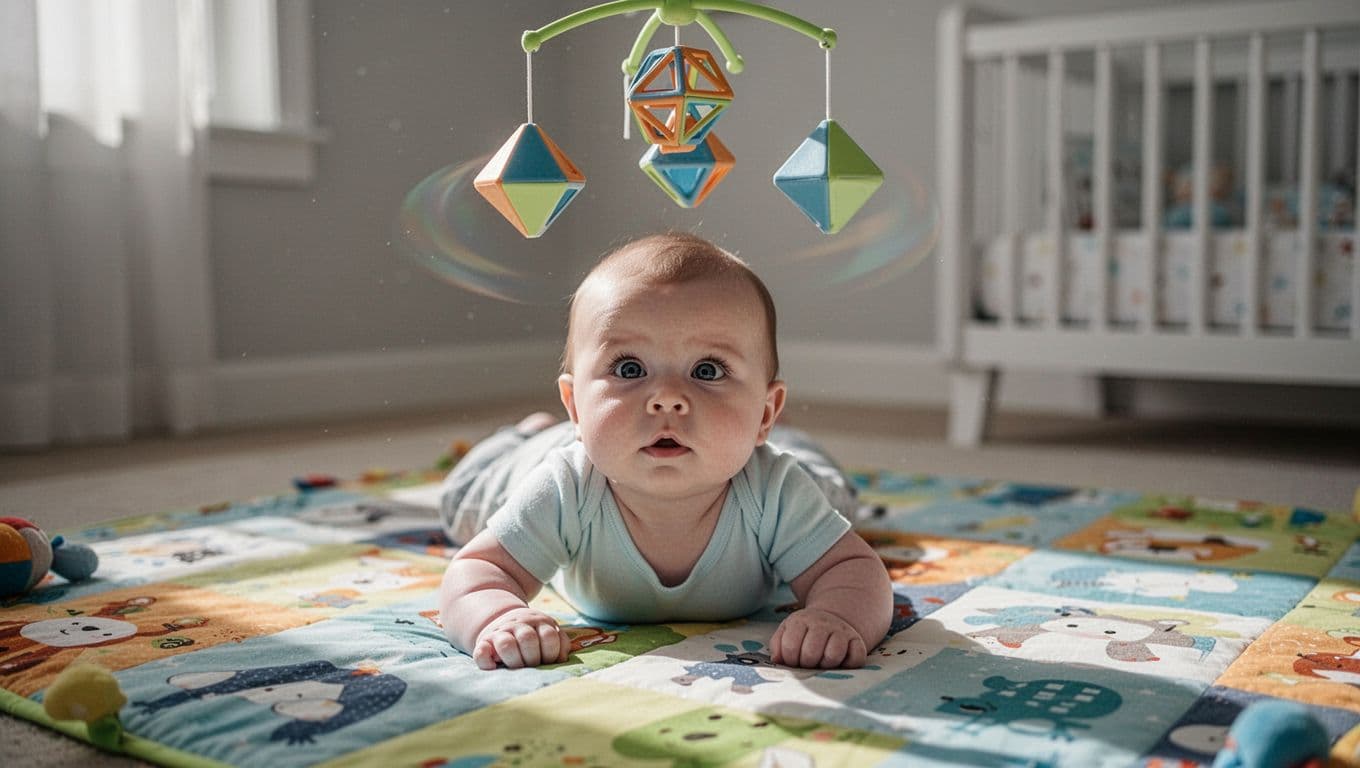
They seem extra aware of everything around them
A baby with sharp early attention often looks almost studious. You may notice sustained eye contact, careful tracking of a toy, or a steady gaze on a patterned blanket, ceiling fan, or bright window.
They also react quickly to small shifts in movement or sound. A sudden voice, a rustle, or a face entering the room can pull their attention right away. That level of alertness can be a sign of strong observation, especially when it happens again and again. Research on infant brain development points to early attention skills as one of the clearest clues to later cognitive growth, and some babies show that focus very early in infant attention studies.
They notice changes fast
Some babies pick up on changes almost immediately. A different shirt, a new haircut, a changed routine, or a shift in tone can get an instant reaction. That usually comes from pattern recognition and memory working together.
If your baby seems to register small changes before everyone else does, that can mean their brain is storing and comparing details well. It can also mean they are simply a very alert temperament. Babies do vary a lot, so one intense observer may grow into a calm, easygoing child. Still, when strong attention shows up often, it is a clue worth watching.
If you also see this kind of focus at home, a responsive routine matters. Mindful interaction with your baby helps them keep building those early attention skills.
Early memory and learning clues show up fast
Memory often shows up before speech does. A baby may not say, “I know this,” but you can see it in the way they light up, settle, or react when something familiar returns. That is why early learning clues can feel so striking, especially when your baby starts recognizing patterns sooner than you expected.
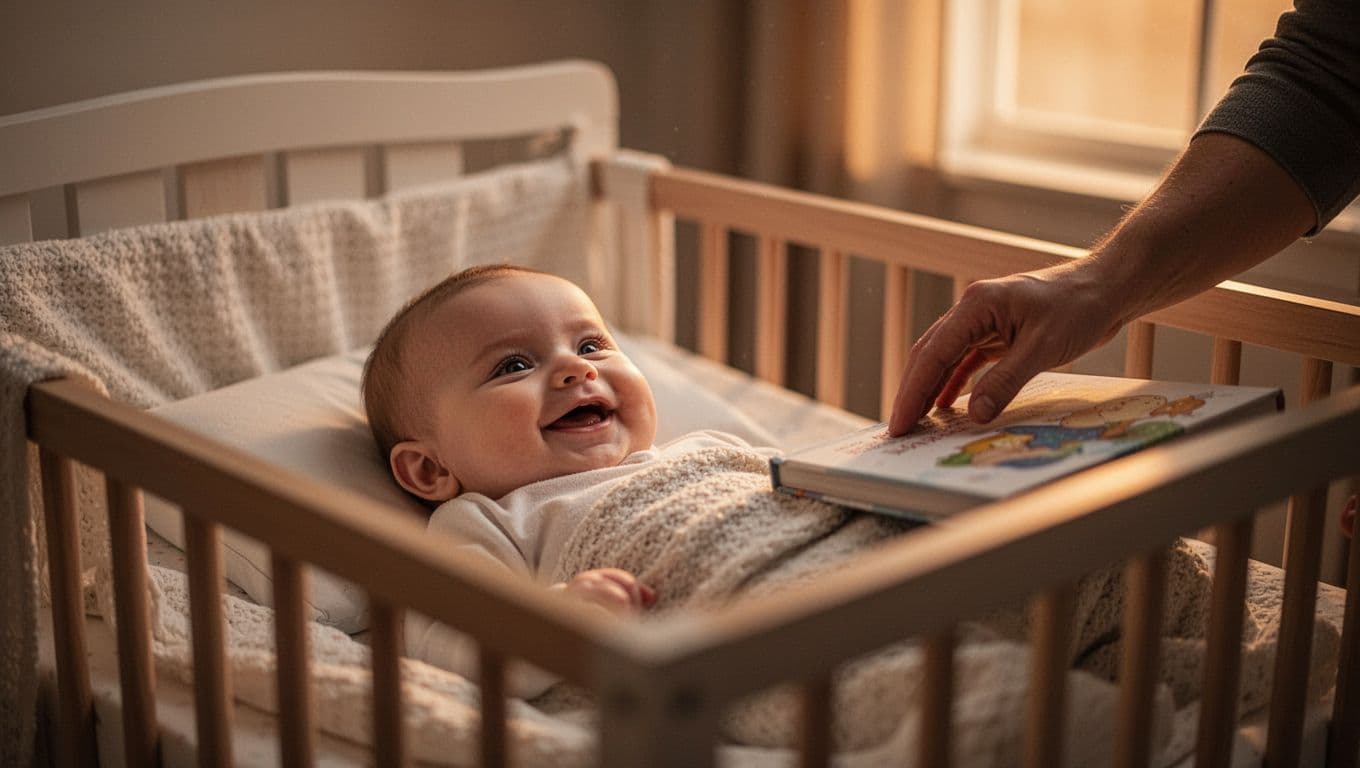
They remember routines before you expect them to
A baby with a strong memory often seems to know what comes next. They may smile when the bedtime song starts, relax as soon as the bath ends, or calm down the moment you begin a familiar sequence. That response tells you they are linking events together and storing those patterns.
You might also notice this at nap time, mealtime, or during a favorite song. If the first few steps of a routine bring instant calm or excitement, your baby is likely recognizing the order, not just the sound. Predictable patterns matter here, which is why bedtime routines for newborns can feel so effective.
In babies, memory often shows up as a response, not a word.
They solve simple repeat problems quickly
Repeated actions can reveal fast learning. If your baby learns how to get a toy back, presses a button again after it makes a sound, or repeats a move that gets your attention, they are testing cause and effect. That kind of quick recall is a strong early learning clue.
Research also shows that babies can form memories earlier than people once thought, even before they can explain anything. A recent review in Pediatric Research notes that sleep also helps babies consolidate what they learn during the day, which makes routines and rest important for memory growth. See the journal’s overview on sleep and infant development for more context.
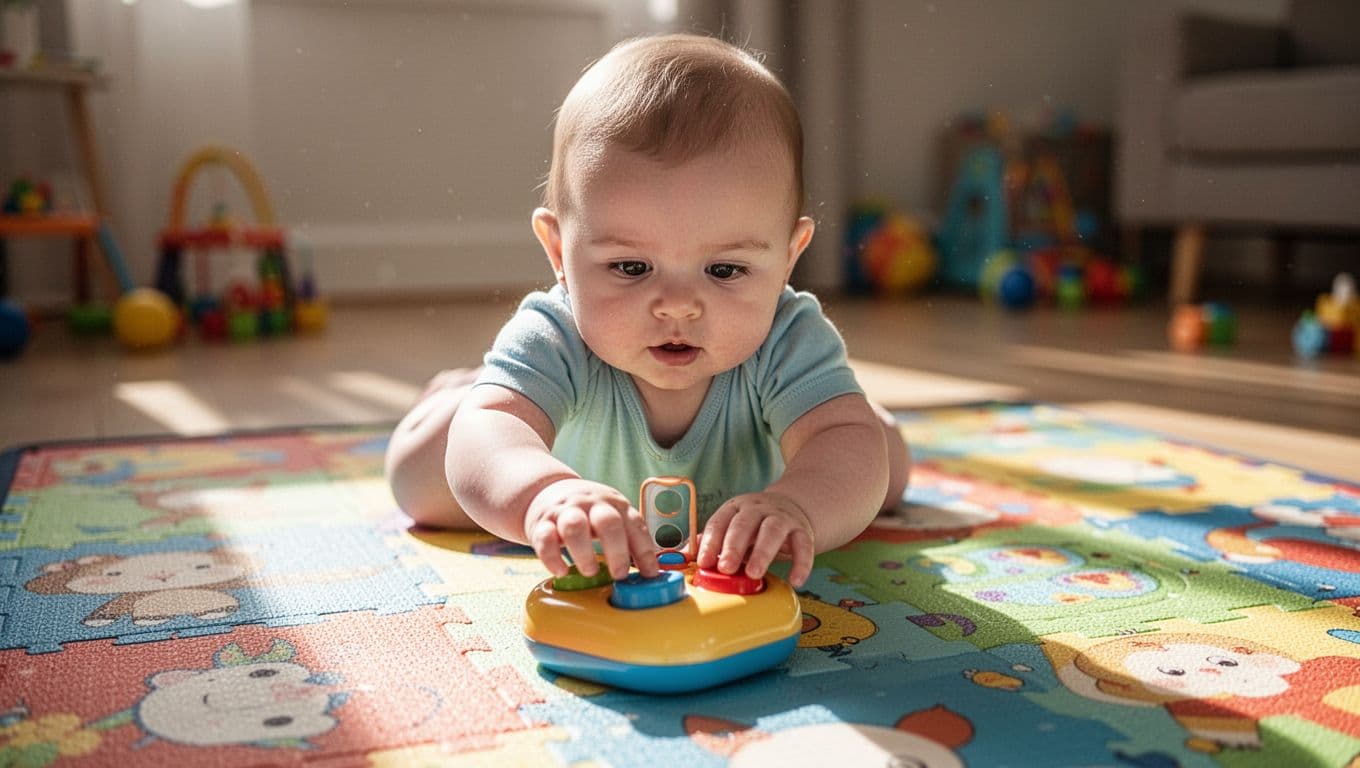
If your baby repeats a successful action fast, that is more than cute behavior. It shows they are learning from experience and using memory to guide what comes next.
Language comes early, and it keeps growing
Language clues often show up long before a baby speaks clearly. Some babies babble like they are joining the conversation, while others seem to tune in to every word around them. Both can be signs of fast language growth, especially when the baby is alert, responsive, and eager to connect.
They babble with purpose
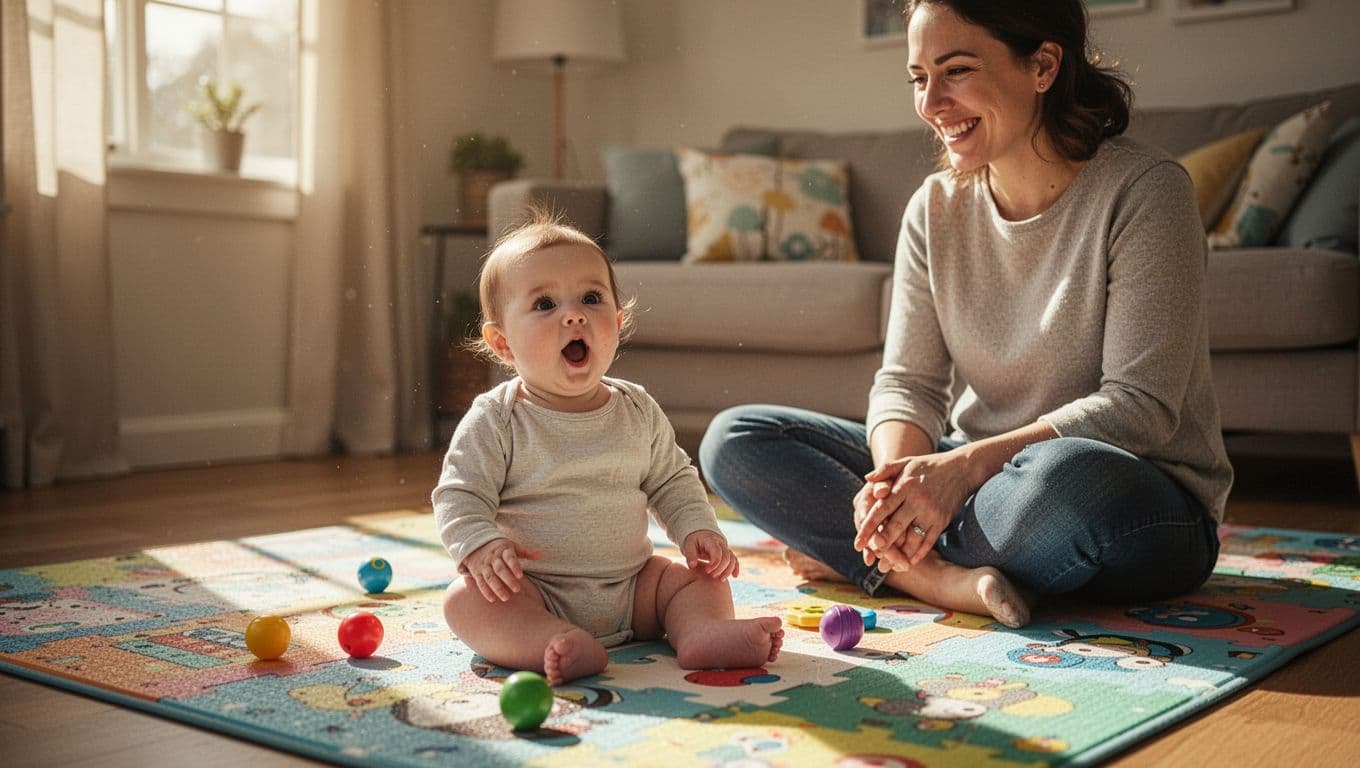
Purposeful babbling sounds more varied than simple noise. You may hear back-and-forth sounds, changes in pitch, or little bursts that copy the rhythm of your voice. Some babies even match the tone of a question or echo the shape of a word, like they are testing speech before they can control it.
That kind of babbling can include gestures too. A baby might point, wave, reach, or look back and forth between you and an object while making sounds. When a baby uses voice, eye contact, and body language together, they are trying to communicate, not just entertain themselves.
Research from Verywell Family on gifted children and language notes that some advanced babies babble with more speech-like patterns earlier than expected. Still, babbling alone does not prove genius. It matters most when it keeps showing up with attention, imitation, and a clear desire to interact.
They understand more than they can say
Some babies seem to know far more words than they can use. They may turn when they hear their name, stop when you say “no,” or look toward a familiar toy when you name it. Simple directions can click early too, such as “come here” or “give me the ball.”
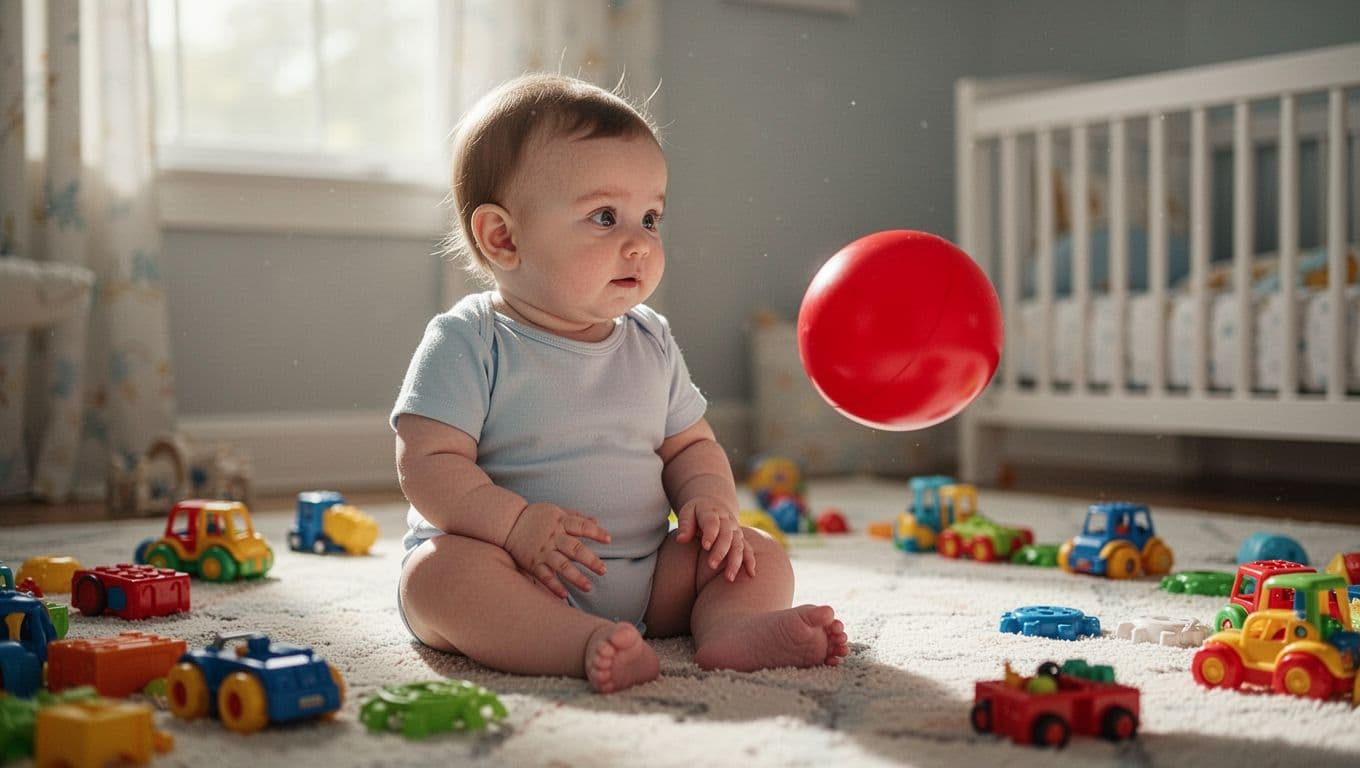
That gap between understanding and speaking is normal, but a big gap can still be impressive. The NIDCD speech and language milestones show that babies first absorb sounds, tone, and meaning long before they build full speech.
If your baby also reacts to familiar words, copies sounds, or uses gestures with clear purpose, that is a strong language clue. For more ways to support those early skills, fun activities for newborns can help make speech feel natural and playful.
They move through milestones with extra speed or control
Some babies hit motor milestones early, while others move with unusually smooth control. You may notice it in the way they hold their heads steady, roll without much wobble, sit with balance, or seem ready to stand before you expect it.
That kind of progress can point to strong coordination, body awareness, and even problem-solving. Movement takes planning, after all. A baby has to judge space, shift weight, and adjust fast, which is why early motor progress often feels impressive.
Their body control seems unusually strong
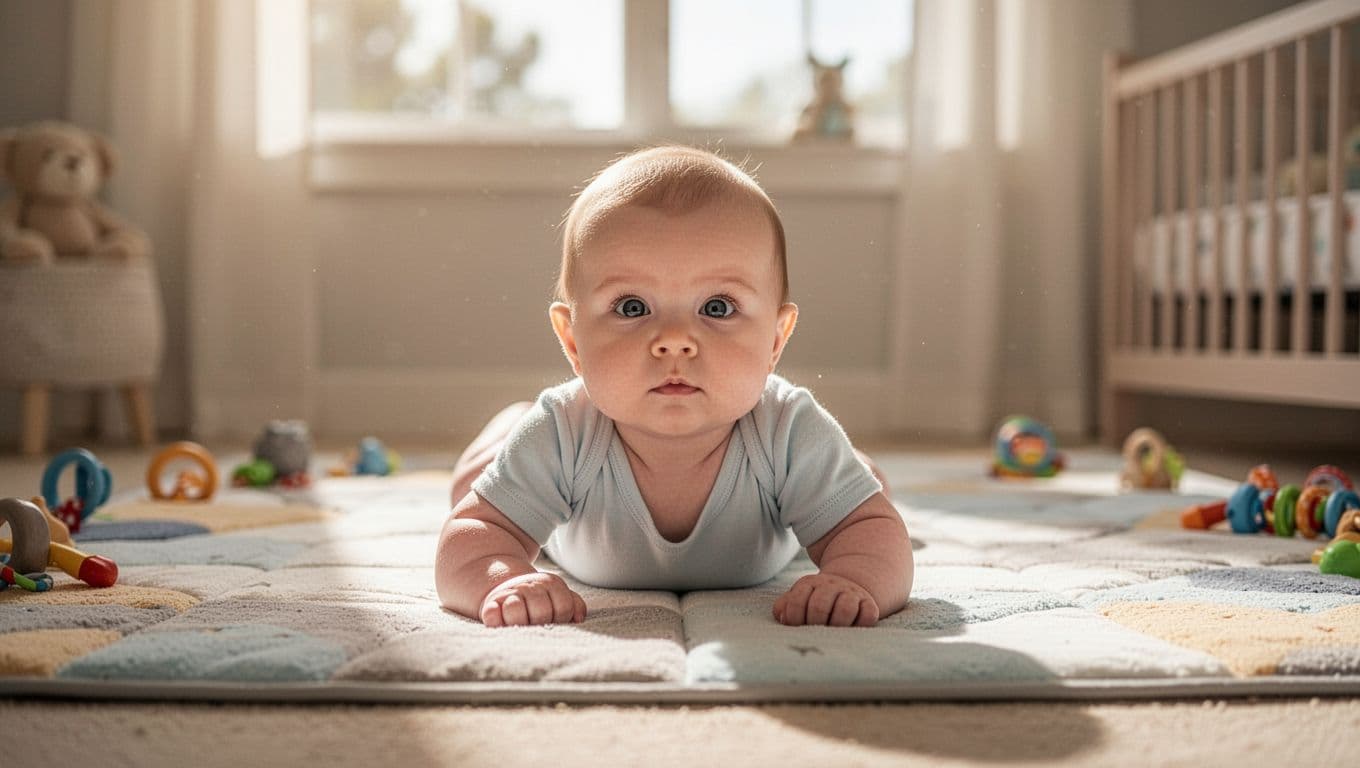
A baby with strong motor control often looks stable and sure of themselves. Their posture stays upright, their grip feels firm, and their movements seem smooth instead of jerky. You might see this in tummy time, when they lift their head with ease, or when they hold a toy without letting it flop away.
Balance can show up next. A baby who sits with less support, leans with control, or braces their body well may be showing good coordination for their age. If you want to see how one early skill leads into the next, this guide on when babies start rolling over can help put it in context.
Research also links stronger motor skill and better thinking skills in young children, including attention and problem-solving. A review of gifted children at the Davidson Institute found that many showed early motor development, but the pattern was far from universal, which matters here: motor timing and intelligence do not always match. Some very bright babies are average movers, and some early movers grow at a normal pace in other areas.
They use movement to explore and learn
Curious babies rarely stay still for long. They crawl toward objects, twist to inspect new things, open what they can reach, and climb with intent. Instead of watching from a distance, they use their bodies like tools.
That kind of movement shows a baby who wants answers. They are testing how things work, what happens next, and which actions get a response. If your baby seems eager to reach, turn, and investigate, that hands-on curiosity is a strong clue, especially when paired with other early learning signs.
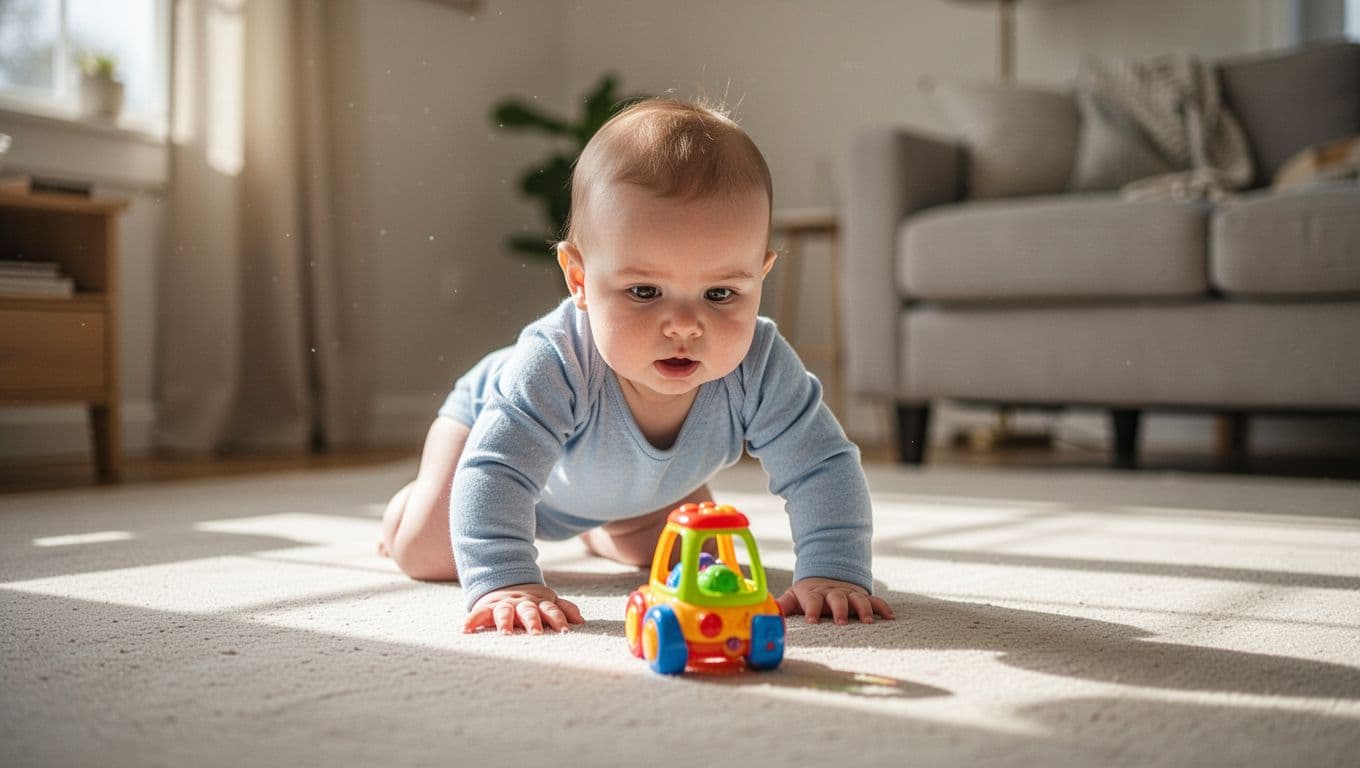
If you notice this kind of drive, the best support is simple: give your baby safe space to move, reach, and repeat. Movement is one of the first ways babies study the world, and for some, it starts earlier and with more control than you’d expect.
Curiosity is constant, and sometimes a little intense
A highly curious baby does more than look around. They keep reaching, opening, touching, and testing, as if the world is one big puzzle box. That steady drive to explore often shows up early, and it can feel surprisingly strong.
Age-appropriate activity ideas for kids can help you match that energy with safe, simple play. The goal is not to push your baby. It is to give them room to keep asking, “What happens if I do this?”
They explore objects like tiny scientists
Some babies study toys the way an adult studies a new gadget. They turn a rattle upside down, shake it again, tap it on the floor, then repeat the whole process. If something makes a sound or moves in a new way, they want to see it again.
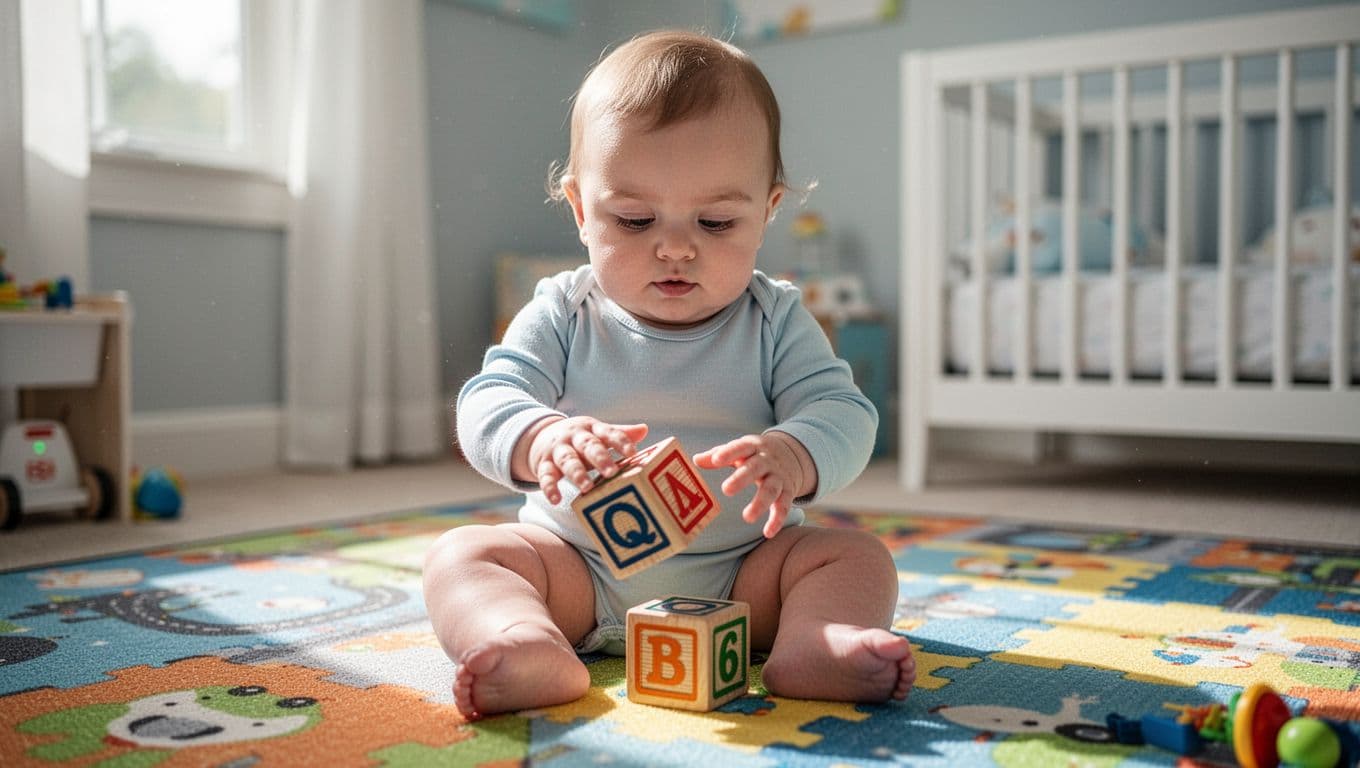
That repeat testing matters. A baby who stares at a toy for a long time, checks every side, and keeps experimenting is showing strong focus and early problem-solving. They are not just playing, they are trying to figure out how the object works.
If you want to see how curiosity and later intelligence can connect, recent research in Scientific research on curious babies found that highly curious babies often grow into more curious toddlers.
They get bored fast when something is too simple
Bright babies often lose interest quickly when an activity feels too easy. A toy that worked yesterday may feel old today, so they look for a new angle, a new texture, or a harder challenge. That can look like fussing, but it often means their brain wants more to do.
When a baby gets frustrated after being blocked from exploring, pay attention. They may be showing a strong need for mental stimulation, not just impatience. In short, curiosity that feels constant, even a little intense, is often a sign of a baby who wants to learn fast and keep going.
They may show strong focus for their age
A baby’s attention span is short by nature, so even a few extra moments of focus can stand out. If your baby can settle into one activity longer than expected, that can be a clue that their brain likes to lock on and study details.
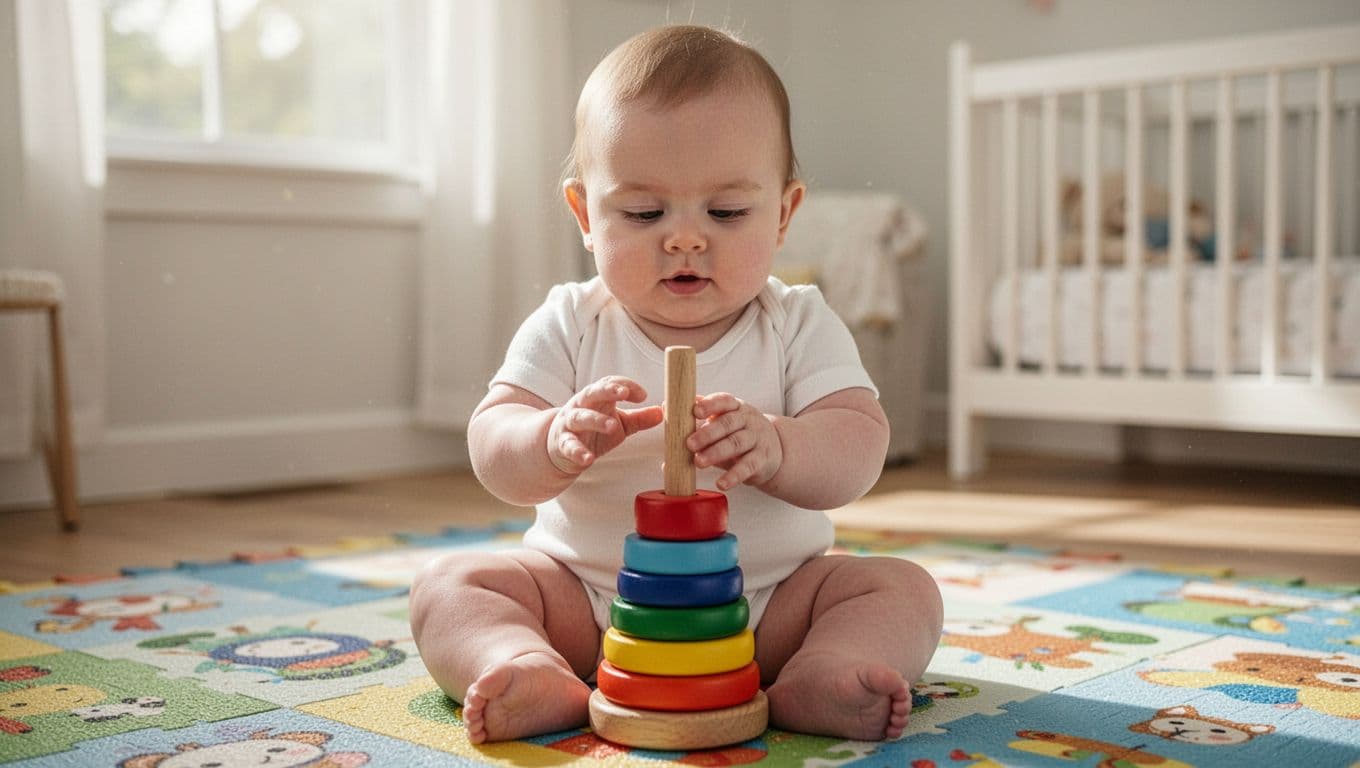
They can stay with one activity longer than most babies
You may notice your baby listens through a short story, stares at a toy with real concentration, or repeats the same game again and again without drifting away. That kind of steady attention often looks calm on the surface, but it can be a sign of strong early focus.
A baby who keeps studying the same rattle, page, or puzzle piece is doing more than passing time. They are tracking patterns, testing cause and effect, and staying mentally engaged. Research on infant attention has linked early focus with later thinking skills, and even very young babies show clear signs of information processing in infant attention studies.
Their focus helps them learn faster
Longer attention gives babies more time to absorb language, remember actions, and solve simple problems. That is why a baby who stays engaged during songs, books, or toy play often seems to pick things up quickly.
Healthy focus can look intense, but it still feels relaxed and responsive. A baby who is quiet because of temperament may seem still, yet not truly engaged. By contrast, a focused baby watches, reacts, and returns to the same task with interest. That steady concentration often pairs with faster learning in language, memory, and problem-solving, especially when parents keep interactions warm and simple.
They pick up on feelings and social cues early
Some babies seem tuned in to the emotional weather of a room. They watch faces, react to tension, and settle when a parent sounds calm. That early sensitivity can point to strong social awareness, which often shows up before speech does.
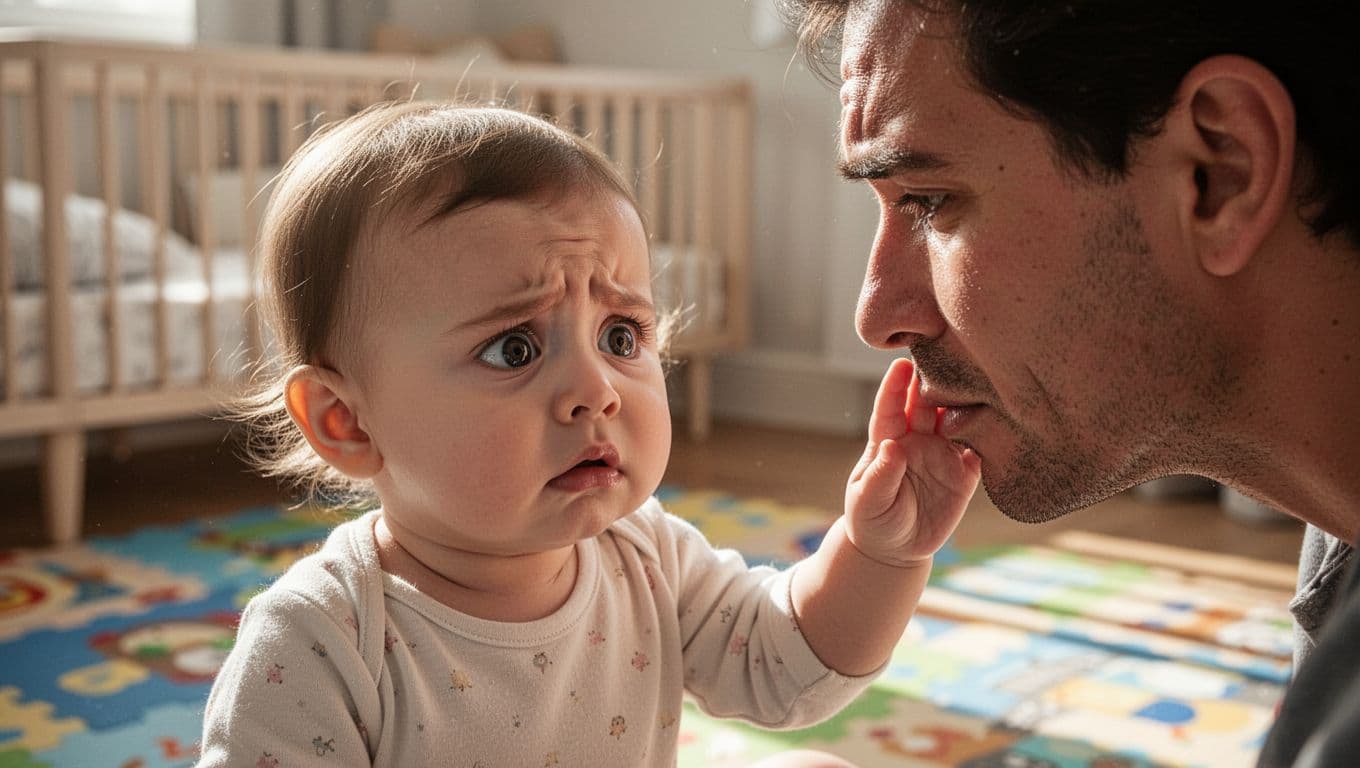
They react strongly to other people’s emotions
A baby who notices sadness, stress, or upset may stop what they are doing and look closely. Some babies get fussy when a parent cries, while others reach out, touch a cheek, or stare with a worried expression. That kind of response can look like early empathy in baby form.
These moments matter because babies often mirror the mood around them. A calm baby near a calm adult is common, but a baby who seems affected by someone else’s feelings may be picking up social cues early. Research on infant empathy shows that concern and comforting can begin in the first year of life, with some babies showing early signs of helping behavior before they can speak in infant empathy studies.
A baby’s concern does not need words to be real.
A simple way to support this sensitivity is through warm, steady interaction. Activities that name feelings, use facial expressions, and invite gentle response can help babies build these skills, like the ideas in emotional intelligence activities for kids.
They seem to understand tone before words
Babies often hear the feeling behind your voice before they understand the message. A soft, warm tone can calm them fast, while a sharp or tense voice may make them pause, stare, or cry. They may not know the words yet, but they know the difference between comfort and stress.
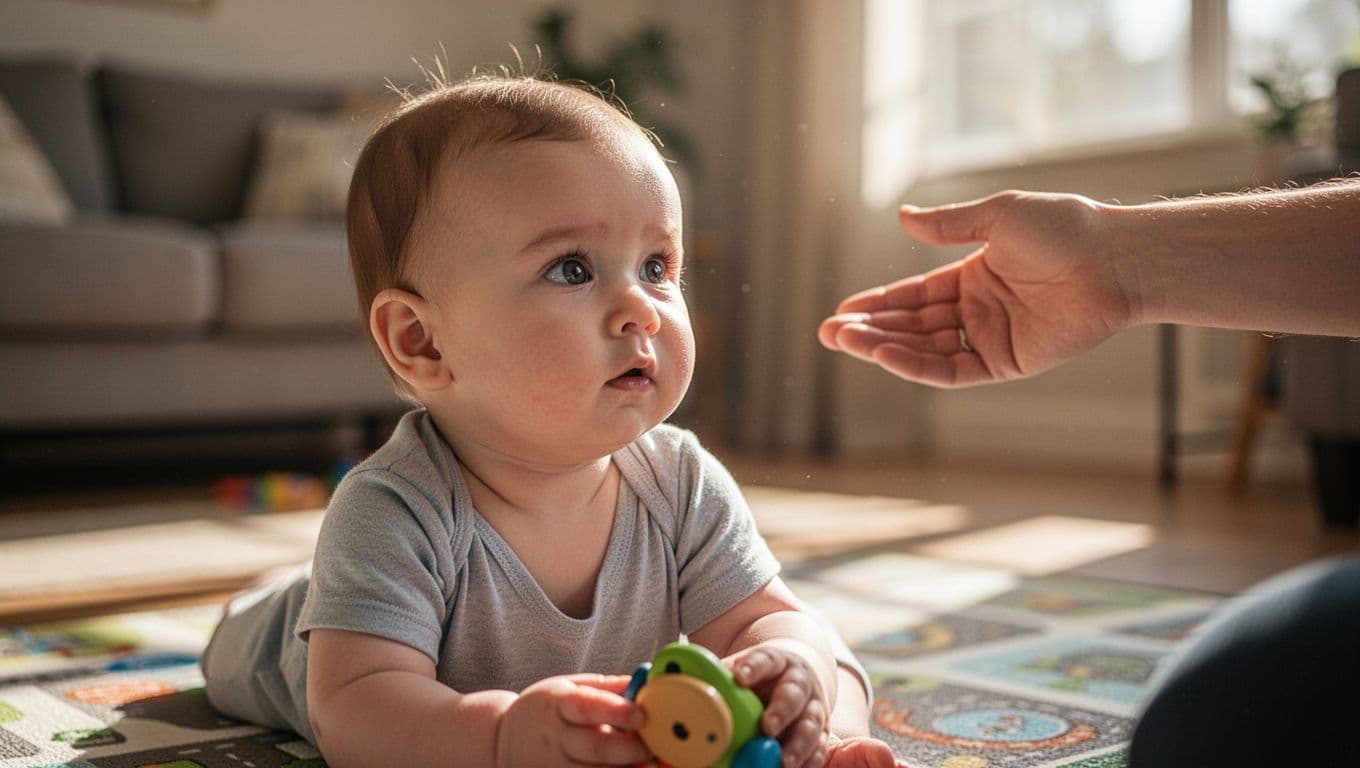
That sensitivity can also show up in tiny social cues, like facial tension, sudden quiet, or a change in energy. Some babies seem unusually alert to fairness too, especially when one person gets attention or a routine changes. When a baby responds to mood, tone, and emotional energy this early, it often means their social brain is working hard and paying close attention.
Problem solving shows up in little ways every day
A baby does not need to solve big puzzles to show strong thinking. Small moments matter, like changing tactics, repeating a successful action, or working around a blocked path. Those habits tell you a lot about how their brain is connecting action, memory, and reward.
They keep trying new ways until something works
Some babies do one thing, then switch, then try again. They may stretch for a toy, roll closer, grab with the other hand, or lean at a new angle until they get it. That kind of trial and error is a strong sign of flexible thinking.
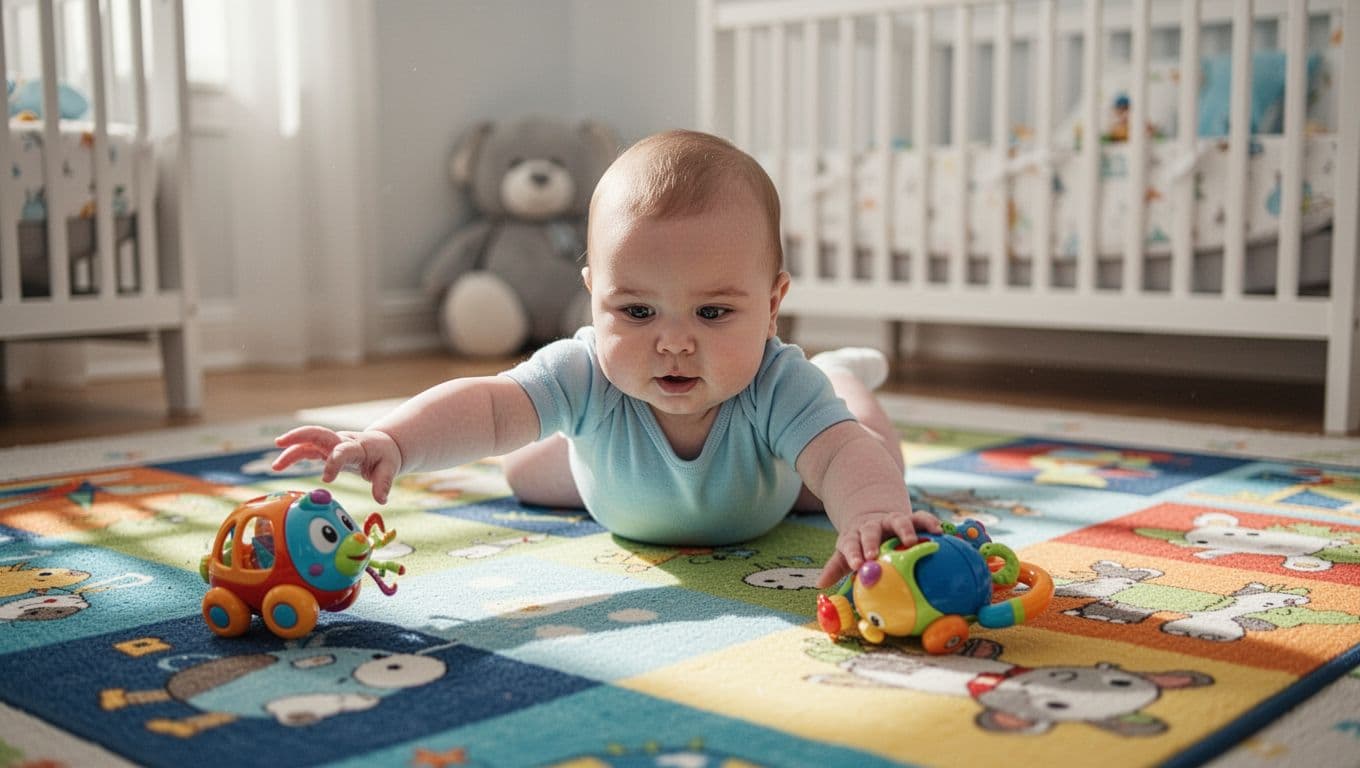
Persistence matters here more than speed. A baby who keeps testing new moves is learning that problems can have more than one solution. That same skill shows up later in play, learning, and even social life.
Babies who keep experimenting are often building early problem-solving skills, one tiny attempt at a time.
You may also see this in everyday play, such as simple sensory activities for toddlers, where repeated testing helps children learn how things work.
They understand cause and effect early
A baby who drops a spoon again and again is not just being noisy. They are watching for the result. Pressing a button to hear music, shaking a toy to make a sound, or repeating a motion that gets a reaction all point to early cause-and-effect thinking.
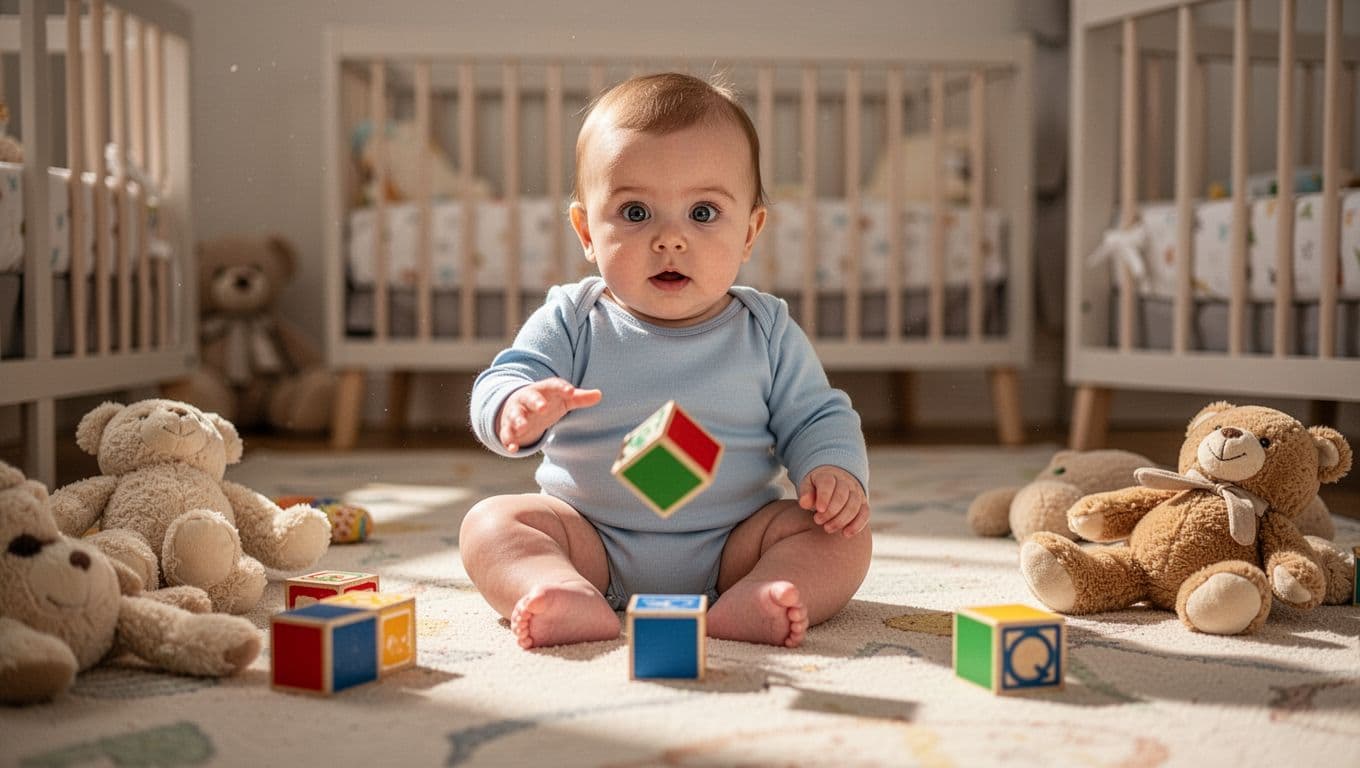
That pattern shows quick mental links: “When I do this, something happens.” Once a baby starts making that connection, they begin using actions more on purpose. They may even find clever ways around an obstacle, like pulling a cloth, turning a toy, or reaching from a new spot to get what they want.
A final check before you assume genius
A baby can show real early strengths and still be developing in a very normal way. That is why it helps to step back before you call every advanced habit a sign of genius.
Some babies are ahead in language but average in movement. Others are early problem-solvers but need more time with sleep, comfort, or social skills. Sleep, temperament, teething, illness, and a noisy home can all change how a baby acts on any given day.

What else can look like gifted behavior
High energy, short sleep, sensitivity, and big emotions can look impressive, but they do not prove genius. A baby who seems intense may simply be alert, restless, or easily overstimulated.
That matters because gifted traits and normal baby variation can overlap. A child who reacts strongly to sound or change may also be perfectly typical. The difference is usually the full pattern, not one trait on its own.
When to talk to a pediatrician
If you worry about delays, loss of skills, or anything that feels off, ask your pediatrician, even if your baby also seems advanced in other ways. A baby who is bright in one area can still need help in another.
Trust the whole picture. If something seems unusual, bring it up early. If your baby is simply fast, curious, and intense, that may be personality, not proof of genius.
Conclusion
A baby can show early intelligence in many different ways, and no single sign tells the whole story. One child may be a quick observer, while another is a strong talker or a bold problem-solver.
The best clue is the pattern over time. If your baby shows curiosity, focus, memory, and social awareness in different moments, that is worth noticing, but it still does not need a label.
Keep offering love, language, play, and safe chances to explore. Those simple daily moments support growth in every baby, whether they match every sign on the list or only a few.
Save pin for later


- Helicopter Parenting: 10 Signs You’re Doing It and How It Affects Your Kid - September 22, 2026
- 10 Things You Shouldn’t Do in Front of Your Baby (and What to Do Instead) - September 22, 2026
- 15 Effective Ways to Deal With Stubborn Children (Without Yelling) - September 22, 2026