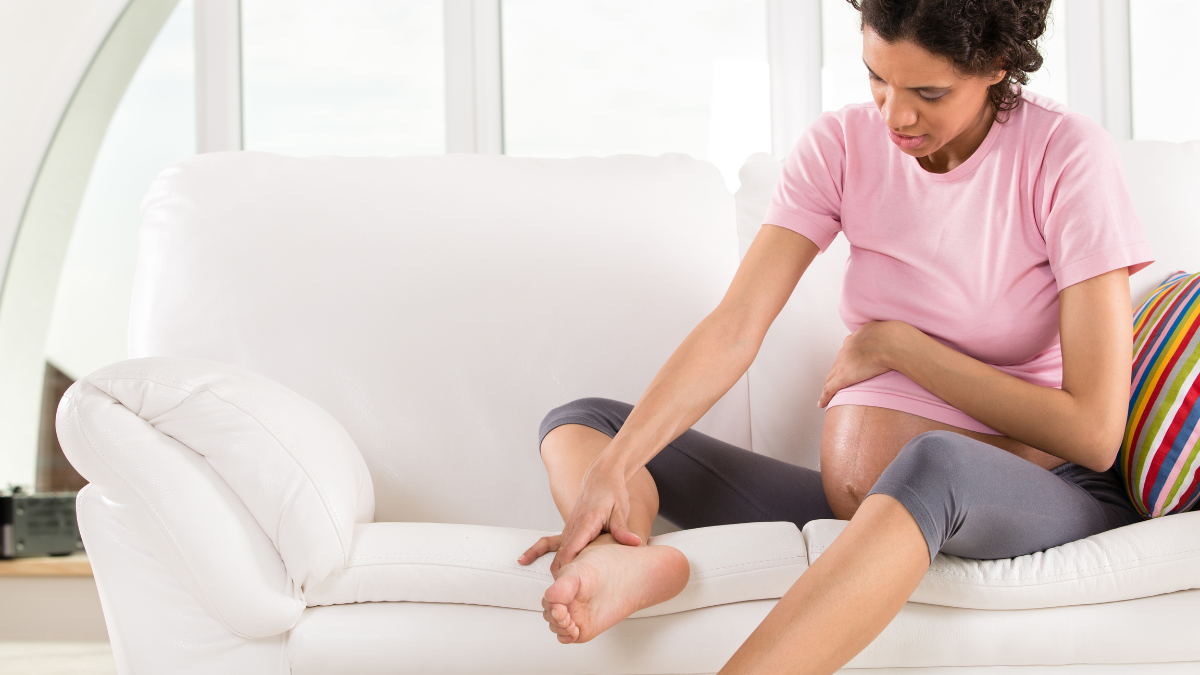
Swollen feet are common in pregnancy, especially later on, and they can make even simple tasks feel uncomfortable. Natural remedies for pregnancy swelling in feet can help ease that heavy, puffy feeling at home, especially when fluid retention, extra blood volume, and pressure from your growing uterus are all working together.
A few safe habits can make a real difference, from elevating your feet to choosing foods and routines that support circulation. Still, sudden swelling, swelling on one side, or swelling with pain needs medical attention, so keep that in mind as you look for relief. For a quick visual guide, this video may help: 7 Home Remedies For Swollen Feet During Pregnancy.
Understand what causes foot swelling during pregnancy
Foot swelling is one of the most common changes in pregnancy, and it usually has a simple cause. Your body is doing more work, holding more fluid, and moving blood in a different way. That extra pressure often shows up first in the feet and ankles because gravity pulls everything downward.
A little swelling can be normal, especially later in pregnancy. Even so, it helps to know what is behind it, so you can tell the difference between everyday puffiness and swelling that needs attention.
How fluid retention and blood volume affect your feet
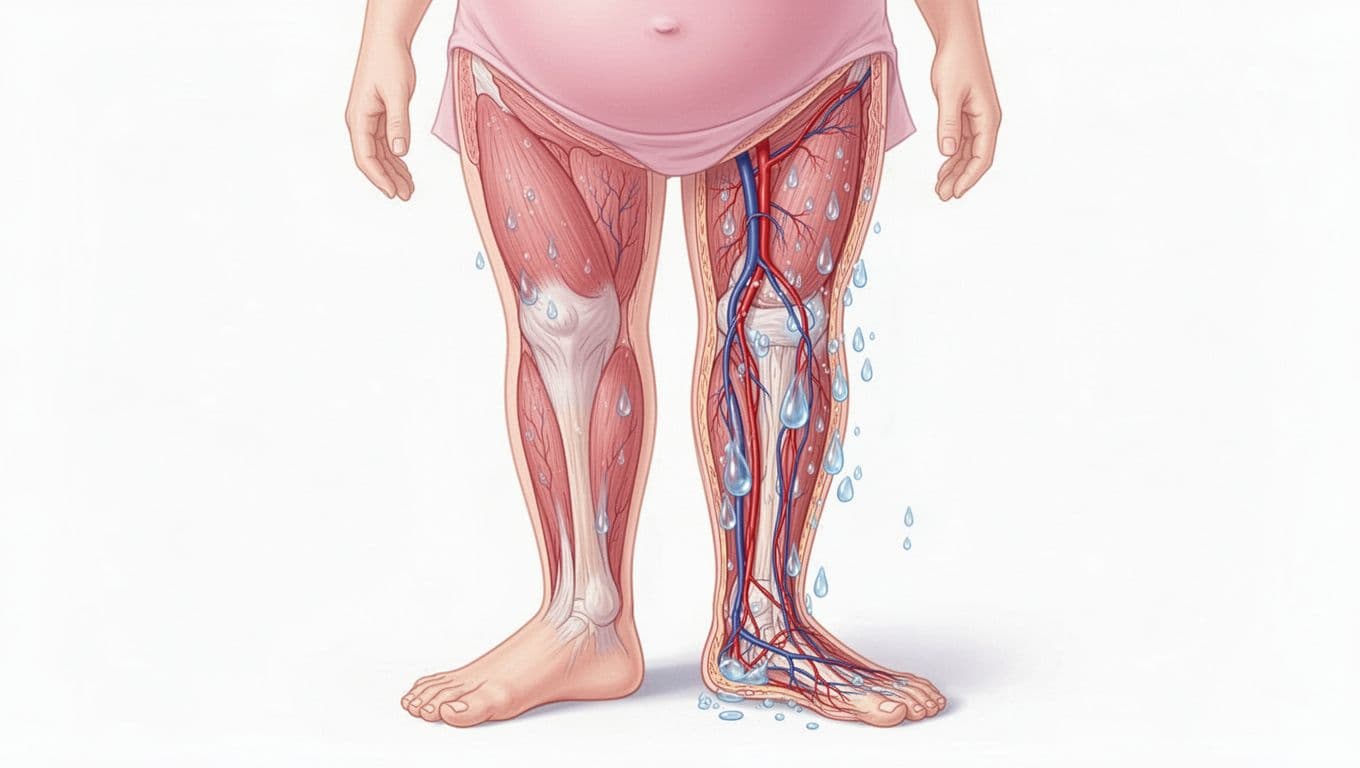
During pregnancy, your body holds on to more water than usual. At the same time, your blood volume rises to support your baby and placenta. That extra fluid has to go somewhere, and the lowest parts of your body, like your feet and ankles, often show it first.
Hormones also play a part. They make your body retain more sodium, which means it keeps more water too. So when you notice your shoes feeling tight by afternoon, that is often your body holding more fluid than it did before pregnancy.
As your uterus grows, it can also press on the veins that carry blood back up from your legs. When that return flow slows down, fluid can collect in the lower legs. The NHS explains that pregnancy swelling often happens when extra water gathers in the lower body, which is why feet and ankles are such common trouble spots.
Gradual swelling in the feet is often normal in pregnancy, but sudden swelling is a different story and needs prompt medical care.
Everyday habits that can make swelling worse
Some swelling comes from pregnancy itself, but daily habits can make it more noticeable. Standing for long stretches, sitting with your legs down, and spending time in hot weather all slow circulation and let fluid pool in the feet.
A salty meal can do the same thing. When you eat more sodium, your body tends to hold extra water, which can add to the puffiness. Tight shoes, socks, or bands can also trap fluid and make your feet feel even more uncomfortable.
These small triggers add up fast, especially near the end of the day. By evening, fluid has had hours to settle in your lower legs, so swelling often looks worse after a full day of activity. It also tends to increase in the third trimester, when your baby is larger and pressure on your veins is stronger.
Simple changes can help more than you might expect:
- Move often if you stand or sit for long periods.
- Choose roomy shoes and soft socks that do not pinch.
- Go easy on salty foods when swelling is already bad.
- Take breaks in the heat and drink water through the day.
Small shifts like these can ease pressure before the puffiness gets worse.
Try Simple Home Remedies That Can Ease the Pressure
Small, steady habits often bring the most relief when your feet feel tight and heavy. The goal is to help fluid move, calm the pressure, and make the end of the day more manageable. These remedies are simple, low-cost, and easy to fit into a normal routine.
Raise your feet to help fluid move back up
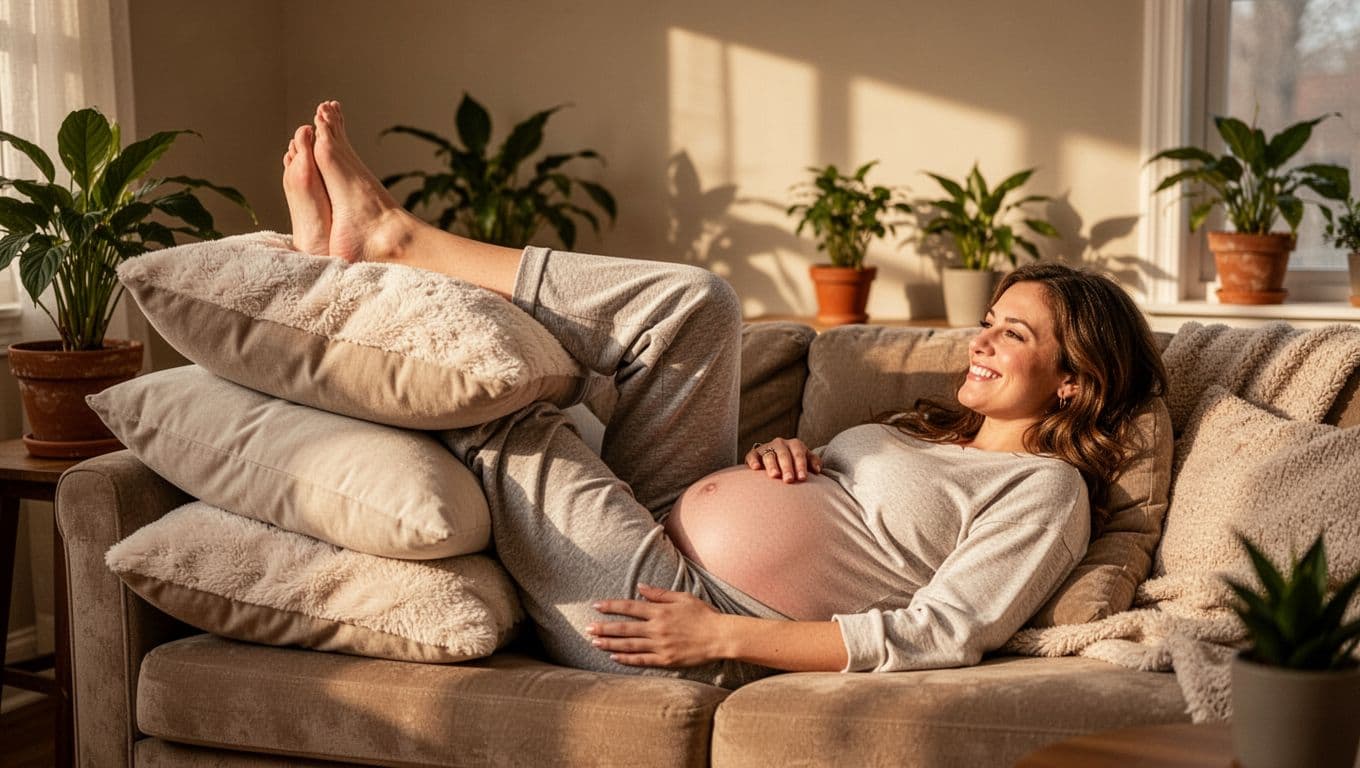
Lifting your feet above heart level gives gravity a hand. It helps fluid drain away from the lower legs and can take some of the pressure off swollen ankles and feet. A recliner, couch, or bed with stacked pillows all work well.
Short breaks matter here. Try elevating your feet for 15 to 20 minutes a few times a day, especially after standing, walking, or sitting for a long stretch. When you rest, slip a pillow under your calves so your feet are higher than your chest if possible.
If your schedule is busy, build it into small pauses. A few minutes after lunch, again in the afternoon, and once more before bed can make a noticeable difference. The Mayo Clinic notes that raising your legs and resting can help during pregnancy, and that advice fits well with home care.
Use cool water, Epsom salt soaks, or compresses for relief
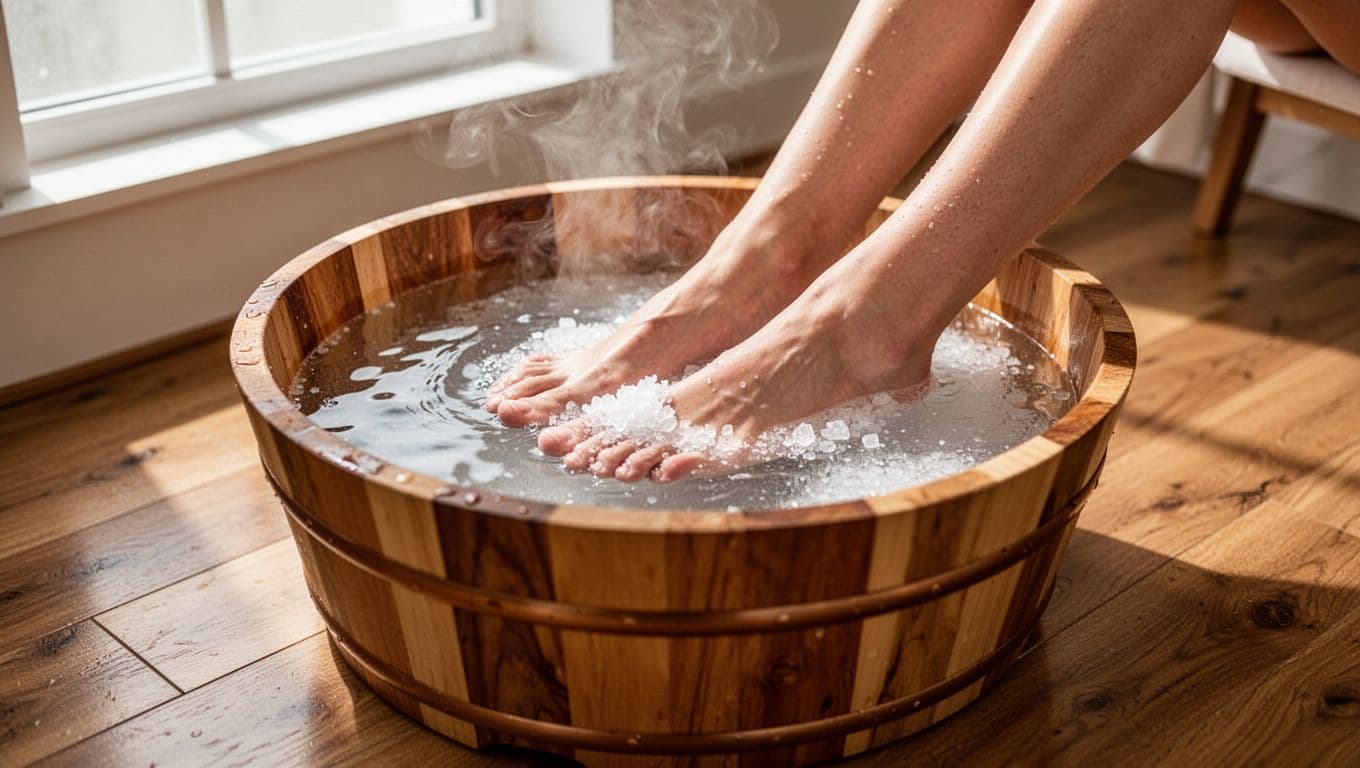
Cool water can ease that hot, stretched feeling in swollen feet. Fill a basin with water that feels comfortable, not icy, and soak for 15 to 20 minutes. If you want to add Epsom salt, use it in a warm or cool soak, but keep the temperature mild.
A cool cloth compress also helps when you don’t have time for a soak. Place it over the tops of your feet or around your ankles for a few minutes, then take it off and rest. Some people also use chilled cabbage leaves as a traditional remedy, and they can feel soothing, but they work best as a temporary comfort measure.
A few simple options can fit into one day:
- Cool foot soak for a quick reset after being on your feet.
- Epsom salt soak for extra comfort when your feet ache.
- Cool compress when you need fast relief and no setup.
WebMD also lists cool Epsom salt soaks and gentle cooling methods among common ways to ease pregnancy swelling, which matches what many people find practical at home.
Massage and gentle foot care can make a big difference
Light massage can help move fluid and ease that tight, throbbing feeling. Use gentle pressure, starting at the toes and moving up toward the ankle and calf. Keep the strokes slow and soft, and stop if anything feels sore or tender.
You can do simple self-massage with your hands, a tennis ball, or a foot roller. A partner can help too, as long as the touch stays light and comfortable. Focus on the feet, ankles, and lower legs, since those areas often hold the most fluid.
Pressure should feel soothing, not painful. If a spot hurts, skip it.
A little foot care goes a long way as well. Change out of tight shoes, wiggle your toes often, and stretch your ankles in gentle circles when you sit. Those small movements support circulation and help your feet feel less boxed in by the end of the day.
Eat and drink in ways that may reduce swelling
What you eat and drink can change how much fluid your body holds onto. The goal is not a strict pregnancy diet, just a few daily habits that support balance and make swollen feet a little easier to live with. Small choices add up, especially when you use them alongside rest, elevation, and movement.
Why drinking enough water can actually help
It can feel backward, but more water can help your body let go of extra fluid. When you do not drink enough, your body tries to hold on to what it has. That can make swelling look and feel worse.
A steady intake through the day works better than chugging a lot at once. Keep a water bottle nearby, sip often, and add more after a hot day or a long walk. If plain water gets old, try cold water with lemon or a caffeine-free herbal tea.
Dehydration can make swelling worse, so staying hydrated is one of the simplest daily habits you can control.
Choose foods that support healthy fluid balance
Some foods naturally fit well into a swelling-friendly pregnancy routine. Potassium-rich foods can help balance sodium, which may support healthier fluid levels. Good options include bananas, avocado, cucumber, spinach, and watermelon.
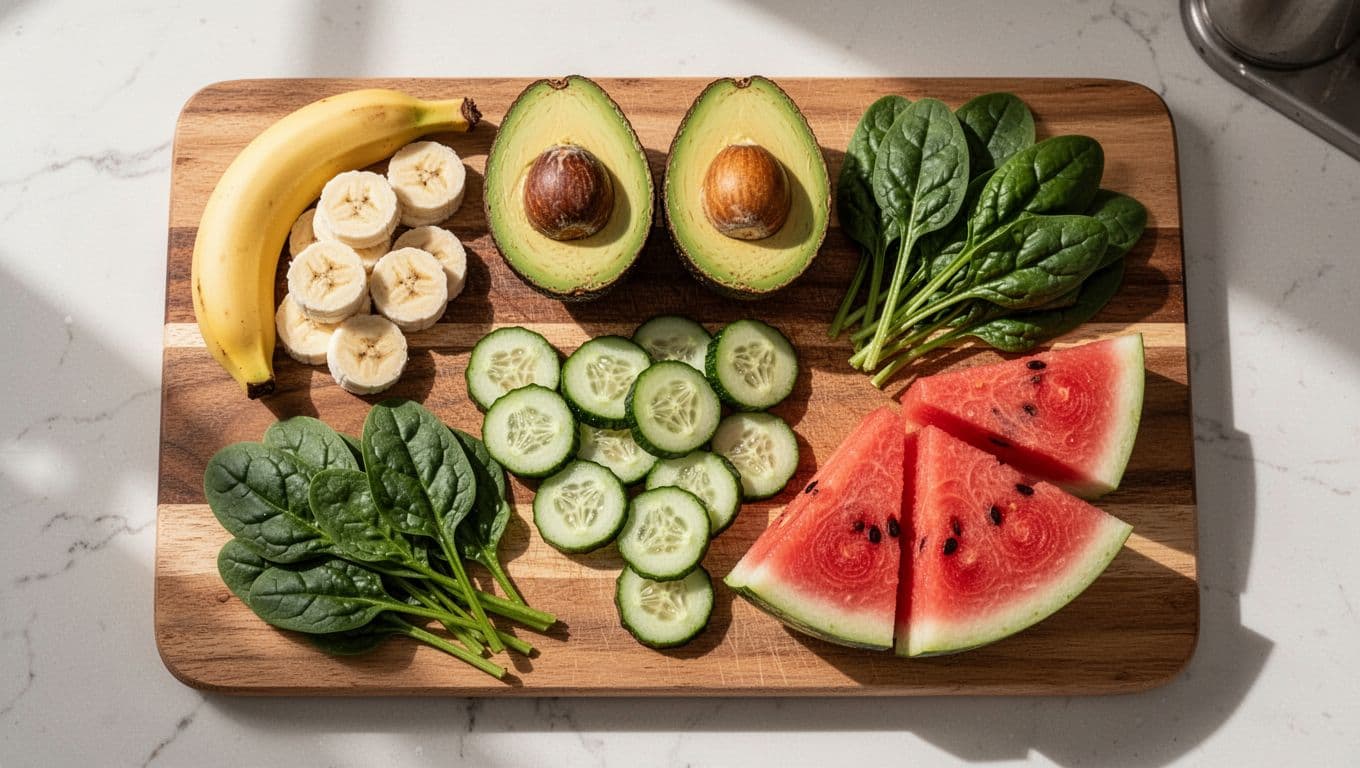
You can keep it simple:
- Add banana or avocado to breakfast.
- Toss spinach into eggs, soup, or pasta.
- Snack on cucumber or watermelon when you want something cool.
- Pair fruit with yogurt or nuts for more staying power.
These foods do not cure swelling, but they can support healthy balance. They also make it easier to eat well without feeling restricted, which matters when pregnancy cravings are real.
Watch salt and processed foods without being too strict
Too much sodium can make your body hold onto more water, so salty processed foods can make swelling worse. That does not mean you need to avoid every craving. It just helps to notice where the extra salt is hiding.
Fresh foods usually give you more control. Try these easy swaps when you can:
- Choose roasted chicken, eggs, or beans instead of deli meats.
- Pick plain popcorn, nuts, or fruit over salty packaged snacks.
- Read labels on soups, sauces, and frozen meals.
- Season with lemon, garlic, herbs, or pepper instead of extra salt.
Pregnancy is not the time for perfection. A balanced day with enough water, potassium-rich foods, and lower-sodium choices can help your feet feel less puffy without making meals stressful.
Move in gentle ways that support healthy circulation
Light movement can make swollen feet feel less stiff and heavy. When you keep blood and fluid moving, your lower legs are less likely to pool with extra pressure. The key is to stay gentle and consistent, not intense.
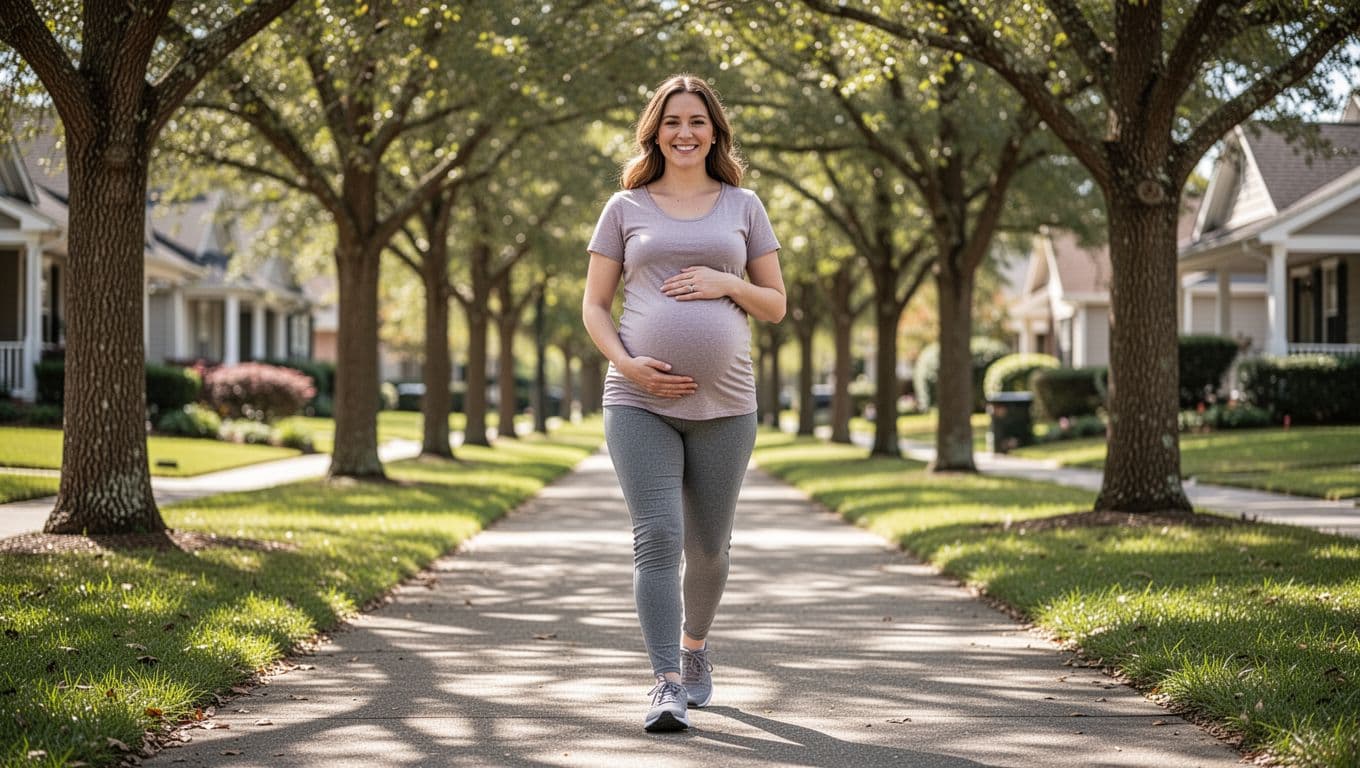
Small changes during the day often help more than one long stretch of exercise. A few steps here, a quick stretch there, and a little less sitting still can keep circulation moving without wearing you out.
Short walks and light activity can help
Brief walks are one of the easiest ways to help swollen feet. A stroll around the house, down the hallway, or outside for a few minutes can nudge fluid back upward and take pressure off your ankles.
Stretching helps too, especially if you have been sitting or standing in one place. Try ankle circles, toe wiggles, and gentle calf stretches whenever your body feels tight. These little resets work like a pump for your lower legs.
Movement works best in small bursts throughout the day. If you sit too long, fluid settles in your feet. A few minutes of walking every hour can help more than waiting until the swelling feels bad.
A simple rhythm can look like this:
- Stand up and walk for a few minutes after meals.
- Stretch your calves and ankles while waiting for water to boil.
- Change positions often if you work at a desk.
- Take a slow lap around the room before bed.
The best pattern is frequent, gentle movement. Long periods of sitting still usually make swelling worse.
Choose supportive shoes and compression socks
Your shoes matter more than you may think. Soft, roomy shoes with a stable sole can help your feet feel less squeezed, while loose clothing around the ankles and calves gives fluid more room to move.
Pregnancy-safe compression socks can also help support circulation in the feet and lower legs. They work best when you put them on early in the day, before swelling builds. If you wait until your feet already feel puffy, they may be harder to get on and less comfortable.
For a simple option, look for gentle pregnancy compression socks that are made for daily wear. Many people find them most useful on days with more standing, sitting, or travel.
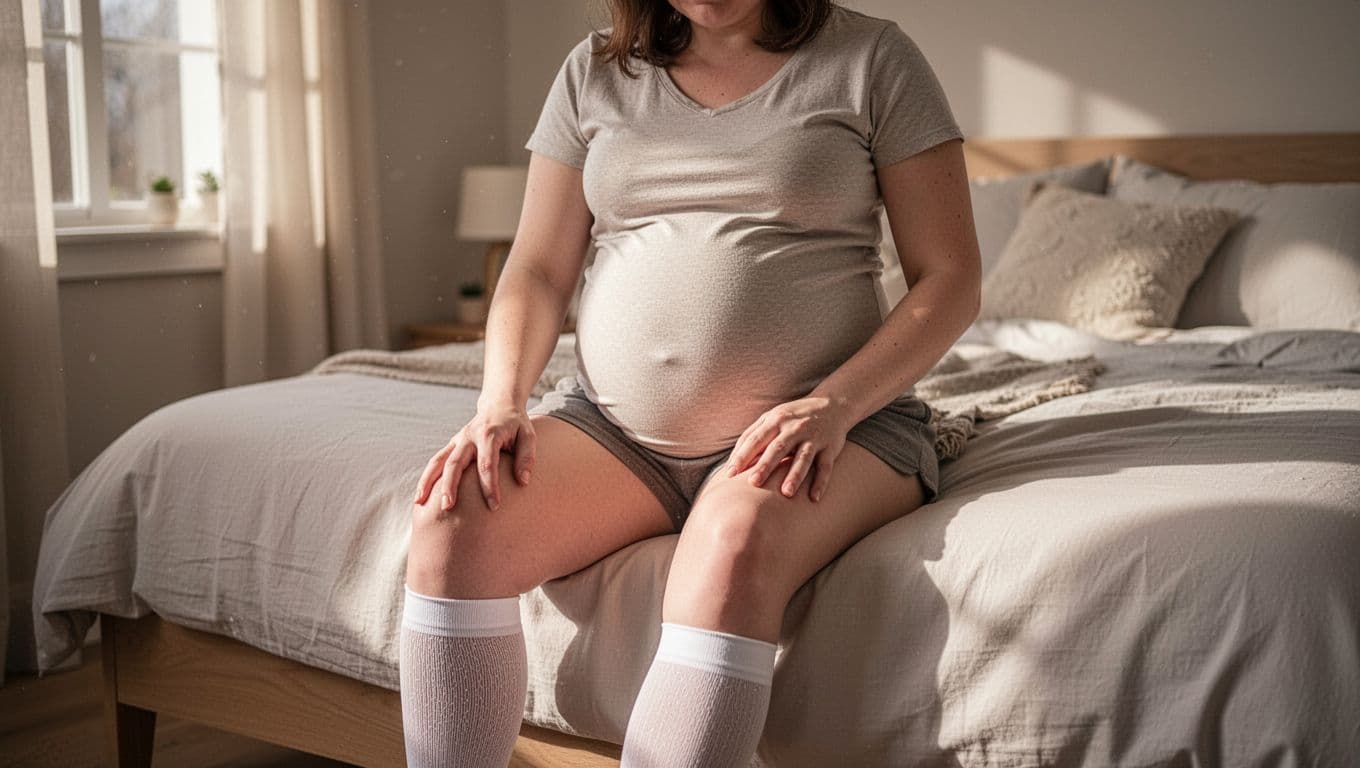
A few fit tips can make them more comfortable:
- Choose socks that feel snug but not painful.
- Avoid tight bands that dig into the skin.
- Pick shoes with enough room for afternoon swelling.
- Skip anything that leaves deep marks on your feet or legs.
Supportive footwear and compression socks are simple, low-effort tools. Used early and worn comfortably, they can make the whole day easier on swollen feet.
Know when pregnancy swelling is normal and when to call a doctor
Mild swelling in the feet and ankles is common in pregnancy, especially later on. It usually builds slowly, eases with rest, and stays limited to the lower legs. Even so, swelling can cross the line from normal discomfort to a warning sign, so it helps to know what to watch for.
Signs that swelling is usually normal
Typical pregnancy swelling tends to come on gradually. You may notice it after a long day, during hot weather, or after standing for hours. It often improves after you elevate your feet, rest, or sleep.
Normal swelling usually looks even on both feet and ankles. It may make shoes feel tight, but it should not cause sharp pain, redness, or a feverish feeling. The NICHD notes that swollen feet can be common during pregnancy and are not always a problem.
A good rule is to pay attention to the pattern. If the puffiness comes and goes, and the rest of your body feels fine, it often fits the usual pregnancy pattern. Still, mention it at a prenatal visit if it’s getting more uncomfortable.
Warning signs that need medical attention
Some swelling needs a doctor’s call right away. Sudden swelling, swelling that gets severe fast, or swelling that shows up in your hands, face, or around your eyes can point to preeclampsia. That condition needs prompt care.
Other red flags include:
- One-sided swelling, especially in one leg
- Pain, redness, or warmth in the swollen area
- Severe headache
- Vision changes, such as blurry vision or spots
- Upper belly pain
- Shortness of breath
- Fast weight gain from fluid buildup
Swelling with headache or vision changes should never be brushed off as normal pregnancy discomfort.
One swollen leg can also signal a blood clot, which needs urgent medical care. If the swelling feels different from your usual pattern, trust that instinct and call your doctor.
When to call your doctor now
Call your doctor the same day if the swelling is sudden, severe, or keeps getting worse. Also call if rest, elevation, and hydration do not help at all. If you have blood pressure concerns, your provider may want to check you sooner.
It also makes sense to speak up if swelling starts early in pregnancy, since that is less typical. The Mayo Clinic advises contacting your provider promptly if swelling comes with other warning signs, especially headache, vision changes, or shortness of breath.
Natural remedies can ease discomfort, but they do not replace medical care. Mild swelling is common, yet sudden swelling, swelling in one leg, pain, redness, headache, vision changes, or fast weight gain should be checked by a doctor right away.
Conclusion
Pregnancy foot swelling is common, and it often gets worse later in the day. The most helpful natural remedies are still the simple ones, like elevating your feet, drinking enough water, choosing lower-sodium foods, and moving gently when you can.
A few small habits done often can bring real relief. Cool soaks, light massage, supportive shoes, and short walks all help your body handle fluid better and keep your feet more comfortable.
Listen to your body as you go. If the swelling feels sudden, uneven, painful, or comes with headache, vision changes, or shortness of breath, contact your healthcare provider right away.
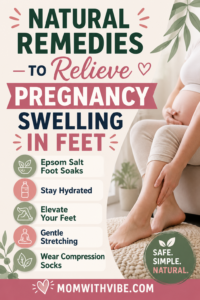
Save pin for later

- What Causes a Flat Head Shape in Babies? - September 20, 2026
- Baby Massage for Gas Pain: Step-by-Step Instructions - September 20, 2026
- Newborn Skin Peeling: Common Causes and Warning Signs - September 20, 2026