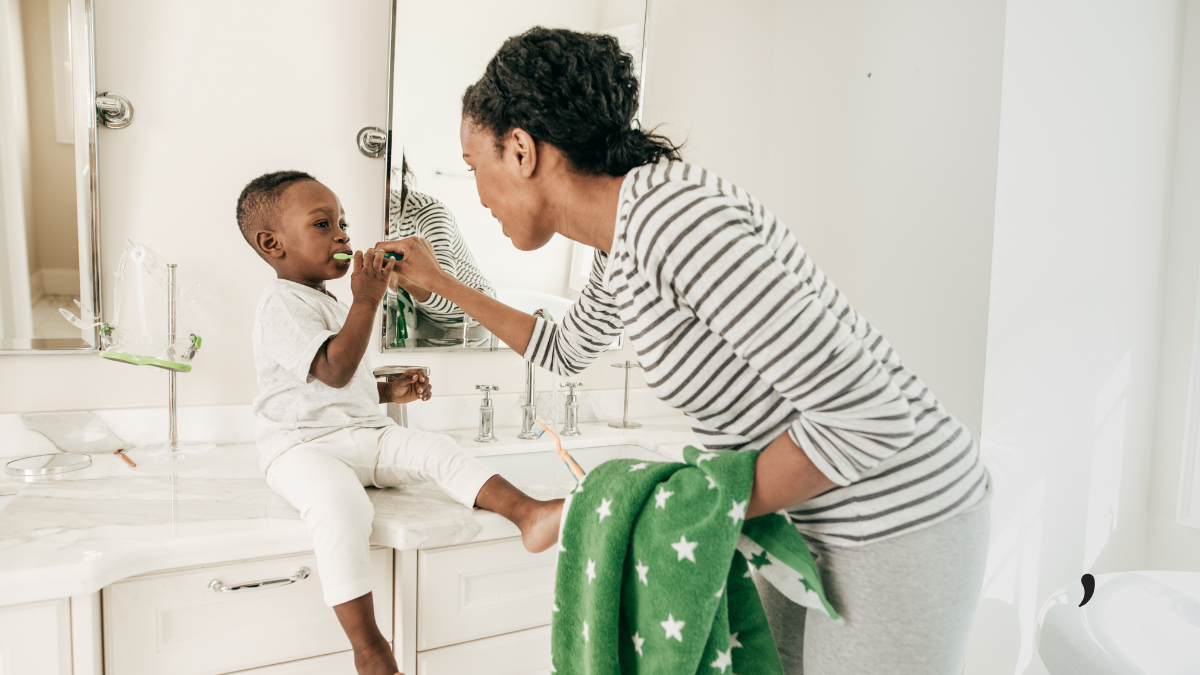


Toddlers don’t wait for a calm morning or a full night of sleep, and neither does your to-do list. Between snacks, meltdowns, laundry, and the constant pull on your attention, it’s easy for your own health to slide to the bottom of the day. Long-term wellness habits for moms with toddlers work best when they fit real life, not an ideal version of it.
That means small habits matter more than perfect plans. A short walk, a steadier bedtime, a few quiet minutes to breathe, or a simple meal you can repeat can protect your energy, mood, and health over time. If you need a place to start, these self-care tips for busy moms can help you build a routine that feels doable instead of draining.
Your toddler is also watching how you move through the day, so your habits shape more than your own well-being. They notice how you rest, eat, speak to yourself, and handle stress, which means your routines can support theirs too. Keep reading for simple habits that can last through the toddler years and beyond.
Related video: The 10 Tiny Wellness Habits I Swear By as a Busy Mom (and Personal Trainer)
Start with habits that are easy to keep on hard days
The best wellness habits for moms with toddlers are the ones that still work when the day goes sideways. If a habit falls apart during a tantrum, a late night, or a rushed school run, it will be hard to keep for long.
That’s why consistency matters more than intensity. Small actions fit real life better, and they add up faster than big plans that last two weeks. A habit you can repeat on your worst day is the one most likely to stick.
Choose one or two health goals instead of changing everything at once
Trying to fix sleep, food, exercise, and stress all at once usually backfires. The plan gets too heavy, and once one part slips, the whole thing feels like a loss. Most moms do better when they pick one small change and let it grow.
That change can be simple:
- Drink one extra glass of water each day.
- Walk after dinner for 10 minutes.
- Go to bed 15 minutes earlier.
- Pack an easy breakfast before you sleep.
The goal is to build trust with yourself. When you follow through on a small habit, you prove that your routine can work even on busy days. That little win matters, because it builds momentum without draining your energy.
The CDC’s positive parenting tips for toddlers also highlights basic habits like water, sleep, and steady routines, which makes this approach practical for the whole family.

Small habits work best when they feel almost too easy to skip.
Make routines so simple they still work during meltdowns and messy mornings
A good wellness routine should survive a rough morning, not just an ideal one. If you need perfect silence, extra time, and a clean kitchen, the habit is too fragile. Build it so it can survive the chaos you already know is coming.
That might mean keeping a backup breakfast in the pantry, laying out clothes the night before, or keeping a water bottle in the car. It can also mean using a 5-minute reset when the day starts badly, like washing your face, filling your cup, and taking a few slow breaths before you try again.
Simple systems make healthy choices easier. If mornings often feel scrambled, a family organization system can remove some of the friction before it starts.
A routine that is easy to repeat is easier to protect. And when hard days happen, you won’t need a perfect restart, just a small next step.
Build energy with food and hydration that fit toddler-life schedules
When your day is built around naps, drop-offs, and snack requests, food needs to be simple. The best energy plan is the one you can repeat without extra stress, because steady meals and water help your mood, focus, and patience hold up better through the day. The CDC recommends regular meal and snack times for toddlers, and that same rhythm helps moms avoid running on empty too. See the CDC’s toddler feeding schedule guidance for a clear picture of how often little ones need fuel.
Use simple meal and snack ideas that do not need much prep
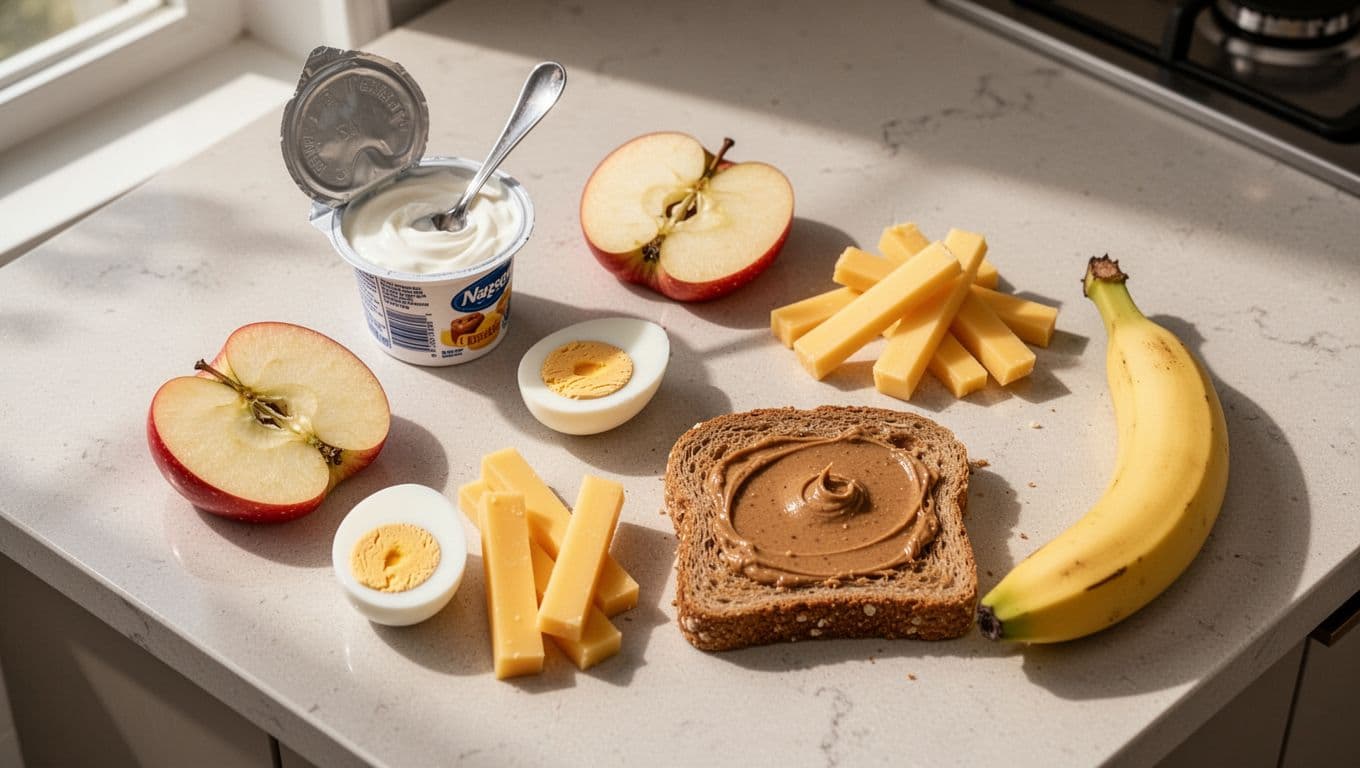
You do not need elaborate recipes to eat well on a busy day. Keep a few fast options ready, like yogurt, fruit, eggs, nut butter, smoothies, cheese, whole grains, and leftovers, so you can eat before hunger turns into exhaustion.
A few easy wins:
- Yogurt and fruit for a quick breakfast or afternoon snack
- Eggs and toast when you need more staying power
- Cheese and whole-grain crackers for a fast bite between errands
- Smoothies with milk, fruit, and nut butter when chewing feels like too much effort
- Leftovers for lunch, because last night’s dinner can save today’s energy
These quick options matter because they help you avoid skipping meals and grabbing whatever is easiest when stress is high. For more toddler-sized ideas that work well in real life, these balanced finger meals for toddlers are a helpful place to start.
Keep mealtimes calm so toddlers learn healthy food habits
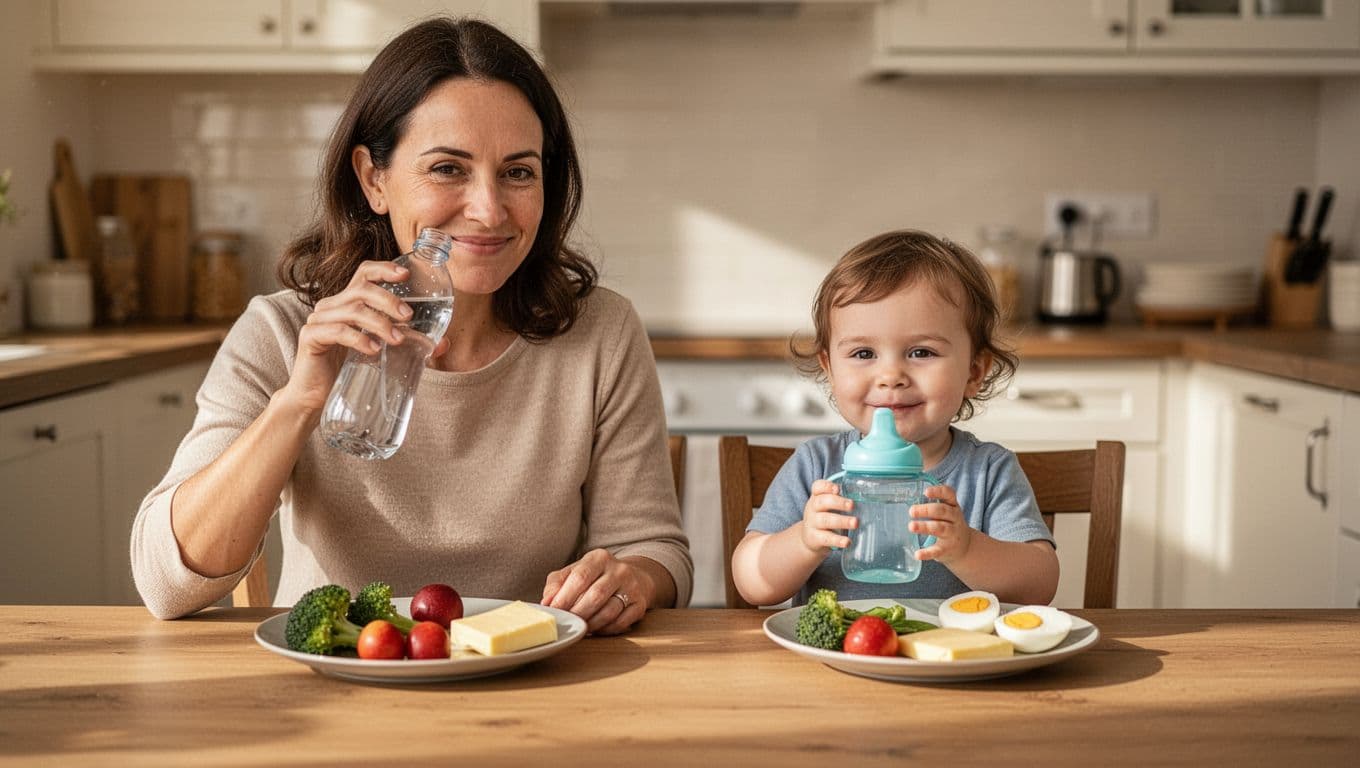
Kids copy what they see. If they watch you sit down, eat regularly, and treat food with ease, they learn that meals are normal and safe, not a battle.
Family meals help with that pattern. Keep the tone calm, stick to steady meal times when you can, and avoid negative talk about food or body size. The goal is a peaceful food routine, not a perfect plate every time. The CDC’s foods and drinks guidance for young children also supports simple, family-style eating habits that fit toddler development.
Make hydration a daily habit that is easy to remember
Water first makes the day easier. Keep a refillable bottle where you can see it, and link drinking to daily moments like after nursing, after school drop-off, or during nap time so it becomes automatic.
That small habit helps both you and your child. The AAP notes that water is one of the best drink choices for young kids, and cutting back on sugary drinks supports healthier routines for the whole family. You can also use the AAP healthy hydration tips to stay focused on simple drink choices that fit everyday life.
Regular meals and easy water cues do not sound flashy, but they work. When food and hydration are simple to repeat, your energy stays steadier, and your toddler sees a routine they can copy.
Protect sleep, because tired moms cannot stay well for long
Sleep is one of the strongest long-term wellness habits you can build. When nights stay short and broken, your patience drops, cravings rise, and small stress feels bigger than it is. A realistic sleep routine gives your body a chance to recover, even when toddler life is messy.
The goal is not a perfect eight hours every night. It is a repeatable pattern that helps both you and your child settle faster, stay calmer, and wake up with a little more in the tank.
Create a bedtime routine that helps your body slow down
Your body needs clear signals that the day is ending. A screen-free wind-down time gives your brain a chance to stop scanning, planning, and reacting. Even 15 to 30 minutes can help if you do the same simple steps most nights.
A warm shower, light stretching, reading a few pages, or dimming the lights all work because they lower the pace of the evening. Keep it practical, though. If your toddler is still up, fold your routine around that reality instead of waiting for a quiet house that may never come.
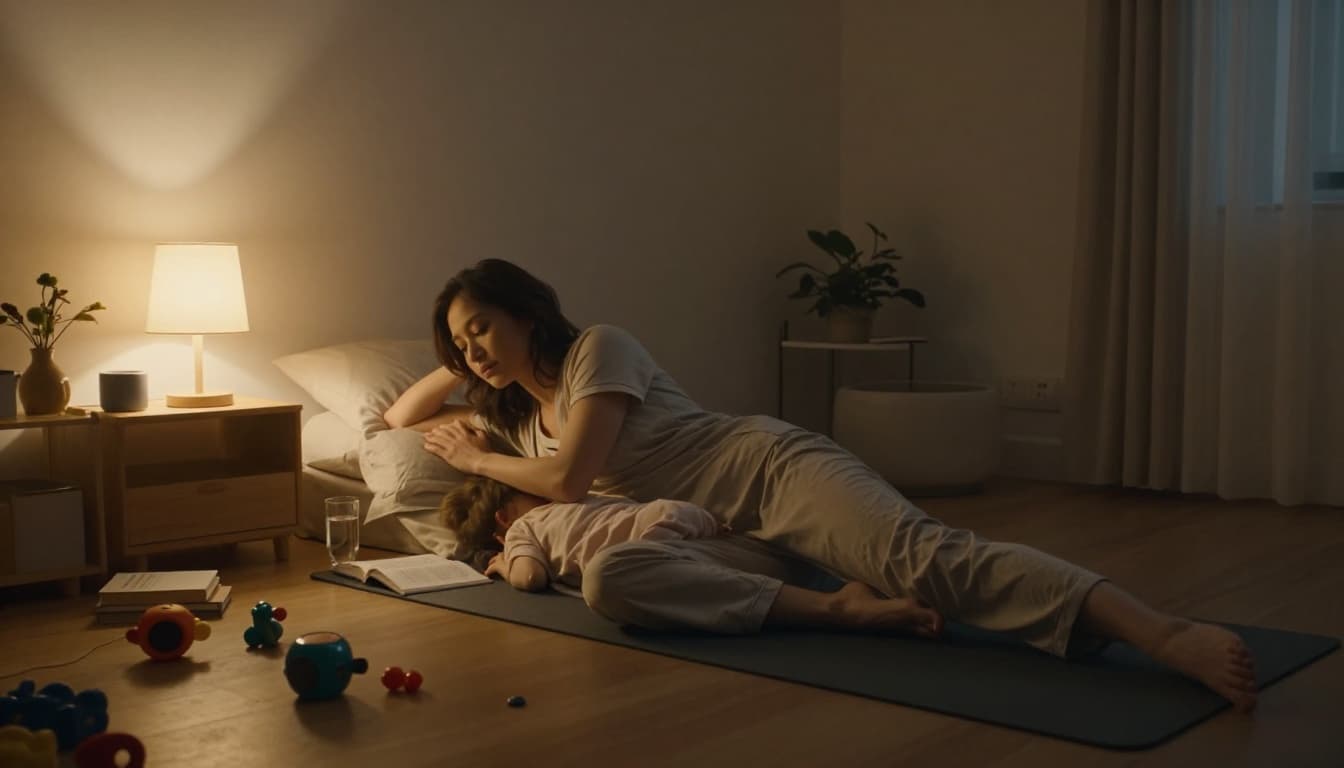
A simple routine can look like this:
- Put away the phone or leave it in another room.
- Dim the lights in the bedroom and hallway.
- Wash your face or take a warm shower.
- Stretch for a few minutes or read something light.
- Get into bed at about the same time each night.
Consistency matters more than length. A short routine that happens most nights works better than a long one that only happens on rare calm evenings. If you want more ideas that fit toddler life, this toddler bedtime routine guide is a helpful place to start.
A steady bedtime routine works like a cue, it tells your body the day is over.
Use toddler sleep habits that make the whole house calmer
Toddler sleep affects mom sleep more than most people expect. When bedtime changes every night, toddlers fight sleep harder, wake more often, and bring the stress right back to you. A regular bedtime and wake time help children feel safe because they know what comes next.
Simple, repeated language helps too. Phrases like “After bath, we read one book, then lights out” give toddlers a clear path through the evening. The CDC notes that toddlers need consistent sleep routines, and children ages 2 to 3 generally need 11 to 14 hours of sleep in a day, including naps. CDC toddler sleep guidance is a useful reference when you want a reality check on age-based sleep needs.
Predictable sleep for kids also means fewer stressful nights for you. When toddlers know what to expect, they often settle with less protest. That calm can ripple through the whole house.
Plan mornings the night before so sleep gives you real energy
Sleep helps more when morning chaos does not steal the benefits right away. A few minutes of prep at night can lower decision fatigue and make the next day feel less loud.
Try setting up the basics before bed:
- Pack bags for daycare, outings, or errands.
- Lay out your clothes and your toddler’s clothes.
- Choose breakfast options, like oatmeal, yogurt, or eggs.
- Check the next day’s schedule for early appointments or pickup changes.
- Put the water bottles, shoes, and keys where you can find them fast.
This kind of prep keeps your morning from starting in scramble mode. It also protects the healthy habits you want to keep, because fewer decisions means less mental drain before the day even begins.
When sleep and planning work together, you feel the difference fast. The evening becomes a reset point, and the next morning starts with less friction. That makes it easier to stay well, even in a season built around little hands and short nights.
Move your body in ways that work with family life
Movement does not need to live on a perfect schedule. In toddler life, the best plan is the one that fits between nap changes, snack requests, and the next round of laundry. A few minutes here and there can still lift your mood, wake up your body, and support your health over time.
The CDC recommends that children stay active throughout the day, and that idea works well for moms too. When movement is part of normal family life, it feels less like another task and more like a steady reset.
Look for short windows of movement instead of waiting for free time
Free time is rare with a toddler, so stop waiting for a big open block. A 10-minute walk, a quick dance break, or a few stretches during nap time can all count.
Small bursts are easier to repeat, and repetition is what makes them useful. You might walk with the stroller after lunch, do a short at-home workout before dinner, or stretch while your toddler plays on the floor. Even a few minutes can help you shake off stress and get your energy back.

A simple way to think about it is this:
- Walk when you can after meals, during calls, or while your toddler rides in the stroller.
- Dance for one song when everyone needs a reset.
- Stretch during nap time if your body feels stiff from sitting.
- Do a mini workout at home with squats, wall pushups, or marching in place.
Short movement breaks work because they fit your day, not because they are long.
The point is not to squeeze in a perfect workout. The point is to keep your body from going still for too long. If you want more family-friendly ideas, stroller workouts for new moms are easy to adapt for toddler life too.
Let your toddler be part of the activity
Your toddler does not need you to separate family time and movement time. Often, they blend together well. Dancing in the living room, chasing bubbles outside, or playing a simple follow-the-leader game gives both of you a reason to move.
That kind of active play helps toddlers burn energy, and it helps you feel less stuck indoors. It also makes movement feel normal in your home, which matters when you are trying to build habits that last.
Try a few easy options:
- Turn on one song and dance together.
- Walk to the park and let your toddler explore.
- Play “freeze” or “Simon Says” in the backyard.
- Build an indoor obstacle path with pillows, tape lines, or toys.
These moments do more than fill time. They give your child practice with balance, coordination, and body control, while giving you fresh air and a mental break. The age-appropriate activity ideas for kids can also help you find play that fits your toddler’s stage.
Use movement to improve mood, not to punish yourself
Exercise feels harder to keep when it comes with guilt. If movement becomes a chore you think you have to earn, it starts to feel heavy fast. A better mindset is simple, movement is a way to reset your stress and care for your body.
Some days, a walk will calm your nerves. Other days, stretching in the kitchen while dinner cooks is enough. Both count, because both support your mood and give your body a chance to release tension.
Movement should leave you feeling more like yourself, not scolded. If you missed a workout, nothing is broken. Start with the next short burst and let that be enough for today.
Protect your mental health with small daily resets
Toddler days can feel like a loop of noise, need, and unfinished tasks. Small resets break that loop before stress takes over. They also help you stay steadier, kinder, and less run down when the mental load keeps piling up.

Name what you feel before the stress builds up
Stress is easier to handle when you catch it early. A rough day often starts with small signs, like a tight jaw, a short fuse, or the urge to snap over nothing.
Pause when you notice those signals. Take one slow breath, write a few words in your notes app, or ask yourself, “What do I need right now?” That question can point you toward water, silence, food, help, or just a minute alone.
Naming the feeling helps too. “I’m overstimulated” or “I’m getting frustrated” is clearer than pretending you’re fine. When you name it early, you give yourself a chance to reset before the stress grows legs.
Use tiny calming routines that you can repeat anywhere
Calm does not need to be fancy. It needs to be easy enough to repeat in the middle of real life.
Try a few simple resets:
- Take three slow breaths while your toddler eats a snack.
- Step outside for fresh air, even for one minute.
- Stretch your shoulders and neck during nap time.
- Drink a full glass of water before you answer the next request.
- Take a quiet bathroom break and let your body settle.
These small pauses work because they interrupt the rush. They also give your nervous system a brief break from noise and motion. For more grounding ideas, mental health tips for mothers offer a helpful reminder that short breaks can fit into a busy day.
Create support instead of trying to carry everything alone
Long-term wellness depends on boundaries and support, not just personal discipline. If you try to hold every task yourself, even good habits will start to feel heavy.
Ask for help in plain language. Share childcare, trade tasks, lower expectations when the week is hard, and let other people carry part of the load. A partner, friend, grandparent, or neighbor can make a real difference when the day gets crowded.
Support also helps your child. When kids see adults talking about feelings and repairing stress, they learn that emotions can be handled, not hidden. That is one reason emotional intelligence activities for kids can fit so well into family life.
A calmer home starts with fewer silent expectations. When you build in help, simple resets become easier to keep.
Keep wellness going with routines, tracking, and realistic check-ins
Long-term wellness gets easier when you stop treating it like a big reset and start treating it like a rhythm. A short review each week helps you see patterns, while simple cues and quick restarts keep your habits from falling apart when toddler life gets messy. If you want a stronger routine base, these organized mom routines for busy families can help keep the day moving with less friction.
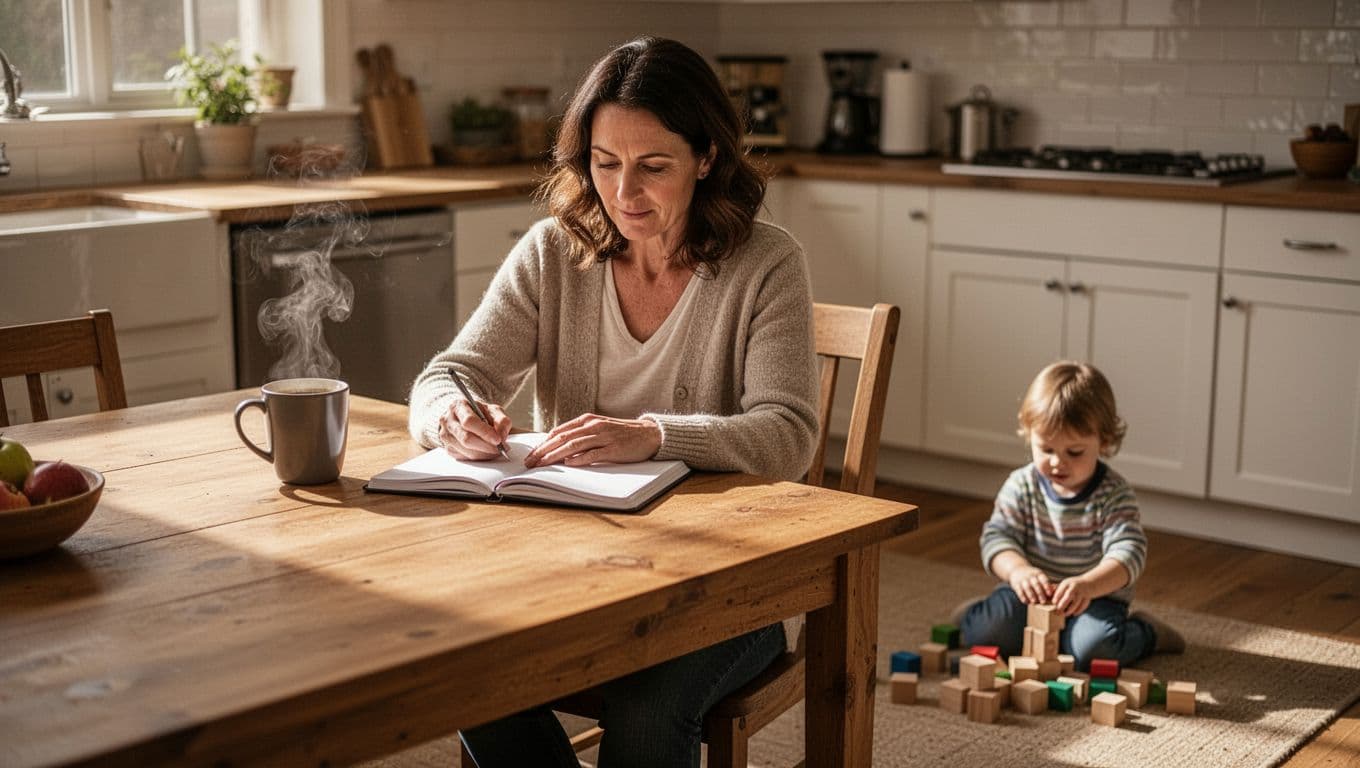
Use a weekly check-in to notice what is working
A weekly check-in does not need to be complicated. Pick one quiet moment, look at your sleep, meals, movement, mood, and stress, then ask a few simple questions: What helped? What felt hard? What one change would make next week easier?
That kind of review keeps you honest without making you feel judged. It also shows you what is already working, which matters more than chasing a perfect plan that never fits real life.
A quick note on paper or in your phone is enough. You might notice that late dinners affect sleep, or that a short walk improves your mood more than you expected. Those small patterns are useful because they point to the next right step.
The AAP’s toddler parenting guidance also supports steady routines around sleep, meals, and activity, which makes weekly check-ins practical for the whole family.
Set reminders and visual cues that reduce mental load
Healthy habits are easier to keep when they are easy to see. A phone alarm, a sticky note, a water bottle in sight, shoes by the door, or a meal plan on the fridge can do a lot of the remembering for you.
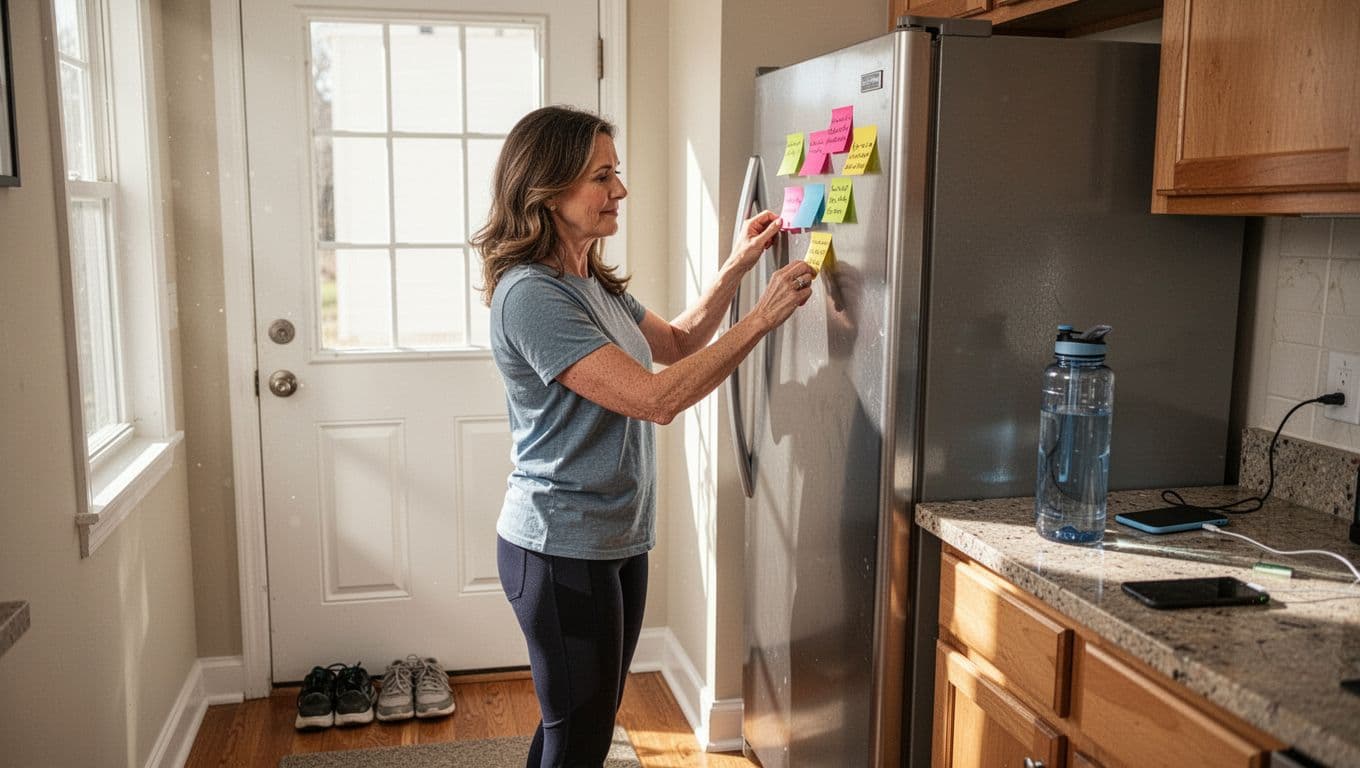
Try using one cue for each habit you want to protect:
- Put water where you can see it, so you drink before you get too busy.
- Leave shoes by the door, so a walk feels easy to start.
- Post a simple meal plan on the fridge, so dinner takes less thought.
- Set a phone alarm for bedtime, stretch time, or a midday reset.
These cues work because they cut down on decision fatigue. You do less thinking, so you have more energy left for the parts of the day that need you most.
Expect setbacks and restart without guilt
Toddler life will interrupt your best routine. Someone gets sick, sleep goes sideways, or the day fills up faster than planned. That does not mean the habit failed, it means life happened.
The best move is to restart quickly. Skip the all-or-nothing thinking and go back to the next meal, the next walk, or the next bedtime. Progress stays alive when you return instead of disappearing for days.
A good reset can sound like this:
“I missed yesterday, so I am starting again now.”
That mindset keeps the habit soft enough to survive hard weeks. Over time, those small resets matter more than perfect streaks, because they teach you that wellness can bend without breaking.
Conclusion
Long-term wellness for moms with toddlers starts with small habits that you can repeat on ordinary, messy days. A short walk, a steady bedtime, a simple meal, or a few quiet breaths can do more for your health than a perfect plan you cannot keep.
When you care for your body, mind, sleep, food, and movement, your whole home feels the difference. Your energy lasts longer, your patience holds steadier, and your toddler gets a clear example of what healthy routines look like.
The real win is not doing everything at once. It is choosing the next simple habit and keeping it going until it becomes part of your life. Those choices add up, and over time they support better health, more energy, and a calmer home for years to come.
Save pin for later


- 10 Things You Shouldn’t Do in Front of Your Baby (and What to Do Instead) - September 22, 2026
- 15 Effective Ways to Deal With Stubborn Children (Without Yelling) - September 22, 2026
- Birth Order Influence: 8 Things Parents Should Know About Each Child - September 22, 2026