
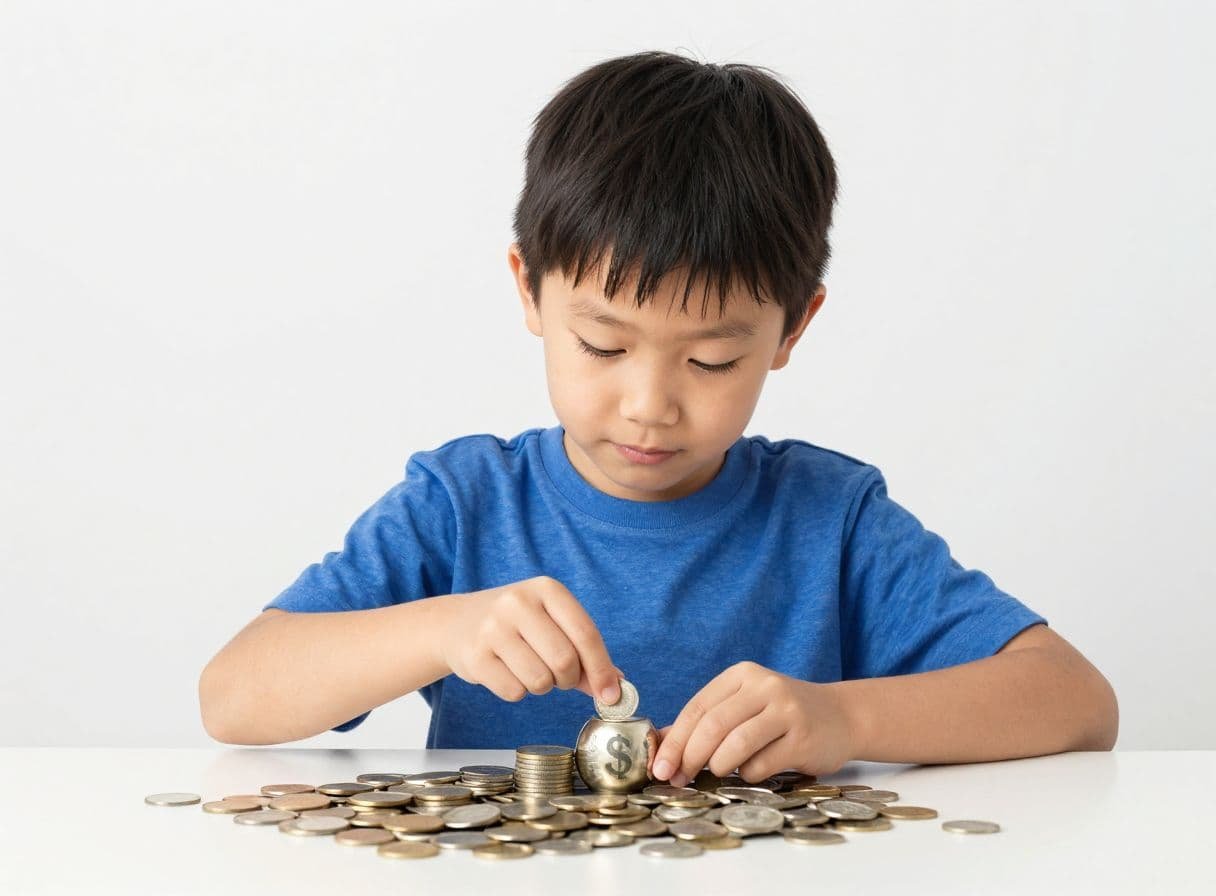
Saving feels easier for kids when it looks ordinary, not dramatic. If money talks happen in calm, everyday ways, children start to see saving as a normal part of home life. That steady tone matters more than a big lecture ever will.
Parents set the rhythm. When kids hear simple language, watch careful choices, and join in small money moments, saving starts to feel familiar. For more on this, how parents influence children’s financial habits shows how much children absorb without saying a word.
Use simple money language at home
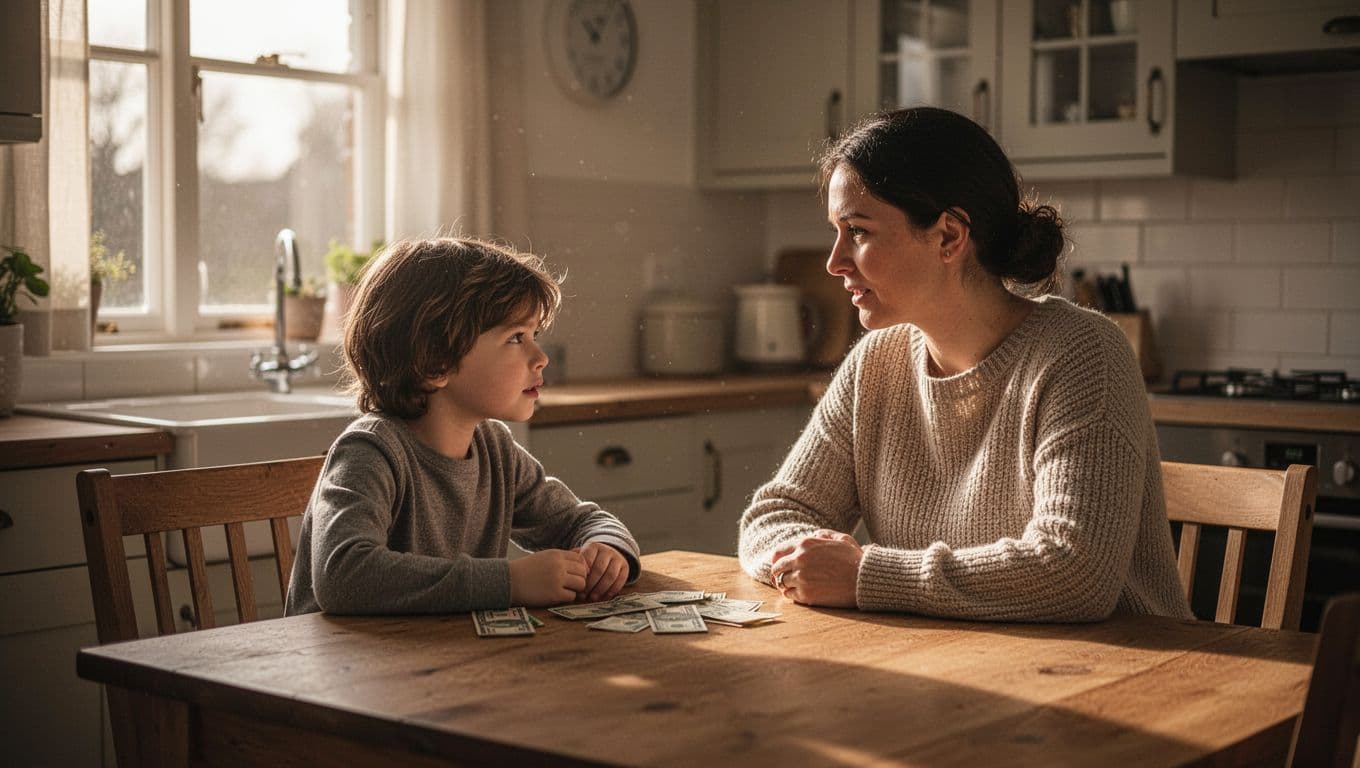
Children repeat what they hear, so keep money talk plain and calm. Short phrases work best because they are easy to remember and use again later. Try lines like, “We can save for that,” “Let’s wait until we have enough,” or “We need to choose what matters most right now.”
These small phrases do a lot of work. They teach that saving is part of making choices, not a punishment or a long delay with no purpose. A child who hears this often starts to copy it without fuss.
You can also keep the language consistent across daily moments. For example, when a toy is tempting, say, “That can go on the wish list.” When a child wants a snack or game, say, “Let’s save for later.” Simple words turn money lessons into something kids can repeat at the store, at home, and with friends.
A good money phrase should sound natural in your own voice. If you use the same few lines again and again, saving becomes part of the family script.
Model good saving habits in front of kids
Children learn by watching what adults do. If they see you compare prices, wait for a better time to buy, or skip impulse spending, they learn that saving is normal grown-up behavior. That example teaches more than any one-time talk.
Let kids see your process when it makes sense. You might say, “I’m checking two prices before I buy this,” or “We don’t need this today, so I’m waiting.” Those comments show that smart spending is a choice, not luck.
A child notices when you plan ahead for shoes, school supplies, or a family outing. They also notice when you pause before buying something extra. Those moments show that money choices happen one step at a time.
Kids copy the habits they see most often, so your everyday money choices matter.
It helps to keep your own saving visible too. A family trip fund, a holiday envelope, or a home repair jar gives kids a real example of money waiting for a purpose. Talking to Kids About Money also points to clear family examples as a strong way to build money habits.
Turn small money talks into teaching moments
You do not need a formal lesson to teach saving. Grocery runs, errands, and quick shopping stops are full of small chances to show value and planning in action. A child learns a lot from one simple question: “Do we need this now, or can we wait?”
At the store, let kids compare two items and notice the price difference. On the way to an errand, talk about why you chose one store over another. During a checkout line, point out how fast little purchases add up. Those tiny talks help kids see that every choice has a cost.
You can make the lesson even clearer with everyday examples like these:
- Picking the store brand instead of the name brand.
- Leaving one item for next time.
- Waiting for a sale on something bigger.
- Using a list so you only buy what you planned for.
These moments work because they stay connected to real life. Kids do not need a perfect speech. They need repetition, honesty, and calm examples that show saving is just part of how your family handles money.
Money-saving tips for kids who are ready for the next step
Once kids understand jars, goals, and small routines, they may be ready for a more grown-up money setup. That does not mean they need a complicated system. It just means they can start learning how banks, interest, and simple budgets work in real life.
At this stage, the goal is to keep money lessons practical. Older kids and tweens do well when they can connect each choice to a real result, like watching savings grow, splitting money into jobs, or tracking what they can spend now versus later.
Introduce a kid savings account when the time is right
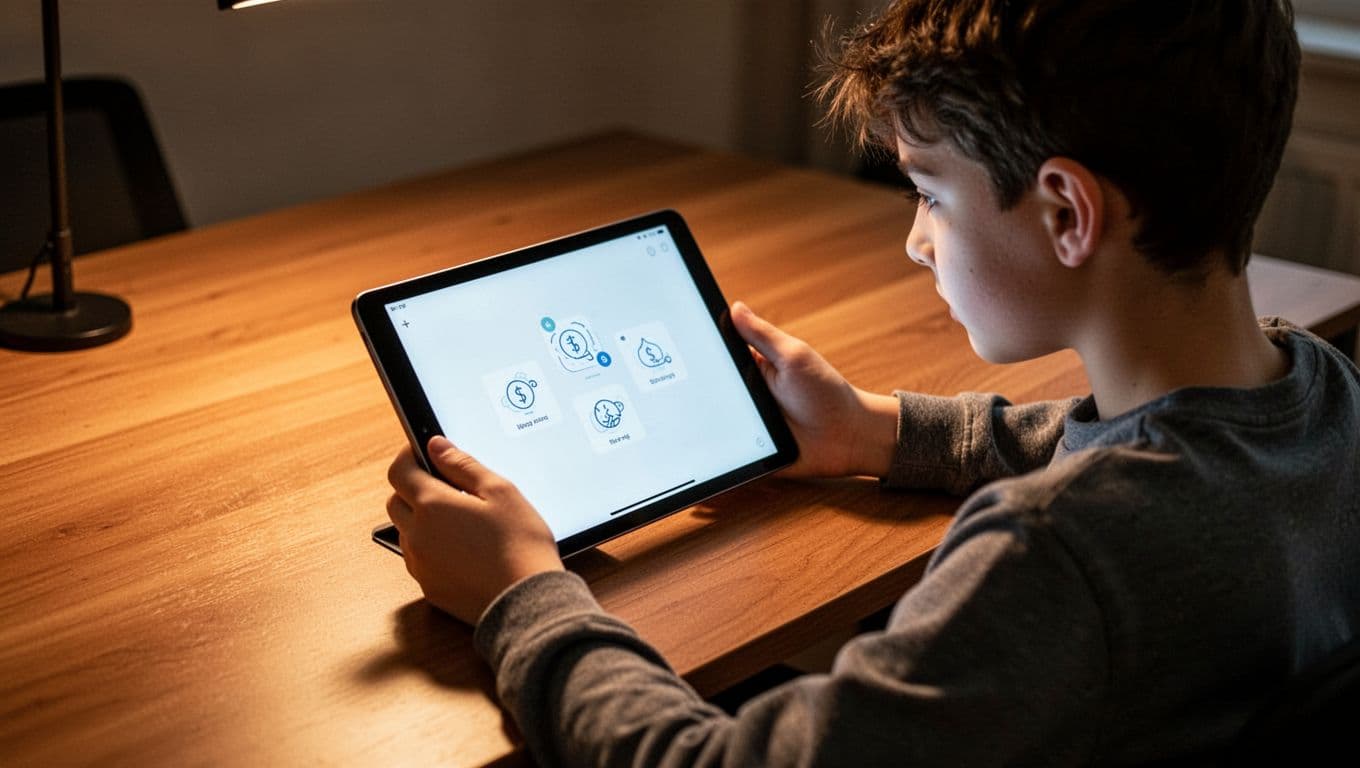
A savings account is a place at a bank where money can stay safe until a child is ready to use it. It works well for older kids who already understand the difference between spending now and saving for later.
Some banks and credit unions offer kids savings accounts that are made for young savers. These accounts may be easier to manage, and some come with lower fees or simple features that fit a child’s needs better than a regular adult account. A clear explanation from Alliant Credit Union’s savings tips for kids can also help parents compare basic ideas before opening one.
A simple way to explain it is this: the bank holds the money, keeps it safe, and lets it sit there until the child needs it. That makes the account feel less like an abstract idea and more like a money home.
A savings account works best when a child can connect it to a real goal, not just a new place to store cash.
You can wait until your child is old enough to handle money without constant reminders. Then open the account together, review the steps, and let them see how deposits work. That small trip to the bank can turn money into something real.
Show how interest helps money grow
Interest sounds fancy, but the idea is simple. When money stays in a savings account, the bank may add a little extra over time. That extra money is called interest.
For kids, this is a good lesson in patience. Money that sits still can slowly increase, while money spent right away disappears fast. A child who understands that difference starts to see saving as a choice that can pay off later.
You can explain it in plain language: “If you leave your money in the account, the bank gives you a little bonus.” That bonus may be small at first, but it shows how saving can work in the background.
A useful way to frame it is:
- Save the money.
- Leave it alone.
- Watch it grow a little over time.
That steady growth can feel exciting for older kids. It gives them a reason to keep saving instead of pulling money out the moment they get it. For a kid-friendly breakdown of how savings habits build over time, teaching kids to save money offers a helpful starting point.
Let older kids practice a basic budget
A simple budget helps older kids see where their money goes before it disappears. It does not need to be detailed. It just needs to give each dollar a job.
One easy method is to split money into save, spend, and share. Another version is save and spend for kids who need something even simpler. Either way, the point is the same, kids learn that money can be divided on purpose instead of used all at once.
A basic setup might look like this:
| Money Job | What It Means | Example Use |
|---|---|---|
| Save | Money set aside for later | A new game, bike, or bigger goal |
| Spend | Money used now | Snacks, small toys, or treats |
| Share | Money given to help others | Donation, gift, or small kindness |
This kind of budget works best when the amounts stay small and easy to track. A child who gets $10 might save $4, spend $5, and share $1. A tween who earns more can adjust the split without changing the system.
Keep the conversation simple and calm. Ask what they want to save for, what they want to buy now, and how much they can set aside. That habit turns money into a plan, which is a big step for any young saver.
Conclusion
The best money-saving tips for kids work because they are simple, visible, and tied to real goals. A clear jar, a small plan, and a little patience can turn saving into a habit that feels normal instead of forced.
Kids do not need to get it perfect. They just need practice, encouragement, and a reason to keep going, one coin at a time.
When saving stays easy to see and easy to understand, children build confidence along with good money sense. Those small habits can grow into thoughtful, steady money managers later on.
Save pin for later


- Asperger’s Syndrome in Babies: Early Signs and Next Steps - October 7, 2026
- 12 Beautiful Baby Names That Mean Forest, Plus Woodland Picks - September 27, 2026
- 15 Fantastic Baby Nicknames for Boys, From Sweet to Playful - September 27, 2026