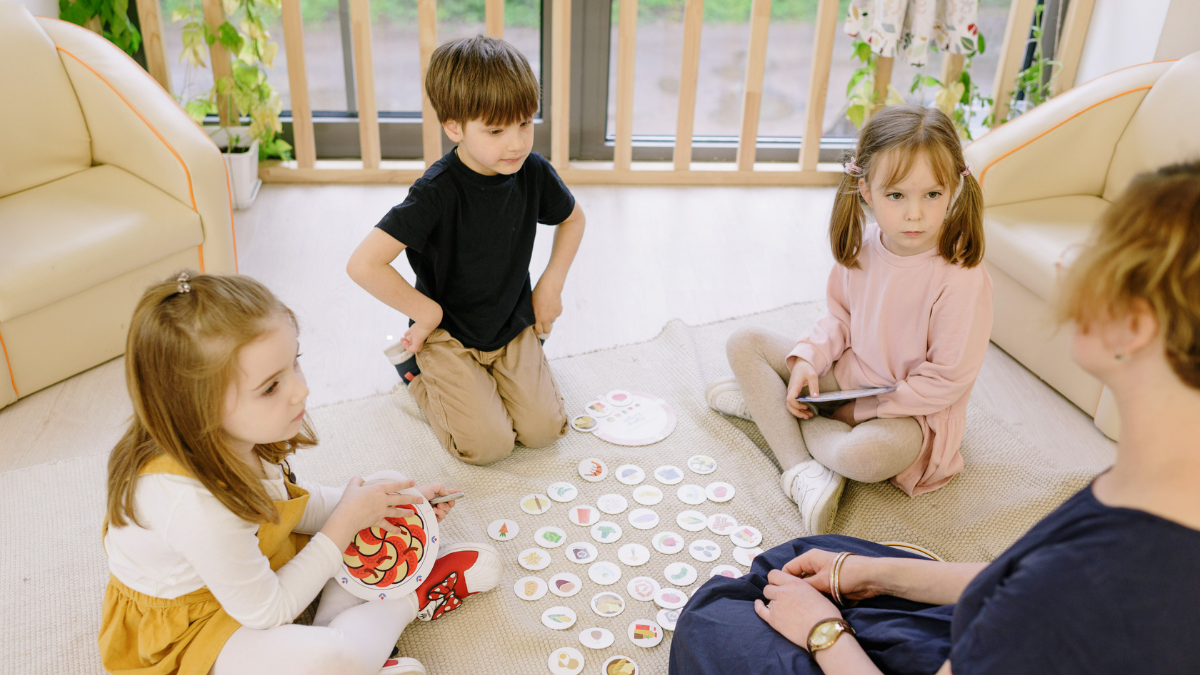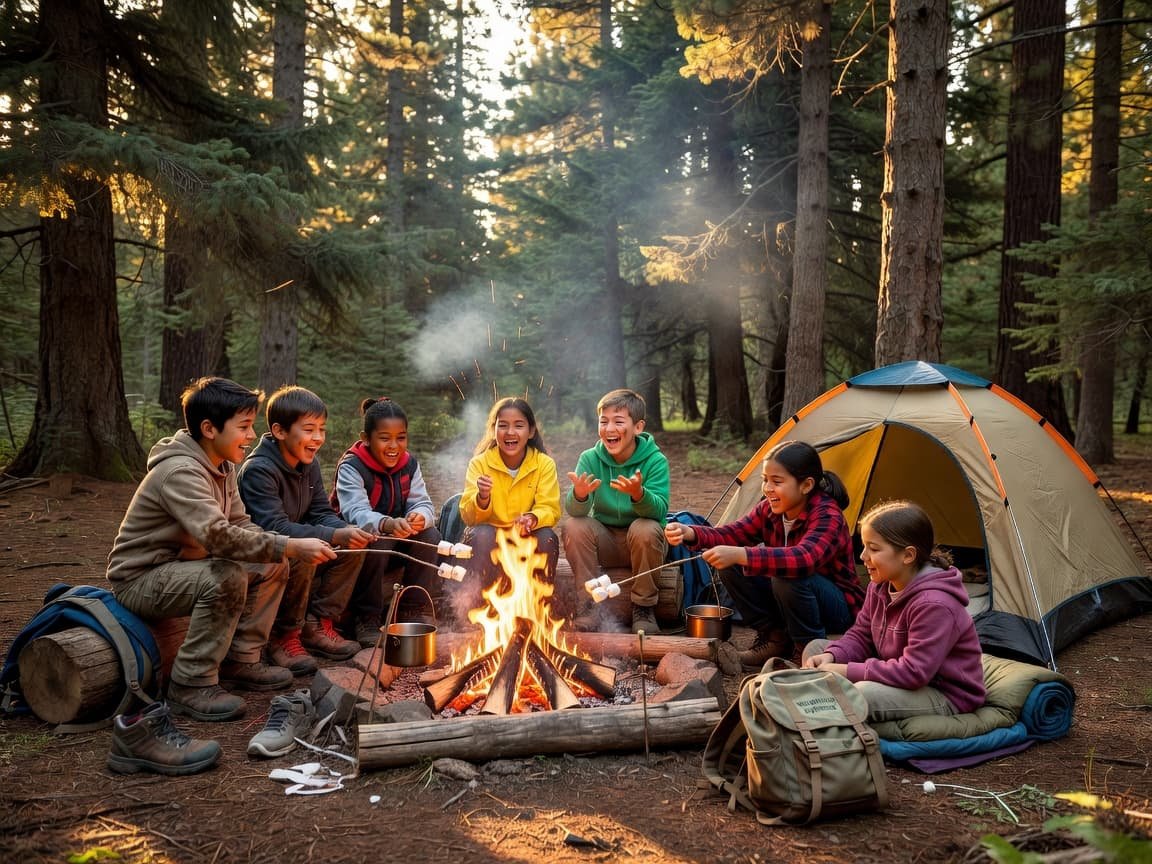
Camping with kids can feel like a sweet little adventure one minute and organized chaos the next, with muddy shoes, sticky hands, and tired legs all arriving together. The best trips stay simple, flexible, and fun, because a little planning goes a long way when you’re juggling comfort, food, sleep, and low-pressure activities.
If you want the whole family to enjoy the woods, the lake, or even a backyard tent night, focus on easy wins that keep kids happy and parents calm. A few smart choices can turn the trip into a memory your children will talk about long after the sleeping bags are packed away, especially if you borrow ideas from simple family campout ideas at home.
Here are 10 things to do when camping with kids that keep the fun high and the stress low.
Start with a kid-friendly campsite setup
Your campsite acts as the home base for your entire adventure. When it is organized and safe, children settle in faster, which prevents the frantic energy that often follows a long drive. A thoughtful arrangement keeps everyone comfortable and helps you avoid those stressful, late-night struggles when it is time for bed.
Choose a spot close to restrooms and safe play space
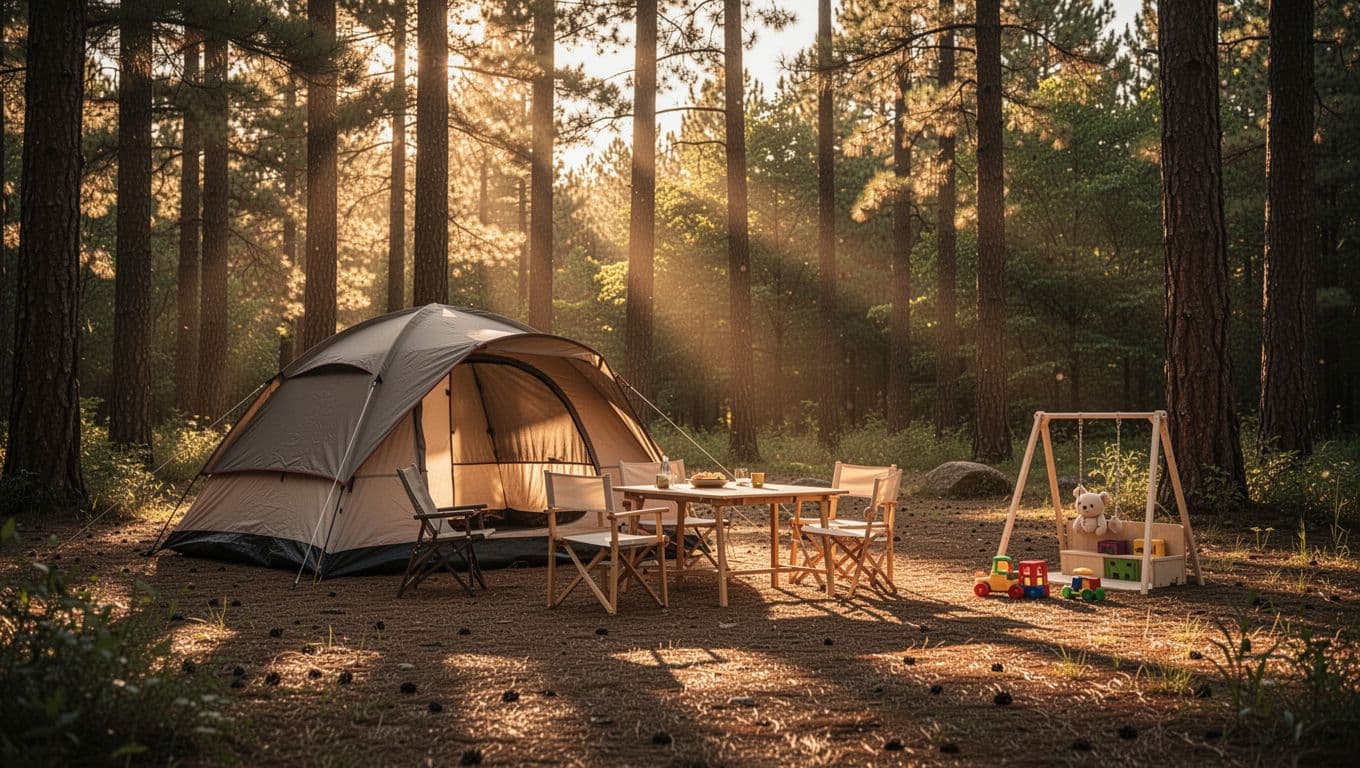
Convenience is your best friend when you are camping with little ones. Prioritize a site near toilets and clean water access to minimize trekking across the campground during the night. A site with a clear line of sight to the play area allows you to watch them while you finish setting up gear or preparing a meal.
Seek out level ground for your tent to ensure everyone gets a decent night of sleep. Nature offers plenty of beauty, but stay alert for hazards. Always check for low-hanging branches, water edges, or steep drop-offs that could pose a risk. If you are picking a location, look for advice on essential gear and safety for kids to ensure your chosen spot supports a calm, secure environment for the whole family.
Set up zones for sleeping, eating, and play
Clear boundaries help children understand how to interact with their new outdoor home. When you designate specific areas, you reduce the confusion that usually comes with living in a small tent or on a patch of grass.
Try dividing your site into these three functional zones:
- The sleeping corner: Keep this area strictly for rest. Tuck in comfort items, pillows, and sleeping bags early so kids have a place to retreat if they feel overwhelmed.
- The meal station: Create a dedicated space for eating and food storage. Keeping snacks and cooking gear here keeps the tent clean and prevents unwanted visitors from the local wildlife.
- The play zone: Clear a small patch of ground for games or quiet time. Providing a dedicated space for toys helps keep them organized and out from underfoot.
Using these zones creates a sense of order that makes a trip feel much more manageable. For more ways to keep kids engaged, you can look into engaging family trip ideas that bring structure and excitement to your outdoor stay. Consistency in these routines helps children feel confident and secure in their surroundings.
Pack the camping gear kids actually need
Packing for a family trip often feels like a balancing act between being prepared and lugging around way too much stuff. When you bring only the essentials, your campsite stays tidy and your stress levels drop. Focus on gear that solves problems before they start, rather than packing every gadget in your garage.
Bring comfort items from home
A new environment can feel overwhelming for a child at night. The transition from a familiar bedroom to a nylon tent is often the hardest part of the trip. You can make this shift easier by bringing items that carry the scent and softness of home.
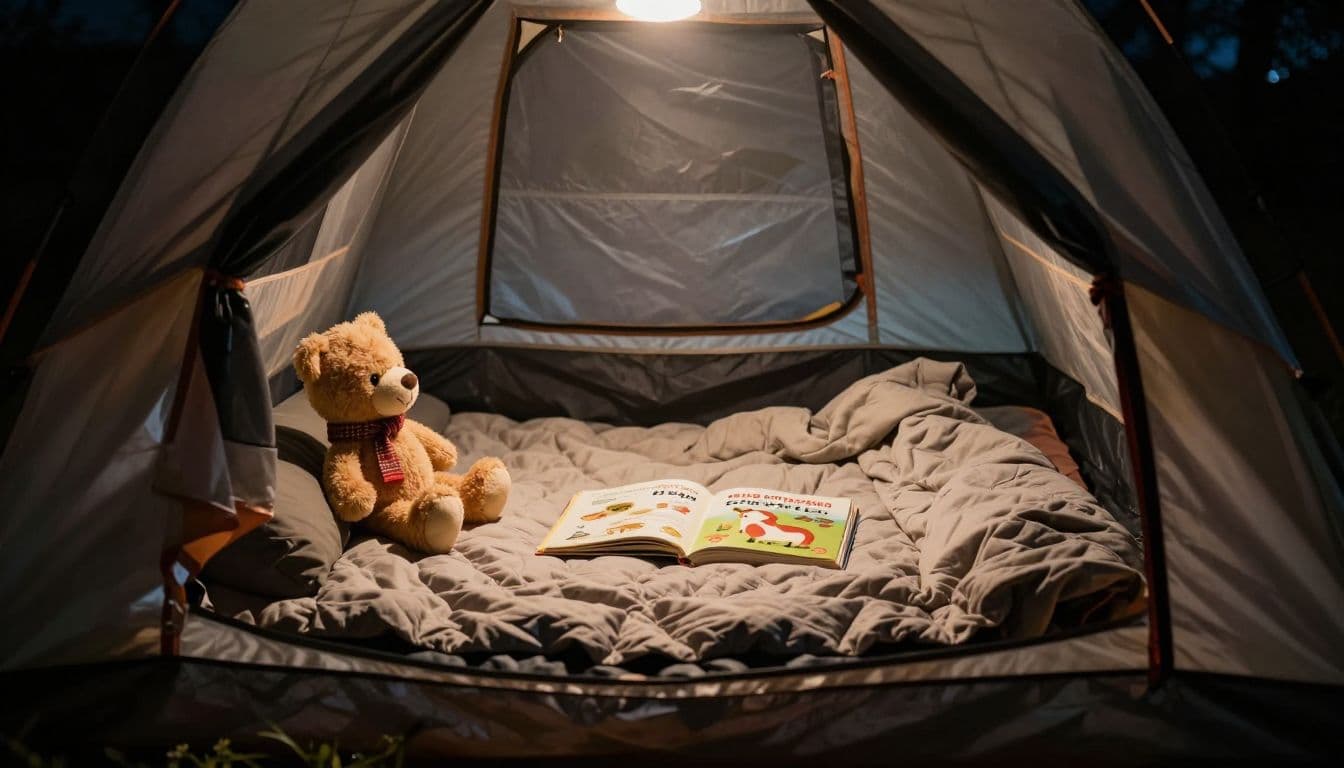
These familiar objects act as anchors in an unfamiliar space, helping kids feel safe enough to drift off to sleep. Pack their favorite blanket, a well-loved stuffed animal, or the pillow they use every night. Include a few books for bedtime stories and perhaps a soft nightlight to chase away shadows. If you are looking for more ways to make the outdoors feel like home, backyard camping ideas for kids offer great practice for getting them used to sleeping in a tent before the big trip.
Do not skip the small basics
The difference between a manageable trip and a frustrating one is often a roll of wipes or a spare pair of socks. Small, easily overlooked items are the ones you will miss the most when the sun dips low or a sudden rain cloud appears.
Pack a dedicated bag for these safety and comfort essentials:
- Lighting: Provide each child with their own headlamp or flashlight and bring plenty of extra batteries.
- Weather and skin protection: Always pack sunscreen, bug spray, and durable rain gear to handle shifting conditions.
- Hygiene and comfort: Keep wipes, tissues, and a well-stocked first-aid kit in a spot where you can find them in the dark.
- Hydration: Insulated water bottles help keep drinks cool during hot afternoons in the sun.
Having these tools ready prevents minor hiccups from becoming major issues. For a deeper look at keeping the family ready for any adventure, you can check out camping and hiking activities for children to ensure your gear list supports active and safe play. A simple, well-maintained kit lets you focus on the campfire, not the missing supplies.
Keep kids busy with simple outdoor activities
You don’t need a stash of high-tech gear to keep your children entertained in the woods. Nature acts as its own playground, offering endless potential for discovery if you let the kids lead the way. Focusing on simple, low-pressure activities helps keep everyone engaged without adding stress to your trip.
Try easy games that use the campsite or nearby trail
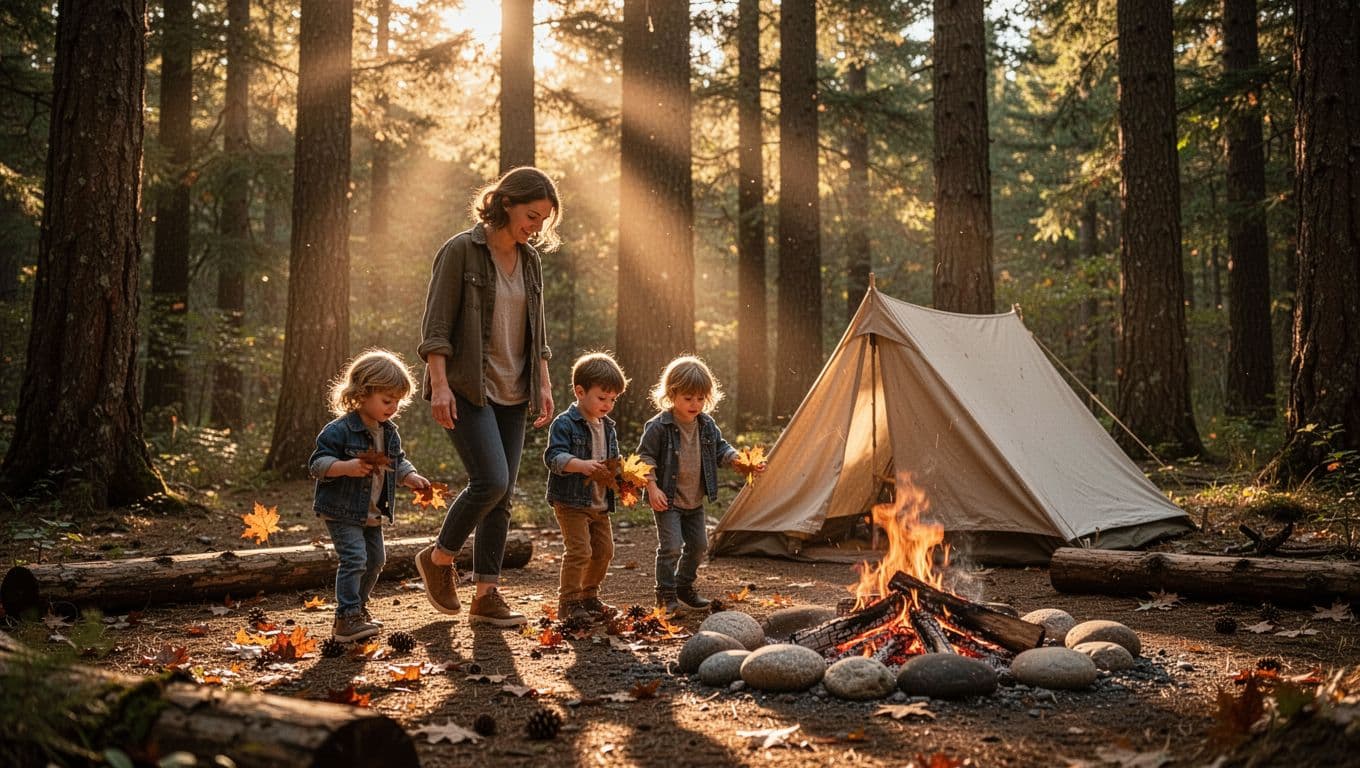
Short, active games are the secret to maintaining morale throughout the day. These quick bursts of movement help kids burn off energy, and they work because they don’t require complicated rules or setup. You can start with a classic nature walk, asking kids to spot specific leaves or bird calls along the path.
Scavenger hunts are another winner, as they turn a standard walk into a quest for hidden woodland treasures like smooth pebbles, pinecones, or colorful feathers. For even more ways to get them moving, try these low-effort ideas:
- Stick forts: Find a sturdy tree base and gather fallen branches to build a secret hideout.
- Active play: Bring a Frisbee or soft ball for open spaces, or spend an hour skipping stones at the water’s edge.
- Bubbles: Blowing bubbles around the campsite is a simple way to keep younger children occupied while you cook.
- Bike rides: If your campsite allows it, a short ride on a gravel path is a great way to explore further without much effort.
These activities encourage educational outdoor activities for kids by helping them interact directly with their surroundings. When you keep the games flexible, you allow children to find their own rhythm and fun.
Leave space for quiet time too
While active play is important, your kids also need moments to settle down. A full day of fresh air and exploration can wear them out quickly, and skipping downtime often leads to over-tired meltdowns. You can keep the atmosphere calm by weaving quiet periods into your daily routine.
Bring along a few simple items that invite focus and rest, such as coloring books, a deck of cards, or a favorite storybook for the tent. As the sun sets, stargazing is a perfect way to shift from high energy to a peaceful state. Watching for constellations or satellites together gives everyone a gentle reset before heading into their sleeping bags.
These quiet breaks act as a vital buffer, helping children process the excitement of the day while keeping stress levels low for the whole family. Balance is the key to a happy campout, so listen to their cues and let them relax whenever the energy starts to dip.
Make food and snack time easy to handle
Hungry children can turn a peaceful camping trip into a test of patience in minutes. When blood sugar drops, irritability rises, and the joy of the outdoors fades quickly. By keeping meal routines simple and predictable, you avoid unnecessary meltdowns and spend less time cleaning up after messy kitchen disasters.
Plan meals that are simple and familiar
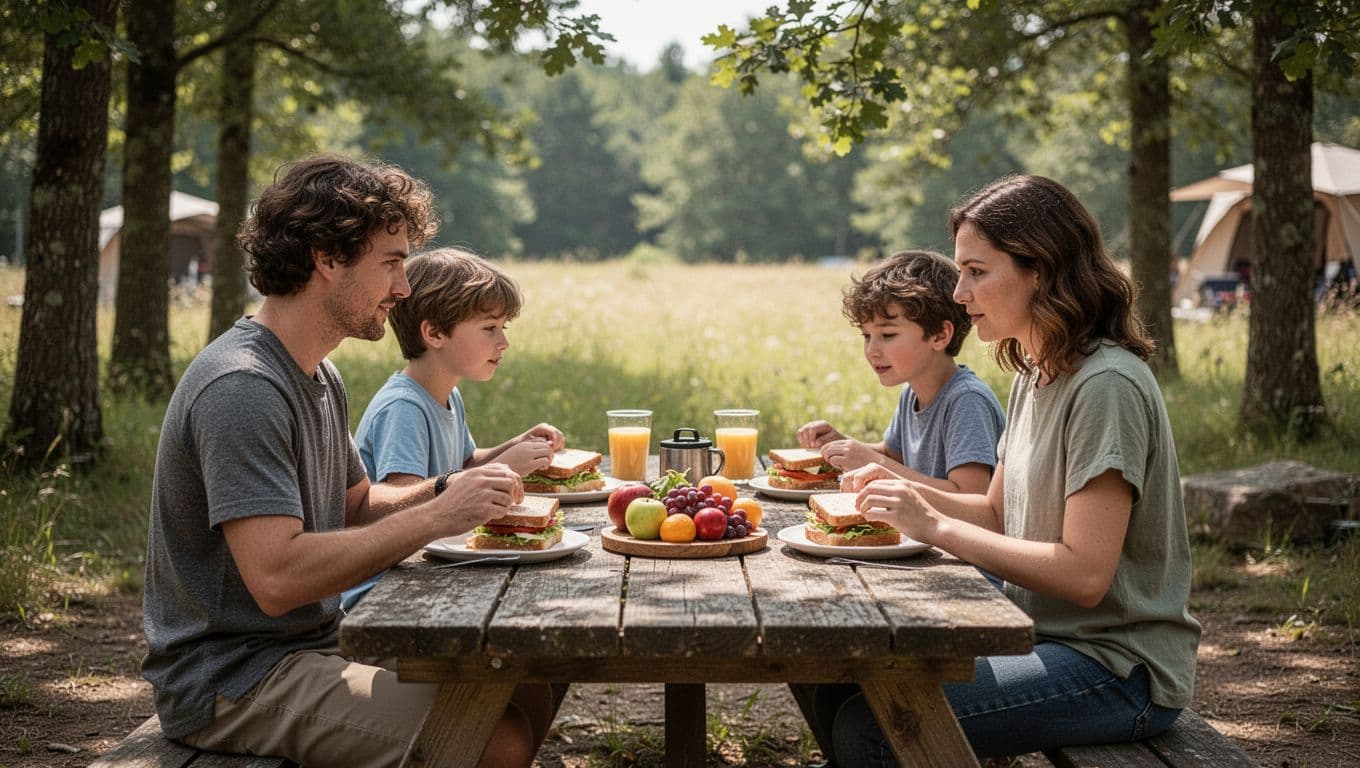
Camping is not the time to introduce complex new recipes. Stick to foods your children already love at home, as familiarity reduces mealtime protests and ensures they actually eat enough to stay energized. Simple, recognizable meals create less waste and leave more room for adventure.
Prioritize dishes that require minimal cooking and cleanup. Pack items like oatmeal, fresh fruit, hearty sandwiches, and boxes of their favorite cereal. If you prefer hot dinners, pasta is a reliable staple that feeds a crowd with ease. You can also use preparing family camp meals in advance to get the heavy lifting done before you even leave your driveway. For families interested in plant-forward options, meatless camping meal ideas for kids can also provide quick and nutritious solutions.
Keep your menu flexible so you aren’t tied to a strict kitchen schedule. When meals feel like home, kids feel more secure in their temporary outdoor home. You can find more inspiration on camping food your kids will love to ensure your menu hits the mark every time.
Pack snacks for the in-between moments
Steady snacking is the best way to keep energy levels stable during a long day of hiking and playing. When kids graze on healthy, consistent fuel, they are less likely to experience the classic “hangry” slump. Keep a dedicated snack bag accessible for the car ride, the trail, and the quiet hours before bed.
Focus on easy-to-grab items that don’t melt or crumble into a mess. Trail mix, apple slices, cheese sticks, and whole-grain crackers are perfect companions for busy afternoons. If you want to see how other parents manage picky eaters on the road, look into these camping meals for picky eaters for clever packing hacks. Always stash a few extra surprises in your pack, like dried fruit or a favorite granola bar, to keep spirits high when legs get tired.
Protect bedtime so everyone gets better sleep
The sun dips below the tree line, and the woods grow quiet. For little ones, this change in rhythm often triggers a wave of worry or excitement. While you might want to throw the rules out the window, keeping a consistent bedtime routine acts as a steady anchor. It tells their brain that the day is over, even when they are sleeping on the ground instead of in their own bed. A predictable flow helps them settle down, so you can enjoy a peaceful evening by the fire as well.
Keep the bedtime routine close to home
When the environment feels strange, your child looks for familiar cues to feel secure. Try to replicate the sequence of events you use at home exactly, because it reinforces a sense of safety. Start by changing into pajamas while you still have natural light, then move on to brushing teeth near the washbasin.
Once they are tucked into their sleeping bags, read a favorite book just like you would on a weeknight. This ritual creates a bridge between their normal life and the camping trip. When the steps are the same, their body understands it is time to shift into sleep mode. It keeps the transition smooth, which prevents them from feeling too wired to rest. If you need inspiration for keeping life organized and predictable for your kids, these practical tips for staying organized can apply to your camping routines as well.
Make the tent feel calm and cozy
The inside of a tent can feel chilly, dark, or vast, which may startle a young child. You want to make the space feel like a snug nest. Start with thick sleeping pads or extra blankets underneath their sleeping bags to block out the cold ground. If the air feels damp, change them into dry socks and pajamas before they crawl into their bags.

Use a small, dim lantern if they are afraid of the dark, but keep it tucked away from their direct line of sight. This helps them wake up and drift back off without needing to hunt for you in the middle of the night. A quiet, warm environment reduces the chance of sudden wakeups and keeps everyone resting deeply until morning. When the tent feels like a safe, protected spot, they are much more likely to stay asleep through the night. Consistency in how you prepare this space also helps them feel ready for the transition to sleep.
Let kids help so they feel part of the trip
Camping transforms from a chore into a team effort when you invite your children into the process. Many parents handle every single task to speed things up, but this often leaves kids feeling like passive observers. Instead, give them an active role in your daily rhythm. When children feel useful, they stop asking if they are there yet and start looking for ways to contribute. It shifts their mindset from being entertained to being a partner in the adventure. A sense of ownership makes every task more meaningful for them and creates a shared pride in your collective progress.
Give age-appropriate jobs they can handle
Assigning specific responsibilities keeps little hands busy and saves you time during your setup. Match the complexity of the task to your child’s age so they can feel successful without getting frustrated. Even the youngest campers enjoy the feeling of having a purpose that matters to the whole group.
Consider these simple roles that help your campsite run smoothly:
- Little explorers: Ask toddlers to gather small sticks for the fire or help carry their own lightweight sleeping pads to the tent.
- Junior assistants: Let older children help sort snacks into bags or carefully fill up water bottles from the main cooler.
- Camp organizers: Invite them to set out the folding chairs or sweep the floor of the tent with a small brush.
When you offer these tasks, stay patient and offer guidance rather than correction. The goal is to build their confidence, not to achieve a perfectly organized campsite. If they struggle, show them how to do it once and let them finish the job their own way. You can also teach them to spot potential risks in the area, which helps them learn about safety while staying engaged.
Use small choices to build confidence
Children often act out because they feel like every decision on a camping trip is made for them. You can flip this dynamic by offering small, low-stakes choices throughout the day. When you give them a say in the minor details, they feel more invested in the overall success of your time in the woods.
Ask them if they want to play a card game or read a book during the quiet afternoon hours. Let them pick the snack they want to eat or help you decide which trail to explore first. Even choosing which side of the campfire to sit on provides a sense of control that is rare when they are used to following a strict schedule.
These small decisions build their independence and keep their mood steady. You don’t need to hand over the big choices, but letting them lead the little ones makes them feel like part of the team. When kids own their experience, they become more patient and eager to join in. It’s a simple way to foster a helpful spirit that lasts well after you pack the car to head home.
Conclusion
Camping with kids does not have to be perfect to be a success. You don’t need a flawless plan to create a great experience for your family. Focus on simple routines, familiar comforts, and easy food to keep stress low and joy high. These small steps help turn a standard trip into a memory your children will carry with them for years.
The most meaningful moments often arrive without any planning at all. Look for the magic in the little things, like a shared snack, a bright flashlight under the stars, or a quiet laugh inside the tent. Keep your expectations flexible and enjoy the time you spend together in the wild.
Save pin for later

- Baby Massage for Gas Pain: Step-by-Step Instructions - September 20, 2026
- Newborn Skin Peeling: Common Causes and Warning Signs - September 20, 2026
- Sticky Eyes in Babies: Causes, Treatment, and Warning Signs - September 20, 2026