
“Why do I feel so much pelvic pressure at 36 weeks of pregnancy?” At this point, a heavy, aching, or downward-pulling feeling can make every step uncomfortable and leave you wondering whether something is wrong. Pelvic pressure is often caused by your baby moving lower, the growing weight pressing on your pelvis and bladder, or pelvic girdle strain that makes standing, walking, and turning in bed harder.
Still, pressure alone doesn’t confirm that labor is near. Because you’re 36 weeks pregnant, regular contractions, menstrual-like cramps, vaginal bleeding, leaking fluid, fever, severe pain, or reduced baby movements need prompt medical advice, since they can point to preterm labor or another problem. You can also learn more about how your baby’s position affects delivery as you approach the final weeks.
This guide explains common causes of pelvic pressure, how normal discomfort differs from warning signs, safe ways to find relief, and when to call your doctor or labor and delivery unit.
Why Do I Feel So Much Pelvic Pressure at 36 Weeks of Pregnancy?
At 36 weeks, pelvic pressure can feel like your baby is pushing downward with every step. You may notice heaviness in your lower belly, vagina, groin, bladder, or rectum. In many cases, the pressure comes from normal late-pregnancy changes, but severe pain or new warning signs need medical attention.
### Your baby may be settling lower into the pelvis
Fetal descent, sometimes called lightening, happens when your baby moves lower into your pelvis as pregnancy progresses. The baby’s head may settle closer to the birth canal, or the baby’s body may place more weight on your pelvic floor. That added weight can create pressure in the lower belly, vagina, groin, bladder, and rectum.
Some people feel a strong downward pull or more heaviness when they stand. Others notice brief sharp sensations near the pubic bone or groin. The baby may also press against the bladder, so you might need to urinate more often, even after using the bathroom.
When the baby drops, your upper abdomen may feel less crowded. Some pregnant people breathe more easily because there is less pressure beneath the ribs. However, many don’t feel a clear change at all. Every pregnancy has its own pattern.
Descent can happen several weeks before labor, especially during a first pregnancy. If you’ve given birth before, your baby may stay higher until labor begins or descend much later. Therefore, pelvic pressure alone doesn’t confirm that labor is starting.
Pelvic girdle pain can make ordinary movement hurt
Pelvic girdle pain develops when pregnancy-related strain affects the joints, ligaments, and muscles that support your pelvis. The discomfort may sit near the pubic bone, hips, lower back, buttocks, or groin. It often feels worse when your pelvis has to shift unevenly.
Common triggers include:
- Walking or climbing stairs
- Standing on one leg to get dressed
- Turning over in bed
- Getting in or out of a car
- Putting on pants or shoes
Pain that limits your movement, keeps getting worse, or makes daily activities difficult deserves medical advice. The Royal College of Obstetricians and Gynaecologists’ guidance on pelvic girdle pain explains why uneven joint movement can make the pelvis less stable.
Rest when needed, change positions slowly, and don’t force exercises or stretches that increase your pain. You can also review these tips for relieving back and joint pain during pregnancy.
Bladder, bowel, and pelvic floor pressure can add to the heaviness
At 36 weeks, your uterus takes up much of your abdominal space. As it grows and your baby settles lower, it can press on your bladder, bowel, and pelvic floor. That pressure may cause frequent urination, pelvic fullness, constipation, gas, hemorrhoids, or a sensation of rectal pressure.
Still, some symptoms need a call to your health care provider. Burning with urination, blood in your urine, or fever can point to a urinary infection. Severe constipation, intense rectal pain, repeated vomiting, or other serious bowel symptoms also shouldn’t be ignored.
How to Tell Normal Late-Pregnancy Pressure From Signs of Labor
At 36 weeks, pelvic pressure can feel intense enough to make you wonder, “Why do I feel pelvic pressure at 36 weeks pregnant if labor hasn’t started?” The answer depends on the full pattern. A heavy feeling by itself may reflect normal changes, while pressure combined with regular contractions, fluid leakage, bleeding, or persistent back pain needs prompt medical advice.
Pressure that comes and goes may be Braxton Hicks or early labor
A contraction may feel like your belly suddenly tightens and becomes firm, then relaxes. You might notice pressure across your lower abdomen, menstrual-like cramping, or a squeezing sensation that builds and fades. Some people feel labor mainly as lower back pain, pelvic pressure, or an urge to have a bowel movement.
To spot a pattern, record each episode when it begins, how long it lasts, and when the next one starts. A simple note on your phone can include:
- The start time of each tightening
- The length of the contraction
- The time between one contraction and the next
- Whether the pressure becomes stronger or harder to ignore
Braxton Hicks contractions are usually unpredictable. They may appear several times, then stop after you rest, drink water, change position, or take a warm shower. Early labor contractions tend to develop a pattern. They usually become longer, stronger, and closer together, and they continue despite rest or movement. The University of Texas Southwestern Medical Center’s explanation of Braxton Hicks contractions offers a helpful comparison.
Because 36 weeks is still before 37 weeks, call your maternity provider or labor and delivery unit if contractions become regular, painful, or difficult to distinguish from labor. Also call if your water breaks, you have vaginal bleeding, or your baby moves less than usual. Don’t try to diagnose labor at home when you’re unsure. Your provider can tell you whether you need an examination or monitoring.
For another explanation of the differences, see this guide to identifying true labor contractions.
A heavy feeling alone does not always mean your baby is coming soon
Your baby may drop lower into the pelvis days or weeks before labor. That shift can increase vaginal pressure, pelvic heaviness, groin discomfort, rectal pressure, and the need to urinate. You may also feel more pressure when walking or standing.
However, some babies don’t settle lower until labor begins. Others move down gradually without causing a dramatic change. Pelvic pain, vaginal pressure, and increased urination can all happen while your pregnancy continues for days or weeks.
Therefore, treat pressure as one piece of information, not a countdown clock. Look for the broader pattern, including regular contractions, leaking fluid, bleeding, worsening cramps, back pain, and changes in fetal movement. When those symptoms appear, contact your provider rather than waiting to see whether the pressure becomes more intense.
Call Your Doctor or Labor Unit Right Away for These Warning Signs
At 36 weeks, you may ask, “Why do I feel pelvic pressure at 36 weeks pregnant if labor has not started?” Often, the answer is normal late-pregnancy strain. However, pressure becomes more concerning when it appears with leaking fluid, reduced fetal movement, infection symptoms, severe pain, or signs of preeclampsia.
Your maternity care team would rather answer a question early than have you wait with a serious symptom. When your instincts say something has changed, call your doctor, midwife, or labor and delivery unit.
### What to do if you think your water may have broken
A gush of fluid is easy to notice, but your membranes can also rupture as a slow, ongoing trickle. Amniotic fluid is often clear, pink, or slightly yellow. Urine and normal vaginal discharge can look similar, so you may not be able to identify the fluid by appearance alone.
Put on a clean pad and observe the amount, color, and smell. Note whether the leaking continues when you stand, walk, cough, or change position. Don’t put anything inside your vagina, including a tampon, and avoid sex until your care team gives you instructions.
Call your maternity provider or labor unit as soon as you suspect your water broke. Don’t wait at home to see whether the leaking stops. The team may ask when the leaking began, what the fluid looks like, and whether you have contractions, bleeding, fever, or changes in movement. The Mayo Clinic’s guidance on water breaking explains why both a gush and a small, constant leak deserve attention.
Reduced fetal movement should never be brushed off
Babies sleep, and their movements may feel different as space becomes tighter. Still, your baby should maintain a familiar daily pattern. If movement is noticeably less than usual, weaker, or different, don’t dismiss it as simply having less room.
Follow your provider’s instructions for checking movement. You may be told to rest on your side, focus on your baby’s activity, and count movements for a set period. There is no single kick-count number that fits every pregnancy, so follow the guidance from your own care team.
Call right away if movement remains reduced, you can’t feel your baby as expected, or your concern continues after checking. Don’t wait until the next appointment. A sudden change deserves prompt assessment, and information about decreased fetal movement can help you recognize when to call.
When pelvic pressure may point to an infection or another problem
Pelvic pressure with fever, painful urination, foul-smelling discharge, itching, or unusual vaginal discharge may indicate a urinary or vaginal infection. These infections can cause discomfort during pregnancy and may need treatment, so contact your provider instead of trying to diagnose the cause yourself.
Severe pelvic pain, pain focused on one side, vaginal bleeding, or pain that steadily worsens also needs prompt medical attention. In addition, call urgently for a severe headache, vision changes, pain under your ribs, or sudden swelling. These symptoms can occur with preeclampsia, even when your main complaint feels unrelated to pelvic pressure.
You can also review these physical changes in late pregnancy, but new or severe symptoms should always take priority over online information.
Safe Ways to Ease Pelvic Pressure at 36 Weeks
Why do I feel pelvic pressure at 36 weeks pregnant, and what can I safely do about it? If the pressure comes from your baby’s position or pelvic girdle strain, small changes often help more than forcing your body through discomfort. Aim to support your pelvis, move within your comfort level, and contact your provider if pain becomes severe or new warning signs appear.
Use positions that support the pelvis instead of twisting it
When you lie down, turn onto your side and place a pillow between your thighs and knees. Keep your hips stacked, with your top knee resting on the pillow instead of falling forward. This position reduces the twisting that can strain the pubic bone, hips, and lower back. You can find more ideas in these comfortable pregnancy sleeping methods.
Use the same principle during daily tasks. Sit down to get dressed rather than balancing on one leg to pull on pants or shoes. Keep both feet planted when possible, and turn your whole body by moving your feet instead of twisting at the waist. Symmetrical movements give your pelvis a steadier base.
When symptoms flare, take smaller steps and avoid sudden lunges. Large steps, repeated trips up and down stairs, standing on one leg, and uneven ground may increase pelvic girdle pain. If a particular activity makes the pressure sharper or leaves you limping, stop and rest rather than trying to push through.
A maternity support belt may ease the feeling of heaviness for some people, especially during short periods of walking or standing. However, the belt needs to fit correctly and should not feel tight, painful, or restrictive. Ask your maternity provider or a pelvic health physical therapist whether one suits your symptoms.
Gentle movement can help, but more exercise is not always better
Light movement can reduce stiffness when you’ve been sitting or lying down. Try a brief, comfortable walk around your home, change positions regularly, or perform only the gentle exercises your provider has approved. The HSE’s pregnancy exercises for pelvic girdle pain provides examples to discuss with your care team.
Keep activity short and follow it with rest. Too much walking, prolonged standing, repeated stairs, or strenuous exercise can worsen pelvic girdle pain. At 36 weeks, don’t start an intense exercise plan to relieve pressure. A pelvic health physical therapist can teach you individualized exercises, safer ways to move, and strategies for daily tasks.
Know which home remedies to avoid
Don’t use castor oil, herbal labor remedies, intense nipple stimulation, or other methods intended to start labor unless your clinician specifically directs you. These methods can cause unwanted contractions, diarrhea, dehydration, or other complications.
Avoid hot tubs and very hot baths because overheating can make you dizzy and unwell. A comfortably warm bath may be different, but ask your provider if you’re unsure. Also, don’t push through severe pain or take leftover prescription medicine. Call your maternity team for guidance instead.
What Your Prenatal Provider May Check and What to Ask
If you keep wondering, “Why do I feel pelvic pressure at 36 weeks pregnant?”, your prenatal provider can help sort out whether the sensation fits normal late-pregnancy changes or needs closer assessment. At a visit or phone call, your care team may ask about contractions, fetal movement, fluid leakage, bleeding, urinary symptoms, and pain.
Around 36 weeks, routine care may also include checking your blood pressure, urine, baby’s heart rate, growth, and position. Your provider may feel your abdomen to see whether the baby has moved lower. Depending on your symptoms and medical history, they may recommend monitoring or an in-person examination.
### The pattern and related symptoms matter more than pressure alone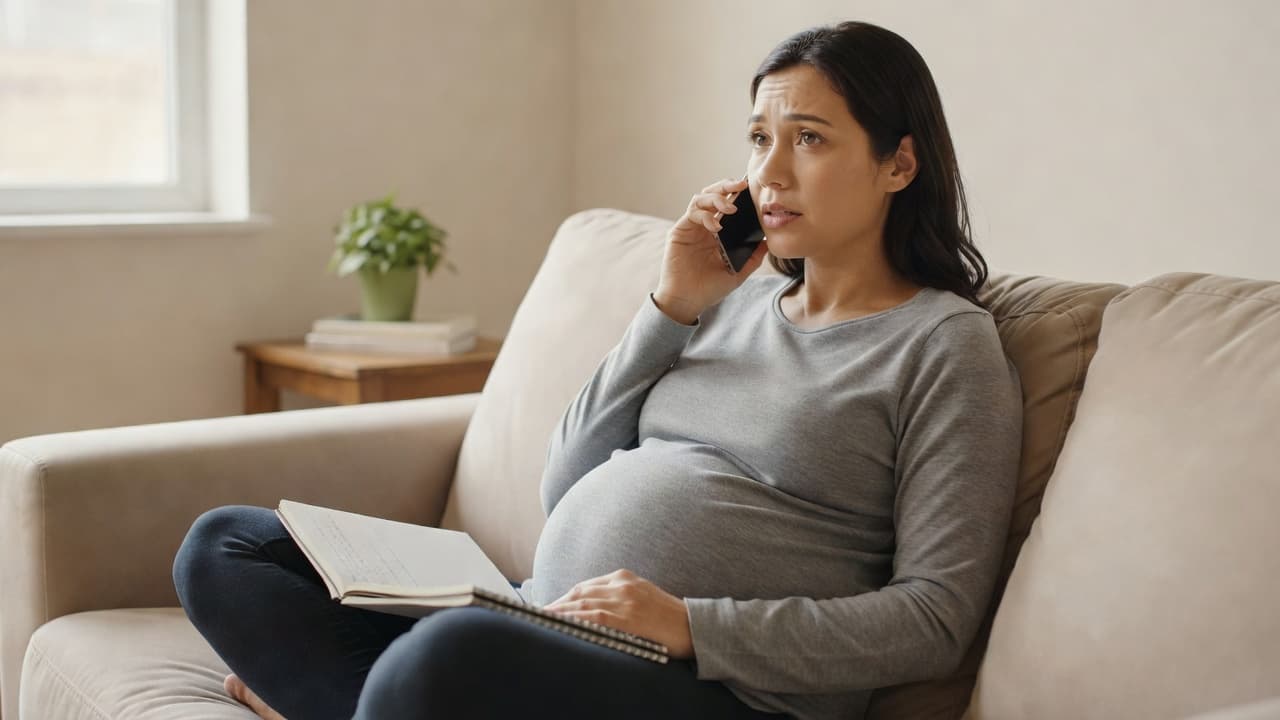
Pelvic pressure after a long walk may come from your baby’s weight, pelvic floor strain, or irritated pelvic joints. It may improve when you rest, change position, or support your hips. Pressure that comes with regular tightening is different, especially when contractions become stronger, longer, or closer together.
Call your provider promptly if the pressure occurs with:
- Regular contractions or menstrual-like cramps
- A gush or ongoing trickle of fluid
- Vaginal bleeding
- New or worsening lower back pain
- Fever or painful urination
- Reduced or unusual fetal movement
The full picture gives your care team more useful information than the sensation alone. As ACOG’s patient safety resources explain, bleeding, leaking fluid, and severe abdominal pain can require urgent attention.
Your personal history also changes the advice. A first pregnancy, a prior preterm birth, placenta concerns, twins or other multiples, cervical issues, or a high-risk pregnancy may lead your provider to use a lower threshold for evaluation. Even if pressure feels familiar, follow the instructions given for your pregnancy. You can also review these signs your baby has not dropped without treating fetal position as a reliable labor countdown.
Keep a short symptom record before you call
A brief record can help your provider understand what is happening. Write down when the pressure started, where you feel it, and how severe it feels on a scale of 1 to 10. Note whether it stays steady or arrives in waves.
Also record:
- The start and end time of each tightening
- The spacing between contractions
- Any change in fluid, discharge, or bleeding
- Burning, urgency, or pain with urination
- Your baby’s usual movement pattern
These details can help the team decide whether you need monitoring, an exam, or advice at home. However, don’t delay care to complete a log. If fluid leaks, bleeding begins, contractions become regular, movement decreases, or pain feels severe, call right away and share whatever information you have.
Conclusion
Why do I feel so much pelvic pressure at 36 weeks of pregnancy? Often, the answer is your baby settling lower, your growing uterus placing more weight on the pelvis and bladder, or pelvic girdle strain after weeks of physical changes. Pressure can feel heavy, achy, or like a downward pull, especially when you stand, walk, or turn in bed.
Still, the full pattern matters more than pressure alone. Because 36 weeks is still before 37 weeks, contact your prenatal care team promptly if you have regular contractions, leaking fluid, bleeding, severe or persistent pain, reduced fetal movement, fever, painful urination, or another concerning change.
Pelvic pressure can be a normal part of the final weeks, but you don’t have to decide by yourself whether your symptoms are safe to watch. When something feels different or worrying, calling your doctor, midwife, or labor and delivery unit is the safest next step.
Save pin for later


- Age-Appropriate Chores for Kids by Age Group - September 12, 2026
- Can You Go Into Labor While Asleep? What to Know - September 12, 2026
- Why Do I Feel Pelvic Pressure at 36 Weeks Pregnant? Common Causes and Warning Signs - September 12, 2026