
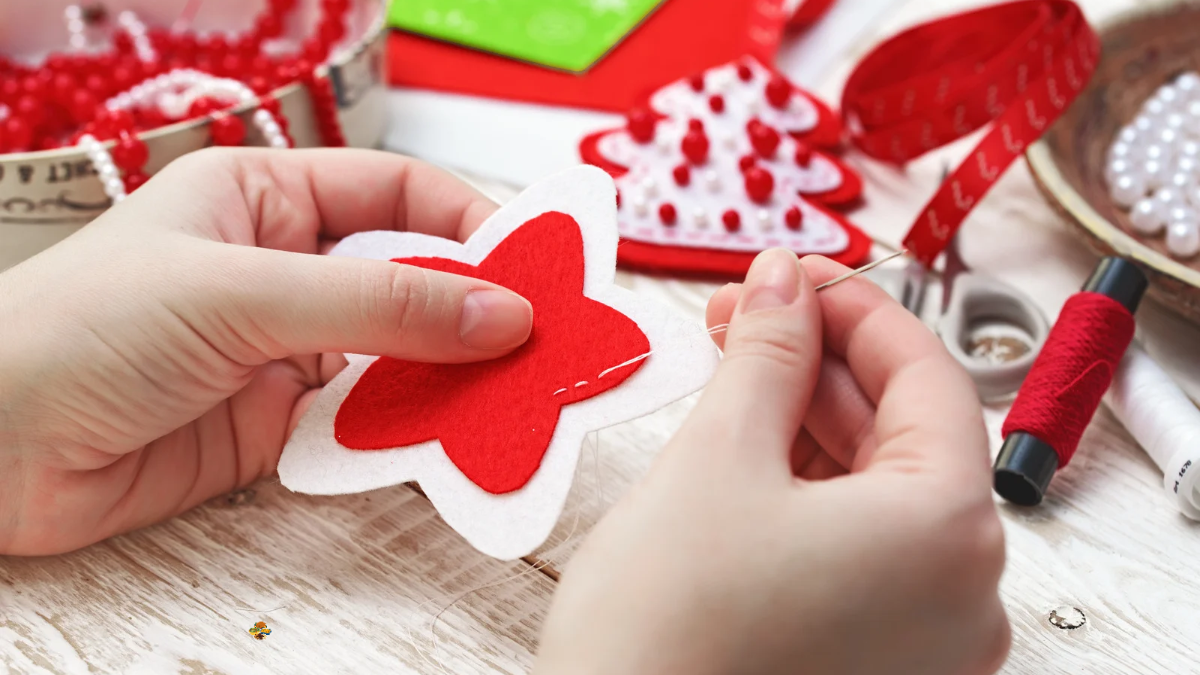
Paper scraps drift across the table, a glue stick rolls toward the edge, and someone’s small hand is pressing a red pom pom onto a popsicle stick. Holiday craft time with preschoolers looks like this: busy, a little messy, and full of pride.
I keep holiday crafts simple because preschoolers learn through the process, not the finished result. This post shares practical Christmas crafts for preschoolers, along with the setup, safety notes, and small adjustments that keep a session from turning into a stress test. Parents, teachers, and caregivers can all use it, whether you’re planning a class party or a quiet afternoon at the kitchen table.
The point of all this is fun and connection, not a perfect ornament. Here are the projects that actually hold up.
Christmas Crafts for Preschoolers: Simple Ideas That Actually Work
I choose projects that use supplies you likely have on hand and steps a preschooler can finish with a little help. When I plan Christmas crafts for preschoolers, I look for one clear technique, such as gluing, painting, or pressing, so kids can feel successful without a long list of directions. I also stay close when scissors, small parts, or paint are on the table, because supervision matters more than a perfect finished piece.
Related; Christmas Appetizer Ideas for an Easy, Festive Party
Paper Plate Angels and Handprint Keepsakes
A paper plate angel comes together with a plain plate, a folded paper doily or paper wings, and a drawn face. Here is the sequence I use:
- Fold a plain paper plate in half to make the angel body.
- Cut a paper doily in half and glue one half to each side for wings, or cut simple paper wings instead.
- Draw a face on a small paper circle and glue it near the top.
- Add a ribbon loop at the back with white glue.
- Let the angel dry flat before hanging.
For a handprint keepsake, press a painted hand onto cardstock with washable paint, then add a ribbon loop once it dries. I write the child’s name and date on the back before it goes on display or into a gift bag. A washable table cover and a smock keep the mess in check.
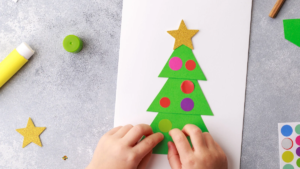
Popsicle Stick Trees and Reindeer
For a popsicle stick tree, glue three sticks into a triangle, let it dry, then paint it green and add a star sticker at the top. The shape is easy to hold, and the painting step gives kids room to be creative without needing fine detail.
A reindeer uses a similar stick frame, plus googly eyes and a red pom pom nose. I keep small pieces in my hand for younger preschoolers and let them point to where each piece should go. That way, the craft stays fun and the tiny parts stay out of mouths. Tacky glue holds better than school glue on wood, and a little drying time makes both projects sturdier.
Related; Christmas Party Food Ideas for Easy, Festive Hosting
Salt Dough Ornaments for Tiny Hands
Salt dough is one of my favorite Christmas crafts for preschoolers because the mixing and rolling feel like play. I combine flour and salt, then add water a spoonful at a time until the dough holds together. Kids can roll it out, press cookie cutters into it, and poke a hole for a ribbon before the shapes dry.
Let the ornaments dry completely before painting, turning them once so both sides harden. Salt dough is not edible, so keep it away from mouths and wash hands after use. For classrooms without an oven, air-dry clay is a good swap. Either way, the finished ornament gives a child something sturdy to paint and hang.
Related; Christmas Cookie Ideas for Baking, Gifting, and Sharing
How to Set Up a Preschool Christmas Craft Session Without the Chaos
A calm craft session starts before the first glue cap comes off. I plan one or two steps, set out a few supplies, and keep the group small. That little bit of planning protects the fun, whether you are hosting Christmas crafts for preschoolers at home or in a classroom.
Stock a Simple Craft Bin
My craft bin stays basic: glue sticks, washable markers, safety scissors, paper, cardstock, pompoms, stickers, and wet wipes. I pick three or four items for a session instead of emptying the whole bin. A smaller choice set keeps kids focused and cuts cleanup.
A rimmed tray holds tiny pieces, and a paper bag catches scraps as we work. If a project calls for cereal, pasta, or candy, I read the label before we start because seasonal packages can hide allergens. I also keep food items in a separate bowl, away from glue and paint.
Related;Christmas Cocktails and Mocktails for Holiday Hosting
Make a Kid-Safe Craft Station
I cover the table with parchment paper or a washable mat and set out smocks before anyone sits down. A damp cloth stays within reach for sticky fingers and glue smears. In a small room, I use one folding table and keep the drying area on a nearby counter or the floor.
I seat children in small groups, usually two or three at a time, so each child gets help without a long wait. Adult scissors stay on a high shelf. Safety scissors live in the bin, and I watch children who still mouth objects because pompoms and beads are choking hazards. Everyone washes hands before and after craft time, and I wipe the table between groups.
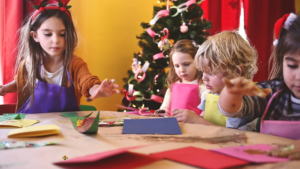
Keep Crafts Open-Ended and Process-Focused
I skip the perfect sample. When children choose their own colors and decide where a sticker lands, the craft becomes theirs. Questions work better than corrections, so I ask, “Tell me about that red line,” instead of moving a piece to the right spot.
That approach builds fine motor skills and confidence because kids practice gluing, pressing, and placing without chasing an adult’s result. For Christmas crafts for preschoolers, a lopsided tree or a reindeer with three eyes still counts as a win. The goal is a happy maker, not a matching set.
Related; Gingerbread Christmas Tree Ideas
Easy Christmas Ornament Crafts Preschoolers Can Make and Give
An ornament a child makes and hands to someone carries more weight than a store-bought one. It marks a year, a hand size, and a small proud face at the giving. I choose ornaments that survive a gift bag, dry flat, and need one or two short sessions rather than a week of steps. These three hold up as gifts, and each one gives you a natural place to write a name and date on the back.
Handprint and Photo Ornaments for Family Gifts
A handprint ornament works on cardstock or air-dry clay. Press a painted hand onto cardstock, let it dry, then cut around the shape and add a ribbon loop. Air-dry clay gives you a thicker keepsake: press the hand in, poke a hole for ribbon, and let it harden before painting. Write the child’s name and the year on the back with a fine marker.
For a photo ornament, cut a small picture and glue it to a paper frame, then add a ribbon loop and a name and date on the back. Grandparents tend to keep these long after the glitter falls off. Keep a spare photo and a damp cloth nearby, because preschool hands move fast.
Related; Christmas Candy Recipes for Easy Treats and Gift Boxes
Bead and Button Ornaments for Older Preschoolers
Pipe cleaners and large beads suit children who no longer mouth small objects. Thread beads onto a pipe cleaner, shape it into a candy cane or wreath, and let a grown-up twist the ends together. Check the finished piece for loose beads before it goes home. Keep younger siblings at another table, since beads are a choking hazard.
For mixed-age groups, a button tree on cardstock is safer. Glue dots hold buttons in place, and children can arrange them without handling liquid glue. An adult can add a ribbon loop at the top. Either ornament needs close supervision, and both give kids a real job: threading, sorting, and placing.
Wrapping and Labeling Kid-Made Gifts
Flat ornaments travel best. A paper bag with tissue paper, a hand-drawn tag, and a short card listing the materials used covers the gift nicely. The material list matters for allergies, especially with clay, paint, or borrowed craft supplies.
Write the child’s name and date on the back before wrapping. I also note “keep away from younger siblings” on bead ornaments, because small parts can come loose. A simple bag and a tag let the ornament stay the star.
Low-Mess Christmas Crafts for Preschool Classrooms and Playdates
Shared spaces need crafts that dry fast, leave little behind, and won’t send a child home with a reaction. I plan these Christmas crafts for preschoolers with two questions: what will land on the floor, and what might end up in a mouth? A few swaps keep the table calm, whether you host a playdate or a short classroom party.
No-Glitter Crafts for Shared Spaces
I leave loose glitter on the shelf. It travels across carpet, tables, and sleeves, and it shows up for weeks after the party ends. Instead, I set out stickers, paper shapes, washable markers, and glue sticks. These supplies dry quickly and stay where kids put them.
A paper chain is simple: cut strips of red and green paper, loop them, and tape or glue each link. Children can sort colors and count links without much help. For a paper star, I cut a star shape from cardstock and let kids add markers, stickers, or small paper pieces. The star dries flat and travels home without shedding.
Any craft that uses food, such as cereal or pasta, gets a label check first. Package warnings can change, and shared equipment can carry allergens. I keep food items in separate bowls and use clean utensils if the group has allergy needs.
Group Crafts That Double as Party Activities
A group craft gives every child a job without a long wait. I like a collaborative paper chain because each child adds a link to one long chain. The chain grows across the wall or doorway, and the class sees their work together.
A large mural works the same way. I tape a sheet of butcher paper to the wall and assign each child one sticker, paper shape, or marker color. Meanwhile, an ornament station can run in three steps: decorate a paper shape, add a ribbon loop, and place it on the drying tray. Rotate small groups every few minutes so no one stands idle. Two or three children at a time is enough for a short class period.
Cleanup Tips That Save Your Sanity
Cleanup starts before the mess spreads. I keep a wet cloth and a trash bowl on the table, and I put caps back on glue sticks as we finish each step. Scraps go into the bowl, trays get a quick wipe, and projects lie flat on a drying shelf. A simple routine helps children know what comes next:
- Close markers and glue sticks.
- Toss paper scraps into the trash bowl.
- Wipe sticky spots with the cloth.
- Lay each project flat to dry.
Kids can handle small jobs, such as putting markers in a cup or carrying paper scraps to the bowl. Those tasks slow the mess and give them a role. When the table clears fast, the party stays fun.
Turn Everyday Items into Preschool Christmas Crafts
Cardboard tubes, paper scraps, and pinecones can carry a whole craft session. I like recycled crafts because families can start without a shopping trip, and kids get the same pride from a tube reindeer as from a store-bought kit. These projects suit Christmas crafts for preschoolers because the steps are short, the supplies are cheap, and the finished pieces feel like real holiday decor. You likely have most of what you need within reach already.
Cardboard Tube Reindeer and Paper Scrap Collage
A cardboard tube reindeer starts with one empty toilet paper roll. Draw two eyes with a marker, then glue a red pom pom on for the nose. Cut two simple antlers from brown paper and tape them inside the top of the tube. Let a child place the pom pom and press the antlers while you hold the tube steady.
For the collage, tear or cut paper scraps and glue them onto a cardstock star or tree shape. Tearing paper builds small hand muscles, and cutting gives older preschoolers a challenge. Set out a glue stick and a small bowl of scraps, then let kids fill the shape their own way. The layered look hides uneven edges, so every collage looks finished.
Pinecone and Paper Winter Crafts
A pinecone becomes a simple winter craft with glued paper leaves and a ribbon loop. Have children tuck paper leaves between the scales, then help them glue a loop at the top for hanging. This works well as a table centerpiece or a gift tag.
Older preschoolers can fold paper into a snowflake. Start with a square, fold it into a triangle several times, then cut small notches along the edges. Open it slowly to reveal the pattern. Clean and dry pinecones before use, because sap and dirt can rub off on small hands. A gentle wash and a full air dry will do.
Tips for Collecting and Cleaning Recycled Materials
A recycled craft stash saves money and gives you a ready supply on a snow day. Wash plastic containers with soap and water, then remove labels and let them dry fully. Check every cardboard tube and container for sharp edges, staples, or tape residue before kids handle them. Run a finger around the rim to catch anything rough.
Keep a box for paper scraps, sorting by color if you have space. Clean materials are easier to store because they don’t attract pests or smell. Store the box away from heat and moisture, and toss anything moldy or torn. A quick sort after each session keeps the box useful and safe for the next round of Christmas crafts for preschoolers.
Conclusion
Preschool Christmas crafts don’t need to be fancy. Choose one or two ideas that match your time, your supplies, and the attention span of the children in front of you. A paper plate angel and a cardboard tube reindeer will fill an afternoon just as well as a table of elaborate projects.
Display what they make, tuck a few ornaments into gift bags for family, or save the rest in a box for next December. The pieces get better with age, especially when the date is written on the back.
I would rather have a happy child with a half-painted ornament than a perfect craft and a stressed family. The glue marks and lopsided stars are the good part.
Save the pin for later

- Christmas Crafts for Preschoolers - November 20, 2026
- Turkey Treats for Kids - November 20, 2026
- Turkey Veggie Tray - November 20, 2026