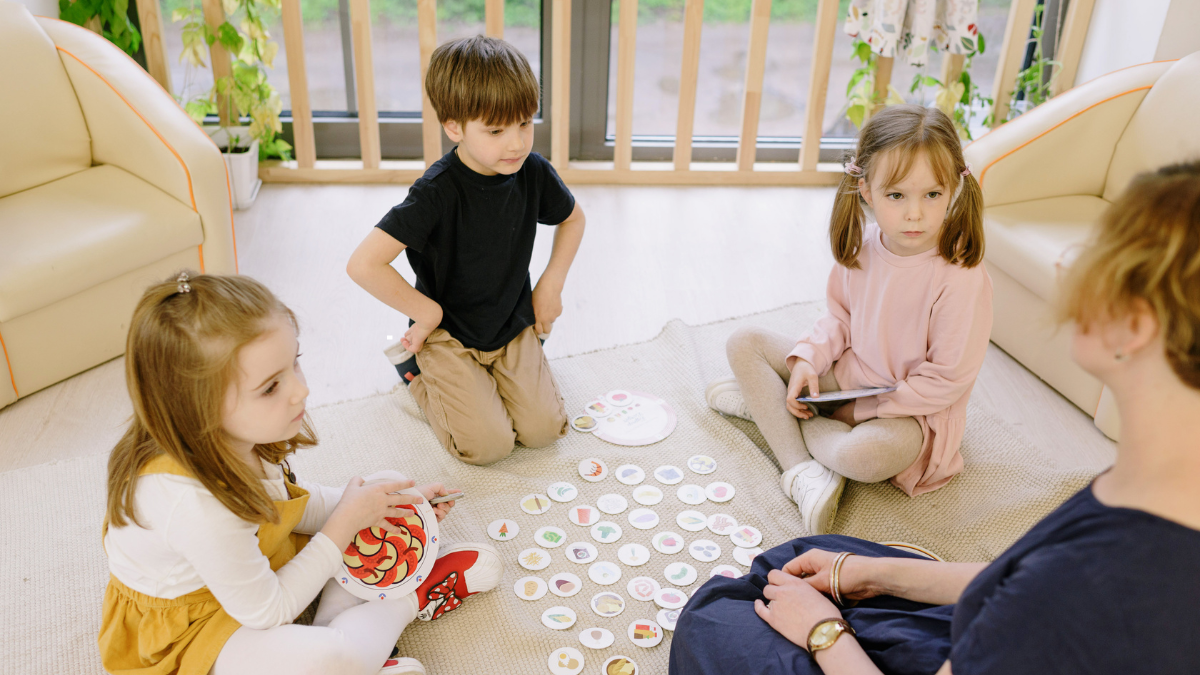


A child can explain black holes at dinner, then melt down when a drawing doesn’t look right. That contrast can leave you wondering why a smart child is so difficult to raise, but intelligence alone doesn’t make children harder to parent, and it doesn’t mean every bright child will struggle.
Advanced thinking can develop alongside age-typical patience and emotional control. Strong feelings, everyday expectations, or a poor fit at school can add strain, so context matters as much as ability.
Understanding that gap can help you see what may be driving the hard moments and respond with realistic expectations.
Why Are Smart Kids Often Difficult to Raise?
Intelligence alone doesn’t make a child difficult to raise, and research doesn’t show that every gifted child has emotional or behavior problems. Still, parents can feel worn down when a child’s abilities seem far ahead of their patience or independence. Uneven development can help explain that gap, but each child’s behavior also reflects temperament, daily circumstances, and the support around them.
“Smart” is an everyday term, not a single developmental profile. Schools, families, and researchers may define giftedness differently, and a test score captures only part of a child’s strengths and needs.
A bright child is still a child
A child may reason through a complicated science question yet struggle to wait, manage disappointment, or finish a routine task alone. That’s because advanced thinking doesn’t automatically bring mature judgment, patience, emotional control, or independence. Different abilities can develop at different rates, so a child may understand an idea well before they can cope with the frustration of putting it into practice.
For example, a child might explain why a bridge needs support, then erupt when a paper model collapses. Adults may see the explanation and expect the child to show the same level of self-control. But knowing why something failed doesn’t mean they can calmly handle the disappointment. The National Association for Gifted Children’s guidance on asynchronous development encourages adults to keep expectations appropriate to a child’s age, not just their reasoning ability.

Why family experiences can differ
Two children with similar abilities can behave very differently. Temperament affects how readily a child adjusts or reacts to frustration; family stress, sleep, routines, and relationships can also shape what a parent sees at home. A hard week or repeated conflict deserves attention, but it doesn’t prove that a child has a fixed “difficult” personality.
School fit matters, too. Work that feels repetitive or poorly matched to a child’s learning level may contribute to frustration, while a good fit and responsive support can ease daily strain. That possibility is worth discussing with the child and school, rather than treating boredom as the automatic explanation for every behavior.
Parents can look for patterns: when does the trouble happen, what came before it, and what helps the child recover? This kind of context keeps adults from mistaking advanced knowledge for a promise of advanced self-control. It can also make expectations more realistic, as discussed in this guide to setting realistic expectations for children.
How uneven development can turn everyday tasks into struggles
A child’s strengths can be striking, but they don’t develop in lockstep. Asynchronous development means a child may be far ahead in reasoning or academic knowledge while building motor, social, or emotional skills at an age-typical pace. That gap can make simple routines harder than adults expect.
When big ideas meet age-typical skills
A child might solve a challenging math problem aloud, then struggle to write the answer neatly. They may understand why a classmate needs a turn but find waiting frustrating, or follow a complicated conversation yet have a hard time when family plans change. These moments can feel baffling when adults focus only on what the child knows.

The mismatch can spill into home life. A child who has pictured a perfect project may become upset when their hands can’t make it look that way; another may argue about a rule they understand but still struggle to follow when tired or disappointed. Ability in one area doesn’t erase ordinary developmental limits in another. The National Association for Gifted Children describes this unevenness in its family guidance on gifted children.
When a task falls apart, it helps to ask what skill it requires beyond intelligence. Writing may involve fine-motor control and sustained effort, while handling a changed plan calls for flexibility and emotional regulation. Those abilities grow with practice and support, not simply because a child can reason well.
Why adults may expect too much
Teachers, relatives, and parents may hear a child speak with unusual vocabulary or explain a complex idea, then assume the child can also show exceptional patience and responsibility. As a result, a forgotten backpack or an emotional reaction may seem deliberate or immature in a way adults believe the child should have outgrown. The child may feel misunderstood, while adults grow frustrated by what looks like an inconsistency.
Instead, describe both the strength and the support the child still needs. For example: “She can explain the assignment, but she still needs help organizing the steps,” or “He understands the plan, but a warning before changes helps him adjust.” Clear examples help other adults respond to the child in front of them, rather than expecting every skill to match their strongest one.
Expectations should reflect age, context, and the specific task. A child can take on meaningful responsibility while still needing reminders, extra time, or help calming down. For practical ideas on age-appropriate behavior guidance, start with the skill the situation demands, then offer support that lets the child practice it.
Why intensity and perfectionism can make parenting feel harder
Some children react strongly when a mistake, an unfair moment, or a changed plan disrupts what they expected. That intensity can make ordinary setbacks feel enormous at home, especially when a child’s ideas move faster than their ability to manage frustration. However, intensity and perfectionism are not universal signs of giftedness, and a strong reaction alone doesn’t explain what is driving it.

When a small setback feels enormous
A child may become upset because the result falls short of the picture in their mind, because a rule feels unfair, or because disappointment arrives when they’re already tired. In that moment, a loud protest can reflect frustration or difficulty regulating emotion, rather than a calculated attempt to defy a parent. One outburst by itself is not evidence of a diagnosis.
For example, a child spends an hour building a tower, then yells and sweeps away the blocks when it collapses. The reaction may look out of proportion, but the child could be exhausted and unable to shift from the expected outcome. Pausing to understand what happened before correcting the behavior can reveal whether the child needs rest, help naming the feeling, or support trying again.
High standards can also be useful. A child who cares about doing careful work may persist, revise, and take pride in learning. Concern grows when fear of mistakes leads them to avoid challenging tasks, repeatedly redo work, or bring the same conflict into family routines. The National Association for Gifted Children’s guidance on perfectionism encourages parents to focus on effort and process rather than flawless results.
How to respond without feeding perfectionism
Start by acknowledging the feeling in plain language: “You wanted it to turn out differently, and you’re disappointed.” Then hold the boundary on behavior: “It’s okay to be upset. I won’t let you throw the blocks.” This approach recognizes the emotion without suggesting that hurtful actions are acceptable. For more ideas, see ways to help children understand their emotions.
When the child is calmer, make the next step small and manageable. You might ask whether they want help rebuilding, a short break, or a chance to try a different design. Avoid lengthy explanations during the outburst; a steady voice and a clear limit are easier to hear.
Praise the choices that build flexibility: starting a hard task, asking for help, accepting feedback, or returning after a mistake. Instead of saying only, “That’s perfect,” try, “You kept working when the first plan didn’t work.” This shifts attention toward learning and effort, rather than making approval depend on a flawless outcome.
If fear of failure, avoidance, or repeated family conflict keeps disrupting daily life, note when it happens and discuss the pattern with the child’s teacher or pediatrician. The goal is to understand what support the child needs, while keeping expectations tied to age and the situation.
How school mismatch or hidden learning needs may show up as behavior
A child who seems bright but resists schoolwork may be reacting to more than a lack of effort. Work that feels too easy or poorly matched to a child’s learning level can contribute to boredom, disengagement, or conflict, but those behaviors need context before anyone settles on an explanation.
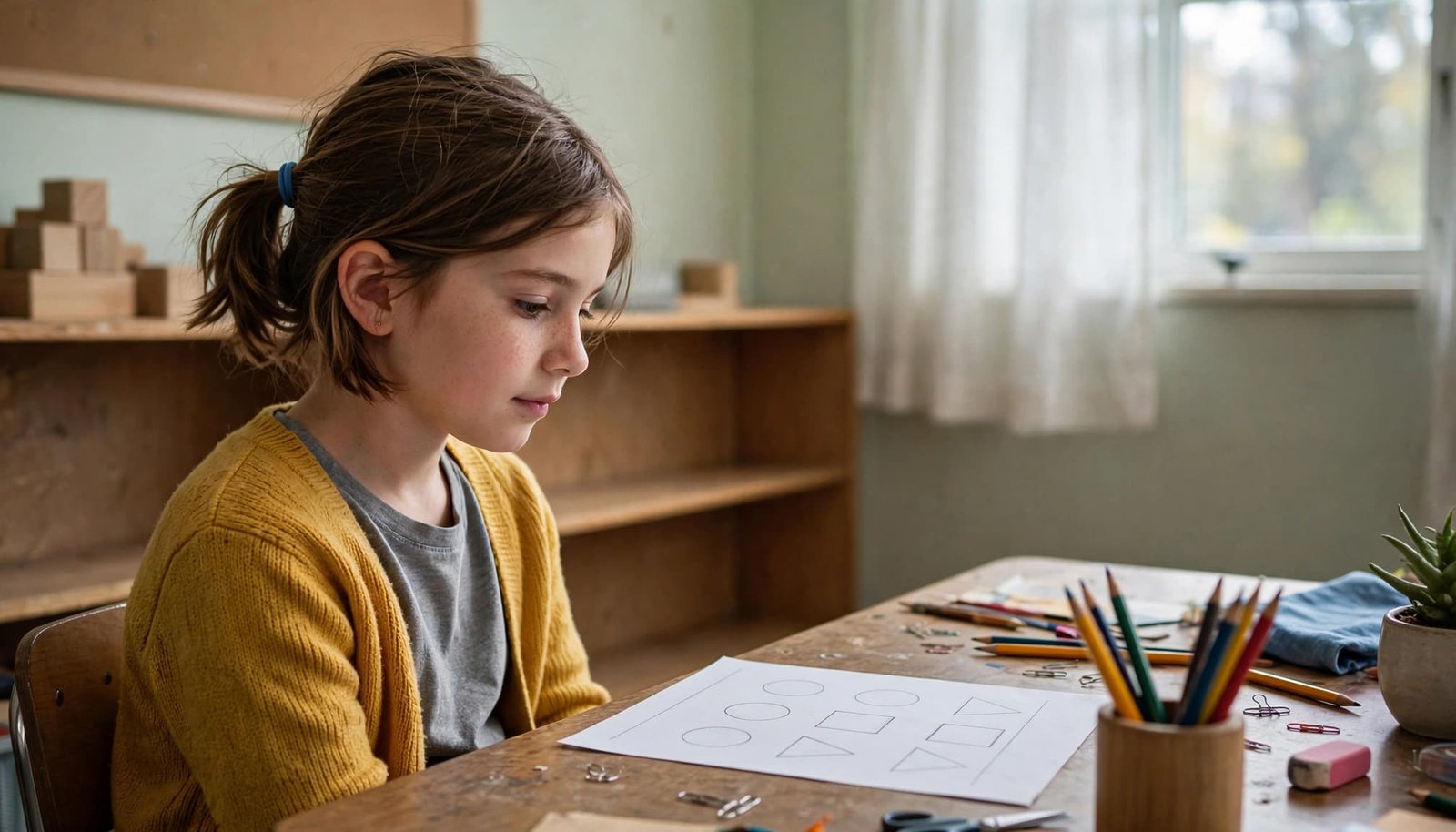
Look for the need behind boredom or pushback
Start with specific, open questions: “What feels easy in class?” “Which part gets confusing?” “When do you feel frustrated?” A child’s answers can help distinguish work that feels repetitive from instructions that are unclear, tasks that feel overwhelming, or a different source of stress.
Then compare those observations with what the teacher sees. Ask about the child’s engagement during different subjects, how they respond to challenging work, and whether they finish assignments or avoid starting them. If the work seems poorly matched, enrichment, a more suitable challenge, or another classroom adjustment may help. The right response depends on the child and the pattern, so boredom should be explored rather than assumed.
When a fuller assessment may help
Advanced ability and a learning need can exist in the same child. This is sometimes called twice-exceptionality: a child may show strong skills in one area while also having a disability or difficulty that affects learning. For example, a child may explain complex ideas but struggle to organize written work; that contrast alone does not identify the cause.
When concerns persist, affect learning or daily life, or appear alongside difficulties with emotions or friendships, discuss them with a qualified school or child-development professional. A fuller assessment can clarify both strengths and support needs, rather than reducing a child to a label. The National Association for Gifted Children’s assessment guidance emphasizes that identification should account for more than one measure and recognize that disability can coexist with advanced ability.
Behavior alone cannot diagnose a learning disability, ADHD, or another condition. Still, if attention or behavior concerns arise across home and school, specific observations to share when considering an ADHD assessment can help adults describe the pattern clearly. A thoughtful assessment should connect what the child can do with where they need help, so school and family responses fit the child more closely.
What parents can do to make home life calmer and more supportive
A calmer home doesn’t require every disagreement to disappear. Children do better when adults pair warmth with clear limits, allow independence to grow at an age-appropriate pace, and notice what sits behind a difficult moment.

Listen first, then set a clear boundary
When a child is upset, pause before correcting them. Name what you notice and ask what happened: “You seem frustrated. What was difficult?” Listening can reveal whether the trigger was a mistake, a change in plans, or feeling rushed. It also helps a child feel understood, even when their behavior needs to change.
Then explain the limit in calm, plain language. “You can be angry, but I won’t let you throw the game pieces. Let’s put them down and talk.” Understanding a feeling doesn’t mean allowing unsafe or disrespectful behavior. For more on helping children feel heard and understood, make room for their account before offering a solution. The American Academy of Pediatrics also recommends clear rules and positive parenting in its guide to healthy emotional development in children.
Build skills without expecting perfection
Large tasks can feel unmanageable even when a child understands exactly what needs to happen. Break homework, chores, or planning into visible steps: gather materials, complete one part, then take a short break. A brief checklist or a reminder before transitions can help, especially when organization or flexibility is still developing.
Offer choices where either option works, such as doing homework before or after a snack. Meanwhile, let the child practice asking for help, proposing a solution, or trying a coping strategy before you step in. Support interests for the pleasure and curiosity they bring, not as a test of achievement or a condition for approval. A child can be capable and still need practice. Peers, clubs, and activities built around shared interests can also give a child room to connect without requiring them to excel.
Know when your family needs more support
If conflict, distress, or exhaustion persists, or starts interfering with sleep, school, relationships, or daily routines, talk with your child’s pediatrician, teacher, or a qualified mental health professional. Bring a few concrete examples, including when the difficulty occurs and what helps; specific patterns are more useful than a general label like “difficult.”
Getting help is a practical step, not a sign that you have failed. A professional can help you sort out what may be driving the strain and identify support that fits your child and family.
Conclusion
Why are smart kids often difficult to raise? Sometimes their reasoning develops ahead of their emotional control, independence, or motor skills. Strong feelings, a poor fit at school, or expectations that outpace a child’s age can add strain, but intelligence alone doesn’t make a child difficult to raise.
The most helpful response is to look for the need behind the behavior, then meet it with warmth and clear, age-appropriate structure. With realistic expectations and support when concerns persist, a child’s strengths can grow without asking them to manage more than they’re ready for. Parents can also find practical ideas for supporting children’s emotional development at every age.
Save the pin for later


- Strawberry Crumb Bars with a Buttery Crust and Jammy Center - November 28, 2026
- Brown Butter Rice Krispie Treats - November 28, 2026
- No-Bake Peanut Butter Bars with a Smooth Chocolate Top - November 28, 2026