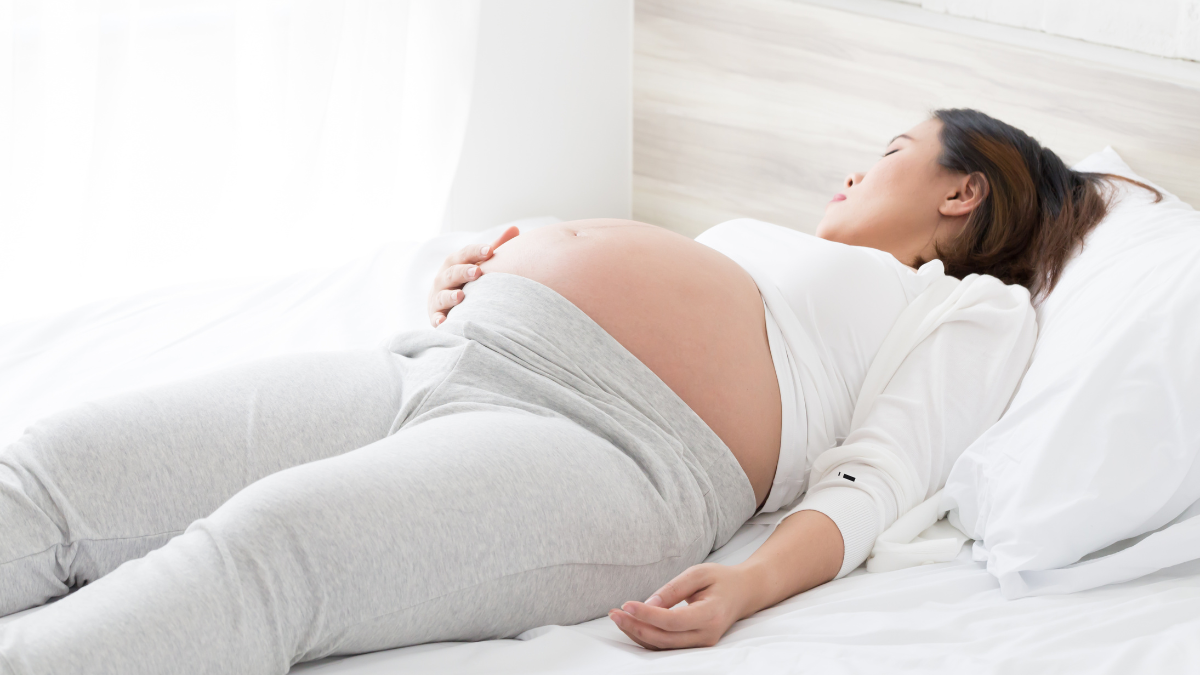
A normal workday can feel completely different during pregnancy. The commute leaves you winded, your back aches before lunch, and standing through one more meeting feels harder than it should.
Needing to stop working doesn’t mean you’re weak or failing. The right choice depends on your symptoms, your job demands, your pregnancy risks, and your OB-GYN’s or midwife’s advice. Work adjustments, extra breaks, lighter duties, or reduced hours may help, but some warning signs mean you should stop immediately and seek medical care.
This post covers 15 signs you should stop working during pregnancy, including severe fatigue, worsening back or pelvic pain, dizziness, bleeding, fluid leakage, regular contractions, trouble breathing, and symptoms linked to high blood pressure. You may also find these warning signs during pregnancy walks helpful when deciding whether a symptom needs attention.
If work no longer feels safe, contact your provider rather than pushing through another shift. Start with the everyday symptoms that can show your body needs more rest, then learn which signs require urgent or emergency care.
Signs You Should Stop Working During Pregnancy
Pregnancy symptoms vary, and a difficult workday doesn’t always mean you must quit immediately. However, symptoms that affect your safety, worsen during a shift, or prevent normal activities deserve a call to your OB-GYN or midwife. Your provider can recommend rest, lighter duties, schedule changes, or time away from work.
Your body is sending clear warning signals
Some symptoms make driving, standing, operating equipment, or finishing routine tasks unsafe. Stop working and seek medical advice if you notice:
- Severe exhaustion that doesn’t improve with rest. Feeling tired is common, especially early in pregnancy. Extreme fatigue that continues after sleep, causes confusion, or makes you unsafe behind the wheel needs medical attention.
- Dizziness, faintness, or trouble staying steady. Sit or lie down as soon as these symptoms begin. Don’t drive, climb ladders, use machinery, or work around heights while you feel unsteady. Fainting requires prompt medical advice.
- Repeated vomiting or inability to keep fluids down. Occasional morning sickness may not require time off, but ongoing vomiting can cause dehydration and weakness. Seek urgent care if you can’t keep water down, urinate very little, feel confused, or become faint.
- Painful contractions, pelvic pressure, or regular tightening before your due date. Occasional tightening may occur, but painful or regular contractions can indicate preterm labor. Stop your shift, rest, and contact your pregnancy care team promptly.
- Vaginal bleeding or leaking fluid. Any unexplained bleeding or a gush or steady trickle of fluid needs medical guidance. Heavy bleeding, severe pain, or fluid leakage with contractions requires emergency care.
The CDC’s maternal warning signs guide also lists dizziness, fainting, worsening headaches, vision changes, and severe swelling as symptoms that deserve prompt attention.
Bleeding, leaking fluid, fainting, severe vomiting with dehydration, and regular preterm contractions are reasons to stop working and call your provider. Seek emergency care when symptoms are severe.
Pain and movement problems make work unsafe
Mild aches can be part of pregnancy. Pain becomes a work safety issue when it limits walking, lifting, sitting, climbing, or sleeping.
6. Severe back pain that persists, spreads, or prevents you from changing position needs assessment.
7. Pelvic girdle pain or instability that makes walking, turning, or using stairs difficult may require reduced duties and physical support.
8. Swelling or pain that makes standing difficult should not be pushed through, especially during long shifts. Ask about sitting breaks and evaluation.
9. Shortness of breath, chest pain, or a racing heartbeat with light activity is not something to ignore. Stop exertion and get urgent medical advice. Chest pain or sudden breathing trouble can be an emergency.
10. Numbness, weakness, or difficulty using your hands or legs can make lifting, driving, climbing, or operating equipment dangerous. Sudden weakness requires emergency care.
Jobs with heavy lifting, repeated bending, kneeling, climbing, long periods of standing, or whole-body vibration may need immediate changes. If you regularly handle heavy household tasks too, review these unsafe chores during pregnancy and ask for help.
Medical, emotional, and workplace risks are affecting your health
Some signs involve your health, mental state, or working environment rather than one sudden symptom.
11. High blood pressure or possible preeclampsia symptoms need prompt care. Call your provider urgently for a severe headache, vision changes, sudden swelling, or upper abdominal pain.
12. Blood sugar problems or pregnancy-related diabetes can make shifts unsafe when meals, glucose checks, medication, or hydration are difficult to manage.
13. Severe anxiety, depression, panic, or emotional distress deserves medical support. If you may harm yourself or someone else, contact emergency services or a crisis line immediately.
14. Exposure to chemicals, radiation, infectious diseases, extreme heat, loud noise, or dangerous machinery may require reassignment. Report the hazard to your supervisor, occupational health professional, or healthcare provider.
15. Work demands that leave no time for food, water, bathroom visits, medication, or prenatal appointments can worsen symptoms and interfere with care. Tell your supervisor and provider before your health begins to suffer.
Which pregnancy symptoms mean stop now, and which mean call your provider?
Knowing when to stop working during pregnancy can feel confusing. Some symptoms improve after sitting, drinking water, or eating, while others need medical advice even if they fade. Use the severity, timing, and change from your normal pattern as guides.
Stop working immediately for emergency symptoms

Stop your task, move somewhere safe, and ask someone to stay with you if you feel faint or seriously ill. Don’t drive yourself if you have severe symptoms.
Call 911 or seek emergency care for:
- Chest pain, sudden trouble breathing, or coughing blood
- Heavy vaginal bleeding or severe abdominal pain
- A seizure, loss of consciousness, confusion, or sudden weakness
- A severe headache with vision changes, difficulty speaking, or weakness on one side
- A sudden feeling that something is seriously wrong
These symptoms can point to emergencies such as a blood clot, stroke, severe blood pressure problem, or pregnancy complication. The AIM urgent maternal warning signs also include fainting, worsening headaches, vision changes, fever, and thoughts of harming yourself or your baby.
If you might harm yourself or someone else, leave work and get immediate help. Call 911 or call or text 988 for the Suicide & Crisis Lifeline.
Don’t wait for a break to end or try to finish your shift first. Sit or lie on your side while you arrange help, especially if standing makes the symptoms worse.
Call your provider promptly for concerning changes
Some pregnancy symptoms don’t require an ambulance but still mean you should stop working and call your OB-GYN, midwife, or maternity unit. Your provider may want to check you the same day.
Call promptly if you have:
- Vaginal bleeding, watery leakage, or a sudden gush of fluid
- Regular tightening, painful contractions, pelvic pressure, or recurring low back pain before 37 weeks
- Severe vomiting that prevents you from keeping fluids down
- A fever of 100.4°F or higher, painful urination, or severe abdominal pain
- A severe or persistent headache, flashing lights, blurred vision, sudden swelling, or pain beneath your ribs
- Noticeably less fetal movement after you have established a usual movement pattern
After 20 weeks, headache, vision changes, upper abdominal pain, vomiting, and sudden swelling can occur with preeclampsia. Don’t wait for your next prenatal appointment if these symptoms appear together or feel intense.
Likewise, leaking fluid or regular contractions may mean labor has started. Your provider can tell you whether to monitor at home, report to the hospital, or come in for an examination.
Call for advice when symptoms keep returning
Milder symptoms still deserve attention when they repeatedly interrupt your workday. Call if dizziness returns despite rest, swelling keeps increasing, pain affects your walking, or fatigue makes driving and basic tasks unsafe.
Before you call, note when the symptom began, how long it lasted, what made it better or worse, and whether you noticed bleeding, fluid leakage, contractions, fever, or reduced movement. This information helps your care team triage the situation.
When you feel unsure, call. Pregnancy care teams expect questions, and being worried is enough reason to ask for guidance. It is safer to pause a shift than to ignore a symptom that keeps getting stronger.
How Your Job Can Raise the Risk During Pregnancy
Pregnancy doesn’t automatically mean you must stop working. For most people with uncomplicated pregnancies, work remains safe with sensible adjustments. However, certain job demands can place extra strain on your body or expose you to hazards that need attention.
Your risk depends on more than your job title. The number of hours you work, your pregnancy health, your physical environment, and your access to breaks all matter.
A desk job can become difficult when you sit without moving for long periods, while a healthcare, warehouse, restaurant, or construction job may involve lifting, standing, heat, chemicals, or infection exposure.
Physical demands can increase pain and exhaustion
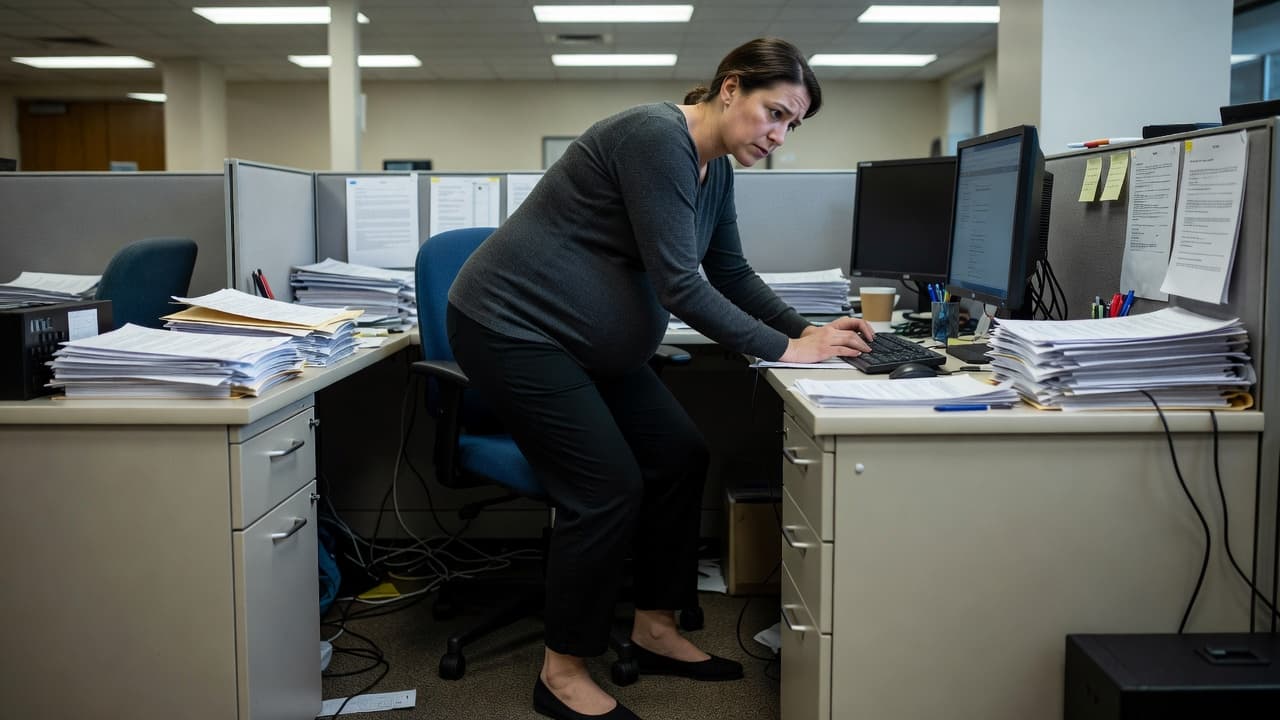
Jobs that require frequent lifting, carrying, pushing, pulling, bending, kneeling, climbing, or prolonged standing can worsen back pain and pelvic pressure. Repeated physical effort may also leave you dehydrated, dizzy, or too tired to travel home safely after your shift.
The risk rises when you cannot control the pace of your work. For example, lifting one light item may feel manageable, but repeating that task for hours can strain your back and pelvic floor. As your balance changes, ladders, slippery floors, uneven surfaces, and heavy equipment also become more dangerous.
Ask your provider whether you need limits on lifting, standing, climbing, or repetitive movements. You may need a nearby chair, shorter shifts, more frequent breaks, or temporary reassignment. If your provider recommends significant rest, review these reasons for bed rest during pregnancy and follow those instructions carefully.
Workplace exposures may affect you or your baby
Some jobs involve hazards that aren’t obvious until pregnancy changes your tolerance. A laboratory worker may handle solvents, a healthcare worker may encounter infectious diseases, and a manufacturing employee may work near loud noise, vibration, radiation, or heavy metals.
Tell your healthcare provider about every exposure at work, including the product name when possible. Your employer may need to review safety data, improve ventilation, provide protective equipment, or move you away from the hazard.
The American College of Obstetricians and Gynecologists’ employment guidance explains that workplace accommodations can help people with high-risk jobs or medically complicated pregnancies continue safely.
You should also report heat, poor air quality, and strong fumes. Don’t assume a mask or glove makes every exposure safe. The right protection depends on the substance, concentration, ventilation, and equipment.
Long hours and high stress can wear down your health
Night shifts, rotating schedules, overtime, and missed meals can make pregnancy symptoms harder to manage. When work leaves no time to drink water, use the bathroom, check blood sugar, take medication, or attend prenatal visits, your routine becomes a health concern.
High stress can also worsen sleep, headaches, anxiety, and blood pressure. A demanding shift may be manageable occasionally, but repeated strain deserves a conversation with your provider and supervisor.
Write down the tasks that trigger symptoms, how long they last, and which adjustments help. If your job still causes worsening pain, repeated dizziness, unsafe fatigue, or exposure to a known hazard, stop the task and seek medical advice before returning to the same conditions.
Try These Work Changes Before Taking Full Leave
Full leave may be necessary when symptoms are severe or your provider recommends it. However, a few practical changes can make work safer when your symptoms are uncomfortable but manageable. The goal is to reduce the tasks that trigger pain, fatigue, dizziness, or stress while protecting time for food, water, bathroom breaks, and prenatal care.
Start by tracking what makes your workday harder. Does standing for two hours increase pelvic pressure? Do early shifts worsen nausea? Does lifting leave you sore for the rest of the day? Specific examples make it easier to request a useful change.
Ask for temporary changes to your schedule

A later start, shorter shift, or predictable schedule may help you manage morning sickness, poor sleep, or prenatal appointments. You could also ask to avoid overtime, reduce night shifts, or work remotely for part of the week if your duties allow it.
Keep the request focused on the work change you need. For example, you might say, “A 30-minute break every few hours would help me manage dizziness and stay productive.” You don’t need to share every private medical detail with coworkers.
If early pregnancy symptoms are disrupting your routine, these tips for working through the first trimester may help you plan meals, rest, and daily tasks around your energy levels.
Reduce physical strain and workplace hazards
Ask to replace heavy lifting, repeated bending, climbing, or prolonged standing with lighter duties. A chair near your workstation, a cart for moving supplies, or help with heavy items can prevent a manageable ache from becoming disabling pain.
You may also need distance from chemicals, radiation, infectious materials, extreme heat, loud noise, or vibrating equipment. Tell your provider exactly what you handle at work, then share any recommended restrictions with your supervisor or occupational health team.
In the United States, the Pregnant Workers Fairness Act generally requires covered employers to provide reasonable accommodations for known limitations related to pregnancy, childbirth, or related medical conditions, unless the change creates an undue hardship. The EEOC’s pregnancy accommodation guidance includes examples such as extra breaks, sitting or standing adjustments, schedule changes, and temporary limits on lifting.
Protect time for basic needs and medical care
Your body shouldn’t have to compete with a busy schedule for water, food, or a bathroom. Ask for regular breaks if nausea, blood sugar changes, swelling, or bladder pressure makes uninterrupted work unsafe. Keep snacks and water within reach when possible, and arrange a private place to take medication or check glucose.
Put restrictions and schedule changes in writing. A short email can confirm what you discussed, when the adjustment begins, and when you’ll review it. Your provider may also write a note describing functional limits, such as avoiding lifting over a certain weight or taking seated breaks.
Review your leave paperwork early, especially if your symptoms continue to worsen. These maternity leave planning checklists can help you organize dates, employer forms, and your return-to-work plan.
Work changes should reduce symptoms, not hide a serious warning sign. If bleeding, fluid leakage, regular contractions, severe headache, chest pain, or fainting occurs, stop working and contact your care team.
How to Decide Whether You Need Sick Leave or to Stop Working Completely
Needing time away from work during pregnancy doesn’t always mean you must stop working for the rest of your pregnancy. The right choice depends on whether your symptoms improve with rest, whether your job can be adjusted, and whether continuing could harm you or your baby.
A short sick leave may give your body time to recover from dehydration, severe nausea, pain, or exhaustion. Permanent leave or medical disability leave may be more appropriate when your symptoms continue, your pregnancy is high-risk, or your job remains unsafe after reasonable changes.
Sick leave may be enough when symptoms are temporary

Sick leave can help when you need a few days away from work to stabilize your health. For example, your provider may recommend time off after repeated vomiting, a painful flare-up of pelvic girdle pain, a sudden blood pressure concern, or extreme fatigue that makes driving unsafe.
Before returning, ask what must improve first. You may need to keep fluids down, walk without severe pain, maintain normal blood sugar, or complete additional testing. Returning simply because you feel guilty can turn a short recovery period into a longer medical problem.
Your provider may also suggest a gradual return. That could include shorter shifts, seated work, no lifting, remote work, or extra rest periods. Under the Pregnant Workers Fairness Act, covered employers may need to provide reasonable accommodations for pregnancy-related limitations. The EEOC’s pregnancy accommodation guidance explains options such as schedule changes, additional breaks, and temporary lifting limits.
Use sick leave as a pause for recovery, not as permission to ignore serious symptoms. Bleeding, fluid leakage, chest pain, fainting, severe headache with vision changes, or regular contractions need medical guidance rather than a simple day off.
Full leave may be safer when work remains unsafe
Stopping work completely becomes more reasonable when symptoms return every time you work, prevent basic daily activities, or don’t improve after accommodations. Your provider may recommend full leave if you have complications, need frequent monitoring, require bed rest, or face a job hazard that your employer can’t remove.
Work may also be unsafe when you can’t reliably eat, drink, use the bathroom, take medication, check your blood sugar, or attend prenatal appointments. A desk job can become unmanageable if severe pain prevents sitting, while a physical job may remain dangerous even after lighter duties.
Ask your OB-GYN or midwife to describe your functional limitations in writing. A clear note might address standing time, lifting weight, shift length, travel, exposure to chemicals, or the need for unscheduled breaks. Your employer can then assess whether a safe position exists.
The U.S. Department of Labor explains that eligible employees may use FMLA leave for prenatal care or when a pregnancy-related condition prevents them from working. Review the FMLA maternal health information early because eligibility, paperwork, and job-protection rules vary.
For some women, the decision changes as pregnancy progresses. Increasing pelvic pressure, poor sleep, swelling, or reduced stamina may make late-pregnancy work much harder than early pregnancy. These third trimester pregnancy struggles can help you recognize when your usual workload no longer matches what your body can safely handle.
If your symptoms make work unsafe today, stop your shift today. Then ask your provider whether you need temporary rest, modified duties, or complete leave.
What to Do After You Decide to Stop Working
Deciding to stop working during pregnancy can bring relief, fear, or both. Once the decision is made, shift your attention from pushing through the workday to protecting your health and creating a clear leave plan.
You don’t need to solve everything in one afternoon. Take one step at a time, starting with medical guidance and workplace paperwork. A written plan can turn a stressful change into a manageable next chapter.
Contact your pregnancy care provider
Tell your OB-GYN or midwife that you stopped working, especially if symptoms caused the decision. Explain what happened during your shifts, which tasks made symptoms worse, and whether rest improves how you feel.
Ask whether you need an appointment, testing, activity limits, or a medical note. Your provider may need to document restrictions involving lifting, standing, driving, work hours, travel, or workplace exposures.
Seek urgent care for bleeding, leaking fluid, regular contractions, chest pain, sudden trouble breathing, fainting, severe headache, vision changes, or reduced fetal movement after you have established a usual pattern. Stopping work does not replace medical care when warning signs appear.
If your symptoms feel manageable but keep returning, track them for a few days. Record the time they begin, how long they last, and what helps. That record gives your care team a clearer picture than saying you simply feel worse.
Tell your employer and complete leave paperwork
Contact your supervisor or human resources department as soon as you know you cannot safely continue. Follow your employer’s leave process, and keep copies of emails, forms, medical notes, and approval notices.
Ask these questions in writing:
- What type of leave applies to your situation?
- Will you use sick time, paid time off, short-term disability, unpaid leave, or a state program?
- How will your health insurance premiums be handled?
- What date does your leave begin?
- What paperwork does your provider need to complete?
- What position and schedule should you expect when you return?
Eligible employees may receive up to 12 weeks of unpaid, job-protected FMLA leave for pregnancy-related incapacity, childbirth, and recovery. Eligibility usually depends on your employer’s size, your length of employment, and the hours you worked during the previous 12 months.
If you might return with reduced hours or other limits, review the EEOC’s pregnancy accommodation guidance. Covered employers may need to consider reasonable accommodations for pregnancy-related limitations.
Set up your home and financial plan
Stopping work can change your household budget quickly. Review upcoming bills, health expenses, leave payments, and insurance deductions. Check whether you have short-term disability coverage, unused paid time off, employer benefits, or state leave support.
You may also need help with meals, transportation, childcare for older children, laundry, or household chores. Ask specific people for specific tasks rather than trying to manage every responsibility alone.
Use your new time for rest and prenatal care, not to fill every hour with preparation. The second trimester checklist can help you organize leave planning, insurance details, and other pregnancy tasks without overloading your day.
Keep your recovery plan flexible. Your body may need more rest one day and a little activity the next, so let your symptoms and provider’s advice guide the pace.
Conclusion
Pregnancy can turn an ordinary workday into a series of warning signs, such as fatigue that follows you home, pain that keeps worsening, or dizziness that makes routine tasks unsafe. The strongest pattern is clear: symptoms that are severe, worsening, unsafe, or interfering with daily life deserve medical attention and a review of your work demands. You don’t have to prove how long you can push through a shift.
Some problems may improve with more breaks, lighter duties, schedule changes, or temporary leave. However, bleeding, leaking fluid, regular contractions, chest pain, sudden trouble breathing, fainting, severe headache with vision changes, and other emergency symptoms need urgent medical care. These signs are more important than finishing your workload or waiting for the next scheduled appointment.
If you’re noticing signs you should stop working during pregnancy, listen to what your body is telling you. Write down your symptoms, when they begin, and which tasks make them worse. Then contact your OB-GYN, midwife, or maternity care provider before your next shift when work no longer feels safe. Protecting your health is the priority, not proving how long you can endure a workday.
Save the pin for later

- How to Help a Child Deal With Anxiety at Home - September 12, 2026
- How to Prepare Your Child for the First Day of School - September 12, 2026
- Age-Appropriate Chores for Kids by Age Group - September 12, 2026