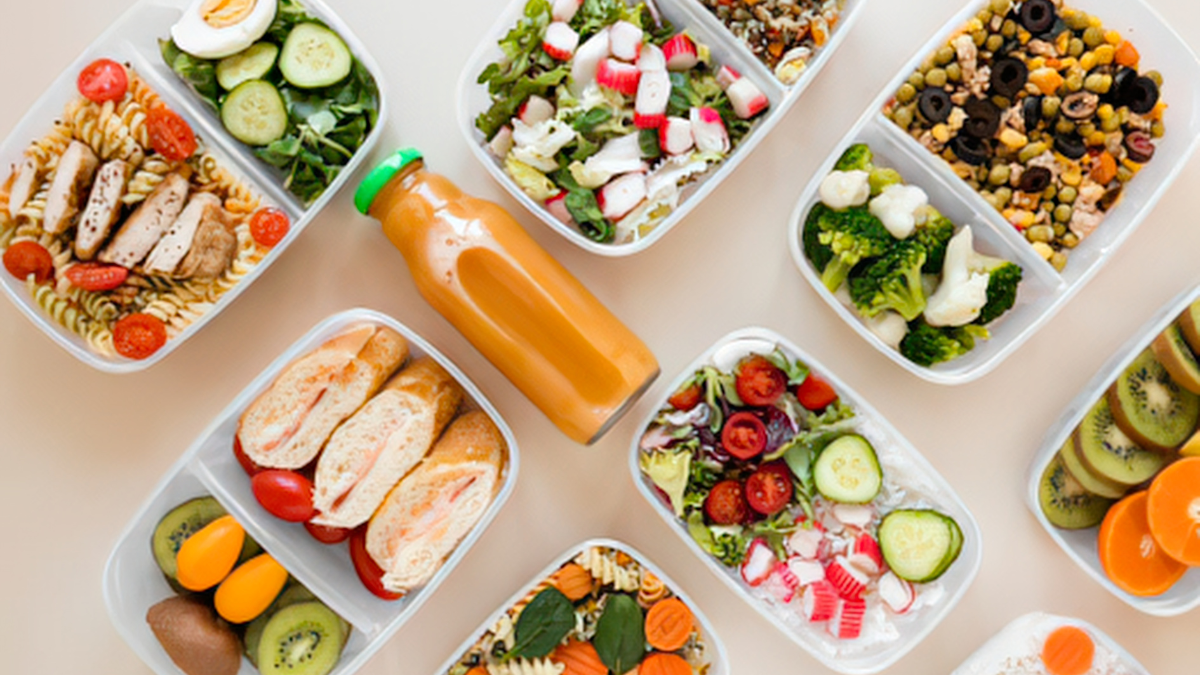

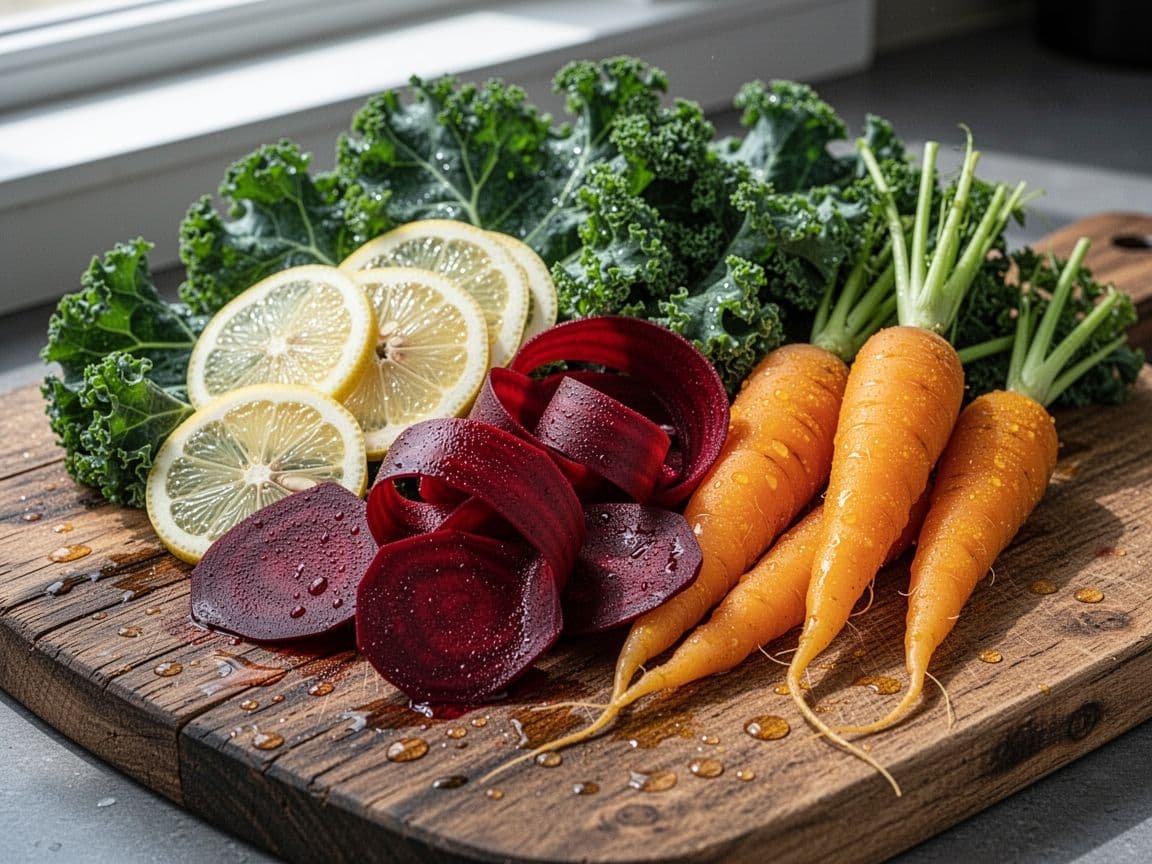
You likely spend your day making sure everyone else in your house is fed, rested, and ready for their next adventure. Amidst the chaos of school runs and work deadlines, it is easy to forget that your own body, and the bodies of your children, have a silent hero working tirelessly behind the scenes. Your liver acts as a built-in filter, processing everything you consume to keep energy levels steady and your digestion on track.
When you focus on the right ingredients, supporting this vital organ doesn’t have to mean adding complex chores to your already busy schedule. You can build wellness habits for busy moms that naturally include liver-friendly choices for the whole family. This post covers 10 simple, nutrient-dense foods that make protecting your family health both easy and delicious.
Why liver-friendly food matters for the whole family
Choosing foods that support your liver is not just about one person in the house. It is a simple way to boost the health of everyone you love. When you prioritize nutrient-dense meals, you provide your family with the steady energy they need to play, learn, and grow.

What the liver does behind the scenes
Think of your liver as the ultimate, tireless clean-up crew for your body. It sits quietly inside your abdomen, working every second to keep you feeling your best. This organ processes the nutrients from every bite you take, turning them into the energy your body needs to function. It also acts as a sophisticated filter that catches waste and unwanted substances, ensuring they don’t circulate through your system. Beyond cleaning, it creates important tools like bile, which helps your stomach break down fats during digestion. By keeping the liver happy with good fuel, you help it manage these essential tasks more efficiently. This internal support system translates directly to your daily life, keeping your energy stable and your digestion comfortable.
Why family meals can support liver health
You might worry that supporting liver health requires special diets or complicated food rules. The truth is, kids don’t need restricted plans. They thrive on the same balanced, whole-food approach that benefits adults. When you put a colorful plate on the table featuring fiber, healthy fats, and fresh produce, everyone wins.
Small, consistent swaps in the kitchen create a ripple effect of health for the entire family. You can replace sugary drinks with water or swap fried sides for roasted vegetables. These changes aren’t about achieving perfect nutrition overnight. Instead, focus on the small victories that make shared meals better for everyone. For more guidance on creating meals that satisfy everyone, check out these nutritional needs for plant-based kids.
Consistency matters far more than perfection when you build these habits. If you are curious about broader guidelines for balancing your intake, you can find helpful information on maintaining a balanced diet from trusted health resources. By keeping the focus on real, simple foods, you teach your children that eating well is a natural, enjoyable part of being a family.
The 10 foods that support liver health for kids and adults
Building a menu that loves your liver back is often simpler than you think. You don’t need exotic ingredients or a total pantry overhaul. By adding these ten staples, you provide your family with the fiber, healthy fats, and antioxidants needed to keep that internal filter running strong.
Oatmeal makes a gentle, fiber-rich start
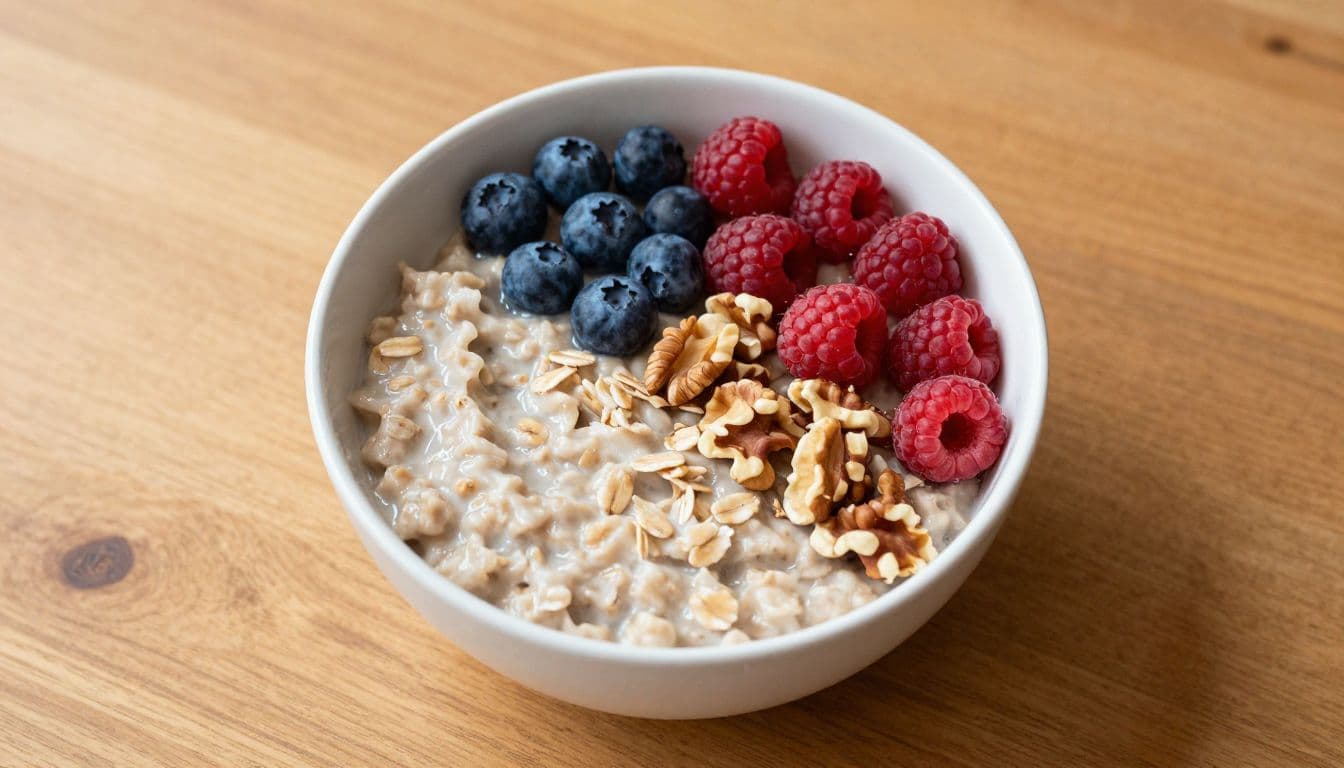
Oatmeal is an ideal way to kick off the day because it is packed with fiber. This fiber helps the digestive system stay regular and keeps the liver from working overtime to process excess sugar. It creates a satisfying, long-lasting energy boost that carries kids through school and adults through morning meetings.
Swapping out sugary boxed cereals for a warm bowl of oats is a small change with a massive payoff. You can keep it exciting by topping the oats with fresh fruit, a dash of cinnamon, or even a small handful of walnuts. It becomes a versatile, cozy foundation for a busy morning.
Berries bring color and antioxidants
Blueberries, strawberries, and raspberries are tiny powerhouses of nutrition. They contain high levels of antioxidants that help protect the liver from oxidative stress. Because they are naturally sweet and vibrant, they are an easy win for lunchboxes or a quick morning snack.
You can toss a handful into a yogurt bowl or blend them into a morning smoothie. Even when you are short on time, these fruits require almost no prep to provide a boost that benefits both growing kids and busy parents.
Broccoli and other cruciferous vegetables do the heavy lifting
Broccoli, cauliflower, and Brussels sprouts are stars of the kitchen. These vegetables contain compounds that are strongly linked to improved liver function and natural detoxification. While they might occasionally get a tough review from picky eaters, they become much more approachable when prepared with a bit of creativity.
Try roasting them with a splash of olive oil until they turn crispy and golden. You can also finely chop them to hide them in your favorite pasta sauce or stir-fry dishes. The goal is to keep them on the plate often so they become a standard, expected part of family meals.
Beans add fiber and plant protein
Black beans, kidney beans, chickpeas, and lentils are incredibly budget-friendly pantry staples. They offer a perfect mix of fiber and plant-based protein, which keeps the body feeling full without taxing the liver. These legumes are flexible enough to work in almost any dish, from hearty soups to quick wraps.
You can mix them into rice bowls or toss them into a salad for added texture. For those days when you need a simple family meal prep guide, keeping a few cans of rinsed beans on hand makes dinner come together in minutes.
Nuts, fatty fish, olive oil, avocado, leafy greens, and yogurt in everyday meals
The rest of your liver-friendly kitchen relies on healthy fats and gut-supporting nutrients. Including these in your routine ensures your family receives the wide range of fuel their bodies require.
- Healthy Fats: Olive oil and avocado are packed with monounsaturated fats. Use them for salad dressings or as a creamy toast topper.
- Omega-3s: Fatty fish like salmon and tuna provide oils that reduce inflammation. They work perfectly in fish tacos or simple baked fillets.
- Crunchy Fuel: Unsalted nuts are ideal for snacking on the go. They provide the right fats to keep everyone alert.
- Leafy Greens: Spinach and kale are loaded with essential minerals. You can blend them into sauces or sautée them as a quick side.
- Probiotic Support: Plain yogurt with live cultures supports the gut-liver axis. It acts as a perfect base for fruit-filled parfaits.
Focusing on these foods is a great way to start encouraging healthy eating habits for children. When you incorporate these ingredients, you naturally steer your family toward a diet that prioritizes long-term health and stable energy. For more detailed clinical perspectives on why these choices matter, WebMD provides a helpful guide on the best and worst foods for your liver.
Easy ways to serve liver-friendly foods without a fight
Bringing nutrient-rich ingredients into your family kitchen does not have to be a battleground. You can shift the focus from strict rules to positive experiences by keeping your approach simple and consistent. When you involve your children in the process, you turn healthy habits into shared family activities rather than mandatory chores. Remember that kids often need multiple exposures to new foods before they feel comfortable trying them, so keep showing up and offering variety with a relaxed attitude. For more strategies on navigating these moments, you can look into these suggestions for avoiding mealtime power struggles.

Build meals with one simple formula
You can take the guesswork out of mealtime by using a reliable, balanced plate formula. This method ensures everyone gets the fuel they need without requiring you to measure or track everything. Aim to fill your plate with these four core components:
- A grain or starch: Brown rice, quinoa, or whole-wheat pasta offer lasting energy.
- A quality protein: Beans, fish, or lean poultry provide the building blocks for growth and repair.
- Colorful produce: Include at least one fruit or vegetable to add vital antioxidants and fiber.
- Healthy fat: A drizzle of olive oil, a scoop of avocado, or a sprinkle of nuts adds flavor and supports nutrient absorption.
This approach is flexible enough to adapt to whatever you have in your pantry. When you keep the structure basic, you can build a satisfying meal in minutes, which is exactly what a busy parent needs.
Make kid-friendly swaps that still taste good
Small, intentional changes are often the best way to upgrade your family diet without resistance. Focus on swapping familiar processed items for nutrient-dense alternatives that provide similar comfort. You might try trading sugary breakfast cereals for warm, hearty oatmeal topped with fresh berries. Instead of relying on fast-food tacos, cook up a batch of seasoned bean tacos with plenty of toppings at home.
When you offer roasted broccoli tossed in a little olive oil and sea salt, it becomes a crispy, savory snack that even picky eaters might enjoy. You can also offer yogurt topped with fruit instead of heavy, processed desserts. These swaps aren’t about being perfect; they are about making small wins that build long-term habits. You can learn more about how encouraging natural preferences helps children develop better relationships with food over time.
Use snacks to add nutrition without extra stress
Snacks are a perfect way to sneak in extra liver-supporting nutrients when you are short on time. Keep these options simple, whole-food based, and readily available in your kitchen. A small bowl of berries served with plain yogurt provides a boost of antioxidants and probiotics that are great for gut health. Apple slices paired with a spoonful of almond or peanut butter create a classic, filling snack for mid-day slumps.
For a savory option, try hummus served with crunchy cucumber, bell pepper slices, or snap peas. Avocado toast on whole-grain bread is another quick, fiber-rich win. If you have very young children, remember to cut round foods or serve nut butters thinly spread to maintain age-appropriate safety. These small, frequent nutrient boosts keep energy stable all day long, helping you and your kids avoid the mid-afternoon crash. Avoiding the pressure to force clean plates is just as important as the food itself; you can find helpful advice on why flexibility matters at the table.
Foods and habits that can work against liver health
While focusing on nutritious, whole foods is the best way to support your liver, it is also helpful to recognize which habits might add extra stress to this hard-working organ. Your liver processes everything you consume, including the sugars and fats that show up in daily life. You don’t need to aim for perfection or eliminate every treat, but being aware of what you choose to limit helps your liver function with more ease. By making small, thoughtful adjustments, you can create a kitchen environment that prioritizes long-term health for everyone in your home.
Why sugary drinks are an easy place to cut back
Sugary drinks are often the biggest source of hidden sugar in a modern diet. When you consume high amounts of fructose, which is found in sodas and many sweetened juices, your liver has to work extra hard to process it. Instead of using that energy immediately, the liver often converts the excess sugar into fat. Over time, this fat can accumulate and create unnecessary strain on your internal filter.

Cutting back on these drinks is one of the simplest wins for family health. You don’t have to settle for plain water if it feels boring. Try these family-friendly alternatives:
- Infused water: Add cucumber, lemon, or fresh berries to a large pitcher for a natural, subtle flavor.
- Sparkling water: A splash of 100% fruit juice in plain sparkling water provides a festive bubble without the heavy sugar load.
- Milk or dairy alternatives: These offer protein and calcium, which are more sustaining than sugary liquid calories.
Prioritizing these options keeps hydration simple and effective. You can find more information about dietary impacts on your body to better understand why choosing water makes such a difference.
How to keep fried and processed foods as the exception
Many of us rely on convenience foods to get through busy days, but these items often contain high levels of refined fats and sodium. While eating a fried meal occasionally isn’t a disaster, making them a daily staple forces your liver to manage more than it needs to. It is all about balance rather than shame or total restriction.
Try using your oven or air-fryer for a lighter take on family favorites. Roasting chicken or air-frying vegetable strips creates a satisfying crunch without the deep-fried oil. When you do reach for packaged convenience items, simply aim to keep them as occasional treats rather than the foundation of your meal plan. By keeping these foods in the occasional category, you leave plenty of room for nutrient-dense ingredients that actively help your liver thrive. You can learn more about how certain foods can harm the liver to keep your focus on what truly nourishes your family. Small limits today create a much stronger foundation for the health of your children in the years to come.
Simple shopping and meal-planning tips for busy parents
Planning meals while managing a household often feels like a puzzle with missing pieces. You can turn this chaos into a rhythm that supports your family health by choosing simple habits over complex systems. Small, intentional moves allow you to stock your kitchen with foods that serve your body rather than adding stress to your day. When you shift your focus toward efficiency, you reclaim time for yourself and your children.
What to keep in the kitchen most weeks
Building a liver-friendly kitchen starts with having the right ingredients ready when you need them. You do not need an endless pantry to cook well, as a handful of versatile staples makes most meals possible. Keeping these basics on hand provides a foundation for quick, nourishing dinners that fit your schedule.
- Whole grains: Oats, brown rice, and quinoa are excellent choices because they offer steady energy without spiking your blood sugar.
- Protein-rich legumes: Beans, chickpeas, and lentils stay shelf-stable for months and provide fiber, making them perfect for soups or quick salads.
- Frozen produce: Bags of frozen berries, broccoli, and spinach are just as nutrient-dense as fresh options, and they prevent waste when plans change.
- Healthy fats: Extra virgin olive oil, raw walnuts, and almonds bring essential nutrients to your meals while keeping everyone satisfied longer.
- Gut-friendly dairy: Plain yogurt serves as a base for snacks, dressings, or breakfast bowls, offering the probiotics your gut needs to function at its best.
When these items remain visible and accessible, the temptation to rely on pre-packaged meals fades. You essentially create a safety net for your weekly routine, ensuring that even on your most tired days, a healthy meal is within reach.
How to make healthy eating easier on school nights
Weeknights require a different approach to ensure you aren’t stuck in the kitchen for hours. Focus on small actions that save your future self time, such as prepping components rather than entire meals. When you wash and chop vegetables as soon as you get home from the store, you remove the biggest barrier to healthy cooking.
Batch cooking is another habit that changes the pace of your evening. If you boil a large pot of grains or roast two trays of vegetables on a Sunday, you have the building blocks for several lunches or dinners. These prepped pieces act like culinary “lego blocks” that you can combine in endless ways.
You should also lean into repeat meals that your family enjoys. Rotating between three or four simple favorites reduces the mental energy you spend deciding what to cook every single night. If Tuesday is always a bean-based taco night, the routine becomes a comforting habit instead of a chore. Choosing to simplify your menu is not a sign of laziness, but a smart way to protect your focus and your family energy.
Conclusion
Improving liver health does not rely on one perfect meal or a sudden, dramatic change. It grows from the steady, simple habits you bring to your kitchen table every week. You do not need to overhaul your entire pantry or change your life overnight to see results.
Focus on small wins instead, like adding a handful of berries to breakfast or swapping a sugary drink for infused water. These consistent, minor adjustments build a foundation that supports your body and your children’s energy for years to come. Choosing a few of these foods regularly creates a lasting rhythm that keeps your family feeling their best.
Save pin for later


- What Causes a Flat Head Shape in Babies? - September 20, 2026
- Baby Massage for Gas Pain: Step-by-Step Instructions - September 20, 2026
- Newborn Skin Peeling: Common Causes and Warning Signs - September 20, 2026