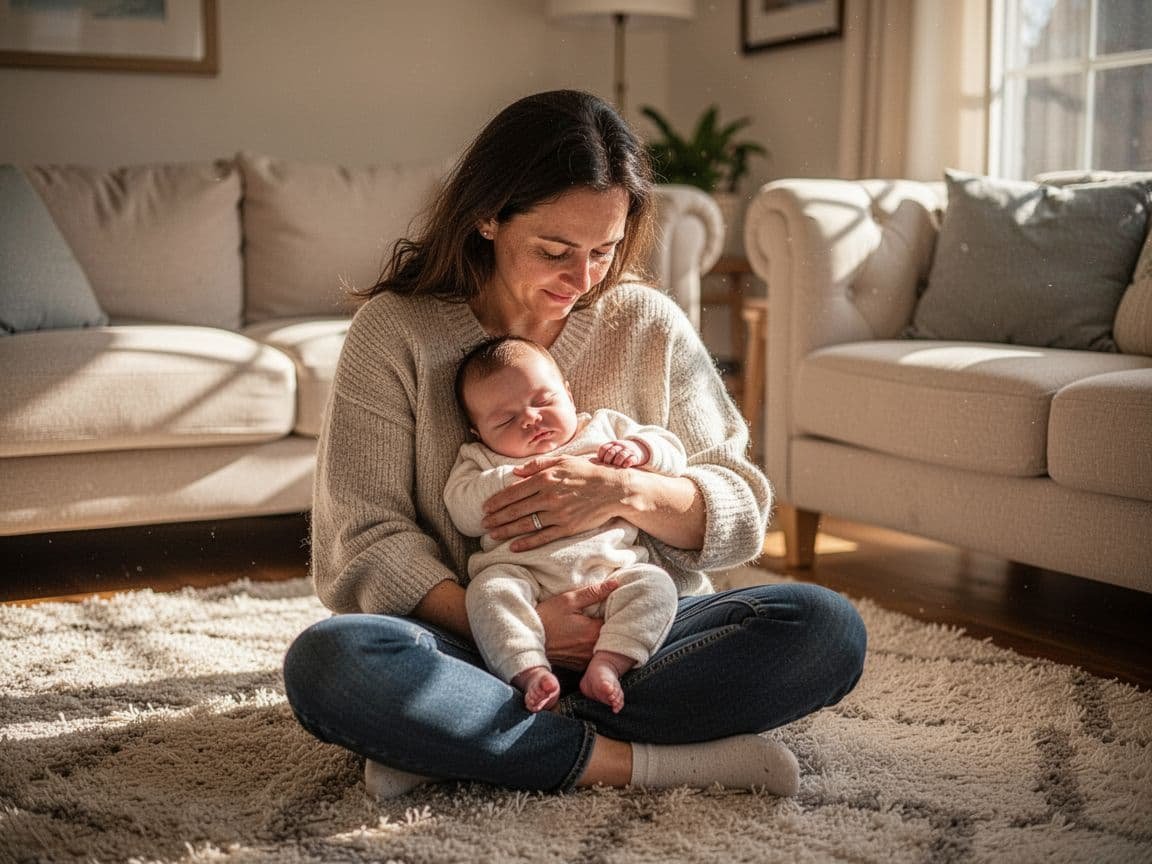
Babysitting is often a balancing act between keeping children safe and ensuring they remain entertained. When you are prepared with a few simple ideas, you can turn a routine evening into a memorable time that keeps kids happy, calm, and engaged.
The best age-appropriate activity ideas for kids rely on common household items rather than expensive supplies or complicated plans. Whether you need something to burn off energy or a quiet task for winding down, having a variety of tricks up your sleeve helps you feel confident in any situation.
You can use these strategies to manage children of all ages, from toddlers to tweens, with ease. To see how these concepts come to life, watch this video on entertaining children while babysitting. Below is a guide to keeping kids busy and cheerful through indoor play, outdoor adventures, and low-prep projects.
What makes a great babysitting activity feel fun, easy, and safe
Great activities are the bridge between a chaotic evening and a smooth, enjoyable time. A successful plan balances the child’s energy with your own capacity to manage the space. You want ideas that allow kids to move, create, or pretend without needing a complete overhaul of the house. The best approach is to stay flexible, choosing play that matches the current vibe of the room and the mood of the child.
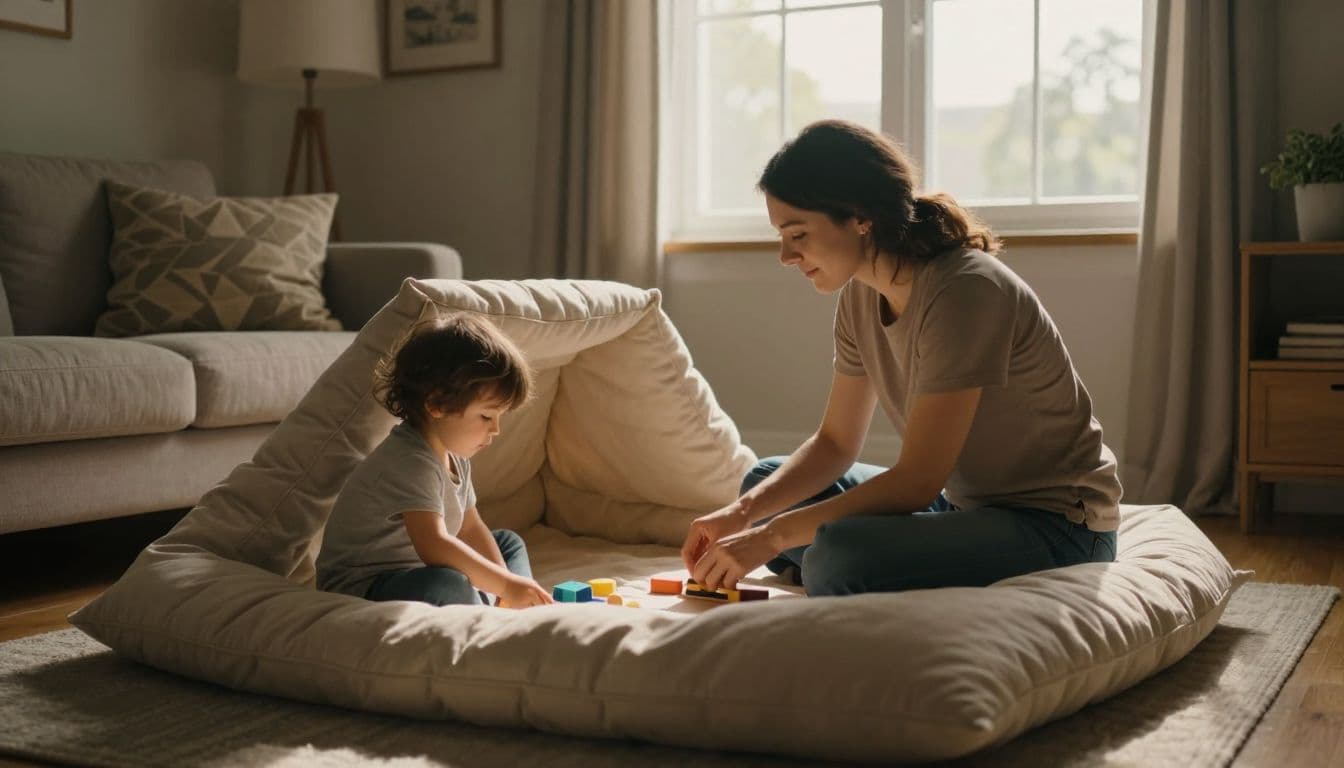
Pick activities that match the child’s age and mood
Developmental stages change how children interact with the world around them. Babies and toddlers thrive on sensory experiences, like feeling different textures or stacking soft blocks. Preschoolers often jump into imaginative play, where a simple box becomes a spaceship or a castle. Meanwhile, older children usually prefer challenges, creative projects, or games that require a bit of strategy.
Always check the energy in the room before you start. If a child is restless, look for active play like a living room obstacle course. If they are winding down, offer calm activities like reading or drawing. By watching their mood, you keep the flow natural and avoid frustration.
Keep the setup simple so you can start fast
Babysitting goes much better when you don’t spend an hour preparing supplies. Lean on items you already have on hand, such as paper, crayons, cushions, or tape. A game doesn’t need to be complex to hold a child’s attention. In fact, simple tasks are often the most rewarding because they invite children to use their own imagination.
You can find plenty of screen-free indoor activities for kids that require almost zero cleanup. When the setup is quick, you save your energy for the actual interaction. Keep a few versatile tools in your bag, like a deck of cards or a small sketchpad, to jump into fun whenever the moment feels right.
Choose safe play that still feels exciting
Safety creates the foundation for a relaxed and happy environment. Always scan the space for small objects that could pose a risk for younger children. Ensure that all craft supplies are non-toxic and keep an eye on how play progresses, especially during active moments. Setting a few clear, kind rules at the start helps children feel secure and allows you to enjoy the time with them.
You can explore 100 fun activities for kids to find games that emphasize both engagement and safety. When you feel confident about the safety of an activity, your calm energy naturally rubs off on the child. This creates a space where everyone feels free to play, laugh, and focus on the fun at hand.
Baby sitting activities ideas for babies and toddlers
Caring for the youngest ones requires a shift in pace. Babies and toddlers view the world through their senses, finding wonder in simple movements, sounds, and textures. When you act as a calm and present guide, you turn an ordinary afternoon into a period of gentle exploration and discovery. These activities prioritize safety and connection, ensuring the little ones stay comfortable while keeping their curiosity piqued.
Gentle baby play that uses sounds, textures, and faces
Babies thrive when they interact with a familiar, soothing presence. They learn about the world by watching your expressions and hearing your voice. Simple, repetitive interactions build a sense of security and allow them to engage in ways that match their developmental needs.
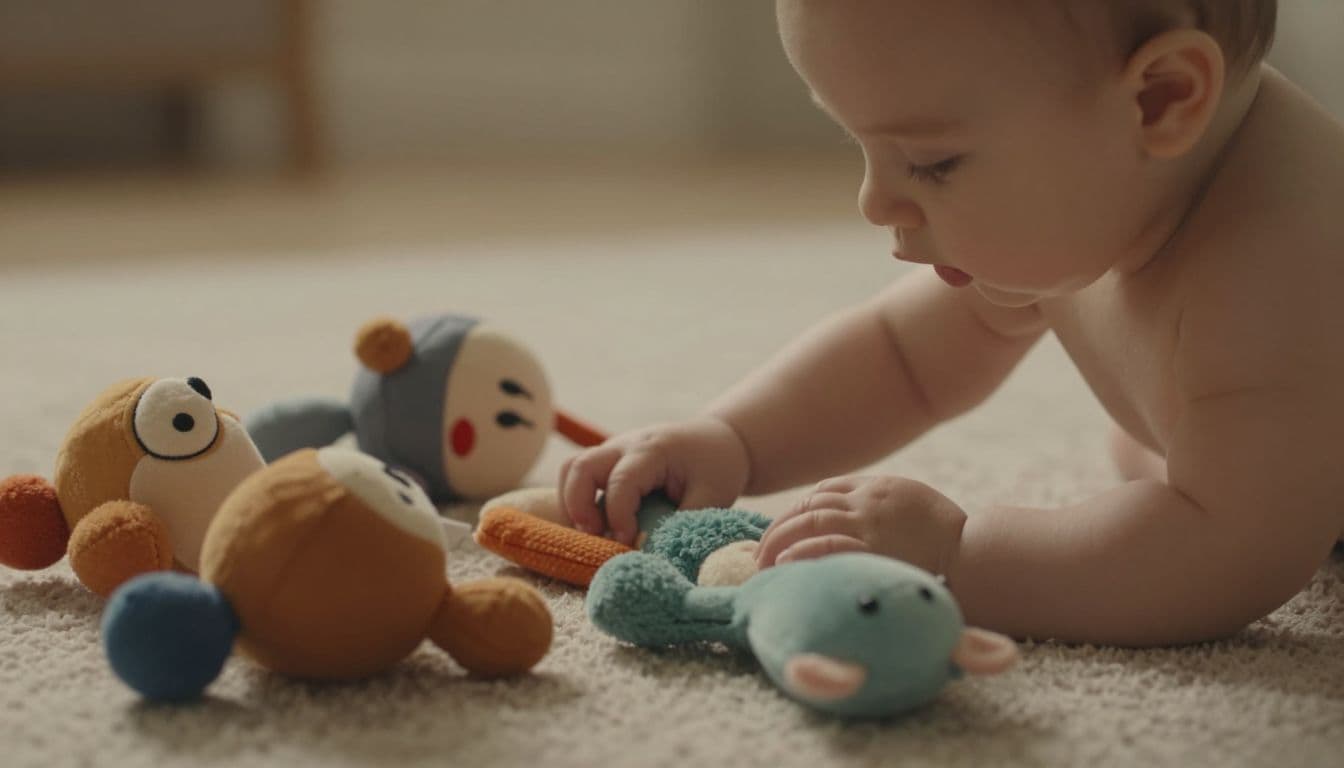
You can easily spark joy with these techniques:
- Peekaboo: This classic game teaches object permanence and never fails to get a giggle. Simply cover your face with your hands or a soft cloth, then reveal yourself with a warm, welcoming smile.
- Face-to-face talk: Get down on the floor to meet them at their level. Babies love watching your mouth move and hearing the soft rhythms of your voice, so narrate your day or make gentle cooing sounds back to them.
- Singing with motions: Use your hands to perform simple movements while you sing familiar nursery rhymes. This rhythmic combination of sound and touch helps them stay engaged and happy.
- Safe texture play: Offer clean, interesting objects like a silk scarf, a soft plush toy, or a bumpy rubber ball. Let them reach out and explore how these different surfaces feel against their skin.
Using engaging play activities for babies 1 to 12 months helps you structure your time while keeping the experience grounded in their current abilities. Remember to keep movements slow and steady, as overstimulation can sometimes tire a baby out quickly.
Toddler favorites that burn energy without causing chaos
Toddlers move fast and think faster. Their energy is infectious, yet they need structured outlets to prevent total household disarray. The key is to offer quick, engaging bursts of activity that keep their bodies moving but remain easy for you to manage.
- Dance and freeze: Play a favorite song and encourage everyone to move. When you pause the music, everyone must freeze in place. This helps them practice self-control while shaking off extra energy.
- Bubble play: Blow bubbles in an open space and let them chase or pop them. This is an excellent way to keep them occupied for a few minutes while you supervise nearby.
- Simple stacking: Provide plastic cups, soft blocks, or empty nesting boxes. The act of building a tower only to knock it down provides endless entertainment and encourages focus.
- Big-item scavenger hunts: Ask them to find three things that are blue or items that are soft. This turns a simple cleanup or room change into an active mission that engages their brains.
Keep your plans loose and flexible. Toddlers often decide an activity is finished before you expect, so be ready to transition gracefully from one idea to the next.
Early learning games that feel like play
Language development happens in the small, quiet moments of the day. You don’t need a formal lesson plan to teach a toddler new words or concepts. Instead, weave learning into your play so it feels like a natural conversation or a shared game.
Point to household items or body parts during your interactions to help them learn names. Use picture books as a focal point, asking them to identify animals or colors on the page. You might also try sorting games, like placing red blocks in one pile and blue blocks in another, to reinforce basic visual recognition.
When play feels like a natural part of your time together, toddlers build focus and vocabulary without even realizing they are learning. This relaxed approach keeps them engaged and ensures the transition from playtime to nap or mealtime stays peaceful and clear. For more inspiration, check out 35 easy activities for babysitters to find ways to make every moment count.
Creative Babysitting Activities for Preschoolers and School-Age Kids
When children outgrow simple toddler games, they crave more room to stretch their imaginations and test their independence. The best activities for this age group invite kids to take the lead while you provide the spark. By focusing on projects that offer a sense of accomplishment or a chance to invent new realities, you keep them engaged and happy for long stretches.
Pretend play that turns an ordinary room into a little world
Preschoolers and school-age kids love to lose themselves in make-believe. Whether they are running a pretend restaurant or leading a superhero mission, this type of play allows them to build complex social and emotional skills through the power of imagination. You don’t need expensive props to make it happen, either. A few kitchen chairs and a bedsheet easily transform into a grand fortress, while a plastic spatula and an apron are all a chef needs to open a five-star kitchen.
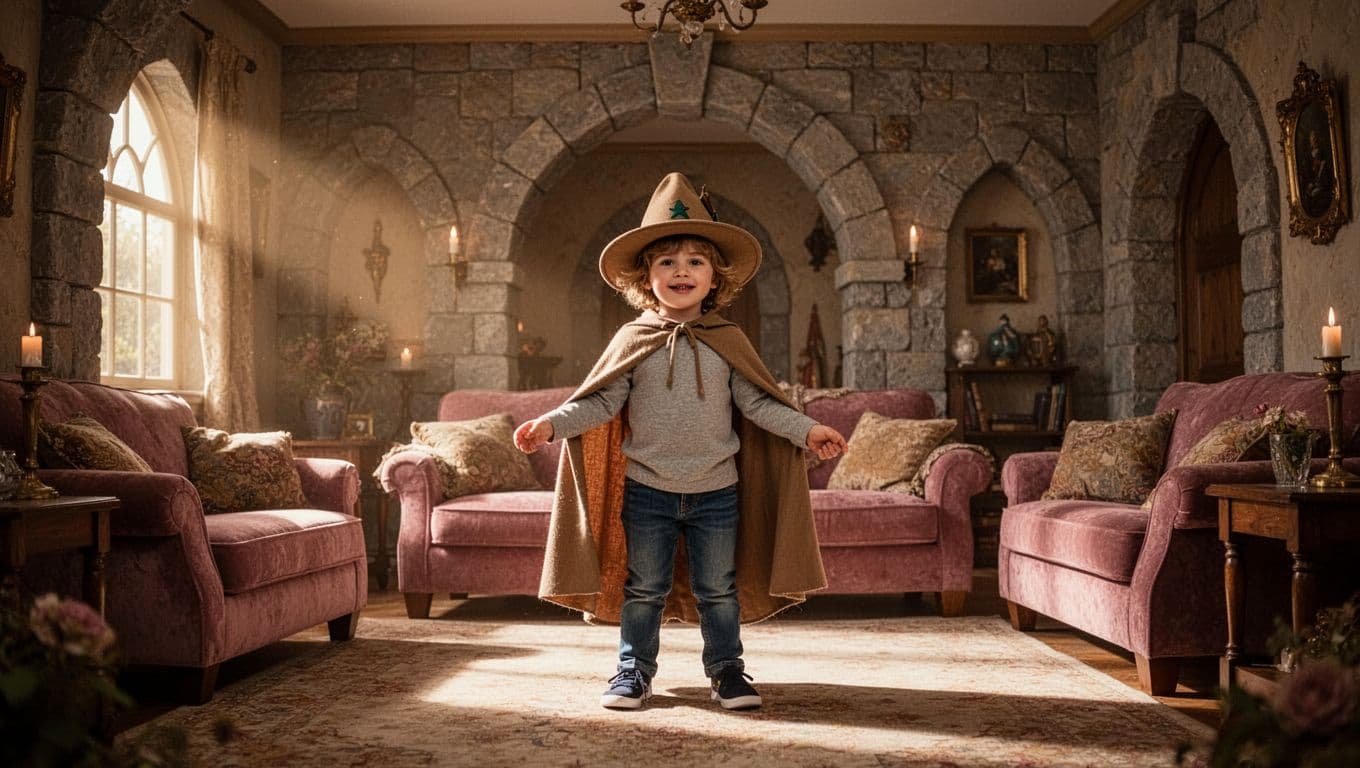
The trick to joining in is to act as a supportive partner rather than the director. If they are playing doctor, let them be the lead physician while you become the grateful patient in the waiting room. Ask thoughtful questions like, “What should I do to feel better?” or “Is this a serious emergency?” This keeps them in control of the story and helps them stay busy for longer. When you show genuine interest in their tiny world, they stay invested in the play.
Art and craft ideas with crayons, paper, and household supplies
Arts and crafts provide a perfect outlet for self-expression. Kids of all ages enjoy the pride that comes with creating something physical that they can show off later. You can keep things easy by sticking to supplies already found in most homes. For example, give them paper and crayons to design their own superhero masks, or let them cut and glue paper scraps into a mini book about their favorite animal.
If you are stuck inside, a few sheets of printer paper can become intricate paper airplanes or folded origami stars. If you have time for a bit of outdoor fresh air, sidewalk chalk turns a dull driveway into a sprawling art gallery or a giant hopscotch board. Encourage them to be messy and experimental. Remind them that art is about the process of making something new rather than making it look perfect. When they finish a project, display it proudly on the fridge or a table so they feel like true artists.
Games that add movement, thinking, and a little friendly competition
School-age kids often thrive when they have clear rules and a goal to reach. You can channel their natural energy into structured games that keep things exciting without letting them get too wild. An indoor obstacle course is a classic favorite. Use couch cushions for mountains, painters tape for a balance beam, and pillows for hurdles. Add a stopwatch or a simple challenge to turn it into a race.
Scavenger hunts also work wonders. Write out a few simple clues or create a checklist of items they must find around the living room. For younger kids, keep the hunt visual by asking them to find things that match a specific color. If the group gets restless, a quick round of charades or a high-energy dance contest gets everyone moving. Keep the competition lighthearted by playing for high-fives instead of prizes. This maintains an upbeat mood and ensures everyone stays involved and smiling.
Story games that let kids build something together
Shared storytelling is a wonderful way to wind down or fill quiet afternoons. You can start a story with a single sentence and let each child add a new plot twist, or work together to illustrate a collaborative comic strip. This kind of play builds their vocabulary and lets them practice creative thinking in a safe, low-pressure way.
Keep it playful by suggesting silly prompts, such as “What would happen if the furniture started floating?” or “Who is the secret villain hidden in the pantry?” If they enjoy writing, try making a “choose your own adventure” book where you create the branches of the story together. This activity is perfect for moments when you want to keep the energy low but the creativity high. It allows you to sit back and listen to their ideas, which is often where the most memorable moments happen.
Easy indoor and outdoor babysitting ideas for any day
Keeping children entertained requires a balance between structure and spontaneity. You want a toolkit of ideas that works whether you are stuck inside on a rainy afternoon or looking to burn off extra energy in the sunshine. By keeping a few reliable options ready, you transition from activity to activity without losing momentum or patience. This approach helps you maintain a calm environment where kids feel engaged rather than restless.
Indoor ideas for rainy days, naps, and calm moments
Rainy days often trap energy inside, but you can turn that containment into a creative advantage. When kids need to settle down or when the weather prevents outdoor play, focus on quiet, immersive tasks. You might start by reading a story aloud. Choose books with engaging voices or funny sounds to keep their attention fixed on the narrative. If they seem jittery, try drawing or coloring sessions where you challenge them to illustrate their favorite part of the story.
Blanket forts remain a timeless solution for rainy afternoons. Use dining chairs, couch cushions, and light sheets to create a cozy reading nook or a secret hideout. Once the fort is standing, it becomes a magnet for focused play. Puzzles, card games, or simple music games work well inside this space. You can even host a “silent disco” where everyone wears headphones or listens to soft background music while focusing on quiet crafts. These activities lower the energy in the room while keeping everyone happily occupied.
Outdoor activities that help kids move and reset
When the walls feel like they are closing in, a change of scenery is the best remedy. Outdoor play allows children to use their bodies in ways that indoor spaces cannot accommodate. Sidewalk chalk is a classic for a reason, as it turns a driveway into a canvas for hopscotch, mazes, or collaborative murals. If you have a yard, a nature scavenger hunt encourages them to look closely at the world. Ask them to find a smooth rock, a yellow leaf, or a specific type of flower.
Safety is your first priority, so always choose a space that is well-contained and within your line of sight. You can set up a safe obstacle course using jump ropes, cones, or hula hoops. Keep the challenges manageable to prevent frustration and keep the mood light. Bubbles are another excellent way to spark joy. They force children to look up, move, and react, which helps them release pent-up energy. When they eventually head back inside, they are often in a much better mood and ready for a calm transition to the next part of your day.
Mixed-age activities that keep more than one child engaged
Managing children of different ages can feel like juggling, but the right activities bring them together. The secret is to select games that offer varying levels of complexity, allowing each child to participate at their own comfort level. Freeze dance is a fantastic example. Younger children enjoy the movement, while older kids take pride in their ability to hold a difficult pose when the music stops.
Group storytelling is another way to bridge the age gap. You start a story, and each child adds a single line to the plot. This creates a collaborative experience where the younger ones can contribute simple ideas and the older ones can weave in creative twists. For craft projects, provide a basic task, such as decorating paper masks or building structures with tape and cardboard. Older kids can focus on intricate details, while younger ones explore the basic mechanics of construction. By focusing on the shared process rather than the final result, you ensure everyone feels successful and included in the group.
How to keep kids interested when attention starts to fade
Children often experience quick shifts in their focus. What feels like an engaging game one minute might turn into restlessness the next. When you notice this change, don’t feel discouraged or pressured to entertain them constantly. You can maintain a steady, happy rhythm by observing their cues and shifting your approach before boredom settles in.
Use short activity blocks instead of long schedules
Kids typically thrive when they play in short, focused bursts. Instead of planning an hour for one project, break your time into manageable segments. This keeps the environment feeling fresh because the activity changes just as their interest begins to wane. You might start with five minutes of high-energy movement followed by a quiet transition into a simple craft.
Mixing these styles creates a balanced flow for the afternoon. If you spend twenty minutes on a complex puzzle, shift to a brief round of music or a quick scavenger hunt immediately after. This rhythm prevents the day from feeling rushed or scattered. It also gives children a sense of variety, which helps them stay curious about what comes next. By avoiding rigid, long-term plans, you remain flexible enough to follow their lead and adjust as the mood changes.
Keep a backup list for slow moments and sudden boredom
Even with the best plans, some games simply won’t click. Every babysitter faces moments where a favorite activity suddenly falls flat, so having a list of reliable backups is essential. These small ideas act as a safety net to save the mood when things start to drag. Keep a mental or written note of quick tricks that almost always spark a new wave of energy.
Simple options like these can turn a slow moment around:
- A quick dance break: Pick a favorite upbeat song and challenge everyone to show off their best moves until the track finishes.
- The drawing challenge: Set a timer for two minutes and ask everyone to draw something specific, like a funny monster or a dream house.
- A favorite book: Transitioning to a story provides a natural reset, allowing kids to sit, listen, and calm down for a short period.
- The mirror game: Stand face-to-face and mimic each other’s movements to build connection and laughter without needing any supplies.
Having these options ready ensures you never feel stuck. When you see someone looking around or complaining, simply suggest one of these quick swaps. It keeps the atmosphere light and proves that you are prepared for whatever the afternoon brings.
Conclusion
Successful babysitting relies on simple plans that stay safe, match the child’s age, and respect their natural energy. You don’t need fancy toys or complex schedules to build a fun environment for the kids you watch. A little bit of warmth and preparation goes a long way toward turning any afternoon into a positive memory.
The best babysitters understand that kids just want to feel noticed and cared for during your time together. Trust your ability to adapt to their mood, keep them moving, and maintain a joyful atmosphere. You are capable of creating a great experience for every child in your care.
Save pin for later

- Sticky Eyes in Babies: Causes, Treatment, and Warning Signs - September 20, 2026
- Baby Development Stages: Milestones From Birth to 12 Months - September 20, 2026
- 5 Elegant Baby Pictures to Take at Home - September 20, 2026