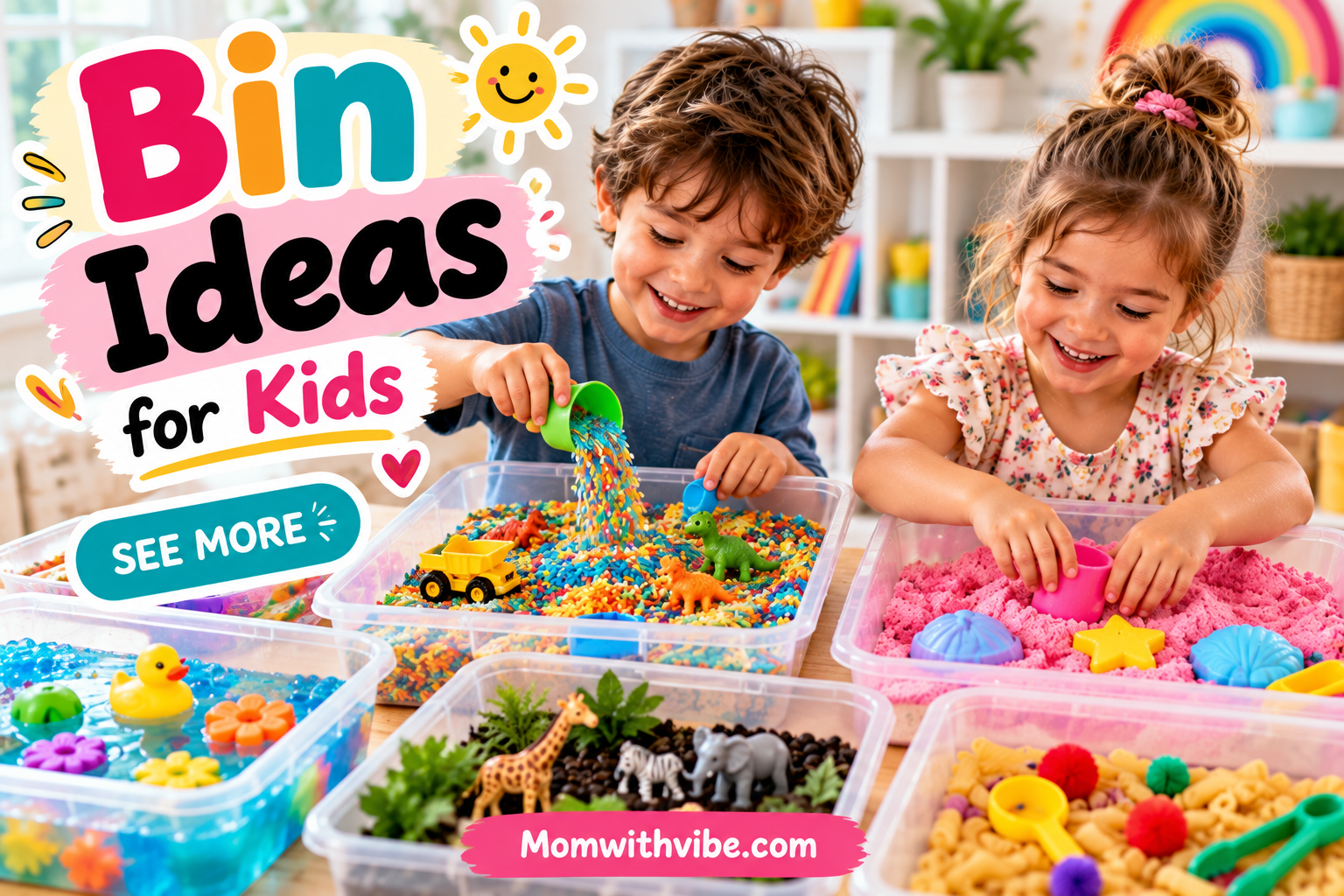
Easy summer play at home can start with a bin, a few seasonal materials, and everyday tools. Children can scoop, pour, sort, and explore while you keep the setup simple and close at hand.
Try ideas inspired by beach trips, garden finds, or icy summer treats, using materials suited to your child’s age and mouthing habits. With close supervision and a few cleanup tricks, sensory play can fit into an ordinary afternoon. For more inspiration, explore these DIY sensory play activities for toddlers, then try a summer bin that works for your family.
Why Summer Sensory Play Is Worth Setting Up
A summer sensory bin gives children a simple place to explore materials at their own pace. Water may feel cool, sand may feel grainy, and ice changes as it melts. These small discoveries invite children to touch, watch, compare, and experiment without needing a planned outcome.
Everyday actions invite hands-on practice
Scooping, pouring, pinching, and transferring materials give little hands a chance to practice controlled movements. These actions use fine-motor skills and hand-eye coordination, though a sensory bin can’t guarantee a particular developmental result. The National Association for the Education of Young Children explains how sand and water play supports sensory exploration.
Children often add their own ideas as they play. They might sort shells by size, pretend a cup of water is lemonade, or name what feels “smooth,” “cold,” or “squishy.” You can follow their lead by asking a simple question or offering a new word, then letting them decide what to do next. For more inspiration, browse these summer sensory bin ideas.
Keep the setup simple and suited to your child
You don’t need special equipment to get started. Use one main filler, a few useful tools, and a shallow container on a washable surface, such as an outdoor mat or towel. Water, ice, or age-appropriate dry materials can each become the focus; cups, scoops, and spoons give children ways to move them around.
Before setting out a bin, choose materials that fit your child’s age and mouthing habits. Avoid small items that could pose a choking risk, and stay close during play, especially when water is involved. A simple setup makes it easier to supervise, notice what captures your child’s attention, and adjust the activity without turning an ordinary afternoon into a major project.
Summer Sensory Bin Ideas for Sunny-Day Play
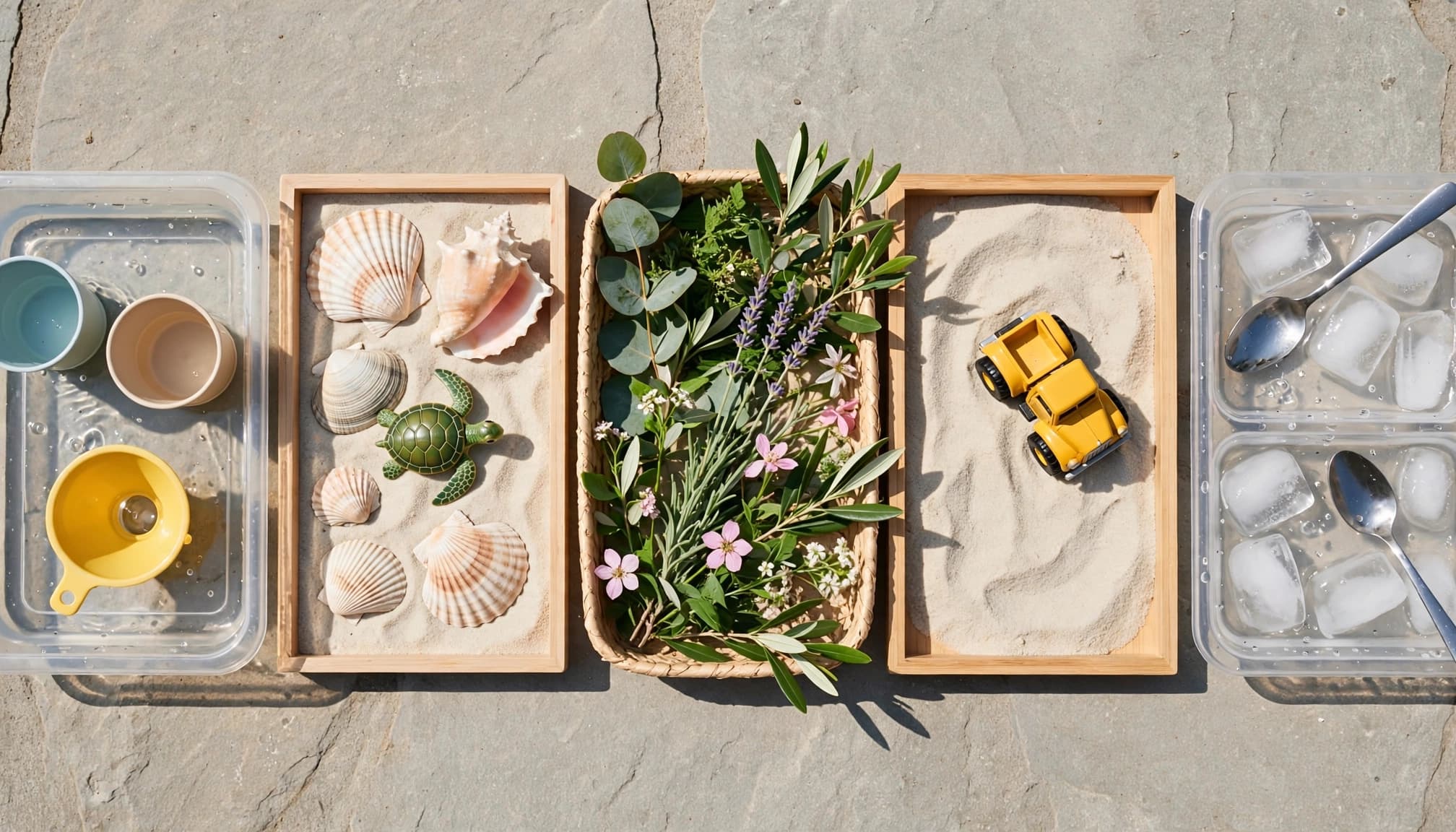
These five summer sensory bins use simple supplies to invite hands-on play. Set them up outside when possible, especially when children are using sand, water, or garden finds.
Splash and pour with a shallow water bin
Base: Add a little water to a shallow basin or tub. Tools: Set out cups, spoons, a funnel, and a few larger floating toys. Invite your child to fill and empty each cup, pour water through the funnel, or guess which toys will float.
Stay within arm’s reach and give the activity your full attention. Young children can drown in small amounts of water, so CPSC drowning-prevention guidance advises never leaving them alone near a basin or tub. As soon as play ends, empty the container.
Bring the beach home with sand and sea life
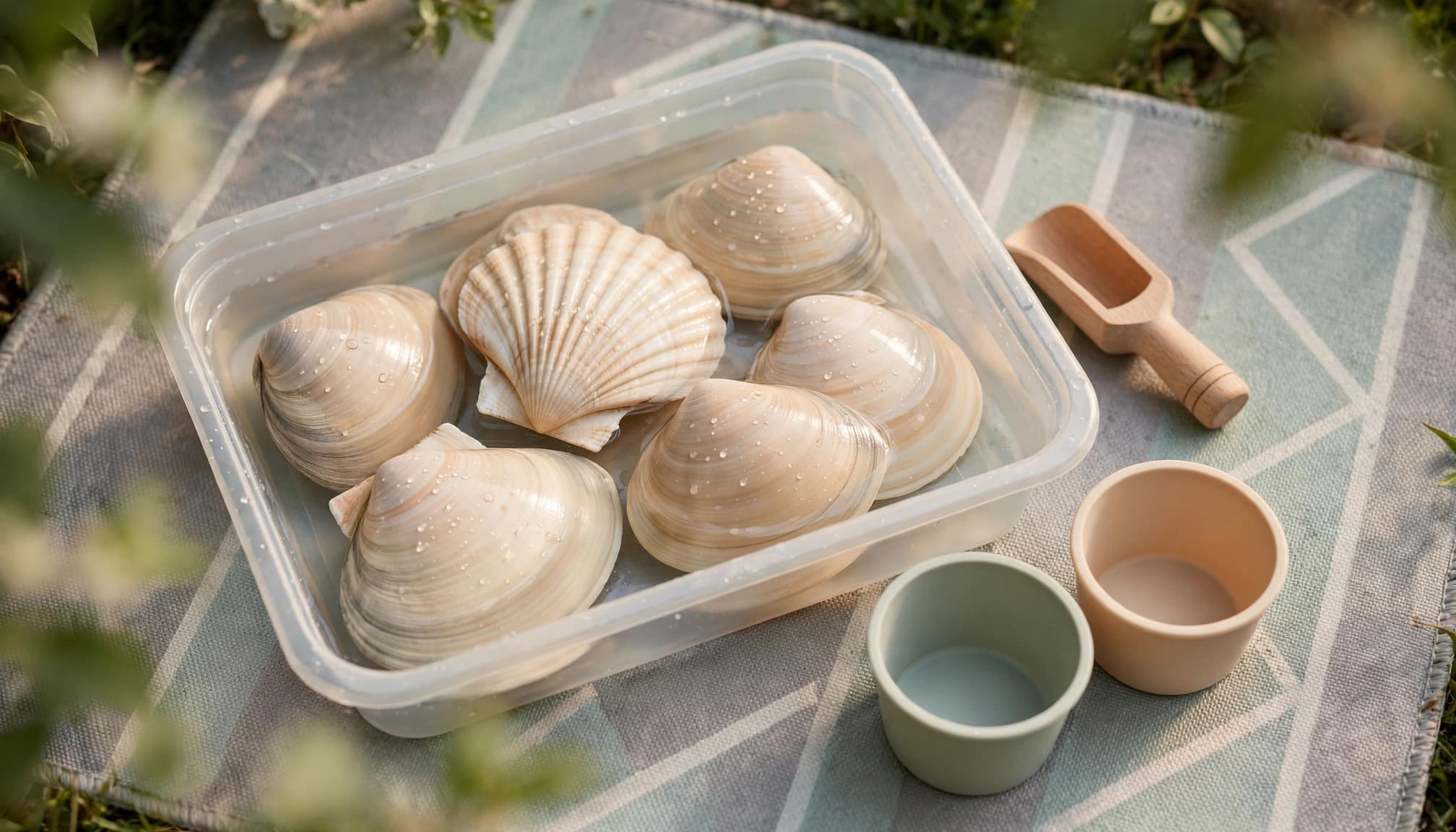
Base: Use play sand in a wide, shallow bin. Tools: Add a few large shells, toy sea animals, scoops, and buckets. Your child can dig a beach, bury a toy animal for a rescue, or invent a seaside story.
Check shells for sharp edges and choose pieces too large for your child to swallow. Skip shells and other loose parts if your child still mouths objects. Outdoor play makes stray sand easier to sweep away, and a towel nearby can catch some of the spill.
Explore a garden with flowers, leaves, and bugs
Base: Place safe, familiar leaves and flowers, grass, and a few pebbles too large to swallow in a tray. Tools: Offer cups, child-safe tongs, and larger toy insects. Invite your child to sort leaves by color or pretend to care for a small garden.
Before play, inspect natural materials for thorns, live insects, chemical treatments, or other hazards. If you gather items outdoors, choose a clean spot away from sprayed lawns and busy paths. For more ideas that use the backyard as a play space, see these outdoor learning activities for children.
Build a summer construction site
Base: Fill a tray with play sand or another age-appropriate material. Tools: Add a toy truck, a scoop, and sturdy cups. Invite your child to shape a road, mound a hill, or load the truck and move material to a new spot.
Keep the setup focused on moving and shaping the base instead of adding tiny accessories. Take the bin outdoors if you can; sand is easier to brush from a patio or outdoor mat than from a rug.
Cool off with an ice-and-water discovery bin
Base: Put a few large ice cubes in a shallow tray with a small amount of water. Tools: Add cups and spoons for scooping and gentle tapping. Ask your child to notice how the ice changes as it melts, or to move it from one cup to another.
Ice can be slippery, so supervise closely and stop if your child seems uncomfortable. Avoid loose ice for children who mouth objects, and keep the activity within arm’s reach.
Choose Sensory Bin Materials That Fit Your Child
The right sensory bin depends on the child in front of you, not just the number on a birthday cake. Mouthing habits, chewing skills, and the ability to follow simple directions all affect which materials make sense. Start with one simple base and a few tools, then stay close enough to supervise and adjust as needed.
For babies and toddlers who still mouth objects
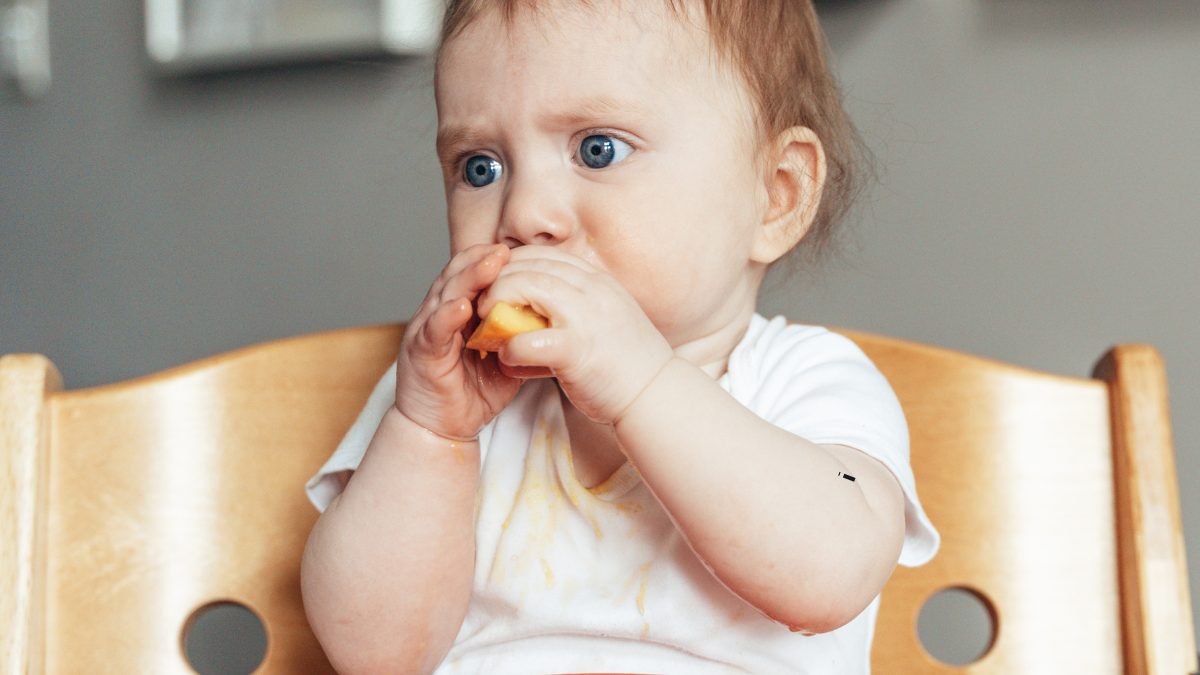
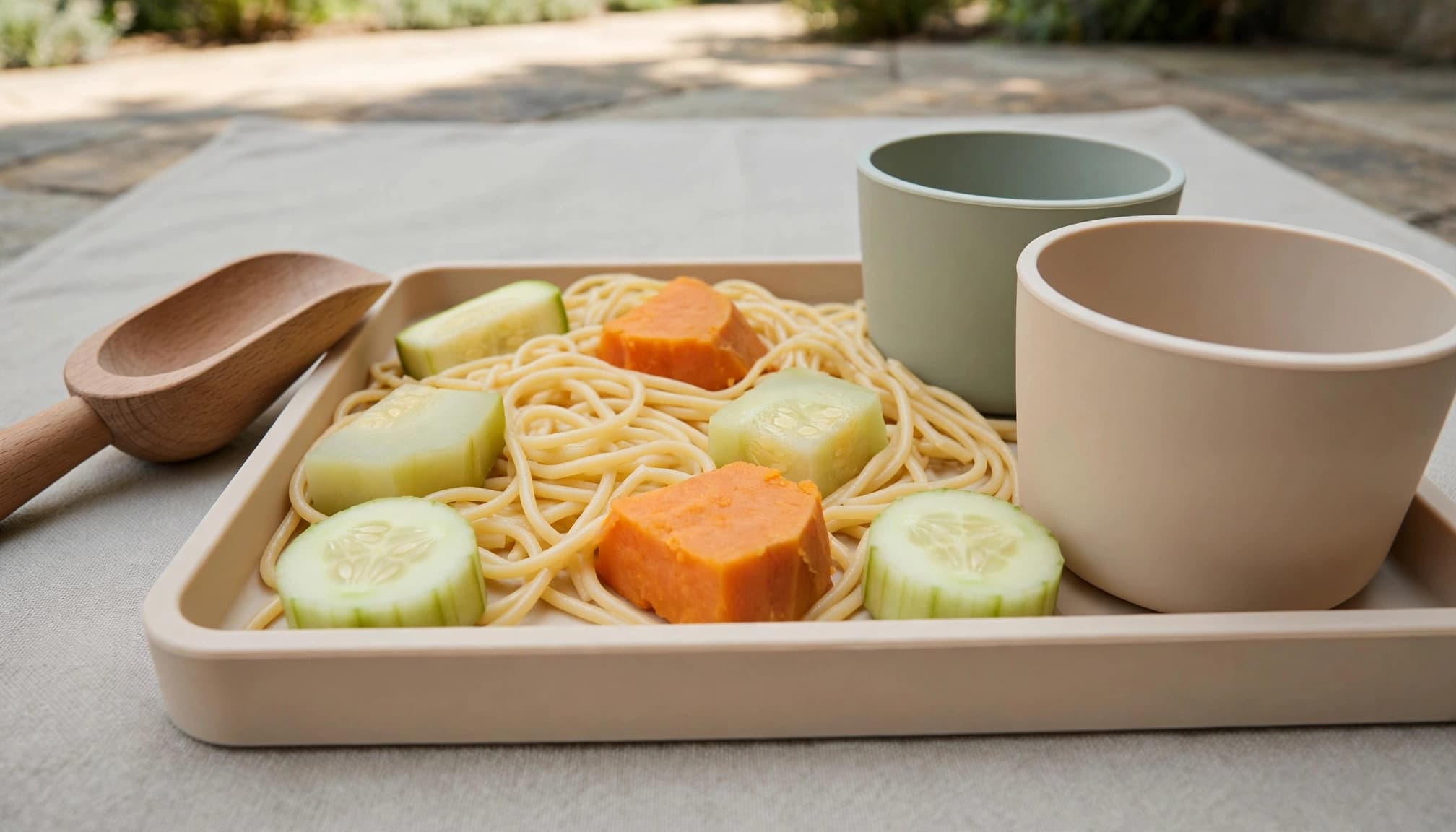
If your child explores by tasting, skip small loose fillers such as beads, dry beans, rice, and tiny shells. Instead, consider plain, soft cooked pasta or soft cooked vegetables, only if they suit your child’s chewing skills, usual eating needs, and allergies. Prepare foods in a form your child can safely manage; an edible sensory material can still cause choking.
Choose sturdy, oversized cups and scoops, and keep the bin simple so you can see what your child picks up. Stay within arm’s reach and give the activity your full attention. The CDC advises caregivers to pay close attention to what young children put in their mouths, and that applies even when the materials are food. For more ideas, browse these supervised activities for toddlers at home.
For preschoolers ready to sort and pretend
When your child can follow simple directions and is less likely to mouth materials, add a small challenge without prescribing how the play should go. Invite them to sort larger objects by color or type, match toy animals to habitats, or use cups to compare amounts. They can follow your idea or turn the bin into a story of their own.
Keep checking props for choking risks, even with an older preschooler. Remove anything small, broken, or easy to put in the mouth, and supervise according to your child’s habits and the materials in the bin. A few well-chosen pieces are often enough to keep the play engaging.
Keep Summer Sensory Bins Safe and Easy to Clean
A few choices before play can make summer sensory bins safer and cleanup much faster. Check materials against your child’s age, mouthing habits, allergies, and sensitivities, then set up where spills are easy to manage.
Screen every filler and small loose part
Avoid water beads. The U.S. Consumer Product Safety Commission warns that they can cause choking and serious internal injuries if swallowed. Its water bead safety guidance recommends keeping them away from children.
For children at risk of choking, leave out small loose items such as dry beans, uncooked rice, beads, marbles, buttons, coins, and tiny toy pieces. A practical first check is whether an item fits through a toilet paper tube, but don’t treat that as a guarantee of safety. Consider your child’s age, chewing and swallowing skills, and ability to follow directions, and follow the age guidance on product labels. If your child mouths objects, skip small loose parts entirely. You can also find safe supplies for baby play that better fit early exploration.
Set up water play with active supervision
Keep water shallow, stay within arm’s reach, and give your child your full attention. Even a small sensory bin can pose a drowning risk, so never leave a child alone beside a basin or tub of water, even for a moment. Put your phone aside and keep other distractions away while water is out.
When play ends, empty the container right away. Don’t leave water sitting in a bin where a child could return to it. Close supervision matters with dry fillers and loose parts, too, especially when children are still likely to taste or swallow what they pick up.
Contain spills before the play begins
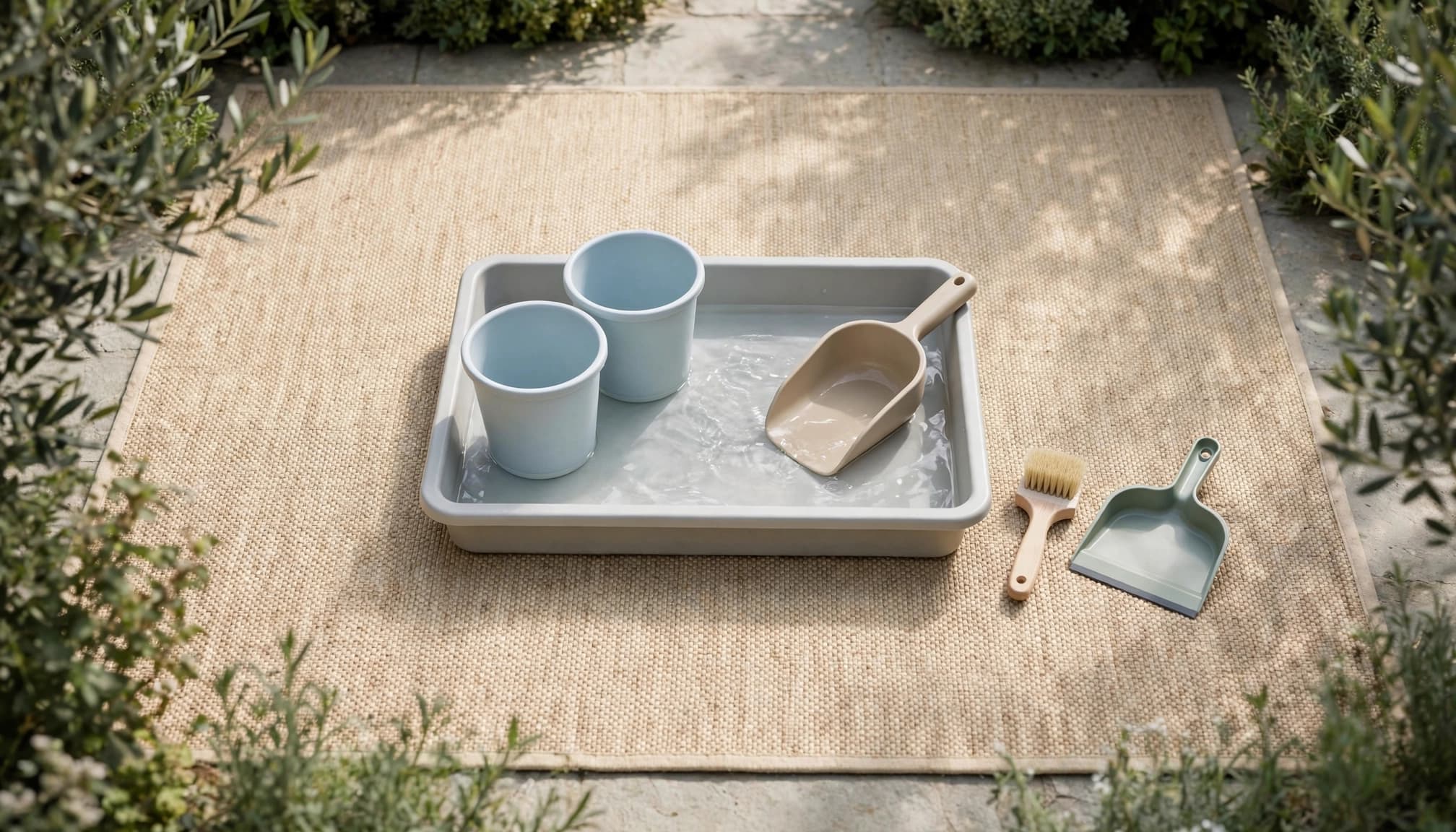
Choose a shallow, washable container and set it on a tray, washable mat, towel, or outdoor surface. Start with one main filler and a few tools, such as cups and scoops. Before play begins, give one clear rule: keep the materials in the bin. A small brush or dustpan within reach makes it easy to sweep up stray sand, rice-free fillers, or crumbs before they spread.
A contained setup saves cleanup time and helps you reuse materials instead of throwing them away. Afterward, check product labels for age limits and cleaning directions. Also account for allergies or sensitivities, especially when using food, scented items, or materials that may touch your child’s skin.
Keep the Play Fresh With Simple, Child-Led Changes
You don’t need a new kit each time your child wants a different activity. Keep a small set of shallow bins, cups, scoops, and other age-appropriate tools, then change how you use them. A familiar setup can feel new when the child gets a different challenge or decides what the materials become.
Add a sorting or discovery challenge
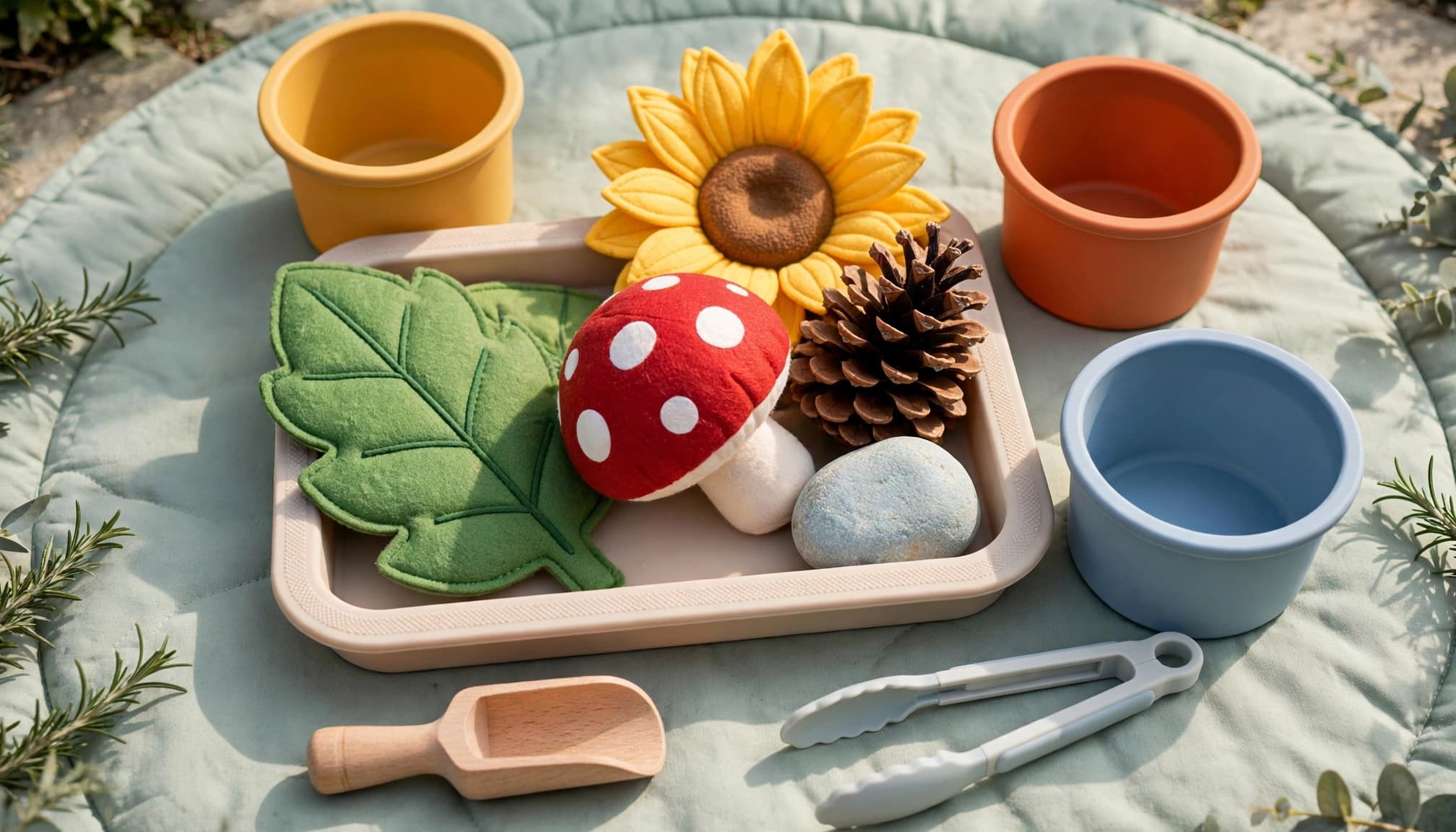
For a simple refresh, hide a few large, age-safe objects in the bin for your child to find. Choose items that are easy to spot and handle, such as oversized toy animals or chunky shapes. Keep the number small so the search stays manageable, and skip anything your child might put in their mouth.
You can also set out a few cups or muffin cups and invite your child to sort the objects by color, shape, or type. If your child has the coordination and skills to use them safely, offer child-safe tongs or a scoop. Otherwise, let them pick up the objects by hand. Try changing just one part of the activity next time: hide the objects instead of sorting them, or ask your child to choose a new way to group them.
A small collection of reusable materials can support many kinds of play. These Montessori-inspired activities with household materials offer more ideas for simple setups that invite children to explore independently.
Use simple prompts to build language and pretend play
Your words can add interest without taking over. Describe what you notice, then leave room for your child to respond: “You’re pouring the water into the blue cup,” or “That shell feels smooth.” You might ask, “What feels cool?” or “What are you building?” If a toy animal is in the bin, try, “Where might it live?”
Choose open-ended questions with more than one possible answer. The National Association for the Education of Young Children describes how playful learning can combine children’s self-directed play with learning. Still, play doesn’t need to become a quiz. Ask one question, pause, and follow the idea your child offers. If they keep scooping without answering, they may be happily focused on that action.
Children also communicate through gestures, expressions, and repeated play. Name what they seem to notice, and let them explore quietly if that’s what they prefer. When they repeat an action, you can echo it with a simple observation or change one prompt later. That keeps the materials familiar while giving your child room to lead.
Conclusion
Summer sensory bins can be simple and flexible, with just a few materials and tools. Choose one idea that fits your child’s age and interests, then set up a contained play space that’s easy to supervise and clean.
Stay close throughout the activity, especially when it involves water or loose materials. With a thoughtful setup, children can explore at their own pace and make a simple summer afternoon their own. For more inspiration, browse these outdoor summer activities for kids.
Save pin for later
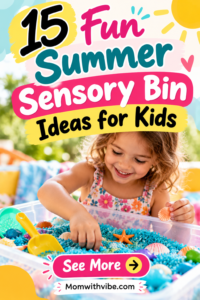

- Summer Sensory Bin Ideas - September 25, 2026
- 15 Keto Breakfast Ideas For Family - September 25, 2026
- Anti-Inflammation Meals For Family - September 24, 2026