

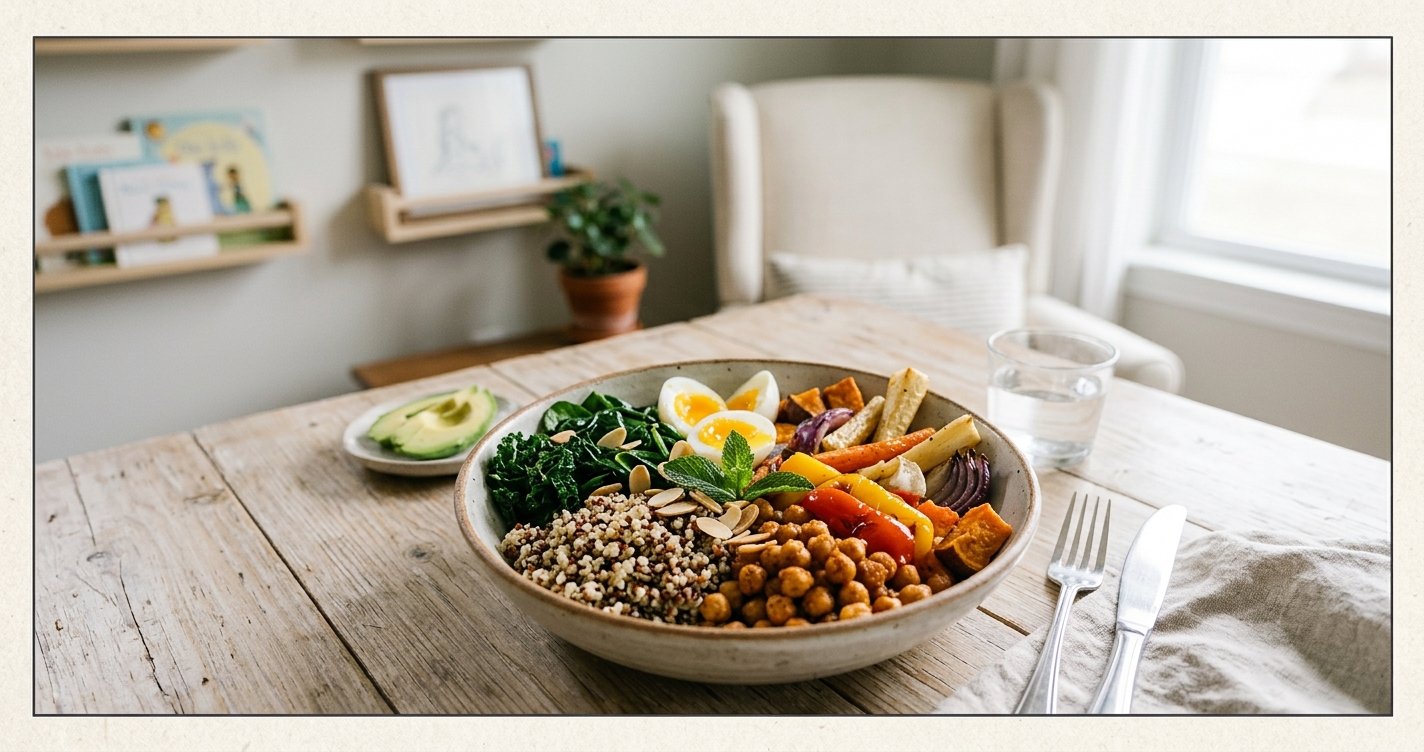
Busy days, skipped meals, broken sleep, and constant demands can leave you running on empty. No single food can erase stress or quickly control cortisol, but balanced meals can support steadier energy and your body’s healthy stress response.
These 20 nutrient-dense foods are practical options to work into everyday meals and snacks, without treating any one ingredient as a quick fix. For more support beyond food, explore practical ways to reduce stay-at-home mom stress.
How food can support a mom’s stress response
Cortisol is a hormone that helps your body respond to stress and manage functions such as blood sugar. It also follows a daily rhythm, usually rising around waking and declining toward night. A changing cortisol level is normal; food cannot switch off the stress response or control the hormone on demand.
Build meals for steadier energy
No single food is proven to lower cortisol immediately. Instead, regular, balanced meals can help you meet your nutritional needs and may reduce the energy dips that come with going too long without eating.
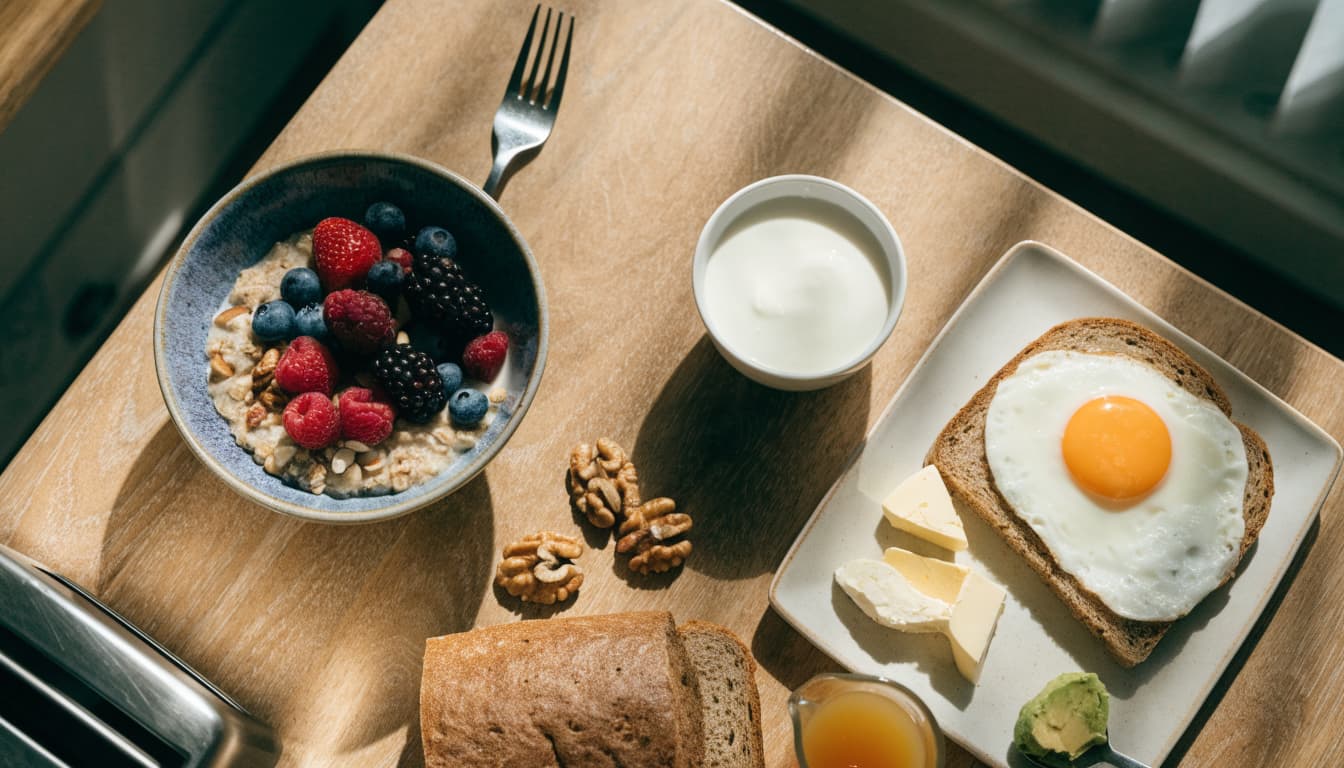
When you can, combine protein with fiber-rich carbohydrates and healthy fats. For example, pair oatmeal with yogurt and nuts, or have eggs with whole-grain toast and fruit. These combinations provide a mix of nutrients and tend to be more satisfying than a snack made mostly of refined carbohydrates.
Cortisol naturally follows a daily pattern, as described in this overview of cortisol physiology. Nutrition may influence hormone regulation over time, but current evidence does not establish a particular meal or ingredient as a quick cortisol-lowering fix.
Keep the approach practical
Mom life rarely follows a perfect meal schedule. Still, keeping easy options on hand, such as fruit and nut butter, yogurt, or leftovers, can make it easier to eat before you feel depleted. Hydration and enough food matter too, especially during busy days or postpartum recovery.
These habits support general health; they cannot replace care for ongoing stress, anxiety, or unusual symptoms. For simple routines that fit a full family schedule, explore these wellness habits for moms with toddlers.
20 cortisol-reducing foods for moms to add to everyday meals
“Cortisol-reducing” is a popular shorthand, not a promise that any food directly lowers cortisol. These everyday choices provide fiber, protein, healthy fats, and other nutrients that can make meals more satisfying and support overall health.
Choose filling grains and beans for steady energy
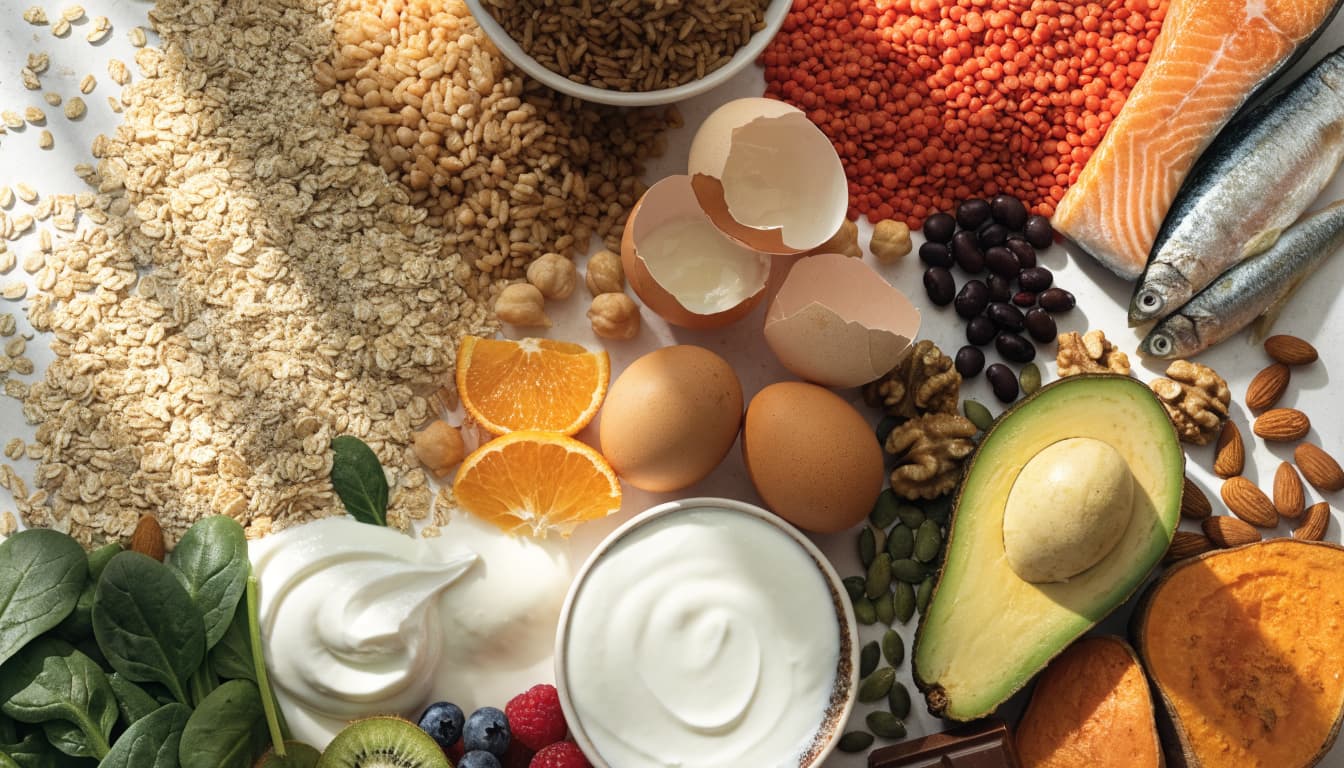
Fiber-rich carbohydrates and plant protein can help a meal keep you full. They’re easy to prepare ahead, too, which helps when your day gets busy.
- Oats provide fiber and work well as overnight oats with yogurt and fruit.
- Brown rice adds whole-grain fiber to a meal. Serve it with beans and frozen vegetables for a quick bowl.
- Lentils supply plant protein and fiber. Simmer them into a soup or add cooked lentils to pasta sauce.
- Chickpeas offer fiber and protein. Toss them into a salad, or mash them with lemon for a quick sandwich filling.
- Beans are a convenient source of plant protein and fiber. Pair black or pinto beans with rice, salsa, and avocado.
These foods don’t directly lower cortisol, but balanced, filling meals can make it easier to avoid long stretches without eating. For low-stress dinner planning, try these meal prep ideas for busy moms.
Add protein and omega-3-rich foods to your plate
Protein helps make meals and snacks more satisfying. Salmon and sardines also provide omega-3 fats, which have shown promising but limited effects on stress biology in some research. A trial of omega-3 supplements found changes in cortisol responses, but that does not prove fish lowers cortisol in postpartum moms or in everyday meals.
- Salmon provides omega-3 fats and protein. Use leftover cooked salmon in a grain bowl or wrap.
- Sardines are another source of omega-3s. Add them to toast with lemon or mix them into a simple pasta.
- Eggs provide protein and several nutrients. Scramble them with spinach or boil a few for quick snacks.
- Plain Greek yogurt offers protein and calcium. Top it with berries, oats, or nuts for breakfast.
- Kefir is a fermented dairy drink with protein and calcium. Pour it into a smoothie with fruit.
The evidence on omega-3s and stress remains context-specific, and supplement findings aren’t the same as proof about foods. Read this omega-3 stress-reactivity study for an example of the limits and promise of that research.
Get more vitamin C and other nutrients from produce
Berries, oranges, and kiwi provide vitamin C as part of a varied diet. Vitamin C has shown possible support for the body’s stress response in some studies, but it isn’t a cortisol blocker. Vegetables add fiber and a mix of nutrients that help round out meals.
- Berries bring vitamin C and fiber. Add fresh or frozen berries to yogurt or oatmeal.
- Oranges provide vitamin C and make an easy portable snack. Pair one with almonds or yogurt.
- Kiwi supplies vitamin C and fiber. Slice it over cereal or serve it alongside eggs.
- Spinach adds fiber and nutrients such as folate. Stir a handful into eggs, soup, or pasta.
- Sweet potatoes provide fiber and other nutrients. Bake several at once, then serve with beans or eggs.
Use nuts, seeds, and satisfying snacks to round out meals
Healthy fats and magnesium-rich foods contribute to overall nutrition. However, research hasn’t settled whether magnesium-rich foods directly affect cortisol. Choose portions that fit your hunger, since needs can vary from one day to another.
- Avocado contains unsaturated fats and fiber. Spread it on toast or add it to a bean bowl.
- Walnuts provide unsaturated fats. Sprinkle a small handful over oatmeal or yogurt.
- Pumpkin seeds contain magnesium and add crunch. Scatter them over soup or pack them as a snack.
- Almonds offer magnesium, protein, and healthy fats. Pair a handful with fruit for a filling snack.
- Dark chocolate can be enjoyed in a modest portion. Have a square with berries or a few almonds when you want something sweet.
Make these stress-supporting foods work on a busy mom schedule
You don’t need a complicated meal plan to use these foods. Build meals around a simple formula: protein + a fiber-rich carbohydrate + produce + a source of fat when available. Use what you have, and keep combinations flexible when schedules shift.
Mix and match meals and snacks
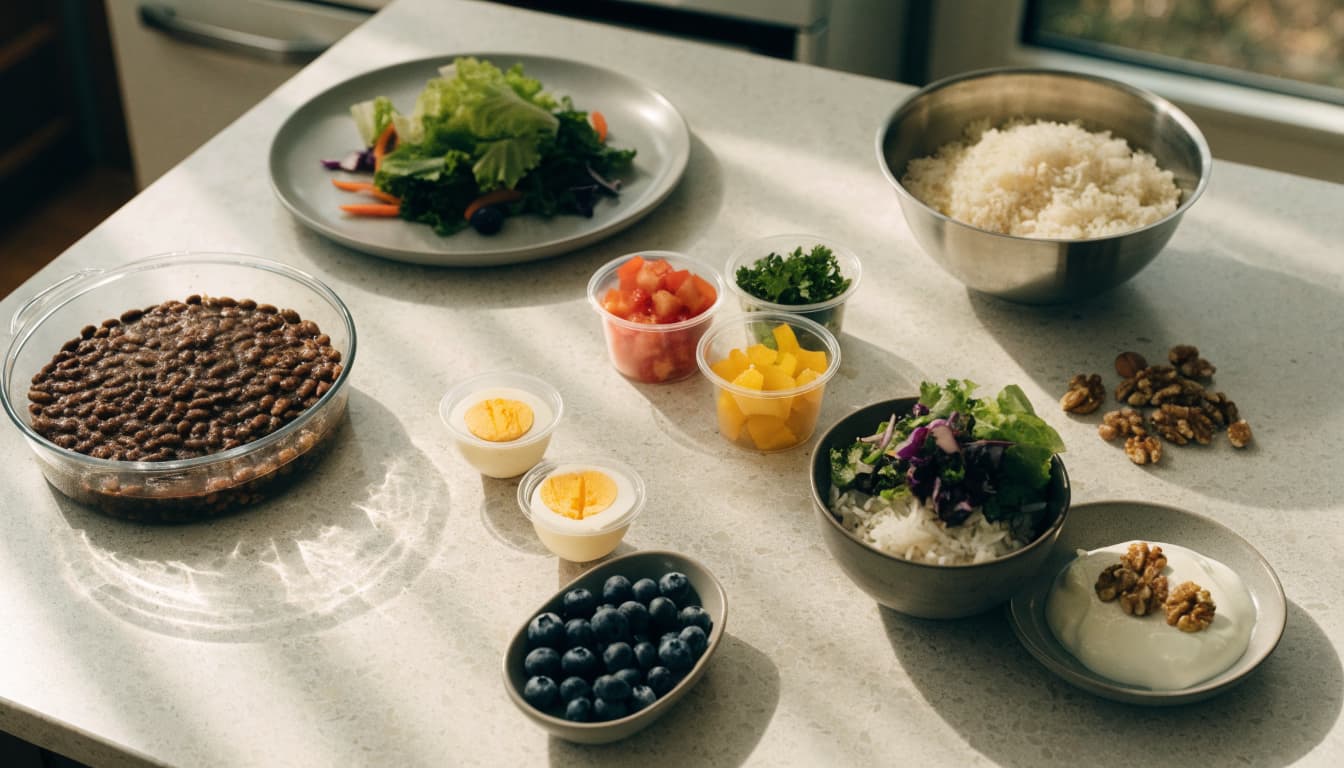
For breakfast, top oatmeal with Greek yogurt, frozen berries, and walnuts. If mornings are especially hectic, make overnight oats the night before or pair a boiled egg with whole-grain toast and fruit.
At lunch, assemble a bowl with canned beans, brown rice, spinach, salsa, and avocado. For dinner, add frozen vegetables and canned chickpeas to pasta, or serve baked sweet potatoes with eggs and a side of greens. These meals use familiar ingredients and don’t require a separate recipe for every day.
Snacks can follow the same idea on a smaller scale. Pair an orange with almonds, yogurt with berries, or whole-grain toast with peanut butter. Keep a few options visible and ready to grab, so you have something available when the day runs long.
Prep a few basics, not a week’s worth of meals
A short prep session can make weekday choices easier. Cook a pot of rice or lentils, boil a few eggs, wash fruit, and portion nuts or seeds into small containers. Add canned beans, frozen vegetables, and plain yogurt to your regular grocery list; they save time and can be less expensive than relying only on fresh options.
Fresh, frozen, and canned produce can all fit. Choose frozen vegetables for quick dinners, canned beans for fast lunches, and fresh fruit when it’s affordable and convenient. For more help organizing groceries and prep, try these family meal planning systems for busy moms.
Store cooked food safely: refrigerate it within two hours, or within one hour when temperatures exceed 90°F. The USDA’s leftover safety guidance recommends using refrigerated leftovers within three to four days. For food you won’t eat in that window, freeze it instead.
What breastfeeding moms should know about food, caffeine, and supplements
If you’re breastfeeding, you usually don’t need to avoid specific foods or follow a special diet. A varied diet can include the foods you enjoy, while a few practical precautions help you make informed choices about seafood, caffeine, and supplements.
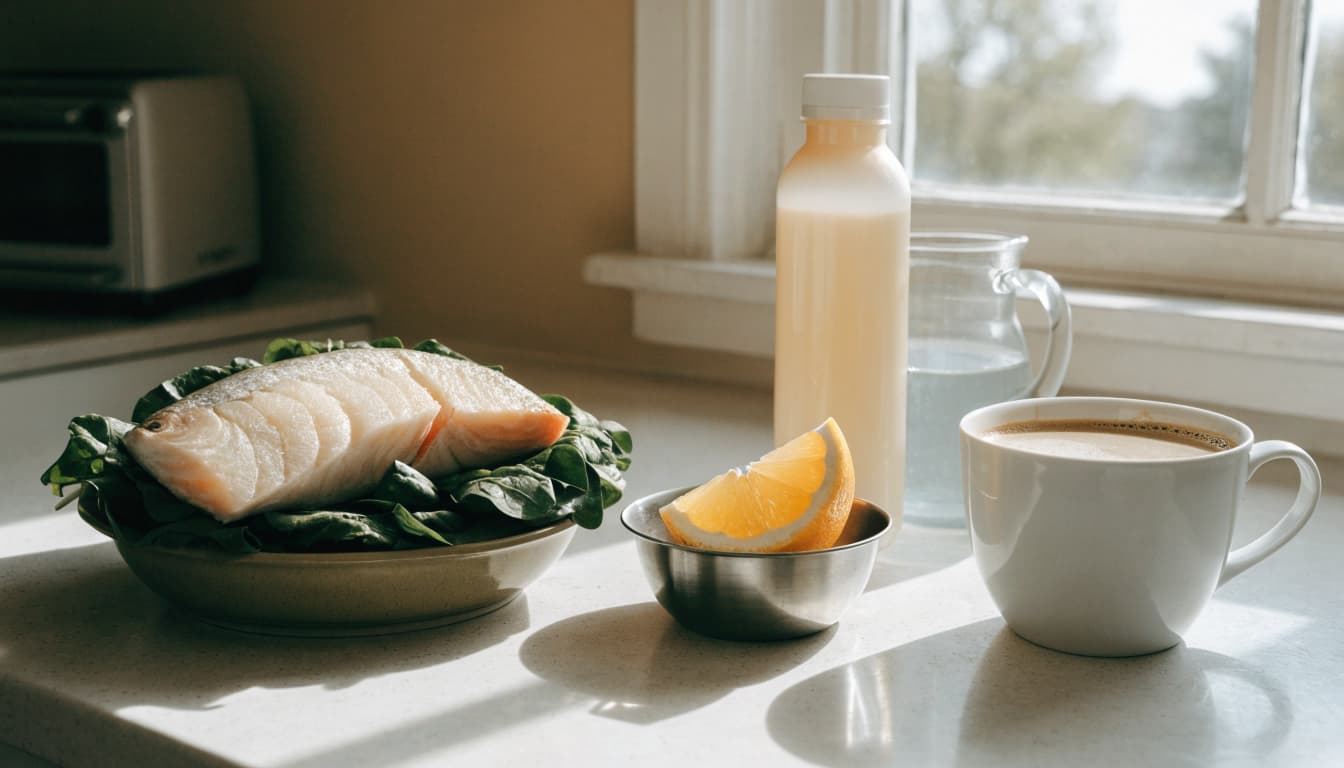
Choose seafood with mercury in mind
Fish provides protein and nutrients, but mercury levels vary by species. The FDA and EPA advise people who are breastfeeding to eat 8 to 12 ounces of lower-mercury seafood each week, choosing from the “Best Choices” category. Examples include salmon, sardines, shrimp, and trout.
Check current FDA/EPA seafood guidance for the recommended serving frequency and species list. Fish caught by family or friends needs extra care: follow local advisories, since contamination can vary by location. When no advisory is available, FDA guidance recommends eating one serving and no other fish that week.
Keep caffeine moderate
Caffeine passes into breast milk in small amounts. The CDC says low-to-moderate intake, about 300 milligrams per day or less, usually doesn’t cause problems for most breastfed babies. The amount in a cup varies by drink size and preparation, so coffee, tea, soda, energy drinks, and chocolate can all add to your daily total.
If your baby seems unusually fussy or has trouble sleeping, try reducing caffeine and see whether things change. You can also ask your health professional for advice, especially if your baby was born prematurely or has health concerns. For details on one common source, see this guide to green tea while breastfeeding.
Check supplements and medications before use
Feeling stressed or tired doesn’t automatically mean you need a supplement. Supplements can contain high doses, interact with medications, or include herbs that aren’t well studied during breastfeeding. A prenatal vitamin or another supplement may make sense for some people, but individual needs depend on health history, diet, and recovery.
Before starting or stopping a supplement, prescription medication, over-the-counter medicine, or herbal product, check with a health professional who knows you’re breastfeeding. The same advice applies to major diet changes, including restrictive plans that cut out entire food groups. If you’re concerned about fatigue or nutrient intake, discuss symptoms and options with your clinician rather than treating a supplement as a quick fix. For practical meal ideas during recovery, browse these nutritious foods for new moms.
Conclusion
For moms, the goal of choosing cortisol-reducing foods is nourishment and realistic support, not a perfect diet or a quick fix. No single food can reliably lower cortisol, but accessible choices from this list can help you build satisfying meals and snacks that fit a busy day.
Start with a few foods you already enjoy, such as oatmeal, yogurt, beans, fruit, or nuts, and pair them with protein and fiber when you can. Regular, balanced meals are a practical foundation, including during postpartum recovery.
If exhaustion, anxiety, or other troubling symptoms continue or interfere with daily life, reach out to a qualified health professional.
Save pin for later


- How to improve your baby’s hygiene - September 26, 2026
- 20 cortisol-reducing foods for moms - September 26, 2026
- How to properly clean your newborn - September 26, 2026