Your liver doesn’t need trendy detox drinks or harsh cleanses, it needs steady support from the foods you already serve at home. With the right ingredients on the table, you can help your family eat in a way that feels normal, filling, and easy to repeat.
This guide keeps it practical for busy parents, with 20 liver-friendly foods that fit real family meals. You’ll also find simple ways to serve them to kids and adults, so dinner can stay simple while still doing more for your health. If you want more family meal inspiration, these kid-friendly dinner ideas can help you build balanced plates around these foods.
What liver-cleansing really means for your family
Liver-cleansing gets thrown around like it means one special drink or a quick reset. In real life, it means giving your liver steady support so it can do the work it already does every day. For families, that usually looks like balanced meals, enough water, less processed food, and a rhythm you can actually keep.
Why the liver matters in everyday health
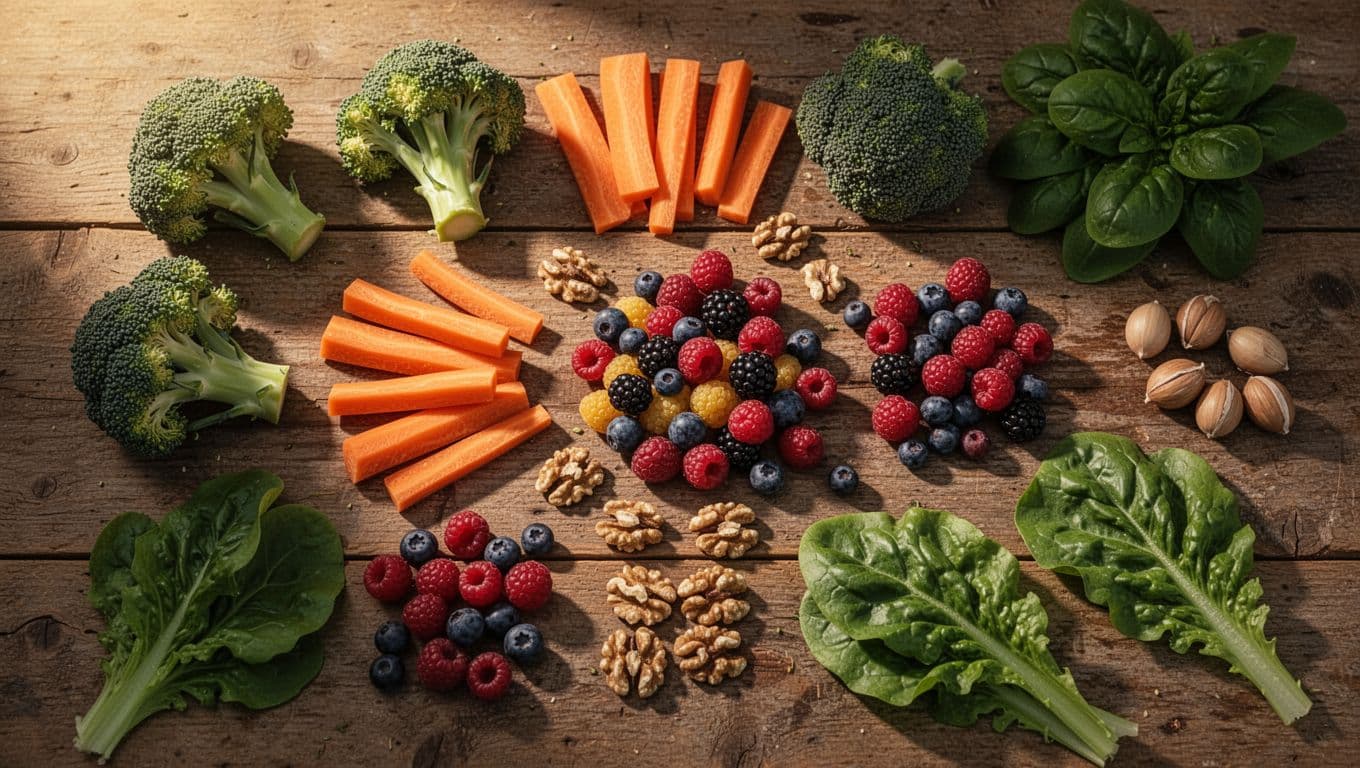
Your liver is one of the body’s busiest helpers. It filters blood, processes nutrients from food, helps break down medicine and alcohol, and makes bile, which supports digestion. The Johns Hopkins Medicine guide to liver function explains just how much this organ handles behind the scenes.
That matters at home because liver health shows up in ordinary ways. When the liver is working well, families often notice steadier energy, smoother digestion, and a better overall sense of wellness. It’s like having a dependable kitchen helper who keeps the whole house running with less mess and less stress.
A healthy liver also helps the body manage waste and use nutrients well. That is one reason the foods in this guide matter. They may help support liver function, reduce fat buildup, and protect cells from stress, especially when they are part of a balanced routine.
In practice, that means choosing meals that are simple and consistent. A dinner built around vegetables, whole grains, lean proteins, and healthy fats gives the liver less junk to sort through and more useful fuel to work with. If you already like planning family dinners ahead, a simple meal prep plan for busy families can make those choices easier to repeat.
Why detox drinks and extreme cleanses are not the answer
Harsh juice cleanses and trendy detox plans sound appealing, but they usually ask too much and give too little. The liver already processes many substances on its own, so it does not need a magic flush to get started. The NIH overview of how the liver works makes it clear that this organ is already busy filtering and processing what comes in through the digestive system.
Extreme plans can also be hard on families. They often cut out whole food groups, leave people hungry, and rely on supplements or powders that do not fit normal life. For most households, that makes them harder to maintain and less safe than simple food-based habits.
A liver-friendly routine is usually boring in the best way, because it works with real meals, real schedules, and real kids.
A steadier path looks like this:
- Serve more whole foods and fewer ultra-processed snacks.
- Keep water within reach throughout the day.
- Use meals to add fiber, color, and healthy fats.
- Limit alcohol for adults and sugary drinks for everyone.
- Skip quick-fix cleanses that promise a reset in a few days.
That kind of routine is easier to live with, and it supports the liver without drama. When your meals feel normal, your family is more likely to stick with them, and that matters far more than any short-lived cleanse.
20 Liver-Cleansing Foods for Your Family
Feeding your liver doesn’t require a strict diet or expensive supplements. It thrives on a consistent rotation of whole foods that reduce its workload and provide the building blocks for its daily tasks. By incorporating these 20 staples into your routine, you offer your family natural support that makes a genuine difference in long-term health.
Veggies that help the liver do its job
Vegetables are the backbone of liver support because they provide fiber and essential antioxidants. Fiber keeps digestion moving, which prevents toxins from lingering, while specific plant compounds help activate the enzymes your liver uses to process waste.
You can easily weave these into your weekly menu:
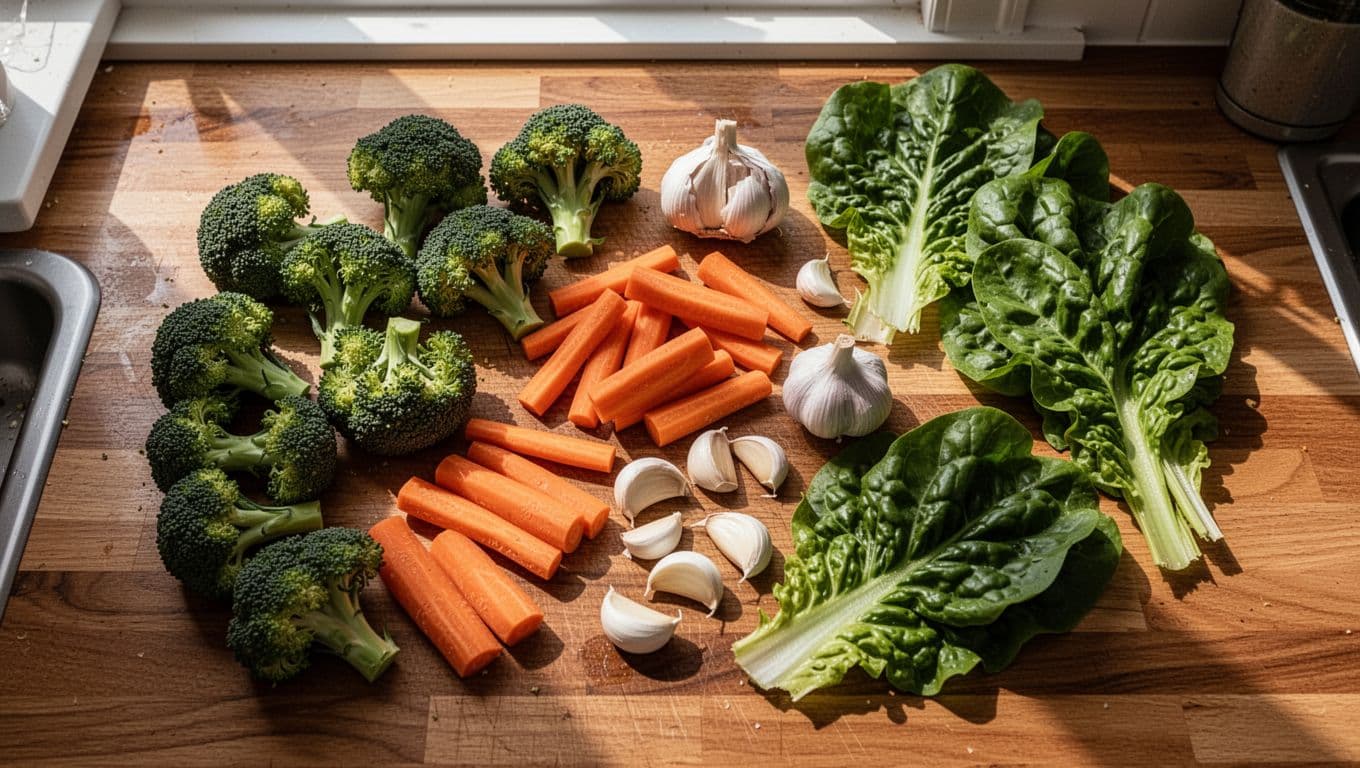
- Garlic: It contains sulfur compounds that help activate liver enzymes, assisting the organ in flushing out toxins. Mince it into pasta sauces, soups, or roasted chicken dishes.
- Leafy greens: Spinach, kale, and arugula offer chlorophyll to help neutralize heavy metals and fiber to support digestion. Toss them into morning smoothies or stir them into warm curries.
- Cruciferous vegetables: Broccoli, cauliflower, Brussels sprouts, and cabbage are rich in compounds that boost Phase II detox enzymes. Roasting these with a little olive oil makes them a favorite side dish for kids.
- Beets and carrots: These are high in flavonoids and beta-carotene, which improve overall liver function. Grate them raw into salads or roast them with honey for a sweet, caramelized treat.
- Artichokes: These are excellent for bile production, which helps the liver move fats more efficiently. Steamed artichokes with a simple lemon dip make for a fun, hands-on family snack.
- Tomatoes: Packed with lycopene, they provide antioxidants that protect liver cells. Use them as a base for stews or simple fresh salsas.
Fruits and pantry staples that make healthy eating easier
Healthy eating shouldn’t feel like a chore. Using staples like ginger, turmeric, and citrus fruits helps you build flavor while providing powerful anti-inflammatory support. These ingredients act as quick additions to keep your meals vibrant and functional.
- Citrus fruits: Lemons, limes, and oranges are high in vitamin C and antioxidants. A squeeze of fresh lemon juice in water or over roasted fish helps stimulate liver enzymes.
- Apples: High in pectin, apples help the body release toxins from the digestive tract, giving the liver a break. Slice them up for school lunches or bake them with cinnamon for a quick dessert.
- Berries: Blueberries and strawberries provide anthocyanins, which offer protective antioxidant support to liver tissue. Keep them on hand for oatmeal toppings or yogurt bowls.
- Ginger and turmeric: These are stars for reducing inflammation. Add grated ginger to stir-fries or stir a pinch of turmeric into rice or lentil soups for an easy health boost.
If you find yourself relying on restrictive habits, remember that avoiding harmful patterns in your diet is just as important as adding these beneficial foods.
Healthy fats, grains, and snacks that keep meals balanced
Your liver appreciates a balanced plate where healthy fats and complex carbohydrates don’t overwhelm its processing capacity. Fiber-rich grains and good fats ensure that your energy levels stay steady, which is one of the most sustainable healthy habits for mothers to maintain.
Consider these additions to your family meals:
- Healthy fats: Walnuts, olive oil, and avocado are essential. Walnuts provide omega-3 fatty acids, olive oil supports blood flow, and avocado offers healthy fats that help the liver manage cholesterol. Use avocado as a toast topper, drizzle olive oil on salads, and keep walnuts in the pantry for quick snacking.
- Whole grains: Oats and brown rice provide steady energy and fiber to keep digestion regular. Overnight oats or hearty grain bowls are simple ways to serve these for breakfast or dinner.
- Vegetable snacks: Asparagus and cucumbers provide hydration and fiber. Serve cucumber slices with hummus or roast asparagus as a side for a nutrient-dense crunch.
- Green tea: This is a great alternative to sugary drinks. It contains catechins that help lower fat buildup in the liver. Enjoy a warm cup with a touch of honey in the afternoon.
- Sweet potatoes: These are loaded with vitamins and fiber to support overall health. Bake them whole for a simple side that pairs perfectly with almost any main protein.
By choosing these ingredients, you make it easier for your liver to do its job without extra strain. You don’t need a perfect kitchen to support your family, just a steady rhythm of these simple, nutrient-rich foods.
Easy family meal ideas that put these foods on the table
You don’t need a total kitchen overhaul to start supporting your family’s liver health. Small, steady changes to your regular menu often stick better than strict diets. When you weave nutrient-dense ingredients into the meals everyone already enjoys, you help your body work better without the stress of rigid rules.
Simple breakfast and snack combinations
Mornings are often the most hectic part of the day, so keeping choices fast and predictable helps. You can set the tone with simple, repeatable options that provide energy without overloading your system. When your routine relies on streamlining your morning routine for family breakfast prep, you free up mental space for the rest of the day.
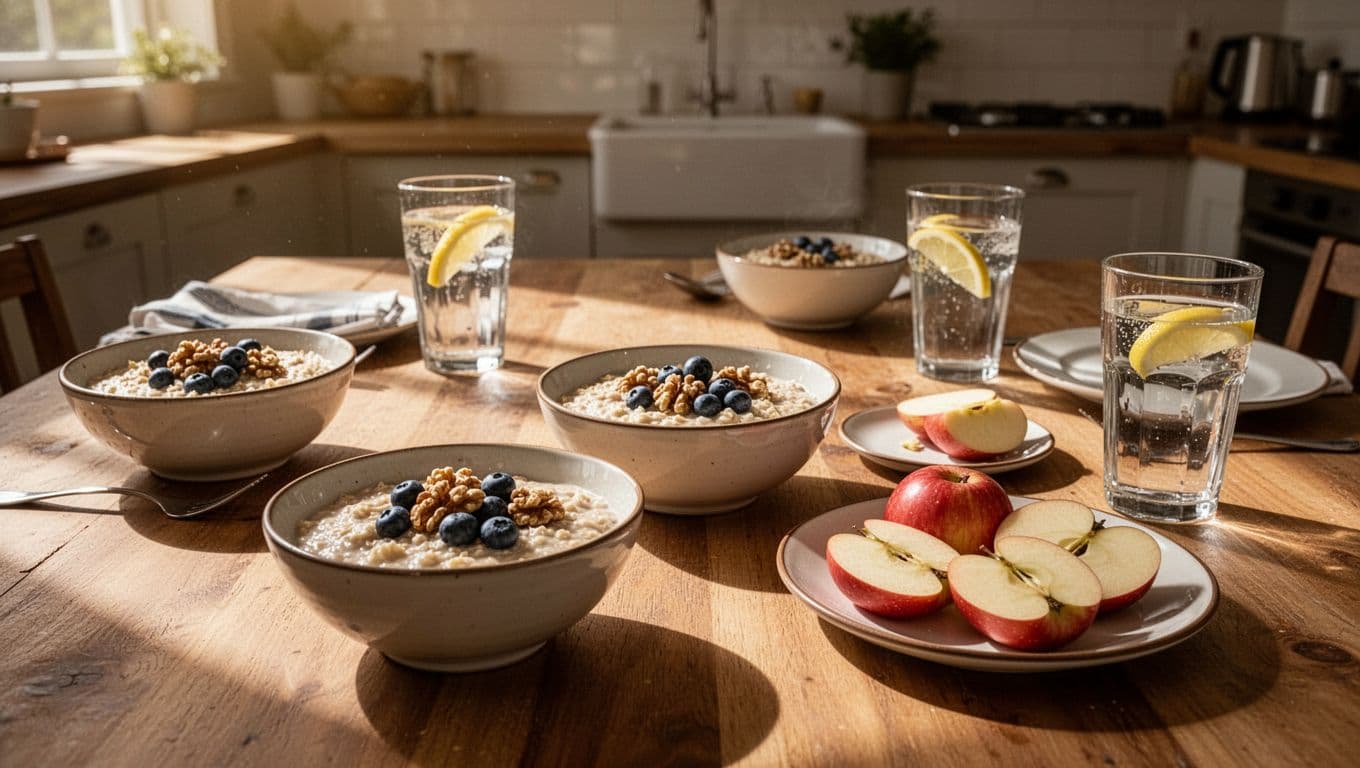
Try these combinations for quick wins:
- Oatmeal power bowls: Cook oats with water or milk and top them with a handful of walnuts and fresh blueberries. The fiber and healthy fats provide steady fuel that lasts until lunch.
- Fruit and yogurt: Keep it simple with plain Greek yogurt topped with sliced strawberries or peaches. It offers protein and antioxidants in one bowl.
- Avocado toast: Use whole-grain bread as a base for mashed avocado. It’s a fast, filling choice that adds healthy fats to the start of your day.
- Hydration first: Start the morning with a glass of water and a squeeze of fresh lemon. It’s a gentle way to wake up your digestive system.
If you find yourself struggling to stay consistent, consider creating effective morning habits for children that involve these same ingredients. By rotating these staples, you turn a healthy choice into a daily rhythm.
Lunch and dinner ideas the whole family can share
The best family meals are the ones that don’t look like “health food.” You can tuck liver-friendly ingredients into favorites like tacos, pasta, and roasted dishes. This approach makes sure your family gets the nutrients they need while keeping dinner time relaxed. According to the American Liver Foundation guidance on healthy diets, filling half your plate with non-starchy vegetables is a great way to increase antioxidants and support liver function.
Consider these ways to adapt your current recipes:
- Sheet-pan dinners: Toss chicken thighs with broccoli, cauliflower, and sweet potato chunks in olive oil and herbs. Roast everything on one tray for a fast meal with minimal cleanup.
- Veggie-packed pasta: Finely grate carrots or zucchini into your favorite tomato sauce. It adds texture and vitamins to pasta nights without changing the flavor profile kids expect.
- Hearty grain bowls: Serve brown rice topped with beans, roasted peppers, and a drizzle of olive oil. It is a flexible base that lets everyone build their own bowl.
- Simple stir-fries: Use a mix of colorful peppers, snap peas, and garlic with chicken or tofu. Stir-frying keeps vegetables crisp and flavorful while getting nutrients onto the table in minutes.
Remember that the importance of cooking family meals at home goes beyond nutrition. It’s also about the connection you build at the table. If a meal is healthy but causes constant fights, it won’t work for your family long-term.
How to get kids and picky eaters on board
Picky eaters don’t need to be an obstacle to healthy eating. When you introduce new foods, do it gently and focus on familiar tastes. You might find that the way a food is presented changes how it is received.
- Start with familiar foods: Mix new vegetables into dishes they already love, like meatballs or tacos. Small, gradual changes are much harder to notice than a brand new side dish.
- Make it fun with dips: Kids often try new vegetables if they can dip them. Offer hummus or a mild yogurt-based dip alongside cucumber slices or bell pepper strips.
- Let them help: When children help wash vegetables, mix ingredients, or set the table, they feel more invested in the meal. They are often more willing to eat something they helped prepare.
- Change the texture: Some kids dislike steamed vegetables because they are too soft. Try roasting them to get a crispy texture or grating them into sauces so the consistency is uniform.
Keep the atmosphere at the table encouraging. You want your family to see these foods as normal parts of a shared life, not as a special diet. Over time, these small additions become a natural part of how you eat together.
Habits that help the liver stay healthy beyond food
While your kitchen choices set the foundation, the way your family lives each day also shapes liver function. Supporting this organ is about creating small, sustainable shifts in your routine that reduce overall stress on your body. When you prioritize simple habits alongside nutritious meals, you help your liver operate without unnecessary strain.

The daily habits that matter most
Hydration is the simplest way to assist your liver. Water keeps blood flowing properly, which allows the liver to filter waste products from your system more efficiently. Aim for plain water throughout the day instead of sugary sodas or excessive juices, which force the liver to process large amounts of glucose. If you find plain water dull, infuse it with fresh cucumber or mint for a natural lift.
Movement also plays a large role. Regular activity helps your body maintain a healthy weight, which prevents fat from building up in liver cells. You don’t need a gym membership to stay active. Short walks, family bike rides, or fun family night activities for working parents count toward your weekly movement goals. Physical activity clears out excess sugar from the bloodstream, giving your liver a quieter workload.
Sleep is equally vital for restoration. Your body performs many repair tasks while you rest, including clearing out cellular waste. Poor sleep patterns or chronic fatigue can leave your system feeling heavy and sluggish, making it harder for your organs to keep up. Prioritizing essential self-care routines for busy moms ensures you get the rest needed for your entire system to reset.
Finally, watch for ultra-processed foods that hide in the pantry. These items often contain hidden sugars, unhealthy fats, and additives that complicate the liver’s processing work. By swapping these for whole, recognizable ingredients, you naturally support your body’s ability to stay balanced. This medical perspective on lifestyle interventions suggests that managing these daily choices is a cornerstone of long-term liver health.
When to talk to a doctor about liver health
While these habits provide a solid foundation for most families, individual needs often vary. If you or a family member manage a chronic condition like diabetes, or if there is a known history of liver disease, personalized guidance is a must. These guidelines do not replace a visit to your primary care physician or a specialist. Always consult a professional to create a plan that fits your specific health history, especially before making major changes to your exercise or diet routine. Early conversations with your doctor provide the best roadmap for keeping your health on the right track.
Conclusion
You don’t need a pantry full of expensive powders or a strict plan to support your family’s health. Your liver thrives on simple, everyday meals that feature plenty of vegetables, whole grains, and healthy fats. By swapping out processed snacks for fresh options like berries or nuts, you provide your body with the consistent support it needs.
It is normal to feel like you need a total reset to see results, but steady, small habits are far more effective. Start by adding one or two of these liver-friendly foods to your next grocery list. You might reduce sedentary behavior in kids by getting them involved in picking out these fresh ingredients for a shared meal. Focus on making these small, manageable changes that fit your lifestyle, and watch how they build a foundation for long-term health.
Save pin for later


- What Causes a Flat Head Shape in Babies? - September 20, 2026
- Baby Massage for Gas Pain: Step-by-Step Instructions - September 20, 2026
- Newborn Skin Peeling: Common Causes and Warning Signs - September 20, 2026