


Some parents hurt in ways that leave you second-guessing yourself for years, and that kind of pain can make cutting contact feel terrifying. If you’ve been carrying guilt, confusion, or fear, you’re not alone, and you don’t owe anyone endless access to your life when the relationship keeps damaging your peace.
Not every hard parent is toxic, but some patterns go far beyond normal conflict. When there’s constant cruelty, manipulation, control, or a refusal to respect boundaries, the bond stops feeling like love and starts feeling like harm. In those cases, stepping back can be a form of self-protection, not disrespect.
If you’re trying to sort out what you’re dealing with, it may help to look at the signs of an emotionally abusive mother as well as the wider patterns that show up in toxic family dynamics. The goal is to help you see the difference between a strained relationship and one that keeps breaking you down.
If you need a clearer picture before you decide what to do next, keep reading, because the signs below can help you see when a parent relationship is unsafe, unhealthy, and not worth trying to save alone.
What toxic parent behavior really looks like in real life
Toxic parenting usually shows up as a pattern, not a single bad day. One sharp argument or a tense season at home does not tell the full story. What matters is what keeps happening, especially when a parent uses fear, shame, guilt, control, or manipulation to stay in power.
For many people, the damage feels normal at first because it has been normal for years. The air in the house may always feel tight. You may have learned to watch every word, shrink your needs, or stay quiet just to keep the peace.
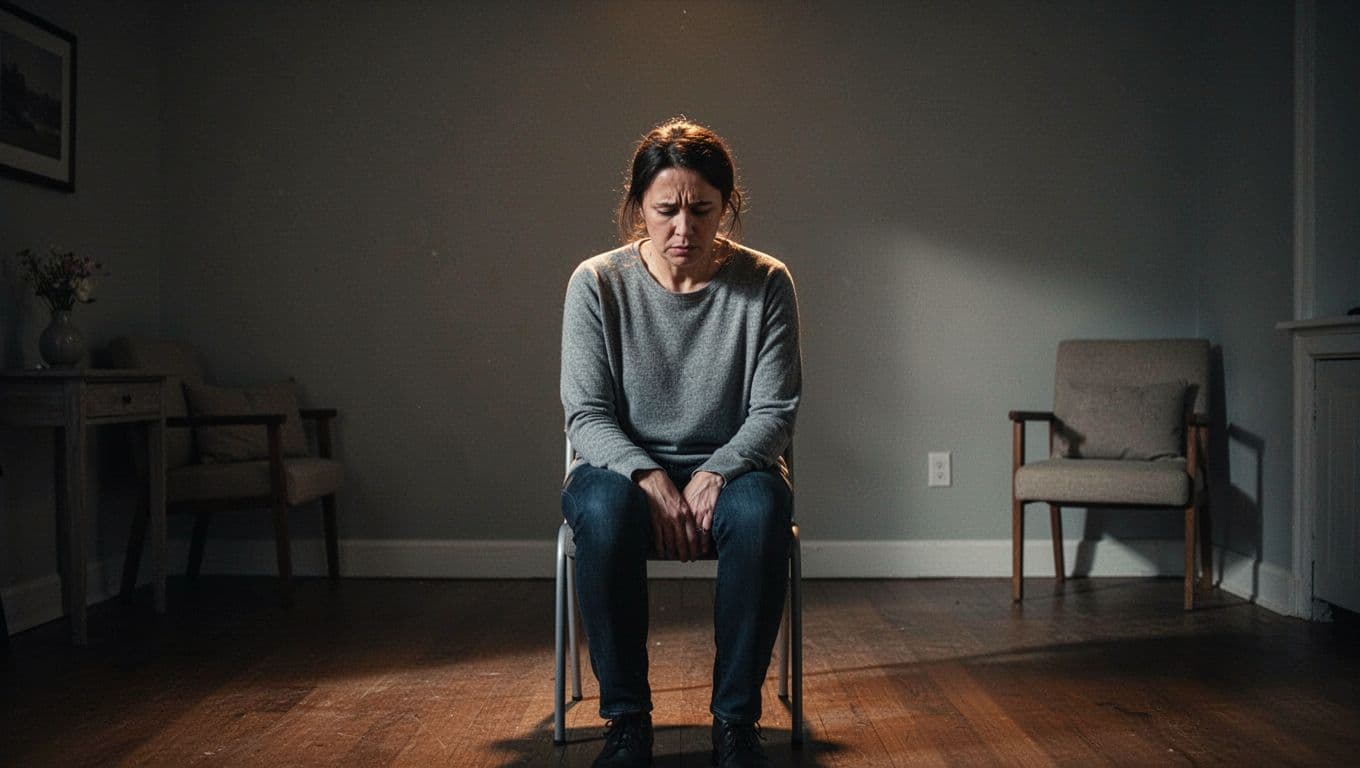
The difference between strict, imperfect, and truly harmful
Strict parenting can feel firm. Imperfect parenting can feel clumsy. Both can include bad moods, unfair moments, or rules that a child hates. That still does not make them toxic.
Toxic behavior begins when the pattern chips away at your peace and sense of self. It leaves you feeling trapped, small, watched, or unsafe in your own home. A parent may use insults, silent treatment, constant criticism, or guilt to keep control. They may act loving one moment and punishing the next, which keeps you guessing and off balance.
A useful way to tell the difference is this: healthy conflict ends, but harmful patterns repeat. A strict parent corrects behavior. A toxic parent attacks your character, your feelings, or your right to have boundaries.
If love always feels like pressure, fear, or emotional bruising, something is wrong.
For a closer look at common warning signs, identifying signs of toxic parenting can help you compare what you lived through with clearer language.
Why these signs often get ignored for years
Many adult children excuse toxic behavior because they were taught to respect parents no matter what. That lesson can run so deep that pain gets renamed as discipline, and mistreatment gets called a “family issue.” Culture, religion, and family pressure can make speaking up feel disloyal.
Hope also keeps people stuck. You may keep waiting for the parent you needed to show up at last, apologize, or change. Meanwhile, fear of judgment adds another lock to the door. Nobody wants to be seen as ungrateful, dramatic, or difficult.
That is why toxic behavior can hide in plain sight. Guilt can blur the edges. Love can make excuses. Still, if the relationship keeps leaving you drained, tense, or ashamed, your discomfort deserves attention, not dismissal.
The obvious signs you should cut off toxic parents
The signs often pile up long before you name them. At first, it may feel like a rough patch, a personality clash, or a bad habit that will pass. Then the pattern keeps repeating, and the relationship starts to feel like a bruise you keep pressing.

The clearest warning signs usually show up in plain sight. Abuse, control, disrespect, and emotional neglect are not small things. If a parent keeps hurting you and refuses to stop, distance can be the healthiest choice.
They abuse you, in any form
Any abuse is a major red flag. That includes physical violence, verbal attacks, emotional cruelty, sexual abuse, and psychological harm. A parent does not get a free pass because they are family.
Even one serious abusive pattern can justify distance or no contact. You do not owe continued access to someone who hurts you, scares you, or violates your body or mind. Safety comes first, always.
Every conversation turns into criticism, shame, or humiliation
Some toxic parents do not talk to you, they tear you down. They insult your choices, compare you to siblings or cousins, and make jokes that cut too close. You leave the conversation feeling smaller than before.
Over time, this kind of treatment chips away at confidence. No matter how hard you try, it still feels like you are not enough. That constant disappointment is not motivation, it is emotional damage.
They use guilt, gaslighting, and manipulation to control you
Toxic parents often rewrite history to protect themselves. They deny hurtful things they said, twist events, or tell you that you are too sensitive. After enough of that, you start questioning your own memory.
Guilt trips and emotional blackmail often come with it. They may use the silent treatment, play the victim, or make you feel responsible for their pain. Common manipulation patterns in families often follow this same loop, pressure, deny, blame, repeat.
Your boundaries are ignored like they do not matter
A healthy parent hears “no” and backs off. A toxic parent pushes, pries, and returns anyway. They may show up uninvited, read your messages, demand details about your job or partner, or act offended when you want privacy.
They also make your limits sound unreasonable. If you ask for space, they call you cold. If you protect your time or money, they call you selfish. That is not confusion, it is disregard.
You feel afraid, tense, or drained every time they show up in your life
Your body notices danger before your mind catches up. Maybe your chest tightens before a call. Maybe you dread visits for days. Maybe you need hours to recover after a short conversation.
Peace is a clue. When every contact leaves you shaky, exhausted, or on guard, the bond is not safe. A family connection should not feel like walking through a room full of broken glass.
They never take responsibility and always make you the problem
Some parents turn every issue back on the child. If you bring up hurt, they change the subject, deny everything, or say you are the one causing drama. Even their apologies feel fake, because they are wrapped in excuses.
Without accountability, nothing gets repaired. The same wound keeps opening because no one cleans it. That is how painful family loops stay alive for years.
Love feels conditional, not safe
Conditional love has a price tag on it. You get warmth when you obey, succeed, give money, stay quiet, or act loyal on demand. When you disagree, the affection disappears.
A parent should not make love feel like a reward for compliance. If approval keeps coming and going based on your behavior, you are being managed, not loved. That kind of bond trains fear instead of trust.
If you have to earn basic kindness, the relationship is already unstable.
They sabotage your growth, choices, or relationships
Toxic parents often hate your independence. They may mock your goals, discourage school or career moves, or tell you that you are not capable. Some interfere with your partner, spread doubt, or act wounded when you choose a life they do not control.
They may also treat growth like betrayal. When your success threatens their power, they push back hard. A parent who cannot stand your freedom is not helping you grow, they are trying to keep you small.
They only reach out when they need something
This one-sided pattern is easy to spot once you name it. They call when they need money, favors, emotional labor, or a problem solver. Outside of that, they go quiet.
You become useful, not cherished. Over time, that leaves a sour feeling in your chest, like being hired for a job you never wanted. Love should not feel like unpaid service.
They use threats, ultimatums, or fear to keep control
Some toxic parents go straight to threats when they do not get their way. They may threaten to cut you off, spread rumors, withhold help, or turn other relatives against you. The message is simple, comply or pay.
This kind of fear keeps people stuck. It also reveals the relationship’s true shape, control matters more than care. Once threats enter the picture, the bond has already crossed a serious line.
They refuse to respect your adult life
At some point, you become an adult with your own home, choices, and responsibilities. Toxic parents still act as if they own your calendar, your body, or your future. They demand updates, comments, access, and obedience.
That can look like constant checking, surprise visits, or pressure to share private details. It can also show up as control over money, work, or how you raise your own children. Adult children need space to live, not surveillance.
They make you feel guilty for having needs
You may notice that every need gets treated like a burden. Need rest? You are lazy. Need privacy? You are disrespectful. Need support? You are asking for too much.
That pattern teaches shame. It pushes you to silence yourself until your needs feel embarrassing. A healthy parent does not punish you for being human.
They compete with you instead of caring for you
Some parents cannot handle being outshined, even by their own child. They resent your happiness, minimize your wins, or turn your milestones into their moment. Your good news becomes a stage for their feelings.
This can show up in small but sharp ways. They may undercut praise, make backhanded remarks, or act strangely cold when things go well for you. That is envy dressed up as family concern.
They recruit other people to pressure you
Toxic parents often pull in siblings, relatives, pastors, or family friends to push their agenda. Suddenly, you are not just dealing with one person, you are dealing with a whole chorus. The goal is to make you fold under pressure.
This tactic can feel especially cruel because it turns private pain into public noise. It also makes you doubt yourself. If your position keeps changing only because others are watching, the original boundary was probably solid.
They punish honesty
If telling the truth leads to anger, mockery, or silent treatment, honesty becomes dangerous. You learn to edit yourself, soften facts, or stay quiet to avoid a blowup. That is a survival skill, not a healthy family pattern.
Parents who punish honesty make real closeness impossible. You cannot heal with someone who attacks every honest sentence. A relationship built on fear of truth has no stable ground.
They use your past against you
Toxic parents often keep score. They bring up old mistakes, childhood flaws, or one painful event whenever they want to win an argument. Instead of moving forward, they drag the same old file back onto the table.
This keeps you trapped in the role they assigned you years ago. Even if you have grown, they still talk to you like you are eight. That is a sign they want control, not repair.
They ignore your pain unless it benefits them
When you are hurting, they may shrug, change the subject, or make it about themselves. Yet when they need sympathy, they want full attention right away. The double standard is hard to miss.
Emotional neglect can be just as damaging as louder forms of harm. If your pain only matters when it serves their image, you are not being cared for. You are being used for emotional convenience.
You keep hoping for change, but the same pattern returns
Hope can keep people in bad dynamics far longer than fear does. You may have honest talks, set clear limits, and wait for something different. Then the same behavior comes back, dressed in softer words.
That repeated cycle matters more than empty promises. If calm conversations and firm boundaries never lead to real change, the relationship may be too harmful to keep repairing. Repeated patterns tell the truth when words do not.
You feel relief when they are not around
Sometimes the clearest clue comes after distance. Your shoulders drop. Your mind gets quieter. Sleep feels easier. Your home feels like your own again.
That relief is not cruel. It is information. If peace returns when contact drops, your body may already know what your heart has been fighting to accept.
How to know it is time to stop trying and protect your peace
Walking away from a parent is rarely the first choice. Most people try harder before they give up, because family ties come with hope, guilt, and history. Still, there comes a point when more effort only feeds the same wound.
The question is not whether the relationship is messy. Most families are messy. The real question is whether the contact keeps making you unsafe, unstable, or small, even after you have tried to protect yourself. If you need more context on manipulation patterns, the tactics of a narcissistic mother can help you spot the cycle more clearly.
If distance brings relief and contact brings harm, your peace is trying to tell you something.
Ask whether the relationship is unsafe or only uncomfortable
Some relationships are tense, awkward, or disappointing. That hurts, but it is not the same as being in danger. Ask yourself whether contact leaves you scared, degraded, trapped, or emotionally off balance.
If a parent criticizes you but still respects limits, that may be uncomfortable. If they threaten you, corner you, or make you fear the next call, that is different. Safety has to be the main test, not family expectation.
Notice what happens after you set a boundary
A healthy parent may be upset at first, yet they will try to respect the limit. They may need time, but they adjust. A toxic parent often punishes the boundary, mocks it, or pushes harder.
That reaction matters more than the argument itself. If every limit leads to drama, guilt, or escalation, distance may be the only way to keep your footing. Signs of toxic parents often show up most clearly right after you say “no.”
Pay attention to your body, not just your guilt
Your body keeps score before your mind does. A knot in your stomach, a racing pulse, headaches, panic, or emotional shutdown are not small details. They are data.
Guilt can be loud, especially when you were taught to sacrifice yourself for family. Still, guilt alone should not outweigh repeated harm. Use this simple frame: safety, repeated harm, no accountability, no real change. If all four are present, protecting your peace is not cold. It is wise.
If you decide to cut contact, do it with a clear plan
Once you choose no contact or very low contact, the next step is not just walking away. It is setting up a plan that protects your time, your peace, and your safety. Without a plan, family pressure can creep back in through texts, relatives, guilt, and old habits.
Start by deciding what level of contact you want. No contact means no direct communication, while very low contact may mean one limited channel and strict timing. Write that down for yourself before emotions start pulling at the edges.
Tell the people who need to know, not everyone
Keep your circle small at first. Share the truth with the people who can support you without trying to reverse your decision. That may be a trusted friend, a therapist, or one calm relative who respects boundaries.
You do not owe every family member a full explanation. In fact, too many details can become fuel for pressure, gossip, or manipulation. If certain people always defend the parent who hurt you, protect your energy and keep the message brief.
A simple statement is enough:
- “I am taking space for my own well-being.”
- “I am not discussing this right now.”
- “Please respect my choice.”
If someone keeps pushing, silence can be a boundary too. For more help with this step, setting boundaries with toxic family members can give you language that stays firm without sounding harsh.
Set simple communication rules and stick to them
Make the rules easy enough to follow on a hard day. Block numbers if needed, tighten privacy settings, and decide whether one channel stays open for emergencies only. If you choose to send a final message, keep it short and clear, without arguing your case.
A written message works well when face-to-face talks turn messy. It gives you a record and keeps the message from getting twisted later. If family members pressure you through multiple paths, close them one by one until the noise fades.
A boundary is only real when you back it up with action.
Prepare for the grief that can come after peace
Relief and grief can live in the same house. Even a harmful parent can still be mourned, because you are not only losing a person, you are losing hope, history, and the parent you wanted. Anger, guilt, calm, and sadness can show up in the same week.
That mix can feel confusing, but it is normal. You may miss them and still know the distance is right. Let yourself name the loss, lean on support, and remember that peace can feel strange before it feels safe, especially when the chaos has finally gone quiet.
Conclusion
Cutting off toxic parents is a painful choice, not a casual one. It often comes with grief, guilt, and the ache of wishing things had been different. Still, repeated abuse, control, boundary-breaking, and disrespect are serious reasons to step away.
What matters most is this, you do not have to keep offering access to people who keep hurting you. If every contact leaves you shaken, ashamed, or small, protecting your peace is not disloyal. It is a clear response to real harm.
You deserve a life that feels safe in your own body and calm in your own home. If you need more support with this kind of boundary work, understanding the impact of conditional love on boundaries can help you see the pattern with more clarity. Above all, protecting your mental health, safety, and future is not selfish, it is wise.
Save pin for later


- 20 Baby Shower Table Decor Ideas - July 22, 2026
- How To Raise A Confident Child - June 19, 2026
- Age-Appropriate Chores For Kids (By Age Group) - June 19, 2026