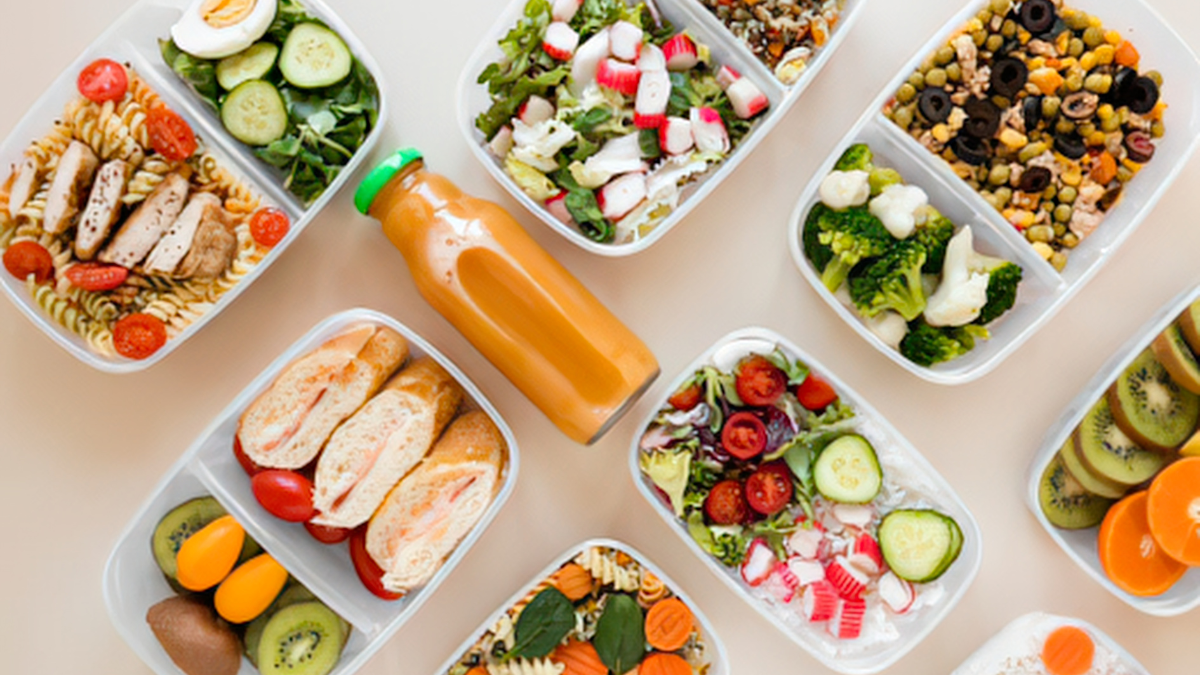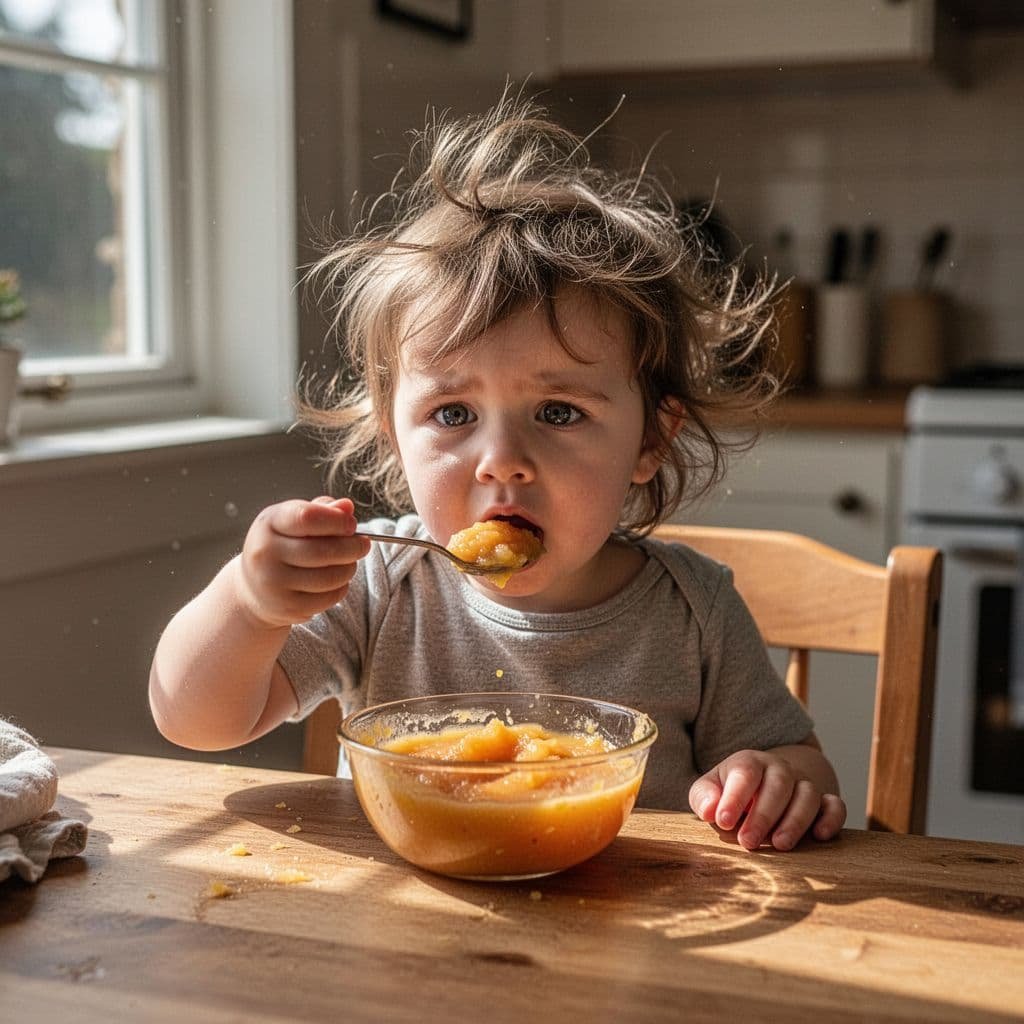
Toddler meals can feel tricky when little hands are still learning how to grab, scoop, and chew. That is where healthy toddler finger food recipes make life easier, because the right bites can be soft, colorful, and simple enough for busy days.
These recipes use everyday ingredients, so you don’t need a long shopping list or a lot of prep time. They also keep toddler food safety in mind, with easy serving ideas that help you build meals your child can handle with more confidence.
QUICK and EASY TODDLER MEALS (for Moms Who Don’t Cook!)
What makes a finger food recipe toddler-friendly?
A toddler-friendly finger food recipe is built for small hands, soft mouths, and short attention spans. The best options are easy to grab, easy to chew, and calm enough for a child who is still learning how to eat with confidence. They should feel manageable, like a tiny job your toddler can actually finish.
Choose soft foods that little teeth can handle
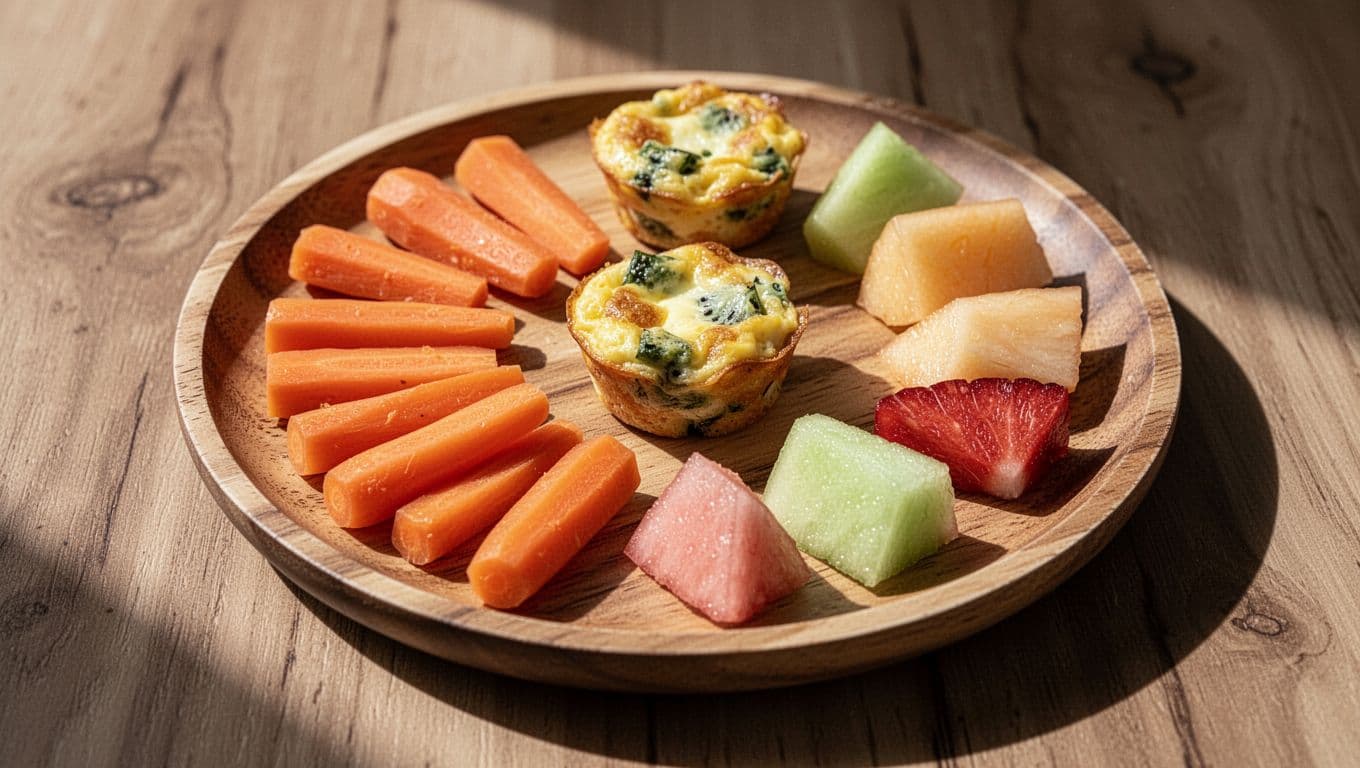
Texture matters first. A good toddler finger food should mash easily between your fingers or gums, because that usually means it will be gentle in tiny mouths too. Soft fruit, cooked vegetables, tender eggs, and well-cooked grains are all easier for toddlers to handle than tough, dry, or crunchy foods.
Avoid anything that stays hard, sticky, or round in its original shape. Whole grapes, sticky nut butter, popcorn, and hard chunks can be difficult or unsafe for toddlers. If a food feels firm, change it before serving by cooking it longer, cutting it smaller, or softening it with another ingredient.
If you can press it lightly and it gives way, it’s usually a better fit for toddler eating.
For a simple safety guide on finger foods, Rutgers Cooperative Extension offers clear tips on cutting and shaping foods for young children.
Keep shapes small, simple, and easy to hold
Toddlers do best with pieces they can pinch without frustration. Bite-size pieces, mini patties, and tiny balls work well because they fit small hands and don’t fall apart too fast. That balance matters, since food should be easy to pick up but not so tiny that it slips away.
Shaped food also gives toddlers a sense of control. A neat little piece on a tray often feels less overwhelming than a large pile. When they can grab a few pieces on their own, mealtime starts to feel like success, not a struggle.
Use familiar ingredients with a healthy balance
The strongest toddler finger food recipes usually mix a protein, fruit, vegetable, or whole grain. That keeps meals simple, filling, and easy to recognize. Think eggs with vegetables, yogurt-based bites with fruit, or soft grain-and-veg patties with mild seasoning.
Keep flavors gentle. Toddlers do not need heavy spice to enjoy food, and mild seasoning makes each bite easier to accept. Familiar ingredients also help children try new foods without feeling lost at the table, which makes everyday eating feel more secure and more independent.
How to keep toddler finger foods safe at the table
Safe finger foods start before the first bite. A toddler can only enjoy food when the setting stays calm, the pieces fit small mouths, and the texture matches what they can chew. That means a little checking now can prevent a lot of stress later.
Watch for choking risks before serving
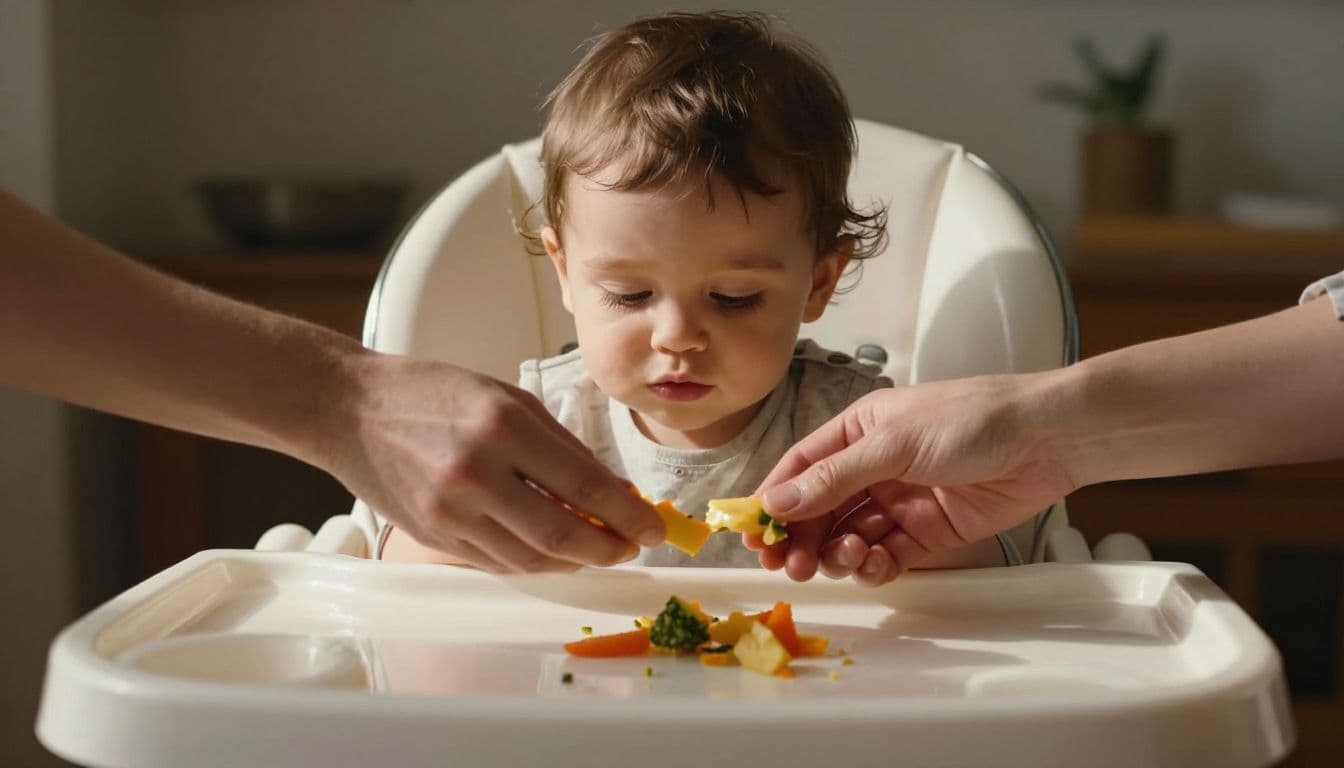
Start with the foods that cause the most trouble. Whole grapes, nuts, popcorn, large chunks of meat, and hard raw vegetables are common choking risks for toddlers. Sticky nut butter, hard candy, and round foods that keep their shape can also be unsafe.
Before serving, cut, mash, or cook food as needed. Grapes should be sliced, vegetables should be softened, and meat should be tender enough to shred easily. If a food feels firm or slippery, change the size or texture before it reaches the plate.
HealthyChildren.org gives clear guidance on cutting foods for young children and avoiding common hazards.
Serve food in a calm, seated setting
Toddlers need to stay in a high chair or booster seat while eating. Keep them strapped in if the seat has a harness, and stay close while they eat.
Walking around with food, playing, or lying down with a snack in hand makes meals less safe. A seated child can focus on chewing, swallowing, and taking one bite at a time. That simple habit makes the table feel steadier and safer for everyone.
Test texture with a gentle squeeze
A quick squeeze test helps you judge whether food is ready. Press a piece between your fingers or use a fork. If it gives easily, it’s usually soft enough for a toddler.
Cooked carrots, eggs, pasta, and fruit should feel tender, not firm. When in doubt, cook a little longer or cut the food smaller before serving. A few seconds of checking can make each meal much easier to handle.
Banana pancakes make a soft, protein-rich breakfast bite
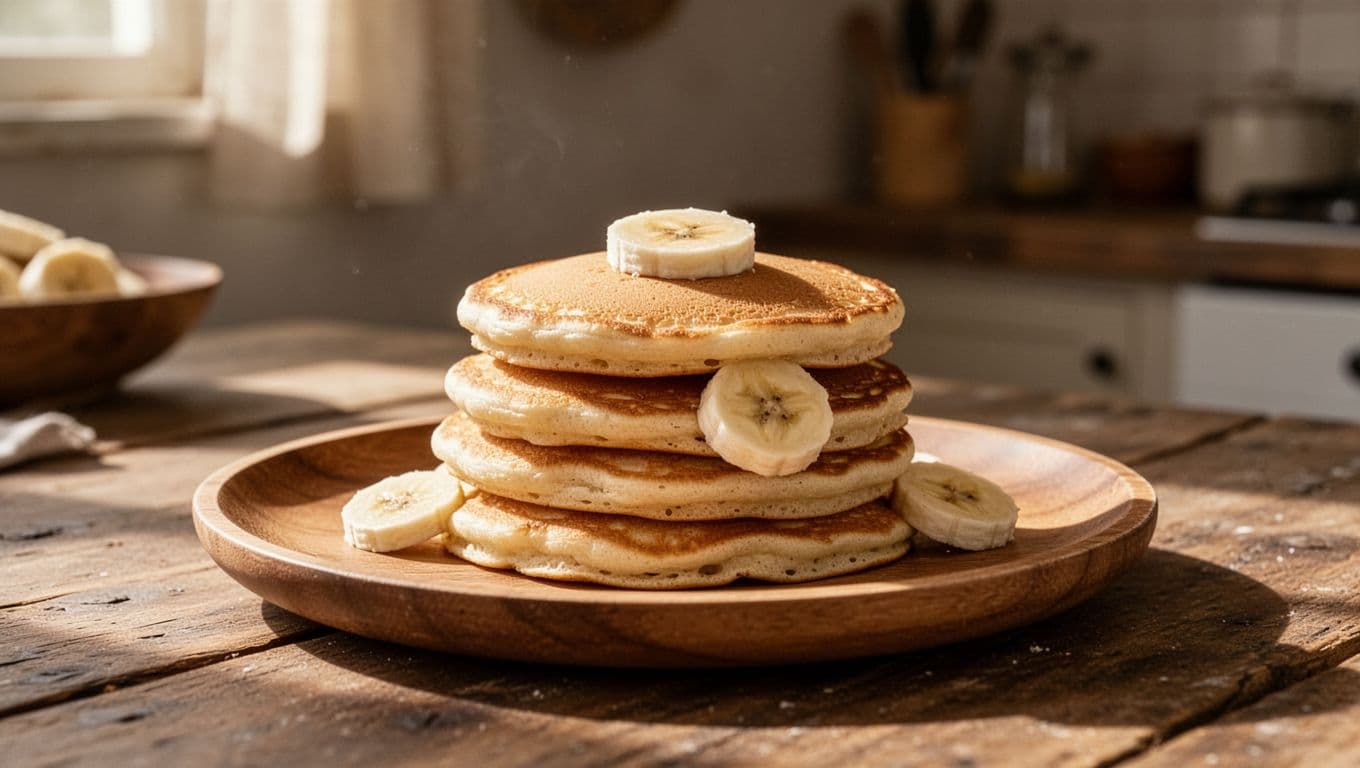
Banana pancakes are one of the easiest toddler breakfasts to pull together on a busy morning. They taste naturally sweet, feel soft on tiny gums, and cut into neat little squares or strips without much effort. That makes them a gentle first bite, especially when you want something homemade that still feels simple.
Ingredients you likely already have
You only need a short list of pantry basics for this recipe. A ripe banana gives the pancakes their sweetness and soft texture, while eggs help hold everything together and add protein.
A little cinnamon works well if you want a warm, mild flavor. You can also add a spoonful of oat flour or regular flour if the batter needs more body. Keep the add-ins simple so the pancakes stay easy for toddlers to chew.
A basic batch usually includes:
- 1 ripe banana
- 1 egg
- 1 to 2 tablespoons flour or oat flour
- A pinch of cinnamon
- A little butter or oil for the pan
If you want to see a similar simple version, this banana pancake recipe shows how small ingredient changes can still keep the pancakes soft and kid-friendly.
Step-by-step way to cook them
Mash the banana in a bowl until it looks mostly smooth. Add the egg, then stir in the flour and cinnamon until the batter blends well. If it seems too thick, add a tiny splash of milk.
Warm a lightly greased skillet over medium-low heat. Spoon the batter into small rounds, then cook until the edges look set and the bottoms turn golden. Flip carefully and cook the other side until the centers are done.
How to serve banana pancakes for toddlers
Let the pancakes cool before serving, since toddlers do best with warm, not hot, food. Cut them into small squares or thin strips so little hands can grab them easily. A few pieces on the plate are enough for one serving, especially for younger toddlers.
You can keep them plain or add a small spoonful of yogurt on the side. Fresh fruit works too, as long as it’s soft and cut into toddler-safe pieces.
Sweet potato balls bring color, fiber, and a soft bite
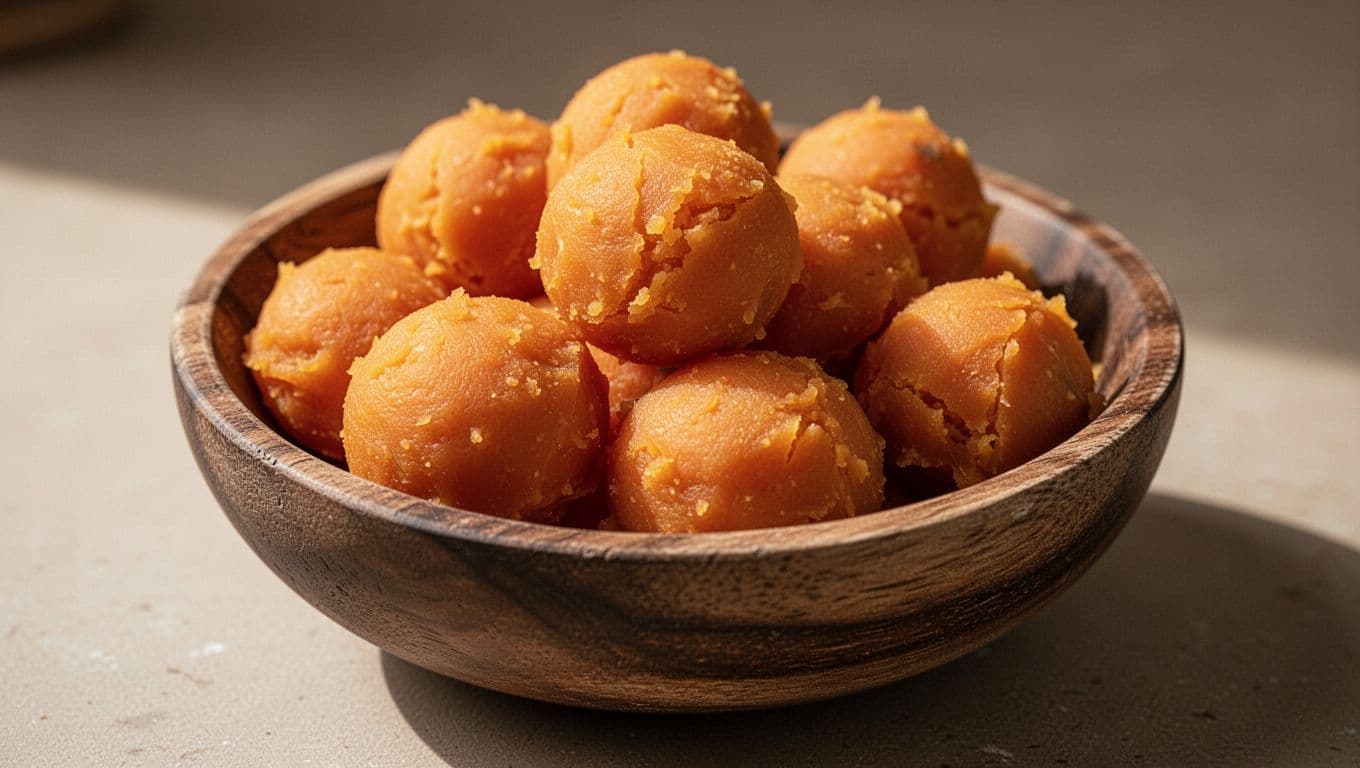
Sweet potato balls make a warm, savory toddler food that feels fun without being fussy. They have a bright orange color, a naturally sweet taste, and a soft middle that many toddlers handle well. Since sweet potatoes are also a good source of fiber, they bring more staying power to a small meal or snack.
Why sweet potatoes work so well for toddlers
Sweet potatoes are easy to love because they are mild, soft, and colorful. That soft texture matters, since toddlers often prefer food that breaks apart easily and does not fight back.
They are also simple to mash, which makes prep easier for you. You can mix them with eggs, breadcrumbs, or a little cheese, then shape them into tiny bites that fit small hands. The flavor is gentle, so it blends well with other ingredients without taking over the whole dish.
Soft, colorful foods often feel more inviting to toddlers than plain beige snacks.
For more on toddler-friendly sweet potato nutrition, Solid Starts’ sweet potato guide breaks down the main nutrients in a simple way.
How to shape and bake them
Start with cooked sweet potato, then mash it until smooth. If the mixture feels too loose, add a binder so it holds together better. Roll the mixture into small balls or mini rounds, then place them on a lined baking sheet.
Bake until the outside firms up and the centers stay soft. That gives you a bite that holds its shape, but still feels easy to chew. Let them cool before serving, then offer a few at a time for little fingers to grab.
A good batch often comes together like this:
- Bake or steam the sweet potato until very soft.
- Mash it well in a bowl.
- Mix in an egg, breadcrumbs, or another binder.
- Shape into small balls.
- Bake until lightly golden and set.
Easy ways to change the flavor
If the mixture needs more taste or better texture, a few mild add-ins can help. A little shredded cheese gives a richer flavor and helps the balls stick together. Breadcrumbs also add structure, especially if the mash feels too wet.
You can also stir in a pinch of mild herbs, like parsley or chives, for a soft savory note. Keep the seasoning light so the sweet potato flavor stays front and center. That balance makes the bites comforting, simple, and toddler-friendly.
Veggie egg muffins are a handy make-ahead snack
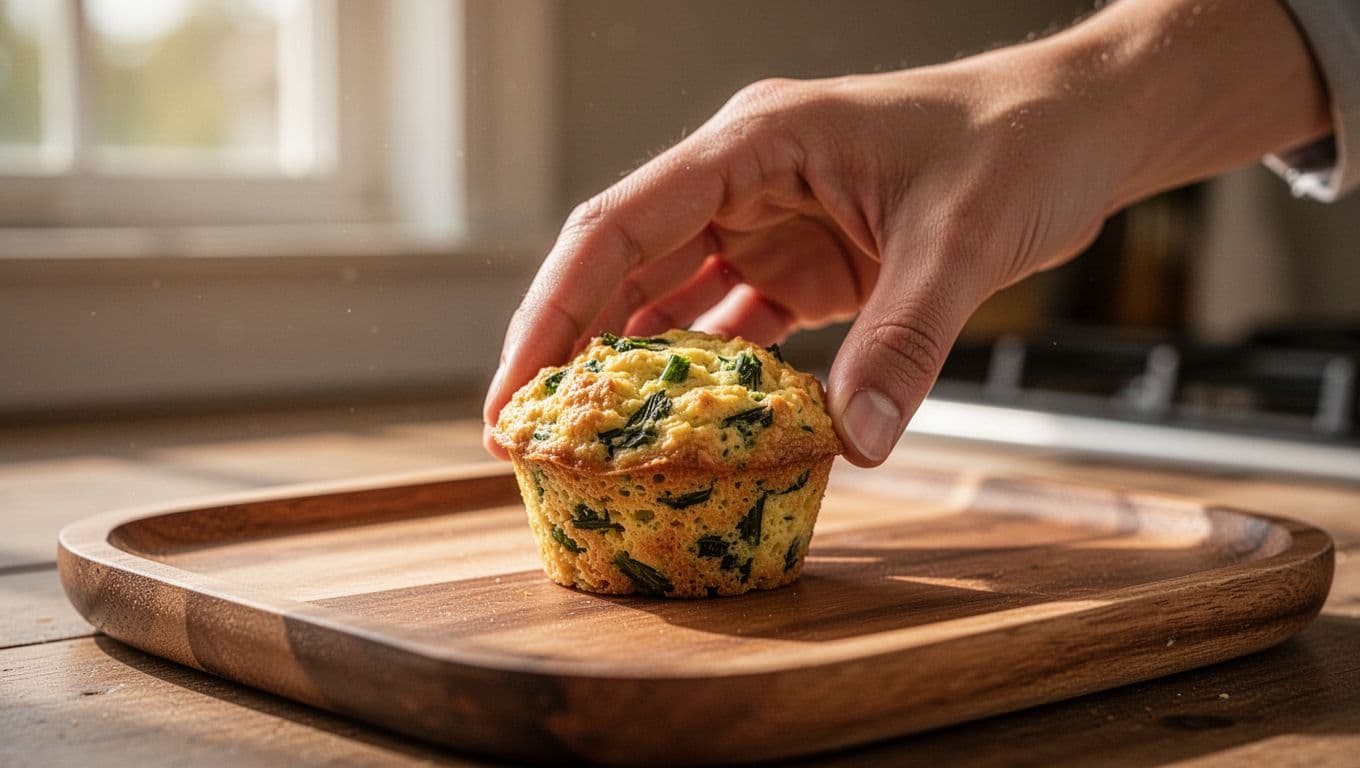
Veggie egg muffins make it easy to pack protein and vegetables into one soft bite. They are small enough for toddler hands, gentle on little mouths, and simple to keep on hand when breakfast gets rushed or snack time sneaks up fast.
Pick vegetables that cook down well
The best veggie egg muffins use vegetables that turn soft in the oven. Finely chopped broccoli, spinach, bell pepper, or carrot work well because they blend into the eggs without leaving tough pieces behind.
Cut the vegetables small and cook them first if needed. That helps them soften, shrink, and spread evenly through the muffin cups. Soft bits are easier for toddlers to chew, and they keep each muffin tender instead of chunky.
You can mix one vegetable or a few, depending on what you have in the fridge. Mild flavors usually work best, especially if you want a snack your toddler will actually eat.
Bake them in a mini muffin tin
Start by whisking eggs in a bowl, then stir in the chopped vegetables. Add a little cheese if you want extra flavor, then spoon the mixture into a greased mini muffin tin. Fill each cup about three-quarters full so the muffins rise without spilling over.
Bake until the centers are set and the tops look lightly golden. Mini muffin cups cook faster than full-size ones, so keep an eye on them near the end. For more ideas on simple egg cups, healthy egg muffin cups show how flexible this kind of recipe can be.
Store and reheat for quick meals
Let the muffins cool before you store them. Then place them in an airtight container in the fridge for a few days, or freeze them for longer use.
When you need one, reheat it until warm all the way through. A few seconds in the microwave usually works for a refrigerated muffin, while frozen ones need a little more time. Slice larger pieces in half if needed, so they stay easy for tiny fingers to handle.
These little muffins are a smart backup for busy mornings, lunchboxes, or a fast snack after playtime. They keep toddler food simple without feeling boring.
Chicken baby meatballs add protein in a toddler-sized shape
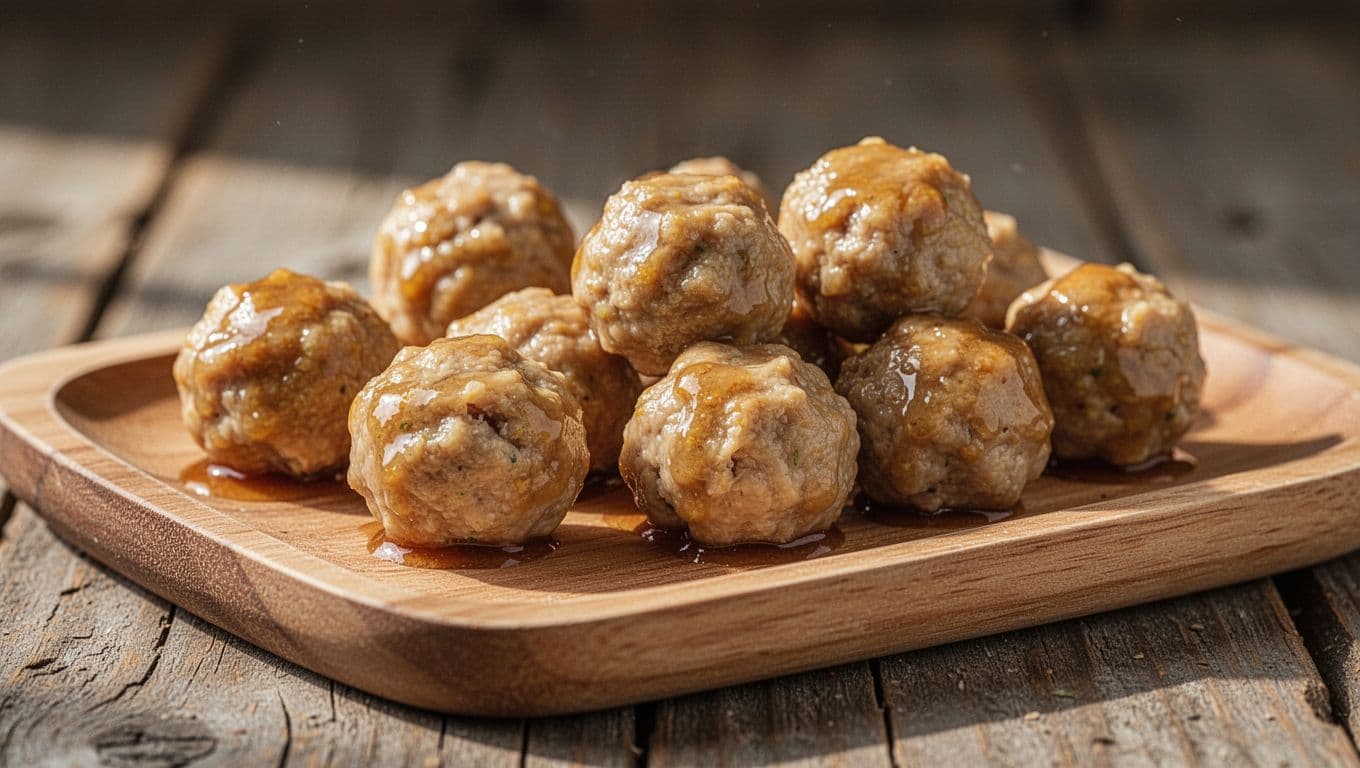
Chicken baby meatballs are a simple way to put protein on the plate without making mealtime feel heavy. They are soft, filling, and easy for toddlers to hold, so they work well for lunch or dinner. You can also tuck in finely chopped vegetables, like carrot, spinach, or zucchini, and keep the texture gentle enough for picky eaters.
Make the meat mixture tender, not dry
Start with ground chicken, then mix in a little moisture so the meatballs stay soft after baking. A spoonful of breadcrumbs soaked in milk, a bit of grated vegetable, or a beaten egg all help bind the mixture without making it dense.
Keep the mixing gentle. Once the ingredients come together, stop stirring. Overmixing can make the meatballs tight and dry, while a light touch keeps them tender and easy to chew.
A small amount of olive oil, cheese, or applesauce can also help, especially if the mixture looks too lean. If you want another simple example, these baked chicken meatballs for toddlers show how a short ingredient list can still give you a soft finish.
Shape them into tiny, even balls
Smaller meatballs are easier for toddlers to pick up and chew. Aim for bite-size portions, about the width of a large marble, so little hands can manage them without frustration.
Even sizing matters too. When each meatball is the same size, they cook at the same pace, which helps you avoid dry edges and underdone centers. Rolling them with slightly damp hands also keeps the mixture from sticking and makes the process quicker.
Bake until fully cooked and cool before serving
Place the meatballs on a lined baking sheet and bake until they are cooked through. Chicken should reach 165°F in the center, so check the temperature if you want extra peace of mind.
Let them cool before serving. Warm meatballs are fine, but they should not feel hot in a toddler’s mouth. Once they are cool enough to eat comfortably, serve a few at a time with pasta, rice, or soft vegetables for a meal that feels simple and complete.
Fruit and yogurt bites make snack time feel fresh and cool
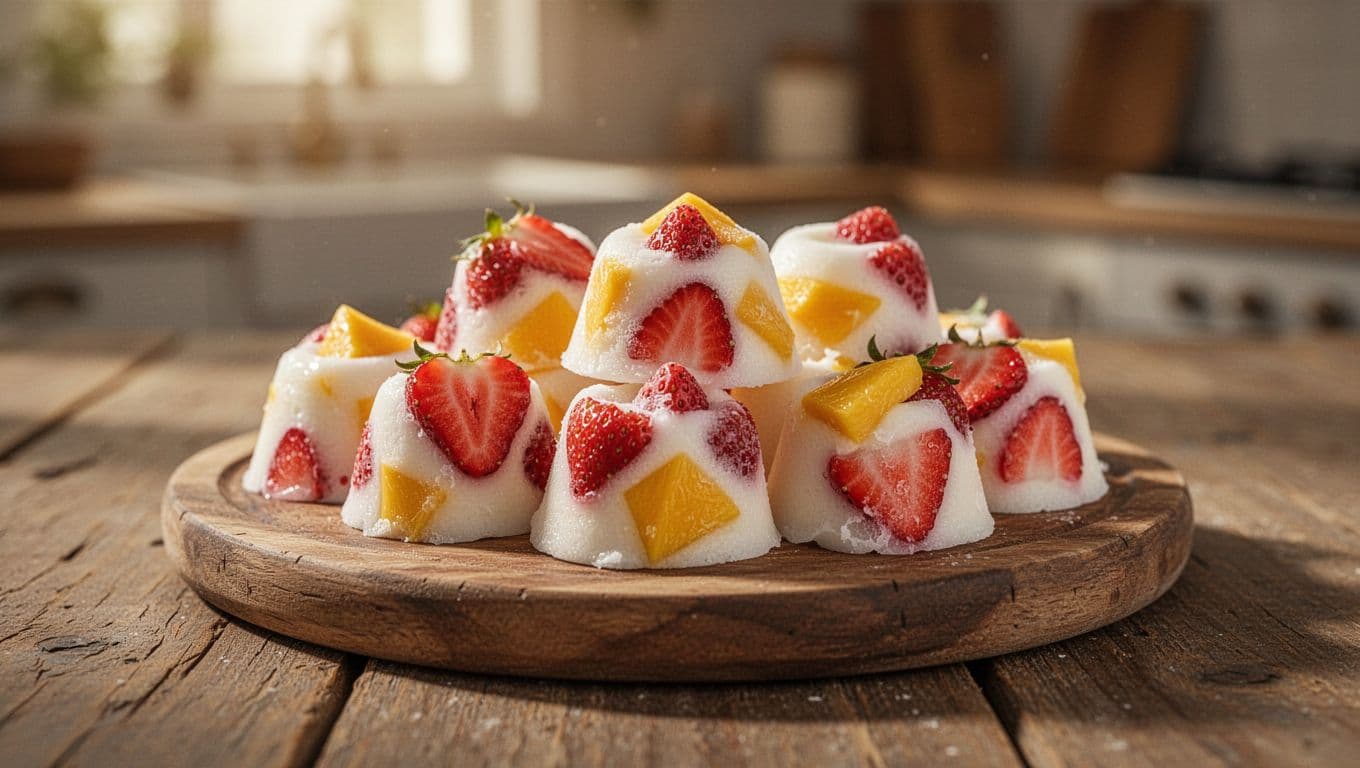
Fruit and yogurt bites are a bright little snack for warm afternoons or an easy light breakfast. The mix of creamy plain yogurt and sweet soft fruit feels smooth, cool, and comforting, which makes it appealing for toddlers who like gentle textures.
These bites also work well in tiny portions. A few small spoonfuls are enough for little hands to manage, and the cold texture can make snack time feel extra refreshing.
Use soft fruit that is easy to chew
Start with fruit that feels ripe and tender. Banana, strawberry, and mango are all good choices because they mash or cut easily and break down well in a toddler’s mouth.
Cut the fruit into small pieces before mixing it with yogurt. Keep the pieces soft, not firm or slippery, so they are easier to scoop and safer to chew. If the fruit still feels tough between your fingers, let it ripen a little longer before serving.
A few good options include:
- Banana, sliced into tiny rounds or small chunks
- Strawberry, hulled and cut into small bits
- Mango, peeled and cut into soft cubes
For a simple safety guide on fruit and texture, Solid Starts yogurt guidance is a helpful place to start.
Freeze yogurt in tiny spoonfuls
Spoon plain yogurt onto a parchment-lined tray in small dots, or use a mini silicone mold for neat little bites. Then press a bit of soft fruit into each one.
Freeze until the yogurt is firm. Once set, peel the bites off the tray and keep them cold until snack time. The result is simple, creamy, and easy to serve in just a few pieces.
Tiny portions are best here, because they thaw fast and fit toddler-sized appetites.
Serve them as a snack or side dish
These bites work well on their own, but they also pair nicely with other soft foods. Try them beside scrambled eggs, toast strips, or a few pieces of ripe fruit for a fuller snack.
On hot days, they make a cool break between meals. They also work as a quick side dish when you want something light that still feels fun and satisfying.
Conclusion
Healthy toddler finger food recipes do not need to be fancy to work well. The best ones stay soft, small, and simple, so little hands can manage them and little mouths can chew them with less fuss.
These five recipes keep the focus where it matters most, on safe serving, familiar ingredients, and food that feels easy to eat. When meals are built this way, toddlers get more chances to feed themselves with confidence.
That kind of meal can make the whole table feel calmer. It also makes everyday eating a little more joyful for both toddlers and parents.
Save pin for later

- 20 Baby Shower Table Decor Ideas - July 22, 2026
- How To Raise A Confident Child - June 19, 2026
- Age-Appropriate Chores For Kids (By Age Group) - June 19, 2026