Polish surnames are full of clues, and that’s what makes them so interesting to explore. Many came from jobs, places, animals, personal traits, or even first names, so each one can open a small window into family history and culture.
If you’ve ever wondered what a last name like Kowalski, Nowak, or Wiśniewski might mean, you’re in the right place. This list of 100 common Polish surnames keeps the meanings simple and clear, while also showing the patterns behind them, and understanding the evolution of surnames can make the names even more meaningful. So let’s start with the names themselves and the stories they often carry.
Why Polish last names often tell a story
Polish surnames rarely appeared by chance. Many grew out of daily life, where a person’s job, home, nickname, or family line gave others an easy way to identify them. That is why so many names still carry a clear trace of the past, like a footprint in mud after rain.
As you move through the list, you’ll keep seeing the same patterns again and again. Some names point to a craft, some to a village or landscape, and some to a person, trait, or animal image. A few even have more than one possible meaning, depending on the region or the family history behind them.
Names that came from jobs and trades
Many Polish surnames began with work. In old villages, a smith, tailor, baker, or shoemaker could become known by that trade, and the name stayed in the family. That is why names like Kowalski, Krawczyk, Piekarski, and Szewczyk feel so grounded in everyday life.
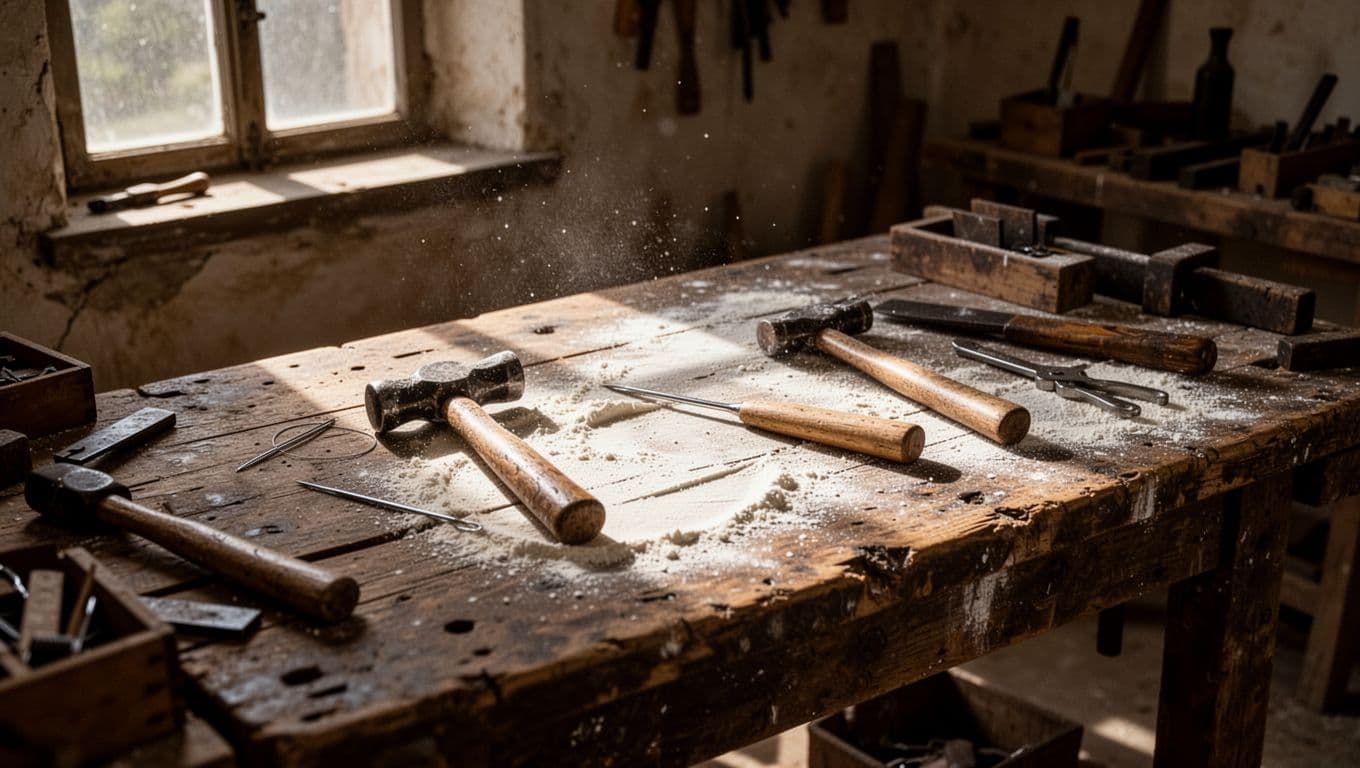
- Kowalski points to a blacksmith or smith.
- Krawczyk links to a tailor.
- Piekarski comes from baker.
- Szewczyk connects to a shoemaker.
These surnames often acted like labels in a busy village square. If you knew the trade, you knew the family. For a broader look at how surnames took shape in Polish history, Culture.pl’s guide to Polish surnames gives helpful background.
Names tied to places, land, and nature
Other Polish surnames grew out of the land itself. Some point to a village, town, or homestead, while others echo forests, fields, rivers, or plants. Endings like -ski and -cki often suggest a place-based origin, especially when a family was linked to a specific area.
That is why a name can feel like a map marker. It may hint at where a family lived, where they came from, or what kind of place shaped their story. A surname built from a tree, flower, or stretch of land can carry the same kind of memory.
Common patterns include:
- Place names tied to villages or estates
- Land features such as fields, woods, or water
- Plant-based names inspired by trees or flowers
This is also why Polish surnames can sound lyrical. They often hold a small scene inside them, like a road by the forest or a house near the river.
Names based on people, traits, and animals
Some surnames began as nicknames or family markers. A name might come from a father’s first name, a person’s look, a habit, or a trait that stood out. Over time, those names hardened into family names and passed down through generations.
Animal images appear often, too. A surname can suggest a wolf, crow, fox, or another creature that gave the name a sharp or memorable feel. Other names may point to frost, a newcomer, or someone known by a personal quality that neighbors remembered easily.
That mix makes these names vivid. You can almost hear the village voices behind them, shortening a story into a single word. In Polish naming patterns, a name was often more than an identifier, it was a tiny clue about where a person fit in the community.
100 Common Polish Surnames and What They Mean
Polish surnames often carry a clear image, a job, a place, a bird, or a family tie. That makes them easier to read than they first look. Once you spot the pattern, the name starts to feel less like a label and more like a clue.
Popular surnames with occupational roots
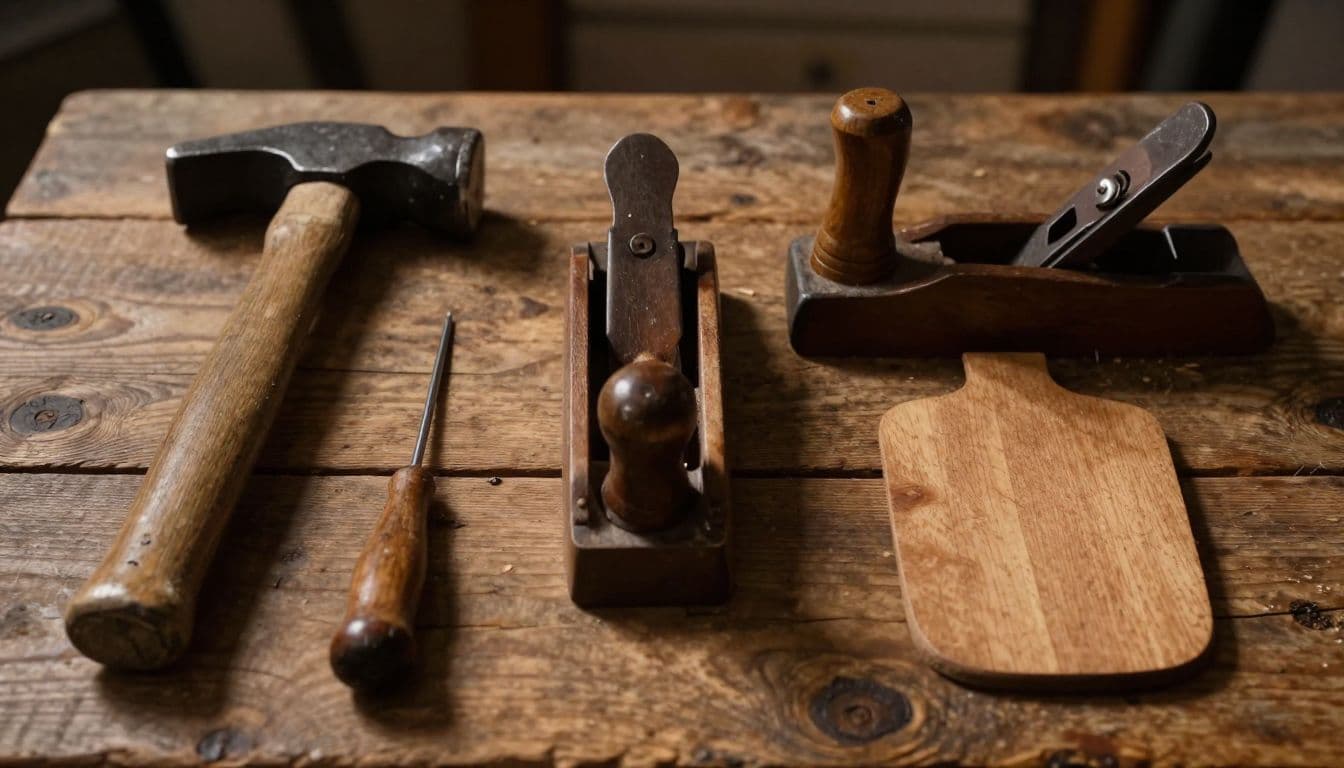
These surnames grew out of daily work. In older villages, a person’s trade often became the easiest way to tell families apart, and the name stayed put.
- Kowalski means blacksmith. It points to the smith who shaped metal.
- Krawczyk means tailor or little tailor. The root is tied to sewing and cloth work.
- Kołodziej means wheelwright. This was the person who made or repaired wheels.
- Piekarski means baker. It comes from the old bread-making trade.
- Rybak means fisherman. The image is plain and easy to picture.
- Malarz means painter. It refers to someone who painted surfaces or scenes.
- Szewczyk means shoemaker or little shoemaker. It points to leather work and repair.
- Kaczmarek means innkeeper. In older usage, it could also connect to a tavern keeper.
- Mielnik means miller. This was the person who ground grain.
- Cieślak means carpenter. It comes from woodwork and building.
- Gajda is tied to a bagpipe player. It has a lively, folk sound to it.
- Krupa can mean grain and may also link to a grain seller.
- Woźniak points to a wagon driver or caretaker.
- Chmiel means hops, and it can connect to brewing.
A surname like this is practical on the surface, but it still feels rooted in the rhythm of old workdays. If the name sounds like a tool, a trade, or a market task, it often is.
Common surnames that point to places or regions
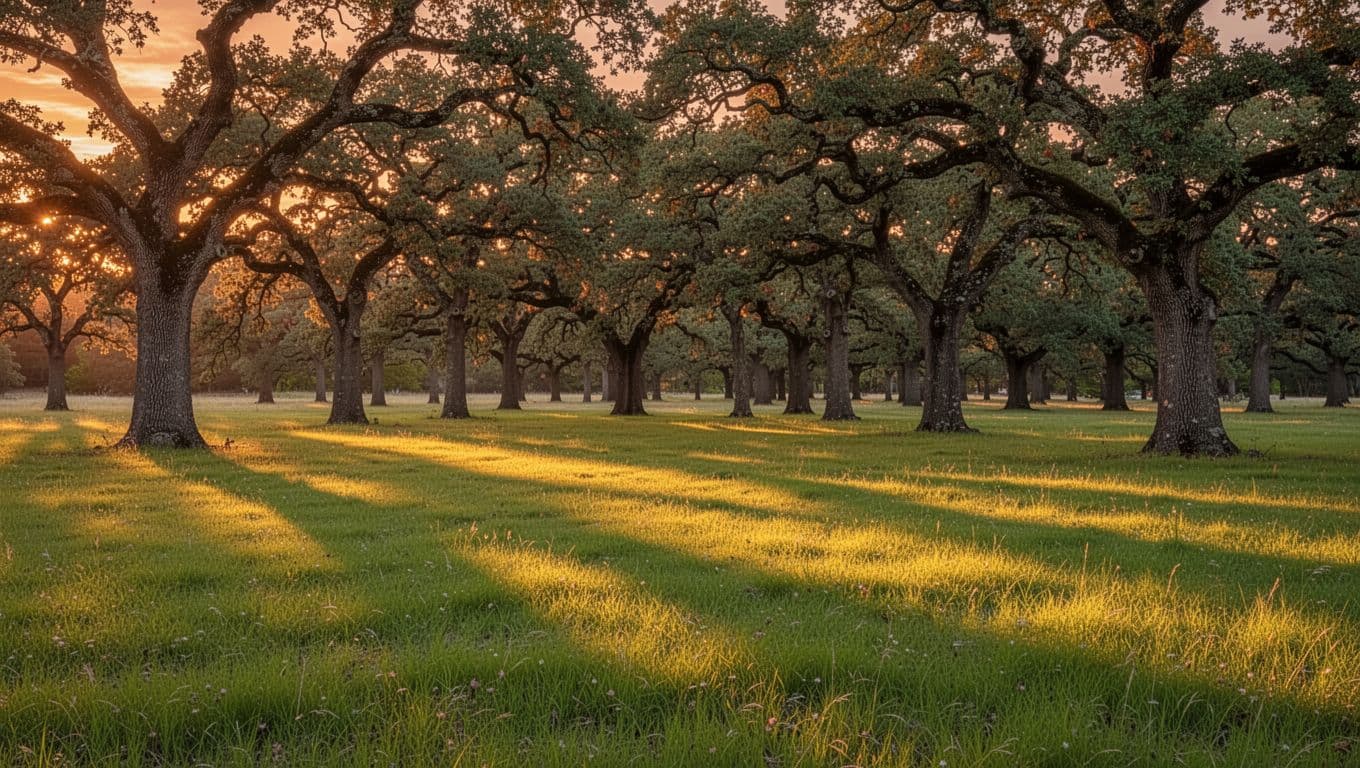
Place-based surnames are some of the most useful clues in Polish naming history. They often point to where a family lived, where they came from, or what kind of land shaped their identity.
- Zieliński means green or from a green place. It may suggest fields, plants, or fertile land.
- Dąbrowski means from an oak grove. The oak tree gives this name its strong, rooted feel.
- Borkowski means from a grove or wooded area. It often points to a forested place.
- Ostrowski means from Ostrów or from an island-like place. In Polish, ostrów often refers to a place near water.
- Górski means from the hills or mountains. The name carries a highland image.
- Zawadzki often points to a settlement near an obstruction, crossing, or edge. It can also link to a place name.
- Jabłoński means from an apple tree place or apple grove.
- Grabowski means from a hornbeam grove. Hornbeam is a type of tree common in wooded areas.
- Olszewski means from an alder grove. The alder tree grows near wet ground.
- Brzeziński means from birch trees. It has a bright, wooded feel.
- Laskowski means from a grove or forest.
- Kalinowski means from a viburnum grove or a place with viburnum shrubs.
- Gajewski means from a grove or wooded area.
- Nowicki means from a new place or newcomer from a settlement.
- Mazur points to someone from Mazury or Masovia. It marks regional origin.
- Morawski means from Moravia. This links the family to a historical region.
- Kozłowski can mean from Kozłów, a place name, though it may also carry a goat link.
- Kamiński means from stone or from a stony place.
- Kopeć means mound or hill.
- Kopczyński means from a small hill or mound.
- Górka or Gorski-type names often point to higher ground, a hill, or a slope.
- Lewandowski is usually tied to a place called Lewandów, though some older meanings connect it with a plant name.
- Bielecki often means from a white place or open field.
These names work like old map pins. A family might move far away, yet the surname still keeps the old place in view.
Surnames inspired by animals, birds, and nature
Animal names bring more color to the list. Some feel fierce, some light, and some almost playful.
- Wilk means wolf. It sounds sharp and strong.
- Wrona means crow. The image is dark and bold.
- Wróbel means sparrow. It has a small, quick feel.
- Żuraw means crane. The bird gives the name a tall, graceful image.
- Kaczmarek can also connect to duck in older folk speech, though its better-known meaning is innkeeper.
- Kania means kite, the bird of prey.
- Zając means hare. It brings to mind speed and alertness.
- Ptak means bird.
- Sikora means titmouse. It sounds light and lively.
- Słowik means nightingale. The name carries a soft, musical feel.
- Lis means fox. It suggests cleverness and quick thought.
- Kot means cat.
- Kurek means rooster.
- Kozioł means goat.
- Królik means rabbit.
- Bąk can mean gadfly or drone.
- Baran means ram.
- Mucha means fly.
- Dudek means hoopoe, a bird with a striking crest.
- Czajka means lapwing, a bird often seen near open fields.
- Karpiński means from carp or connected to carp.
- Kania and Wilk stand out because they sound almost like they carry the creature in them.
Animal surnames often feel vivid because they turn a person into a picture. A wolf, sparrow, or hare is easy to remember, and that helped names stick.
Family names that grew from first names or nicknames
Some surnames grew straight out of a first name. Others started as a nickname, then hardened into a family name over time. That is why they often sound familiar right away.
- Jankowski means son of Jan or from Jan. It connects to the name Jan, the Polish form of John.
- Pawlak means son of Paweł or connected to Paweł.
- Stankiewicz means son of Stanek or descendant of Stanisław in many family lines.
- Szymczak means son of Szymon or connected to Szymon.
- Michalski means from Michał or son of Michał.
- Mikołajczyk means son of Mikołaj.
- Piotrowski means from Piotr or connected to Piotr.
- Wojciechowski means from Wojciech.
- Jakubowski means from Jakub.
- Janicki means from Jan.
- Błaszczyk means from Błażej.
- Klimek often comes from Klemens or a related short form.
- Kubiak comes from Kuba, a short form of Jakub.
- Adamski points to Adam or a place tied to that name.
- Sobczak can come from Sobiesław or from a nickname.
- Mysiak has a nickname feel and may mean mouse-like or small and quick.
- Głowacki can come from head in a nickname sense, often for someone noticed for their head shape or hair.
- Stępień may come from a nickname or older personal root.
- Jarosz can mean fierce or vigorous, and it can also connect to a given name.
- Bujak suggests swaying or a nickname linked to movement.
- Majcher means knife and often works as a nickname-based surname.
- Król means king, and it likely began as a nickname for someone with a proud bearing.
- Mróz means frost, a crisp surname with a cold-weather image.
- Bąk and Mucha also fit here at times, because old nicknames often became names.
These surnames feel personal because they came from people, not places. A first name, habit, or nickname could be enough to start a family line that lasted for generations.
A quick way to read Polish surnames
The same name endings show up again and again, so patterns matter. When you see -ski, -cki, or -wicz, the surname often points to a place or a family line. When you see a trade, animal, or first name root, the clue is usually sitting right in front of you.
That makes Polish surnames easier to decode than many people expect. You may not know every origin at first glance, but the meaning often sits close to the surface, like writing on old wood where the grain still shows through.
What these names can reveal about Polish family history
Polish surnames do more than identify a family. They can point to a trade, a village, a region, or even the land around an ancestor’s home. That gives each name a small thread of history you can pull on.
The meaning is rarely the whole story, though. A surname can open the door, but family records, old spellings, and town names often tell you more.
Clues for genealogy and ancestry research
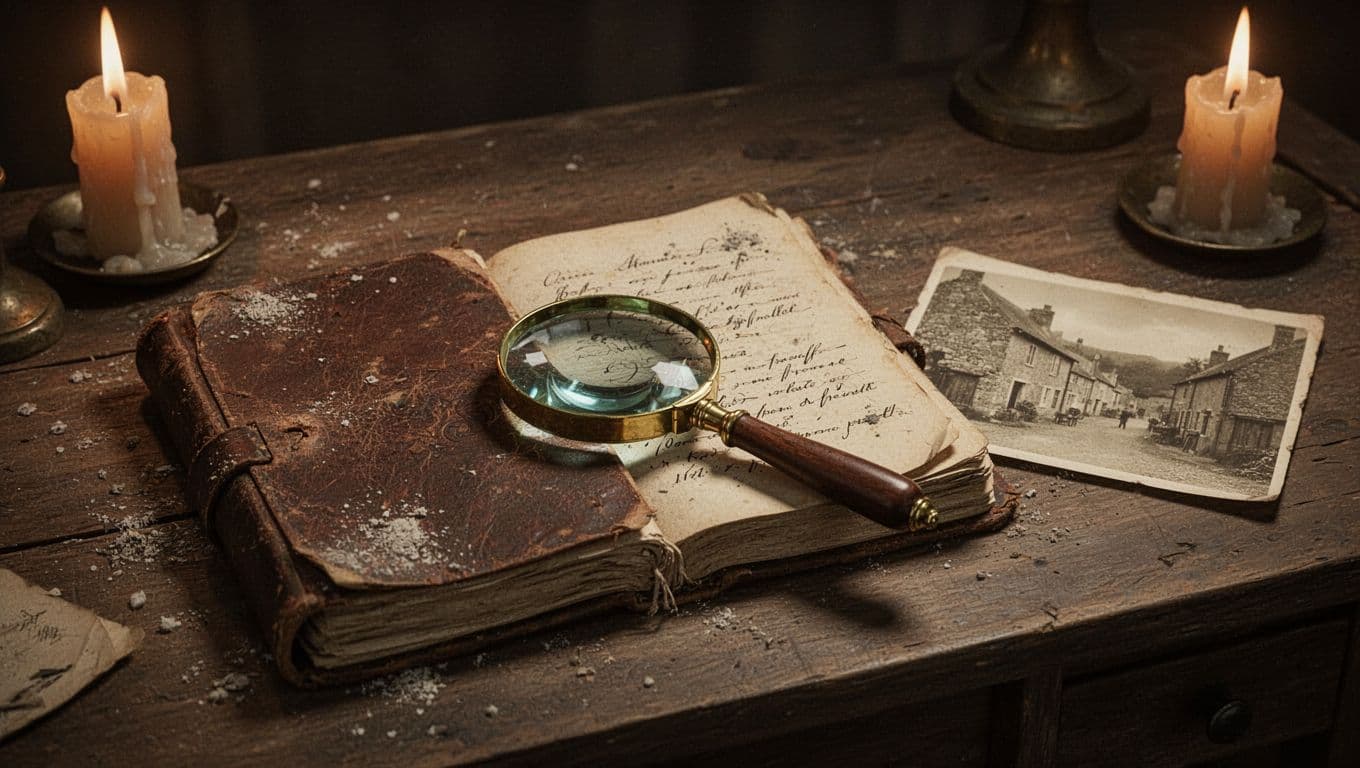
Use a surname meaning as a starting point, not final proof. If a name points to a blacksmith, a grove, or a first name, that clue can help you ask better questions as you trace your family line.
A good next step is to compare the name with other details you already know. Look at birth records, marriage papers, immigration forms, church books, and census entries. Then check nearby towns and villages, because Polish surnames often connect to a place even when the spelling has changed over time.
Small spelling shifts matter a lot. A letter may disappear, a suffix may change, or a name may look different after crossing a border. Those changes can hide the same family in plain sight, so keep an eye on older forms of the name.
A simple research path can help:
- Write down the oldest spelling you can find.
- Compare it with family documents and cemetery records.
- Check whether the name matches a town, trade, or region.
- Look for repeated patterns in first names and witnesses.
- Follow the paper trail before you settle on one meaning.
A surname can point you in the right direction, but records are what confirm the story.
Why surname meanings still matter today
Even when a family no longer works the same job or lives in the same place, the surname keeps an old story alive. A name like Kowalski still carries the echo of metalwork, while a name like Dąbrowski still brings up the image of trees and land.
That matters because names help people feel connected to more than the present moment. They can hint at the work your ancestors did, the places they knew, and the world they moved through every day.
For many families, that link feels personal. A surname can sound like a quiet family heirloom, passed down with the same care as a photo, a recipe, or a prayer. If you want to reflect on your own name and what it carries, choosing a family heritage baby name can also be a thoughtful way to think about identity, memory, and roots.
In the end, surname meanings matter because they keep heritage close. They remind you that a family name is not just written on paper, it is part of a lived history.
Conclusion
Polish surnames often carry a clear trace of the past. Some point to work, like Kowalski and Krawczyk. Others point to a place, a family line, or a detail from nature, which makes each name feel like a small piece of living history.
That is what makes this list useful. It can help with curiosity, family research, or a closer look at Polish culture, because a surname often says more than it first seems to.
When you read these names with care, the meaning becomes part of the story. A last name can hold memory, place, and identity in just a few syllables.
Save pin for later
- Asperger’s Syndrome in Babies: Early Signs and Next Steps - October 7, 2026
- 12 Beautiful Baby Names That Mean Forest, Plus Woodland Picks - September 27, 2026
- 15 Fantastic Baby Nicknames for Boys, From Sweet to Playful - September 27, 2026