Pollution is harmful trash, smoke, and chemicals that make our air, water, and land unsafe. For kids, that can mean dirty rivers, smoggy skies, and parks that aren’t as clean as they should be.
This guide shares 25 essential pollution facts in a way that’s easy to remember. You’ll see the main types of pollution, where they come from, how they affect people and animals, and a few small actions kids can take right away.
What pollution really means in everyday life
Pollution shows up in more places than many kids realize. It can sit on the ground as litter, drift through the air as smoke, or slip into water where you cannot always see it.
A small mess can still matter. One bottle in a park, a puff of exhaust near a busy road, or a little oil in a stream can spread trouble fast. Pollution often starts small, then it piles up like dirt in the corner of a room until it becomes hard to ignore.
A simple definition kids can remember
Pollution is harmful waste or dirty substances that make air, water, or land unsafe.
That definition is easy to hold onto because it covers the main idea in plain words. If something dirty or harmful ends up where it does not belong, it can become pollution.
Why pollution is more than just trash
Trash is only one part of the problem. Pollution can also be smoke from cars, factory fumes, oil in water, sewage, and chemicals from spills or leaks.
Some pollution is easy to spot, like litter on a sidewalk or cans in a ditch. Other kinds hide in plain sight. Dirty air can look like a gray haze, and polluted water can look clear until you notice what is floating or living in it.
Pollution can be invisible and still cause harm.
That is why pollution matters in everyday life, even when the mess looks small. Smoke from a road, soap water from a drain, or plastic bits washed into a creek can all affect people, animals, and plants. For a child-friendly overview of the idea, Britannica Kids explains pollution simply.
The three main types of pollution children should know
Pollution shows up in different places, but three kinds matter most in everyday life: air, water, and land pollution. Each one can sneak into a child’s world in plain sight, such as on a busy road, in a creek, or on a school sidewalk.
Knowing these types helps kids spot problems faster. It also makes the big word “pollution” easier to understand, because the source often tells the story.
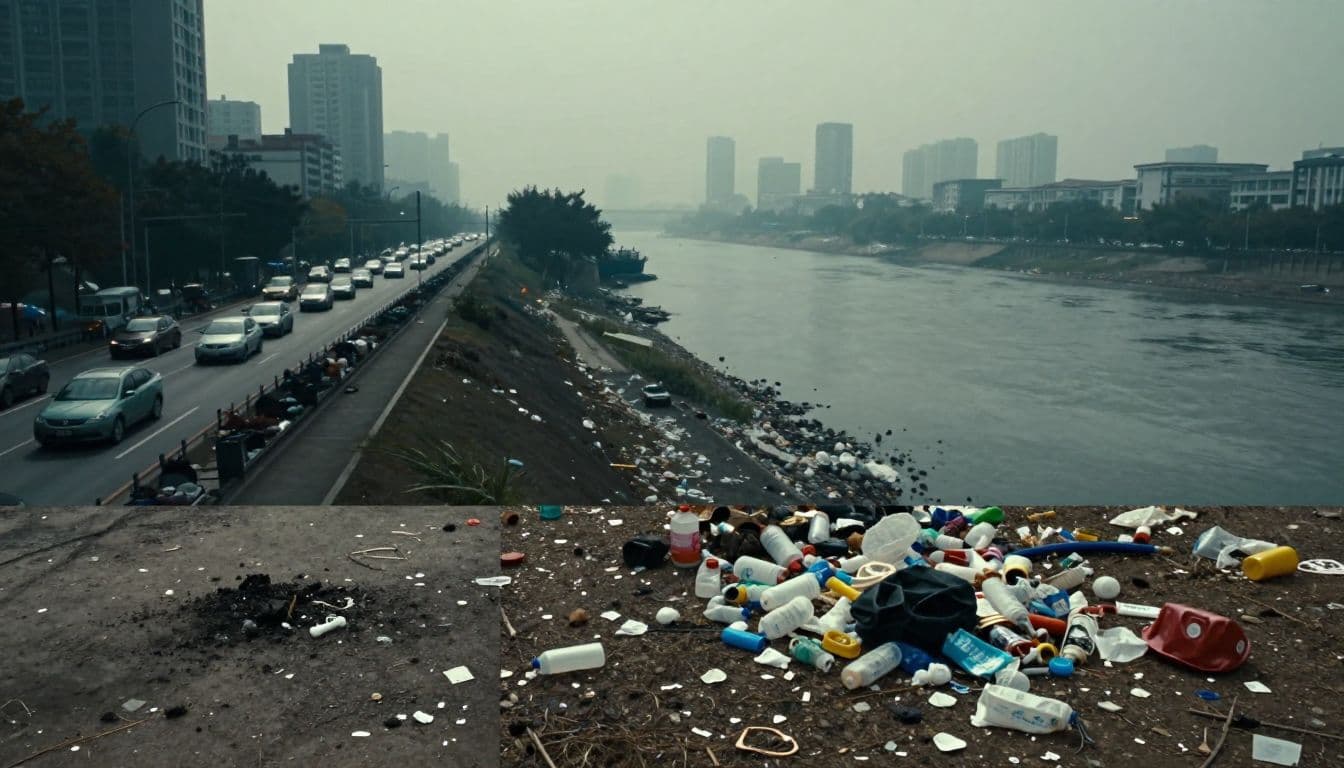
Air pollution from cars, factories, and smoke
Air pollution happens when dirty gases and tiny particles mix into the air we breathe. It often comes from burning fuel, so cars, buses, trucks, factories, and power plants are common sources. Sometimes it looks like a gray haze over a city, and sometimes it smells like smoke after a fire or from a tailpipe.
Children may notice air pollution near traffic jams, school pickup lines, construction sites, or places where people burn trash or wood. Even when the air looks normal, polluted air can still be there, floating like dust you cannot easily catch.
Pollution facts for kids often explain that smoke and gases are a major part of this problem. That matters because dirty air can make it harder to breathe and can bother the eyes and throat.
Water pollution in rivers, lakes, and oceans
Water pollution happens when trash, oil, sewage, and chemicals get into rivers, lakes, or oceans. A bottle tossed on the ground can wash into a storm drain. A small oil spill can spread across the surface like a dark stain, and sewage or chemicals can change the water in ways you may not see right away.
Polluted water harms fish, birds, and other animals that depend on clean water to live. It can also hurt people, especially when water is used for drinking, fishing, or swimming.
Clean water can be spoiled long before it looks dirty.
That is why litter near streams, drains, and beaches matters so much. What washes away from one place can end up far from where it started.
Land pollution from litter and dumped waste
Land pollution happens when garbage, plastic, old electronics, and other waste pile up on the ground. You might see it in an empty lot, beside a road, near an overflowing dumpster, or in a neighborhood where trash is dumped carelessly. Over time, that waste can soak into the soil and make the area unhealthy and unpleasant.
This kind of pollution does not always stay on land. Rain can carry trash and harmful chemicals into drains and waterways, while some waste can give off bad smells or release dirty particles into the air. In other words, one messy spot can spread trouble in more than one direction.
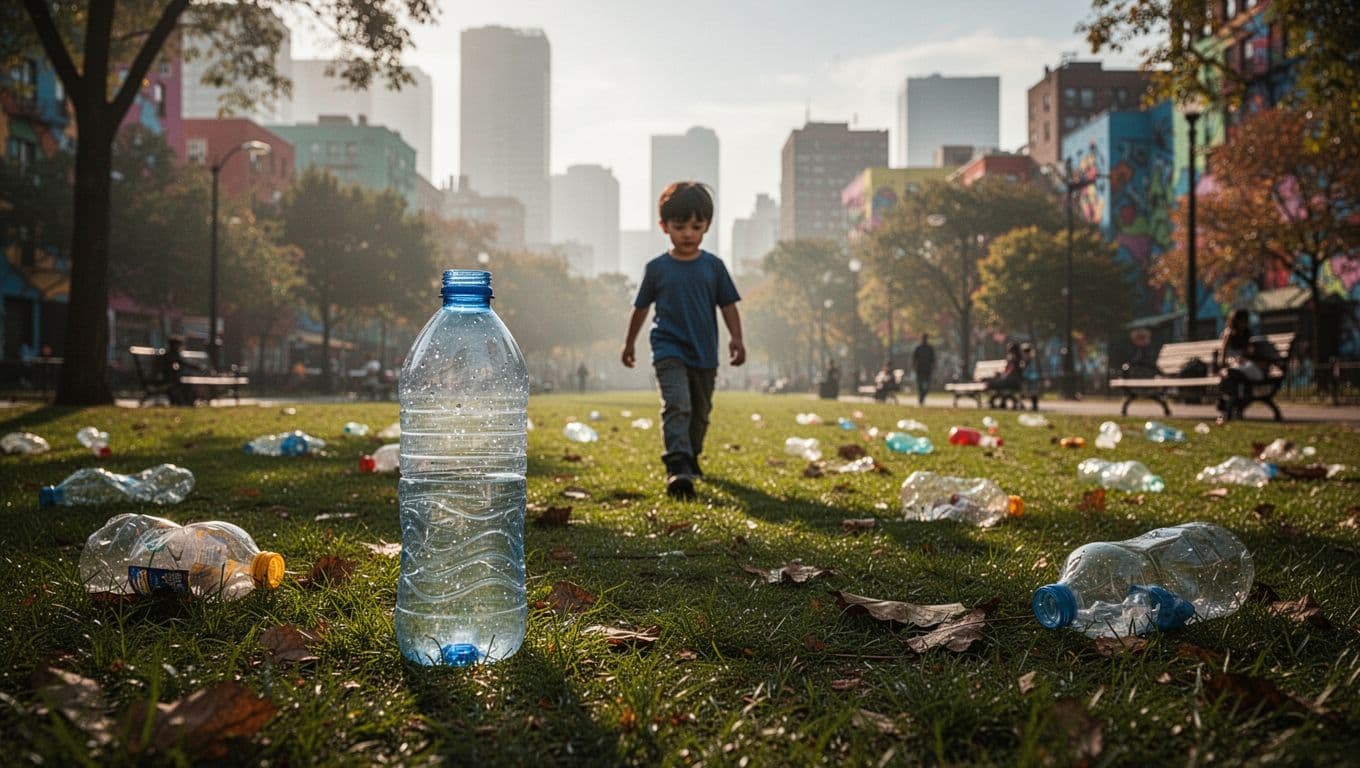
Children can spot land pollution in parks, school yards, and sidewalks where people leave wrappers or broken items behind. A clean ground may seem simple, but it helps keep neighborhoods safer, fresher, and easier to enjoy.
How pollution affects people, animals, and the planet
Pollution does more than make places look messy. It can get into our lungs, poison water, and damage homes for animals and plants. Over time, it also changes the air and climate in ways that affect the whole planet.
The scary part is how ordinary it can look at first. A little smoke, a few plastic bags, or dirty runoff after rain may seem small. Yet those small problems can spread through neighborhoods, rivers, and skies.
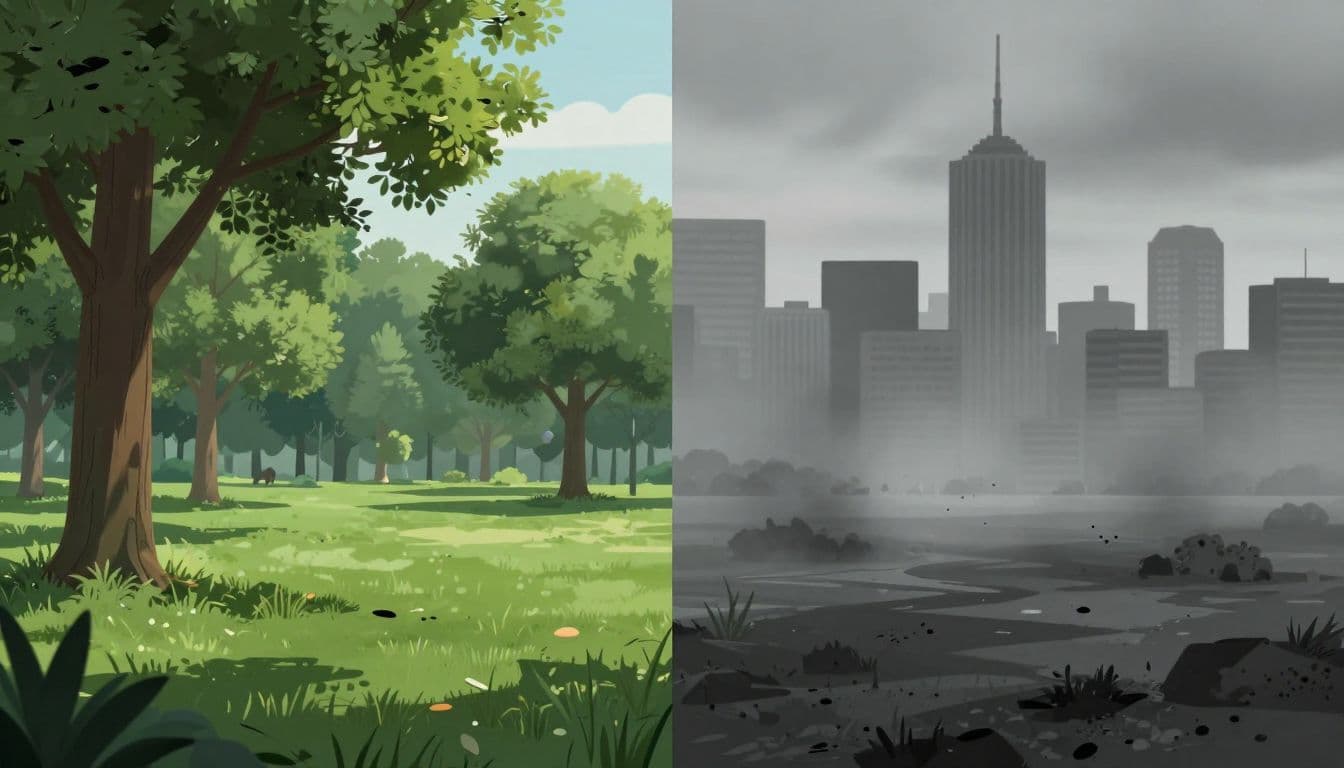
Why polluted air can make breathing harder
Dirty air can bother the lungs fast. It can trigger asthma, cause coughing, and make breathing feel tight or sore. Some children feel it as a wheeze after running outside, while others notice a scratchy throat or a stuffy chest.
People with health problems often feel polluted air more strongly. That includes children, older adults, and people with asthma or heart problems. Their bodies may have a harder time dealing with smoke, dust, and tiny particles in the air.
Air pollution can come from car exhaust, factory smoke, and wildfire haze. The National Institute of Environmental Health Sciences explains that air pollution can affect lung growth and worsen breathing diseases. In other words, bad air does not just smell unpleasant, it can make daily life harder.
When the air is dirty, every breath can feel heavier.
That is why a smoky playground or a busy road can be more than an eyesore. It can affect how kids play, sleep, and feel during the day.
How polluted water harms fish and other wildlife
Water pollution works like a chain reaction. First, trash, oil, sewage, or chemicals get into a river, lake, or ocean. Then fish, frogs, birds, and turtles may drink it, swim through it, or eat it by mistake.
That can poison animals, damage their homes, and make it harder for them to find food. Plastic can trap sea animals, while dirty water can block sunlight that water plants need to grow. When that happens, the whole habitat weakens.
Polluted water can also become unsafe for people. It may not be safe for drinking, swimming, or fishing. If dirty rainwater washes from streets into streams, the problem can travel far from where it started. That simple cause-and-effect pattern matters: trash on land can become pollution in water.
A good way to think about it is this, one dirty drain can affect an entire creek. From there, the damage can spread to animals, plants, and people who depend on clean water.
The bigger planet problems, like smog and climate change
Pollution also affects the air around the whole Earth. When cars, factories, and power plants burn gas, oil, or coal, they send gases and particles into the sky. Those gases trap heat, which helps make the planet warmer.
Warmer weather can also make smog worse. Smog is that dirty gray or brown haze that can hang over cities. It can make it harder to see and harder to breathe, especially on hot days. The World Health Organization notes that polluted air can raise the risk of breathing problems and asthma flare-ups.
Pollution can even help create acid rain, which can fall into lakes, soil, and forests and harm plants and wildlife. And as temperatures rise, wildfires can happen more often in some places, sending even more smoke into the air. That means pollution and climate change can feed into each other, like a loop that keeps making the problem bigger.
Clean air matters for more than comfort. It helps people breathe, animals survive, and the planet stay healthy enough for life to grow.
Why plastic pollution is such a big deal
Plastic helps in daily life because it is light, strong, and cheap. It keeps food fresh, protects medicine, and makes many useful products possible. The trouble starts when plastic becomes waste and stays in nature for a very long time, breaking into smaller and smaller pieces instead of disappearing.
That is why plastic pollution gets so much attention. It spreads fast, lasts for years, and moves through homes, streets, rivers, and oceans like a stubborn stain that keeps growing.
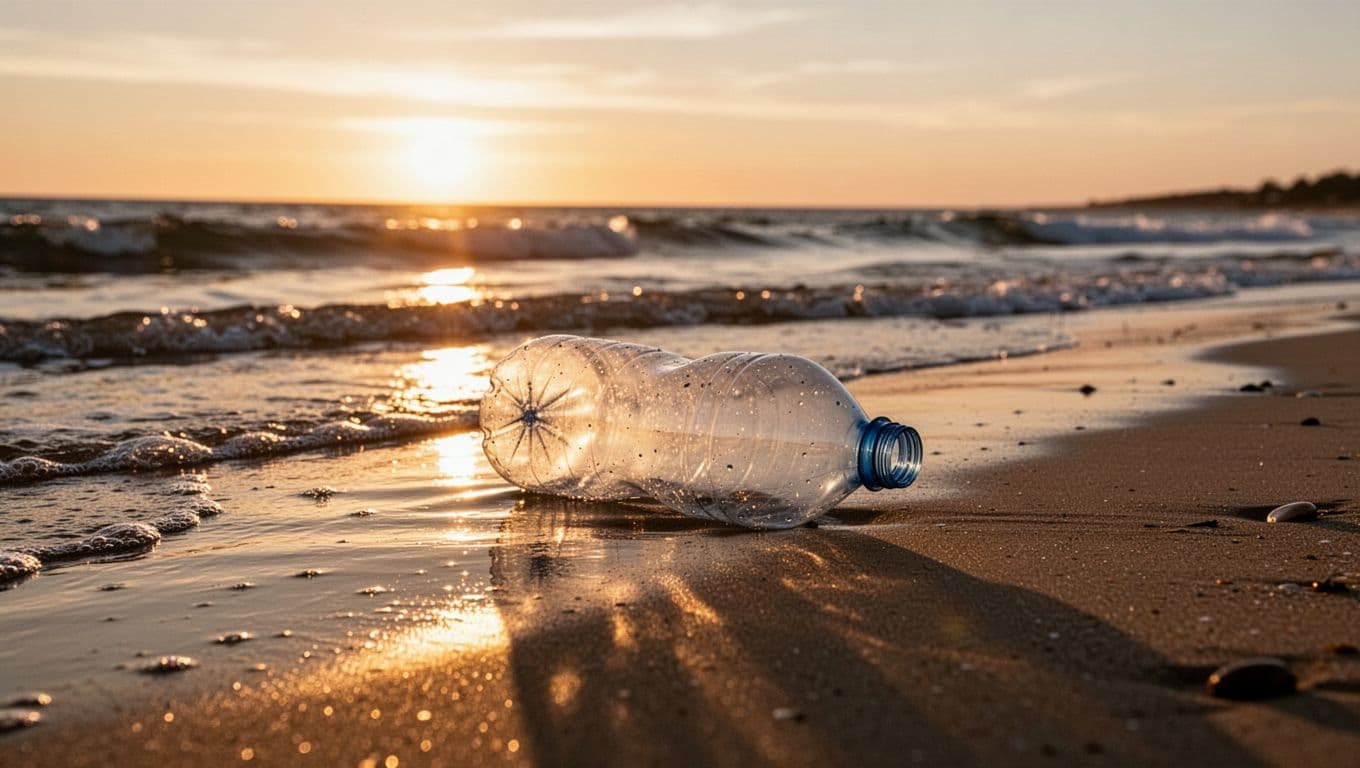
How plastic reaches the ocean
Plastic does not need a direct trip to the beach to reach the sea. A bag dropped on a sidewalk can blow into a storm drain. A wrapper tossed near a curb can get swept into runoff after rain. From there, water carries it into creeks, rivers, and eventually the ocean.
Tiny plastic pieces travel too. As larger items crack and wear down, they break into small bits called microplastics. Those pieces are hard to spot, so they slip through drains and move with the water like confetti that never gets cleaned up. For a child-friendly look at this problem, National Geographic Kids explains plastic in the ocean.
Once plastic enters moving water, it can travel far. A bottle thrown away in one town may end up on a beach miles away. That is why litter control matters on streets, not just at the shore. Plastic waste on land often becomes ocean waste later.
What plastic does to sea animals
Plastic is dangerous because animals often cannot tell it apart from food or safe places to live. A sea turtle may mistake a floating bag for a jellyfish. A fish or seabird may swallow tiny plastic pieces by accident. When that happens, the animal can choke, feel full without getting nutrients, or become too weak to survive.
Plastic also traps wildlife. Fishing line, rings, bags, and nets can wrap around fins, wings, legs, and necks. An animal caught in plastic may struggle to swim, fly, or escape predators. In some cases, it drowns or gets badly hurt.
Plastic waste turns a home into a hazard.
The damage does not stop with one animal. When habitats fill with trash, beaches, reefs, and nesting areas become less safe for many species. The U.S. Environmental Protection Agency explains that plastic pollution harms wildlife and ecosystems in ways that build over time.
Why reducing single-use plastic helps
Single-use plastic is one of the easiest kinds of waste to reduce. These are the items you use once and throw away, like straws, bags, wrappers, bottles, and some takeout containers. They may save a few minutes, but they can stay in the environment for years.
Small changes add up quickly. If you reuse a water bottle, carry a cloth bag, or choose products with less packaging, you cut down on trash before it starts. That means less plastic on roads, in drains, and near rivers.
A few practical swaps can make a real difference:
- Reuse what you already have instead of buying disposable items again and again.
- Pick products with less packaging so there is less waste to throw away.
- Carry a reusable bottle or bag when you leave home.
- Reuse containers for snacks, storage, or small school items.
- Choose durable items that last longer than throwaway ones.
If your family likes simple, low-waste ideas, these tips for reducing plastic waste at home can help you start with everyday habits that feel manageable. Even one habit change matters, because less plastic in use usually means less plastic in nature.
Plastic pollution is a big deal because it moves easily, lasts too long, and harms living things at every step. The good news is that everyday choices can slow it down, one bottle, bag, and wrapper at a time.
How kids can help reduce pollution at home and school
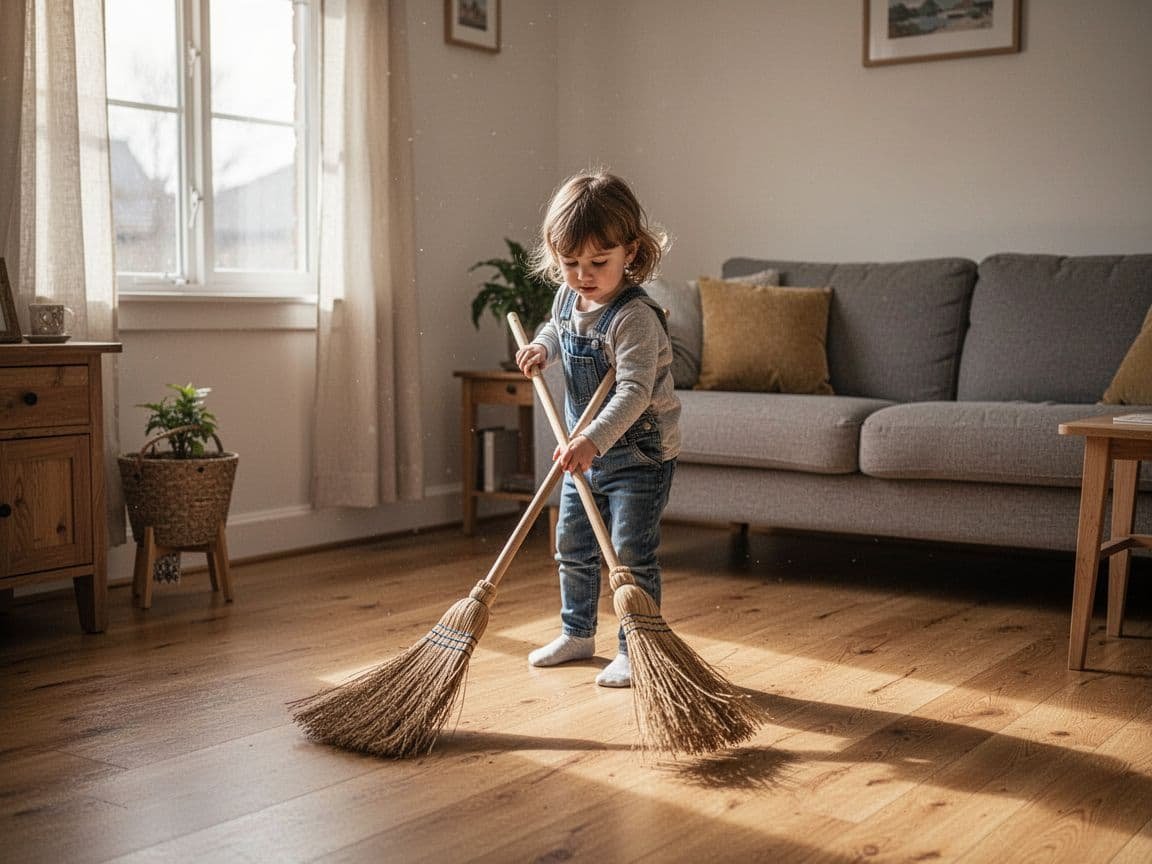
Kids do not need to wait until they are older to make a difference. Small daily choices can keep trash out of gutters, save energy, and make classrooms and homes cleaner. When those habits become normal, they start to look as ordinary as brushing teeth or packing a backpack.
The best part is that most of these actions are simple. They fit into real routines, like getting ready for school, eating lunch, or cleaning up after playtime. Here are a few easy ways kids can help.
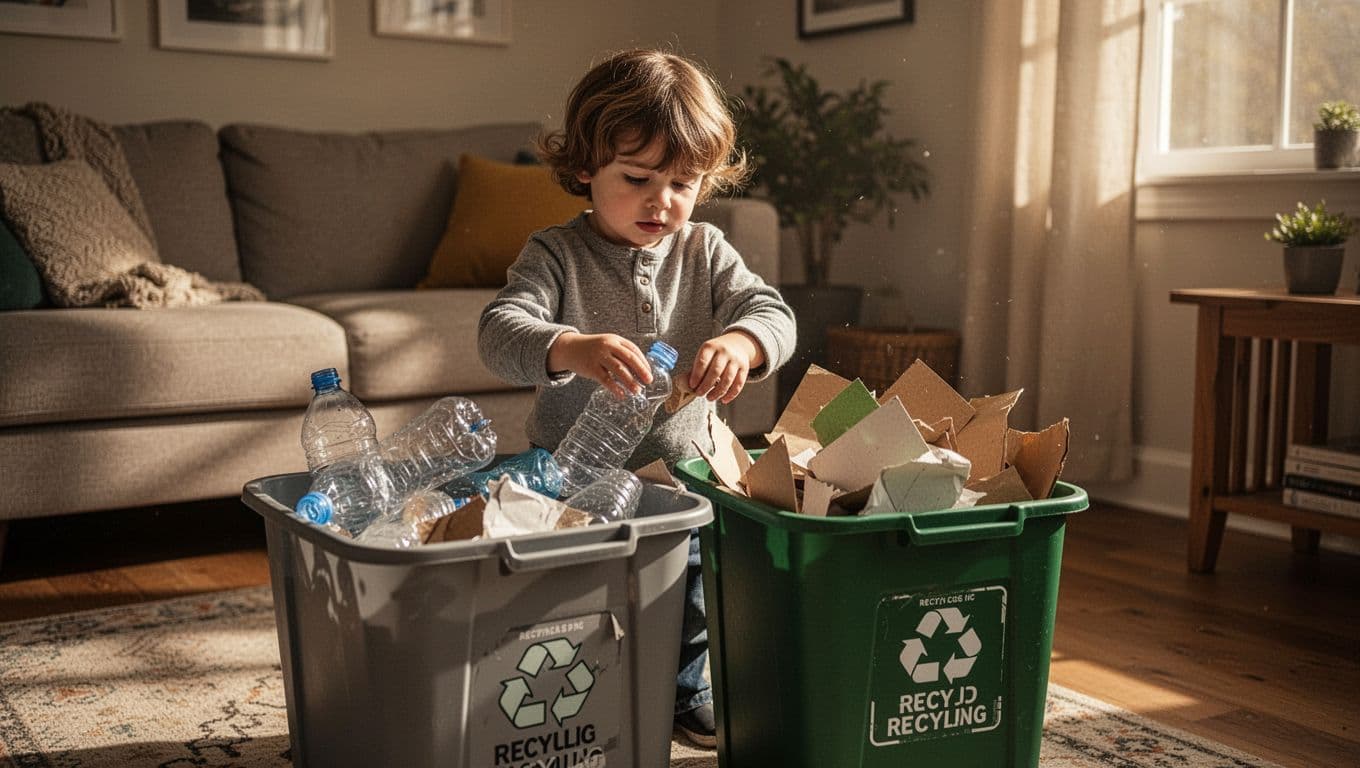
Small habits that make a real difference
Little actions add up fast when they happen every day. Recycling paper, cans, and plastic keeps useful items out of the trash, and it also gives them a second life. At home or at school, kids can look for the right bin and sort items carefully.
Not littering matters just as much. A wrapper on the ground can blow into a drain, then into a creek, and later into a river. That is why picking up your own trash, and even one extra piece nearby, helps more than it seems.
Energy and water use matter too. Turning off lights when leaving a room, shutting down a screen, and not letting the faucet run can save resources. Kids can also walk or bike when possible, or ride with family, which helps cut down on car pollution.
Reusing is another easy win. A folder can hold new papers, a jar can store small items, and a backpack can last another year. For more ideas on everyday family habits, organized morning routines for families can make clean-up and prep feel smoother.
Smart ways to cut down waste in lunchboxes and playtime
Lunch and recess can create a lot of trash without anyone meaning to. A reusable lunch container, water bottle, and snack bag can replace many single-use items in one school day. That means less plastic in the garbage and less mess in the lunchroom.
Outdoor play can leave waste behind too. Juice boxes, snack wrappers, and broken toy packaging often end up on the grass or under benches. Kids can get into the habit of doing a quick scan before heading back inside, then picking up anything that belongs in the trash or recycling bin.
A few simple swaps help right away:
- Reusable containers for sandwiches, fruit, and snacks
- Refillable water bottles instead of buying new drinks
- Cloth or washable bags for lunch and supplies
- A trash check after recess so wrappers do not get left behind
A clean playground stays fun longer, because everyone leaves it better than they found it.
Families can also keep a small stash of reusable items by the door or in a backpack. That makes it easier for kids to grab what they need without reaching for disposable extras.
How families and classrooms can work together
Kids do better when the adults around them make pollution-fighting habits easy to follow. A family rule like “lights off when you leave” or “trash goes in the bin” keeps the message clear. In class, labeled recycling bins and a simple clean-up routine help children know exactly what to do.
School clean-up days are another strong idea. When students, teachers, and parents pick up litter together, kids see that protecting the environment is a team job, not a solo chore. That kind of shared effort makes the habit stick.
You can also keep the rules short and steady:
- Put paper, plastic, and cans in the right bin.
- Use reusable items whenever possible.
- Pick up trash after snacks, recess, or family outings.
- Turn off lights and electronics when they are not needed.
Small systems make a big difference. A trash can near the door, a recycling bin in the classroom, and a family reminder by the sink can turn good intentions into daily action. When kids see adults doing it too, they know they are part of the solution.
Conclusion
These 25 pollution facts show a simple truth, pollution is serious, but it is not ignored once kids learn how it works. Dirty air, polluted water, and litter on land all leave marks on people, animals, and the places they love.
The good news is that small habits matter. Turning off lights, saving water, recycling, reusing, and picking up trash may look small on their own, yet they add up fast when kids do them every day.
That was the heart of this guide, learn the facts, notice the problem, and make one cleaner choice at a time. When kids understand pollution, they do more than spot danger, they help protect the world around them.
Save pin for later

- Asperger’s Syndrome in Babies: Early Signs and Next Steps - October 7, 2026
- 12 Beautiful Baby Names That Mean Forest, Plus Woodland Picks - September 27, 2026
- 15 Fantastic Baby Nicknames for Boys, From Sweet to Playful - September 27, 2026