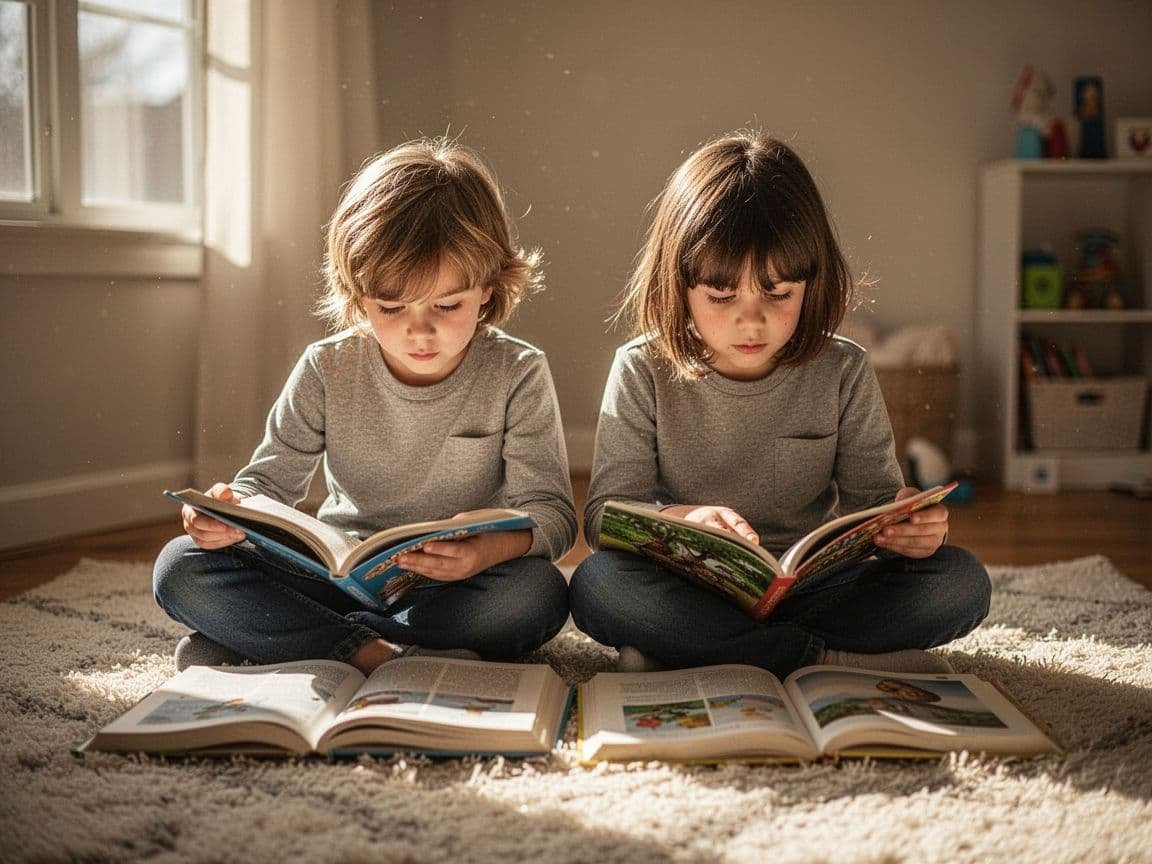
The Ramayana still feels magical for kids because its heroes face fear, loss, and hard choices in ways children can understand. Even after all these years, the story still speaks in a simple language of courage, kindness, loyalty, and doing the right thing.
That’s what makes these 17 short Ramayana stories for kids so useful. They turn a long epic into small, easy-to-read moments, so young readers can follow the adventure without getting lost. If your child enjoys stories at bedtime, you may also like these calming bedtime stories for peaceful sleep, which can make quiet reading time even sweeter.
These short tales give you a gentle way to share big values without making the lesson feel heavy. Now, let’s begin with the first story.
Why the Ramayana still speaks to children today
The Ramayana stays close to children because it tells big truths through simple scenes. A promise is made. A forest journey begins. A friend stands beside a hero when things get hard. Children may not remember a long lecture, but they remember a brave face, a kind act, or a moment when someone chooses duty over comfort.
That is why these stories still fit bedtime reading, school projects, and family time at home. The events are clear, the characters are vivid, and the lessons feel easy to picture. A child can follow Rama walking away from the palace, Sita waiting with patience, or Hanuman rushing to help with loyal energy. Those scenes stay in the mind like bright beads on a string.
Big lessons hidden inside simple scenes
Each short Ramayana story carries one clear message, and that makes it easy for children to grasp. One story may show courage when Rama faces exile. Another may show honesty through a promise that must be kept. A different scene may teach respect for parents, teachers, and elders.
Children understand these ideas best when they see them in action. For example, a boy sharing his toy can connect with loyalty. A girl waiting calmly for her turn can understand patience. A family reading together can talk about love without turning it into a sermon.
Kids often remember what they can picture. That is why a forest path, a golden palace, or a loyal friend matters more than a long explanation.
The Ramayana also gives children a safe way to talk about hard choices. It opens the door to questions about pride, kindness, self-control, and family duty. These Japanese parenting ideas show a similar truth, children grow well when values are woven into daily life, not just spoken aloud.
How short stories help young readers stay interested
Short stories work because they move at a pace children can follow. Long summaries can blur together, but brief scenes keep names, places, and actions easy to hold in mind. When a child hears one clear event at a time, the story feels like a trail they can walk without getting lost.
This also helps during bedtime, when children are tired and need a calm rhythm. It works well in class projects too, because a short tale is easier to retell, draw, or act out. In family reading time, a short Ramayana story gives everyone something to discuss before the moment slips away.
Storytelling also supports early learning in a practical way. UNICEF notes that listening to stories helps children build language and reading skills, which is one reason these tales stay useful across ages.
For children, the Ramayana is not just an old epic. It is a set of small, memorable scenes that still speak in a language they understand.
The first part of the Ramayana, told in short and exciting scenes
The beginning of the Ramayana opens like a bright palace lamp in the dark. It brings us to Ayodhya, where love, duty, and destiny arrive together. Each scene is simple enough for children to follow, yet full of wonder and heart.
Rama’s birth in Ayodhya
King Dasharatha waits for a child with a heavy heart and a hopeful prayer. When Rama is born, the palace fills with joy, and that joy spreads like sunlight across every room. He is the son everyone loves at once, not only because he is royal, but because he is calm, kind, and wise even as a child.
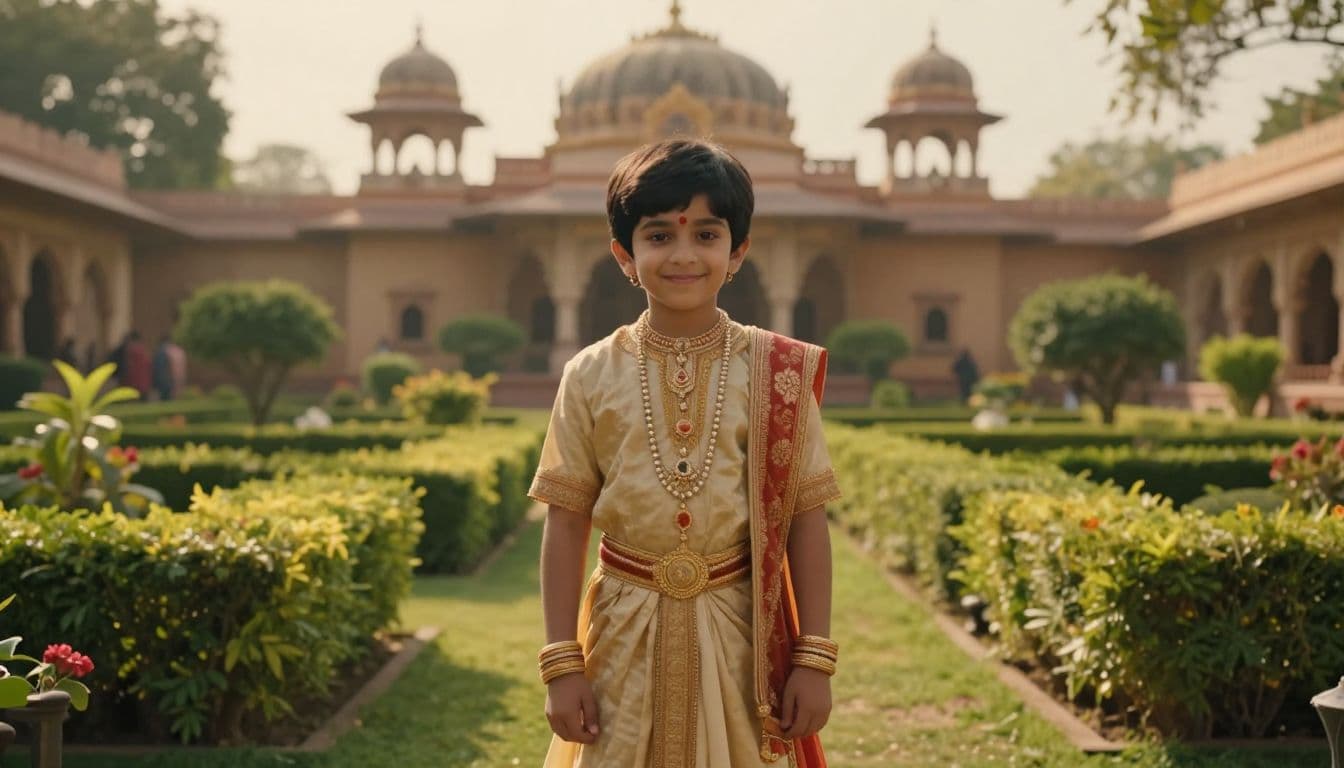
Rama grows up with a gentle nature. He speaks politely, listens well, and treats others with care. That is why people in the palace notice him so quickly. His goodness shines brighter than silk, gold, or royal drums.
Rama and Lakshmana grow strong and brave
As the princes grow, they learn how to ride horses, shoot arrows, and follow the rules of a royal life. These lessons are not just for show. They prepare Rama and Lakshmana to protect people and make wise choices.
The two brothers stay close as they train. Rama learns with steady focus, and Lakshmana follows beside him with fierce loyalty. Together, they become the kind of princes who can defend others and still show respect to their teachers.
Vishwamitra asks for help
One day, the sage Vishwamitra comes to the palace with an important request. He needs Rama and Lakshmana to protect his sacred work from wicked troublemakers. The princes do not hesitate. They go with him, ready to help.
That choice matters. It shows children that courage is not just about winning fights. It is also about helping good people do good work, even when the task feels big.
Rama defeats Tataka and protects the sacrifice
Soon, Rama faces Tataka, a fearsome demon who frightens the land. The scene is exciting, but the heart of it is simple. Rama uses his strength for protection, not pride. He stands between danger and the people who need safety.
After that, he guards Vishwamitra’s sacrifice so the holy ritual can continue in peace. This is where Rama feels like a true hero. He does not use power to impress others. He uses it to protect kindness, prayer, and order.
Ahalya is freed by Rama’s arrival
Later, Rama and Lakshmana meet Ahalya, a woman who has lived under a curse for a long time. Her story is quiet and sad, but Rama’s arrival changes everything. In a miracle-like moment, she is freed, and hope returns.
This scene carries a gentle message for children. Sometimes, one kind and holy act can bring light where there has been silence for years. It also shows that forgiveness and mercy have a place in a loving world.
Children can hold these early scenes in their minds easily:
- A joyful birth in a palace
- Two brothers learning duty
- A sage asking for help
- A brave prince protecting sacred work
- A cursed woman finding freedom
These first moments set the tone for Rama’s journey. They show a boy who grows into a hero by staying kind, brave, and true.
The love story of Rama and Sita, made easy for kids
Rama and Sita’s story begins like a bright festival morning. The air feels full of music, flowers, and hope. First comes the meeting in Mithila, then the test of the bow, and finally the wedding that brings two royal families together. It is a love story, but it is also a story about courage, respect, and happy family blessings.
For children, this part of the Ramayana feels special because the love is shown through action. Rama does not boast. Sita does not chase attention. Instead, both of them shine through calmness, goodness, and grace. Their story shows that true love can be gentle and still be strong.
Rama sees Sita for the first time in Mithila
Mithila is full of excitement when Rama arrives with Sage Vishwamitra. King Janaka has announced a great contest, and many princes have come to try their strength. The hall feels alive with color and movement, and everyone waits to see who can lift Shiva’s mighty bow.
Then Rama sees Sita.
She is standing there like a soft lamp in a grand room, peaceful and bright. Rama notices her beauty, but he also sees her calm heart. That moment feels special, as if two paths are meeting for the first time and already know they belong together. Children can picture it easily, because it is simple and warm, like a smile shared across a crowded room.
For a child-friendly version of this part of the story, BBC Teach’s retelling of Rama and Sita is a helpful reference.
In Mithila, the first meeting is not loud or dramatic. It is quiet, lovely, and full of wonder.
Rama breaks Shiva’s bow
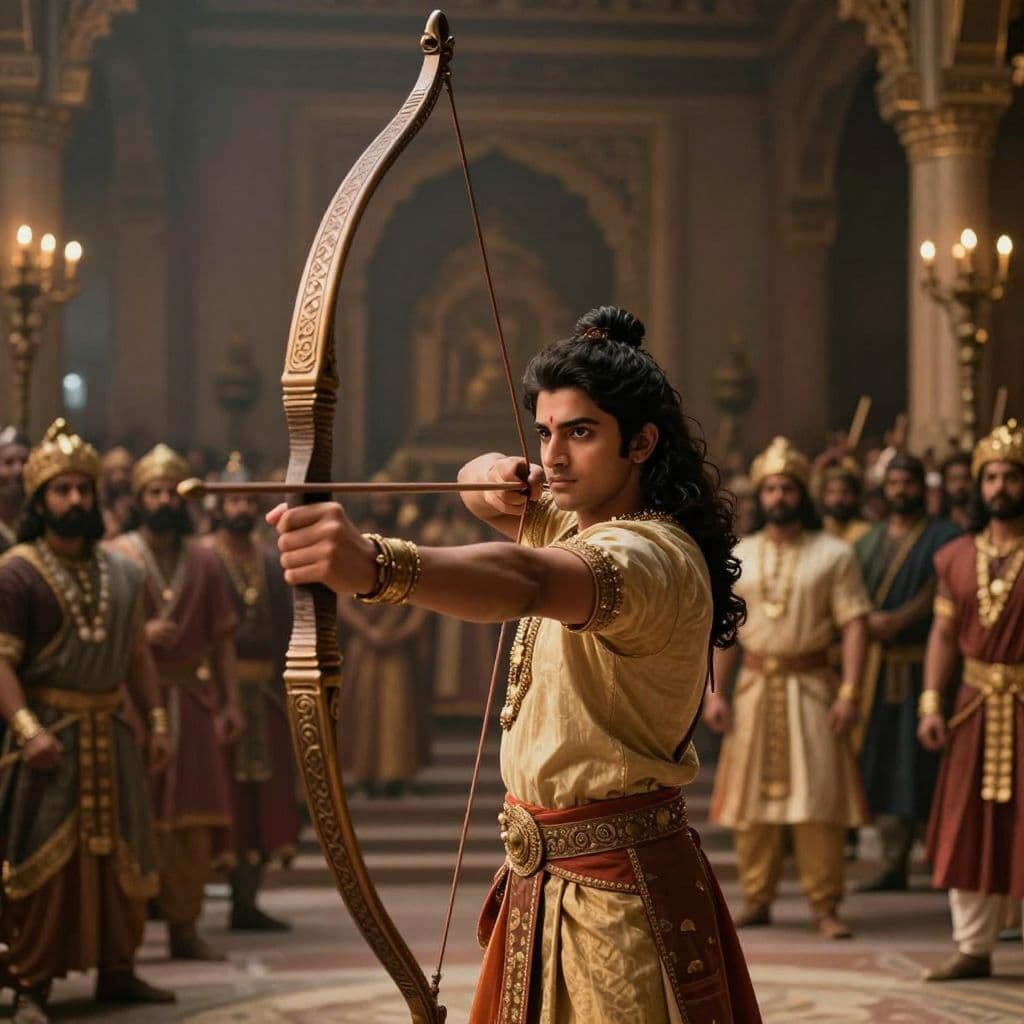
The contest is clear and exciting. King Janaka says that Sita will marry the prince who can string Shiva’s great bow. Many strong men try, but none of them can even move it well. The bow is heavy, old, and full of power.
Rama steps forward with steady hands and a calm face. He does not show fear, and he does not show off. He simply tries, and when he lifts the bow, the hall holds its breath. Then the bow breaks with a great crack.
That is the moment everyone remembers. Rama proves his strength, but he also shows self-control. He wins without anger and without pride. For kids, that makes him easy to admire. He is brave, yet gentle. Strong, yet kind.
Rama and Sita are married
After Rama breaks the bow, the whole mood changes. King Janaka is overjoyed, and the people of Mithila cheer. Rama has proven himself worthy, so the wedding can begin. Soon, King Dasharatha arrives too, and both families come together with gifts, blessings, and happy hearts.
The wedding feels like a feast of light and color. Flowers decorate the halls, music fills the air, and everyone smiles. Janaka places Sita’s hand in Rama’s hand, and that simple act tells the whole story. A new family chapter has begun.
The marriage is beautiful because it is full of respect. Parents bless the union, the people celebrate together, and Rama and Sita stand side by side with quiet joy. It is a lovely moment for children to remember, because it shows love as something honored by family, duty, and care.
When duty becomes hard, Rama shows what true character looks like
Rama’s story turns most powerful when life stops feeling fair. He has a royal future ahead of him, a loving family around him, and a kingdom ready to cheer his name. Then, in one painful moment, he chooses duty over comfort.
That choice can be hard for children to understand at first. Still, it teaches a clear lesson: real character shows up when it costs something. Rama does not cling to the throne, and he does not argue against what must be done. He keeps his heart steady and his mind clear, even as his world changes.
Dasharatha plans the coronation
King Dasharatha is filled with hope when he decides Rama should become king. The palace feels bright with celebration, and Ayodhya is ready to rejoice. People trust Rama because he is gentle, wise, and fair. He has already shown that he cares about others, not just himself.
Rama is ready too. He has grown into the kind of prince people can believe in. His calm nature makes the coronation feel less like a reward and more like the natural next step. Everyone sees a future full of peace, and that makes the coming change even more painful.
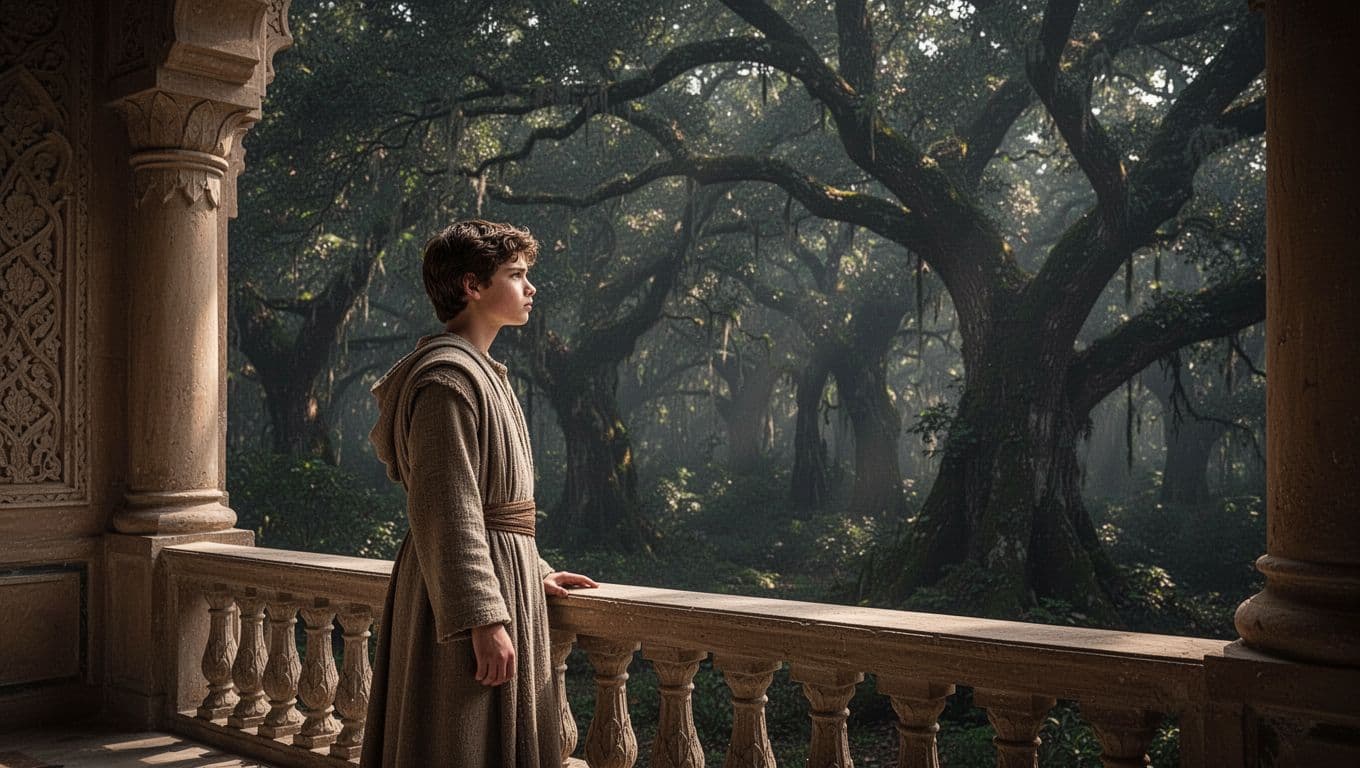
Kaikeyi asks for her boons
Then one difficult choice changes everything. Kaikeyi asks for the boons she was promised, and her request shifts the whole path of the story. The room grows heavy because her wish means Rama must leave the palace, and Bharata must take his place for now.
For children, this part can feel sad and confusing. A happy day suddenly turns serious, almost like a sunny sky hiding behind dark clouds. The lesson is simple, though. One selfish choice can touch many lives at once. The Ramayana’s moral lessons for children often begin right here, where duty and desire pull in opposite directions.
Rama, Sita, and Lakshmana go to the forest
Rama does not fight his father’s promise. He accepts exile with courage and respect, even though it hurts. That response shows true strength, because he puts truth above his own wish to stay.
Sita follows him without complaint. Her love is steady, and her loyalty is clear. Lakshmana also leaves beside them, ready to protect and serve his brother. Together, they walk away from royal life and into the forest, not because they want hardship, but because they honor what is right.
The scene feels heavy, yet it also feels noble. Rama does not lose his character when he loses his crown. He shows it most clearly then.
Bharata chooses love over power
Bharata hears what has happened and feels no joy in the throne. He loves Rama too much to take what belongs to him. Instead of grasping for power, he goes after Rama with a heart full of grief and respect.
When Bharata cannot bring Rama back, he does something beautiful. He places Rama’s sandals on the throne and rules in his brother’s name. That act shows honor, love, and humility in one simple gesture. The sandals become a quiet reminder that the best leader is not always the one who sits on the seat, but the one who deserves it.
In short, this part of the Ramayana teaches children that duty can be painful, but character shines brightest in hard moments.
The forest adventures that teach bravery, loyalty, and hope
The forest is where the Ramayana grows more intense, but it also grows warmer in spirit. Among trees, rivers, and quiet hermitages, Rama, Sita, Lakshmana, and their helpers show how steady hearts can face hard days. Each moment carries a simple lesson children can hold on to, even when the path feels rough.
How Rama and Lakshmana live in the forest
Rama and Lakshmana settle into forest life with patience. They sleep in a humble hut, gather what they need, and move through each day with calm strength. The forest is full of birds, deer, and tall trees, so their new life feels peaceful even when it is plain.
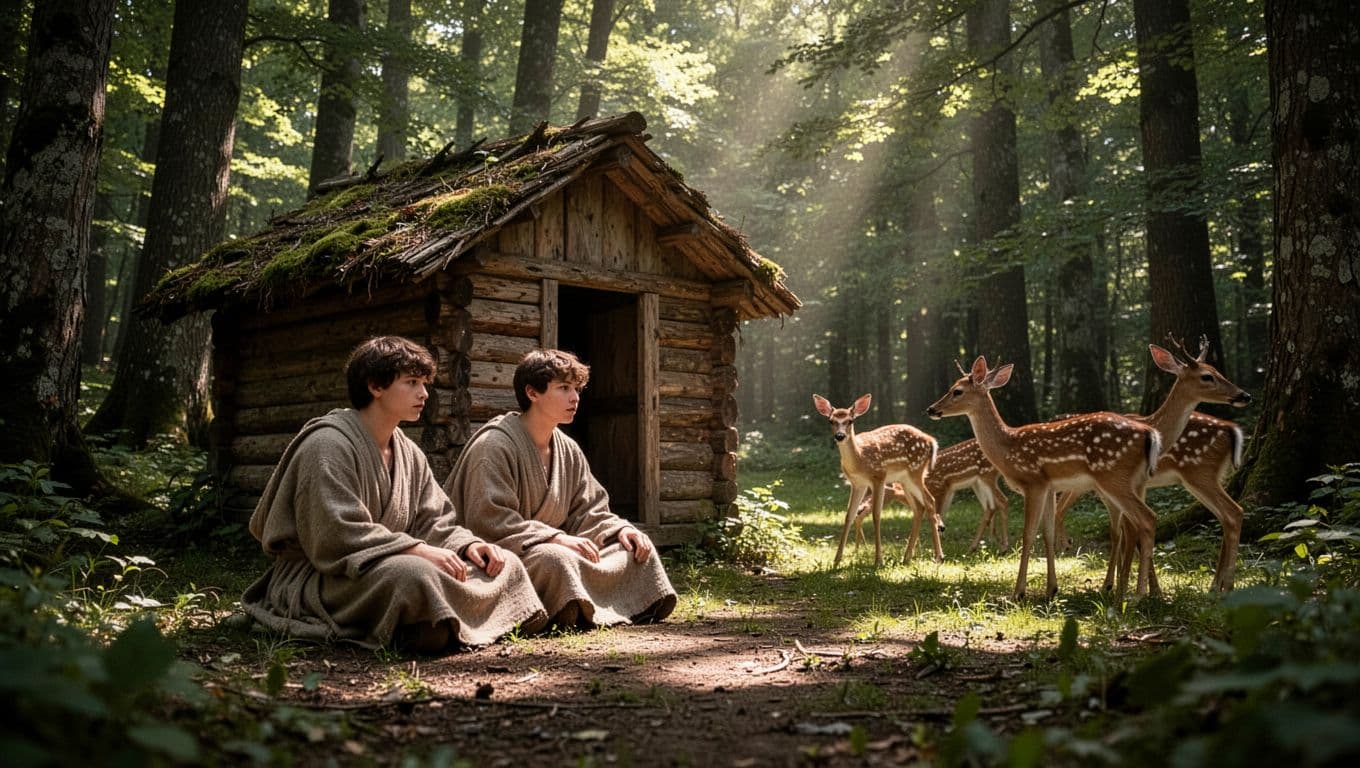
They do not complain about their loss. Instead, they adapt. Lakshmana watches over Rama and Sita with care, and Rama keeps his mind focused on the road ahead. Their life teaches children that dignity does not depend on luxury. It depends on how you carry yourself when life changes.
The forest also gives them moments of rest. They listen to sages, walk quietly under the trees, and live close to nature. That calm setting makes their bravery feel even stronger.
Ravana tricks and carries Sita to Lanka
Trouble enters when Ravana comes in disguise and uses trickery to draw Sita away from safety. This part of the story feels sad because trust is broken. Sita is taken from the forest, and Rama’s world changes in an instant.
The moment is important because it shows how danger can come wrapped in false kindness. For children, the lesson is clear. A wise heart must stay alert, and a loving family feels loss very deeply when one person is taken away.
Ravana’s act also gives the story its strongest reason for rescue. Rama does not forget Sita. He keeps searching, because loyalty does not fade when life becomes difficult. It grows stronger.
Hanuman finds Sita and brings hope
Hanuman enters the story like a bright flame in a dark room. He is brave, clever, and full of devotion to Rama. When he finds Sita in Lanka, he brings proof that she is alive, and that one fact changes everything.
His meeting with Sita is small, but it carries huge hope. He speaks kindly, shares Rama’s message, and gives her courage to endure a little longer. In that moment, fear does not vanish, yet hope returns. That is what makes Hanuman such a beloved hero.
He also shows smart thinking. He does not rush in recklessly. He watches, listens, and acts at the right time. Children can see that bravery and wisdom can travel together.
The bridge to Lanka begins the final rescue
Rama’s army does not fight alone. Vanaras, bears, and loyal friends work side by side to reach Lanka. They carry stones, plan carefully, and build the great bridge across the sea. Every helping hand matters.
That teamwork gives the scene its power. One stone is small, but many stones become a path. One helper is useful, but a whole army can change the course of a rescue. The bridge feels like a promise taking shape in the water.
As the work moves forward, the mood grows steady and strong. Rama’s mission is no longer a dream. It is happening right in front of them, with courage in every step and hope shining ahead.
The ending of the Ramayana and the lessons kids can remember
The last part of the Ramayana brings the whole journey into focus. After the pain, the waiting, and the long search, the story ends with peace returning and the right side winning at last. That makes it easy for children to remember, because the ending feels like sunrise after a long storm.
Rama defeats Ravana and brings peace back
The final battle is fierce, but it stays clear in the mind. Rama faces Ravana with steady courage, and the struggle ends with Ravana defeated. Evil loses its hold, and the land can breathe again. For children, that is an easy truth to hold on to, good choices matter, and wrong actions do not last forever.
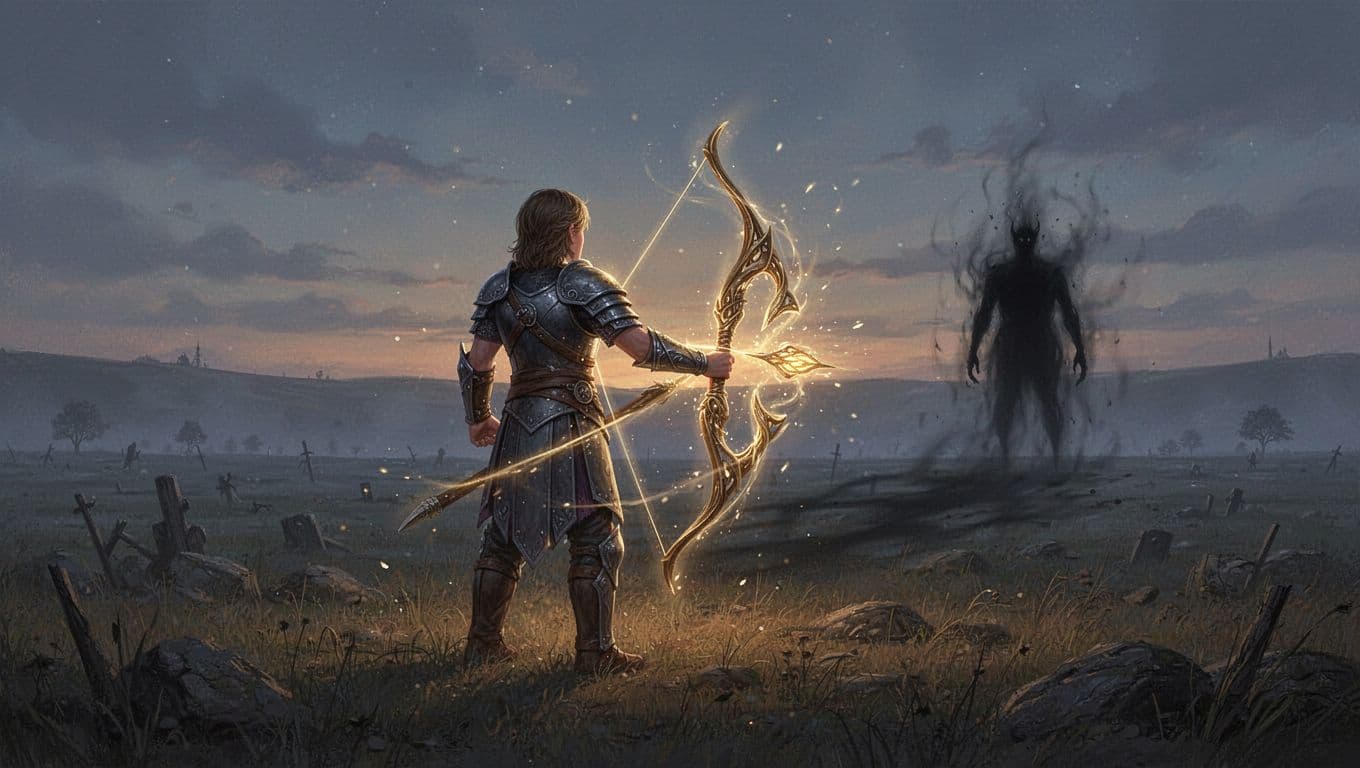
The best part of this ending is not just the win. It is the peace that follows. Families can live safely again, and the forest, the kingdom, and the hearts of the people feel lighter. Children can remember this as a simple lesson: bravery protects others, and goodness brings order back.
The return to Ayodhya feels like a celebration
When Rama, Sita, and Lakshmana return to Ayodhya, the city feels alive again. Lamps glow, people cheer, and every street seems to smile. It is the kind of homecoming children can picture right away, because it feels warm, bright, and full of love.
The people of Ayodhya welcome Rama like a long-awaited light. Their joy shows how much his absence was felt, and how much his return means to them. The kingdom feels healed, as if a broken song has found its final note.
You can even read this ending as a family lesson. When people stay loyal, speak truth, and keep doing what is right, peace has a way of returning home.
What children can learn from these short Ramayana stories
The Ramayana stays in a child’s heart when the lessons are simple and vivid. Children can remember that courage helps you face hard things, respect keeps relationships strong, and family love makes sacrifice worth it. They can also remember patience, because Rama waits and keeps going, and doing what is right, because that choice leads the story home.
In short, the ending teaches that kindness may be tested, but it does not disappear. It waits, it stands firm, and in the end, it wins the day. For more family-friendly life lessons, these Ramayana lessons for students offer a simple way to keep the message fresh for young readers.
Conclusion
These 17 short Ramayana stories for kids turn a grand epic into moments children can picture, remember, and enjoy. Through Rama’s courage, Sita’s grace, Lakshmana’s loyalty, and Hanuman’s devotion, young readers meet clear examples of kindness, duty, and self-control.
For parents, teachers, and caregivers, that makes the Ramayana a gentle tool for building values without pressure. It can open calm talks at bedtime, spark questions in class, and give children a story world full of wonder. If you want more ways to shape faith and character at home, these tips for raising godly children can help.
The Ramayana is not just an old tale. It is a living story, still bright for children who are ready to listen.
Save pin for later


- Asperger’s Syndrome in Babies: Early Signs and Next Steps - October 7, 2026
- 12 Beautiful Baby Names That Mean Forest, Plus Woodland Picks - September 27, 2026
- 15 Fantastic Baby Nicknames for Boys, From Sweet to Playful - September 27, 2026