


If you’re tired of rocking, bouncing, or holding your baby for every nap, you’re not alone. Sleep struggles are common in the early months, and for many parents, contact naps become the default because they work fast.
The good news is that babies can learn to fall asleep in their crib over time, with steady support and a calm routine. Age matters here, since a newborn needs more hands-on comfort than an older baby, and progress looks different at each stage. If you want a gentle place to start, newborn sleep training methods can help you set realistic expectations.
What matters most is consistency, not perfection. Small changes add up, and the steps ahead will help you move toward safer, more independent sleep without making bedtime feel harder than it already is.
Know when your baby is ready to sleep more independently
Knowing when to start matters as much as knowing how to start. Some babies need lots of hands-on comfort for months, while others begin settling with less help a little sooner.
The key is to look at age, sleep patterns, and your baby’s overall health. A newborn needs a different approach than a 5-month-old, and pushing too early usually makes nights harder for everyone. Safe sleep always comes first, so keep the crib clear and follow the AAP safe sleep basics while you work on better sleep habits.
What sleep looks like in the newborn stage
In the newborn stage, frequent waking is normal. Tiny babies have immature sleep cycles, need regular feeds, and can’t self-soothe the way older babies can. They may fall asleep in your arms, wake after a short stretch, and need help settling again.
At this age, the goal is comfort and safe sleep habits, not formal sleep training. That means dark rooms, white noise, short wake windows, and a calm bedtime rhythm can help a lot. Swaddling can also work well for many newborns, as long as your baby is not rolling yet and the swaddle is used safely.

Short wake windows are especially useful here because overtired babies often fight sleep more. If you want help spotting sleepy cues, newborn sleep cues like yawning and eye rubbing are a good place to start.
Newborn sleep is messy, and that’s normal. The win is a safe, calm routine, not long stretches of independent sleep.
Signs your baby may be ready for sleep learning
Readiness usually shows up as a pattern, not one big milestone. Many babies under 4 months still need a lot of help, but babies 4 to 6 months and older may be ready for gentle sleep learning if they are healthy and gaining well.
Look for these practical signs:
- Longer stretches at night: Your baby may sleep for more than one short cycle before waking.
- More predictable naps: Sleep starts to follow a rough rhythm instead of changing every day.
- Less help to settle: Your baby may calm faster in the crib or with a shorter bedtime routine.
- Good daytime feeds and weight gain: This matters before reducing night support.
- A calmer crib presence: Some babies can lie down drowsy without immediate upset.
A baby does not need to show every sign before you begin. Readiness sits on a range, and some babies ease into it sooner than others.
If you’re unsure, check with your pediatrician before changing your routine. That matters even more if your baby was premature, has reflux, feeds poorly, or has weight concerns. When those issues are in play, sleep support should match the baby’s medical needs, not a fixed schedule.
For a broader look at age and sleep patterns, Johns Hopkins Medicine has a helpful overview of newborn sleep patterns.
Set up the crib and bedtime routine so sleep feels predictable
Babies settle better when bedtime feels familiar. The room, the order of events, and the way you place your baby down all send the same message each night: sleep is coming next.
That predictability matters because babies do not read a clock. They read patterns. When the crib feels calm and the routine stays steady, your baby starts to connect those cues with rest.
Make the sleep space calm, dark, and safe
A good sleep setup does a lot of the work for you. Keep the crib simple, quiet, and free of extra stimulation so your baby can focus on falling asleep.
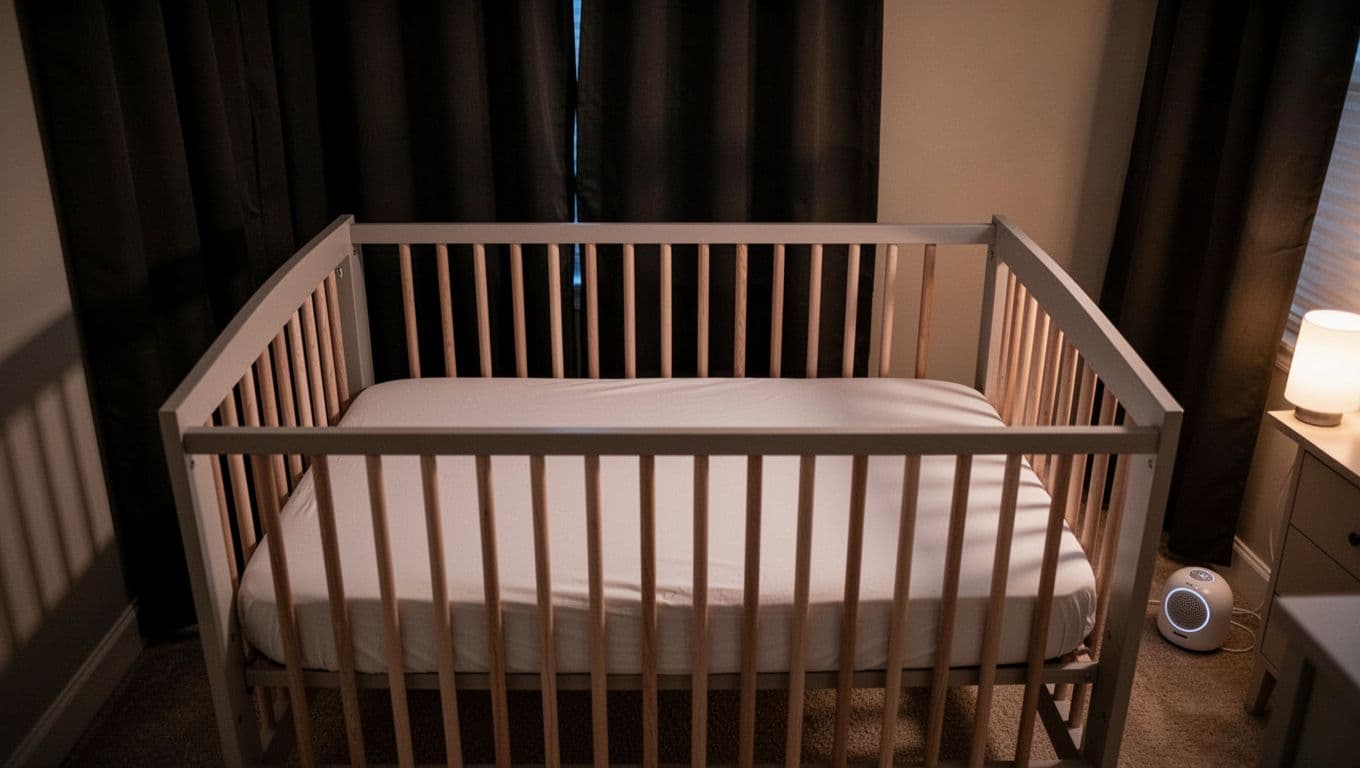
Start with a firm mattress that fits the crib snugly. Add only a fitted sheet, then leave the space empty. For babies under 12 months, that means no loose blankets, pillows, bumpers, or toys.
Room temperature matters too. Aim for a space that feels comfortable to an adult in light sleep clothing, then dress your baby in one more layer than you wear. If you use white noise, keep it soft and placed away from your baby’s head so it calms, rather than startles.
The AAP safe sleep guidance is clear: babies should sleep on a flat, firm surface with nothing extra in the crib. The AAP safe sleep basics is a helpful reference when you want to double-check the setup.
A dark room also helps. You do not need total blackout, but you do want to lower the light and cut visual clutter. Less stimulation makes it easier for your baby to drift off.
A simple crib is easier for a baby to settle in because there is less to notice, grab, or react to.
Use the same bedtime steps every night
Babies learn sleep through repetition. The exact routine can change a little, but the order should stay the same so your baby knows what comes next.
A simple sequence might look like this:
- Bath or warm wipe-down
- Diaper change
- Pajamas and sleep sack
- Feed
- Short book
- Quiet song or cuddle
- Into the crib
You do not need a long routine. In fact, a short one often works better because it is easier to repeat every night. When the same cues show up in the same order, your baby starts linking them with sleep.
That pattern matters more than perfection. If bedtime runs late or a step gets skipped, just return to the usual flow the next night. Over time, the routine itself becomes the signal.
For more bedtime pattern ideas as your child grows, creating a soothing bedtime for toddlers shows how consistency keeps helping later on too.
Put baby down sleepy, but still awake
This step can feel tricky at first, yet it makes a big difference. Sleepy but awake means your baby looks drowsy, calm, and ready for sleep, but is not fully out in your arms.

When a baby falls asleep in your arms every time, the crib can feel like a surprise. If your baby starts sleep in the crib, the crib becomes the familiar place where sleep happens. That makes later wake-ups less jarring.
If your baby fusses a little after being placed down, pause before picking them up right away. A short hand on the chest, a gentle shush, or a few calm words may be enough. You are not leaving your baby to figure it out alone, you are giving them a chance to settle in the same place where they will wake up.
If your baby is overtired or very young, this may take practice. Keep it gentle, keep it consistent, and judge progress by the small wins. Falling asleep in the crib for even part of bedtime is a real step forward.
Choose a sleep approach that fits your baby and your comfort level
There is no single best way to teach sleep. The right method is the one that fits your baby’s age, your baby’s temperament, and how much crying you can handle with a clear head.
Some families want to stay very close. Others want a more structured plan with faster change. Both paths can work when you stay consistent, keep bedtime predictable, and put your baby down awake.
Gentle methods for parents who want to stay close
If you want to keep reassurance high, gentler methods can help you step back in small pieces. They often feel less abrupt, but they ask for patience and steady follow-through.
The pick up and put down method means you soothe your baby in the crib first, then pick them up only if they get upset, and place them back down once calm. Fading works by slowly reducing the help you give, such as shortening rocking time or replacing full cuddles with a hand on the chest.
The chair method, sometimes called camping out, keeps you in the room while your baby falls asleep. Over time, you move farther away until your presence fades too. These methods can reduce sleep help without removing comfort too fast, which is why many parents find them easier to stick with.
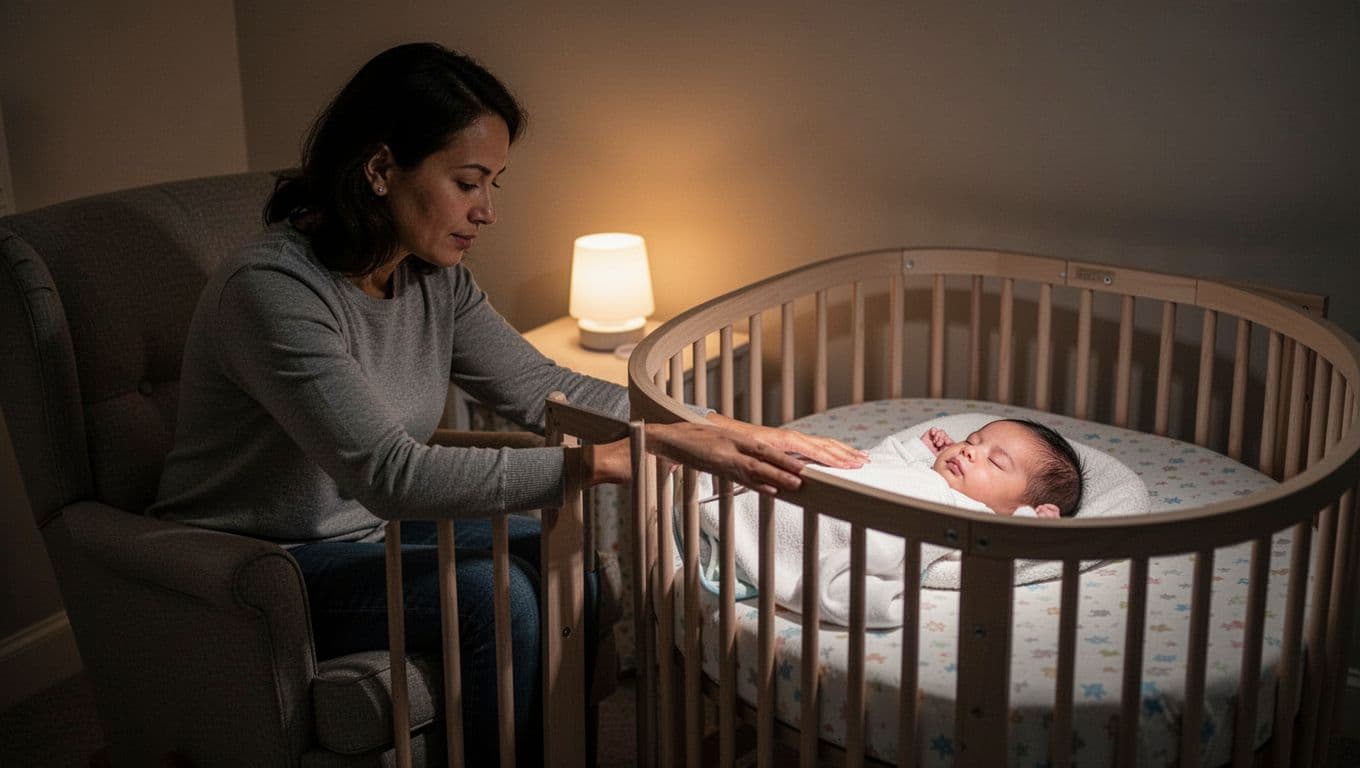
Gentle methods still need a plan. If you change the steps every night, your baby gets mixed signals and the process usually drags on.
They can take longer than structured methods, but they often feel more manageable when you want to avoid a lot of crying. For babies who are still very young, remember that safety and age-appropriate expectations matter first. The AAP’s safe sleep positions for newborns are a good reminder to keep every method grounded in safe habits.
More structured methods for families ready for faster change
If your family wants a clearer line and a faster shift, more structured methods may fit better. Check and console, also called timed checks, gives your baby space to settle while you return at set intervals to offer brief reassurance.
A more familiar version is the Ferber method, where the check-ins get a little longer each time. The goal is not to start a fight. It’s to help your baby learn that sleep happens in the crib, even when they protest at first. The Child Mind Institute has a helpful overview of choosing a sleep training method.
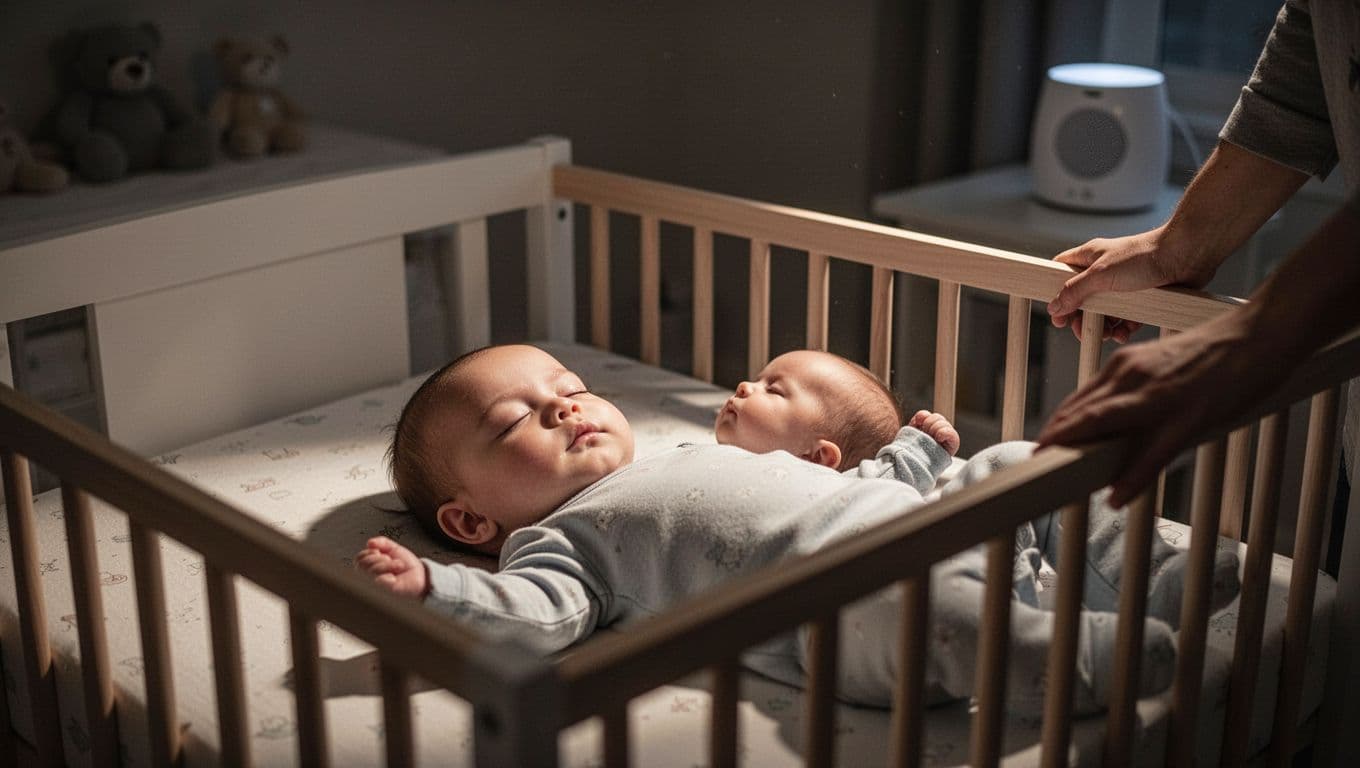
Some families use cry it out, also called extinction, where they put baby down awake and do not return until morning unless there is a real need. This approach is usually best for babies who are old enough and healthy enough for sleep training, and it is not the right fit for every parent.
Consistency matters more than the exact interval you pick. A method works best when you stick with one plan long enough for your baby to understand it.
How to pick the right method for your home
Start with your baby’s age and health. Younger babies usually need more hands-on help, while older babies may be ready for a more direct sleep plan. Feeding needs matter too, since a baby who still needs regular night feeds should not be pushed into a method that ignores hunger.
Your own comfort level matters just as much. If you feel shaky about a method, you may change course too fast, and that slows progress. Babies do best when your response stays steady and predictable.
A few questions can help you decide:
- How much crying can you handle calmly? Choose a method you can repeat without second-guessing yourself.
- Does your baby need night feeds? Make sure sleep changes fit their feeding pattern.
- Do you want slower reassurance or faster change? Pick the style that matches your goals.
- Can you stick with one plan for several nights? Mixed signals make sleep training harder.
The best method is the one you can carry through without switching every other night. If you start with a gentle approach, give it time. If you choose a more structured one, stay steady. Either way, a solid bedtime routine and putting baby down awake give your plan the best chance to work.
Handle bedtime, night wakes, and early morning wake-ups without picking baby up every time
Once your bedtime routine is in place, the next step is how you respond after baby wakes. That part matters because your reaction can either reinforce more holding or help your baby practice settling in the crib.
The goal is simple: give your baby a fair chance to settle, then step in when there is a real need. Hunger, discomfort, illness, and safety concerns still come first. For age-specific context on night wakings, this newborn sleep guide can help you keep expectations realistic.

Give baby a chance to settle before rushing in
A little fussing does not always mean something is wrong. Babies often grumble, squirm, or cry out between sleep cycles, then fall back asleep on their own if you pause.
When it feels safe to do so, wait a few minutes before going in. That short pause gives your baby room to resettle without turning every wake-up into a full reset with rocking or holding.
If the crying is brief, try watching first. If it grows stronger, changes in tone, or sounds different from your baby’s usual wake-up noise, respond sooner. Trust your instincts when something feels off.
A simple rule helps:
- Pause briefly if baby is just fussing.
- Go in right away if you suspect hunger, illness, pain, or a dirty diaper.
- Keep your response calm so the wake-up does not turn into playtime.
Keep night feeds calm and boring
When your baby still needs a night feed, make it as quiet and plain as possible. Use dim lights, skip the talking, and avoid eye contact or play.
Feed, burp if needed, and return your baby to the crib with as little extra stimulation as you can. The more boring the feed feels, the easier it is for baby to drift back to sleep afterward.
Younger babies may still need several feeds at night, and that is normal. As your baby grows and eats more during the day, those feeds often decrease. The key is to feed when needed without adding extra wakefulness around it.
For a closer look at safe sleep habits and age-appropriate expectations, the AAP safe sleep guidance is a solid reference.

What to do when baby keeps waking after being put down
If your baby wakes again and again after being placed in the crib, look for a pattern instead of guessing. Frequent wake-ups often point to overtiredness, hunger, too much sleep support, or a schedule that does not fit your baby yet.
A few clues can help you spot the cause:
- Wakes within minutes of being put down often points to too much help falling asleep.
- Short, repeated wakes through the night can happen when baby is overtired.
- Early wakes with a happy, alert baby may mean the schedule is too long or daytime sleep is off.
- Wakes that improve after a feed can point to hunger.
- Sudden new waking can come from illness, teething, or discomfort.
The common reasons babies wake at night can help you narrow it down without overthinking every wake. Once you see the pattern, change one thing at a time and give it a few nights. That way, you can tell what actually helped.
How to handle early morning wake-ups without starting the day
Early wake-ups can feel like bedtime in reverse. Your baby wakes before sunrise, but the day does not need to start the moment their eyes open.
Keep the room dark, keep your voice low, and treat the early hour like night. If your baby is simply restless, give a brief pause before stepping in. If they are hungry or clearly done sleeping, respond as needed, then begin the day at a consistent time.
Sometimes an early wake-up is a clue that bedtime is too late, naps are off, or sleep pressure is uneven. A baby who wakes at 5 a.m. every day may need a small schedule shift, not more holding. The key is to watch the pattern for several days before making a change.
That calm, repeatable response is what teaches your baby that night is still for sleep, even when the crib feels less exciting than your arms.
Fix the most common problems that make babies want to be held to sleep
When a baby only falls asleep in your arms, the cause is often a mix of timing, comfort, and habit. The good news is that most of these issues can be fixed without forcing a hard reset.
Start by looking for the pattern behind the tears. Is your baby overtired, under-tired, uncomfortable, or waking at the wrong time of day? Once you spot the real issue, the next step gets much easier.

If crying ramps up, stay consistent but adjust the method if needed
Some crying is normal when a baby learns a new way to fall asleep. That does not mean you picked the wrong path, and it does not mean the plan failed.
What matters is whether the method still fits your family. If a more structured approach feels too stressful, switch to a gentler one that you can repeat with a clear head. Babies do best with steady responses, not perfect ones, so choose the version you can follow night after night.
A few families need a slower pace, and that is fine. You might sit closer, shorten the wait before soothing, or keep your hand on your baby while they settle. The goal is progress you can stick with, not a method that leaves everyone frazzled.
If a sleep plan makes you feel panicked every night, it’s too hard for your home right now.
If you need help calming a baby during this stage, handling baby crying calmly can help you stay steady when emotions run high. The method matters less than your consistency.
Why naps often fall apart before nights do
Daytime sleep is usually harder because babies build up less sleep pressure between naps, and the world is louder and brighter. Nights also have stronger sleep cues, so babies often accept the crib more easily after dark.
Short wake windows help a lot here. If a baby stays up too long, they get overtired and fight sleep harder. If they go down too early, they may treat the nap like a mini play break instead of rest.
Timing often makes the biggest difference. Try watching for sleepy signs before the fuss turns into a meltdown, then place your baby down while drowsy. Better timing can turn a contact nap into a crib nap, even if the first few tries are short.
Naps also tend to improve after nights improve. Once your baby starts linking the crib with sleep at bedtime, daytime naps often follow the same pattern.
For a broader look at timing and soothing routines, calming bedtime rituals can also support easier naps.
How to get back on track after illness, teething, travel, or a sleep regression
Temporary setbacks are normal. A cold, teething pain, a plane trip, or a sleep regression can pull a baby right back toward being held to sleep.
That does not erase your progress. It just means your baby needs extra comfort for a short stretch. Keep the bedtime routine in place as much as you can, offer more help when baby is sick or sore, and return to your chosen method once things settle again.
A simple reset plan helps:
- Keep the same sleep cues, even if the night is rough.
- Offer more comfort when your baby truly needs it.
- Use shorter, calmer wake windows for a few days.
- Restart your sleep method once baby feels better.
Teething can be especially tricky because discomfort often peaks at night. If that’s part of the problem, teething relief strategies can make bedtime less of a battle.
Travel and illness often leave babies extra clingy, too. That is expected. When your baby is back to normal health and routine, resume the same sleep plan instead of starting over from scratch.
Sleep progress usually looks uneven. Some nights will feel easy, others will feel like a step backward. The goal is not a perfect stretch, it is getting back to your rhythm without losing your footing.
Know when to ask for help and when safety comes first
Sleep changes work best when you know where the line is. Gentle sleep habits are helpful, but they should never override your baby’s health, comfort, or safe sleep needs.
If something feels off, pause and check in. A few extra nights of contact sleep are far less important than getting the right medical advice or keeping sleep space safe.
When to check with your pediatrician before starting
Talk to your pediatrician before you start any sleep changes if your baby was premature, isn’t gaining weight well, or has reflux concerns. You should also ask for guidance if your baby has breathing issues, feeds poorly, seems in pain, or keeps waking because of illness.
That matters even more for babies under 4 months. At that age, frequent waking is still normal, and sleep support should match your baby’s stage, not a training plan. If reflux or feeding trouble seems tied to sleep, a doctor can help you sort out what’s normal and what needs treatment.
A quick check is smart if you notice:
- Prematurity or a history of medical complications
- Poor weight gain or weak feeding
- Reflux symptoms, like choking, gagging, or painful spit-up
- Breathing changes, noisy breathing, or pauses that worry you
- Pain, illness, or fever that affects sleep
For more on reflux warning signs, the NIDDK infant reflux guide is a solid place to start, and the AAP safe sleep guidance is useful whenever you want to double-check the basics.

If sleep problems seem linked to pain, feeding, or illness, get medical advice before you change the routine.
Keep safe sleep rules in place every night
No sleep plan replaces safe sleep. Your baby should always sleep alone, on their back, in a crib or bassinet with a firm mattress and an empty sleep space.
That means no pillows, blankets, bumpers, stuffed toys, or loose sleep props. Keep the setup simple every night, even during rough patches. A steady routine helps, but safe sleep rules are the foundation.
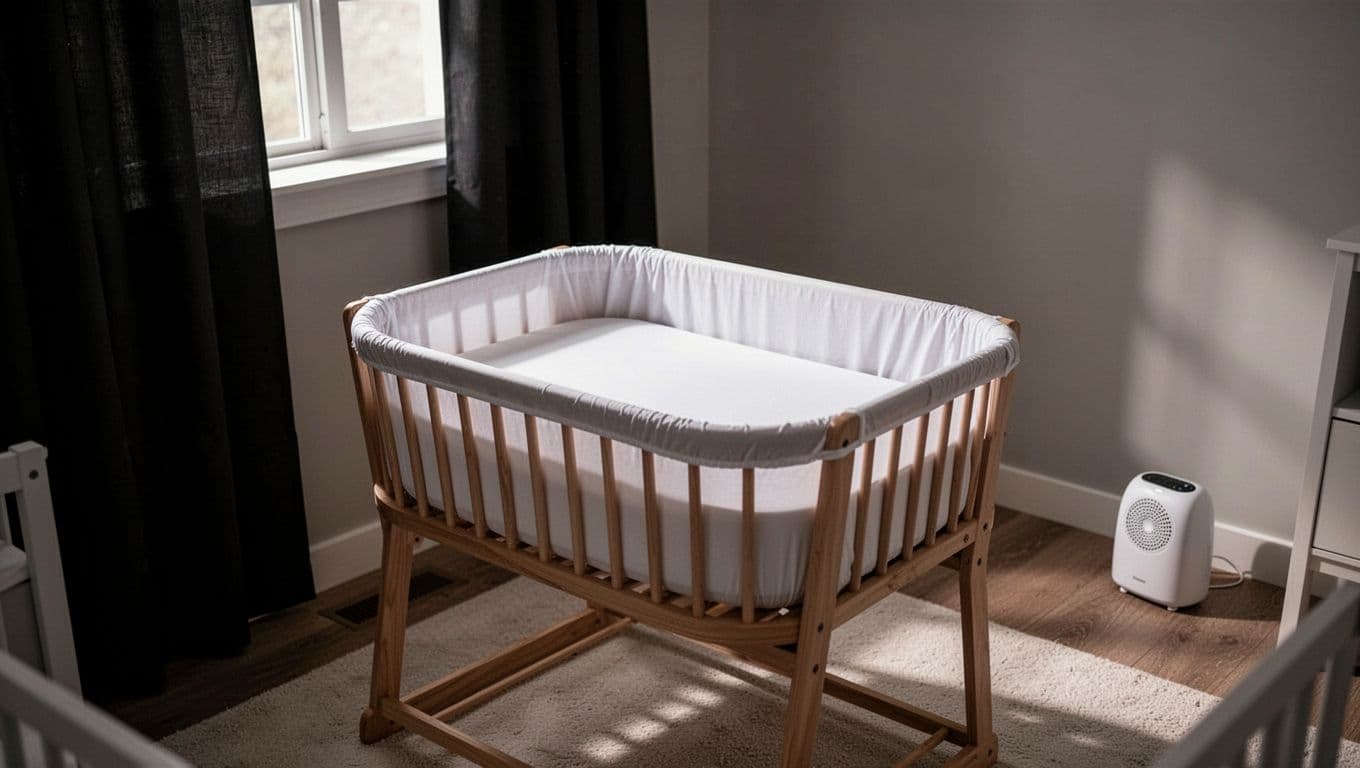
Room-sharing is still okay and often helpful, as long as baby has a separate sleep surface. If your baby falls asleep in a car seat, swing, or carrier, move them to a flat sleep space as soon as you can.
The safest setup is also the simplest. When in doubt, go back to the crib, the flat surface, and the empty space.
Conclusion
Helping your baby sleep without being held is a skill, and it takes practice. The biggest wins come from waiting until your baby is ready, keeping a steady routine, and choosing a method you can follow with confidence.
When the crib feels familiar and your response stays consistent, babies start to learn that sleep can happen on their own. Small steps matter, and progress often shows up in days or weeks, not overnight.
If tonight feels hard, keep going with the next calm, repeatable step. Those small wins add up.
Save the pin for later


- 12 Things Pregnant Women Do When They’re Alone - June 7, 2026
- 25 Healthy Pregnancy Snacks You Should Try - June 7, 2026
- 100 Funny Baby Jokes That Will Make You Laugh - May 15, 2026