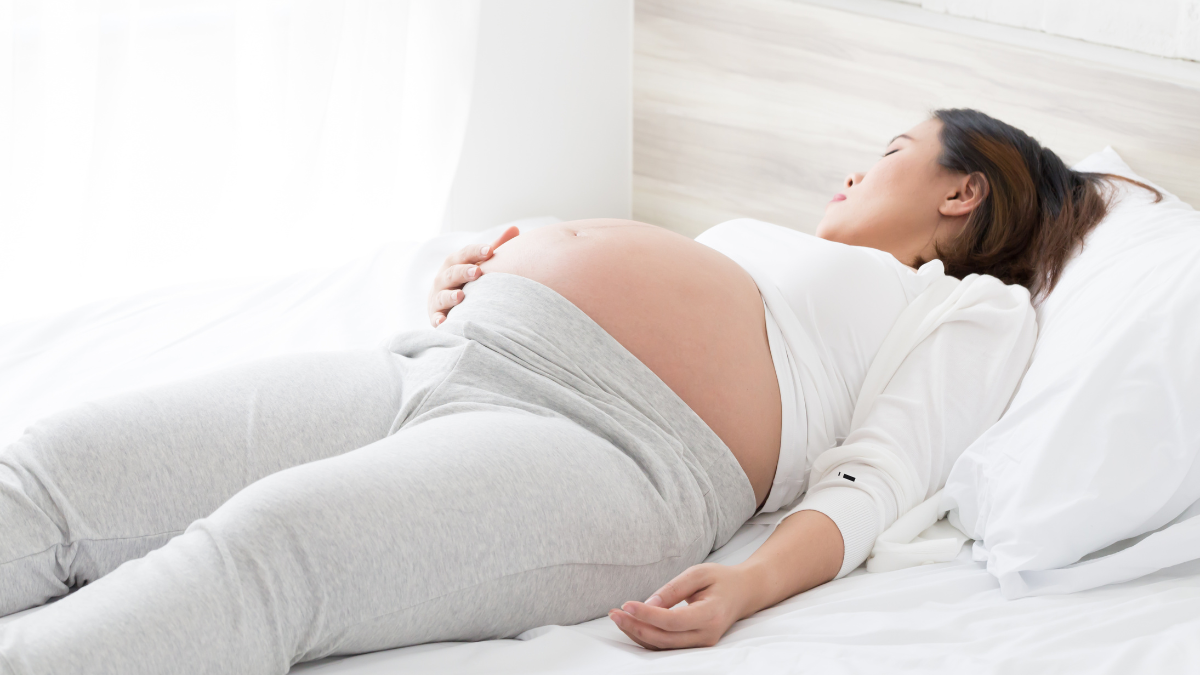

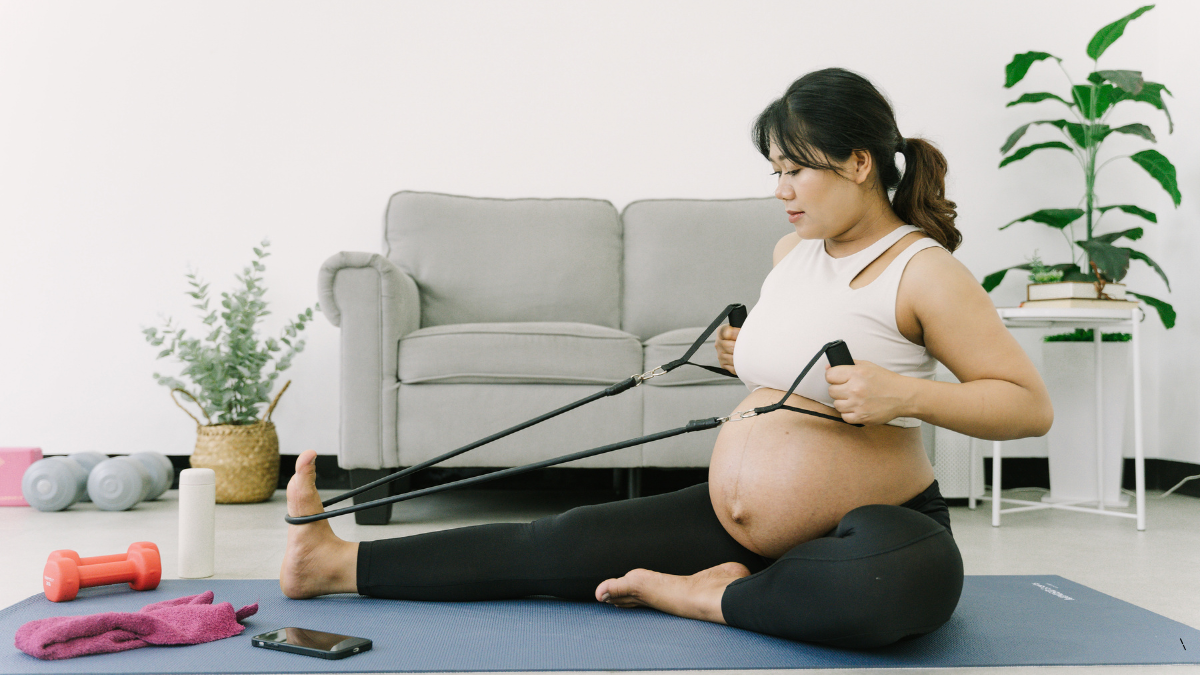
Back pain is one of the most common pregnancy complaints, and it often starts because your body is carrying more weight, your posture shifts, and your ligaments loosen to make room for your growing baby. As your belly gets bigger, your lower back works harder, so soreness, tightness, and sharp aches can show up during daily tasks or at night.
The good news is that back pain during pregnancy often gets better with simple changes at home. Gentle movement, better sleep positions, support bands, and smart body mechanics can ease pressure and help you feel more comfortable, while a few warning signs can help you know when it’s time to call your doctor.
If you’ve been waking up stiff or hurting by the end of the day, you’re not alone, and you don’t have to guess your way through it. Simple habits, plus the right support from things like safe sleeping positions during the second trimester, can make a real difference.
YouTube:
What is causing your pregnancy back pain?
Pregnancy back pain usually starts with a mix of body changes that pull on the same muscles over and over. Your joints loosen, your belly grows, and your posture shifts to keep you balanced. That combination can make even simple things, like getting out of a chair or carrying groceries, feel harder than usual.
How hormones, posture, and weight changes strain your back
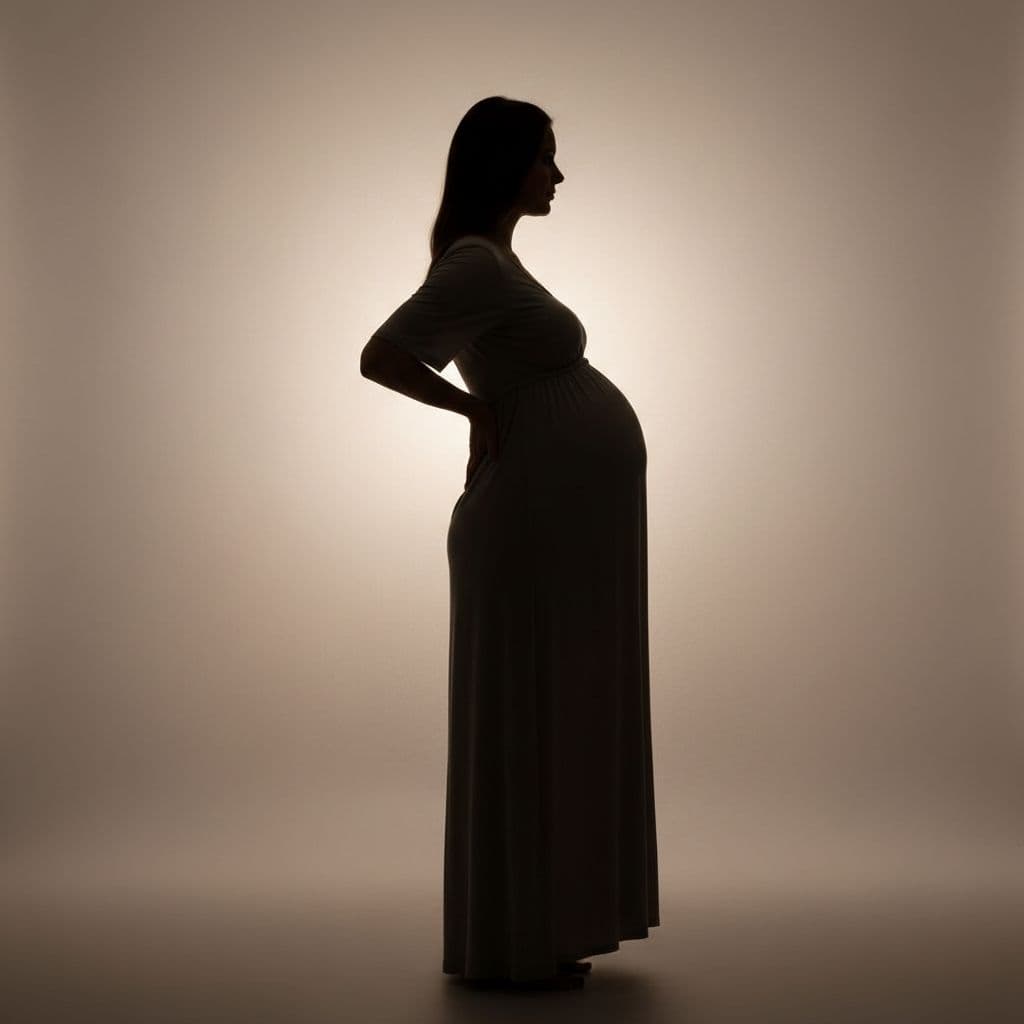
One of the biggest reasons for pregnancy back pain is relaxin, a hormone that helps loosen joints and ligaments so your body can prepare for birth. That extra looseness is helpful, but it can also make your back, hips, and pelvis feel less steady. When the support system gets softer, your muscles have to work harder to hold everything in place.
As your belly grows, your center of gravity shifts forward. Many people start leaning back without noticing it, which arches the lower back and puts more strain on the muscles. Standing for long periods can feel tiring, sitting in one position may make you stiff, and walking can start to pull on the lower back or hips.
Daily movement adds to the load, too. Bending, lifting, twisting, and even climbing stairs can all make soreness worse. The extra weight of pregnancy adds pressure, while weak belly muscles and tight hips can make the strain show up faster.
Pain in the lower back often feels like a deep ache or tightness. Pelvic pain may sit lower, near the hips, groin, or pubic bone, and it can feel sharper when you walk or turn in bed.
For a quick look at common second-trimester discomforts, this pregnancy checklist can help you compare what you’re feeling with other normal changes.
When back pain is normal and when it may need more attention
Mild to moderate soreness that comes and goes is common in pregnancy. It often gets worse after a long day, after standing too long, or after sleeping in one position too long. It may ease with rest, gentle movement, or better support.
Some symptoms need faster attention. Call your doctor if you have:
- Severe pain that doesn’t let up
- Back pain with fever
- Pain with bleeding
- Pain along with contractions
- Numbness or weakness
- Trouble walking or standing
These signs can point to something beyond ordinary pregnancy strain. If the pain feels sudden, strong, or different from your usual soreness, it’s best to check in sooner rather than later. For a trusted medical overview, Johns Hopkins Medicine explains back pain in pregnancy.
Daily habits that can ease back pain without much effort
Small habits add up fast during pregnancy. You do not need a perfect routine to feel better, you just need a few repeatable moves that take pressure off your back throughout the day.
The goal is simple: support your spine, keep your body from getting stiff, and avoid the little strain that builds into bigger pain. A few posture fixes, brief movement breaks, and safer lifting habits can make everyday tasks feel easier.
Use better posture when standing, sitting, and sleeping
Good posture does not mean standing stiff or forcing your shoulders back. It means giving your spine steady support so your muscles do less work.
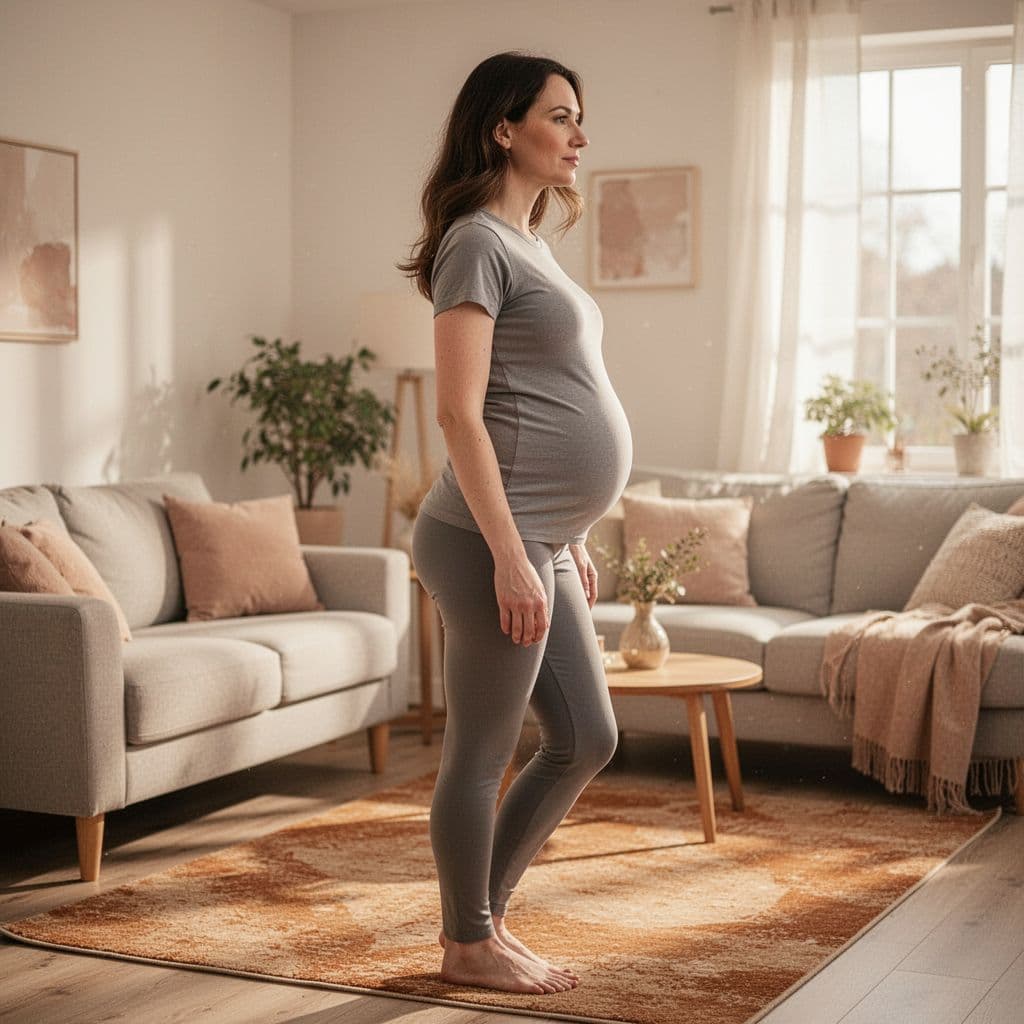
When you stand, keep your shoulders relaxed, your chest open, and your knees soft. Locked knees can pull your weight backward and make your lower back work harder. If you are standing at a counter or sink, shift your weight from time to time.
When you sit, choose a chair with support behind your lower back. A small pillow or rolled towel can help if the chair feels flat. If you sit for work or meals, keep both feet on the floor and avoid slumping forward.
At night, side-sleeping usually feels best for the back and hips. A pillow between your knees can help keep your pelvis level. If you need more support, must-have pregnancy accessories for back support can make a big difference without much effort.
Move often and avoid staying in one position too long
Gentle movement helps keep joints from stiffening up. Even a short walk to the mailbox or around the house can loosen tight muscles and ease pressure in your lower back.
Break up long stretches of chores, screen time, or desk work. Stand up, stretch lightly, or change positions every so often. If you feel sore after sitting, a few minutes of walking often helps more than staying still.
Small changes repeated often are easier to keep than big changes done once.
A little movement also helps you notice what bothers your back. For example, if standing at the stove hurts, switch sides or sit on a high stool while you cook.
Lift, bend, and carry things in a safer way
Pregnancy is a good time to protect your back with better body mechanics. Bend at your knees, keep the item close to your body, and avoid twisting while you lift.
That advice matters for real life, not just exercise. A diaper bag, a laundry basket, or grocery bags can strain your back fast if you reach, twist, or carry them too far from your body.
A few helpful habits make lifting safer:
- Keep one foot slightly ahead of the other before you bend.
- Hold items close instead of out in front of you.
- Turn your whole body with your feet, not your waist.
- Ask for help with heavy bags when you can.
For a medical summary of safe movement during pregnancy, the Mayo Clinic’s back pain relief tips explain these basics clearly.
Gentle exercises that can help your back feel better
Gentle movement can take the edge off pregnancy back pain without adding more strain. The right exercises can loosen tight muscles, support your core and hips, and reduce the stiff, achy feeling that builds up after sitting or standing too long.
Before you start anything new, check with your healthcare provider, especially if your pregnancy has complications or you have been told to limit activity. Once you get the green light, aim for steady, comfortable movement instead of hard workouts.
Pregnancy-safe stretches that relax tight muscles
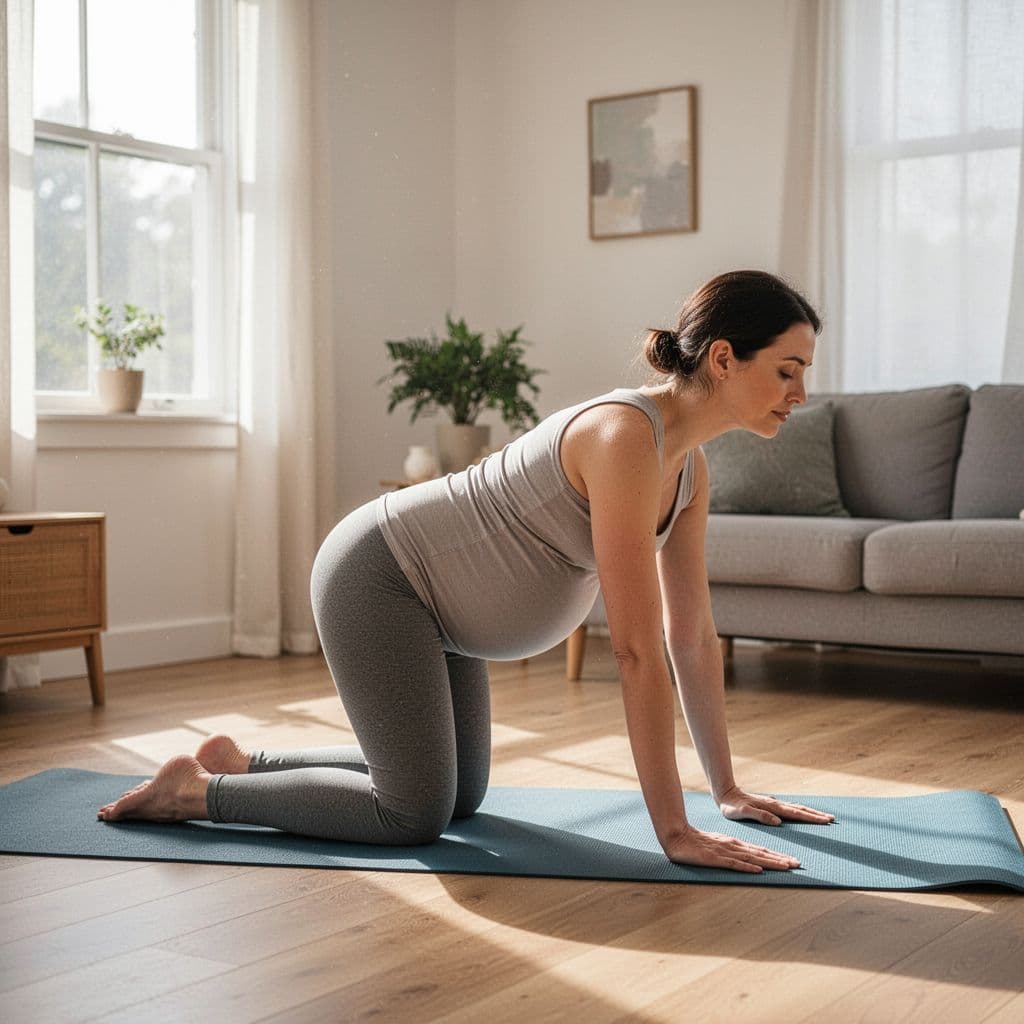
A few simple stretches can ease pressure in your lower back and hips. Move slowly, breathe normally, and stop if anything feels sharp.
- Pelvic tilts help flatten and round the lower back in a controlled way. Stand with your back against a wall or get on your hands and knees, then tuck your pelvis gently. This can ease low-back tension and help your belly and back work together better.
- Cat-cow stretches are good for stiff backs. On your hands and knees, round your back like a cat, then slowly arch it the other way. This helps loosen the spine and can reduce tightness across the back and shoulders.
- Hip stretches can calm the muscles that pull on your lower back. Gentle figure-four or side hip stretches may help if your hips feel tight after walking or sleeping.
- Side stretches can open the ribs and waist. Reach one arm overhead, lean slightly to the side, and keep the motion small.
The Mayo Clinic notes that pregnancy stretches can help ease common aches, including back pain, as long as they are done slowly and safely. Mayo Clinic’s pregnancy stretches are a helpful reference if you want more detail.
Low-impact workouts like walking, swimming, and prenatal yoga
Low-impact exercise can help your back by keeping your muscles active without pounding your joints. Walking is an easy place to start, since it keeps your body moving and often helps loosen up the lower back after long periods of sitting.
Swimming is another strong choice. The water supports your body, so your back does not have to carry as much weight. That support can make movement feel easier, especially later in pregnancy.
Prenatal yoga can also help with flexibility, balance, and posture. Just make sure the class is pregnancy-friendly and led by someone who understands prenatal modifications. Hot yoga should be avoided, since overheating is a real risk during pregnancy.
Consistency matters more than intensity. A short walk most days is often better than one long workout you cannot keep up. If you want more ideas for staying active in a safe way, these gentle pregnancy exercise tips can fit well into a simple routine.
When to stop exercising and get medical advice
Some discomfort is normal, but exercise should never push your pain higher. Stop and call your healthcare provider if you notice any of these signs:
- dizziness or feeling faint
- pain that gets worse instead of better
- vaginal bleeding
- contractions or regular tightening
- shortness of breath that feels unusual
- chest pain, weakness, or trouble walking
- leaking fluid
If a movement makes your pain sharper, your body is asking for a break.
A workout should leave you feeling looser, not worse. When in doubt, back off, rest, and check with your doctor before trying again. Gentle exercise should support you, not drain you.
Heat, cold, and support tools that can bring fast relief
When your back feels tight or sore, a few simple comfort tools can take the edge off fast. Heat helps loosen stiff muscles, cold helps calm swelling and sudden pain, and support items can reduce the strain that builds up in your lower back and pelvis.
The key is to use each tool the right way. During pregnancy, comfort should feel soothing, not hot, heavy, or tight.
How to use heat or cold safely during pregnancy
Heat can help when your muscles feel tight, stiff, or cramped. A low heating pad, warm compress, or warm water bottle on the lower back can relax tense muscles and make it easier to move. Keep it on the lowest setting, use it for about 15 to 20 minutes, and never fall asleep with it on.
Cold works better when pain feels sharp, fresh, or swollen. An ice pack can calm irritated tissue after a long day or a sudden flare-up. Always wrap the pack in a towel or cloth, then use it for 10 to 15 minutes at a time.
Keep heat and ice on the lower back, hips, or other sore areas, not directly on the belly.
For more on safe use, Mayo Clinic’s pregnancy back pain tips give clear guidance on heat, cold, and massage.
Support belts, pillows, and shoes that can make a real difference
Support tools can ease pressure before pain builds. A belly band or maternity support belt helps lift some of the weight off your lower back and can feel especially useful while walking or standing for long periods. A body pillow or extra pregnancy pillow can keep your hips aligned at night, which may reduce tossing, twisting, and morning stiffness.
Supportive shoes matter too. Flat, unsupportive shoes can make your posture worse and put more strain on your back and pelvis. Choose shoes with good arch support, a steady sole, and enough room for swelling.
A few helpful options include:
- Belly bands for daytime support
- Maternity support wear for longer walks or busy days
- Body pillows for side-sleeping comfort
- Supportive shoes for better balance and less pressure
If you want another practical reference, Mayo Clinic Health System’s back pain relief tips also explain how pillows and heat or ice can help.
Other treatments that may help if home care is not enough
If stretching, rest, and support tools only take you part of the way, a few hands-on treatments may help. These options can ease muscle tension, improve movement, and reduce the strain that builds up as your pregnancy changes. The best results usually come from trained providers who work with pregnant patients and know how to adjust care safely.
Prenatal massage and physical therapy
Prenatal massage may help loosen tight muscles in your lower back, hips, and shoulders. It can also calm stress, which matters because tension often makes pain feel worse. A proper prenatal session uses pregnancy-safe positioning, usually side-lying, with pillows or bolsters that keep pressure off your belly and lower back.
Physical therapy can be just as helpful, especially if your pain keeps coming back. A physical therapist can look at your posture, pelvic alignment, strength, and walking pattern, then give you stretches and exercises that fit your body. That often helps with core support, better balance, and smoother movement during daily tasks.
Prenatal training matters. Side-lying support, gentle pressure, and pregnancy-safe movement are part of good care.
If you try either option, ask about the provider’s experience with pregnancy before you book. For more on what to avoid during pregnancy, see these essential pregnancy safety tips.
Acupuncture and chiropractic care, what to know first
Acupuncture may help some pregnant people with back pain by easing muscle tension and improving comfort. Chiropractic care may also help when pain is tied to pelvic or spinal alignment. Both can be useful, but they should be done by professionals who are trained to treat pregnant patients.
That training matters because pregnancy changes your joints, balance, and pressure points. A provider who understands pregnancy will use gentler techniques and avoid positions that put stress on your abdomen or joints. If you have a high-risk pregnancy, blood pressure concerns, bleeding, or any other complication, check with your doctor or midwife before starting either treatment.
A good rule is simple, get medical clearance first, then choose a provider with clear prenatal experience. The right care should leave you feeling more supported, not more sore the next day.
When back pain is a warning sign, not just a pregnancy ache
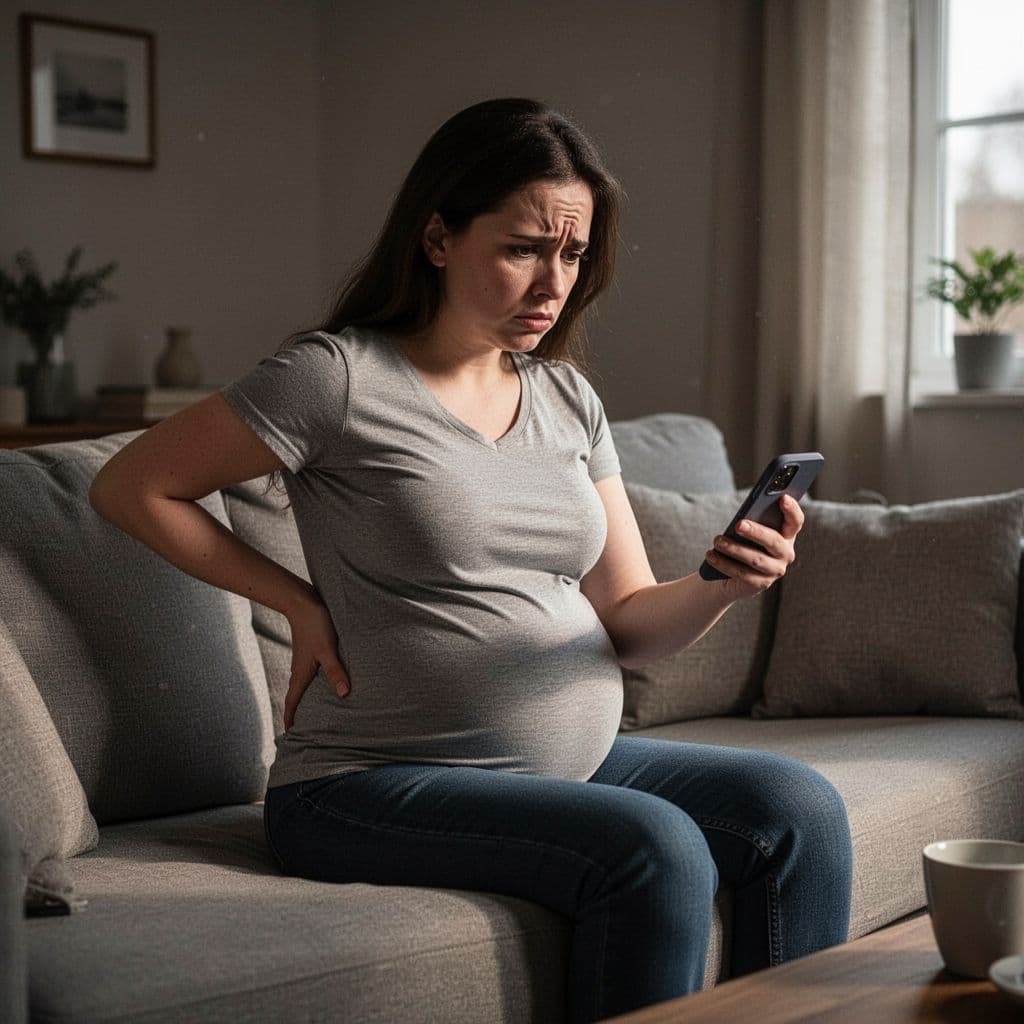
Most pregnancy back pain is harmless and tied to posture, hormones, or extra strain. Still, some symptoms need medical advice right away. The big clue is a pain pattern that feels sudden, severe, or different from the usual daily ache.
Red flags that should not wait
Call your doctor, midwife, or labor and delivery right away if your back pain comes with any of these signs:
- Severe pain that does not ease with rest
- Pain that suddenly gets much worse
- Numbness or weakness in your legs
- Pain that shoots down the leg
- Fever
- Vaginal bleeding
- Leaking fluid
- Contractions or cramping
- Burning when you urinate
Burning during urination can point to a urinary infection, which needs prompt treatment in pregnancy. According to the Mayo Clinic’s pregnancy back pain guidance, back pain with fever, bleeding, contractions, or painful urination should be checked quickly.
What those symptoms can mean
Pain that travels down one leg may signal nerve irritation, not simple muscle soreness. Fever, bleeding, leaking fluid, or contractions can point to preterm labor or another pregnancy complication.
If your pain stops you from walking, standing, or doing normal tasks, treat that as a warning too. The NHS back pain in pregnancy page also advises urgent help for severe pain plus fever, bleeding, or pain when you pee.
When back pain changes fast, don’t wait it out. Getting checked early is the safest move for you and your baby.
Conclusion
The best way to ease back pain during pregnancy is to make small, steady changes that support your body each day. Better posture, gentle movement, safe use of heat or cold, and a little extra support can all reduce strain and help you feel more comfortable.
Most pregnancy back pain is common and manageable. If the pain is strong, keeps coming back, or does not improve with home care, talk with your healthcare provider so you can get the right guidance and rule out anything more serious.
Save pin for later

- Can I Give A Half-boiled Egg To My Baby? - September 25, 2026
- What Are The Nutritional Benefits Of Eggs For Babies - September 25, 2026
- When Should I Avoid Giving Eggs To My Baby? - September 25, 2026