
Infant anorexia is a feeding problem, not teen anorexia nervosa, and it can leave you worried fast. A baby may refuse food, eat very little, or stop gaining weight the way they should.
When feeding stays hard, early help matters because growth and nutrition can slip quickly in the first months. If you’re seeing appetite changes along with weight concerns, these pediatric warning signs can help you decide when to call the doctor, and a short parent-friendly video can also offer a calm starting point. The steps below focus on practical ways to respond without panic.
Spot the Signs Before Feeding Problems Get Worse
Small feeding changes can look harmless at first. A baby may just seem picky, tired, or distracted, but repeated refusal can point to a real feeding problem.
If you’re trying to tell the difference, compare what you see with warning signs of inadequate milk supply and with the AAP feeding issues guidance. The sooner you notice a pattern, the easier it is to act before weight gain and hydration slip.
Feeding behaviors that can signal a problem
Refusal can show up in different ways depending on how your baby eats. During bottle-feeding, a baby may clamp the lips shut, turn away, push the bottle out, or stop sucking after only a few swallows. Breastfed babies may latch and then pull off quickly, cry at the breast, or seem to fight the feed more than they feed.
Spit-outs and tiny meals also matter. If your baby takes only a few bites of spoon-fed food, loses interest right away, or seems more focused on everything else in the room, that can be a sign of feeding trouble, not just fussiness.
Watch for patterns like these:
- Eating only a little: A few bites, then refusal.
- Turning away: Head turning, back arching, or pushing food away.
- Crying at meals: Stress starts before the feed even begins.
- Low interest in food: Little effort to latch, suck, or open the mouth.
- Distracted feeding: Long pauses, shallow sucking, or constant stopping.
A baby who resists one feed can be normal. A baby who resists most feeds is sending a message.
Growth and hydration clues parents should watch
Feeding problems often show up in the diaper bag and on the scale before they feel dramatic at the table. Slow weight gain, stalled growth, or weight loss are big clues that a baby may not be getting enough nutrition.
Hydration signs matter just as much. Fewer wet diapers, dry lips, a dry mouth, or a baby who seems more sleepy than usual can point to low intake. You may also notice less energy, weaker sucking, or a baby who tires out before finishing a feed.
Look for these signs together, not in isolation:
- Poor weight gain or weight that drops off the expected curve.
- Fewer wet diapers than usual.
- Dry lips or mouth after feeds.
- Low energy or trouble staying alert during meals.
- Weakness or a floppy, worn-out feel during feeding.
A baby who finishes feeds quickly but still seems hungry soon after can also be a clue. That can happen when the baby is not getting enough milk, formula, or food to meet basic needs.
When a feeding phase is more than normal fussiness
Babies have off days. Teething, a cold, reflux, or a new texture can all cause a short feeding slump. A brief dip that lasts a day or two is different from a pattern that keeps repeating.
The bigger concern is lasting refusal, especially when it comes with poor growth or dehydration signs. Feeding problems that continue for weeks, and especially those that stretch toward a month, should not be brushed off as a phase.
A few signs that point beyond normal fussiness include:
- Refusal at most feeds, not just one or two.
- Meals that stay stressful for both baby and parent.
- Feeding that keeps getting shorter or more resistant.
- Weight gain that slows or stops.
- Tiredness, weakness, or fewer wet diapers along with the feeding issue.
If the pattern is sticking around, write down what happens, when it happens, and how long feeds last. That simple record can help your pediatrician spot what your baby needs faster.
Get the Medical Cause Checked First
Before you assume a baby is being stubborn or going through a feeding phase, rule out a medical reason. Feeding refusal in infants often starts with discomfort, and a baby who hurts, can’t breathe well, or can’t swallow comfortably may pull away from feeds fast.
A pediatrician can sort out whether the problem is temporary, treatable, or part of a bigger feeding issue. That first exam matters because the fix may be simple once the cause is clear.
Common health issues that can affect appetite
Many babies eat less because feeding feels bad, not because they want less food. Reflux can make swallowing sting or trigger arching and crying after feeds. Congestion can make it hard to breathe and suck at the same time. Teething pain can also make the mouth sore and sensitive.
Other common causes include ear infections, thrush, constipation, and stomach upset. A baby with thrush may have white patches in the mouth and seem sore while feeding. Ear pain can worsen when the baby lies back for a bottle or breastfeed. Constipation and gas can make the belly feel tight, so every feed starts with discomfort.
Here are some of the most common medical issues to look at first:
- Reflux: Spitting up, back arching, or crying during or after feeds.
- Congestion or a cold: Trouble breathing through the nose while sucking.
- Teething pain: Sore gums that make latching or sucking harder.
- Ear infection: Fussiness, ear tugging, or worse feeding when lying down.
- Thrush: White patches in the mouth, mouth pain, or pulling off the breast or bottle.
- Digestive discomfort: Gas, constipation, bloating, or a tense belly.
- Allergies or intolerance: Vomiting, diarrhea, rash, blood in stool, or ongoing discomfort.
- Swallowing trouble: Coughing, choking, gulping, or long feeds that end in stress.
If the feeding refusal comes with crying, arching, coughing, or a sudden change in mood, that points more toward discomfort than behavior. The AAP feeding issues guidance also notes that feeding refusal can be tied to reflux, congestion, and swallowing problems, so a medical check is the right first step.
A baby who refuses food may be telling you, “feeding hurts.”
If thrush is on your mind, a closer look at the mouth can help. This baby white tongue guide explains how thrush can look different from harmless milk residue and why an exam matters.
What your pediatrician may ask or check
The doctor usually starts with the full story. Expect questions about weight history, feeding patterns, how long feeds take, and whether your baby seems hungry or tired between meals. Wet diapers matter too, because fewer wet diapers can point to low intake or dehydration.
Your pediatrician will also review growth charts and compare today’s weight, length, and head size with past visits. A small change over one day is less useful than a pattern over time, so the trend matters most.
During the exam, the doctor may check:
- Mouth and throat for thrush, pain, or structural issues.
- Ears for infection or fluid.
- Nose and breathing for congestion that blocks feeding.
- Belly for constipation, pain, or swelling.
- Overall growth to see whether the baby is staying on track.
The visit may also include watching a feeding. That can show whether the baby is latching well, tiring too fast, coughing, or pulling away at a certain point. If needed, the doctor may order more tests, such as urine tests, blood work, a swallow study, or allergy-related evaluation.
Why early help protects growth
Waiting too long can turn a small intake problem into undernutrition. A baby who eats poorly for days or weeks can lose weight, fall off their growth curve, and become weaker during feeds. Once that happens, feeding can get harder, not easier.
Quick evaluation helps because it can lead to treatment sooner. A reflux plan, infection treatment, relief for oral pain, or support for swallowing trouble can make feeding safer and more comfortable fast. The longer you wait, the more likely it is that feeding stress builds on itself.
The takeaway is simple. If your baby keeps refusing feeds, don’t label it as behavioral until a pediatrician rules out medical causes. That check can protect growth, calm your worry, and point you toward the right next step.
Use a Calm, Parent-Led Feeding Routine
A baby with feeding refusal often does better when meals feel steady and low-key. You set the schedule, the setting, and the food offered. Your baby decides how much to eat, and that clear split can lower stress on both sides.
This approach works well when feeds have become unpredictable. It gives your baby a pattern to trust, and it keeps mealtimes from turning into a tug-of-war. The goal is simple: calm offers, clear timing, and no pressure.

Set a steady schedule instead of guessing when to feed
Babies with poor appetite often do better with predictable feed times. Offer small, frequent meals or bottles through the day, rather than waiting until everyone is frustrated or the baby is already upset. A regular rhythm can help hunger build in a healthy way.
For many babies, feeding every 2 to 3 hours works better than long gaps. That spacing also fits the idea behind the dangers of strict feeding schedules, which reminds parents that timing should be steady without becoming rigid. When the day follows a pattern, babies often feel safer and more ready to eat.
A simple routine can look like this:
- Offer food or milk at the same general times each day.
- Keep portions small at first.
- Watch for hunger cues, then offer promptly.
- Stop when your baby shows fullness.
The Division of Responsibility in Feeding follows the same idea, parents choose what, when, and where food is offered, while the child decides how much to eat.
Keep meals quiet and distraction-free
Feeding goes better when the room stays calm. Turn off screens, cut background noise, and stay with your baby during the feed. A quiet setting helps a distracted or anxious eater focus on the bottle, breast, or spoon instead of everything else around them.
This does not mean meals need to be stiff or silent. A soft voice, gentle eye contact, and a relaxed pace are enough. If your baby is easily overwhelmed, fewer distractions can make the feed feel safer and more manageable.
If bottle refusal is part of the problem, timing matters too. A baby who is calm and a little hungry is often more willing to drink, which is why these best timing for bottle feeding tips can help. Keep the moment simple, offer the feed, and let your baby settle into it.
Avoid pressure, bribing, or forcing bites
Pressure can make feeding stress worse fast. If you coax, bribe, or push for one more bite, your baby may start associating meals with tension. That can turn a feeding problem into a bigger feeding fight.
Stay firm, but stay gentle. Offer the meal, give your baby time, and stop before frustration takes over. If your baby refuses, the next step is not a battle. It is another calm offer at the next scheduled feeding.
A few habits help keep the tone right:
- Do not distract with toys or rewards just to get a bite in.
- Do not force the spoon or bottle back in after refusal.
- Do not chase your baby around the room with food.
- Do not use meals as a test of will.
Babies eat better when they trust that feeding is predictable and safe. Your job is to keep that structure steady, then let your baby decide how much to take in.
Choose Foods and Milk That Give More Nutrition in Less Volume
When a baby eats very little, every spoonful needs to work harder. That means choosing foods and milk that pack more calories, protein, and healthy fat into small amounts.
The goal is simple. Offer foods that fill your baby up with nourishment, not empty volume. The AAP’s infant food and feeding guidance supports breast milk or formula as the main drink for the first year, with solids added at the right stage. If you’re looking for more ideas, these baby-friendly foods for steady weight gain can help you think through age-appropriate options.

Offer calorie-rich options that fit your baby’s age
For babies who are ready for solids, start with foods that are soft, smooth, and easy to swallow. Avocado, full-fat yogurt if your pediatrician says it’s okay, and fortified infant cereals are good examples because they give more nutrition in a small serving. Breast milk and formula also stay important, since they provide calories and nutrients in a form many babies tolerate well.
A few age-appropriate choices include:
- Avocado puree for healthy fat and a creamy texture.
- Plain full-fat yogurt for older infants who have already started dairy.
- Iron-fortified cereal mixed to a smooth consistency.
- Pureed meats or beans for protein and iron.
- Breast milk or formula as the main milk source.
The HealthyChildren sample menu for 8 to 12 month olds is a helpful reference for what fuller infant meals can look like. Still, age matters. A baby who is just starting solids needs tiny portions and smooth textures, while an older infant may handle thicker purees and soft finger foods.
If your baby eats only a few bites, choose foods that give more back in each bite.
Use healthy add-ins when your doctor says it is okay
Some babies need extra calories added to the foods they already eat. That can help growth without asking them to eat a much bigger amount. The key is to make those changes with a pediatrician or dietitian, because infants need the right balance.
A doctor may suggest fortifying breast milk, formula, or purees in a very specific way. For example, they may recommend a higher-calorie formula, added fats, or a small change in texture that makes the meal more filling. You should not guess at portions or mix-ins on your own.
A simple rule helps here: never change formula strength or add cereal to a bottle unless your pediatrician tells you to. Babies can get too much or too little nutrition when parents improvise. If your baby has reflux, allergies, or swallowing trouble, the safest plan is one built around their exact needs.
Watch drinks that may fill the baby up too fast
Fluids can crowd out food fast, especially in small babies. Too much water or juice can leave less room for breast milk, formula, or nutrient-rich solids. That matters when your baby already eats little.
For infants, breast milk or formula should stay the main drink. Water is usually limited to small sips when solids begin, and juice is best avoided in early infancy unless a doctor gives specific advice. The AAP also warns that juice can reduce appetite for more nourishing foods, which is the last thing a poor eater needs.
If your baby seems full before meals, check what they drank first. A big bottle, extra water, or sweet juice can dull hunger quickly. Keep drinks simple, keep portions small, and let the food carry the nutrition.
Make Feeding Feel Safe Again
When feeding has become tense, a baby can start bracing for stress before the first bite or sip. That fear can build fast, especially if meals have included pressure, repeated retries, or a lot of upset. The good news is that trust can be rebuilt with calm, consistent care.
The goal here is simple: make feeding feel safe again. If feeding has turned into a battle, why forcing feeds harms baby trust explains why a gentler approach matters. For babies who keep refusing, this can also overlap with oral aversion, which the Cleveland Clinic describes as a refusal of anything placed in the mouth, even when feeding is needed.
Stay close and respond with comfort
Your presence matters during stressful feeds. Sitting close, holding your baby securely, and keeping your voice warm can help lower the sense of threat. A baby who feels held and calm is more likely to stay open to feeding.
Small comfort cues work best here. Try a steady hand on the back, soft eye contact, and a slow pace. If your baby turns away or gets tense, pause before it becomes a struggle. That break tells your baby that feeding is not a trap.
A few calming habits help a lot:
- Hold your baby in a stable, comfortable position.
- Speak in a low, soothing tone.
- Pause when your baby looks stressed.
- Offer a cuddle or reset before trying again.
Use gentle, simple cues during meals
Babies do best with clear patterns. Use the same short phrases, the same calm tone, and the same basic routine each time. For example, “It’s time to eat” or “Here comes milk” is enough. Long explanations can wait for later.
Predictability helps a baby know what comes next. You can start with a familiar chair, a familiar caregiver, and a familiar order to the feed. Over time, that steady rhythm can make meals feel less surprising and more manageable.
If your baby has already had a few rough feeds, keep your language even lighter. A soft “all done” or “let’s rest” can help close the meal without added stress. That matters because every peaceful ending makes the next feed easier to approach.
Notice what sets off refusal and adjust
Feeding refusal usually has a pattern. Maybe your baby resists at certain times of day, with a certain texture, or in a position that feels uncomfortable. When you spot those triggers, you can change the setup instead of pushing through the problem.
Start paying attention to when feeds go best and when they fall apart. A baby may handle milk in the morning but refuse after being tired or overstimulated. Some babies dislike a fast flow, a cold spoon, or being laid back too far.
Use that pattern to make small changes:
- Try a different feeding position.
- Offer food at a calmer time of day.
- Adjust texture, flow, or temperature.
- Stop before frustration builds.
Repeated bad feeds can teach a baby to expect stress. Repeated calm feeds can teach the opposite.
If refusal keeps showing up, write down the details for a few days. That record can reveal the trigger you keep missing, and it gives your pediatrician a clearer picture. Most importantly, it helps you replace pressure with a feeding rhythm your baby can trust.
Support Self-Feeding and Positive Food Exploration
Some babies eat better when food feels familiar in their own hands first. Touching, squishing, smelling, and licking tiny amounts helps them learn that food is safe, normal, and worth trying. That kind of learning matters, because feeding is about more than intake. It also builds comfort, curiosity, and trust.
Low-pressure food play can help a baby move past fear. The goal is simple: let your baby explore without turning meals into a battle. The NCBI review on feeding problems also notes that babies should be encouraged to self-feed as much as possible, which fits this slow, patient approach.

Let your baby explore food without a fight
A baby does not need to eat a full serving to make progress. Sometimes, just touching a pea-sized bit of food is a win. When your baby smears, pats, sniffs, or tastes a small amount, they are learning how food works.
That learning happens through repetition. One day they may only look at the food. Next time, they may poke it. Later, they may bring it to the mouth. Each step counts, even if the spoon barely moves.
A few simple ways to keep exploration calm:
- Place one or two soft foods on the tray.
- Let your baby touch the food before you offer a bite.
- Stay relaxed if they mash or drop it.
- Stop before the moment turns stressful.
If you want ideas for soft, baby-friendly options, these meal ideas for 9-month-old babies can help you keep things practical. Keep the tone playful, because food exposure works best when it feels safe, not forced.
Messy hands and tiny tastes are part of the lesson.
Offer textures your baby can handle
Some babies feel calm with smooth purees. Others do better with thicker mash or soft finger foods once they are ready. Start where your baby is comfortable, then adjust slowly. That may mean serving the same food in a different form several times before moving on.
Texture matters because it changes how food feels in the mouth. A baby who gags on lumps may need more time with smooth foods first. A baby who likes to grab may be ready for soft pieces that are easy to hold and gum.
Try to match the texture to your baby, not the other way around. For example, a spoonable puree, a mashed avocado, or a very soft strip of fruit can be easier than a mixed plate with too much going on. If teething is part of the problem, comfort foods for teething infants can also make meals less irritating.
The point is not to rush texture changes. It is to give your baby enough success that food starts to feel manageable.
Keep expectations small and realistic
Progress is often slow, and that is normal. A baby who only touches food today may taste it next week. A baby who takes two bites may build from there over time. Early goals should focus on comfort, not volume.
When you expect small steps, you protect the feeding relationship. That matters because pressure can make refusal worse. Instead of watching the plate, watch the pattern. Is your baby calmer? More willing to sit at the table? More open to touching the food? Those are signs that feeding is moving in the right direction.
Keep these goals in mind:
- Tolerate the food on the tray.
- Touch or hold it without distress.
- Smell or lick it.
- Take small bites or sips when ready.
That slow build helps your baby learn that meals are safe. Once comfort grows, bigger amounts usually have a better chance of following.
Track Progress So You Know What Is Working
When feeding feels messy, it helps to stop guessing. A short log can show you what your baby tolerates, what leads to tears, and what seems to help most.
You do not need a perfect chart. A few simple notes each day can reveal patterns in meals, mood, diaper output, and weight checks, which makes it easier to spot real progress.

Write down meals, moods, and reactions
A feeding log works best when it stays short and specific. Write down the time, what your baby took, how they acted before the feed, and how they acted after it. That simple habit can show you whether a certain routine, texture, or time of day works better than the rest.
A few details matter most:
| What to track | Why it helps |
|---|---|
| Time of feed | Shows hunger patterns |
| Amount taken | Shows how much your baby accepts |
| Mood before the feed | Helps spot tiredness, fussiness, or stress |
| Reaction during the feed | Shows comfort, refusal, or fatigue |
| Mood after the feed | Helps you see if feeding settled your baby |
| Wet diapers and stools | Gives clues about intake and hydration |
A short note can say a lot. For example, “8 a.m., calm, took full bottle” tells you more than “ate well.” If your baby eats better in the morning, that pattern may matter more than the food itself.
Small notes often reveal the biggest clues.
If you want a fuller picture of growth, what your baby’s birth weight tells you can help you understand why early weight patterns matter so much.
Watch for growth changes over time
A single weight check does not tell the full story. What matters is the trend across days and weeks. The AAP’s clinical practice guideline for faltering weight focuses on that bigger picture, along with length, head size, and the pace of weight gain.
Keep an eye on three signs of progress:
- Weight gain that moves steadily, even if slowly.
- Diaper output that stays consistent.
- Energy that improves at and between feeds.
These signs often change before appetite feels normal. A baby may still eat small amounts but seem more alert, have more wet diapers, or recover faster after meals. That can be a real step forward.
On the other hand, stalled weight gain, fewer wet diapers, or low energy can point to a problem that needs attention. Those patterns matter even if your baby has a few good feeds mixed in.
Share updates with your doctor or feeding specialist
Bring your notes to every appointment. Even a messy log gives your doctor real data to work with, which is much better than trying to remember a week of feeds from memory.
A feeding specialist or pediatrician can use those patterns to adjust care. They may suggest a new feeding schedule, a different bottle setup, a texture change, or more testing if the problem points that way.
Try to include a few basics before the visit:
- Recent weight checks, if you have them.
- How much your baby usually eats at each feed.
- Wet diaper counts and stool changes.
- Mood, sleepiness, or fussiness around meals.
- Any foods, times, or routines that seem easier.
When you walk in with clear notes, the visit starts on solid ground. That makes it easier to spot what is working and what still needs to change.
Know When to Get Extra Feeding Help
Some babies need more than home changes, and that is okay. If feeding stays hard, the next step may be a feeding specialist, a dietitian, or a therapy plan that fits your baby’s needs.
That support can feel like a relief. It takes the pressure off you, and it gives your baby a safer path forward. If breastfeeding is part of the picture, breastfeeding and pumping essentials can also help while you wait for extra care.
Extra help is a sign that you’re acting early, not failing.
Signs it is time to ask for specialist support
Some feeding trouble passes with a few simple changes. Other times, the pattern keeps repeating, and that is the clue that you need more support. If your baby keeps refusing feeds, eats too little, or seems tense at nearly every meal, it’s time to ask for help.
Watch for these signs:
- Ongoing refusal during most feeds, not just one bad day.
- Poor weight gain or growth that slows on the chart.
- Frequent feeding stress for both you and your baby.
- No improvement after smaller changes like schedule, position, or texture.
- Feeding sessions that drag on or leave your baby tired.
The pediatric feeding disorder symptoms page from Nationwide Children’s Hospital is a good reminder that feeding problems can affect growth, nutrition, and normal feeding skills at the same time. That is why waiting too long can make the problem harder to fix.
What feeding therapy can help with
Feeding therapy gives your baby structured support with the parts of eating that feel difficult. Depending on the cause, a therapist may work on swallowing, oral strength, mouth coordination, or getting your baby used to food without stress.
This can include small, practical steps like helping your baby tolerate a spoon, improving lip and tongue movement, or making textures feel less upsetting. Therapy also looks at the parent-child pattern at meals, because tension at the table can keep feeding problems going. A good therapist teaches you how to respond without pressure.
A feeding team may help with:
- Swallowing safety, if your baby coughs, chokes, or gulps.
- Oral skills, like sucking, chewing, or moving food in the mouth.
- Food comfort, so meals feel less upsetting.
- Feeding patterns, so parents and babies get out of a stress loop.

How a team approach can make progress easier
The best support often comes from a group, not one person. A pediatrician watches overall health, a dietitian checks calories and growth, and a feeding therapist works on feeding skills and comfort. When they share the plan, you get care that covers the whole baby, not just one piece of the problem.
That team view matters because feeding trouble can touch several areas at once. One baby needs medical treatment, another needs more calories, and another needs help rebuilding trust at meals. A combined plan keeps those needs aligned instead of guessing one by one.
| Team member | What they help with |
|---|---|
| Pediatrician | Growth checks, medical causes, follow-up care |
| Dietitian | Calories, meal balance, nutrition targets |
| Feeding therapist | Swallowing, oral skills, feeding comfort |
This kind of support can move things forward faster because each specialist sees a different part of the picture. If your baby is not improving at home, a team approach can make the next step clearer and less overwhelming.
Conclusion
Infant anorexia is real, and it can wear parents down fast. The most important step is to watch for warning signs early, then get a medical check when feeds stay hard or weight gain slows.
From there, the best progress usually comes from calm, steady feeding. Keep routines simple, avoid pressure, and use foods and milk that match your baby’s age and needs.
If feeding still feels stressful, don’t blame yourself. With the right support, many babies do improve, and small changes can add up in a real way.
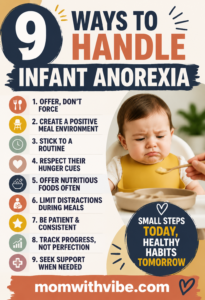
Save pin for later

- 10 Things You Shouldn’t Do in Front of Your Baby (and What to Do Instead) - September 22, 2026
- 15 Effective Ways to Deal With Stubborn Children (Without Yelling) - September 22, 2026
- Birth Order Influence: 8 Things Parents Should Know About Each Child - September 22, 2026