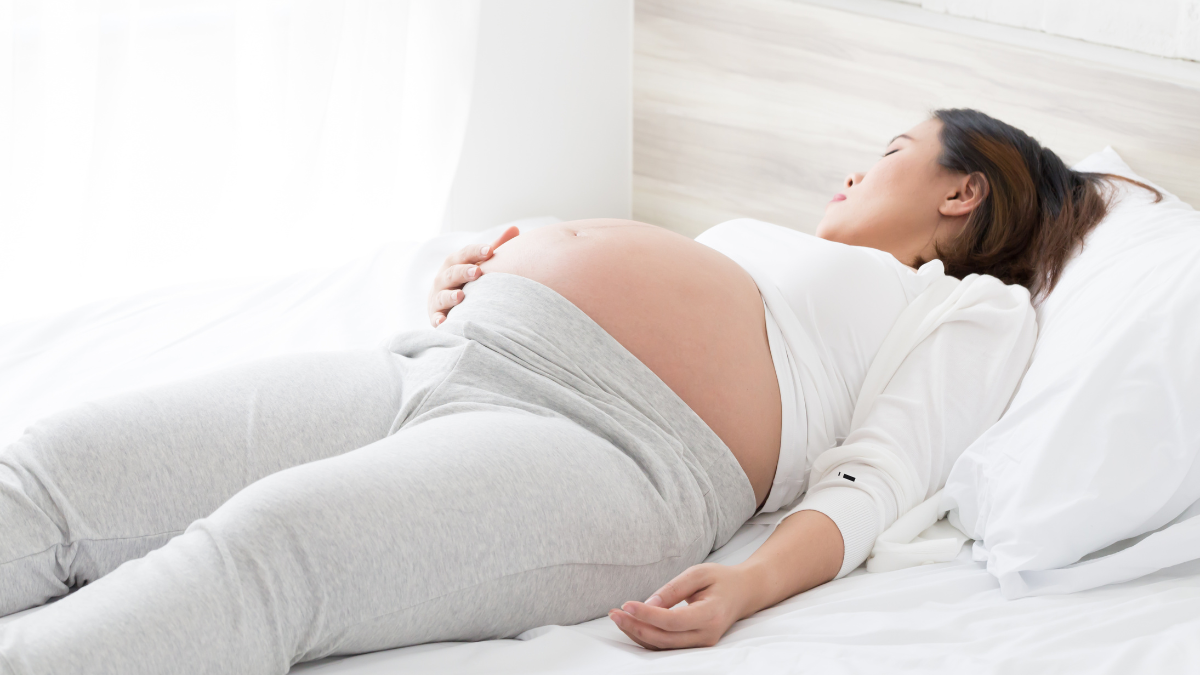

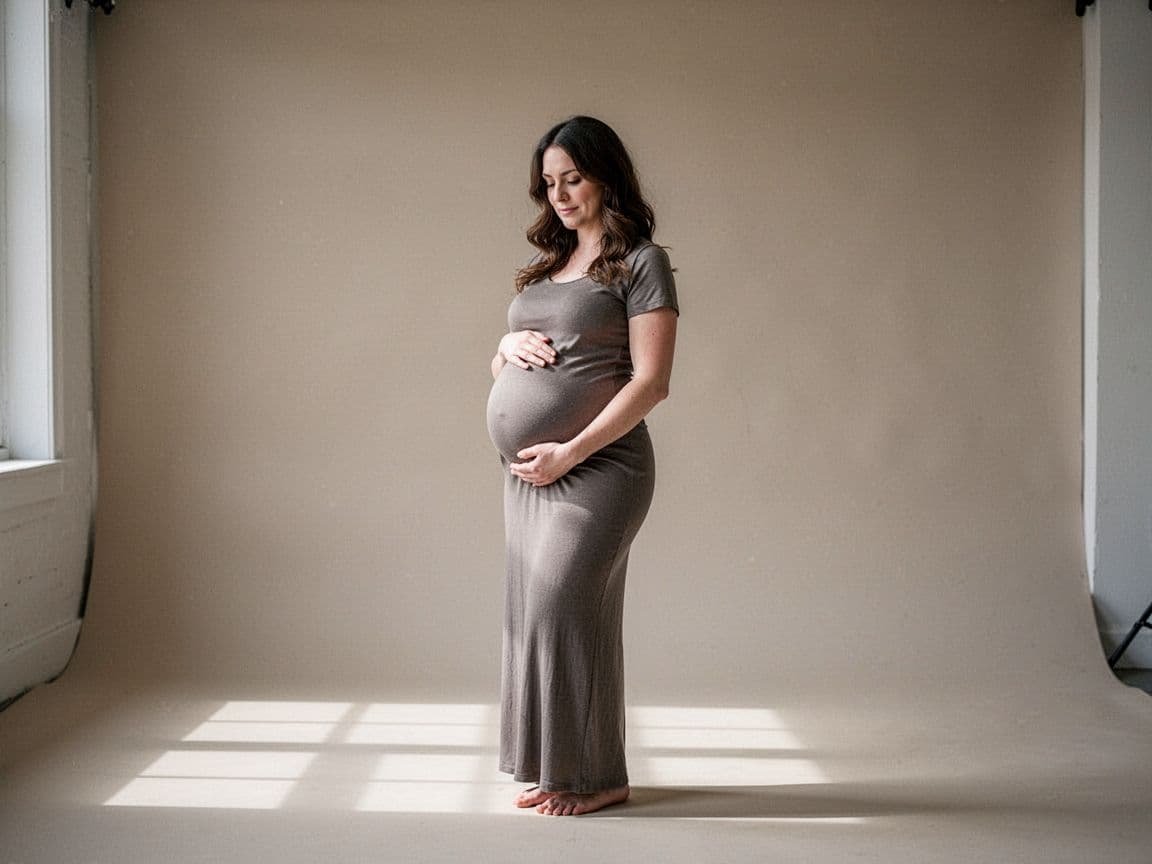
A hard stomach during pregnancy can feel alarming, especially when it shows up without warning. Most of the time, it’s linked to normal changes like Braxton Hicks contractions, a growing uterus, gas, constipation, or even baby’s movement.
Still, not every tight belly should be brushed off. Sometimes a firm stomach is your body’s way of asking for attention, so it helps to know the difference between harmless tightness and warning signs that need a call to your doctor.
This guide breaks that down in simple terms, so you can feel more confident about what’s normal and what isn’t.
Why your stomach may feel hard at different stages of pregnancy
A hard belly during pregnancy often comes and goes for ordinary reasons. In one stage, it may feel tight because your uterus is growing. In another, digestion slows, or the baby shifts and presses in a new way.
That changing pattern can feel confusing, especially when your stomach is soft one moment and firm the next. The good news is that pregnancy changes the body in waves, so belly firmness can change with your trimester, activity level, and even the baby’s position.
The uterus is stretching as your baby grows
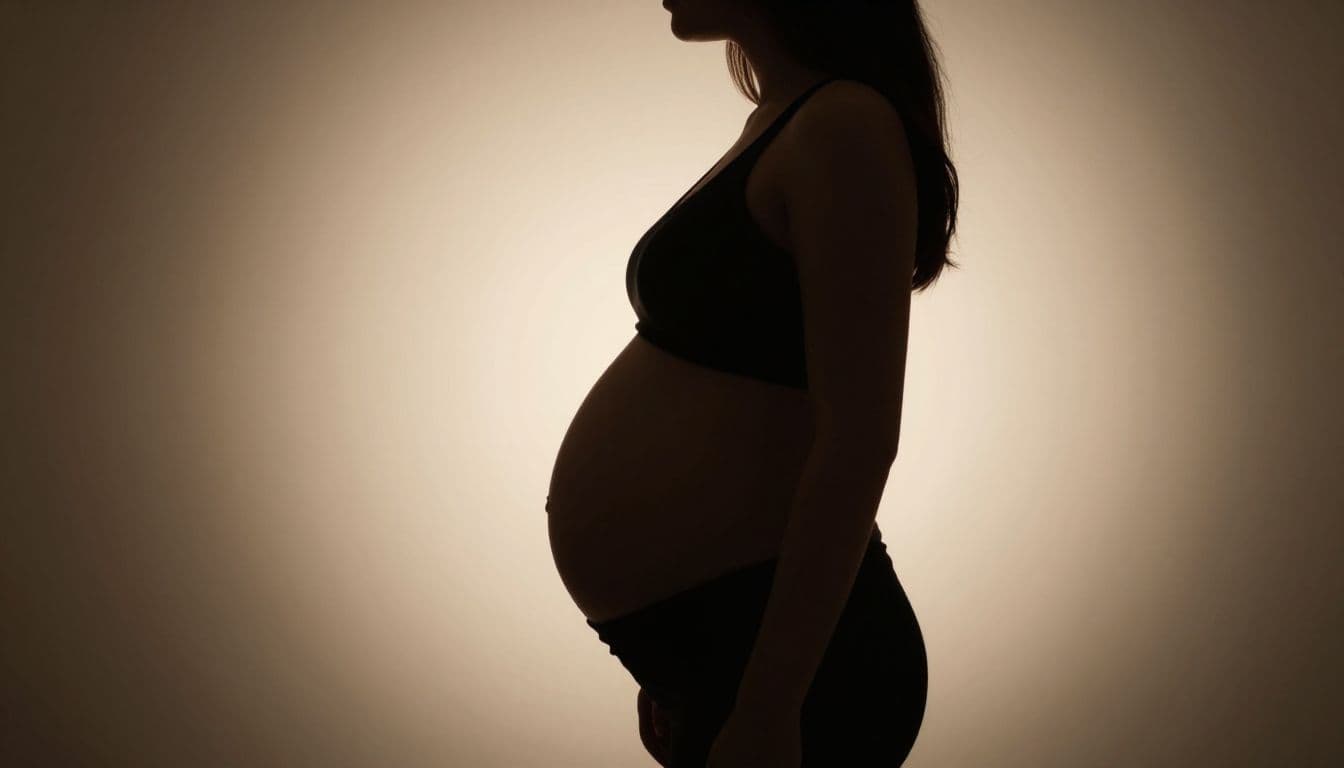
As your baby grows, your uterus grows too. That space has to come from somewhere, so the muscles, skin, and tissues around your belly stretch and tighten. The result can feel like a firmer, fuller stomach that is less soft than before.
This change usually happens gradually, but it can feel very noticeable after a growth spurt. Your belly may feel especially firm after meals, at the end of the day, or when you stand up after sitting for a while. For many people, that hardness is just the body making room.
Think of it like a balloon that keeps getting filled a little more each week. The surface gets tighter, and the whole shape feels more stretched. That kind of firmness is usually steady rather than sharp or sudden.
Braxton Hicks contractions can make the belly feel tight
Braxton Hicks contractions are often called practice contractions. They can make your belly tighten, harden, and then relax again. Many people notice them more in the second and third trimesters, especially after a busy day or if they have been on their feet for a long time.
These contractions usually feel uneven and mild. They may last briefly, ease when you rest, and calm down after water or a change in position. A short walk, a warm shower, or lying on your side can help the tension fade.
For a simple comparison, real labor usually becomes more regular and more intense, while Braxton Hicks tends to stay irregular. General pregnancy resources, like The Bump’s guide to abdominal tightening, describe that pattern well.
A belly that tightens and then softens again is often reacting to normal pregnancy changes.
Gas, constipation, and baby movement can all change how the belly feels
Pregnancy slows digestion, and that can leave you bloated, gassy, or constipated. When that happens, your stomach may feel stretched and firm, almost like it’s carrying extra pressure from the inside. Even if the cause is simple, the tightness can feel very real.
Baby movement can also change how your belly feels. When your baby stretches, kicks, or turns, one spot may suddenly feel hard for a while. A new position can press outward and make your stomach feel lopsided or tense for a short time.
These changes often come and go quickly. One minute your belly feels soft again, and the next it feels firm in a different place. That shifting pattern is common, and it helps explain why pregnancy rarely feels the same all day long.
How to tell if it feels normal or more like labor
A hard belly can catch you off guard, but timing tells you a lot. One tight spell that fades is often part of normal pregnancy changes. A pattern that keeps returning, grows stronger, and starts to demand your attention needs a closer look.

Normal tightness usually comes and goes
Harmless belly tightness often feels more like a brief squeeze than a full wave of pain. It may show up after a long day, a big meal, or extra activity, then ease once you rest, drink water, change positions, or pass gas.
That kind of firmness can be annoying, but it usually stays mild. Your stomach may feel hard for a short stretch, then soften again as your body settles down. A bowel movement can also bring relief if constipation is part of the problem.
Many pregnant people notice the belly relaxes when they lie on their side or sit quietly for a few minutes. In other words, the discomfort behaves like a passing ripple, not a rising tide. If you want more day-to-day support during pregnancy, a healthy pregnancy tips and routines guide can help you build habits that may ease common discomforts.
Labor contractions tend to be regular and stronger
Labor usually does not feel random for long. The tightening starts, eases, then comes back again in a more regular rhythm. Each wave may last longer, feel stronger, and become harder to talk through as labor moves forward.
A simple way to spot the pattern is to watch the clock. If the hard belly keeps returning at similar intervals, that matters more than the single contraction itself. For a clear medical comparison of timing and contraction patterns, UT Southwestern’s guide to Braxton Hicks vs. true labor explains how labor tends to grow more regular and intense.
You may also notice the pain spreads beyond a tight belly. It can move into the lower back, wrap around the abdomen, or feel like steady pressure that doesn’t let up between contractions.
Signs that the hard belly is more than a practice contraction
Some warning signs point away from Braxton Hicks and toward labor. Pay attention if the tightening keeps building instead of fading, especially when rest or water doesn’t calm it down.
The pattern matters too. When contractions start to come closer together, last longer, or feel more intense each time, that is a stronger sign that your body is moving into labor. A belly that stays firm and doesn’t settle between waves deserves attention as well.
Look for these clues:
- The pain keeps growing instead of staying mild.
- The tightening becomes regular and follows a schedule.
- The belly stays hard between contractions.
- You notice other labor signs, like fluid leaking, bloody mucus, or strong back pain.
If the hard belly keeps coming back on a schedule, think pattern, not panic.
A one-time tight feeling can be normal. A repeating, stronger rhythm is different. If you’re unsure, write down the timing for an hour and call your doctor or midwife if the pattern keeps building.
When a hard stomach during pregnancy needs medical attention
A hard stomach during pregnancy is often harmless, but some symptoms need fast action. If the tightness comes with bleeding, leaking fluid, or strong pain, don’t wait to see if it passes on its own. Those signs can point to labor, infection, or another problem that needs prompt care.
Keep a close eye on the pattern too. A belly that feels firm once is one thing. A belly that keeps hardening with other warning signs is different.

Call right away for bleeding, leaking fluid, or severe pain
Bright red bleeding is never something to brush off. Neither is fluid leaking from the vagina, especially if it feels like a gush or a slow, steady trickle. If your stomach is hard and you also have strong, constant belly pain, call your doctor, midwife, or labor and delivery line right away.
Do not wait to “see what happens” if the pain stays intense. A hard abdomen with bleeding or fluid loss can mean your body needs urgent attention. For more detail on pregnancy bleeding, see Cleveland Clinic’s guide to bleeding during pregnancy.
If the pain is strong and doesn’t ease, treat it as a real warning sign.
If you have heavy bleeding, bad pain after a fall, or feel like something is seriously wrong, go to the ER or labor and delivery now. Trust that instinct.
Watch for regular contractions before 37 weeks
Frequent tightening that follows a pattern before 37 weeks can be a sign of preterm labor. The belly may harden, relax, then tighten again at steady intervals. If that keeps happening, especially with back pain or pressure low in the pelvis, call for help.
A simple rule helps here. One or two random tightenings can happen in normal pregnancy. Repeated contractions that come on a schedule deserve attention, especially if they get closer together or stronger. The Mayo Clinic’s guidance on bleeding during pregnancy also notes that bleeding and cramping need quick medical review.
If you are under 37 weeks and your stomach keeps tightening, don’t try to guess your way through it. Call your provider and describe the timing clearly.
Less baby movement, fever, or bad-smelling discharge also matter
A hard stomach can be a clue, but other symptoms matter just as much. If the baby is moving less than usual, you have a fever, or your vaginal discharge smells bad, call your doctor promptly. Those signs can point to infection or another issue that shouldn’t wait.
Pay attention to the whole picture, not just the belly firmness. A pregnancy symptom that feels “off” often is. If something seems wrong in your body, speak up and get checked.
You know your own pregnancy best. When the hard belly comes with a new symptom, a stronger pain, or a change in baby movement, that is the time to call.
What you can do at home when the hard feeling is mild
When the tightness is light, comes and goes, and settles with rest, simple comfort steps are usually enough. Small changes often calm a belly that feels tense after a busy day, a full bladder, or a long stretch in one spot.
Rest, drink water, and change position
Start with the basics. Dehydration, too much activity, and staying in one position for a long time can make tightening feel more intense. A glass of water, a short break, and a new position can give your body the reset it wants.
If you’ve been on your feet, sit down and breathe slowly for a few minutes. If you’ve been sitting, stand up and walk around the room. Many pregnant people also feel better lying on the left side, since that can ease pressure and help the body settle.
A gentle pause can go a long way after a packed day. If the hard feeling fades when you rest, that points toward ordinary pregnancy discomfort, not something more serious.
Check for common triggers like a full bladder, gas, or sex
Everyday triggers can make the belly tighten for a short time. A full bladder, gas, constipation, or recent sex can all leave the uterus feeling more active for a bit. Paying attention to these patterns can help you understand what your body is reacting to.
If the tightness shows up after you need to pee, after eating a heavy meal, or after a bout of bloating, that clue matters. It doesn’t mean something is wrong. It just gives you a clearer picture of what may be setting it off.
A simple note on your phone can help if the same trigger keeps showing up. Over time, those small patterns can make mild symptoms easier to manage. For more ways to stay comfortable, the guide on how to sleep comfortably during pregnancy can also help when tightness shows up at night.
Mild tightening that eases after a bathroom break, a drink of water, or a few minutes of rest is often your body asking for a small reset.
Track the timing if the tightness keeps returning
If the hard feeling keeps coming back, watch the pattern closely. Notice how long it lasts, how often it happens, and whether each wave feels stronger than the last. That kind of simple tracking can help you decide whether to call your doctor.
You don’t need anything fancy. Jot down the start time, the end time, and what you were doing before it began. If the belly keeps hardening on a schedule, those details become useful fast.
A quick record also helps if you do call your provider. You can say whether the tightness faded with rest, stayed mild, or started to grow more regular. That gives a clearer picture than trying to remember it later.
If the pattern changes, trust that change. A symptom that shifts from occasional and mild to regular and stronger deserves a closer look.
Questions pregnant women often ask about a hard belly
A hard belly during pregnancy can feel strange at first, especially when it shows up after a normal day. Most of the time, the cause is simple, and the feeling passes on its own.
Still, a firm stomach can raise a lot of questions. The answers below cover the concerns many pregnant women have most often, in plain language.
Is a hard stomach normal in the second trimester?
Yes, it can be normal in the second trimester. Your uterus is growing, your muscles are stretching, and your digestion may be slower than usual. Braxton Hicks contractions can also make the belly tighten for a short time and then relax again.
A mild, short-lived hard belly is often not dangerous. It may happen after a meal, after standing too long, or when your body needs water or rest. For many women, it feels more like a temporary tightening than true pain.

A firm belly that softens again after a short time is often part of normal pregnancy changes.
If you want a broader look at how the belly changes during pregnancy, BabyCenter’s guide to stomach tightening explains the common patterns well.
Why does my stomach get hard after walking or being busy?
Activity can trigger tightening, especially if you are tired, thirsty, or on your feet for too long. Pregnancy puts extra strain on your body, so even a normal amount of movement can leave your belly feeling tense.
This is often your body’s way of asking for a break. Walking, carrying groceries, cleaning, or rushing through a busy day can all make the uterus tighten for a bit. A glass of water, a few minutes of rest, and a slower pace usually help.
If it happens often, try to notice what came before it. Long stretches without rest, poor hydration, and overdoing it are common triggers. Small changes, like pausing more often, can make the tightness less frequent.
Should I be worried if the hard feeling goes away on its own?
If the hard feeling fades with rest, water, or a change in position, it’s often less concerning. That pattern fits common pregnancy tightness, especially when the belly feels firm for a short time and then returns to normal.
Still, repeated or painful episodes should be discussed with your doctor. The same goes for tightening that gets stronger, happens on a schedule, or comes with bleeding, fluid leaking, fever, or less baby movement. A hard stomach that keeps coming back is not something to ignore.
The safest approach is simple: watch the pattern, trust your body, and ask for help when you’re unsure. A quick call can bring peace of mind, and peace of mind matters just as much as the symptom itself.
Conclusion
A hard stomach during pregnancy is often part of the body doing its normal work, especially when the tightness comes and goes. That steady, passing firmness usually points to growth, Braxton Hicks, or simple bloating, not danger.
What matters most is the pattern. If the hard belly comes with bleeding, fluid leaking, strong pain, fever, or less baby movement, it needs prompt medical attention. Paying attention to your body is smart, and when something feels off, it is always okay to call your doctor.
Save pin for later


- Dry Cough in Kids: 5 Causes and Safe Solutions - September 23, 2026
- How to Help a Child Deal With Anxiety at Home - September 12, 2026
- How to Prepare Your Child for the First Day of School - September 12, 2026