
When your baby won’t settle and you’re running on fumes, even one calm minute can feel out of reach. A simple one-minute trick can sometimes help ease fussiness and nudge your baby toward sleep, as long as you use it with care and know what fits your baby best.
This post breaks down how the trick works, when it makes sense to try, and how to keep sleep time safe, including basics like why back sleeping is best for infants. You’ll also see where it fits alongside other gentle newborn sleep methods, so you can pick the right approach without guessing.
What the one-minute trick is and why parents swear by it
The one-minute trick is a very light, rhythmic touch that helps a baby relax fast, usually with slow strokes across the forehead, cheeks, or head. Parents like it because it feels simple, calm, and easy to try when nothing else is working.
The simple touch that can help a baby settle fast
The most common version is gentle facial stroking with a warm hand. Keep the motion slow and light, almost like brushing away tension, not rubbing or pressing.
Many parents use it while holding the baby first, then repeat it just before laying the baby down. The point is calm, not stimulation, so the touch should stay soft and steady.
A few babies respond well to a light stroke on the forehead, from the middle outward, or a soft pass over the cheek area. Others settle more with a gentle hand on the chest or a few quiet pats on the back or bottom. For some families, it also works better with a familiar cue like white noise or a snug swaddle, as long as sleep stays safe and on the back.
The best result comes from a relaxed baby, a steady hand, and a calm room.
This is one reason the method gets so much attention in gentle newborn sleep routines. It is easy to remember, and it gives tired parents something practical to try right away.
Why a one-minute trick feels so appealing when you are exhausted
Sleep deprivation changes everything. When a baby is crying and you have already tried feeding, rocking, and walking, you want one clear next step, not a long plan.
That is where this trick feels so useful. It is short, gentle, and easy to test in the moment, which matters when you are running on fumes. Parents often swear by it because it gives them a quick first move before bedtime turns into a full reset.
Of course, quick does not mean magic. A baby may still need a fuller routine, a later feed, or a calmer wake window. Still, this trick can be a helpful starting point, especially when you pair it with other ways to help your baby sleep better.
It can also take some pressure off bedtime. Instead of feeling like you need to solve everything at once, you have one small, repeatable step that may help your baby settle faster and make the next part of the routine easier.
How this gentle touch can calm your baby’s nervous system
Soft, slow touch does more than comfort your baby for a moment. It can help the body shift out of stress and toward rest, which is why this method feels so soothing when your little one is fussy or overstimulated.
The key is how you touch. Babies usually respond best to warm, slow, light strokes, not quick rubbing or firm pressure. That gentle pace gives the brain a safety signal, and the body can start to relax.
What happens in the body during soft, slow strokes
When you stroke your baby slowly, the skin sends calming signals to the brain. Research on infant touch shows that gentle stroking can slow the heart rate, reduce stress, and support a more settled state. In simple terms, the body gets the message that it is safe enough to rest.
This works best with steady, unhurried motion. Babies often calm more with a hand that feels warm and sure than with movement that is fast or rough. A light stroke across the forehead, cheek, or chest can feel like a soft brake pedal for an overloaded nervous system.
That is also why this touch can be so helpful before sleep. It eases tension in the body, helps breathing slow down, and makes it easier for your baby to move toward drowsiness. For many babies, that small shift is enough to take the edge off and open the door to sleep.
Why touch, eye contact, and a calm voice work even better together
This trick works best as part of a soothing moment, not as a stand-alone fix. Touch gets stronger when it is paired with a relaxed face, soft eye contact, and a quiet voice.
Try speaking in short, gentle phrases while your hand stays still or moves slowly. Your baby also picks up on your body language, so loose shoulders and a calm posture matter too. When everything around your baby feels steady, the nervous system has less reason to stay on alert.
You can even build a simple pattern around it:
- Hold your baby close.
- Use slow, light strokes.
- Keep your voice low and soft.
- Stay still for a few seconds before laying your baby down.
Babies usually settle faster when the whole moment feels safe, not just the touch itself.
For some families, this pairs well with other soothing habits, like newborn massage for better sleep. The more calm cues your baby gets at once, the easier it is for sleep to take hold.
How to do the one-minute trick step by step
Once you know the touch is gentle, the trick becomes simple to repeat. The goal is to move your baby from alert to drowsy without a full reset, so each step should stay soft, slow, and calm.
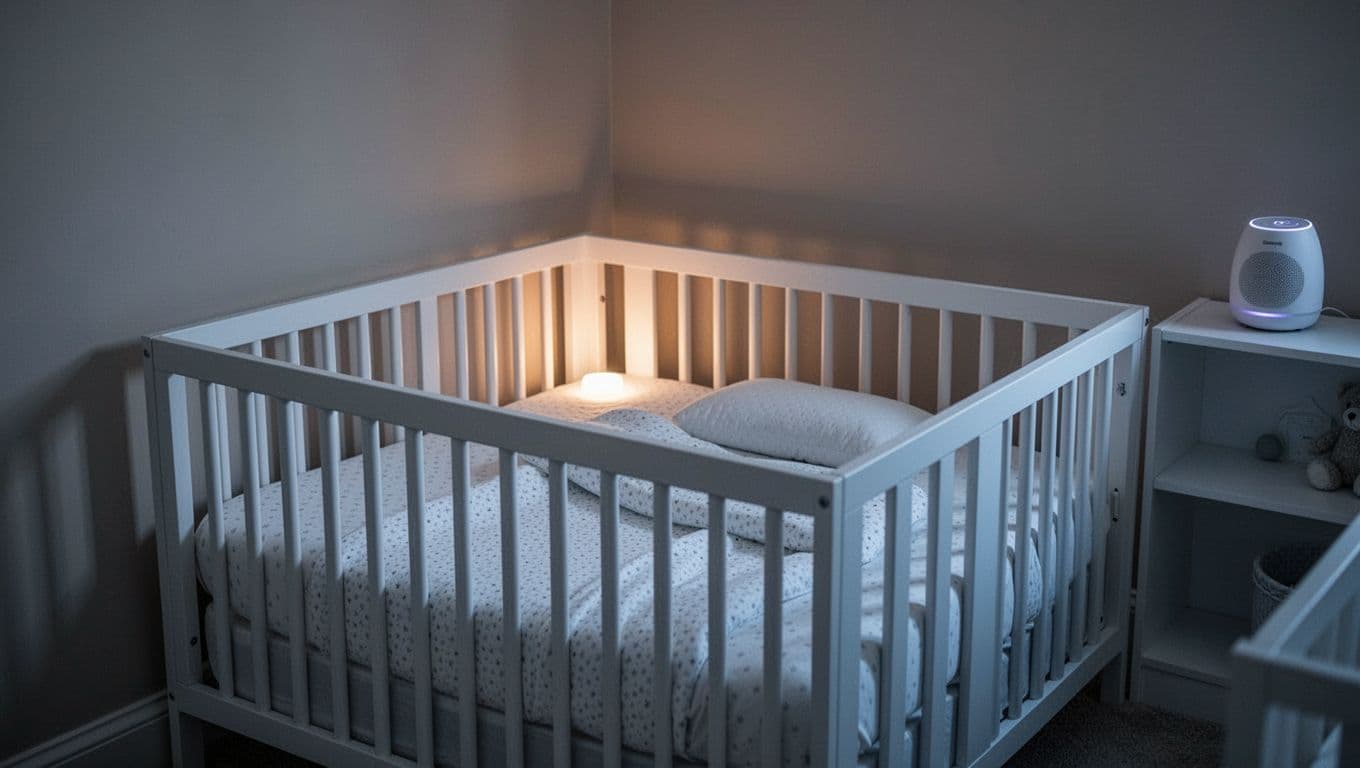
Set the room up for sleep before you start
Start with the room, because the setting does half the work. Dim the lights, lower the noise, and keep the room cool enough that your baby stays comfortable, not sweaty or chilled. A calm space helps your touch feel more soothing right away.
Try this before you begin:
- Lower the lights so the room feels sleepy.
- Reduce noise with a quiet voice, white noise, or less chatter.
- Keep baby calm before you begin, since the trick works best before crying gets intense.
- Use a safe sleep setup with a flat crib or bassinet and nothing extra in it.
If your baby is already very upset, pause and soothe first. A calm baby is much more likely to settle with gentle touch than one who is fully worked up. The same idea shows up in bedtime touch routines for newborns, where soft, predictable contact helps babies relax before sleep.
Use slow, gentle strokes for about one minute
Place your hand on one area at a time and move with care. Good spots include the forehead, the cheek, or the upper back. Keep the strokes light and steady, almost like you are smoothing a wrinkle out of the air.
A simple order works well:
- Rest your hand on your baby for a second.
- Stroke the forehead from the middle outward.
- Move to one cheek, then the other.
- If your baby prefers it, smooth the upper back with one or two slow passes.
- Keep going for about one minute, then stop and watch.
Your touch should feel more like a soft brush than a rub. If your baby stiffens, turns away, cries harder, or looks more uncomfortable, stop right away. Some babies like facial strokes, while others settle better with a hand on the back. A short guide like how to massage a baby to sleep shows a similar idea, slow contact works best when it stays calm and light.
Know what to do right after the baby relaxes
The moment your baby starts to look heavy-lidded or less tense, move right away. Place them on their back in a safe sleep space, and keep the transfer smooth so you do not wake them fully. This is the handoff that matters most.
A few details help here:
- Move slowly and keep your hands steady.
- Set baby down on their back only.
- Use a firm, flat sleep surface.
- Keep the room calm after the transfer.
The trick works best as a bridge, not a finish line. Once your baby relaxes, your job is to carry that drowsy feeling into the crib or bassinet. That lines up with the core safe sleep advice from the American Academy of Pediatrics, which emphasizes back sleeping and a clear sleep space.
If your baby stirs, pause for a moment before picking them up again. Sometimes the last part of the routine is simply stillness.
When the trick works best, and when it may not
The one-minute touch works best when your baby is already close to sleep and only needs a little help crossing the line. It is less useful when your baby is hungry, uncomfortable, or fully wound up. Reading the moment matters, because the same gentle stroke can calm one baby and frustrate another.
Signs your baby is ready for this kind of soothing
Early sleepy cues are the sweet spot. That is when your baby is still open to comfort, but not yet in full cry mode. If you catch these signs early, the touch has a much better chance of working.

Watch for small changes in behavior, such as:
- Fussing that starts without a clear cause
- Yawning more than once
- Rubbing eyes or face
- Losing interest in play
- Slowing down after a busy stretch
- Looking away from faces, lights, or toys
Those early signs are easier to use than waiting for full crying. The Cleveland Clinic notes that yawning, droopy eyelids, and looking off into the distance often show up before a baby becomes overtired, which is usually the best time to act.
If your baby still looks alert and engaged, wait a little longer. If the cues keep building, start soothing right away.
This method often works best for younger babies and for babies who are just starting to drift. It also helps when your baby needs help winding down after a busy wake window. In those moments, gentle touch is like turning down the volume before bedtime takes over.
Reasons a baby may still stay awake
Sometimes the trick does not work because sleep is not the real issue. A baby who is still hungry, gassy, wet, or uncomfortable may keep fighting sleep no matter how gentle the touch feels. Illness and overstimulation can also keep a baby alert longer than usual.
Common reasons include:
- Hunger, especially during growth spurts
- Gas or tummy discomfort
- A wet or dirty diaper
- Feeling too hot or too cold
- Illness or pain
- Too much noise, light, or activity
If your baby stays upset after a short try, pause and check the basics first. Feed if needed, burp if you suspect gas, change the diaper, and reduce stimulation. The baby sleep guidance from Mayo Clinic also supports this approach, since babies often need comfort and a calm setting before they can settle.
A sleepy baby may soften with touch. A hungry or uncomfortable baby usually needs the need met first. That simple difference saves a lot of guesswork.
How long to keep trying before switching approaches
Keep the attempt short and calm. About one minute is the goal, and a little extra time is fine if your baby starts to relax. After that, stop before the touch turns into a battle.
If nothing changes, move on to another soothing method instead of repeating the same move over and over. You might try:
- Picking baby up for a quick reset
- Feeding or burping if hunger or gas seems likely
- Rocking or swaying in a steady rhythm
- Using white noise or a darker room
- Trying again later when your baby looks drowsier
That approach keeps bedtime from getting tense. It also helps your baby learn that sleep time feels calm, not forced. A short attempt, followed by a different soothing step if needed, usually works better than pressing on when your baby is already upset.
When the trick fits the moment, it can feel almost effortless. When it does not, that is useful information too, because it tells you to meet the need behind the fuss first.
Safe sleep rules still matter more than any trick
A gentle sleep trick can help a tired baby relax, but safe sleep rules always come first. If a soothing method works, the next step still needs to be a safe back-to-sleep setup in a crib or bassinet.
That means the trick is a helper, not the main event. Your baby can drift off in your arms, but sleep should happen on a firm, clear surface with nothing loose nearby.
Always place baby on their back in a safe sleep space
Even if your baby gets sleepy in your arms, move them to a crib or bassinet on their back. That back-sleep position matters for every nap and every night sleep, and the sleep space should stay simple.
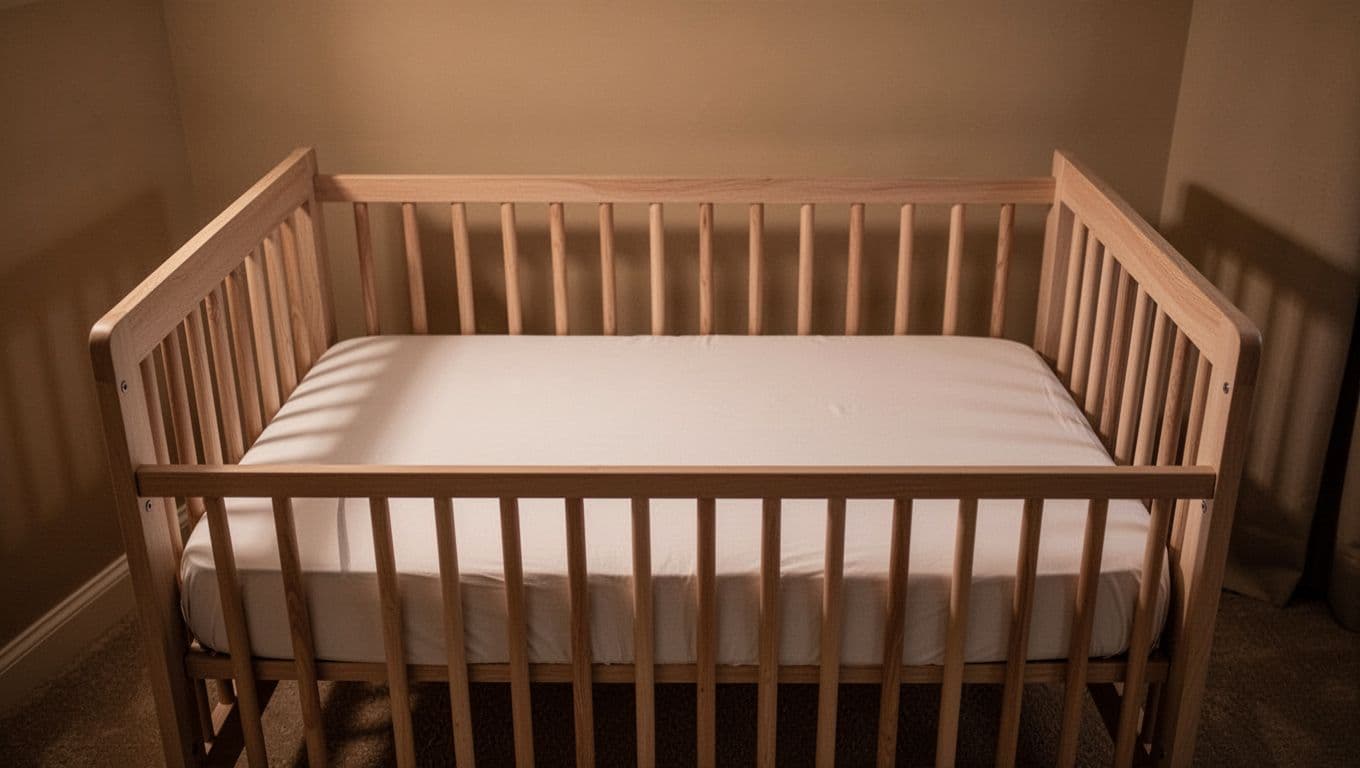
Use a firm mattress with a fitted sheet, then keep the area clear. No loose blankets, pillows, bumpers, or stuffed toys belong in the sleep space.
The American Academy of Pediatrics safe sleep guidance is clear on this point, your baby sleeps safest on the back, on a flat surface, with nothing extra in the crib. A soothing trick can help you get there, but it should never replace that setup.
Know when swaddling is okay and when to stop
Swaddling can help younger babies feel settled, especially when they still need that snug, contained feeling. Keep it light, keep it calm, and always place a swaddled baby on the back.
Stop swaddling as soon as your baby shows signs of rolling. That point can come sooner than you expect, so it helps to watch closely for new movement during sleep and play. If your baby is nearing that stage, learning when babies start rolling over makes it easier to know when swaddling should end.

One simple rule helps here, swaddling is for babies who are not trying to roll yet. Once rolling starts, switch to a sleep sack or another safe option that leaves the arms free.
If your baby can roll, the swaddle has to go.
Watch for signs that need a pediatrician’s advice
Most sleepy fussing is normal, but some signs need a call to your pediatrician. Feeding problems, fever, breathing trouble, unusual sleepiness, or crying that sounds very different than usual are all worth checking.
Keep an eye on the overall picture, not just one rough bedtime. If your baby is hard to wake, seems sick, or cannot feed well, skip the sleep trick and ask for medical advice.
Use your instincts here. A calm bedtime routine helps, but health concerns come first, and safe sleep stays the goal every time.
Other easy soothing tricks to try if the one-minute method does not work
Some babies calm right away, and others need a few extra cues before sleep sticks. If the one-minute touch does not do the job, keep things simple and try one backup soothing tool at a time. The goal is to lower the noise, the motion, or the fuss, not to add more stimulation.
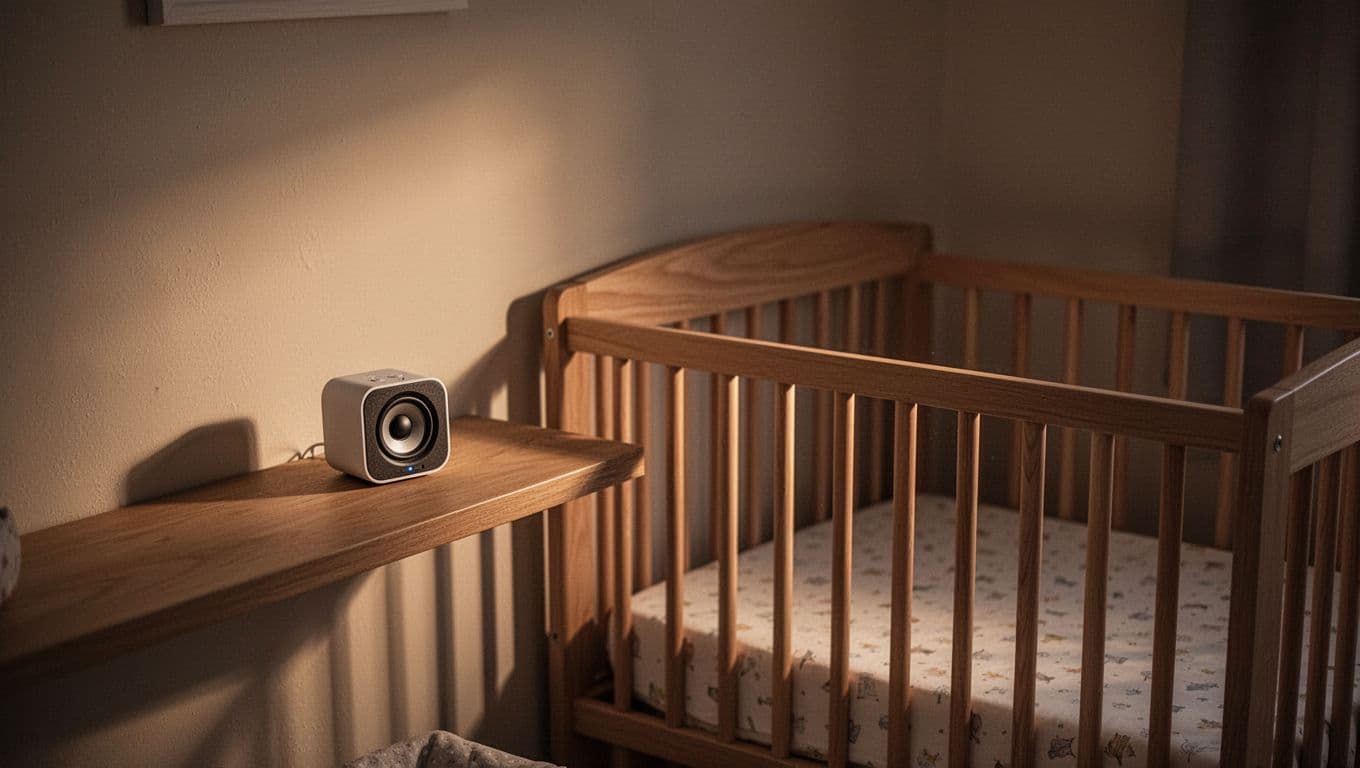
White noise, pink noise, or a steady fan sound
A steady sound can help block out house noise and make the room feel more womb-like. Many babies settle better when they hear a constant whoosh instead of sudden sounds like doors, voices, or footsteps.
White noise, pink noise, and even a fan can all work well. Keep the volume low, place the sound source far from the crib, and turn it off once your baby is settled if needed. The AAP’s guidance on infant sleep machines warns against loud sound and close placement, so safe volume matters just as much as the sound itself.
A simple setup is often enough:
- Use one steady sound, not several at once.
- Keep it at a low, comfortable level.
- Place it well away from your baby’s head.
- Use it only during sleep or wind-down time.
If your baby seems more settled by sound than touch, this can become a reliable part of your bedtime routine. It also pairs well with establishing consistent baby routines, which helps babies learn what comes next.
Swaddling, rocking, and the five S’s
For younger babies, swaddling, shushing, sucking, swinging, and side holding are common calming tools. These are often called the five S’s, and they work best as support for the main trick, not as a replacement for it.

Swaddling can help babies feel snug and secure, while rocking or gentle swaying adds a rhythmic cue. Shushing, a pacifier, or a side hold in your arms can also help a fussy newborn settle faster. For a simple overview of the method, see Harvey Karp’s five S’s approach.
Use these tools with care:
- Swaddle only if your baby is not rolling yet.
- Keep rocking gentle, not bouncy or fast.
- Use a pacifier if your baby likes sucking.
- Always place baby on the back for sleep.
These soothing tools help most when you catch fussing early.
If the one-minute touch gets your baby halfway there, the five S’s can finish the job. They work especially well when your baby needs a firmer cue than a light stroke.
Skin-to-skin and a short bedtime routine
Skin-to-skin contact can calm a baby fast, especially when your little one is overtired or unsettled. It also helps with bonding, temperature control, and that close, steady feeling many babies crave before sleep. The NHS explains the calming benefits of skin-to-skin contact in simple terms, and the same idea fits well at bedtime.

A short, repeatable bedtime routine matters too. Babies learn patterns quickly, so a familiar order, like feed, cuddle, diaper, dim lights, sleep cue, can help them settle with less protest over time. That kind of consistency gives your baby a cue that sleep is coming, and it gives you a calmer path through bedtime.
A simple routine might look like this:
- Hold baby close for a few minutes.
- Keep the room quiet and dim.
- Use the same sleep cue each night.
- Lay baby down drowsy but safe on the back.
The routine does not need to be long. It just needs to be the same often enough that your baby starts to recognize it.
Conclusion
The one-minute trick is simple, gentle, and worth trying when bedtime feels hard. A soft touch can help your baby settle, especially when you catch sleepy cues early and keep the room calm.
Every baby reacts a little differently, so pay attention to what your little one likes. Safe sleep always comes first, with baby placed on the back in a clear crib or bassinet after the soothing moment.
On tough nights, small steps matter. A calm routine, steady touch, and safe sleep habits can make bedtime easier over time, one quiet minute at a time.
Save pin for later


- What Causes a Flat Head Shape in Babies? - September 20, 2026
- Baby Massage for Gas Pain: Step-by-Step Instructions - September 20, 2026
- Newborn Skin Peeling: Common Causes and Warning Signs - September 20, 2026