Having a baby can shrink your patience for other people fast. The aunt who talks over you, the friend who gives one more opinion, the visitor who stays too long, all of it can feel about ten times louder once you’re running on broken sleep and coffee.
This is the story of the people new moms start to hate, or at least can’t stand for five minutes after birth. Some of that frustration is funny, some of it is pure survival, and a lot of it ties back to stress, sleep loss, and fierce protective instincts. When you’re healing and trying to keep a tiny human alive, even good intentions can land badly, especially when you’re dealing with the postpartum recovery challenges.
The truth is, these annoyances often have less to do with the people themselves and more to do with how raw new motherhood feels. Keep reading, because the first offenders will probably sound very familiar.
Why your patience gets so short after a baby
A short fuse after birth is usually a stress response, not a personality shift. Your body is healing, your sleep is broken, and your brain is on baby watch all day and night. That combination makes tiny annoyances feel oversized, like a dripping faucet in a silent room.
When every minute is spoken for, there is less room for patience. A casual comment can feel like pressure, a simple visit can feel like a demand, and one more opinion can push you over the edge. That reaction makes sense.
Sleep loss makes everything feel louder
Sleep deprivation hits patience first. When you are running on broken rest, your emotions rise faster and settle slower. A normal comment can land like criticism, and a small favor can feel like one more thing you have to manage.
Broken sleep is especially rough because it never lets your body fully reset. You may be in bed for hours, but if you keep waking up for feeds, diaper changes, or baby sounds, you still wake up tired. That kind of exhaustion can make you more snappy, more tearful, and less able to brush things off.
It also changes how you respond in everyday moments. You might feel annoyed by the sound of someone chewing, a door closing too hard, or a visitor asking “Are you sure the baby is hungry again?” Those things do not seem huge on paper, but they feel huge when your brain is already maxed out.
For a deeper look at how sleep loss changes your mood and patience, see how sleep, hormones, and brain changes affect new moms. If you need practical ways to make the newborn stage easier, these newborn life tips can help.
When sleep is broken, patience gets short fast. That is a normal response to exhaustion.
Hormones, healing, and pressure all hit at once
Birth leaves your body in recovery mode, and that alone can make you feel raw. You may be dealing with soreness, bleeding, stitches, swelling, or a C-section incision. On top of that, feeding struggles, clogged schedules, and constant physical contact can drain you fast.
Hormones also swing hard after delivery. Those shifts can affect mood, stress tolerance, and emotional control. If you feel more sensitive than usual, that does not mean you are failing. It means your system is trying to adjust while you are still healing.
Then comes the pressure to look calm and grateful. People often expect new moms to glow through discomfort, but real life is messier than that. When you are tired, sore, and trying to keep a baby fed, even a harmless comment can feel irritating.
That is why postpartum support matters so much. If you are recovering from surgery, these C-section recovery must-avoids can help you protect your energy while you heal. The more physical strain you carry, the less room you have for outside noise.
Protective instincts are stronger than ever
After baby, your guard goes up fast. You notice everything, your baby, your space, your routine, your time, and you want to protect all of it. That protect-mode is normal, because your whole world now revolves around keeping one small person safe.
That is also why boundary-crossing behavior feels so personal. A person who overstays, touches the baby without asking, or offers advice you never requested can feel less like a guest and more like a threat to your peace. Even small disruptions can feel intrusive when your home already runs on a tight rhythm.
This protective edge is part instinct, part survival. New parents often need predictability, quiet, and control over the basics. When someone ignores that, it can set off irritation right away.
If you want a reminder that your instincts matter, trusting your protective instincts with baby is a good place to start. A sharper edge after birth often means your body and mind are asking for space, not that you suddenly dislike everyone.
The people who get on every new mom’s last nerve
Once the baby arrives, certain people start to feel impossible to tolerate. They might mean well, but their habits hit hard when you’re tired, sore, and trying to protect your space.
What makes these people so frustrating is how often they ignore the basic rules of respect. They hold too long, touch without asking, talk like they know better, or hide criticism inside a smile. That kind of behavior can wear down even the calmest new mom.
Visitors who hold the baby too long

Few things test a new mom faster than a guest who will not hand the baby back. You look tired, you ask directly, and they still keep cuddling like they missed the memo.
That kind of behavior feels rude because it ignores the parent’s cue. It also feels stressful, because now you have to politely wrestle for your own child while carrying the mental load of the visit. On top of that, it can feel strangely possessive, like the visitor is treating your baby as a prize instead of a person you just gave birth to.
New moms often notice this right away. A long hold might seem sweet to the guest, but to the parent, it can feel like someone is stretching a boundary just to enjoy the moment a little longer.
A good visitor asks, holds briefly, and gives the baby back without drama. A bad one makes the parent feel guilty for wanting their own baby back.
People who kiss the baby without asking
Kissing the baby without asking is one of those choices that can make a new mom see red fast. Yes, the germ worry is real, especially with a newborn whose immune system is still so new. But the bigger issue is simple, they ignored the parents’ rules.
That is why even well-meaning family members can cross the line. They may think a quick kiss is loving or harmless, but if the parents said no kisses, the answer is no. New moms are already making endless decisions all day, so watching someone brush off a clear boundary feels infuriating.
This is also where trust gets shaky. If a relative won’t respect one basic rule, what other choices will they dismiss later? That is why a tiny action can land like a huge one.
For more newborn visitor etiquette, these common newborn visit rules spell out why parents are so firm about this boundary.
A parent setting a rule is not being difficult. They are protecting a baby and asking for basic respect.
Unwanted advice givers and know-it-alls
Some people cannot resist turning every baby moment into a comparison. They say things like, “My baby slept through the night from day one,” or, “I would never let my kid do that,” and then act surprised when the room goes quiet.
Even when those comments are not meant to be harsh, they land that way. New parents hear judgment in them because they are already second-guessing themselves. A comment that sounds casual to one person can feel like a slap to someone still trying to figure out feeding, sleep, and survival.
The worst part is that advice givers often speak with total confidence. They talk like they found the one correct way to parent, which makes a tired mom feel small before she even answers. Nobody wants a lecture when they are running on two hours of sleep and a snack bar.
A better approach is simple: ask if help is wanted, then stop talking. A new mom usually needs support, not a speech wrapped in a humble brag.
Passive-aggressive relatives who comment through the baby
Some relatives never say the rude part out loud. Instead, they use the baby as a shield and slip in little comments that sting.
They might laugh, “Well, I guess the dishes can wait another day,” while holding the baby. Or they might say, “This house sure is lived in,” with a sweet smile. Sometimes it sounds like, “I hope baby is eating better than mom is,” or, “You must be so relaxed about all this.” That fake-cute tone is exactly what makes it annoying.
This style of criticism is hard to brush off because it wears a soft face. The words sound playful on the surface, but the message is clear, they are judging your home, your feeding choices, or your parenting. It puts the new mom in a spot where she has to decide whether to laugh, defend herself, or let it slide.
That kind of “joke” can hang in the air long after the visitor leaves. It chips away at confidence, which is the last thing a new mom needs.
If you want a calmer way to handle family pressure, these tips for making life with a newborn easier can help you protect your energy without starting a scene.
Family and friends who cross boundaries in sneaky ways
Some of the hardest people to handle after baby are not loud or obviously rude. They smile, help a little, and act caring, but they still ignore what you need. That kind of behavior wears you down because it feels easy to excuse at first.
These are the boundary-crossers who make everything feel a little off. They show up with small violations that build fast, and new moms often feel the shift before they can explain it. The problem is not always what they say. It is the way they keep pressing past the line.
The person who expects you to host like nothing changed
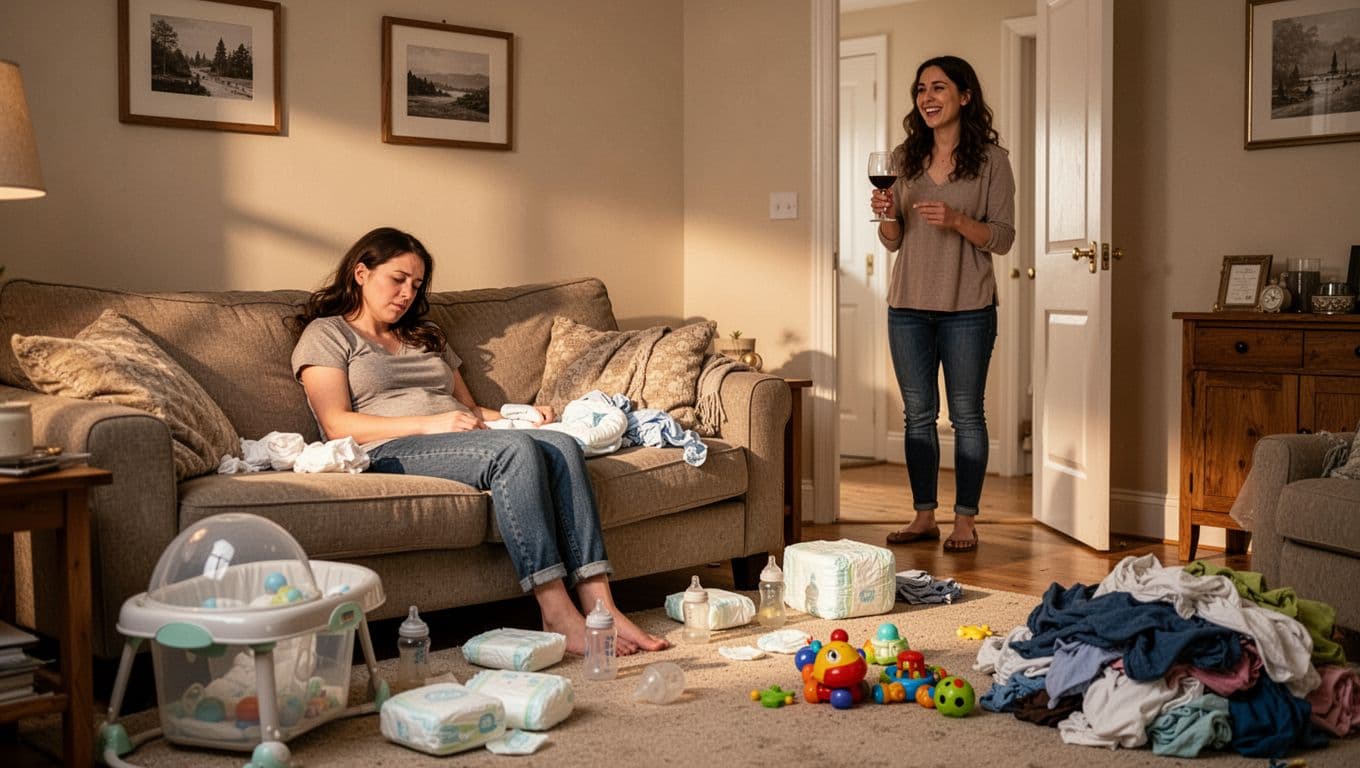
This is the friend or relative who still expects spotless rooms, snacks, and a cheerful welcome, as if you did not just bring home a newborn. They may text that they are “stopping by for a quick visit,” then act surprised when the house looks lived in, the baby is fussy, and you are still in pajamas.
That expectation is wildly out of touch in the early months. A home with a newborn runs on feeding, naps, healing, laundry piles, and survival mode, not dinner-party energy. If you want a deeper look at setting limits early, postpartum boundaries with family can help you see how normal these limits really are.
What makes this person extra frustrating is the hidden pressure. They may not say, “Clean up for me,” but they act disappointed when you cannot perform hospitality. That can make a tired mom feel guilty for having a baby-sized life.
The fix is simple, even if it feels awkward. Short visits, no expectations, and zero judgment are the standard now. Anything more asks too much.
The late-night invite that makes no sense anymore
Some people keep inviting new parents to dinners, parties, or last-minute plans that start long after bedtime. They mean well, but they are still living in the old version of your life. The message feels like, “Just come out,” even though your evening already has a feeding schedule, bath routine, and a baby who may wake the second you leave.
Saying yes is hard because you want to seem friendly. Saying no can feel awkward because you do not want to look boring or ungrateful. Still, late invites are one more example of people asking new moms to squeeze into a schedule that no longer fits.

This is where small boundaries matter. A clear “That timing doesn’t work for us right now” is enough. You do not owe a long explanation, and you do not need to protect other people from mild disappointment.
If you need more ideas for saying no without a fight, these tips for setting boundaries as a new mom offer a good starting point. The right people adjust. The wrong ones keep asking like nothing changed.
The oversharer who posts your baby online

This one stings because it can happen so fast. A relative snaps a cute photo, posts it before asking, and suddenly your baby is online for everyone to see. For some parents, that is a hard line. They may care about privacy, safety, or just having control over what gets shared.
That concern is not overblown. The American Academy of Pediatrics warns that sharing children’s photos publicly can create privacy risks and leave kids with a digital trail they never chose. See the AAP’s guidance on sharing kids’ photos for a clear explanation. When someone ignores that boundary, trust cracks fast.
The hurt is not just about the post. It is about the message behind it, which says their want to share matters more than your right to decide. That can make even a close family relationship feel shaky.
If you want to keep baby photos private, say so plainly before pictures are taken. A simple rule is enough: ask first, post never without permission.
People who make the postpartum season feel even heavier
Postpartum already feels heavy without extra noise from other people. When you are healing, feeding a baby, and running on very little sleep, even a small comment can land like a brick.
The hardest part is that many of these people do not think they are being hurtful. They think they are being helpful, funny, or curious. In real life, though, their words often carry pressure, judgment, or plain nosiness, and that is the last thing a new mom needs.

The one who asks when the next baby is coming
This question can feel painfully out of touch when you are still recovering from this baby. Maybe you are sore, still bleeding, struggling to feed, or just trying to get through one day at a time. Being asked about another pregnancy can make it sound like your current postpartum season is already over, when it is far from it.
It also puts pressure on choices that are deeply personal. Some parents are unsure if they want more children. Others may be dealing with a hard birth, medical complications, money stress, or a relationship that is still adjusting. A casual “So, when are you having the next one?” can feel nosy, dismissive, or cruel.
What stings most is the timing. A new mom may still be figuring out how to shower, sleep, and eat, yet someone is already pushing her to plan the next baby. That kind of question treats her body like a calendar instead of a person who is still healing.
If the subject comes up around family, the pressure can feel even stronger because it often sounds like an expectation. For many new moms, the kinder move is simple silence. Let the parent decide when, or if, that topic ever comes up. For more on the kind of comments that hit too hard during this phase, The Worst Thing to Say to a New Mom shows how easily “harmless” words can pile on stress.
The person who wants the old you back right away
Some friends and relatives act like you should bounce back overnight. They expect fast replies, social plans, and the same level of energy you had before baby. When you do not answer texts right away or turn down an invite, they make you feel guilty for changing.
That pressure is exhausting because it ignores what postpartum really looks like. Your time now is chopped into feeds, naps, diaper changes, and healing breaks. You are not being flaky. You are living a completely different rhythm.
The problem is that this kind of person often frames their disappointment as concern. They might say, “We miss the old you,” or “You never come out anymore,” as if your new life is a bad habit. In reality, you are busy surviving a major life shift, and that takes more than a weekend to settle.
Sometimes the guilt is the worst part. A new mom may already feel unsure, lonely, or stretched thin, so one more demand to be “back to normal” can hit hard. If you need practical help with limits and downtime, setting boundaries to protect me-time can help you hold your ground without overexplaining.
The critic who treats your mess like a moral failure
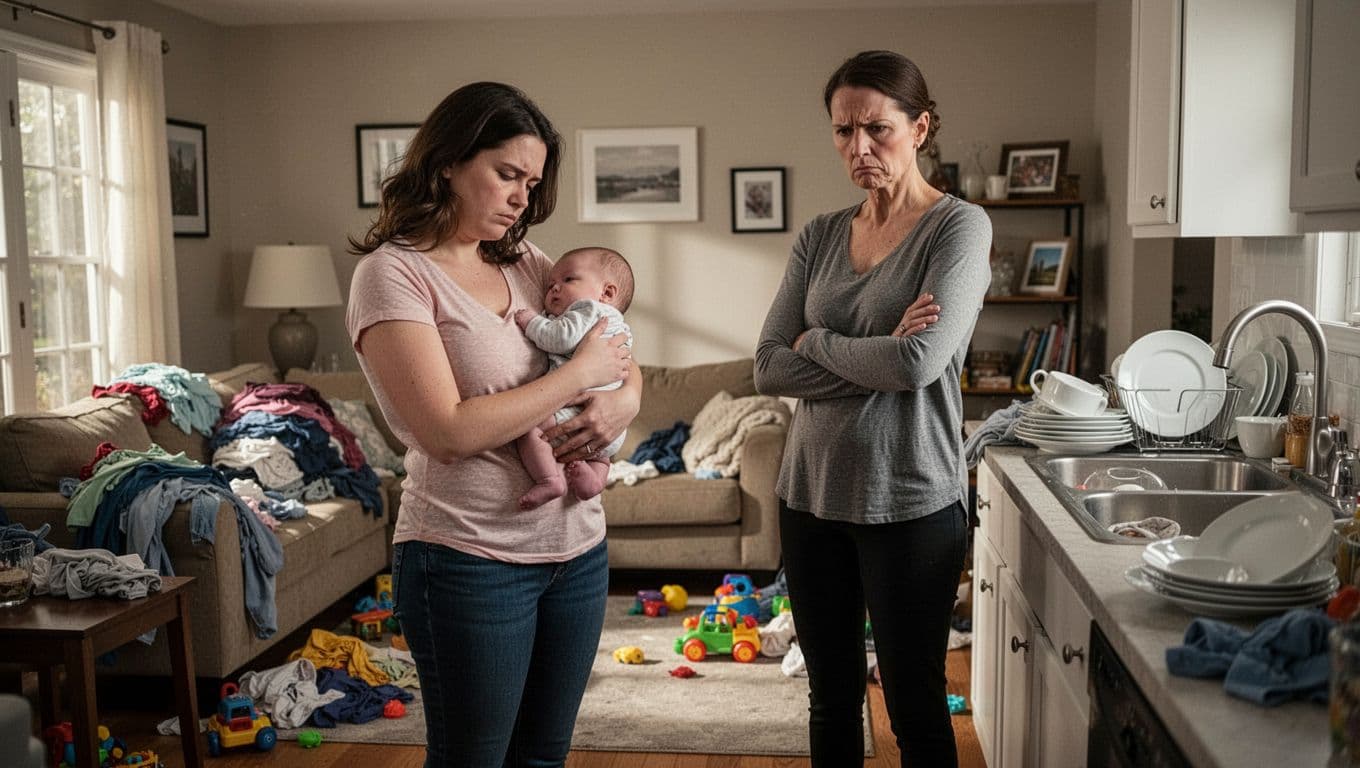
A messy house after baby is not a character flaw. It is what happens when your hands are full, your sleep is broken, and your priorities have shifted to keeping a newborn fed and safe. Still, some people look around and act shocked that the laundry is piling up or the sink is full.
That attitude can feel especially harsh because it turns survival mode into a personal failing. A skipped routine or unanswered message is often a sign that a mom is doing all she can. It does not mean she is lazy, careless, or “letting herself go.”
Judgment often shows up in tiny comments. Someone says the house “must be a little crazy,” or asks why you haven’t gotten back to your normal routine yet. Those remarks may sound small, but they pile on fast when you are already overwhelmed.
A new mom does not need a scorecard. She needs grace, help, and a little space to recover on her own timeline. If a person can’t offer that, their opinion about the dishes isn’t useful anyway. Sometimes the most supportive thing anyone can do is notice the load, then lighten it without making a speech.
How to keep your sanity without starting a family war
You do not need a dramatic showdown to protect your peace after baby. Most of the time, a calm boundary works better than a long explanation, because tired parents do not have energy for a debate.
The goal is simple, keep the noise down, keep your stress lower, and keep relationships intact when possible. That starts with clear words, a little backup, and permission to care less about other people’s feelings than your own rest.
Use short, clear boundary phrases
Short lines are easier to say when you are exhausted. They also leave less room for argument, which is exactly what you want when someone keeps pushing.
A few simple phrases can cover most situations:
- “Can I have the baby back now?”
- “We are not doing visitors today.”
- “Please wash your hands first.”
- “No kisses, please.”
- “We are not taking advice on that.”
- “That doesn’t work for us.”
- “We’re keeping things quiet right now.”
These lines work because they are clear and boring. They do not invite a big discussion, and they do not sound defensive. If someone keeps pressing, repeat the same sentence instead of explaining more.
You can also prepare a few go-to scripts before visitors arrive. That way, when you are tired and overstimulated, the words are already there. If you need more support around this stage, postpartum boundaries with family offers more ways to keep limits in place without making everything tense.
A short boundary is easier to repeat than a long explanation is to defend.
Let your partner, parent, or friend run interference
You do not have to answer every text, manage every guest, or end every visit yourself. Let someone else take the pressure off when your tank is empty.
A partner can be the one who texts back, greets visitors, or says, “We need to wrap this up now.” A parent or close friend can do the same if they are calm, direct, and willing to protect your rest. That small buffer can make a huge difference when your nerves are already shot.
This works best when you set the rules ahead of time. Decide who handles calls, who opens the door, and who gets to say no when you need a break. As the realtime guidance on postpartum boundaries notes, partners can act as the gatekeeper for visits and phone calls, which takes pressure off the recovering parent.
A support person can also rescue you in the middle of a visit. If the baby gets fussy, your friend can say the visit is over. If a relative starts pushing advice, your partner can step in before the mood shifts. That is not rude. It is smart.
Remember that annoyance is not the same as hate
Postpartum irritation can feel intense, but it often passes with more sleep, less pressure, and more time. The person getting on your nerves may not be the problem. The overload around you may be the real issue.
That distinction matters because it keeps guilt from taking over. You can be annoyed and still love someone. You can need space without cutting someone off. You can dislike a visitor’s behavior without deciding they are terrible.
Protect your boundaries anyway. If someone drains you, limit the visit. If a comment lands wrong, answer briefly and move on. If you need distance for a while, take it without turning it into a moral crisis.
The postpartum season asks a lot from you. Give yourself grace for the sharp edges, then handle the people around you with the same steady calm you wish they had for you.
Conclusion
The people who get on your last nerve after baby are usually the ones who ignore the new rules of your life. When sleep is scarce, hormones are shifting, and your body is still healing, even small lapses in respect can feel huge.
That does not make new moms dramatic. It means they are adjusting to one of the biggest changes possible, and boundaries matter more than they used to. A visitor who stays too long, a relative who pushes advice, or a friend who expects the old version of you can feel like too much, too fast.
It is okay to need space. It is okay to speak up. It is okay to be protective while you figure out this new season, because that care is part of being a good mom, too.
Save pin for later


- How to Help a Child Deal With Anxiety at Home - September 12, 2026
- How to Prepare Your Child for the First Day of School - September 12, 2026
- Age-Appropriate Chores for Kids by Age Group - September 12, 2026