


Picture yourself cuddling close to your baby at bedtime, a soft book in hand, voices weaving tales of adventure and wonder. Those quiet moments create magic that lasts a lifetime. Babies read to every night build vocabularies much larger by age 2, according to studies like one from the University of Oslo.
You know the rush of parenting leaves little time, yet skipping stories means missing huge gains in your baby’s growth. Regular reading sparks language skills, sharpens brains, strengthens emotional bonds, eases sleep, and sets kids up for future wins. In this post, we cover 10 key benefits, grouped into language boosts, brain power, emotional ties, sleep wins, and long-term success.
Check out this quick video on reading benefits for babies for extra inspiration. Ready to see the first benefit? Let’s start with how it supercharges their words.
How Bedtime Stories Build Language Skills Fast
Bedtime stories turn quiet evenings into a language gym for your baby. Each page exposes them to fresh words, rhythms, and patterns that everyday chatter misses. Babies read to daily hear millions more words by age 3, building skills that make talking easier later. A PubMed study found infants read 7 or more books a week scored higher on language tests by 9 months, with gaps widening at 12 months. You spark this growth right from the start.
Grow a Huge Word Bank from Day One
Your baby’s brain soaks up words like a sponge during storytime. Regular reading packs their vocabulary with terms they rarely hear otherwise. By age 2, read-to kids know far more words than others, per KidsHealth research. This head start ties straight to communication readiness; they babble, point, and eventually chat with confidence.
Pick simple board books packed with colors and animals. “Brown Bear, Brown Bear, What Do You See?” repeats bold images of bears, birds, and ducks. Point to each one and say, “Look at the red bird. Can you see the blue horse?” Repeat key words like “fluffy sheep” or “shiny fish” on every read. Babies love the routine, and it sticks.
Here are quick tips to boost their word bank:
- Vary your voice: Whisper “tiny mouse,” then roar “big lion” to grab attention.
- Ask questions: “Where’s the green frog?” even if they just gaze back.
- Link to real life: Spot a dog later? Say, “Like the puppy in our book!”
These habits build a huge word reserve fast. Your newborn grabs thousands of extras by toddlerhood, setting them up for school success. Check Cleveland Clinic’s take on reading benefits for more proof.
Master the Beat and Flow of Talking
Stories teach the music of speech through rhymes and ups-and-downs in your voice. Expressive reading shows sentence structure, so babies grasp how words connect. They tune into intonation, which sharpens listening and sparks early talk. Nursery rhymes like “Twinkle, Twinkle, Little Star” nail this with bouncy rhythms.
Pause after lines: “The itsy bitsy spider climbed up the water spout… and then?” Watch your baby coo or kick; it pulls them in. Vary tones, high for excitement, low for calm. This builds phonological awareness, the foundation for clear speech.
Benefits stack up quick. Read-to babies master native sounds by age 1 and form richer word networks. Long-term, they speak smoother sentences and follow directions better. Try early reading tips for newborns to mix stories with play.
Make it daily, and you’ll hear their first words sooner. Rhythm from books paves the way for fluent chatting by preschool.
Supercharge Brain Growth with Every Page Turn
Stories do more than entertain. They wire your baby’s brain for sharper thinking. Each page turn sparks new neural paths that boost problem-solving and smarts. Babies form over a million connections per second in their first years. Reading lights up language zones, visual areas, and attention spots, per neuroimaging studies. Hold them close, and it amps everything up with feel-good chemicals from touch.
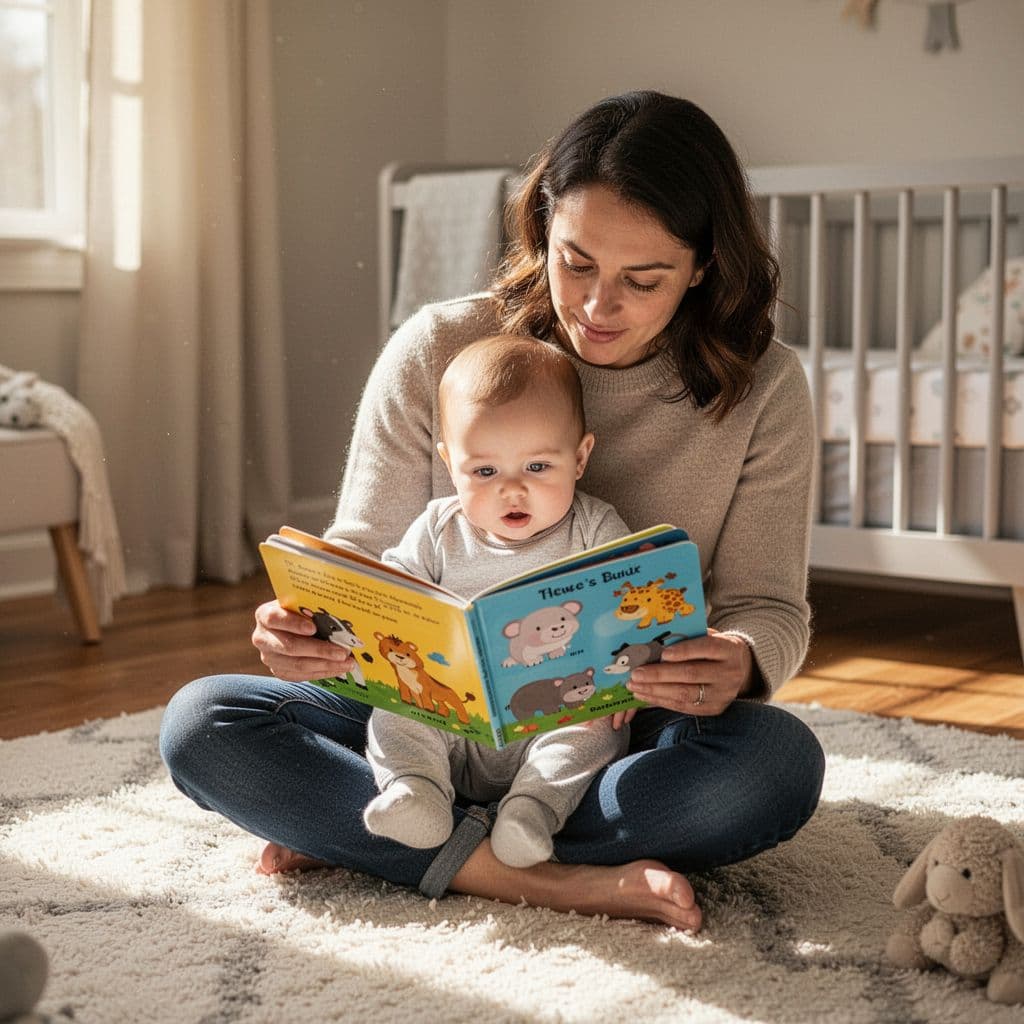
Pick colorful books with big pictures. Your baby links images to words, building synapses for reasoning. Predict what happens next in the tale. It trains their mind to connect dots early.
Forge Strong Neural Connections for Smart Thinking
Reading builds fresh synapses fast. Stories flood the brain with words and sights. Pictures sharpen vision processing in the parietal-temporal-occipital cortex. Babies link bear to “growl” or frog to “jump,” creating sturdy paths.
Hold your baby snug during sessions. Skin contact releases oxytocin. This makes neurons fire better together. A Cornell study shows it hits memory, skills, and meaning zones at once.
Reasoning grows from here. Babies start guessing story ends, like “the duck swims home.” Repetition cements these links. By age 2, they grasp patterns better. School logic follows naturally.
Start simple. Choose board books with bold animals. Point and name: “The lion roars loud.” Your voice and touch turn play into brain fuel. Kids from book-rich homes show stronger story areas on scans, per PMC research.
These connections last. They set up curious thinkers who solve puzzles easy.
Sharpen Focus and Recall Like a Pro
Repeated stories stretch attention spans. Babies lock eyes on pages, tuning out distractions. Short tales, five minutes max, keep them hooked without fuss.
Memory blooms too. They recall characters like the sneaky fox after days. Hearing “fox hides” again strengthens recall paths. Stanford work links this to faster word processing and better storage.
Try it: Read the same book nightly. Ask, “Where’s the bunny?” Watch them pat the spot. It builds focus for class later.
Future wins stack. These kids enter kindergarten with solid recall and steady attention. KidsHealth details how it aids thinking skills.
Keep sessions brief. Mix in interactive play ideas like touching textures. Focus sharpens; stories stick. Your baby turns into a memory champ ready for big challenges.
Strengthen Your Bond and Emotional Growth
Bedtime stories create quiet moments that pull you and your baby closer. You hold them tight, your voice wraps around familiar words, and their eyes lock on yours. This routine builds trust from the start. Cuddles release oxytocin, that feel-good hormone, while your steady presence signals safety. Over time, these sessions turn into a deep emotional tie that lasts years. Babies who get this one-on-one time show stronger attachments, ready to explore the world because they know you’ll be there.
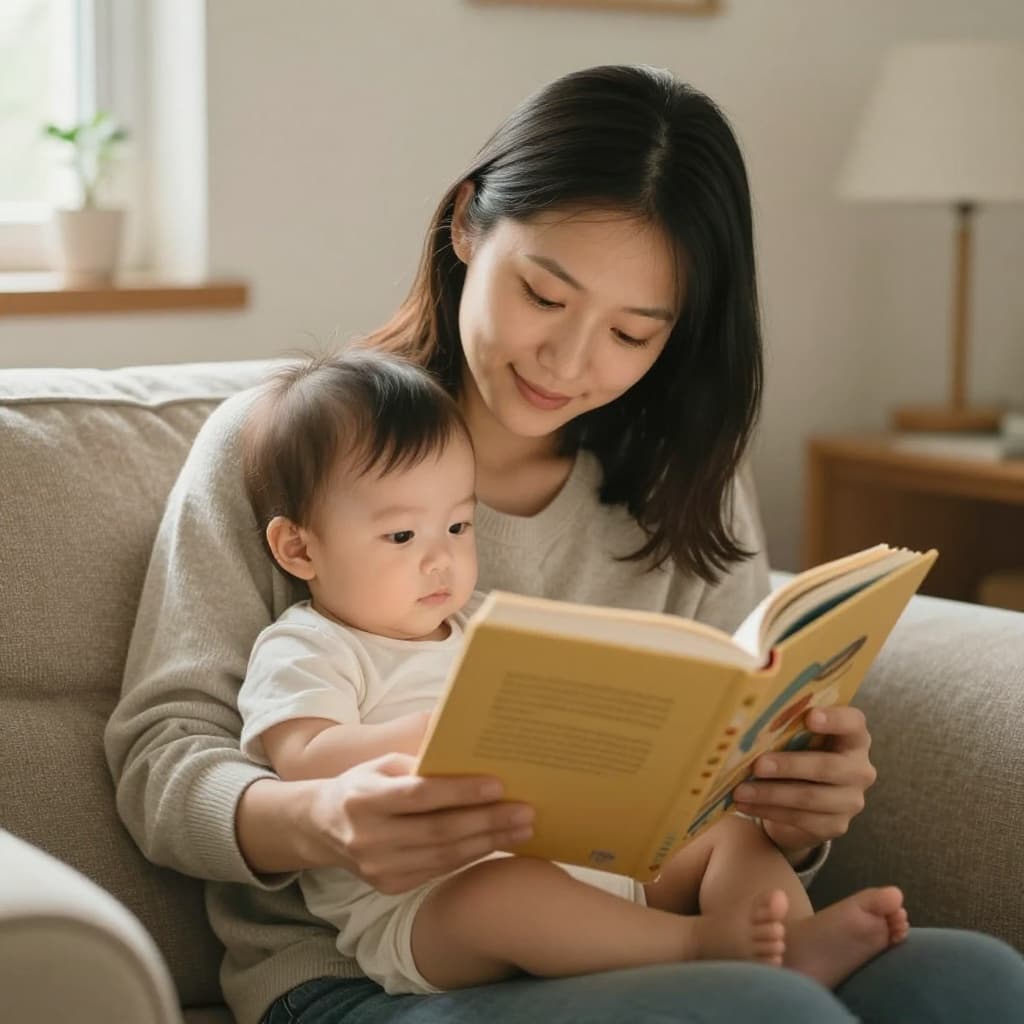
Create a Rock-Solid Parent-Baby Bond
One-on-one reading time fills your baby with love and security. You sit close, maybe on a soft rug or in a rocking chair, book open between you. Their tiny hand grabs your finger; they gaze up as you turn pages. This physical closeness matters a lot. Skin-to-skin contact calms their nerves and boosts that parent-baby link.
Your voice adds magic. Soft tones for sleepy animals, excited ones for adventures; it shows you’re fully there. Babies feel safe in your arms, hearts beating in sync. Studies confirm this: regular cuddly reads strengthen attachments, much like responsive caregiving does.
Long-term wins follow. These kids grow secure, easier to soothe, and quick to smile at you. They face new people with confidence because home base feels solid. Make it routine every night. Dim lights, snuggle up, and watch their eyes light up. Simple books with textures invite touches, deepening the pull.
Try pointing at pictures together. “See the bunny hop?” Their coo back seals the deal. Parents who read daily report tighter bonds fast. For more on ways to make your kids feel loved through quality time, check our guide. Your baby thrives on this connection; it shapes their world.
Tune Into Emotions Through Story Characters
Stories let your baby spot joy and sadness through your voice and face. You read about a happy puppy; your smile widens, tone lifts. Switch to a lost duck; soften your voice, add a gentle frown. They watch every shift, learning feelings without words.
This boosts social skills early. Books with clear emotions, like grinning monkeys or teary rabbits, help recognition. Point and say, “Monkey feels happy now.” Babies mimic your expressions, building their own emotional toolbox.
Act it out for fun. Crinkle your nose for silly smells; gasp for surprises. They kick legs or gurgle back, joining in. Your play teaches empathy basics. Over nights, they link tones to moods, calming faster when upset.
Voice and cuddles create that safety net, per child development research. Read “The Very Hungry Caterpillar”; cheer its munch, sigh at tummy aches. Mirror their face: if they smile, beam bigger. This back-and-forth grows feeling smarts.
Daily practice pays off. By months end, they respond to your joy, forming deeper ties. Social wins follow into playgroups. Pick emotion-rich books; your bond deepens with every page.
Master Bedtime Calm and Healthy Routines
Bedtime stories ease your baby into sleep like a gentle lullaby. Your soft voice drops their heart rate and cuts stress hormones, so they drift off faster. Add consistency, and it cues their brain for rest every night. A PMC study found kids with regular bedtime routines go to bed earlier, wake less, and sleep longer overall. Reading fits perfect because it calms without screens or overstimulation.
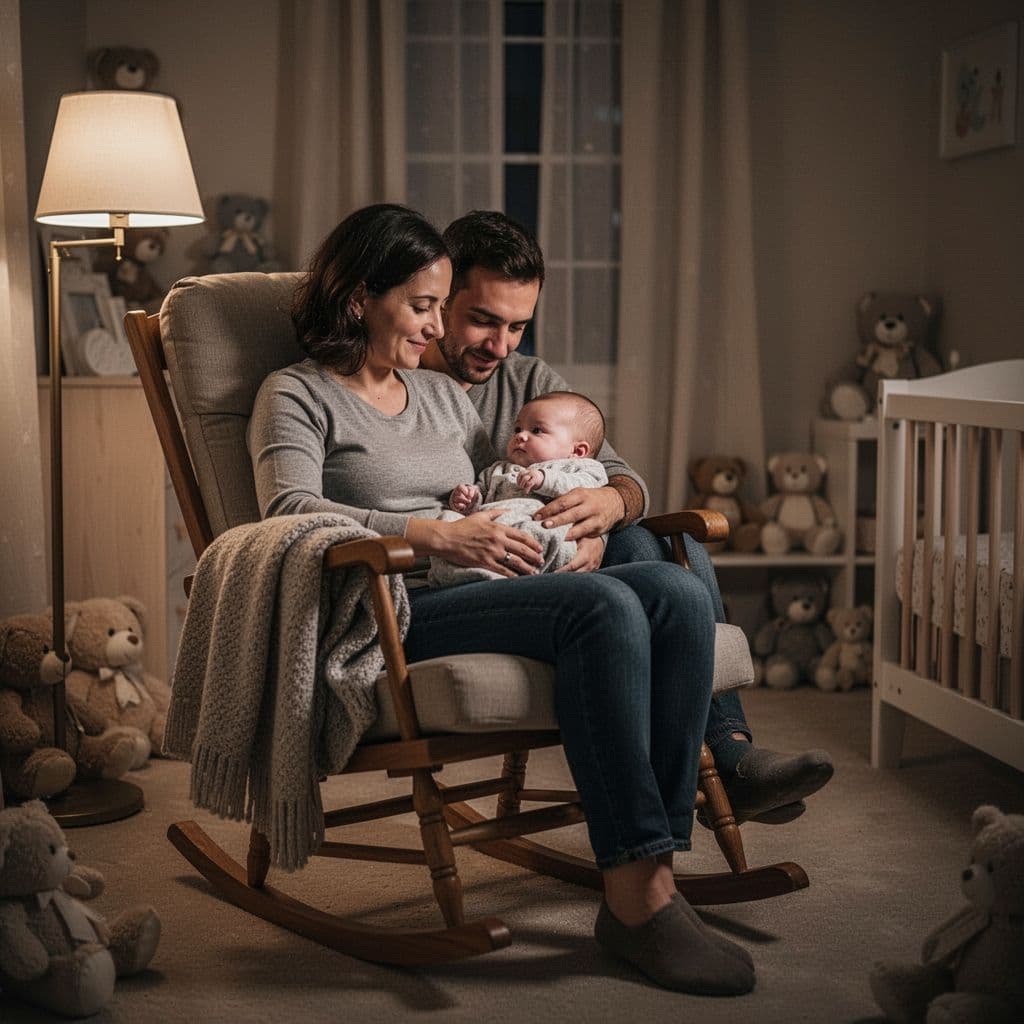
Drift Off to Sleep with Story Comfort
Your calm tone works wonders on a fussy baby. Speak slow and low; it lowers cortisol and boosts feel-good oxytocin from your cuddles. They relax into your arms, eyes heavy as the story flows. Brains pick up on this pattern fast. After a few nights, book in hand means sleep time.
Stick to 15-minute sessions max. Start right after bath or feed when they’re drowsy. Dim lights, pick a quiet spot like the rocking chair. Read the same book a week; repetition soothes. “Goodnight Moon” whispers farewells to socks and stars, perfect for wind-down.
Health gains pile up. More sleep means better growth hormone release at night. Babies rack up extra hours, wake fewer times, per Cleveland Clinic research. You get rest too. Tired days fade as they settle quick. Try pointing at moon pictures: “Night night, mouse.” Their yawns follow.
Soon, storytime predicts deep sleep. Everyone wins.
Lock In a Bedtime Ritual That Lasts
Routines tell babies what comes next, so sleep success soars. Your steady sequence builds security; they know safety waits in bed. Start simple: dim lights at 7 p.m., feed, then story in the same cozy corner. Their body clock syncs, pumping melatonin right on cue.
Expand it daily. Morning reads wake them gentle; naps get a mini version. Family joins for fun. Dad reads trucks; sibling picks animals. Everyone takes turns, turning ritual into bonding time. Check tips to help your baby sleep better for full steps like lotion rubs before books.
Ideas keep it fresh yet predictable:
- Grandma sings after your tale.
- Rotate books but end with a favorite hug.
- Track progress in a journal; note faster sleeps.
This lasts because it grows with them. By months end, less crying, more zzz’s. Science backs it: dose after dose of routine cuts wakings and boosts day moods. Your family rests easy, habits stick for years.
Unlock Imagination and Lifetime Wins
Bedtime stories do more than soothe. They ignite your baby’s imagination and lay groundwork for big achievements ahead. Pictures pull them into pretend worlds, while plots teach patterns that stick for life. You nurture dreamers who solve problems and thrive in school. These habits create kids who love learning forever.
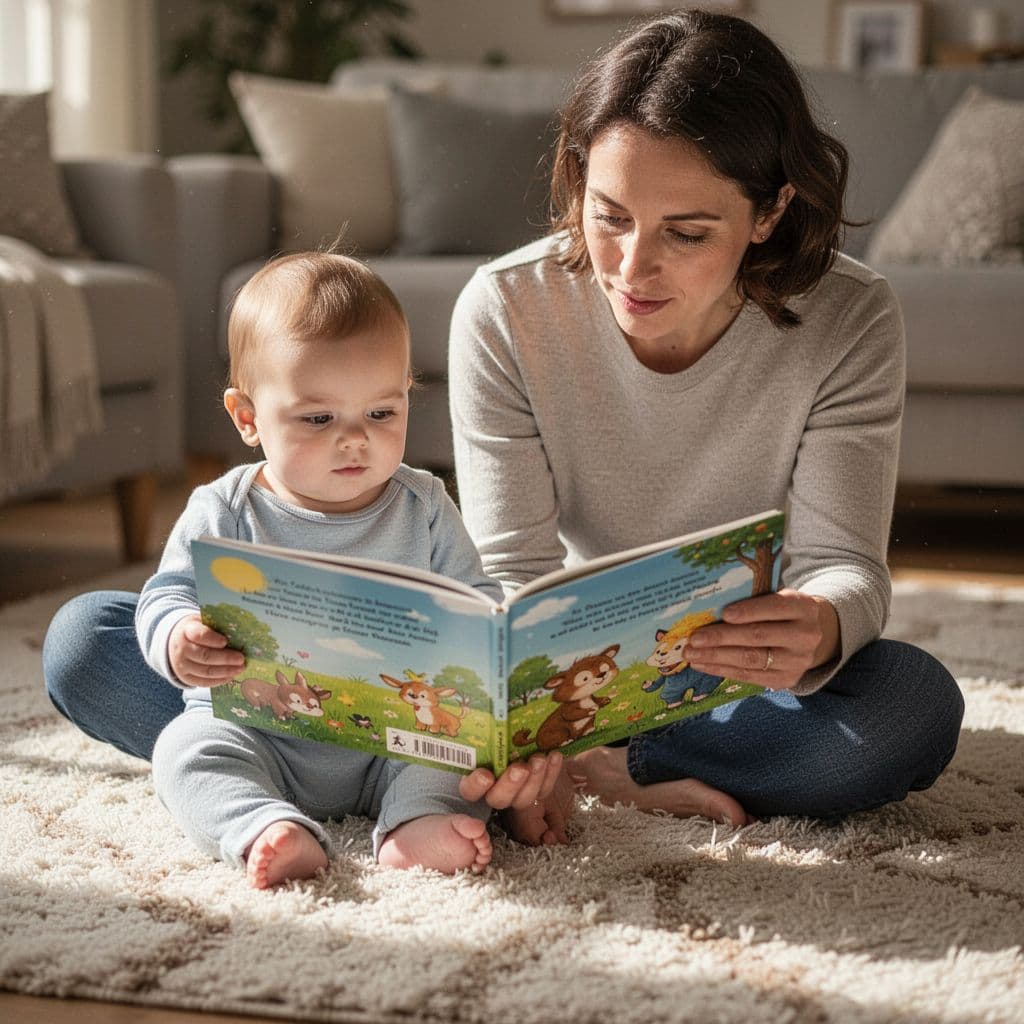
Spark Endless Creativity and Play
Colorful pages turn your baby into a mini storyteller. They see a frog jump in the book, then mimic the hop with their legs. Sounds like “moo” or “woof” spark imitations that evolve into full pretend games. This play builds creativity because their brain links images to actions.
Stories activate storytelling instincts too. Babies hear heroes overcome odds, so they experiment in real life. A bear climbs a tree? Your little one stacks blocks to “climb.” These moments tie to problem-solving. They test ideas, fail, and try again, just like in tales.
Make it interactive for max fun. Pause and ask, “What does the bunny do next?” Let them pat the page or babble back. Repeat phrases with silly voices. Soon, playtime explodes with made-up adventures.
Benefits show early. Read-to babies engage more in age-appropriate activities for babies. They invent games from book cues, boosting flexible thinking. A PMC study links daily reads to higher creativity scores. Your nightly ritual fuels endless play that shapes sharp minds.
Pave the Way for School and Life Success
Early storytime sets kids up to shine in class. They enter kindergarten with bigger vocabularies and strong listening skills, key predictors of reading success. Realtime data confirms this: babies hearing stories build attention and memory for math and lessons.
Confidence grows too. Familiar with books, they grab them first and join circle time eager. No fear of letters or sounds. Habits form young; nightly reads create lifelong lovers of pages, so homework feels like fun.
Data backs it. Bright Horizons notes cognitive boosts like better focus from plots. Kids sleep better, wake ready to learn, and grasp concepts faster. By school age, they read ahead of peers.
Encourage it simple. Rotate books weekly. Discuss after: “The duck swam happy, right?” Track their smiles and first words. These steps build readiness that lasts through life. Your investment pays in straight A’s and curious hearts.
Conclusion
Bedtime stories deliver 10 clear wins for your baby. They build a huge word bank and teach speech rhythm. Stories forge neural connections and sharpen focus. They create rock-solid bonds and emotional smarts. Plus, they calm for sleep and lock in routines. Finally, they spark creativity and pave school success.
You don’t need perfection to start. Pick one simple board book tonight. Cuddle up for 10 minutes after bath time. Repeat favorites; let your voice lead. Your baby soaks it up fast, just like the studies show.
Grab that book now and make magic happen. Share your story time wins or favorite books in the comments below. Those quiet evenings shape a bright, confident future for your little one.
save pin for later


- 12 Things Pregnant Women Do When They’re Alone - June 7, 2026
- 25 Healthy Pregnancy Snacks You Should Try - June 7, 2026
- 100 Funny Baby Jokes That Will Make You Laugh - May 15, 2026