


Picture this: A news anchor is live on air, chatting about pregnancy, when her water breaks right there on camera. It’s caught on video and goes viral, reminding us how labor loves to surprise. Even prepared moms face the unexpected.
You’ve read all the books, watched endless TikToks, and aced those birthing classes. Yet in 2024, labor stays wild because every body and birth differs. About 50% of moms poop during pushing, per nurse-midwives at places like The Bump. One mom confessed it shocked her most, despite prep.
These moments hit everyone: bathroom mishaps, sudden vomiting, wild primal noises you never practiced, lightning-fast progress after hours of nothing, catheter discomfort, that intense ring of fire, endless waits between contractions, weird behavior shifts, and strangers popping into the room.
Nurses and sites like Scary Mommy share these stories daily. They’re all normal. You’ll get reassurance here, plus tips to handle them, so fear fades before your big day.
These surprises prove your body’s raw power. Let’s break down each one.
Pooping, Peeing, or Farting Happens Right on the Delivery Table
You push with all your might, and suddenly something embarrassing slips out. Pooping, peeing, or farting on the delivery table shocks many moms, even those who know it’s possible. Yet nurses see it every day. About 50 to 80% of vaginal births involve poop because pushing uses the same muscles as bowel movements. Your baby’s head presses the rectum too. Pee happens often after epidurals numb the area or when they remove the catheter. Farts sneak out from pain meds that dull sensation.

Why Your Body Does This
Labor hormones loosen bowels early on. Prostaglandins trigger contractions and soft stools. In pushing stage, you bear down like on the toilet. That’s why staff cheers poop as a win. It shows effective effort and progress. One midwife shared how she cleaned up discreetly while mom was on hands and knees. Cleveland Clinic confirms it’s normal and expected. Epidurals add peeing risks since bladders fill unnoticed.
Real Mom Moments and Staff Reactions
Moms recall surprises. “I farted right in the nurse’s face,” one admitted online. Another said the midwife wiped poop mid-push without a word. Staff never judges. They grab towels or wipes for quick cleanup. No smells linger. It’s faster than you think. “If you poop, you’re doing it right,” birth pros say.
Quick Tips to Ease Worry
Empty your bowels before labor starts. Eat light, use the bathroom often. Pack heavy pads postpartum. Above all, relax during pushes. Tension makes control harder. With epidurals now in most births, these happen more. But your team stays calm, so you can too. No one remembers but you, and soon it’s funny. Check pregnancy tips for normal delivery for more prep ideas.
Sudden Nausea and Vomiting from Intense Contractions
Intense contractions hit, and suddenly nausea strikes. You heave or vomit without warning. This shocks prepared moms because pregnancy felt calm. Yet it happens often during labor.
Ever wonder why? Your body releases prostaglandins to spark contractions. These hormones upset your stomach too. Rapid dilation in transition phase amps it up.

Common Triggers During Labor
Contractions squeeze your stomach. Baby’s quick descent adds pressure. Blood pressure drops from epidurals cause dry heaves. Pain meds before C-sections do the same.
Hormones surge in transition. Adrenaline from pain kicks in. Slowed digestion backs up food. Mommy Labor Nurse details these hormone effects.
It’s not food poisoning. Vomiting signals progress. Your gut clears for pushing.
Real Mom Stories and Nurse Prep
One mom kept a bowl handy after early heaves. “It came from nowhere,” she shared. Nurses grab emesis basins fast. They stay calm.
Staff expects it. Basins sit ready on trays. They wipe and reassure.
Simple Ways to Cope
Sip ginger ale between contractions. Breathe steady through waves. Tell your team if it persists; they give Zofran.
Stay hydrated with ice chips. Relax your jaw. It passes quick. Mothers Always Right covers pain-triggered reflexes.
Roaring Like a Wild Animal and Shaky Jello Legs
You enter a trance, roar like a lion for minutes, then lose your voice. Later, your legs wobble like jello in the shower. These primal shifts stun even moms who practiced hypnobirthing apps. Your body takes over with raw instincts.

Why Your Body Goes Primal
Deep moans and growls relax your throat and pelvic floor. They slow your breath for better oxygen flow to baby. Low tones release tension and endorphins, easing pain. High screams tense muscles instead. Shakes hit post-birth from adrenaline surges and hormone shifts. Epidurals add numbness or tingles. What to Expect details these labor shakes. Almost half of moms shake; it fades in hours.
Real Mom Experiences and Team Support
One mom growled nonstop in transition, shocking her partner. Another shook so hard her husband held her up post-delivery. Nurses nod; they see trance states daily. “Let it flow,” they say. Voice returns quick. Legs need support in showers, but strength bounces back.
Easy Ways to Roll With It
Practice low moans in childbirth classes during second trimester. Embrace the roar; it speeds progress. After birth, ask for help standing. Warm blankets curb shakes. These pass fast, so laugh later. Check our second trimester checklist for childbirth class ideas.
Labor Suddenly Accelerating from Zero to Baby in Hours
Hours of mild cramps trick you into thinking labor crawls. Then bam. Contractions slam in, dilation races from 4 cm to pushing in under two hours. This precipitous labor catches even pros off guard. Doctors check you and say “plenty of time.” Next thing, baby’s here. Your body skips the slow build.

What Fuels This Rapid Shift
Uterus muscles contract extra hard from the start. No gentle ramp-up. Contractions overlap with little break. Baby drops fast. First-time moms hit full dilation in three hours or less; repeats go quicker. Cleveland Clinic notes sudden strong pains and poop urges signal it. Transition hurts worst. Pushing feels easier sometimes.
Mom Stories That Prove the Shock
One mom begged for an epidural at 6 cm. Baby crowned 60 minutes later. No time for relief. Another arrived thinking early labor. She pushed in the car. Nurses rushed her in. “I went from zero to holding her,” she posted. Epidurals rarely fit; placement takes 20-30 minutes.
Stay Ready with Smart Prep
Keep a flexible birth plan. Know transition signs: shakes, nausea, bear-down urge. Head to hospital at regular contractions. Pack a home birth kit if fast labors run in your family. Breathe deep. Your team adapts fast. It ends well, just quicker.
Catheters and the Struggle to Pee After Delivery
You finally hold your baby, but now peeing hurts or won’t happen. Nurses insert a catheter, and it feels invasive. Even natural births lead to this because swelling and numbness block normal flow. About 1 in 7 women face urinary retention in the first days after vaginal delivery.

Why Your Bladder Rebels Post-Birth
Epidurals numb nerves, so you lose the urge to go. Swelling from tears or episiotomies presses the urethra. Baby’s head stretched bladder muscles during labor. Even without meds, pain slows everything. Most cases clear in 72 hours, but retention lasts longer in first-time moms.
A randomized trial found intermittent catheterization works faster than indwelling ones. Staff checks residuals with ultrasound. They catheterize if over 150 mL stays.
Mom Stories of Painful Trips and Leaks
One mom stood over the toilet, tears flowing, unable to pee days later. Another leaked while washing dishes a week out. “It burned so bad without the catheter,” she posted. Nurses swap them out quick. Postpartum incontinence hits many; you pee from coughs or lifts.
Tips to Get Back to Normal
Drink water steadily. Sit in a warm bath to relax. Ask nurses for pain relief first. Start Kegels once swelling eases; squeeze pelvic floor 10 times daily. Call if no urine in six hours. See newborn life tips that cover postpartum recovery for gentle movement ideas. It fades, so breathe easy.
The Intense Burning ‘Ring of Fire’ as Baby Crowns
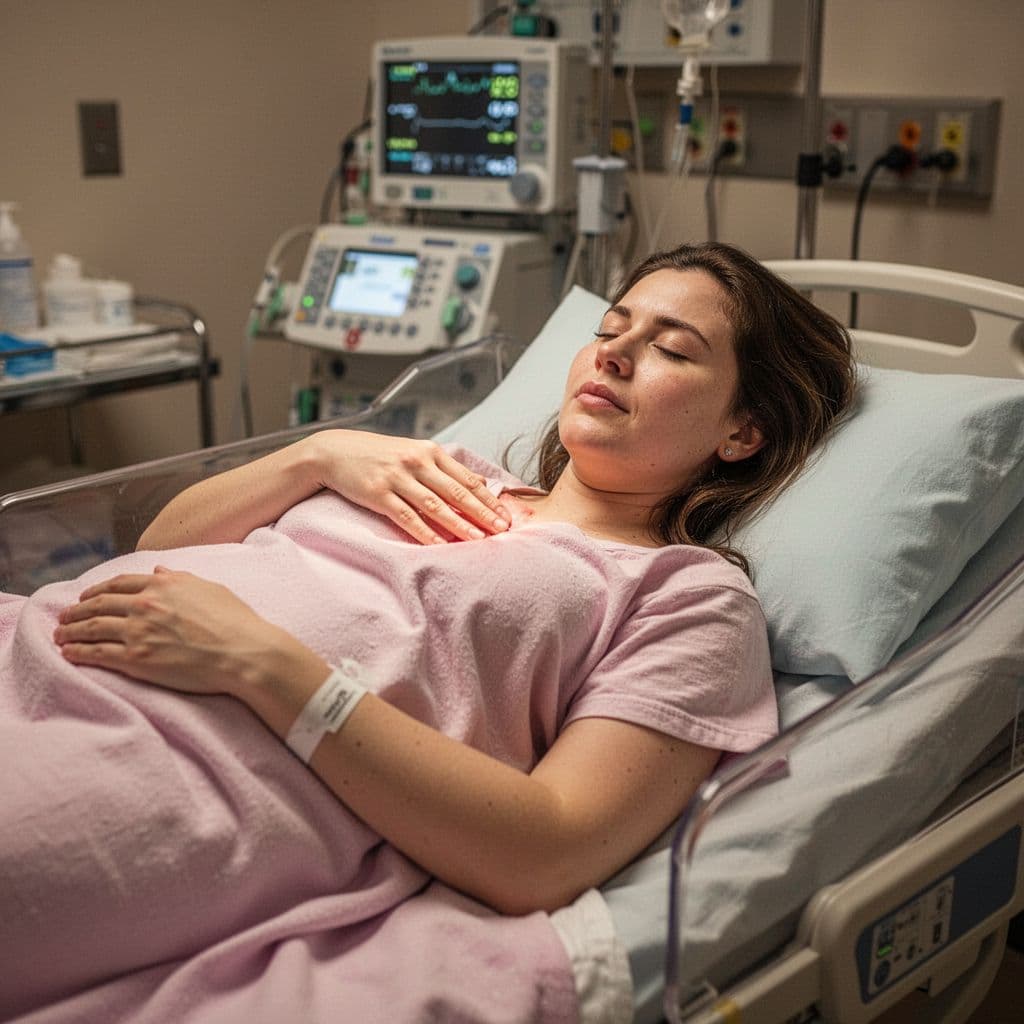
Baby’s head finally peeks out. You feel a fierce, fiery ring stretch your perineum. This ring of fire hits hard during crowning. It shocks prepared moms because classes never capture the sting. Yet it lasts just minutes. Relief floods in once the head passes.
Why the Burn and Common Tearing Happen
Your vaginal tissues stretch wide for the head. Nerves fire sharp pain, like a hot ring clamping tight. Epidurals dull it for some, but others feel every bit. Tearing follows often. Up to 85% of first-time moms tear mildly during vaginal birth. These superficial cuts need quick stitches. Oxytocin rush masks pain at first. It throbs later, but heals fast in weeks. You can’t always prevent tears because baby’s size and position play big roles.
Lamaze explains the stinging crowning phase.
Real Mom Reactions and Sweet Relief
Moms gasp and pant through it. “It burned like fire, then poof, my baby was out,” one shared. Nurses coach slow breaths. You might reach down to support the area. Once the head emerges, shoulders slip easy. Pressure lifts. Joy hits as you meet your baby. Shakes or tears fade quick.
Prep Tips to Ease the Fire
Practice perineal massage from 34 weeks. Use oil, stretch the area gently for five minutes daily. Ask for warm compresses in labor; they soften tissues. Breathe slow, pant lightly instead of hard pushes. Your team guides you. It passes fast, so focus on that first cry.
Hours of Boring Waiting Amid the Chaos
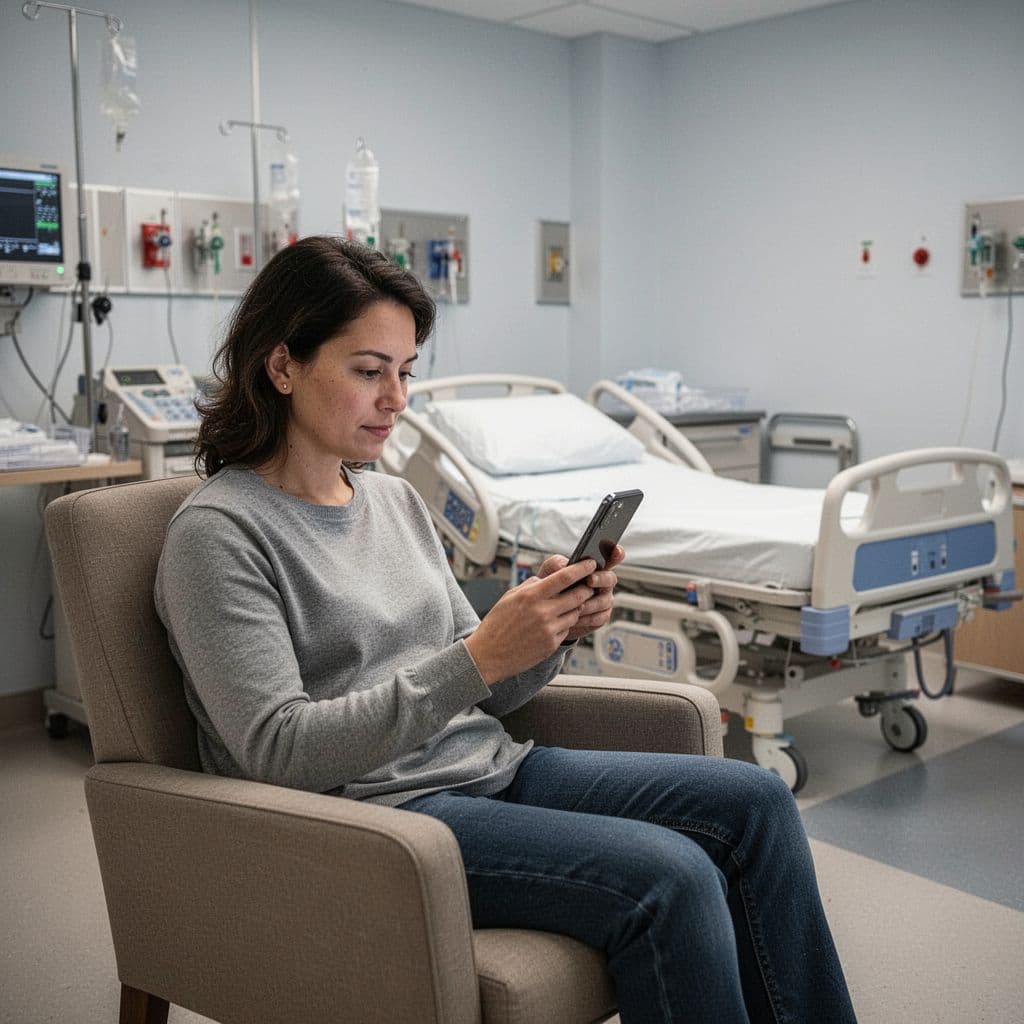
Labor kicks off with drama on TV shows. Contractions slam one after another. Reality hits different. You face hours of dull waits amid the hype. First-time moms push for two to three hours, sometimes up to eight. Checks come every few hours. Sleep deprivation builds fast. You sit alone often while staff tends others.
Why First-Time Labor Drags with Gaps
Your cervix dilates slow at first. Early labor lasts 12 to 19 hours for many new moms. NIH data shows first stages now take 2.6 hours longer than 50 years ago. Nurses space checks to let rest happen. No constant buzz. You expect action, but body paces itself. Contractions space out too. Alone time lets you recharge, yet boredom shocks.
Mom Stories of Endless Downtime
One mom scrolled Netflix for six hours straight. “I timed contractions by show episodes,” she posted. Another napped in bursts, woke to mild waves. Partners step out for food. Silence feels odd after prep classes promised intensity. Staff pops in quick, then gone. It tests patience.
Smart Ways to Fill the Time
Pack distractions early. Here are simple options that work:
- Nap when you can; energy drops later.
- Play phone games or cards with your partner.
- Walk halls or sway on a birthing ball.
- Sip water, munch light snacks.
- Queue a playlist or podcast.
These keep you calm. Labor picks up when ready. Rest now pays off big.
Acting ‘High’ or Hyperventilating Like a Different Person
Labor flips a switch. You slip into a trance, moan without words, curse like an alter ego, or roar like a lion. Sometimes you hyperventilate, see stars, or feel numb limbs. Sleepy vibes alternate with manic energy. These shifts make you feel like someone else. Even hypnobirthing pros face them.

Why Hormones and Oxygen Dips Trigger This
Oxytocin and adrenaline surge hard. They spark trance states and primal roars to relax your pelvis. Non-verbal moans match contraction rhythms for better oxygen flow. Hyperventilation comes from pain and stress. You breathe fast, drop carbon dioxide, and feel dizzy or numb. Oxygen dips follow because shallow breaths limit supply to baby. Manic or sleepy swings happen as endorphins flood in.
Real Mom Shifts and Team Alerts
One mom entered a zone, growling low for an hour. Her partner thought drugs hit, but it was natural. Another panted wild, saw stars, and went numb; nurses coached her down. “I blacked out cursing,” a third shared online. Staff spots signs quick and calms you.
Breathe Smart to Stay Grounded
Practice slow breaths now. Inhale nose for four, exhale mouth for six. Alert staff on dizziness; they guide you. Use coaching cues like “low and slow.” It curbs hyperventilation, boosts oxygen, and eases vibes. Try deep breathing techniques during pregnancy to prep. These pass fast, so ride the wave.
Strangers Seeing Your Naked Body and Water Trickle
Your water breaks in labor, but it’s often a slow trickle down your leg, not a dramatic gush. Then shift changes happen. New nurses, residents, or students enter fast. They see you exposed, legs apart, in a hospital gown. Privacy vanishes quick. This vulnerability shocks even moms with detailed birth plans.

Why Exposure Hits Hard in Labor
Hospitals buzz with teams. Shift swaps bring fresh faces at peak times. Residents train hands-on; students observe. Your body stays open for checks. Water leaks soak pads or sheets. No warning comes first. Hormones leave you foggy, so you can’t cover up alone. Kaiser Permanente stresses your right to respectful care.
Mom Stories of Sudden Crowds
One mom felt a warm trickle mid-contraction. A new resident walked in right then. “I was bare, legs wide,” she shared online. Another saw three strangers during transition. Her partner blocked the door. Staff nods; they move quick. But the moment lingers.
Smart Steps to Guard Your Space
Voice wishes early. Add to your birth plan: minimal staff, no students unless urgent. Tell your doctor prenatal. During labor, say “close the curtain” or “only my team.” Bring an advocate to repeat it.
Here’s who might show up and your say:
| Person | Why They Enter | Your Call |
|---|---|---|
| Main Doctor | Leads your care | Keep them |
| New Nurse | Shift change | Often needed |
| Resident | Trains on site | Refuse if wanted |
| Student | Observes only | Easy no |
Healthline shares advocacy tips for delivery rooms. Pack pads for leaks. Ask for a private setup. Consent rules everything, so speak up calm. It keeps you in control.
Conclusion
Labor throws these nine surprises at everyone, from poops on the table to that ring of fire sting. They all show your body’s strength in action. Your muscles, hormones, and instincts team up to bring your baby earthside, no matter the twists.
Talk to your OB or doula soon. A flexible mindset helps most because every birth plays out different. Modern perks make it easier too. Better pain options like updated epidurals cut the edge off shakes or burns. Support apps track contractions and connect you with pros in real time.
You’ve got this. Trust the process, lean on your team, and embrace the wild ride. Share your labor story in the comments below. Your words might ease someone else’s nerves.
Save pin for later


- 12 Things Pregnant Women Do When They’re Alone - June 7, 2026
- 25 Healthy Pregnancy Snacks You Should Try - June 7, 2026
- 100 Funny Baby Jokes That Will Make You Laugh - May 15, 2026