

Packing for the hospital can feel stressful fast, but you don’t need to bring everything you own. A smart Hospital Bag Checklist For Labor And Delivery keeps your focus on what you’ll actually use, comfort items, paperwork, postpartum recovery basics, and a few things for baby. That matters because labor is unpredictable, and a well-packed bag can make check-in, recovery, and the trip home feel much smoother.
Many hospitals already provide staples such as diapers, mesh underwear, pads, gowns, and some basic baby items, so overpacking is common. Because of that, it’s easy to fill a bag with extras and still forget the things that matter most, like your ID, charger, going-home clothes, and a few personal comfort items. Keeping your list simple helps you pack with confidence and avoid last-minute stress.
This guide will help you sort out what to pack, what you can skip, and what belongs at the top of your bag when labor starts.
Start with the must-have items you need before anything else
Before you add extras, pack the items that matter the minute you walk in. In any Hospital Bag Checklist For Labor And Delivery, the first layer should cover check-in and basic comfort. If labor moves fast, you do not want to dig through a full bag for your ID or phone cord.
Keep your paperwork and check-in basics easy to grab
Start with the non-negotiables: your photo ID, insurance card, any hospital forms, your provider’s information, and a printed birth plan if you have one. These are the items staff may ask for right away, so they should be together and easy to reach.
Your phone, wallet, keys, and an extra-long charging cord belong in that same grab-and-go zone. A long cord matters because hospital outlets are often far from the bed, and your phone becomes your camera, timer, contact list, and update station all at once. Baby list’s hospital bag guide also notes that easy-access essentials are among the most used items during labor and recovery.
A small pouch or outer pocket works best because it cuts down on rummaging when you’re checking in or moving rooms. Keep it simple and keep it together. When contractions start, fast access is worth a lot.
Put the “need now” items where your hand lands first, not buried under clothes.
Pack a few comfort items that can make labor easier
Once the basics are set, add a few comfort items that pull their weight. Good picks include lip balm, hair ties, glasses or a contact case, non-slip socks, slippers, a robe, and a pillow with a colored pillowcase so it does not get mixed up with hospital bedding.

These small things can make a sterile room feel more manageable. Dry lips, cold feet, or hair in your face can get old fast during a long labor. A robe and slippers also help when you want to walk the halls or move around a bit.
You can also pack a few optional extras, such as a playlist, earbuds, a portable fan, and simple snacks if your hospital allows them. Pampers’ hospital bag checklist highlights many of these same comfort basics. The key is to pack for relief, not for every possible scenario. A small set of useful comforts beats a bag full of “maybe” items every time.
What mom should pack for labor, recovery, and going home
This part of your Hospital Bag Checklist For Labor And Delivery is all about comfort after the adrenaline wears off. Labor can be messy, recovery can feel tender, and the ride home usually calls for the softest clothes you own. A few familiar items from home can make the hospital feel less clinical and a lot more manageable.
The goal is simple: pack for easy movement, basic hygiene, and real comfort. Most hospitals cover the basics, but your own favorites often feel better on sore skin, dry lips, and a tired body.
Clothes and toiletries that help you feel more comfortable
For your labor stay and the first recovery hours, soft clothes matter more than cute ones. If you plan to nurse, pack a front-opening nightgown or button-front pajamas so feeds and skin-to-skin time are easier. Add nursing bras or soft bras that don’t dig in, plus loose underwear that won’t rub if you’re sore or swollen.
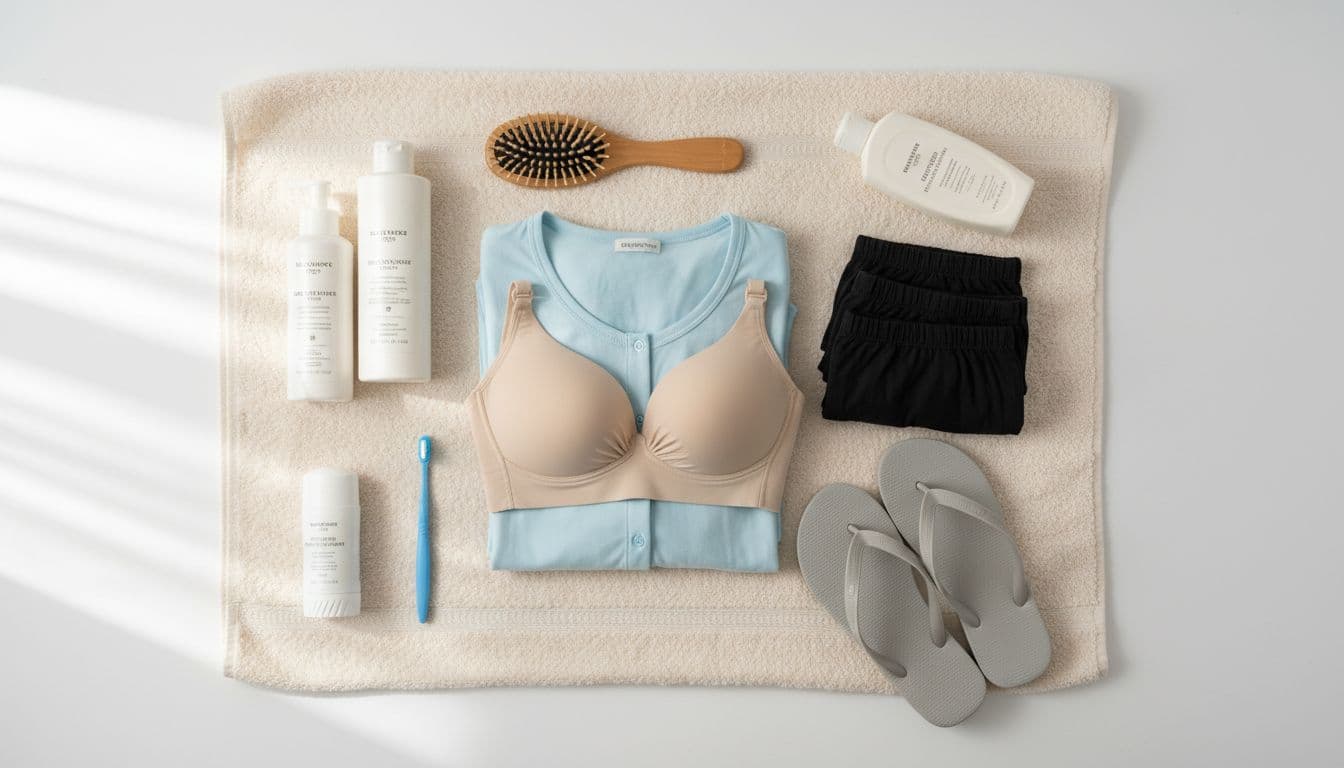
Toiletries are where small comforts do a lot of work. The hospital may give you basics, but many moms would rather use their own deodorant, toothbrush, toothpaste, face wash, shampoo, conditioner, brush, and lotion. Your usual products can help you feel more like yourself after a long labor, especially when the room air feels dry and everything else feels unfamiliar.
Don’t forget flip-flops for the shower. Hospital showers are useful, but they rarely feel spa-like. A quick rinse, clean teeth, and your own face wash can reset your whole mood. Babylist’s hospital bag guide also points to comfort-focused basics like these because they tend to get used more than packed extras.
Postpartum recovery items worth bringing from home
Recovery supplies are one area where “optional” can still be worth it. Many hospitals provide pads, mesh underwear, and a peri bottle, so you do not need to pack duplicates unless you have a clear preference. Still, if you already know what feels best, bring your own.
Some of the most useful add-ons are high-waisted underwear, nipple cream, breast pads, and your preferred peri bottle. If you want extra coverage, pack heavy-flow pads, but only if you like a certain brand or fit. Standard hospital items get the job done, yet your own favorites may feel softer, more secure, and easier to wear for long hours.
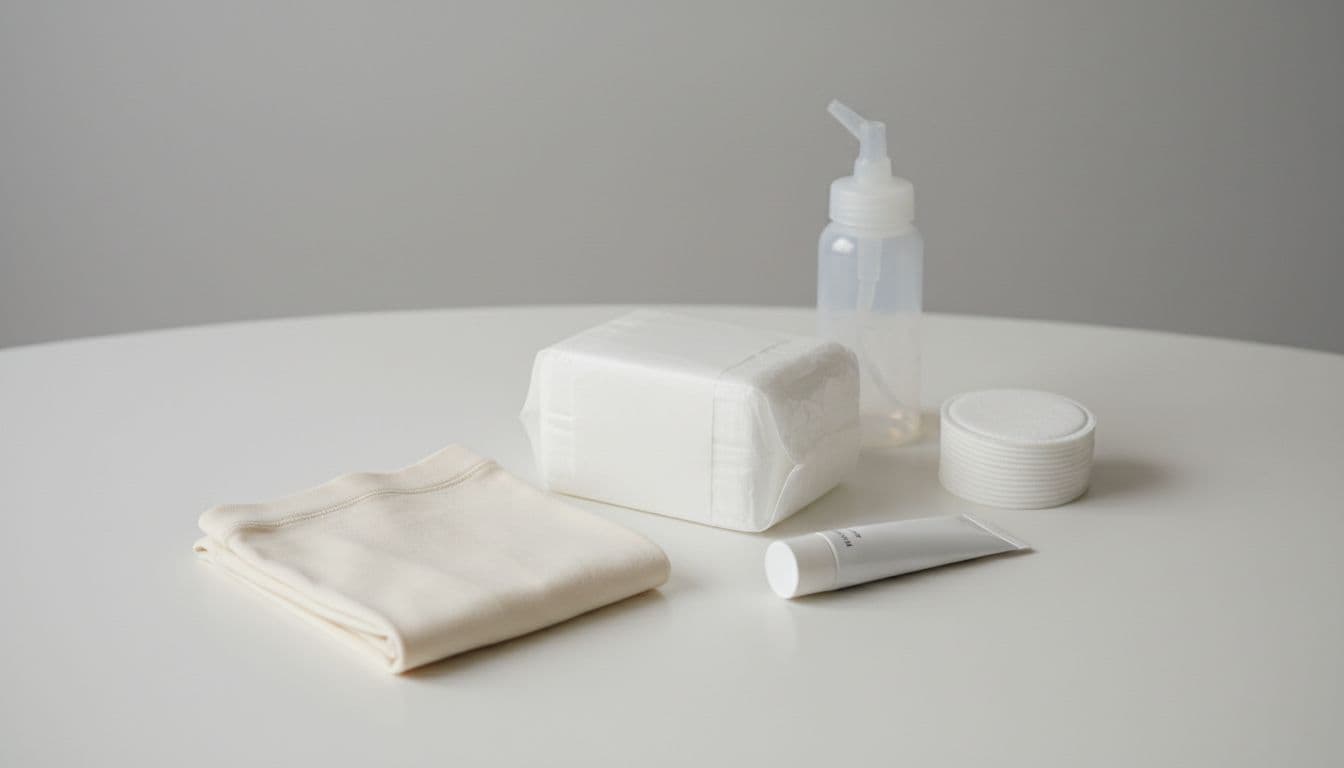
This is one of those moments when familiar products can feel like a relief. High-waisted underwear sits better over a tender belly, breast pads help with leaks once milk starts coming in, and nipple cream can be a lifesaver in the first few feeds. Pampers’ hospital bag checklist makes a similar point: hospitals often supply recovery basics, but personal comfort items still earn a spot in the bag.
If an item makes you feel cleaner, less sore, or less irritated, it probably belongs in your bag.
A simple going-home outfit that actually feels good
Your going-home outfit should feel easy the second you put it on. Choose loose, soft clothes such as maternity leggings, sweatpants, or a roomy dress. Skip anything tight at the waist, stiff in the fabric, or annoying to pull on. After delivery, comfort wins every time.

It’s also smart to expect that you’ll still look a few months pregnant. That is normal, so pack with that in mind. A stretchy waistband or a roomy dress will feel much better than trying to squeeze into pre-pregnancy clothes. Finish the outfit with supportive shoes, since swelling can linger and slippery flats are not always your friend.
Layers help, too. Hospitals can feel cold, and the weather outside may be the opposite. A light cardigan, zip-up, or oversized sweatshirt gives you options without adding bulk. When you’re leaving with a newborn, the last thing you need is an outfit that feels like work.
What to pack for baby, and what to leave at home
This is the part of a Hospital Bag Checklist For Labor And Delivery that first-time parents often overdo. Baby needs far less in the hospital than you might expect, because most newborn care happens with hospital supplies during a short stay. Pack for the ride home, not for a week away.
The baby basics you will likely use before discharge
For most families, the true must-have is an installed car seat. Hospitals usually want to know you have one ready before discharge, and you do not want to figure out straps in the parking lot.
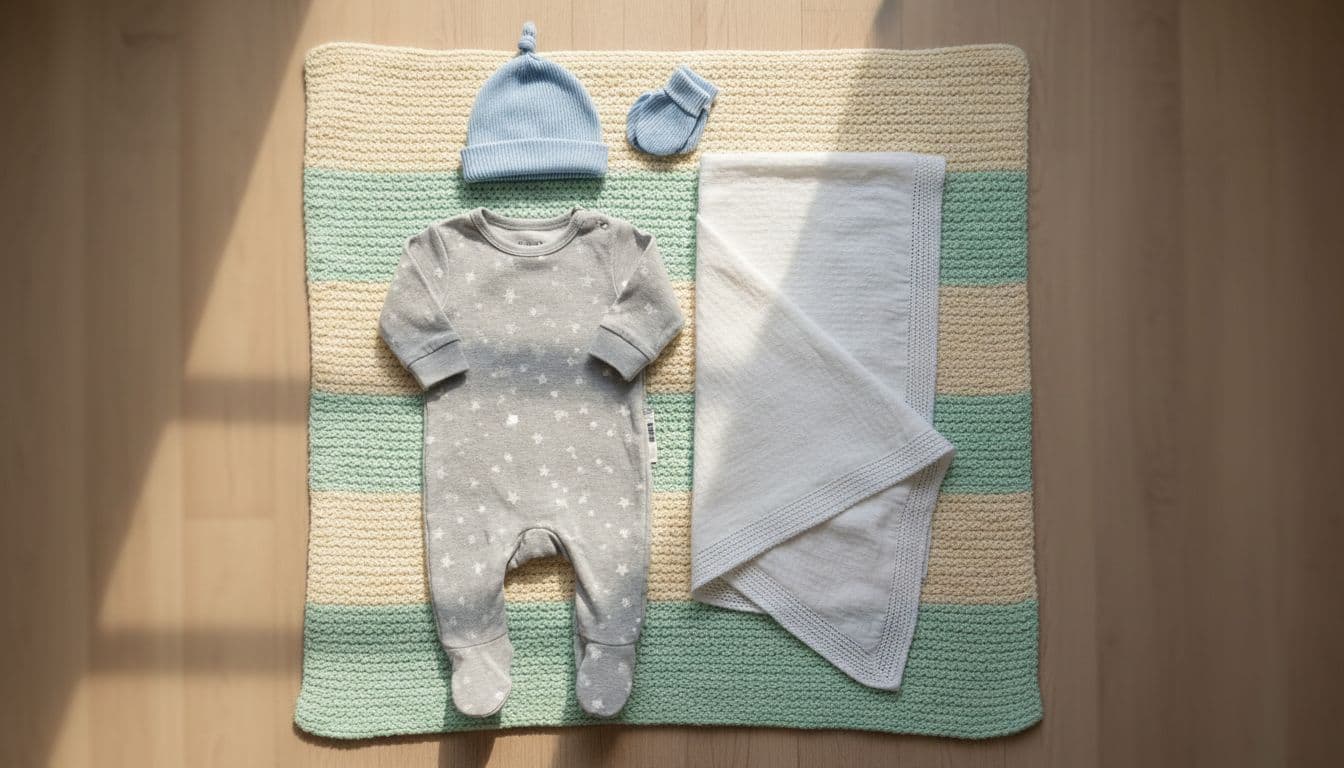
Beyond that, keep it simple. Bring a weather-appropriate going-home outfit, plus one backup. A soft footed sleeper often works best because it’s easy, cozy, and car seat-friendly. Add a simple blanket for the trip home, especially in cool weather. If you want them, pack a newborn hat or mittens, but those are optional.
One or two outfits are usually enough because baby will likely spend most of the stay in a diaper, swaddle, or hospital shirt. In other words, this is not the time for a full mini wardrobe. A tiny bag for baby is often all you need.
Baby items most hospitals already provide
Many hospitals already stock the basics, which helps cut down on duplicate packing. That often includes diapers, wipes, swaddle blankets, basic hats, and sometimes bath items or skin care staples. Recent guidance from MedlinePlus on what to bring to labor and delivery also reflects that hospitals commonly cover many of the practical basics during your stay.
Still, policies vary by hospital, so call ahead and ask what your unit provides. Some places send families home with leftover diapers and wipes, while others keep supplies for in-room use only. That quick check can save space, stress, and one extra bag you never wanted to carry.
If you’re building out your newborn stash at home, this is also a good time to review diaper changing essentials for newborns, rather than stuffing all of those supplies into your hospital bag.
Most babies need less at the hospital than parents expect, and hospitals often provide more.
Optional extras that are nice, but not necessary
A few baby items are sweet to have, but they are not must-pack essentials. That includes a special photo outfit, a baby book for footprints, a burp cloth, or a small nail file.
These extras are fine if they matter to you, but pack them on purpose. If space is tight, leave them home. The basics will carry the day, and your hospital bag will stay lighter, simpler, and easier to manage.
Do not forget your partner or support person
A good support person can steady the whole room, but only if they’re comfortable enough to stay present. Labor can last much longer than expected, so your Hospital Bag Checklist For Labor And Delivery should cover the person who will be right there with you. When they aren’t hungry, cold, or searching for a charger, they can focus on helping you breathe, walk, rest, and stay calm.
A small support person bag can make a big difference
Your partner or support person does not need a full suitcase, but they do need a few basics. A change of clothes, simple toiletries, deodorant, a toothbrush, and any daily medications go a long way during a long stay.
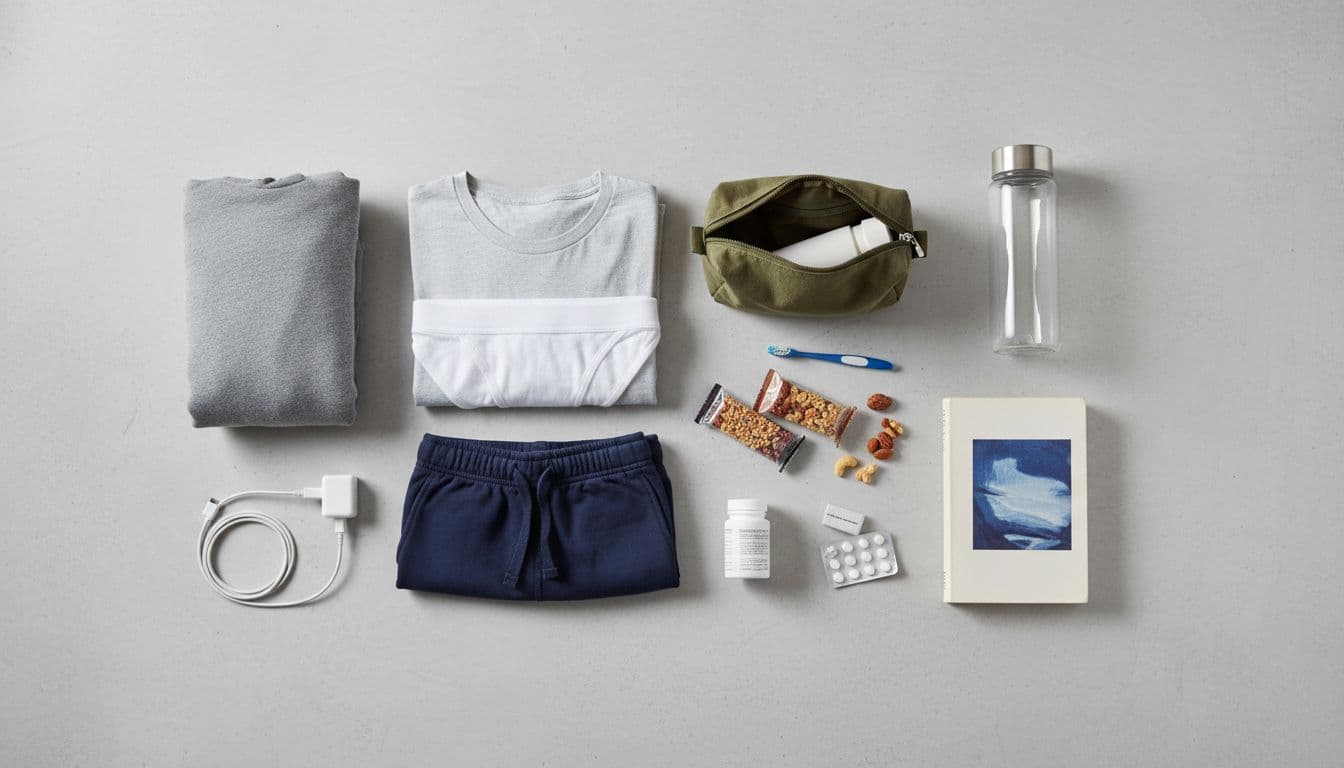
Food and power matter, too. Pack snacks, a water bottle, and a phone charger, because vending machines are not always close and outlets are often in awkward spots. Cleveland Clinic’s labor bag checklist also points to practical basics that help families avoid last-minute stress.
Long waits are common, so bring something to do, like a book, earbuds, or a tablet. That does not mean they are checked out. It means they can recharge during quiet moments and be more helpful when you need them most. Also tuck in a hoodie or light blanket, since hospital rooms can feel chilly, especially overnight.
A few shared items can help both of you
Some items work better when you pack them once and keep them easy to find. Bring cash or a card for vending machines, a contraction timer app or watch, a printed list of important phone numbers, and a simple folder for discharge papers.
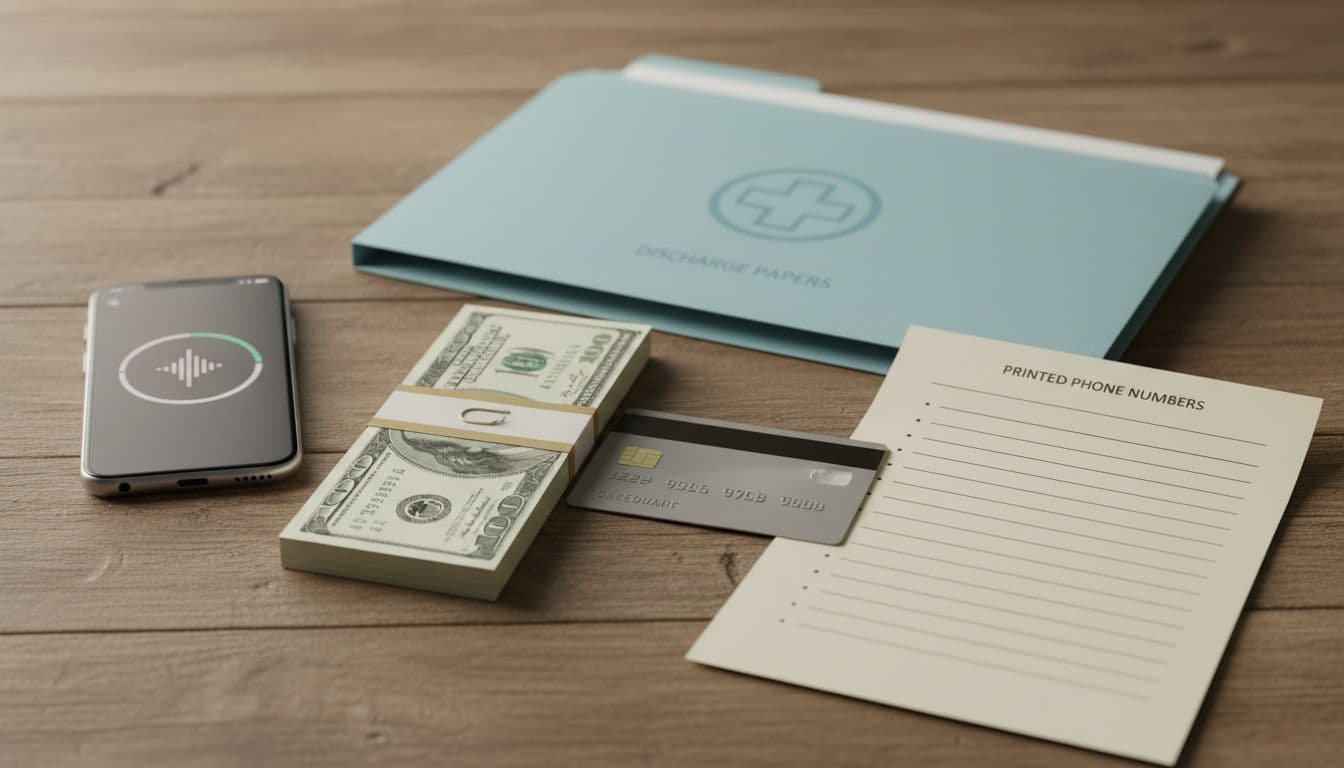
These small things reduce the mental clutter. If a phone dies, if paperwork starts piling up, or if someone else needs an update, you will be glad everything is in one spot. A little organization keeps the room calmer, and calm is useful during labor.
Smart packing tips so your hospital bag stays simple and useful
A good Hospital Bag Checklist For Labor And Delivery is not just about what you pack. It’s also about when you pack, how you sort it, and what you leave out. A little planning keeps your bag lighter and makes the hospital stay feel easier from the start.
When to pack your hospital bag so you are not rushed
Try to have your bag packed by 34 to 36 weeks. That window gives you breathing room, especially because babies do not always wait for the due date. If you have a high-risk pregnancy, are carrying twins, or your provider expects early labor, pack even sooner.
Recent guidance from sources like Cleveland Clinic’s labor bag advice and Pampers’ hospital bag checklist also points to packing early rather than waiting until the final days.
During the last few weeks, keep the bag by the door or in the car so it is ready to grab. You can leave out a few last-minute items, like your phone or toothbrush, and keep a short note on top so nothing gets missed.
How to organize your bag so everything is easy to find
An organized bag saves time when you are tired, in pain, or moving rooms. Small pouches or packing cubes work well because they keep like items together and stop everything from turning into one big pile.
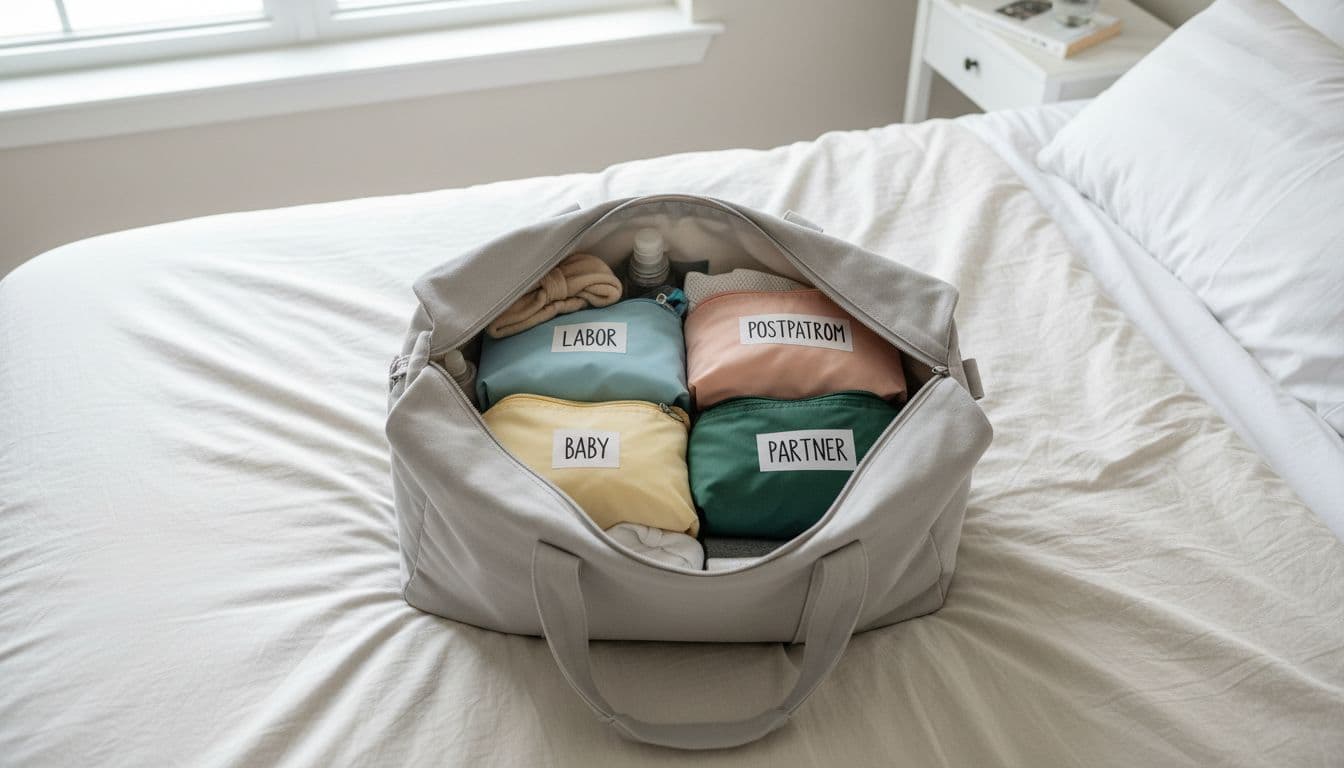
A simple setup is often best:
- One pouch for labor, such as lip balm, charger, hair ties, and socks
- One for postpartum, with your own recovery favorites
- One for baby, including the going-home outfit
- One for your partner, so their things do not mix with yours
Some parents also like using two separate bags, one for labor and one for recovery and discharge. That can make the first few hours less hectic, since you are not digging past extra clothes to find what you need right now.
If you can find each item in seconds, you packed it well.
Common items people pack but rarely use
Most overpacking comes from good intentions. You want to be ready for everything, but the hospital stay is usually short, and many basics are already provided.
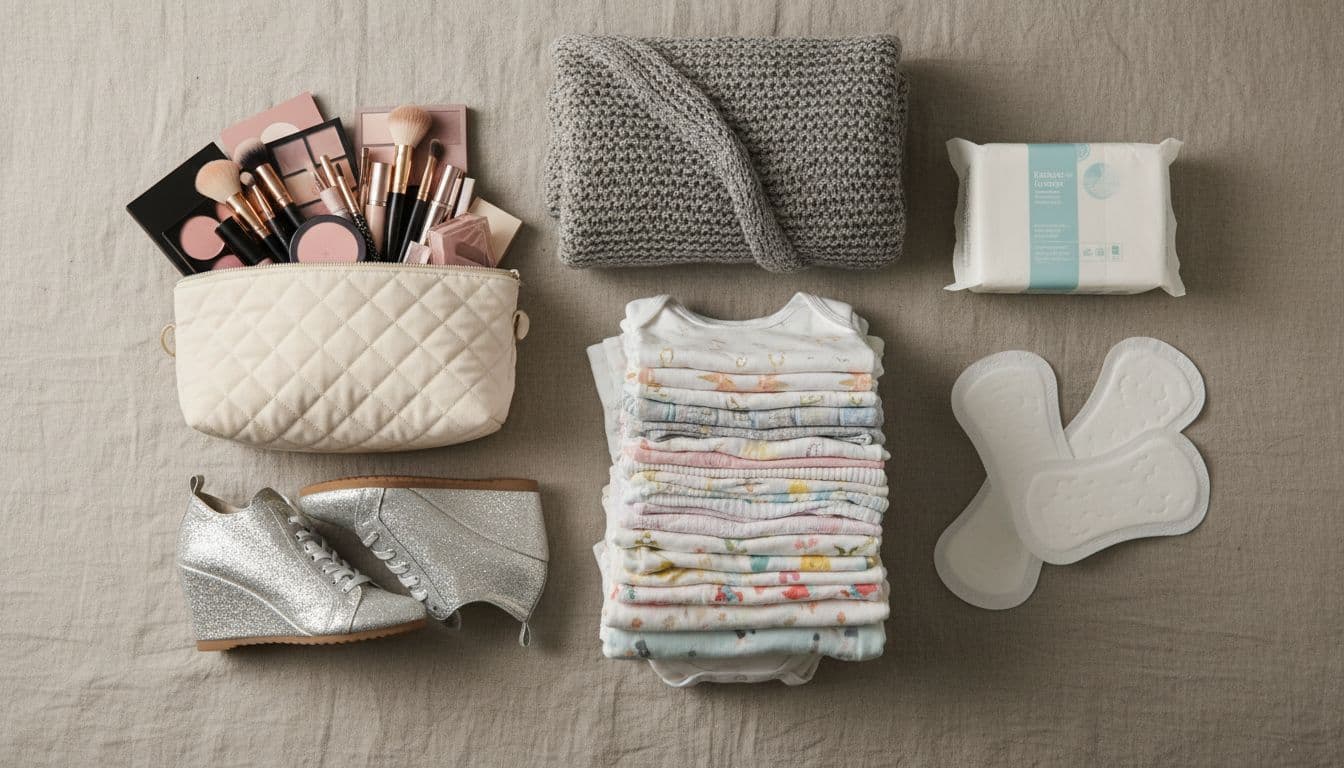
A few things often sound useful, then stay untouched:
- Too many baby clothes, because most newborns stay swaddled
- A full makeup bag, when a few basics usually feel like plenty
- Extra shoes, since one easy pair often covers the whole stay
- A large blanket, which takes up a lot of space
- Too many postpartum supplies before checking what the hospital gives you
The goal is not to pack less just for the sake of it. It is to pack smarter. If an item solves a real problem, bring it. If it is a “maybe,” it can probably stay home.
Conclusion
A good Hospital Bag Checklist For Labor And Delivery keeps the focus where it belongs, on comfort, calm, and the basics you’ll actually use. When your bag covers mom, baby, and your support person without piling in extras, the whole hospital stay usually feels simpler and less stressful.
That also means you do not need to pack perfectly. You just need a plan that helps you feel prepared, with the right essentials close at hand and the clutter left at home. A lighter, better-organized bag is often the one that works best when labor starts.
Before you call it done, do one last check for your documents, phone charger, going-home outfit, and baby’s car seat. Then zip the bag, set it by the door, and trust that prepared is better than perfect.
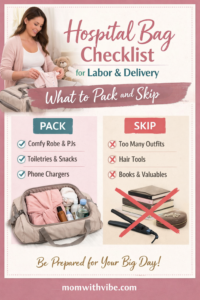
Save the pin for later

- 12 Things Pregnant Women Do When They’re Alone - June 7, 2026
- 25 Healthy Pregnancy Snacks You Should Try - June 7, 2026
- 100 Funny Baby Jokes That Will Make You Laugh - May 15, 2026