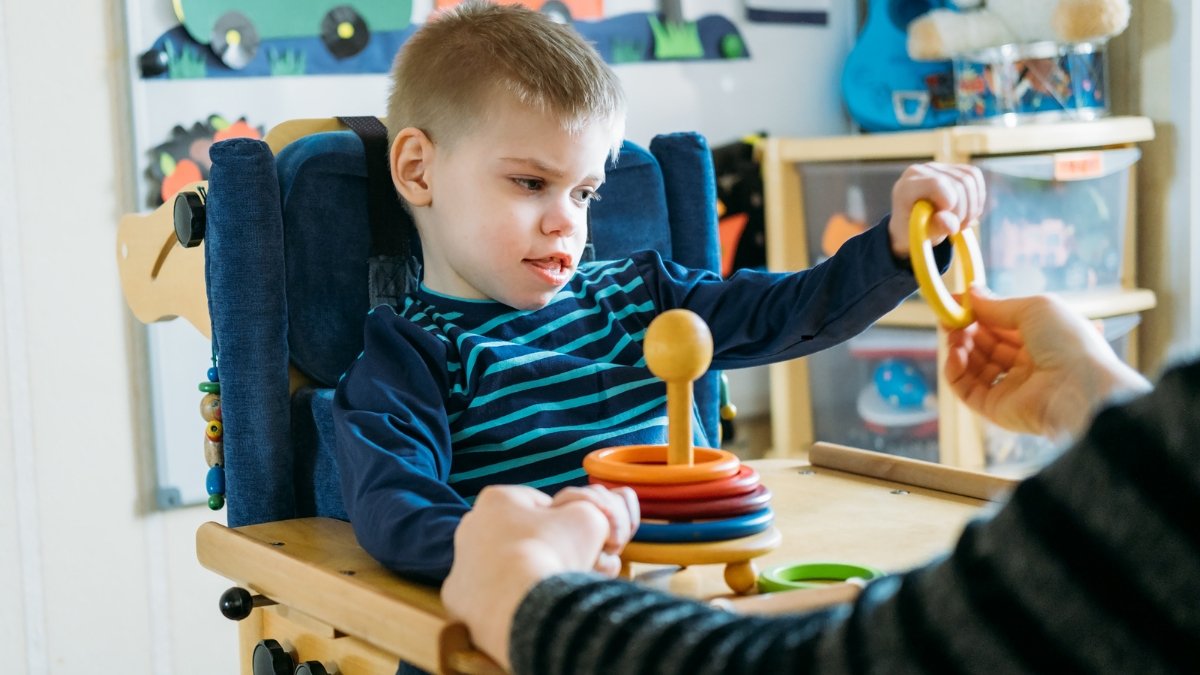
The excitement and joy of childhood are fueled by discovery. At every stage, from infancy to adolescence, a child is learning, creating, and growing. The right activities can instill confidence, strengthen social bonds, and nurture an inquisitive, lifelong love of learning.
But when it comes to age-appropriate play, one size does not fit all. Activities that delight a two-year-old may frustrate an eight-year-old. The key to play that is both fun and productive lies in understanding your child’s development.
Infants (0–12 months)
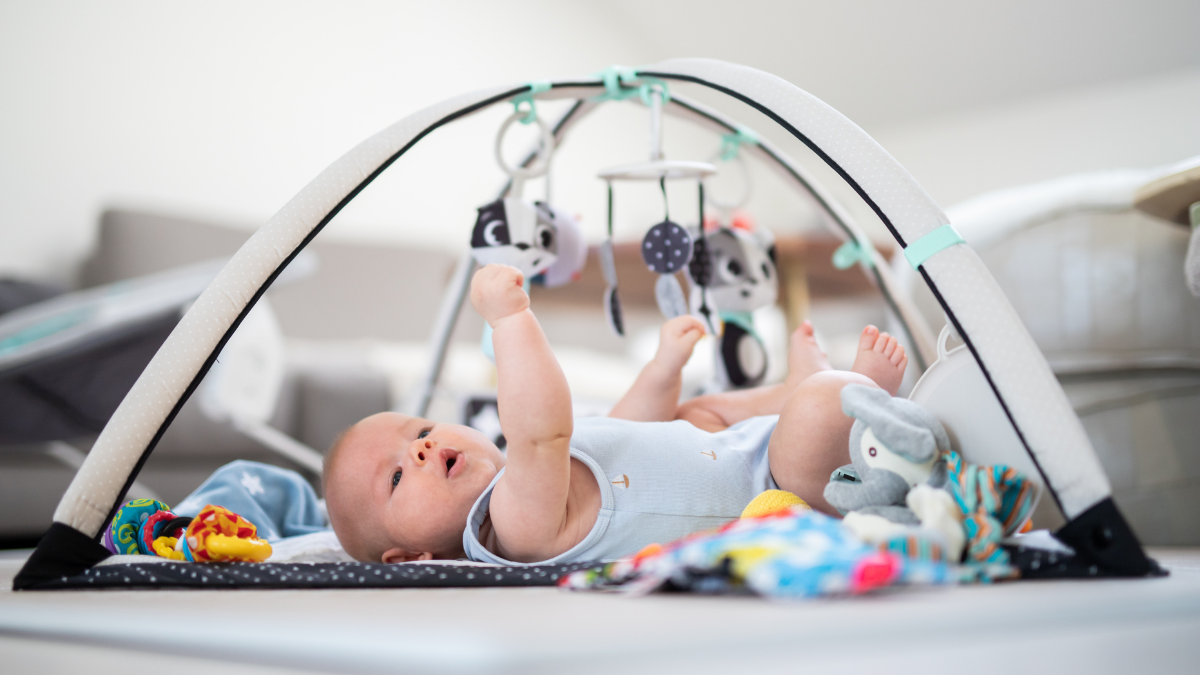
Babies are all about the senses. Every touch, sight, sound, taste, and smell is an adventure as they begin to make sense of the world. Activities for babies should be gentle, engaging, and sensory-focused.
Activity Ideas:
-
Tummy Time: Lay your baby on their stomach and encourage movement with colorful toys to strengthen neck and shoulder muscles, preparing them for crawling and sitting up.
-
Peekaboo and Mirror Play: Use simple games involving faces, such as peekaboo or mirror play, to teach object permanence and self-recognition.
-
Texture Exploration: Let your baby handle soft fabrics, rattles, and teething rings. The variety in texture and sound builds sensory awareness.
-
Musical Moments: Sing lullabies and play soft music. Rhythm and tone support hearing development and emotional bonding.
Tip: Babies learn best through play and interaction with people. Your face, voice, and touch will always be their favorite toys.
Related: How To Play With Your New Born Baby
Toddlers (1–3 years): Moving, Building, and Talking
A toddler’s body and mind are always on the move. They want to climb, explore, throw, push, and talk. Toddlers thrive on activities that combine motion, language, and problem-solving.
Activity Ideas:
-
Building Blocks: Toddlers love stacking blocks, knocking them down, and rebuilding. This supports both gross and fine motor skills while introducing cause and effect.
-
Water Play: Fill a small tub with water and provide cups or spoons. This messy play teaches pouring, measuring, and sensory control.
-
Simple Puzzles: Chunky puzzles help toddlers practice hand-eye coordination and learn shapes, colors, and animals.
-
Pretend Play: Encourage imitation with pretend cooking, toy telephones, or cleaning sets. These foster imagination and language.
-
Outdoor Exploration: Walks in the park, sandbox digging, or bubble chasing build balance and coordination.
Tip: Toddlers need repetition to learn. Doing the same activity often strengthens memory and skill.
Related:How To Create a Bedtime Routine for Your Toddler
Preschoolers (3–5 years)
Preschoolers are learning about emotions, rules, and friendships. Activities that inspire imagination and teamwork help build social and creative skills.
Activity Ideas:
-
Arts and Crafts: Provide paper, crayons, glue, and safety scissors, and let them create freely. The joy is in the process, not the product.
-
Dress-Up and Role Play: Acting out real-world scenarios, such as running a store or caring for a baby doll, teaches empathy and communication.
-
Simple Board Games: Games like Candy Land or Snakes and Ladders teach patience, turn-taking, and following directions.
-
Gardening Together: Digging, planting seeds, and watering plants introduce science in a hands-on way.
-
Music and Dance: Singing and dancing help children express themselves and build coordination.
Tip: At this age, focus on participation rather than results. The fun lies in doing, not finishing.
Early School Age (6–8 years)
As children enter school, they develop longer attention spans, stronger reasoning, and better memory. They enjoy challenges, teamwork, and showing off new skills. Activities should help them apply what they know while encouraging exploration.
Activity Ideas:
-
Science Experiments: Try safe home projects, such as mixing baking soda and vinegar to create a homemade “volcano.”
-
Board and Card Games: Games like Uno, Checkers, and Scrabble Junior promote logic, patience, and strategic thinking.
-
Outdoor Adventures: Hiking, biking, or scavenger hunts strengthen both the body and connection to nature.
-
Reading Time: Choose chapter books that match their interests. Read together or take turns reading aloud to build vocabulary and imagination.
-
Cooking Together: Measuring, mixing, and baking reinforce math skills and teamwork.
Tip: Give them small responsibilities—packing their backpack or setting the table—to foster independence and pride.
Related:How to Teach Kids to Write
Tweens (9–12 years): Growing Independence and Identity
Tweens are on the brink of adolescence. They begin developing a sense of identity and confidence in their abilities. Activities should challenge their intellect, creativity, and social awareness.
Activity Ideas:
-
STEM Projects: Building robots, coding apps, or working with engineering kits develops problem-solving skills.
-
Creative Writing or Journaling: Writing stories or reflections helps with emotional growth and self-expression.
-
Team Sports: Activities like soccer, basketball, or swimming teach discipline, teamwork, and resilience.
-
Art and Music Lessons: Painting or learning an instrument fosters focus and creative identity.
-
Volunteering: Participating in community clean-ups or charity drives teaches empathy and responsibility.
Tip: Offer choices. Allowing tweens to choose their activities builds motivation and ownership.
Teens (13–17 years): Purpose, Passion, and Peer Connection
Teenagers are on the threshold of adulthood. They crave independence but still benefit from guidance. Activities should balance structure with self-direction, helping them find meaning and confidence.
Activity Ideas:
-
Skill-Building Projects: Encourage hobbies that develop real-world skills, such as photography, video editing, graphic design, or coding.
-
Outdoor Challenges: Camping, hiking, or adventure sports promote endurance, teamwork, and confidence.
-
Community Service or Mentorship: Helping others or mentoring younger kids can give teens a sense of purpose.
-
Creative Arts: Theater, music production, or painting offers emotional expression and self-discovery.
-
Entrepreneurial Activities: Starting small businesses, such as selling handmade crafts or launching a blog, builds initiative and financial literacy.
Tip: Treat teens with respect and trust. The more you show confidence in them, the more they will rise to the responsibility.
Related:How To Teach Your Kids About Money
Activities for Every Age and Stage: Why It Matters
Choosing the right activities for each stage of development is about more than entertainment. When activities align with a child’s mental, physical, and emotional growth, they:
-
Build confidence by mastering achievable challenges
-
Strengthen physical, emotional, and social abilities
-
Encourage creativity, curiosity, and lifelong learning
-
Develop cooperation, patience, and problem-solving skills
-
Prepare for future learning and responsibilities
Childhood should be full of joy and play, but it is also a time of rapid growth. A two-year-old doesn’t need lessons in abstract thinking, while a ten-year-old needs more than simple toys to stay engaged.
Children naturally learn when play has purpose. A block tower teaches patience and balance. A board game teaches honesty, fairness, and strategy. Even unstructured play leads to discovery and imagination.
Final Thoughts
Every child is unique, and development doesn’t always follow a straight path. The goal is not to rush milestones but to provide experiences that let them explore who they are and what they love. Whether your child is just learning to walk or preparing for adulthood, the best activity is one that fills their heart and mind with joy, wonder, and confidence.
Join in the play, embrace the mess, and cherish the moments. In every splash, scribble, and shared smile, your child isn’t just playing—they’re growing.
Save the pin for later

- Dry Cough in Kids: 5 Causes and Safe Solutions - September 23, 2026
- How to Help a Child Deal With Anxiety at Home - September 12, 2026
- How to Prepare Your Child for the First Day of School - September 12, 2026