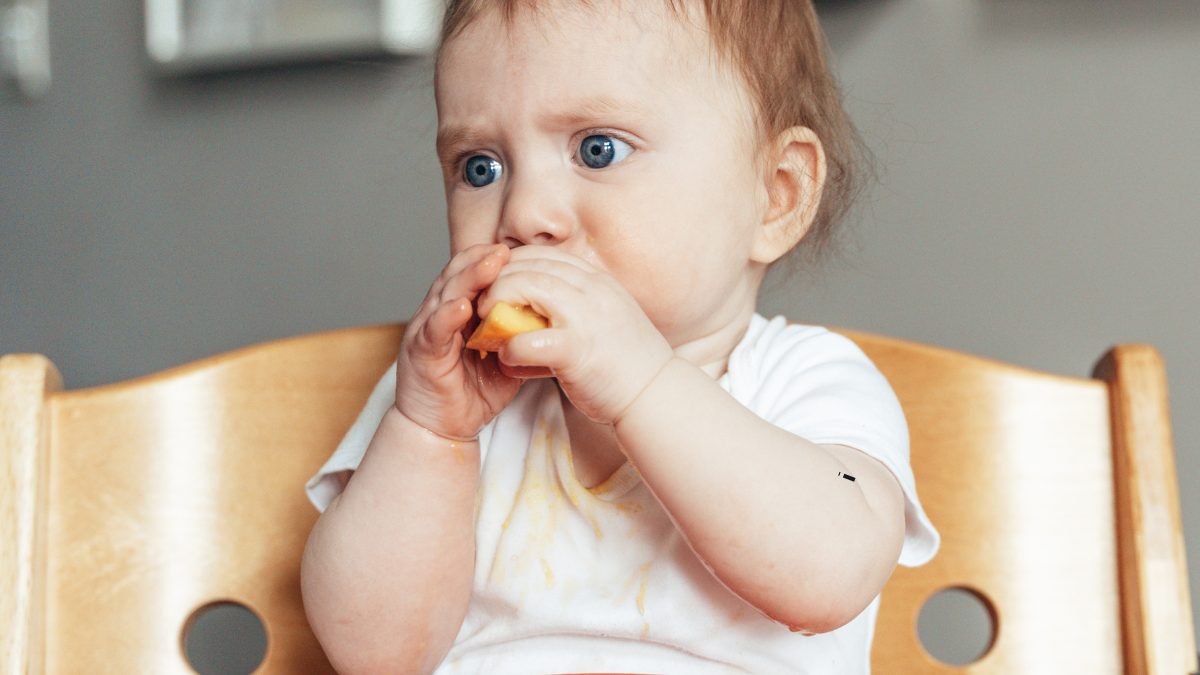

Picture your toddler mid-meltdown in the kitchen. She’s grabbing for that cookie before dinner, you say no, and suddenly it’s screams, kicks, and tears everywhere. You feel that familiar frustration building, but then you kneel down, make eye contact, and say, “I see you’re upset. Let’s find a snack you love instead.” In seconds, she calms, grabs an apple, and smiles. That’s the power of positive parenting techniques for toddlers at work.
Positive parenting means guiding your little one with kindness, respect, and clear teaching, not punishment. You stay connected, set firm limits, and model the behavior you want to see. The CDC notes this approach cuts down tantrums because toddlers learn what to do, not just what not to do. They develop stronger mental health, better social skills, and even improved brain growth in emotional areas. The AAP adds that warm, praising interactions build secure bonds, leading to confident kids who do better in school and life long-term.
These methods work because toddlers crave your attention and safety. When you praise their efforts, like sharing a toy, they repeat it. You’ll see fewer outbursts, deeper connections, and kids who regulate emotions on their own.
In this post, we’ll walk through proven techniques like building connection first, simple emotional coaching, and quick routines that stick. Watch this pediatrician video for tantrum tips that actually deliver results. Busy parents, you’ve got this; small shifts today mean calmer days tomorrow. Let’s dive into the first technique.
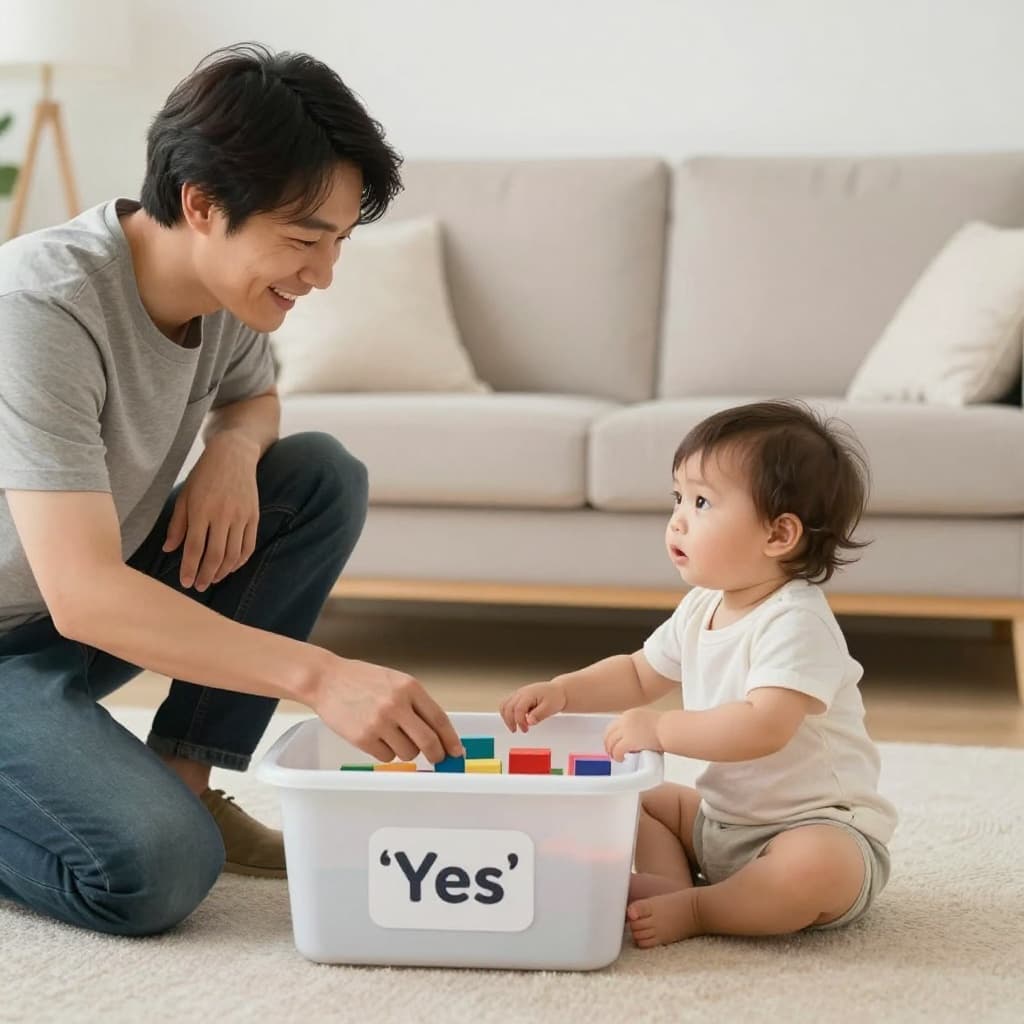
Shift from ‘No’ to ‘Yes’ Instructions Your Toddler Can Follow
Tired of “no” sparking more chaos? Switch to telling your toddler what to do instead. This simple change cuts tantrums because their brains latch onto clear actions. Child development pros at the University of Wisconsin Extension explain that “don’t run” paints a picture of running, which sticks in their mind. But “walk inside” shows the safe step. Toddlers’ prefrontal cortexes, still growing until age 3 or so, struggle with stopping behaviors. Positive words build strong neural paths for good habits, as the CDC notes in their parenting guides.
This shift also grows respect and listening skills. Your child feels capable when you guide them clearly. They tune in because you sound helpful, not bossy. Over time, they follow you faster.
Here are real-life swaps that work:
- “Don’t throw the ball inside” becomes “Throw the ball outside” during playtime roughhousing.
- “Don’t hit your sister” turns into “Use gentle hands on your sister” amid sibling squabbles.
- “No running in the house” shifts to “Walk with quick steps inside” on grocery store trips.
- “Stop jumping on the couch” changes to “Feet on the floor, please” for cozy evenings.
Try this script next meltdown: Get eye contact, smile calmly, and say, “I see you want to run. Let’s walk fast together to the kitchen.” Pause. If needed, take their hand and model it.
Quick tone tip: Keep your voice warm and steady, like a friendly coach. Harsh tones trigger defiance; calm ones invite cooperation.
Praise the Good to See More of It
Spot good moments and name them. Say “I love your gentle hands!” when your toddler pats the dog softly. Or “You shared that truck so nicely!” during playdates. This praise lights up their brain’s reward centers, making them repeat the behavior.
Tie it to ignoring the bad stuff. Tantrums or toy-throwing get zero attention. No lectures, no eye contact. Why? Reacting reinforces it with your focus. Studies from the Center on the Social and Emotional Foundations for Early Learning show specific praise boosts positive habits up to 30% more than criticism. Kids clean up toys faster after hearing “Great job stacking those blocks in the bin!”
Picture cleanup time: Your little one dumps blocks everywhere. Ignore the mess. Wait for one block in the bin, then cheer, “Yes, blocks go right there!” They beam and keep going.
Don’t overdo it, though. Praise everything, and it loses power. Pick 3-5 true wins a day. This builds real confidence without empty hype. Your toddler starts choosing good actions on their own.
Redirect Energy to Safer Fun Activities
Channel that wild energy before it turns unsafe. See blocks flying indoors? Say, “Blocks stay on the floor. Let’s throw this ball outside!” Grab their hand, head to the yard, and toss together. They forget the no-fun inside game.
Natural consequences fit here too. If they keep throwing despite your redirect, blocks go in timeout for 2 minutes. No anger, just “Blocks come back when we use them safely.” This teaches cause-and-effect without shame.
Redirection beats punishment every time. It keeps connection strong, models solutions, and stops the cycle fast. Punishment sparks resentment; this builds skills.
Role-play this at dinner chaos: Toddler bangs fork wildly.
You: “Forks aren’t for banging. Drum on your plate like this.” Tap gently. “Your turn!”
Toddler: Bangs plate.
You: “Fun drumming! Now eat your peas.”
They switch, proud. Repeat daily, and unsafe play drops. Check our guide to positive parenting techniques for toddlers for more daily wins.
Set Up Routines That Bring Calm and Predictability
Toddlers crave routines because their brains still grow fast, especially areas for emotions. Without clear patterns, they face constant “what’s next?” stress. This ramps up anxiety and tantrums. Predictable days meet needs like meals and naps on time, so kids stay steady and calm. The American Academy of Pediatrics backs this: routines build security, cut power struggles, and help kids explore with ease.
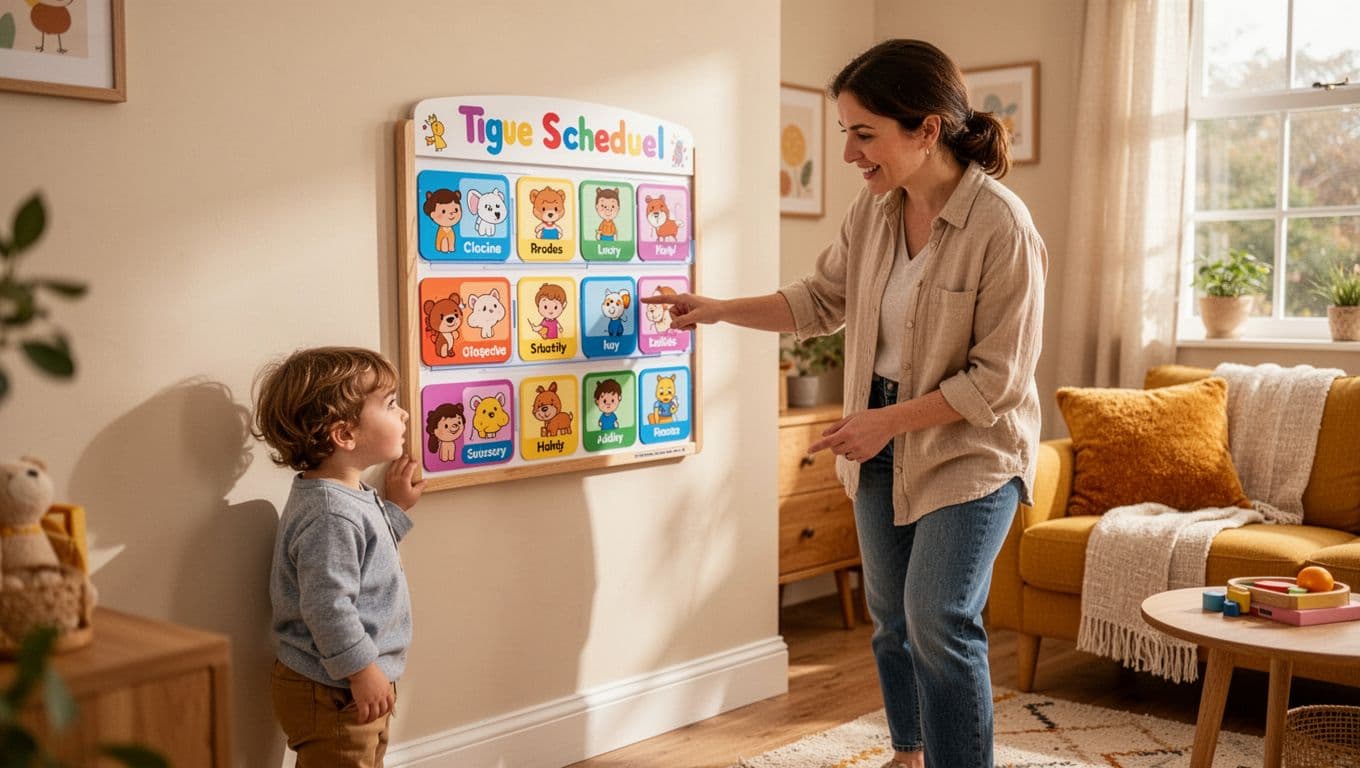
Start simple. Anchor your day around meals, play bursts, naps, and bedtime. Aim for 12 hours of sleep, regular snacks every 2-3 hours, and outdoor time daily. Give warnings like “five minutes till bath” to smooth shifts. Add fun: sing a cleanup song or set a timer with a silly bell. Post simple rules, such as “kind words only” or “hands stay gentle.”
For bedtime, try bath, book, bed in the same order. Kids wind down fast because they know the steps. At park time, count down “three more slides, then snack.” They cooperate more. Check our guide on toddler bedtime routines for full steps that stick.
Offer Choices to Give Them Control
Small choices cut power struggles and build independence. Your toddler feels respected when you let them pick. They test limits less because they own part of the plan.
Try these swaps. Offer “red shirt or blue shirt today?” at dress-up. No more flop on the floor. At snack, say “apple slices or banana?” They grab one happy. During play switch, ask “blocks or cars next?” Energy flows right.
This works because choices honor their growing sense of self. They hear “I matter” in your words. Tantrums drop as they practice decisions. Over time, they handle bigger shifts alone. You stay connected, not combative.
Handle Big Emotions with Empathy and Time-Ins
Toddlers feel everything big. A denied cookie sparks screams that shake the walls. You can help them ride those waves with empathy. Name the feeling first: “You seem mad right now.” This simple step calms their brain. As Dr. Daniel Siegel explains, putting words on emotions shifts activity from the reactive amygdala to the thoughtful prefrontal cortex. Kids learn to express instead of explode.
Skip time-outs, which leave them alone and confused. Try a time-in instead. Sit close on the floor. Breathe deep together: in for four, out for four. Hold space until they settle. Zero to Three notes this builds coping skills in a loving bond. They feel seen, not shamed. Over time, tantrums shorten because they trust you’ll guide them through.
Criticize the action, not the child. “Throwing hurts friends. Let’s use words like ‘help.'” This keeps their self-worth intact. For transitions, use a fun-demand sandwich. Start with play: “Race me to the car!” Slip in the ask: “Time to go home now.” End fun: “High five for quick feet!” They move without a fight.

These tools grow emotional smarts. Kids name frustration early, so outbursts fade. They read faces better and solve problems alone. Bonds deepen too; they run to you for help, not hide in shame.
Use Natural Consequences for Real Learning
Let actions teach when safe. Toddler throws a toy in anger? Pick it up calmly and set it aside for a few minutes. Say, “Toys stay safe, or they rest.” They see the result: no play until gentle use returns. This builds responsibility without yelling or shame.
Why it works? Kids connect cause to effect naturally. No adult lecture needed. They think, “Rough play ends fun,” and choose better next time. Praise the fix: “Great job using soft hands!”
Safety first. Never use for basics like eating or seatbelts; guide those firmly. Skip if harm risks, like stairs. For small stuff, like spilled milk from wild pouring, hand a rag: “We clean our messes.” They wipe, learn, and move on proud.
Build a Loving Bond That Makes Everything Work Better
Your toddler melts down because you won’t let them splash in the toilet. Instead of yelling, you drop down, hug tight, and listen. That bond turns chaos into cooperation. Connection is the glue for all these techniques. It makes “yes” instructions stick, routines feel safe, and empathy land deep.
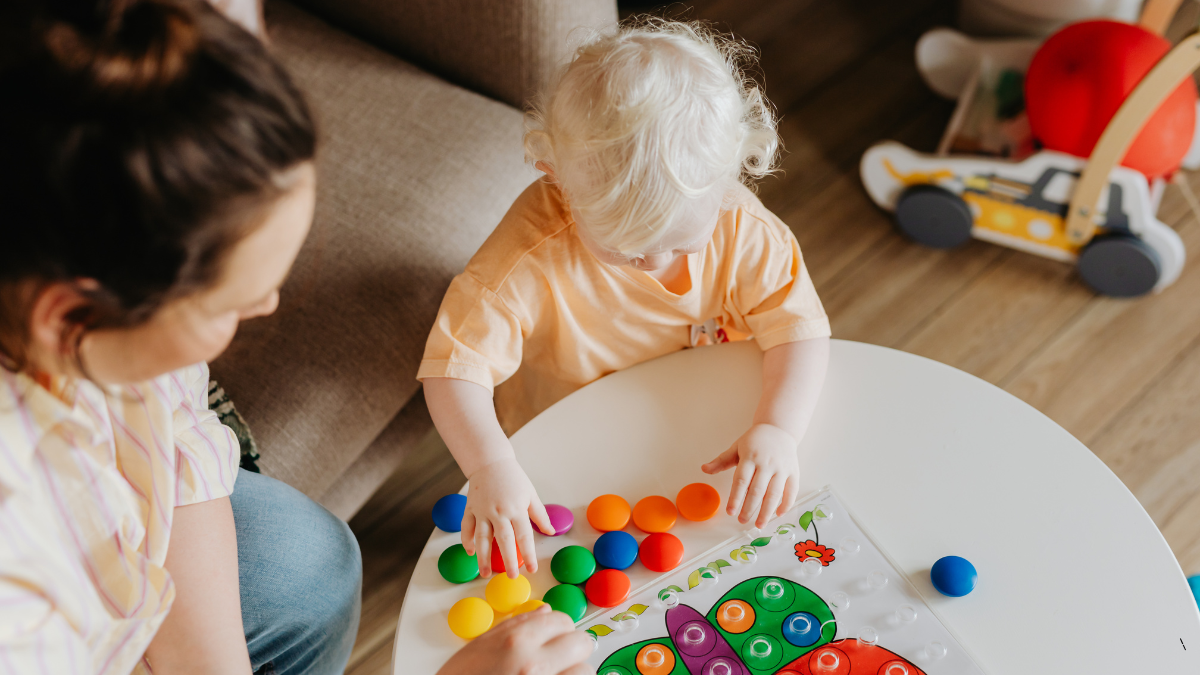
Daily one-on-one time builds it fast. Set aside 10-15 minutes for special play. No phones, no chores. Follow their lead: push cars if they do, or stack blocks together. Read a book with funny voices. End with big hugs. This boosts listening because they feel valued first. They cooperate more when they know you see them.
Connection ties everything. Praise lands better on a full love tank. Redirection works because trust exists. Time-ins soothe faster. Long-term, families grow closer. Kids share feelings openly, siblings fight less, and everyone sleeps better. Everyone wins.
Get all caregivers on board. Share rules and routines via group chat. Grandma reads the same book? Dad does special play? Toddlers thrive with sameness. They feel secure, learn quicker, and test limits less. Check Raising Children Network’s tips on toddler connections for more proof.
Try these special time ideas to start:
- Floor time with toys they pick, like age-appropriate activities.
- Cuddle reads before nap.
- Silly dances to one song.
Consistency pays off. Brains wire stronger, behaviors improve, and bonds last.
Listen Actively to Strengthen Trust
Toddler screams over a broken cracker? Kneel eye-to-eye. Say, “You wanted that cracker whole. You’re mad it broke.” Validate first. This calms their storm because you get it. They trust you more, so they listen next time.
Active listening builds cooperation. Nod, repeat back: “You’re sad the tower fell down.” No fixes yet. Just hear them. Feelings named lose power. Tantrums shrink from 20 minutes to five.
Quick tips make it easy:
- Pause toys or screens. Face them fully.
- Use simple words: “You’re frustrated. I hear you.”
- Touch gently, like a hand on shoulder.
- Wait for calm, then problem-solve together.
Do this daily. They open up faster. You guide without fights. See how quality time strengthens bonds. Trust grows, tantrums fade.
Conclusion
Positive parenting techniques like yes instructions, steady routines, empathetic time-ins, and daily one-on-one time cut tantrums fast.
They guide your toddler toward good choices because kids thrive on clear paths and warm bonds.
You reinforce what works, so behaviors stick.
Picture that kitchen meltdown from the start.
Now your little one grabs an apple slices, smiles, and says “thank you.”
They grow confident and kind, handling big feelings with words instead of screams.
That’s the future these steps create.
These skills come with practice, so pick one technique today.
Try it during your next playtime or snack, then track progress in a simple notebook.
Share what worked in the comments; other parents love real stories.
Your family gets calmer days ahead. Keep going.
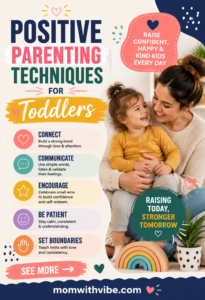
Save pin for later

- 12 Things Pregnant Women Do When They’re Alone - June 7, 2026
- 25 Healthy Pregnancy Snacks You Should Try - June 7, 2026
- 100 Funny Baby Jokes That Will Make You Laugh - May 15, 2026