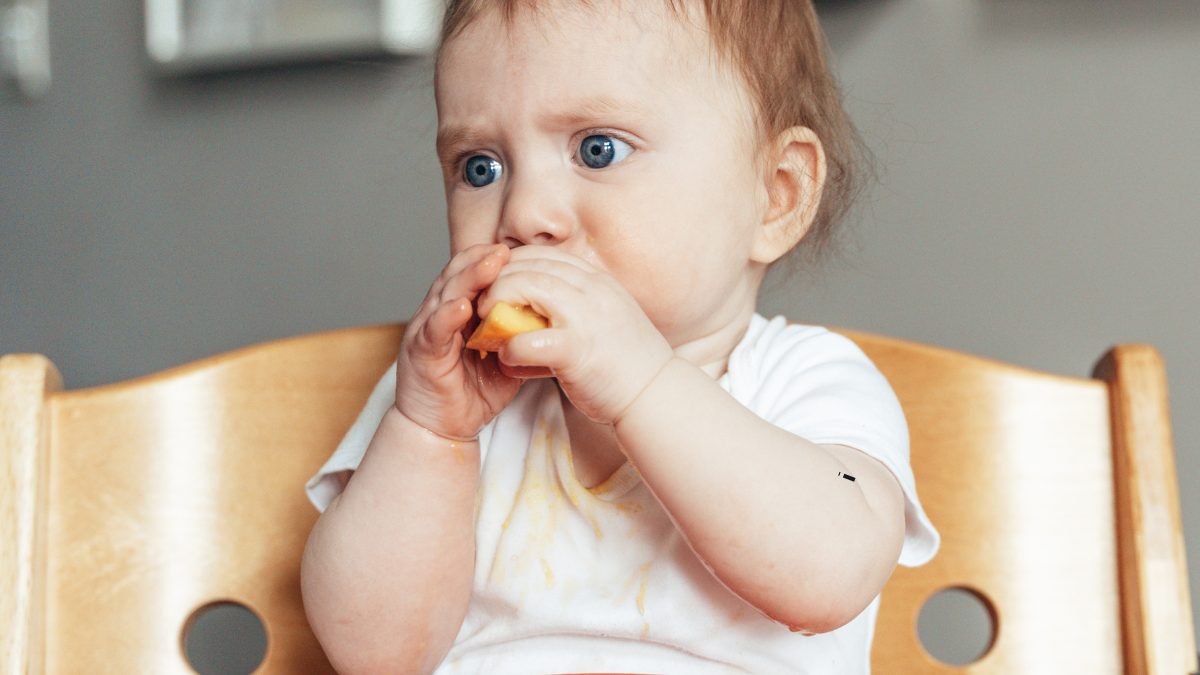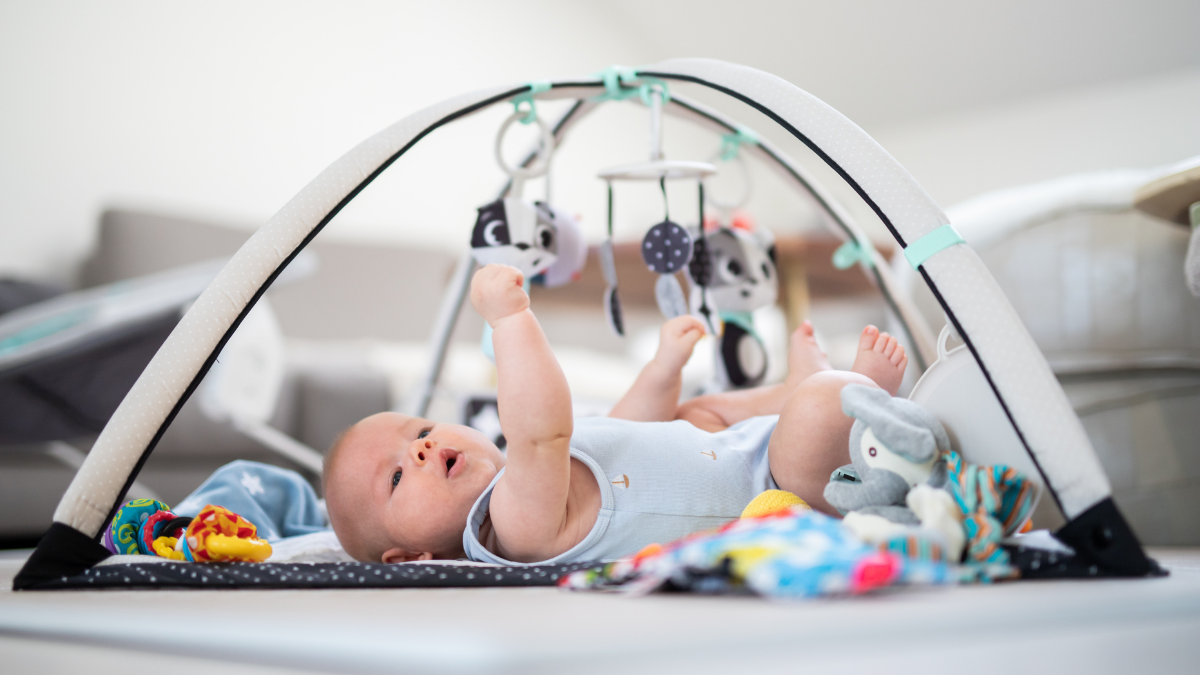


One day your toddler melts a crayon onto the radiator, and ten minutes later she wraps you in a bear hug so fierce you forget the radiator exists. Welcome to toddlerhood, where chaos and magic show up in the same afternoon, sometimes in the same hour.
You’ve probably heard the horror stories: the tantrums in the grocery store, the endless “why,” the stubborn streaks. But here’s what those stories leave out. These years are also packed with first words, belly laughs, and a love so unfiltered it can turn a rough day around in seconds. Toddlerhood can genuinely make your life as a parent awesome, if you know what to expect.
In this post, we’ll cover why the toddler years are so special, what every parent should know before (and during) this stage, and how to squeeze the most joy out of it. Let’s get into it.
Toddlerhood Can Make a Parent Life Awesome: What You Should Know
The toddler stage, roughly ages 1 to 3, gets a bad reputation. People warn you about tantrums and picky eating, but they rarely mention how much fun this stretch actually is. In my experience, these years deliver more daily joy than any other phase of parenting so far. Your child changes at a stunning pace, and you get a front-row seat to every bit of it. Learning to talk, learning to run, learning to joke: it all happens right in front of you, usually before breakfast.
Why the Toddler Years Feel Like Everyday Magic
First words land like tiny miracles. One day your toddler says “mama” on purpose, and your heart officially never recovers. Then come the jokes. My daughter invented a game where she hides a spoon under her leg and giggles until you gasp in fake surprise. She thinks she’s a comedy genius, and honestly, she is.
The real gift is how much delight toddlers pack into small things. A puddle becomes an ocean. Bubbles are theater. A cardboard box is a rocket ship, a hat, and a drum set all at once. Researchers who study early language development note how rapidly toddlers connect words to feelings and objects, which makes every little conversation feel like a breakthrough. Watching a person discover the world for the first time, fresh eyes and all, rewires how you see it too.
The Real Reason Toddlers Are Wildly Honest and Funny
Toddlers haven’t learned filters yet, so they say exactly what they think. This produces comedy gold. Mine once greeted a bald neighbor with “Hi, egg!” Another time she announced to a quiet restaurant, “I pooped big!” The whole room lost it.
That same honesty shows up in their affection. A toddler who loves you loves you completely, with no politeness or reservation. They’ll tell you your singing is bad, then demand that exact song again an hour later. They hand out compliments like confetti: “Mommy, you look beautiful, like a princess cookie.” If you want ideas for keeping this sweet stage fun day to day, our list of easy toddler activities at home is a good next stop.
How Your Toddler’s Brain Is Growing Behind the Scenes
Between ages 1 and 3, your child’s brain builds connections faster than it ever will again. Scientists estimate the brain forms more than a million new neural links every second in these early years. That number sounds abstract until you see it in action. One week your toddler stacks two blocks; a month later she narrates an entire pretend tea party. The raw material for language, motor skills, memory, and emotional control is being laid down right now, mostly while she plays, sleeps, and yes, melts down in the cereal aisle.
Here’s why this matters for you as a parent. The parts of the brain that handle logic and self-control, mainly the prefrontal cortex, are among the last to mature. They won’t be fully developed for another two decades. Meanwhile, the emotional centers fire at full volume from day one. So when your toddler loses it over a broken banana, you’re watching an undeveloped regulation system hit its limit, not a child testing your patience on purpose. Once you understand that, daily life gets easier. You stop taking the meltdowns personally and start seeing them as practice reps for a brain still under construction.
What Tantrums Really Mean (Hint: Not Bad Behavior)
A tantrum is what happens when big emotions arrive before the machinery to manage them does. Your toddler isn’t manipulating you; she’s genuinely overwhelmed, the same way you might feel when three deadlines land at once, except she has no coping tools yet.
The reframe changes everything. Instead of thinking “how do I stop this,” ask “what does she need help with?” Often the answer is simple: a nap, a snack, or a calmer voice from you. Staying steady during a meltdown teaches her brain what regulation looks like, which is exactly how those circuits develop. Tantrums are biology, not defiance.
Milestones Worth Watching From First Steps to First Sentences
Development moves in broad ranges, and every child follows a slightly different path. That said, most toddlers hit certain markers around the same ages:
- 12 to 18 months: first steps, pulling up to stand, a few single words like “mama” or “ball,” and stacking a couple of blocks.
- 18 to 24 months: two-word phrases (“more milk”), pointing at named objects, running, and that famous stubborn streak.
- 2 to 3 years: three- to five-word sentences, jumping, pedaling a tricycle, playing alongside other kids, and following simple instructions.
Trust your gut here. You know your child better than any chart. Talk to your pediatrician if your toddler isn’t walking by 18 months, says fewer than a handful of words by age 2, or loses skills she previously had. Early support works best when it starts early, and most concerns turn out to be small. Checking in costs nothing and brings peace of mind either way.
Simple Ways to Enjoy Toddlerhood Instead of Just Surviving It
Surviving toddlerhood is the default setting. Enjoying it takes a little intention, but not much effort. The ideas below cost almost nothing and fit into the day you already have.
Play Ideas That Turn Ordinary Afternoons Into Memories
You don’t need a Pinterest craft station. The best toddler activities are cheap, quick, and messy on purpose. A few favorites:
- Sensory bins: fill a plastic tub with dry rice or oats, add cups and spoons, and let her dig. Twenty minutes of quiet play for five minutes of setup.
- Kitchen dance parties: put on one loud song and dance badly. Toddlers think this is peak entertainment.
- Sidewalk chalk: trace her body, draw roads for toy cars, or just scribble together.
- “Nature walks”: walk to the end of the block and let her set the pace. Collect leaves, point at dogs, stomp in puddles.
Connection beats perfection every time. A half hour of undistracted play in the morning changes the whole day’s mood, for both of you.
Routines That Make Days Smoother for Both of You
Toddlers relax when they can predict what happens next. Predictable rhythms for meals, naps, and bedtime cut meltdowns dramatically, because so many tantrums are really just hunger or overtiredness in disguise.
A simple flow looks like this: wake and breakfast, one activity or outing, lunch, nap, snack and play, dinner, bath, books, bed. You don’t need minute-by-minute timing. “First lunch, then nap” is enough structure for a two-year-old to feel steady. When she knows bedtime always follows bath, she fights it less. So do you.
How Talking and Reading Now Sets Them Up for Life
Narrate your day out loud: “I’m cutting the apple. See, three slices.” It feels silly, but it floods her with the words her brain is busy wiring. Reading aloud daily does even more, and the American Academy of Pediatrics recommends starting from infancy because of how strongly it supports language growth.
Go beyond the words on the page. Name feelings (“the bunny looks sad”), ask simple questions (“where did he go?”), and let her turn the pages even if you skip half the story. Ten minutes a night, every night, compounds into a vocabulary advantage that lasts years.
The Hard Parts of Toddlerhood Nobody Warns You About
For all the magic, some days are just hard, and nobody hands you a heads-up about the specific ones. The glossy version of toddlerhood skips the dinner table standoffs and the 9 p.m. bedtime negotiations. Here’s the honest side, plus what actually helps when those moments hit.
The Daily Struggles That Catch Parents Off Guard
Picky eating tops the list for most families. A toddler who devoured bananas yesterday will suddenly declare them “yucky” and survive on crackers alone. This is normal; growth slows after the first year, so appetites dip. Keep offering foods without pressure, and don’t tally every bite. Toddlers balance their intake over a whole week, not a single meal.
Bedtime battles come next. Just when you think the routine works, she learns to stall, demand water, and request “one more book” with puppy eyes. Hold the routine steady and stay boring at bedtime. Calm consistency beats clever tricks.
Sibling jealousy shows up hard if a new baby arrives. A toddler who was your baby yesterday is suddenly the big kid, and she feels it. Ten minutes of one-on-one time daily does more than any toy.
Then there’s your exhaustion, which deserves its own mention. You’re running on broken sleep, answering “why” forty times before lunch, and cleaning floors you mopped an hour ago. Being tired doesn’t make you a bad parent. It makes you a normal one. Trade off breaks with a partner, lower your standards for the housework, and remember this phase is temporary even when the days feel long.
Gentle Discipline Tips That Actually Work
Discipline at this age is really just teaching, and simple strategies beat punishment every time. A few that hold up in real life:
- Offer two choices. “Red shirt or blue shirt?” gives her the control she craves while you pick the options. Toddlers cooperate more when they feel some power.
- Name the feeling. Saying “you’re angry because the tower fell” calms her faster than “stop crying.” Labeling emotions is how she learns to manage them eventually.
- Redirect instead of arguing. A toddler fixated on grabbing the remote responds better to “let’s build a tower” than to a repeated “no.” Distraction isn’t cheating; it’s strategy.
- Stay consistent. If crayons belong on paper today, they belong on paper tomorrow. Mixed messages teach persistence in exactly the wrong way.
The goal isn’t a perfectly behaved child. It’s a child who trusts you enough to bring you her worst moments. That trust is built in small, ordinary replies, one meltdown at a time.
Why These Years Go By Faster Than You Think
Ask any parent of a teenager what they miss, and the answer is almost always this exact stage. The days feel endless when you’re living them, but the years themselves slip by fast. One morning you’re spooning yogurt into a tiny mouth, and somehow the next minute she’s buckling her own seatbelt.
So savor it on purpose. Take the photos, even the messy ones with cereal-streaked cheeks. Keep a running note on your phone of her funniest quotes, because “I pooped big!” in a quiet restaurant becomes a family legend later. Write down the little things she says wrong in adorable ways.
And give yourself grace. You will lose your patience some days, and that doesn’t erase the love. A parent who rests is a parent who has more patience to give, so treat your own breaks as part of the job. A nap, a walk alone, or coffee with a friend makes you a better mom or dad, not a selfish one.
The radiator crayon incident fades. The hugs, the giggles, and the tiny voice calling your name are what stay. Be where you are while you’re there.
Conclusion
Toddlerhood is messy, loud, and unpredictable, but it’s also one of the most rewarding stretches of parenting you’ll ever get. With the right mindset, a few simple routines, and realistic expectations, these years can genuinely make your life as a parent awesome instead of just exhausting.
The best part is that none of it requires perfection. A predictable rhythm, ten minutes of reading at night, and a little patience during meltdowns go a long way.
Pick one tip from this post and try it this week, whether that’s a sensory bin, a two-choice question, or an extra story at bedtime. Then come back and share your favorite toddler moment in the comments. Your funniest story might be exactly what another exhausted parent needs to read today.
save pin for later


- 15 Effective Ways to Deal With Stubborn Children (Without Yelling) - September 22, 2026
- Birth Order Influence: 8 Things Parents Should Know About Each Child - September 22, 2026
- 5 Ways to Manage Your Toddler’s Anger Issues Without Losing Your Cool - September 22, 2026