
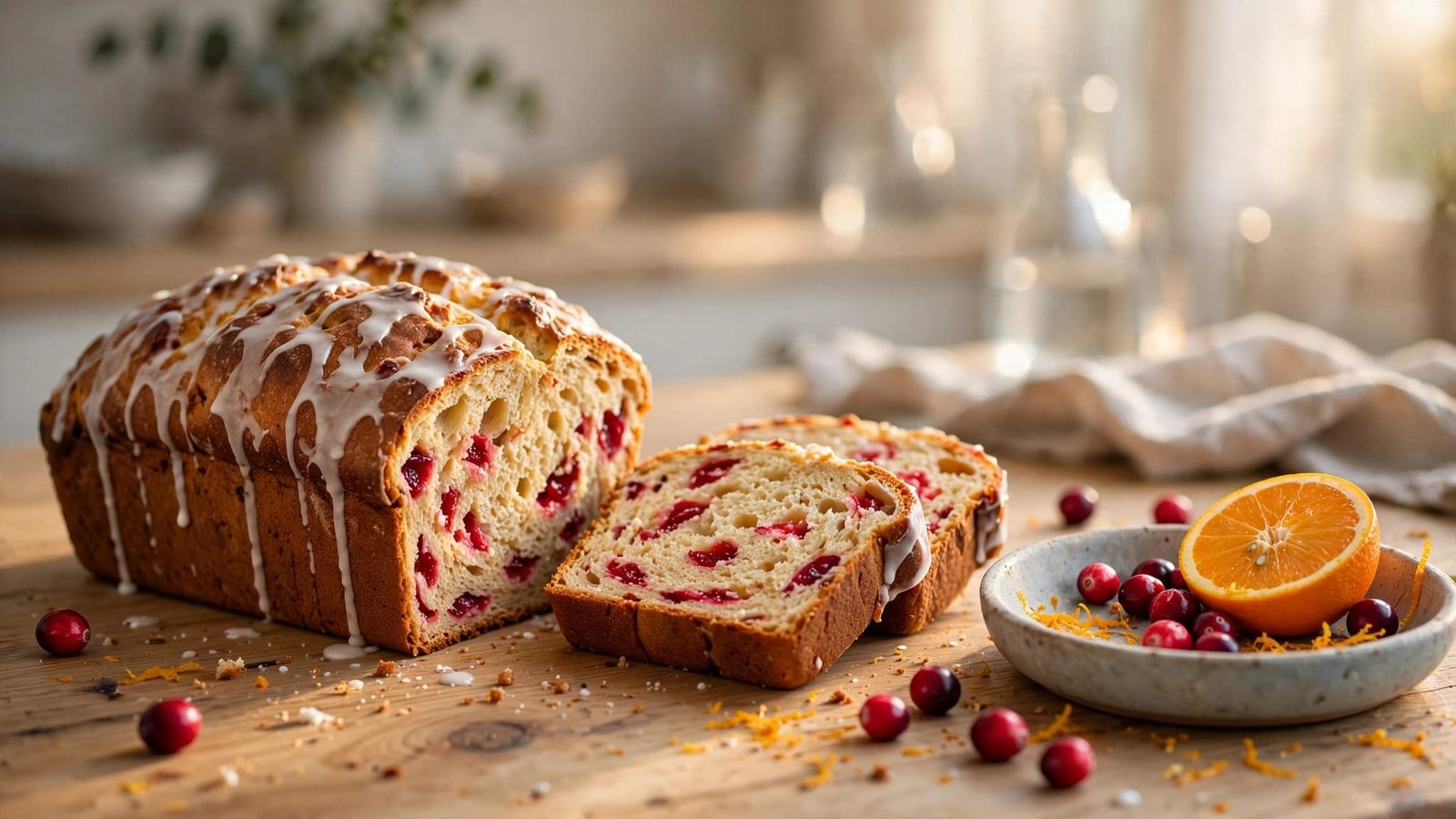
Tart cranberries and bright orange make a loaf worth waking up for. This cranberry orange bread recipe turns out a moist, tender slice with a citrus edge that cuts through the sweetness, and it comes together with basic ingredients most kitchens already have on hand.
That balance of tangy and sweet is why the loaf fits almost any occasion. Serve it warm at breakfast, pack a slice for an afternoon snack, or set it out with coffee when family visits for the holidays. Since the mixing stays simple and the oven does most of the work, it suits busy mornings and last-minute guests alike.
Before you preheat anything, here’s what goes into the batter.
Ingredients for Your Cranberry Orange Bread Recipe
A good loaf starts with the right amounts. This cranberry orange bread recipe uses one standard 9×5-inch pan, so the measurements below are sized for that. You’ll find the full list broken into dry and wet, with notes on what each one does.
Dry Ingredients You’ll Need
Start with these dry ingredients:
- 2 cups all-purpose flour
- 1 cup granulated sugar
- 1 1/2 teaspoons baking powder
- 1/2 teaspoon baking soda
- 1/2 teaspoon salt
Flour gives the bread its structure, and sugar adds sweetness while keeping the crumb tender by holding moisture. Baking powder and baking soda both create lift, but they work differently. Baking powder releases gas when it meets liquid and heat, while baking soda needs an acid (the orange juice and cranberries) to activate. Salt balances the sweetness and sharpens the orange flavor.
You can swap up to half the all-purpose flour with whole wheat flour for a nuttier taste, though expect a denser slice. If you prefer a less sweet bread, cut the sugar to 3/4 cup; the cranberries already bring tartness. Don’t reduce both sugar and fat, or the loaf will dry out.
Wet Ingredients and Mix-ins
Now the wet side:
- 2 large eggs
- 1/2 cup neutral oil (such as canola or vegetable) or melted butter
- 1/2 cup fresh orange juice
- 1 tablespoon orange zest (from about 1 large orange)
- 1 teaspoon vanilla extract
- 1 1/2 cups fresh or frozen cranberries
- Optional: 1/2 cup chopped walnuts or chocolate chips
Eggs bind the batter and add moisture. Oil or melted butter keeps the loaf soft for days; oil gives a more tender crumb, while butter adds flavor. Orange juice provides liquid and a mild citrus tang, and the zest carries most of the orange aroma. Vanilla rounds out the flavor.
Fresh or frozen cranberries both work. If using frozen, don’t thaw them; fold them in frozen and add 5 minutes to the bake time. Chop fresh cranberries roughly, then toss them with a tablespoon of flour from the dry ingredients. That coating helps them stay suspended in the batter instead of sinking to the bottom. Nuts add crunch, chocolate chips make it sweeter, and either can be folded in last.
Related; Classic Chewy Gingerbread Cookie Bars
Step-by-Step Instructions for Baking Cranberry Orange Bread
Once the ingredients are measured, this cranberry orange bread recipe moves fast. The steps below follow the order that keeps the batter tender and the cranberries suspended, from preheating the oven to cooling the loaf.
Preparing the Batter
Batter work starts before the wet ingredients meet the dry. Keep the bowls separate until the last moment, and set the cranberries aside so they go in at the end.
- Heat the oven to 350°F and grease a 9×5-inch loaf pan. Line the bottom with parchment paper if you want extra insurance against sticking, then set the pan near the oven.
- Whisk the flour, sugar, baking powder, baking soda, and salt in a large bowl. Break up any lumps in the baking powder as you go.
- Zest the orange into a small bowl before you cut it for juice. Zest carries the oil that gives the loaf its orange flavor, and juicing first makes that step harder.
- Whisk the eggs, oil or melted butter, orange juice, zest, and vanilla in a second bowl until the mixture looks even. Let frozen cranberries stay frozen for now.
- Pour the wet mixture into the dry ingredients and stir with a spatula just until no dry streaks remain. Overmixing develops gluten and turns a tender slice chewy.
Fold the cranberries in last with a few slow turns. If you haven’t already tossed them with a spoonful of the flour mixture, do that first so they stay in place. Nuts or chocolate chips go in at the same stage.
Stop stirring when the last dry patches disappear. A few lumps are normal, and they bake out.
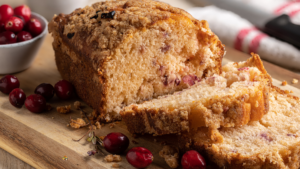
Baking and Cooling
The loaf needs a steady oven and a little patience at the end. Pour, bake, and cool in that order, and resist slicing while the bread is still warm.
- Scrape the batter into the prepared pan and smooth the top with the spatula. Tap the pan once on the counter to release large air pockets.
- Bake for 55 to 65 minutes, until the top is golden brown and firm. Start checking at 55 minutes, since pan color and oven calibration can shift the time.
- Insert a toothpick into the center. It should come out with a few moist crumbs, not wet batter. If the top browns too fast, tent it loosely with foil for the last 15 minutes.
- Cool the loaf in the pan for 10 minutes. Then turn it out onto a wire rack and let it cool completely before slicing. A fully cooled loaf cuts cleaner and keeps its moisture.
Wrap the cooled bread tightly and store it at room temperature for up to three days. For longer storage, slice first and freeze the pieces so you can thaw one at a time.
Related; Gingerbread Christmas Tree Ideas
Tips for the Best Cranberry Orange Bread
Small choices decide whether this loaf turns out tender or tough. The batter comes together fast, so most problems start before the pan reaches the oven. These fixes keep the crumb soft, the berries suspended, and the center baked through.
Common Mistakes to Avoid
Overmixing tops the list. Stir the batter just until the dry streaks vanish, because extra strokes build gluten and leave you with a chewy slice instead of a tender one. A few lumps are fine. Fold the cranberries in last with three or four slow turns, then stop.
Cold ingredients also affect texture. Pull the eggs out 30 minutes ahead, and use oil or melted butter that isn’t hot. Room-temperature eggs blend into the batter more evenly, so the loaf rises with fewer dense spots. If you forgot to plan ahead, rest the eggs in a bowl of warm tap water for 10 minutes.
The berries sink when the batter is thin or the fruit is wet. Toss chopped fresh cranberries with a spoonful of the flour mixture before folding them in. That light coating gives the batter something to grip. Pat frozen berries dry if frost has built up on the surface, but keep them frozen otherwise.
Overbaking dries the loaf faster than any other mistake. Start checking at 55 minutes, and remember that pan color matters: dark pans brown faster, so lower the oven temperature by 25°F or tent the top with foil. A dry crumb often comes from two extra minutes, not a bad recipe.
The batter should look thick and slightly uneven, not smooth like cake batter. Stop stirring while you can still see a few flour streaks.
If the loaf sticks, line the pan with parchment instead of adding more grease. For a softer crust, wrap the bread while it’s still barely warm; for a crisper edge, leave it uncovered on the rack.
How to Test for Doneness
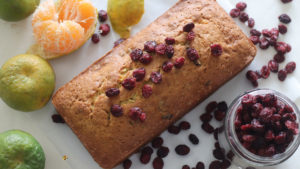
The toothpick test works best when you aim for moist crumbs. Insert a wooden toothpick or thin skewer into the center, then pull it out. You want a few small crumbs clinging to the wood, not wet batter or a clean, dry pick. A completely clean toothpick usually means the loaf has already baked past its best point.
Start checking at 55 minutes for a 9×5-inch pan. Oven calibration varies, so trust the toothpick over the timer. If the center still looks wet, return the pan for 3 to 5 minutes and test again in a fresh spot.
For a second check, use an instant-read thermometer. The center should read around 200°F. That temperature signals the starches have set and the loaf is done without going dry.
Remove the bread when it’s slightly underdone. Carryover heat keeps cooking the loaf while it cools in the pan, so the center finishes in those first 10 minutes. Letting it sit longer than 10 minutes traps steam and softens the crust.
A loaf that pulls away from the pan sides and springs back when pressed lightly is close. Test the center anyway, because the edges always set first. Slice only after the bread cools completely, since cutting warm bread releases steam and makes the crumb gummy.
Related; Easy Cutout Gingerbread Cookies with Crisp Edges
Variations and Storage Tips for Cranberry Orange Bread
Once you’ve mastered the base loaf, the fun part begins. This cranberry orange bread recipe is a solid starting point, and it takes well to small changes that suit your taste or what’s in the pantry. Try a few of these variations, then use the storage tips to keep every slice fresh.
Fun Variations to Try
The batter is forgiving, so you can swap ingredients without wrecking the texture. Start with one change at a time, then adjust to taste. Here are some ideas to play with.
- Add nuts for crunch. Fold in 1/2 cup of chopped walnuts or pecans with the cranberries. Toasting them first for 5 minutes in a dry skillet deepens their flavor.
- Try chocolate chips. Mini chocolate chips work best because they distribute evenly and don’t overpower the citrus. Use 1/2 cup.
- Swap the citrus. Lemon or grapefruit juice and zest can replace orange for a different twist. Use the same amounts, and expect a sharper flavor.
- Use dried cranberries. If fresh are out of season, dried cranberries work. Reduce the sugar to 3/4 cup since dried fruit is sweeter, and plump them in warm water for 10 minutes before folding in.
- Warm up the spices. A teaspoon of cinnamon or a pinch of nutmeg adds warmth. Start small so the orange still shines.
- Drizzle a glaze. Mix 1/2 cup powdered sugar with 1 to 2 tablespoons orange juice until smooth. Pour over the cooled loaf and let it set for 20 minutes.
Don’t be afraid to combine ideas, like pecans and cinnamon or chocolate chips with a lemon glaze. The loaf is flexible, so trust your taste.
Related; Peanut Butter Oreo Pie Recipe (No-Bake, 4-Hour Chill)
Storing and Freezing Your Bread
This bread keeps well if you store it right. The key is to lock in moisture without trapping steam.
At room temperature, wrap the cooled loaf tightly in plastic wrap or foil. It stays fresh for 3 to 4 days. An airtight container works well too, but line it with a paper towel to absorb extra moisture. For a slightly longer window, put it in the fridge, where it keeps for up to a week. Just bring it to room temperature before serving for the best texture.
To freeze, wrap the whole loaf or individual slices tightly in plastic wrap, then place in a freezer bag. It keeps for up to 3 months. Slicing before freezing is a smart move because you can thaw just what you need. Label the bag with the date so you know when it’s time to use it. Thaw at room temperature for a couple of hours, or microwave individual slices for 15 to 20 seconds.
For a warm slice, toast it in a toaster oven or regular oven at 350°F for 5 minutes. A quick zap in the microwave works too, but the bread will be softer. If you freeze the whole loaf, thaw it overnight in the fridge, then warm it in a 300°F oven for 10 minutes.
Conclusion
This cranberry orange bread recipe proves that a simple loaf can still deliver on flavor. The moist crumb and bright citrus tang balance the tart berries, and the whole thing comes together with basic ingredients and a single bowl of stirring.
What makes it worth returning to is the versatility. Fresh or frozen cranberries, oil or butter, nuts or chocolate chips, a lemon swap or a powdered sugar glaze: the loaf bends to whatever you have on hand. Keep the batter thick, fold gently, and check for doneness at 55 minutes. Those three habits keep the slice tender every time.
Bake a loaf this weekend and see how it fits your table, then try one variation the next time around. If you give it a shot, leave a comment with your results or share a photo of your loaf. Hearing how it turned out for you is the best part.
Save the pin for later


- Christmas Red Velvet Peppermint Trifle You Can Make Ahead - November 25, 2026
- Cranberry Orange Bread Recipe for a Moist, Tart Loaf - November 25, 2026
- Peanut Butter Oreo Pie Recipe (No-Bake, 4-Hour Chill) - November 25, 2026