
Your liver works around the clock, filtering everything you and your kids eat, drink, and breathe. It’s one of the hardest-working organs in the body, yet most of us never give it a second thought until something goes wrong.
The good news? You don’t need pricey powders or exotic superfoods to keep it healthy. Some of the best liver-loving foods are already sitting in your grocery cart every week, and most kids will happily eat them.
Below, you’ll find 10 simple, family-friendly foods that support liver health, plus easy ways to sneak them onto your kids’ plates.
Why Your Liver Deserves More Attention (At Every Age)
Think of your liver as the body’s busiest processing plant. It works quietly in the background, and most of us only notice it when something goes wrong. But this fist-sized organ handles hundreds of jobs every single day, and it does them for every member of your family, from your toddler to your teenager.
What Your Liver Actually Does All Day
Your liver is the ultimate multitasker. It filters your blood, breaking down toxins from food, alcohol, medications, and even the air you breathe. It also stores energy as glycogen, releasing it when your body needs a boost between meals.
Digestion gets help here too. The liver produces bile, which breaks down fats so your body can absorb them. On top of that, it makes proteins for blood clotting and stores vitamins like A, D, and B12 for later use.
In short, your liver filters, stores, and fuels your body all at once. When it struggles, everything else feels it.
Fatty Liver Disease Isn’t Just an Adult Problem Anymore
Here’s the part that surprises most parents: nonalcoholic fatty liver disease (NAFLD) is now the most common liver condition in children and teens in the US. Research suggests roughly one in ten US children may have it, and rates climb higher among kids with obesity.
The condition happens when fat builds up inside liver cells, often because of diets heavy in sugary drinks and processed foods. Many kids show no symptoms at all, which is exactly why early eating habits matter so much.
The upside is real, though. A balanced diet and regular movement can often reverse early stages of fatty liver in children. According to the National Institute of Diabetes and Digestive and Kidney Diseases, pediatric fatty liver disease often improves with simple lifestyle changes.
That’s why the grocery list below isn’t just for you. It’s for everyone sitting at your dinner table.
10 Foods For Liver Health For You And Your Kids
Your liver does its best work when you feed it simple, whole foods. The ten picks below are affordable, easy to find, and kid-approved in the right form. Each one earns its spot with real science behind it, and each comes with a practical way to serve it that won’t start a dinner-table standoff.
1. Fatty Fish: Omega-3s That Fight Liver Fat
Salmon, sardines, and mackerel are rich in omega-3 fatty acids, which help lower the fat stored in liver cells and calm inflammation. Studies on nonalcoholic fatty liver disease show omega-3s can reduce liver fat levels, especially when they replace less healthy fats in the diet.
Kids often reject plain fish, but salmon patties are a different story. Mix canned salmon with an egg and breadcrumbs, pan-fry until golden, and call them “salmon cakes.” Tuna sandwiches on whole-grain bread work too. Aim for fatty fish twice a week.
2. Leafy Greens: Nature’s Liver Cleansers
Spinach, kale, and arugula are packed with chlorophyll and antioxidants that help neutralize toxins before they burden the liver. Their nitrates also support healthy blood flow, which matters for an organ that filters over a liter of blood every minute.
Serving greens to picky eaters is a stealth operation. Blend a handful of spinach into a berry smoothie (the fruit hides the flavor completely), or stir chopped kale into pasta sauce. Most kids never notice.
3. Berries: Small Fruits With Big Antioxidant Power
Blueberries, cranberries, and strawberries contain polyphenols, plant compounds that protect liver cells from oxidative damage. Research on blueberries even suggests they may slow the development of liver scarring in early fatty liver.
Frozen berries make this one effortless. Let kids sprinkle them over plain yogurt as a “sundae” topping. It feels like dessert but delivers fiber and antioxidants instead of added sugar.
4. Oatmeal: The Breakfast That Lightens the Load
Oats are full of beta-glucan, a soluble fiber that keeps blood sugar steady and supports weight control. Since excess body weight is the biggest risk factor for fatty liver, a filling breakfast is a quiet form of protection.
Skip the flavored packets, which carry hidden sugar. Instead, try overnight oats: mix rolled oats with milk, mashed banana, and cinnamon, then refrigerate. Kids can build their own jars with toppings, which makes them far more likely to eat it.
5. Nuts: A Crunchy Snack That Supports Healthy Liver Fat Levels
Walnuts and almonds deliver vitamin E and healthy unsaturated fats. Vitamin E, in particular, has been studied as a treatment for nonalcoholic steatohepatitis, the more advanced form of fatty liver, and nut eaters tend to show lower liver fat in large population studies.
Portion size matters since nuts are calorie-dense. A small handful a day is plenty. Make a simple trail mix with nuts, raisins, and a few dark chocolate chips, or spread almond butter on apple slices.
6. Olive Oil: A Healthy Fat That Eases Liver Stress
The Mediterranean diet, rich in olive oil, is linked to lower liver fat and better liver enzyme levels. Its main fat, oleic acid, plus antioxidant compounds like oleocanthal, help reduce the fat accumulation and inflammation that drive fatty liver disease.
Use extra virgin olive oil as your everyday cooking oil. Drizzle it over roasted vegetables, or let older kids whisk up a simple salad dressing with oil, lemon juice, and a pinch of salt.
7. Garlic: Tiny Bulb, Big Detox Support
Garlic contains allicin and selenium, two compounds that help activate the liver’s own detox enzymes. Some research also suggests garlic powder can reduce body weight and liver fat in people with fatty liver disease.
Raw garlic is too sharp for most kids, so roast whole bulbs instead. Roasting turns the cloves soft, mild, and almost sweet. Mash them onto toast or stir into mashed potatoes.
8. Cruciferous Veggies: Broccoli and Cauliflower Help Liver Enzymes Do Their Job
Broccoli, cauliflower, and Brussels sprouts contain glucosinolates, sulfur compounds that boost the natural detox enzymes your liver relies on to break down toxins. Studies in animals show broccoli can actively help prevent fat from building up in the liver.
Roasting transforms these veggies. Toss florets with olive oil, roast at high heat until the edges crisp, and serve with a mild cheese sauce for dipping. Stir-fries with a touch of garlic work well for adventurous eaters.
9. Avocado: Creamy Fruit, Real Liver Protection
Avocados are loaded with healthy monounsaturated fats, and they provide compounds that support glutathione, the liver’s master antioxidant. Animal research suggests avocado may even help limit liver damage from toxins.
Kids love the creamy texture once they give it a chance. Cut avocado toast into fun shapes with cookie cutters, or mash it into a cheese quesadilla where it melts right in.
10. Green Tea: A Gentle Sip for Grown-Ups (and Older Kids)
Green tea is rich in catechins, antioxidants linked to lower liver fat and better liver enzyme levels in several human studies. Swapping sweetened drinks for green tea removes a major driver of fatty liver: liquid sugar.
One caution: green tea contains caffeine, so keep it away from toddlers and young children. Teens and adults can enjoy a cup or two daily, and a weak, lightly brewed glass with a splash of milk works for older kids who want to copy mom and dad.
None of these foods requires a special trip or a big budget. Pick two or three to add this week, build them into meals your family already eats, and your liver gets a little stronger with every plate.
What to Cut Back On: Foods and Drinks That Stress the Liver
Adding liver-friendly foods helps, but what you ease up on matters just as much. The goal here is balance, not banning. Nobody needs a perfect kitchen, and small swaps add up over time.
Sugary drinks and juice top the list. Soda, sports drinks, and even 100% fruit juice deliver a big dose of fructose with no fiber to slow it down. The liver processes that fructose and converts much of it into fat. Water or milk beats juice for everyday drinking, especially for kids under five.
Fried foods come next. French fries, nuggets, and chips are loaded with unhealthy fats that promote fat storage in the liver. An occasional treat is fine, but try baking instead of frying at home. Roasted potato wedges crisp up nicely at 425°F with a little olive oil.
Refined carbs like white bread, pastries, and sweetened cereal spike blood sugar quickly, and the liver ends up handling the overflow. Swapping in whole grains keeps things steadier.
Processed snacks such as packaged cookies, candy, and flavored crackers combine added sugar, refined flour, and unhealthy fats in one package. Treat them as sometimes foods rather than daily staples.
One helpful way to think about it: your liver can handle just about anything occasionally. It struggles when these foods become the everyday default. Aim for an 80/20 approach, where most meals come from whole foods and the rest leaves room for birthday cake and pizza night without guilt.
Simple Ways to Get Kids Excited About Liver-Friendly Eating
Knowing which foods help the liver is one thing. Getting a picky six-year-old to actually eat them is another. The trick is to stop selling the food and start selling the experience. Kids care about fun, choice, and copying the people they love, so lean into those three things instead of nutrition lectures.
Let Them Help in the Kitchen
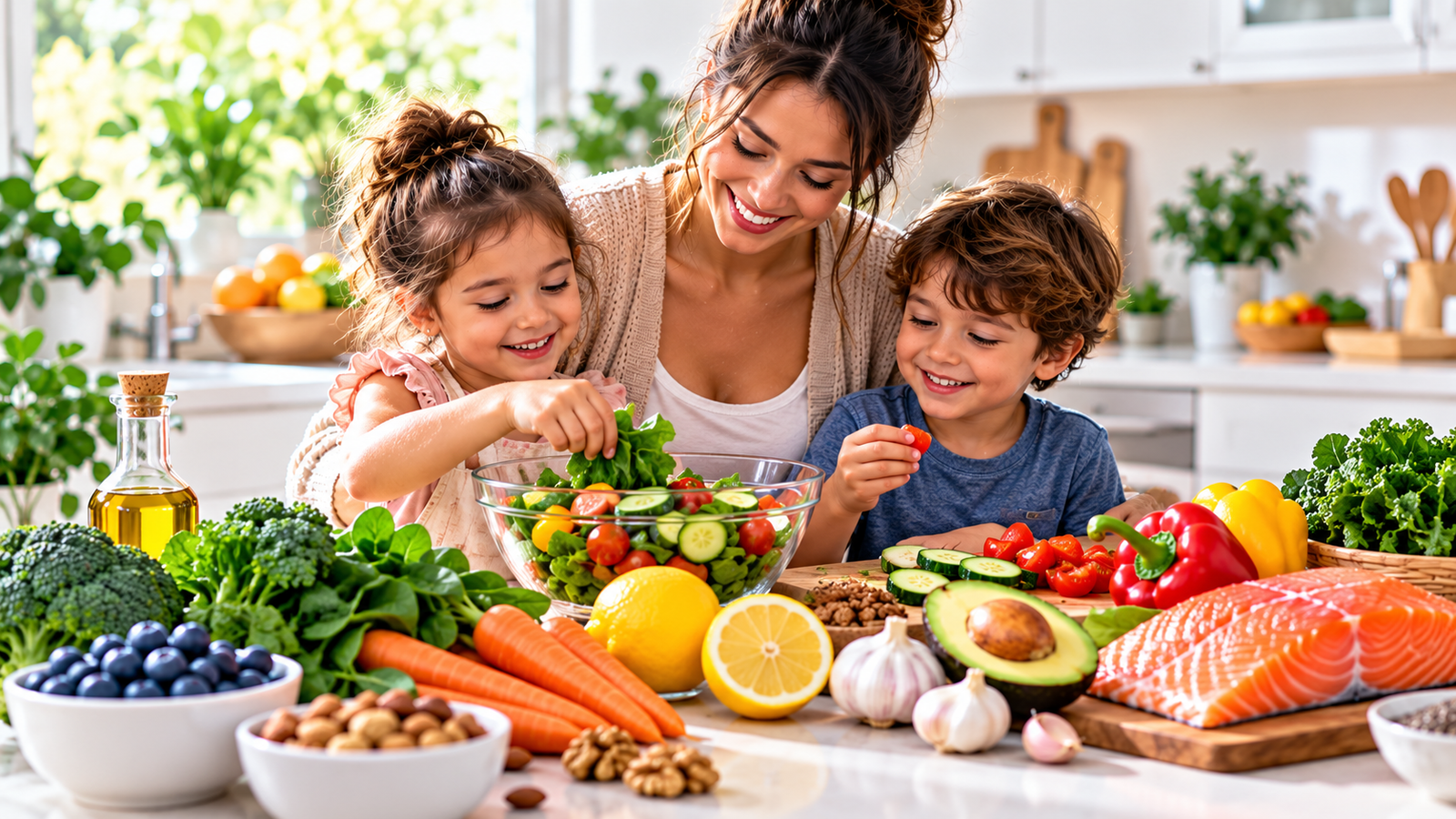
Children who help prepare a meal are far more likely to eat it. Give them real jobs based on age: toddlers can tear lettuce and rinse berries, while older kids can measure oats, crack eggs for salmon patties, or build their own overnight oat jars. Ownership builds pride, and pride builds appetite.
Even naming the dish helps. “Power salmon cakes” sounds better than “fish patties” to a five-year-old.
Make One Fun Swap at a Time
You don’t need to overhaul every meal this weekend. Change one thing, let the family adjust, then move to the next. A few easy starters:
- Trade juice at breakfast for water with frozen berries floating in it.
- Swap chips after school for trail mix the kids mixed themselves.
- Turn Friday pizza night into “make your own” night with veggie toppings on whole-grain crust.
Small wins stack up, and nobody feels ambushed by a sudden pantry makeover.
Drop the “Healthy” vs. “Bad” Talk
Labeling foods as good or bad backfires, especially with kids prone to worry or rebellion. Instead, use the everyday foods and sometimes foods framing. Oatmeal, berries, and roasted veggies are everyday foods because they help our bodies run well. Cookies and fries are sometimes foods, which means they’re still allowed, just not the default.
This language removes guilt, keeps treats special, and teaches moderation without a single lecture.
Lead by Example, Every Meal
Kids watch what lands on your plate more than what comes out of your mouth. If they see you enjoying salmon, sipping green tea, and reaching for walnuts, those foods become normal instead of weird. You don’t have to be perfect; you just have to be consistent most of the time.
Busy families don’t need a nutrition overhaul. Pick one tip this week, repeat it until it feels automatic, then add another. That’s how eating habits that protect the liver actually take root.
When to Talk to Your Doctor About Liver Health
Food and lifestyle do most of the heavy lifting, but sometimes you need a professional in your corner. The tricky part is that liver problems often stay silent. Many adults and kids with early fatty liver feel completely fine, which is why it pays to know the warning signs.
Signs Worth Mentioning to Your Pediatrician or GP
Call your doctor if you or your child notices any of these:
- Ongoing fatigue that rest doesn’t fix
- Weight gain around the belly, especially if it came on quickly
- Pain or fullness in the upper right side of the abdomen
- Nausea or loss of appetite that lingers
- Yellowing of the skin or eyes, which needs attention right away
Family history matters too. If a parent or sibling has liver disease, type 2 diabetes, or obesity, mention it at the next checkup so your doctor can keep an eye on things.
Why Routine Checkups Catch Problems Early
A simple blood test can flag elevated liver enzymes long before symptoms appear. That’s a small step with a big payoff, since early fatty liver often reverses with diet and exercise alone.
Here’s the reassuring part: most kids and adults who make these changes do well. Swapping sugary drinks for water, adding the foods from this list, and moving more each day is often all it takes.
This article is for information only, not medical advice. If something feels off, trust your gut and ask your pediatrician. They’d rather answer a question than miss a problem.
Conclusion
Supporting your liver doesn’t require fancy supplements or expensive superfoods. A handful of everyday foods, like salmon, oats, berries, and olive oil, can do real work for the whole family, kids included.
Start small. Pick one or two foods from this list and add them to meals you already serve this week. Small, consistent choices protect your liver now and set your kids up with habits that last a lifetime.
Save pin for later

- Summer Sensory Bin Ideas - September 25, 2026
- 15 Keto Breakfast Ideas For Family - September 25, 2026
- Anti-Inflammation Meals For Family - September 24, 2026