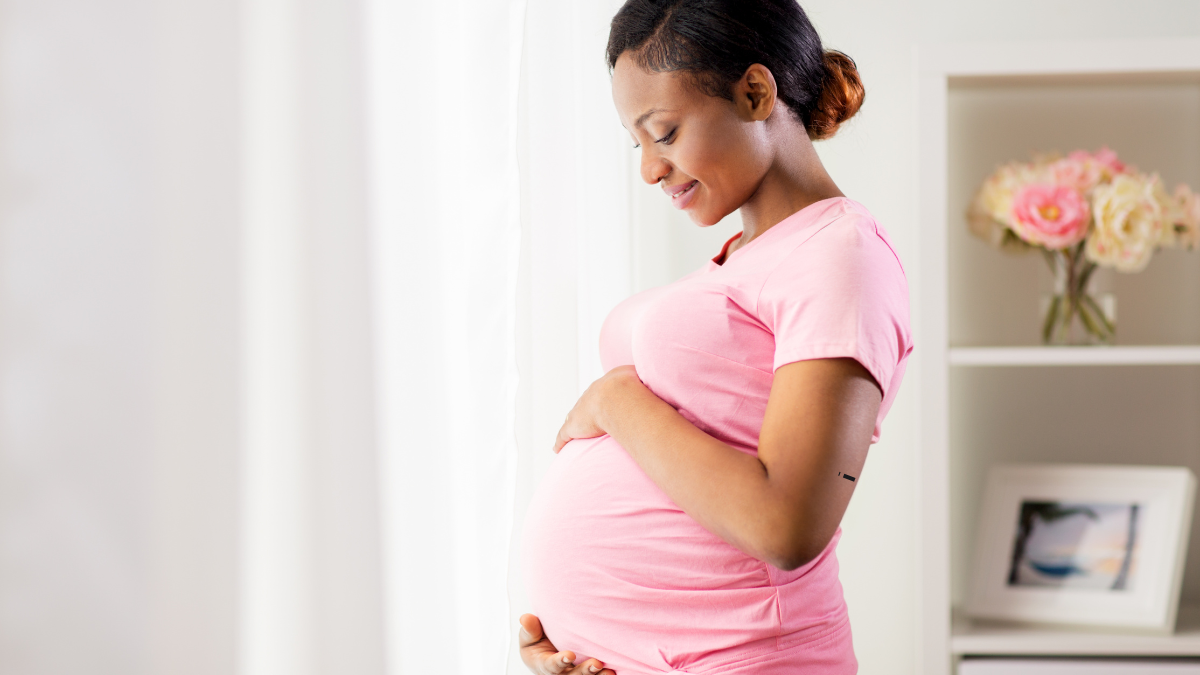
You might notice your bump sitting a bit lower one day, or perhaps you finally catch your breath after months of feeling winded. This shift is commonly known as baby dropping, or lightening, and it is a normal, healthy transition as your body prepares for birth. It happens when your baby moves down into your pelvis.
While this change is not a medical problem, it often brings noticeable shifts in your daily comfort. You may find it easier to breathe now that your lungs have more room, but you might also feel increased pressure in your pelvic area and find yourself heading to the bathroom more often.
Every pregnancy is unique, so you might notice all of these signs or barely feel a difference at all. The following sections will help you identify the common indicators, understand when this typically occurs, and explain exactly when you should reach out to your doctor or midwife for peace of mind. For a visual look at these changes, you can check out this helpful guide on lightening.
When does baby dropping usually happen?
Pinpointing an exact week for your baby to drop is impossible because every body follows its own rhythm. While many people look for a specific calendar date, your body is responding to the unique position of your baby and your own physical makeup. Most first-time parents notice this shift anywhere from 36 to 40 weeks, but it remains a highly individual experience.

If you haven’t felt this “lightening” sensation yet, there is no need to worry. Some babies wait until the very last moment to descend into the pelvis, while others settle lower much earlier. Factors like your abdominal muscle tone, your baby’s current position, and the shape of your pelvis all influence when this transition occurs. You can find more details on how these shifts vary in this helpful overview of lightening signs.
Why first pregnancies often drop earlier
In a first pregnancy, the body often needs extra time to get everything prepared for labor. Your pelvic muscles and surrounding ligaments are adjusting to the process for the first time. Because these tissues haven’t been stretched this way before, the descent of the baby into your pelvis is often a more gradual and noticeable change.
This shift typically happens a few weeks before the big day, giving your diaphragm and lungs some much-needed breathing room. You might feel a distinct change in your center of gravity as the baby moves lower. It is common for this to occur between 36 and 40 weeks as your system begins the final countdown toward labor.
Why later pregnancies can feel different
If you have been through childbirth before, your body is already familiar with the process. The muscles and ligaments in your pelvis are more relaxed, which often allows the baby to wait until the very last minute to settle down. You might not feel the dramatic drop that characterizes your first experience.
In many cases, the baby remains higher in your abdomen until active labor begins. Some people don’t experience the typical signs of lightening until their first real contractions start. Since your body has “done this before,” the change can feel much more subtle or happen so quickly that you barely register the difference. If you are curious about how others have experienced this timing, you can read about various experiences from parents on community forums.
Signs your baby has dropped into the pelvis
Recognizing the transition of your baby into the birth canal often brings a mix of relief and new physical sensations. As your little one shifts downward, your body adjusts to the new position. You might experience several changes that signal this movement. While everyone experiences this transition differently, these common indicators often appear as your due date approaches. For a detailed breakdown of these milestones, you can review expert insights on lightening.

The pressure and shape changes you may notice
The most obvious shift is often a visual one. You might notice your bump sitting noticeably lower than it did just a few days ago. This happens because the baby has settled deeper into your pelvic cavity. It feels like the weight of the pregnancy has suddenly shifted from your ribs down toward your hips.
Some people describe this sensation as feeling like the baby is now “carrying low.” You may feel a persistent, heavy pressure in your pelvic area, almost like the baby is resting directly against your bones. This change often makes it feel as if you are lugging a bit more weight around when you stand or move. Your center of gravity shifts, so don’t be surprised if you feel a little less stable on your feet.
The everyday changes that show up around the house
Daily life often changes in small, tangible ways once the baby moves downward. While some tasks become slightly more difficult, others finally become manageable again. You will likely recognize these subtle shifts in your routine:
- Easier breathing: As the baby moves away from your diaphragm, the intense pressure on your lungs begins to fade. You might find you can finally take a full, deep breath without feeling winded.
- Reduced heartburn: With the baby lower in the pelvis, there is less pressure pushing against your stomach. That burning sensation that often followed meals may decrease significantly.
- Frequent bathroom trips: The new position places extra weight directly on your bladder. You will likely find yourself needing to use the restroom much more often throughout the day and night.
- Changes in movement: Because the baby has less room to maneuver, their kicks may change. You might feel more jabs and stretches instead of the large, sweeping movements you are used to.
- A wider walk: The pressure on your hips and pelvis can change your natural gait. Many people find themselves walking with a wider stance or a noticeable waddle just to stay comfortable as they navigate the house.
Not every person experiences these signs simultaneously. Some notice a distinct, sudden shift, while others observe these changes gradually over several days. If you find yourself needing to adjust your pace or take extra breaks, listen to your body. You are in the final stretch of your journey, and these physical cues are simply your body preparing for the next step.
How to tell baby dropping from labor signs
Understanding the difference between your baby dropping and the actual start of labor is a common source of confusion for many parents. While dropping marks a clear shift in your physical comfort, it acts more as a precursor than an immediate signal that birth is underway. Your body is simply making room and positioning your baby for the journey ahead.
Dropping often happens days or even weeks before labor begins. It remains a gradual transition rather than a sudden event. On the other hand, true labor typically brings a more intense set of symptoms. If you feel uncertain, focus on whether your physical changes follow a regular pattern or remain sporadic.

What feels normal after baby drops
It is normal to feel a sudden increase in pelvic pressure once your baby settles lower. You might describe this sensation as feeling “heavy” or having a constant need to sit down. This pressure often forces more frequent trips to the bathroom because your bladder now carries extra weight. Despite these aches, you can usually continue your normal daily tasks without major disruption.
These symptoms often feel uncomfortable, yet they are rarely urgent. You might notice a bit of waddling or extra stiffness in your hips. However, if you can still eat, sleep, and move around, you are likely just adjusting to the new position. Your body is doing exactly what it should be doing at this stage. If you find yourself struggling with these adjustments, you can look into tips for managing pregnancy discomfort to help you stay comfortable during these final weeks.
Warning signs that need medical help
While baby dropping is a normal part of your journey, certain symptoms require a prompt call to your doctor or labor unit. Do not hesitate to seek advice if you notice any of these red flags, as they could signal that your body is moving toward active labor.
Pay close attention to the following indicators:
- Leaking fluid: A steady trickle or a sudden gush of amniotic fluid often means your water has broken.
- Regular contractions: If you feel rhythmic tightening that increases in strength, duration, and frequency, it is time to time them.
- Heavy bleeding: Any bright red blood, or bleeding that is heavier than simple spotting, requires immediate medical review.
- Reduced fetal movement: If you notice a clear decrease in how much your baby is kicking or moving, reach out to your provider right away.
- Severe or persistent pain: Sharp, constant pain in your back or abdomen that does not let up deserves a professional assessment.
If you experience these signs, contact your healthcare provider or visit the labor and delivery unit for evaluation. They will help you determine whether your body is truly ready to start the process of birth. When in doubt, it is always better to get checked and gain peace of mind.
What you can do to stay comfortable after baby drops
When your baby settles into the pelvis, your body begins a new phase of preparation. While the physical changes feel intense, small adjustments to your daily rhythm often provide significant relief. Focus on listening to your body, as it will tell you exactly what it needs to manage this extra weight.
Small daily habits that may ease the pressure
Simple shifts in how you move and rest often transform how you feel throughout the day. Your goal is to minimize strain while keeping your muscles loose. Consider these gentle ways to navigate the final weeks:
- Support your posture: When sitting, use extra pillows behind your lower back to maintain a neutral spine. This reduces the tugging sensation on your hips and lower abdomen.
- Limit standing time: If you find yourself standing for long periods, prop one foot up on a low stool to relieve pelvic pressure. Shift your weight often or find a comfortable seat to rest your back.
- Prioritize regular breaks: Break up tasks into smaller chunks. Moving between positions frequently helps prevent stiffness and keeps your circulation flowing well.
- Incorporate gentle movement: Slow, rhythmic stretches help wake up tight muscles without exhausting you. Try light neck rolls, seated forward bends, or simple shoulder circles. A few minutes of movement can help you feel refreshed.
- Stay hydrated: Keep water within reach at all times. Sipping throughout the day helps you feel less heavy and keeps your energy steady.
A calm, predictable routine helps your body handle the transition into these final weeks. When you slow your pace and prioritize rest, you reduce the physical impact of the pressure. Think of these habits as small acts of kindness toward yourself as you prepare for the next step.
When discomfort is more than just normal pressure
It is easy to categorize every new ache as just another part of pregnancy. However, you must trust your instincts if something feels different than the usual pressure of a dropping baby. Your body knows when a sensation is outside of your normal experience.
If you encounter pain that feels sharp, constant, or significantly more intense than typical pelvic fullness, reach out to your midwife or doctor. Sudden changes, such as fluid leaks or spotting, also warrant a prompt check. Never feel like you are bothering your medical team by asking for peace of mind.
Professional guidance exists to support you during these final, sensitive days. If you find yourself feeling unsure or worried about a specific feeling, call your provider. Checking in early often prevents unnecessary stress and ensures you stay informed about your health. Always prioritize your comfort and safety as you wait for your little one to arrive.
Final Thoughts
Baby dropping is a natural milestone that shows your body is preparing for the final phase of pregnancy. You will likely notice your bump shifting lower, a relief in your breathing, and an increase in pelvic pressure as your baby settles into position. While this transition often occurs in the last few weeks, it does not mean labor is starting immediately.
Every pregnancy follows its own timeline, so don’t worry if your experience feels different from others. Stay mindful of your body, keep track of your symptoms, and reach out to your healthcare team if you feel uncertain or notice signs that require attention. You are doing well, and these changes are a positive sign that your little one is getting ready to arrive.
Save pin for later


- What Causes a Flat Head Shape in Babies? - September 20, 2026
- Baby Massage for Gas Pain: Step-by-Step Instructions - September 20, 2026
- Newborn Skin Peeling: Common Causes and Warning Signs - September 20, 2026