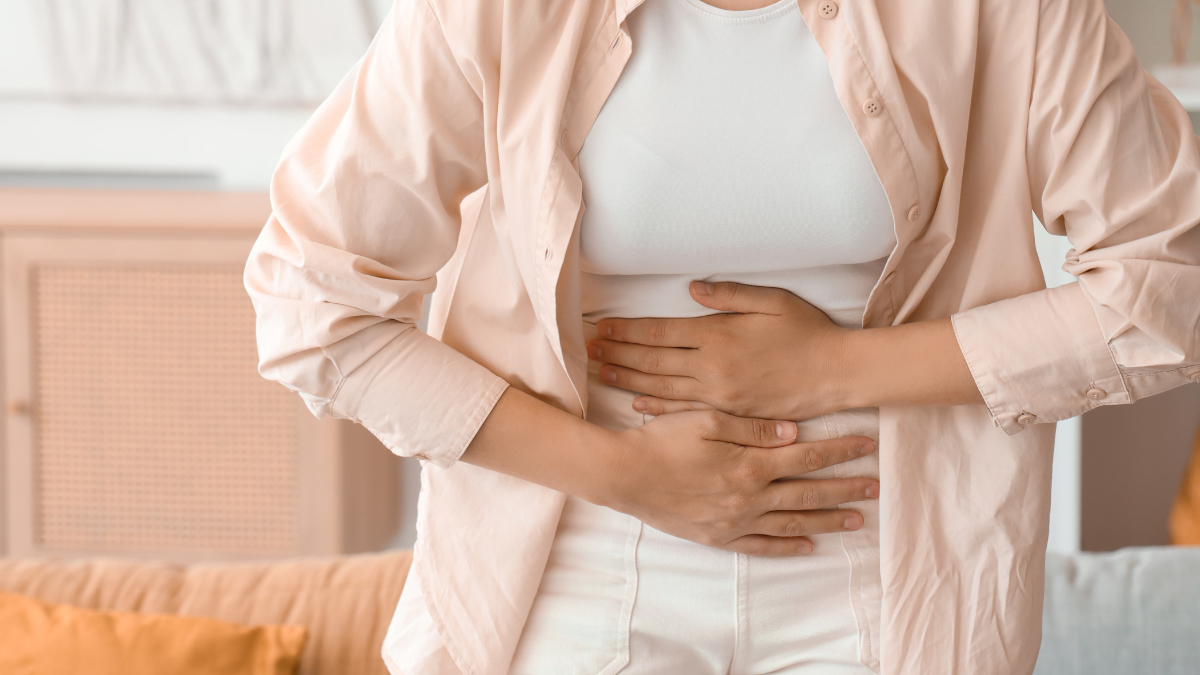
If you’re trying to conceive or watching for early pregnancy signs, it’s easy to mix up Ovulation Pain vs Implantation Pain. Both can cause light cramping, but they don’t happen at the same point in your cycle, and they often feel different in timing, location, and intensity.
Ovulation pain usually shows up around the middle of your cycle, often on one side of the lower abdomen when the ovary releases an egg. Implantation pain tends to happen later, about 6 to 12 days after ovulation, and it’s more likely to feel mild, low, and centered in the pelvis. Because the symptoms can overlap, it’s easy to second-guess every twinge, especially when you’re hoping for answers.
The key is to look at the full pattern, not pain alone. Cramping by itself can’t confirm pregnancy, and severe pain, heavy bleeding, fever, or worsening one-sided pain should always be checked by a doctor. This guide will help you compare the signs clearly, so you can make sense of what your body is telling you without panic or guesswork.
https://www.youtube.com/watch?v=jLYlm7nIGeU
Ovulation pain vs implantation pain, the quickest way to tell them apart
When you’re comparing Ovulation Pain vs Implantation Pain, the fastest way to sort it out is to look at the pattern. Pain alone can be vague, but timing, location, and the way it feels usually point you in the right direction.
If you track your cycle, even loosely, this gets much easier. A cramp in the middle of your cycle tells a very different story than a mild ache a week before your period is due.
Timing is often the biggest clue
Timing usually gives you the clearest answer. Ovulation pain tends to happen around the middle of the menstrual cycle, often about 12 to 14 days before your next period starts. If you have a 28-day cycle, that often means around day 14, though real cycles can vary.
Implantation pain comes later. It usually happens about 6 to 12 days after ovulation, which is often about a week before a missed period. So if you felt pain mid-cycle, ovulation is more likely. If the cramping showed up well after ovulation, implantation becomes more possible.
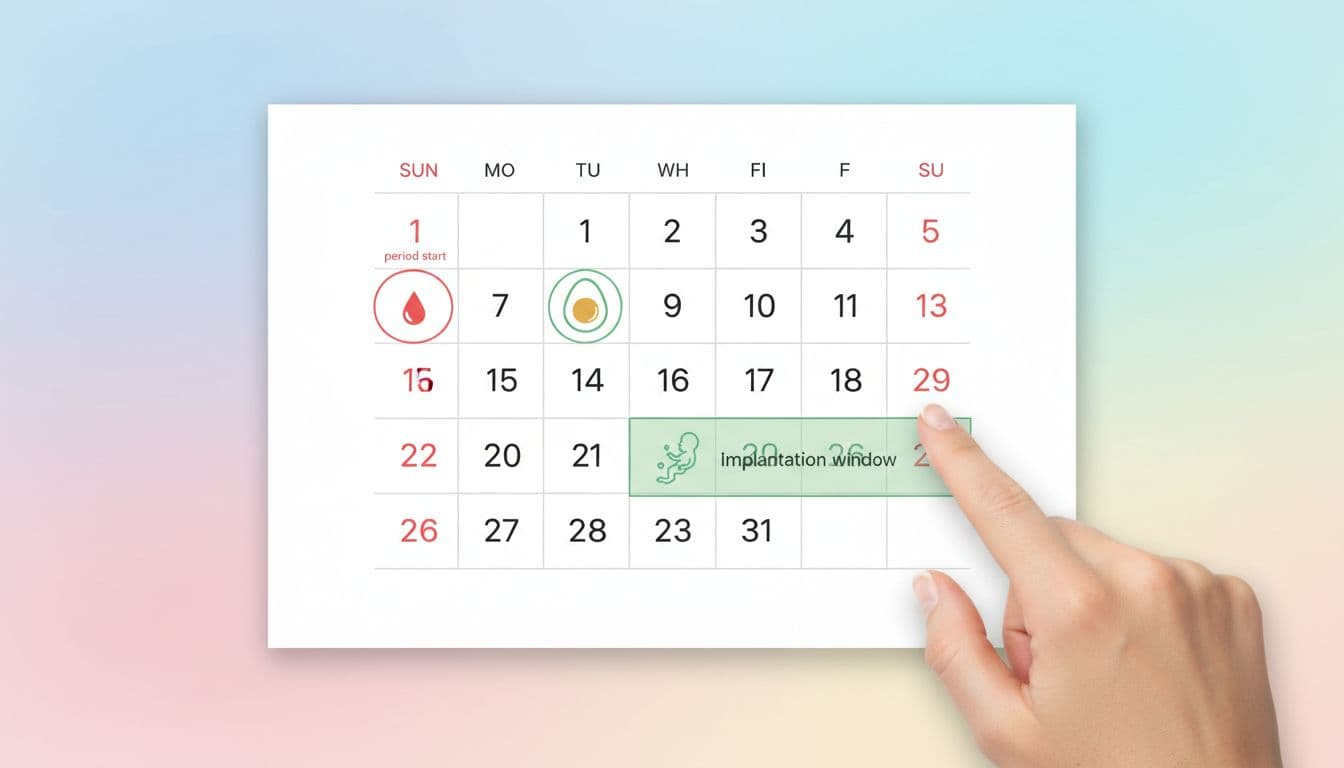
A simple timeline can help:
- Ovulation pain often shows up mid-cycle
- Implantation pain usually shows up nearly a week later
- That gap matters more than most people think
For added context, Mira’s overview of ovulation cramps vs implantation cramps also points to timing as one of the main clues.
If the pain happens only a few days after your period ended, it’s very unlikely to be implantation.
Where the pain shows up can feel different
Location can also help you tell them apart. Ovulation pain is often felt on one side of the lower abdomen. That side can change from cycle to cycle, depending on which ovary releases the egg.
Implantation pain is usually less one-sided. People often describe it as mild cramping in the center of the lower abdomen or pelvis, and sometimes they feel it in the lower back too. Instead of one sharp spot, it may feel more spread out and low in the body.
This side-by-side view makes the difference easier to scan:
| Clue | Ovulation pain | Implantation pain |
|---|---|---|
| Common spot | One side of the lower abdomen | Center of lower abdomen or pelvis |
| Why it happens there | Egg releases from one ovary | Uterus area |
| Can it reach the back? | Less common | Sometimes, yes |
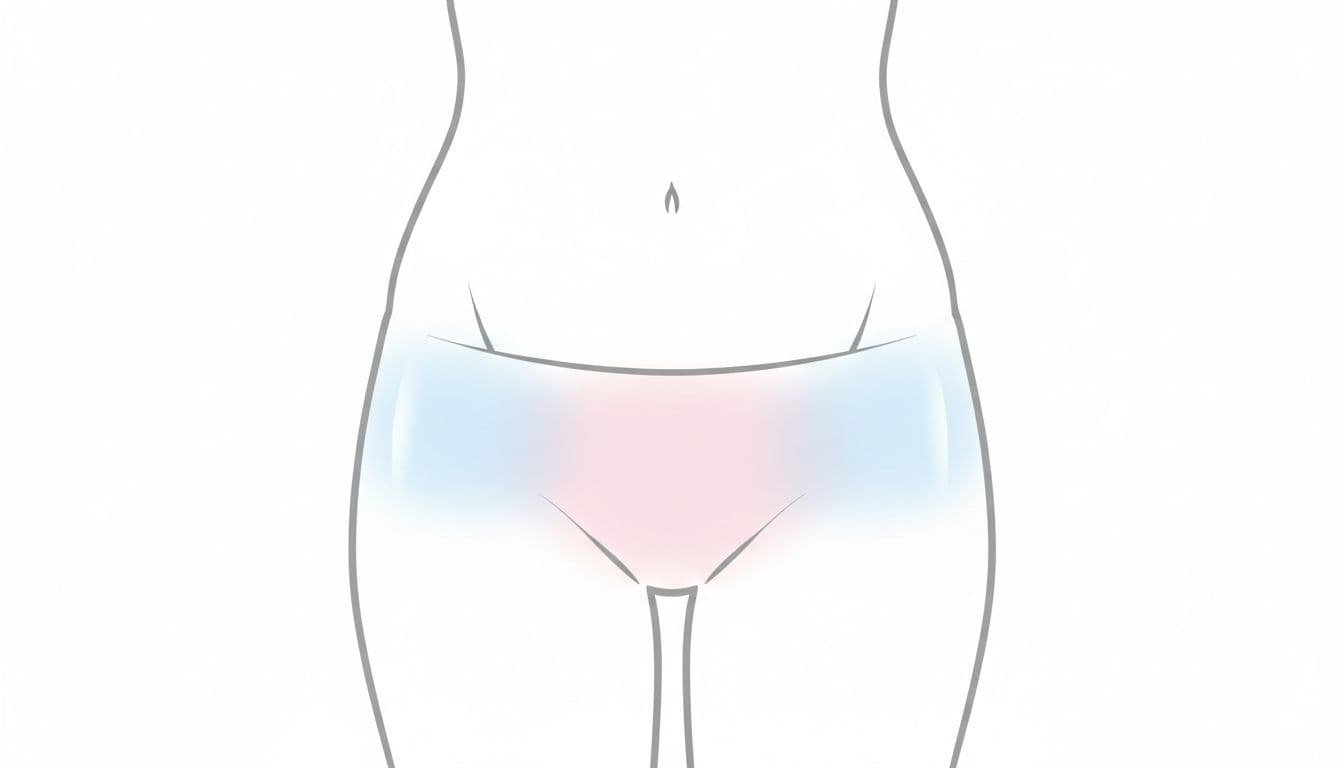
So, if the pain is clearly on the left or right side, ovulation is often the better fit. If it feels low, centered, and light, implantation may be more likely.
The feeling and strength are not usually the same
The sensation itself often feels different. Ovulation pain may feel sharp, sudden, or like a quick twinge. Some people notice a brief stab, while others feel an ache that comes and goes for a few hours.
Implantation pain is usually more subtle. It’s often described as light, dull, pulling, prickly, or fluttery. Some people barely notice it unless they’re paying close attention. That softer feeling is one reason implantation cramping gets confused with normal pre-period changes.
A quick gut check can help:
- If it felt sudden and one-sided, ovulation is more likely.
- If it felt faint, low, and centered, implantation is more likely.
- If it became strong, severe, or persistent, don’t assume it’s either one.
For a broader look at how mild early cramping can differ from other cycle pain, this guide on early pregnancy cramps can help. Still, the biggest takeaway is simple: both can be mild, but implantation pain is usually easier to miss.
What ovulation pain feels like and why it happens
When you’re sorting out Ovulation Pain vs Implantation Pain, it helps to know what ovulation pain actually feels like in real life. For many people, it’s a brief twinge, pinch, stab, or dull ache on one side of the lower abdomen. Others barely notice it. The medical name for this is mittelschmerz, which simply means mid-cycle pain.
Pain during ovulation is usually tied to a normal body process, not a problem. Timing still matters most, but the cause, the side of the pain, and the extra signs around it can make the picture much clearer.
Why some people get ovulation cramps in the middle of the cycle
Ovulation pain usually starts with the ovary itself. As the egg matures, it grows inside a follicle, and that stretching can create a mild ache or pressure. Then, when the follicle opens to release the egg, a small amount of fluid, and sometimes a tiny bit of blood, can irritate nearby tissue in the pelvis. That irritation is one reason the pain can feel sharp or sudden.
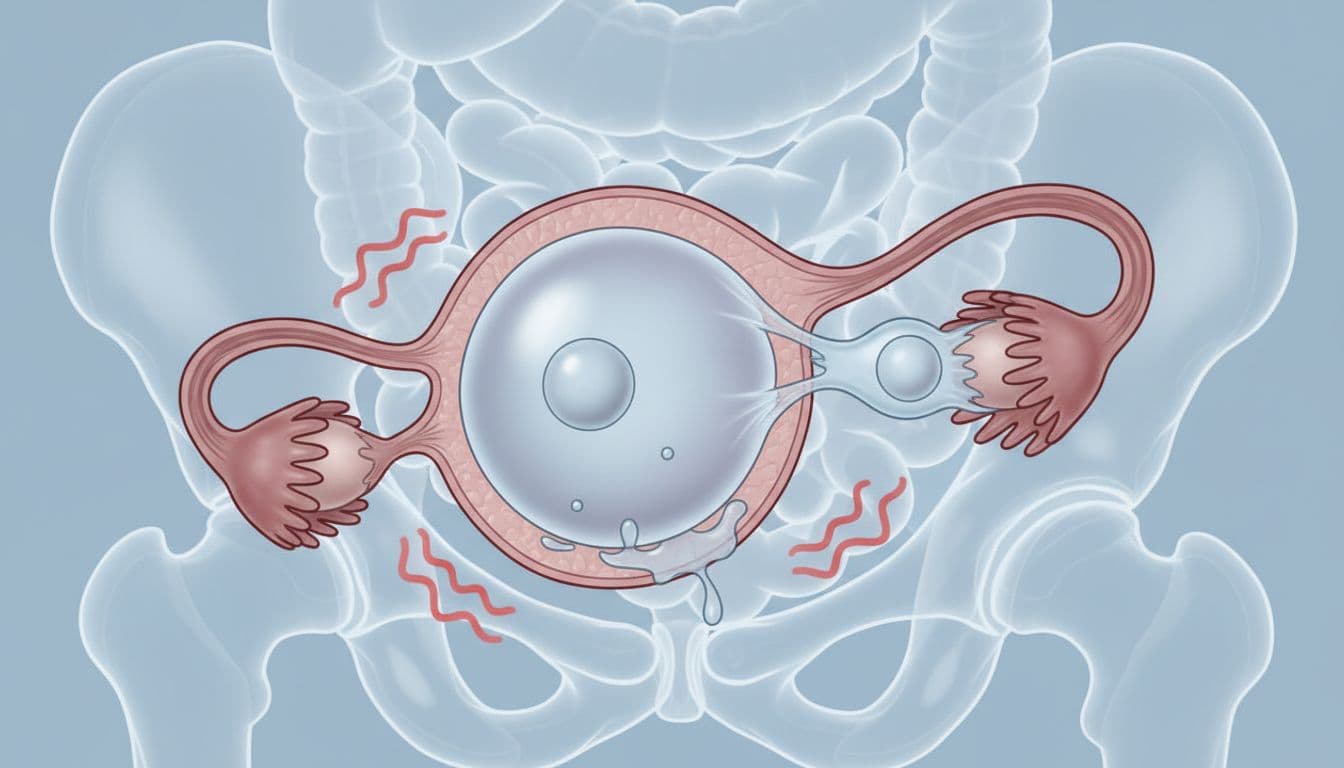
Because only one ovary releases an egg in a given cycle, the discomfort is often one-sided. That side may switch next month, or it may not. According to the Mayo Clinic’s overview of mittelschmerz, this kind of pain is commonly linked to ovulation and is usually harmless.
Still, not everyone feels ovulation cramps. In fact, many people ovulate every month and feel nothing at all. On the other hand, if you do feel it, that doesn’t mean anything is wrong. It often just means you’re more aware of the physical changes happening in your cycle.
Mild mid-cycle pain can be a normal response to egg release, especially when it shows up briefly and fades on its own.
Common signs that can happen with ovulation pain
Pain alone can be hard to read, so the other signs around it matter. When ovulation is the cause, your body often gives a few extra clues at the same time or shortly after.
You may notice:
- Egg white cervical mucus, which looks clear, stretchy, and slippery
- A higher sex drive, which is common around the fertile window
- Mild bloating or a heavy feeling in the lower belly
- Breast tenderness, which can happen from hormone shifts
- A slight rise in basal body temperature, usually after ovulation has already happened
These signs don’t prove anything by themselves, but together they can add context. For example, one-sided pain plus slippery cervical mucus in the middle of your cycle points much more strongly to ovulation than implantation.
If you track your cycle, these clues become even more useful. A review of ovulation pain symptoms from Everyday Health notes that some people also notice light spotting or low back discomfort. That kind of pattern can help when you’re trying to tell a normal ovulation cramp from something that happened later in the cycle.
How long ovulation pain usually lasts
Ovulation pain is usually short-lived. For some people, it lasts only a few minutes. For others, it may come and go for a few hours. In some cases, it can stick around for a day or even up to two days, but it typically does not linger much longer than that.
That short window is one reason ovulation pain can get confused with a random cramp. Still, if the pain keeps building, lasts several days, or feels severe enough to stop you from normal activity, that is not typical. In that case, it makes sense to get checked for other causes.
For a general breakdown of what is considered a normal range, this guide on how long ovulation pain lasts lines up with the usual pattern of minutes to hours, with some cases lasting up to 24 to 48 hours. So when comparing Ovulation Pain vs Implantation Pain, a brief mid-cycle cramp often fits ovulation better, especially when it stays mild and passes fairly quickly.
What implantation pain feels like and what may come with it
When comparing Ovulation Pain vs Implantation Pain, implantation pain is usually the quieter signal. Most people who notice it describe a mild, low cramp or a light pulling feeling in the center of the lower abdomen. It often feels easy to miss, which is why it gets confused with normal cycle changes so often.
Unlike ovulation pain, implantation discomfort does not show up mid-cycle. The timing is what gives it away most often. The feeling may be faint, off and on, and short-lived, rather than sharp or intense.
When implantation cramps usually happen after ovulation
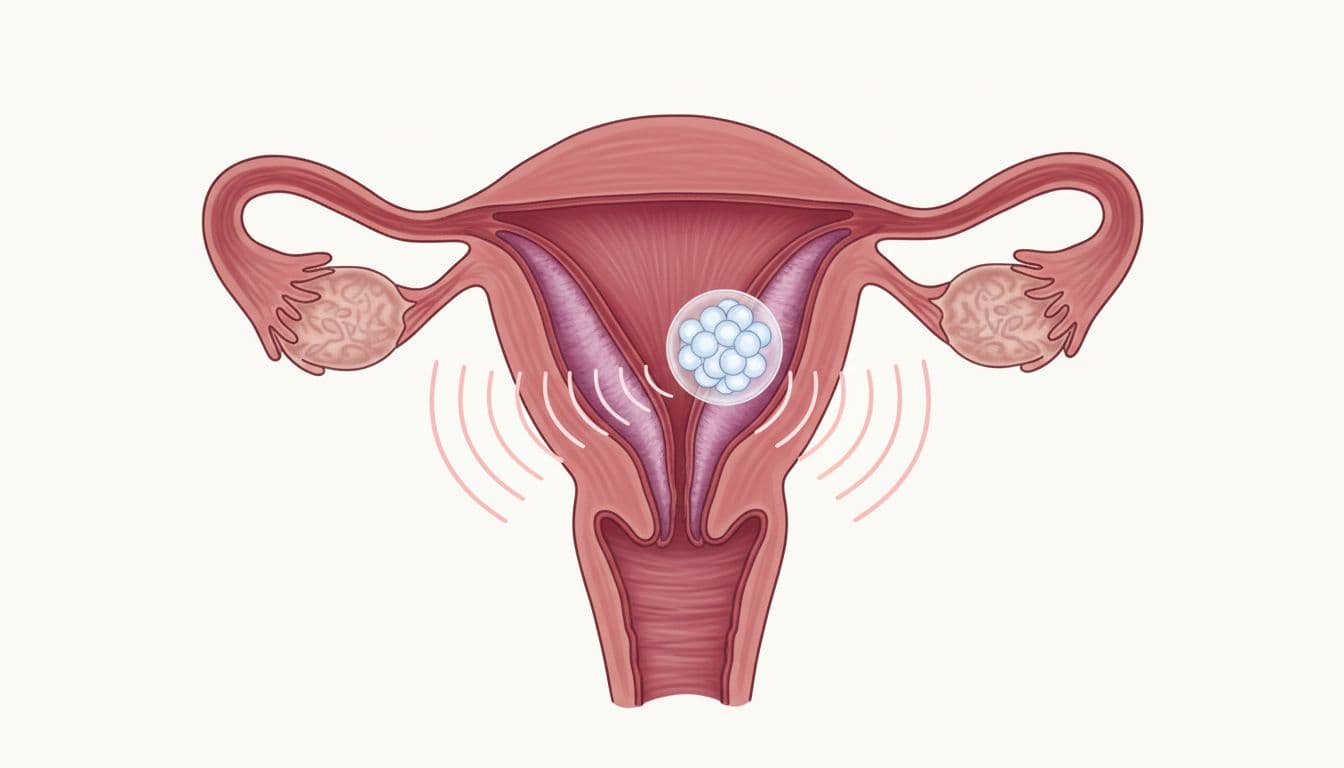
Implantation usually happens about 6 to 12 days after ovulation. That timing matters because it places implantation cramps later in the cycle than ovulation pain, which tends to happen around the middle of the month.
For many people, that means implantation-type cramping shows up close to when a period is expected, often several days before a missed period. In a 28-day cycle, that can fall around day 20 to day 26, not around day 14 when ovulation pain is more likely.
So if you felt a mild, centered cramp well after your fertile window, implantation may seem more possible. Still, timing is only one clue. As Parents explains in its guide to implantation cramps, the overlap with premenstrual symptoms is real, so one symptom alone never tells the whole story.
Other early signs that may show up with implantation pain
Some people notice a few other symptoms around the same time. The most talked-about one is light spotting, often called implantation spotting. When it happens, it’s usually very light, more like a few spots or faint streaks than a regular flow. It also doesn’t happen in every pregnancy, so its absence does not mean implantation did not occur.
Other signs may include:
- Breast tenderness
- Fatigue
- Mild nausea
- A missed period later on
These signs can feel meaningful, especially during the two-week wait. Still, they are not proof by themselves. Hormone shifts before a period can cause many of the same symptoms, including sore breasts, tiredness, bloating, and mood changes.
That overlap is why it helps to stay cautious with early clues. A missed period carries more weight than cramping alone, and a pregnancy test is still the only practical way to confirm what is going on. For a reader-friendly breakdown of common symptoms, BabyCenter’s overview of implantation cramps covers the usual pattern well.
Implantation spotting, when it happens, is usually light and brief, not heavy like a typical period.
Why implantation pain is easy to confuse with PMS
Implantation pain and PMS can look a lot alike on paper. Both can come with mild cramps, sore breasts, bloating, and mood changes. That makes it easy to read too much into a symptom that may simply be part of your usual cycle.
The biggest difference is often when it happens, not just what it feels like. PMS symptoms usually build in the days right before your period starts. Implantation cramps, on the other hand, tend to show up after ovulation but before the expected period, often in that narrow window about a week later.
In other words, one symptom on its own is a weak clue. Cycle timing matters more than any single twinge, ache, or mood shift. If the cramping is mild, low, and later than ovulation, implantation may be on your radar. If it turns into stronger period-like symptoms and bleeding starts, PMS is the more likely answer.
How to track your cycle so the difference is easier to spot
If you’re trying to sort out Ovulation Pain vs Implantation Pain, tracking your cycle gives you a much better view than memory alone. A single cramp can feel confusing in the moment, but once you place it on your calendar, the picture usually gets clearer.
Use your cycle dates to place the pain in context
Start with day 1 of your last period, which is the first day of real bleeding, not just spotting. From there, count forward and write down the day your pain started, how long it lasted, and where you felt it.
If you also track ovulation, even better. You can use ovulation test strips, basal body temperature, cervical mucus, or a simple app to narrow down your fertile window. Pain that shows up near the middle of your cycle usually fits ovulation more closely. Pain that starts several days after ovulation, especially around 6 to 12 days later, may line up better with implantation.
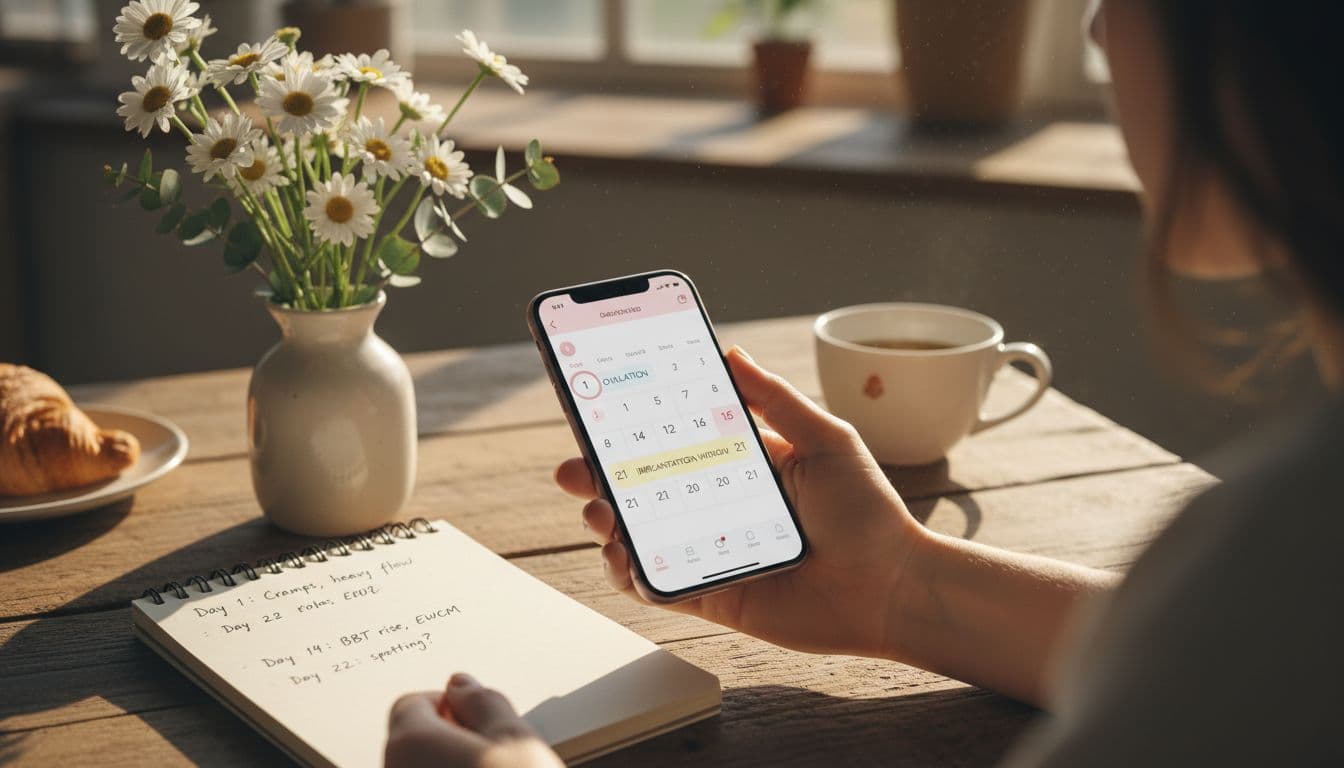
For a simple overview of cycle and ovulation tracking, Clearblue’s guide to tracking your menstrual cycle is a helpful reference.
Look at patterns, not just one symptom
One symptom on its own can send you in the wrong direction. Mild cramps happen for many reasons, so it’s smarter to compare that pain with the rest of your cycle signs.
Pay attention to a few markers at the same time:
- Clear, slippery cervical mucus often shows up near ovulation.
- A basal body temperature rise usually happens after ovulation.
- Light spotting, breast soreness, and being close to your expected period can overlap with early pregnancy or PMS.
- If your period arrives on time, implantation becomes much less likely.

A pattern tells a fuller story. In other words, mid-cycle one-sided pain plus egg white mucus points more toward ovulation, while later mild cramping plus a late period may fit implantation better.
When to take a pregnancy test for a clearer answer
Implantation pain can’t confirm pregnancy by itself. Even if the timing seems right, cramping alone is still only a clue.
For the clearest answer, wait until after a missed period. If you know when you ovulated, testing about 10 to 14 days later is usually more reliable. Testing too early often leads to a false negative, which only adds more stress.
If you want a practical comparison of light bleeding and next steps, this guide on implantation vs period timing may help. Until then, keep tracking, stay calm, and let the timeline do some of the work for you.
When cramps could mean something else and when to call a doctor
Most cramps around ovulation or possible implantation are mild, short-lived, and manageable. Still, pain can sometimes be your body’s way of waving a red flag. When you’re comparing Ovulation Pain vs Implantation Pain, the key is to notice when the pattern stops looking normal.
If the pain feels stronger, lasts longer, or comes with other symptoms, don’t brush it off as “just hormones.” A cramp should not leave you doubled over, scared to move, or getting worse by the hour.
Signs the pain is not typical ovulation or implantation pain
Typical ovulation pain is usually brief and mild. Implantation pain, if it happens at all, is usually light and easy to miss. So when symptoms move outside that range, it’s smart to pay attention.
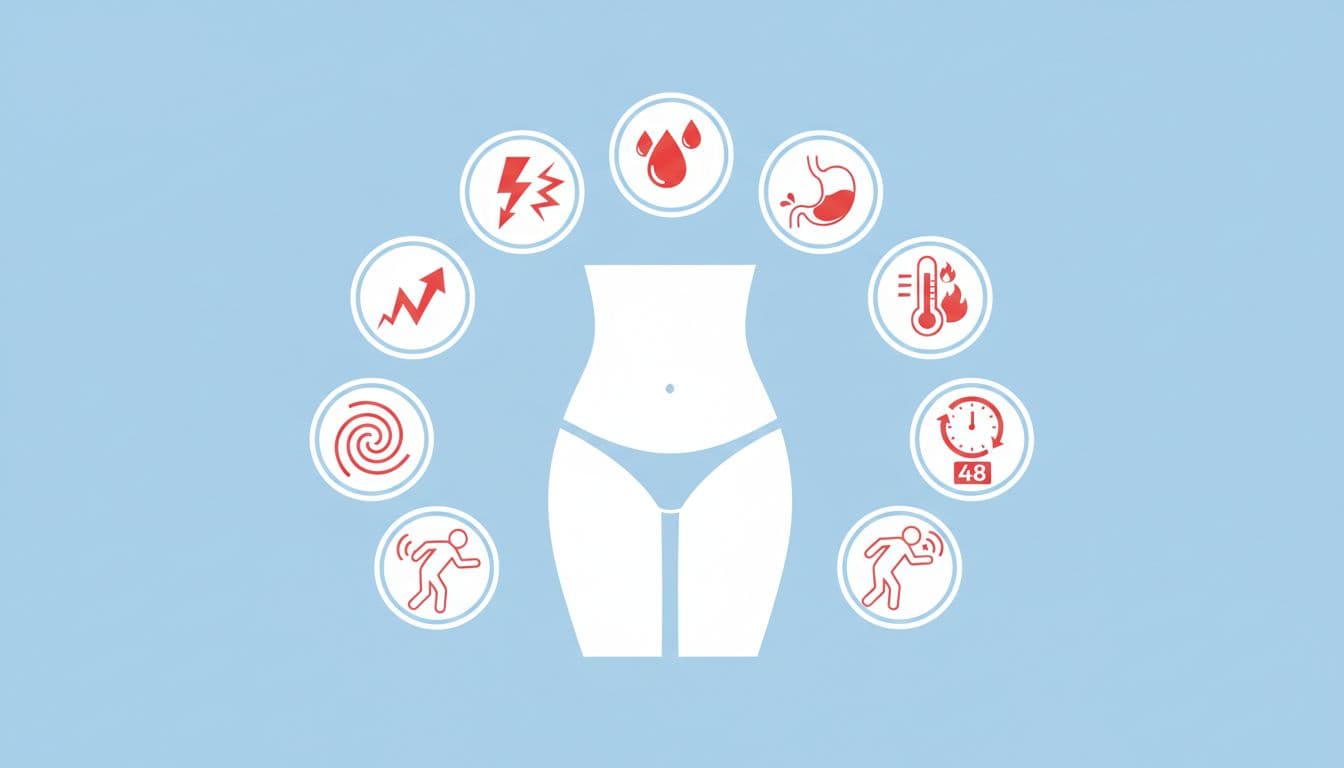
Call a doctor promptly, or seek urgent care sooner, if you notice any of these warning signs:
- Severe pain that stops you from normal activity or feels far beyond a usual cramp
- Heavy bleeding, especially if you’re soaking pads or passing large clots
- Fever or chills, because that can point to infection
- Vomiting, especially if you can’t keep fluids down
- Pain lasting more than two days, since ovulation pain usually fades sooner
- Fainting or near-fainting
- Dizziness, weakness, or feeling unusually lightheaded
- Shoulder pain, especially with pelvic pain or bleeding
- Pain that keeps getting worse, instead of easing up
Some symptoms need faster action. One-sided pain with bleeding, dizziness, or shoulder pain can be a sign of ectopic pregnancy, which needs urgent care. If you’d like a plain-language overview of urgent warning signs, this red-flag symptoms guide from The Women’s Health Clinic is helpful, and Ubie’s review of serious lower abdominal pain explains when symptoms should not wait.
If pain is intense, worsening, or paired with heavy bleeding, fever, fainting, or shoulder pain, treat it as a medical issue, not a normal cycle symptom.
Other possible causes of lower abdominal pain
Lower abdominal pain has a long list of possible causes, and many are far more common than implantation. That is why timing alone is useful, but not perfect. The same area of the body can send similar signals for very different reasons.
Sometimes the answer is simple. Period cramps can start before bleeding and feel a lot like early pregnancy cramping. Digestive issues, such as gas, constipation, or IBS, can also cause pressure, aching, or sharp pain low in the belly.
There are also gynecologic causes that deserve attention. Ovarian cysts can cause one-sided pain, especially if a cyst leaks or twists. Endometriosis often causes stronger cramps, pelvic pain, or pain that shows up month after month. Infections, including pelvic infections or UTIs, may bring pain along with fever, burning, or unusual discharge.
One cause that should always stay on the radar is ectopic pregnancy. It’s not common, but it can start with pain that seems easy to dismiss at first. If pregnancy is possible and you have worsening one-sided pain, bleeding, dizziness, or shoulder pain, get checked right away.
So, when weighing Ovulation Pain vs Implantation Pain, trust the whole picture. Mild and brief is one thing. Strong, persistent, or unusual pain is something else.
Conclusion
When it comes to Ovulation Pain vs Implantation Pain, the clearest difference is usually timing. Ovulation pain often shows up mid-cycle and tends to stay on one side, while implantation pain usually happens later, feels milder, and is more often centered low in the pelvis.
That said, symptoms alone can’t confirm pregnancy. A cramp, twinge, or light ache can point you in a direction, but your cycle pattern matters more than any single symptom. That’s why tracking your period dates, ovulation signs, and when pain starts can make these clues much easier to read.
Most importantly, try not to panic over every sensation. Many normal cycle changes can feel similar, and a pregnancy test after a missed period gives a much clearer answer. If pain is severe, lasts longer than expected, or feels unusual for your body, talk with a healthcare provider.
Frequently asked questions about ovulation pain vs implantation pain
Even after you know the basic differences, a few questions tend to stick around. That makes sense, because Ovulation Pain vs Implantation Pain is rarely a neat, textbook comparison in real life. Bodies vary, cycles shift, and mild cramps can feel frustratingly similar.
The best way to read these signals is to put pain in context. Timing matters most, then location, then any other signs that show up around it.
Can ovulation pain and implantation pain feel exactly the same?
They can feel similar, but they usually do not follow the same pattern. Ovulation pain often shows up around the middle of your cycle and tends to stay on one side. Implantation pain usually happens later, often closer to when your period is due, and it is more often described as mild, low, and centered.
That overlap is why so many people second-guess every cramp. A brief twinge can look small on paper, yet feel huge when you are trying to conceive. Still, if you zoom out and look at when it happened, the picture gets clearer.
A quick side-by-side summary helps:
| Question | Ovulation pain | Implantation pain |
|---|---|---|
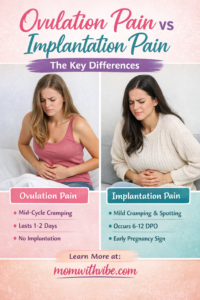
| When does it happen? | Mid-cycle | About 6 to 12 days after ovulation |
| Where is it felt? | Often one-sided | Often low and centered |
| What does it feel like? | Sharp, sudden, or achy | Light cramping, pulling, or twinges |
| How long can it last? | Minutes to 1 to 2 days | Hours to a couple of days |
That pattern lines up with guidance from Parents’ implantation cramp FAQ, which notes that implantation cramps are usually milder and happen later in the cycle.
Can you have implantation pain without spotting?
Yes, absolutely. Spotting is not required for implantation. In fact, many people who become pregnant never notice spotting at all. So if you have mild cramping but no pink or brown discharge, that does not rule implantation out.
On the other hand, spotting by itself does not confirm implantation either. Light bleeding can happen around ovulation, before a period, or for reasons that have nothing to do with pregnancy. That is why cramps plus spotting still need to be read with the calendar in mind.
Keep these points in mind:
- Light spotting can happen with ovulation too.
- Some early pregnancies have no spotting at all.
- Heavier bleeding that looks like a real period usually points away from implantation.
- Severe pain with bleeding needs medical attention.
If bleeding is more than light spotting, or if the pain gets stronger instead of fading, it is smart to check in with a doctor.
How soon can you know whether the pain was ovulation or implantation?
You usually cannot know for sure in the moment. That is the hardest part. Pain is only a clue, not a diagnosis. Most of the time, the answer becomes clearer a few days later when you see what happens next in your cycle.
If the pain happened mid-cycle and was followed by signs like stretchy cervical mucus, ovulation is more likely. If it happened later and then your period did not arrive on time, implantation moves higher on the list. Even then, a pregnancy test is what gives you a real answer.
Cramping can point you in a direction, but it cannot confirm pregnancy on its own.
If you are in the two-week wait, try to watch the sequence instead of one symptom. That approach saves a lot of stress. A helpful explanation from a fertility guide on ovulation pain versus implantation cramps also stresses that timing and follow-up signs matter more than the cramp itself.
When should you worry that it is neither ovulation pain nor implantation pain?
Mild and short-lived cramps are common. Strong, worsening, or unusual pain is not something to ignore. If the discomfort stops you from normal activity, keeps building, or comes with other warning signs, do not assume it is part of a normal cycle.
Call a healthcare provider promptly if you have:
- Severe one-sided pain
- Heavy bleeding
- Fever or chills
- Fainting, dizziness, or weakness
- Vomiting
- Shoulder pain
- Pain that lasts more than a couple of days
Those symptoms can point to something else, such as a cyst, infection, endometriosis, or in some cases an ectopic pregnancy. That is why the safest rule is simple: mild and brief may fit ovulation or implantation, but intense or persistent pain needs attention.
For most people, the takeaway is reassuring. If the cramping is light, short, and lines up with your cycle, it is often a normal body event. If it feels off for your body, trust that signal and get checked.
Save the pin for later

- 12 Things Pregnant Women Do When They’re Alone - June 7, 2026
- 25 Healthy Pregnancy Snacks You Should Try - June 7, 2026
- 100 Funny Baby Jokes That Will Make You Laugh - May 15, 2026