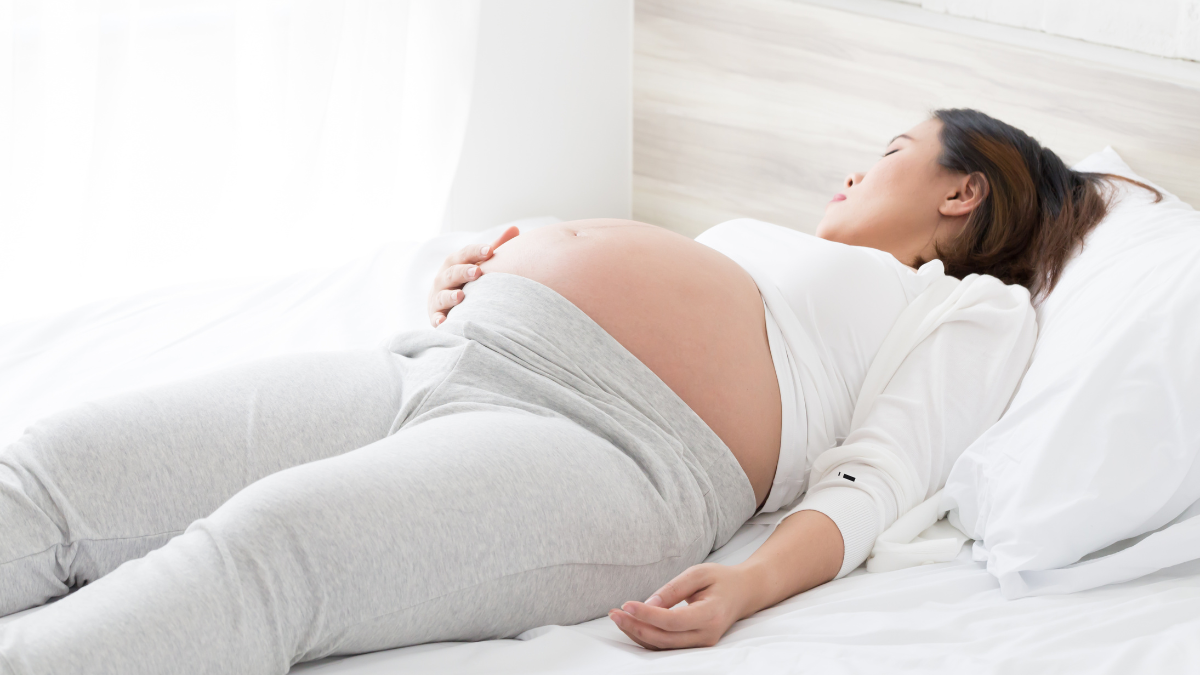

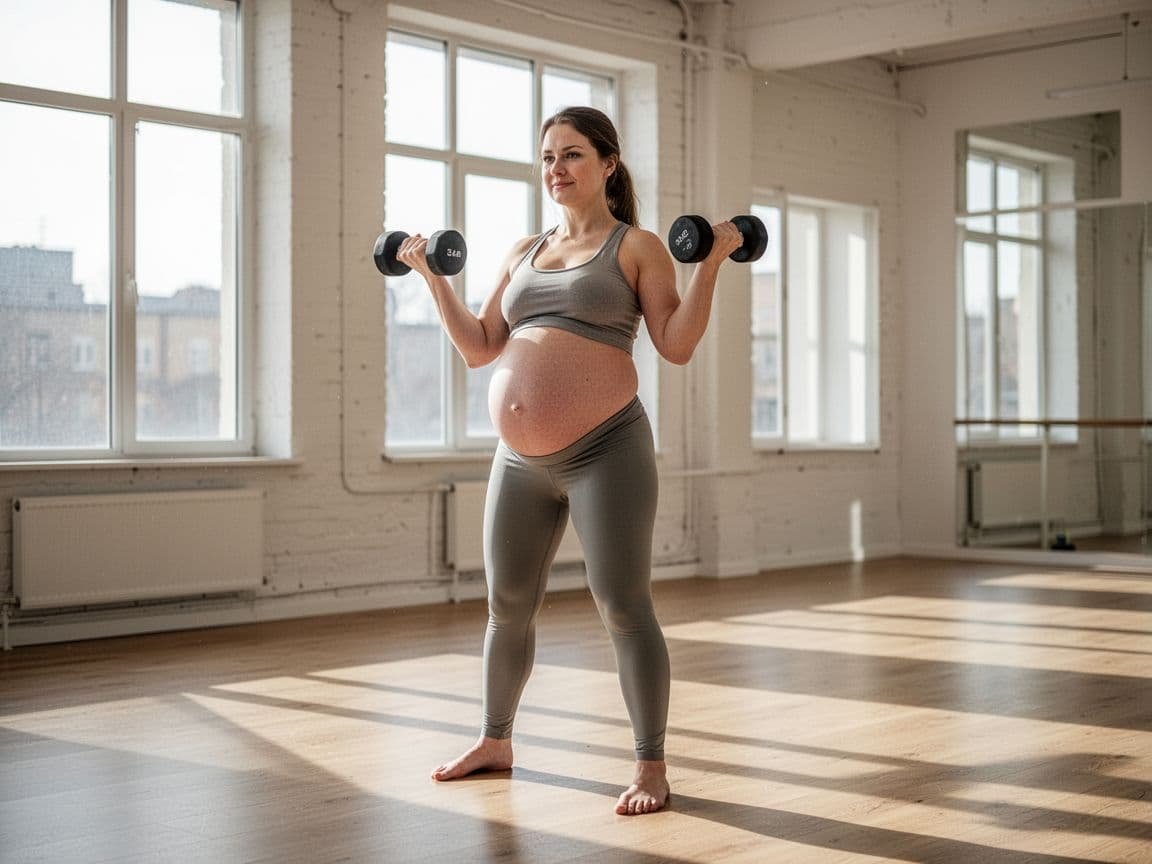
Your body can do a lot in pregnancy, but feeling ready for birth takes a little more than hope. Natural birth preparation is about building comfort, confidence, and body awareness, so you can move through labor with more ease.
The best prep usually blends gentle movement, breathing, relaxation, and smart daily habits that support your changing body. If you’re wondering where to begin, this guide will walk you through simple exercises, practical tips, and when to check with your doctor or midwife before trying anything new.
Why natural birth preparation matters before labor begins
Natural birth prep gives your body time to adjust before the work of labor starts. Small habits practiced early can build comfort, stamina, and confidence, so you feel less caught off guard when the first contractions begin.
The goal is simple. You want a body that feels supported, loose enough to move, and steady enough to handle long hours with less strain. That kind of readiness can make a real difference in late pregnancy, when even basic movements may start to feel heavy.
The link between movement, comfort, and labor readiness
Gentle movement helps your body stay open and responsive. Walking, stretching, pelvic tilts, and light mobility work can improve circulation, ease tight spots, and keep joints from stiffening up. When blood flows well, muscles often feel less tense, and that can help your whole body settle down.
Posture matters too. As your belly grows, your center of balance shifts, and your lower back may take on extra pressure. Regular movement can help you stay aware of how you stand, sit, and sleep, which may ease aches before they build. If lower back pain has already started, simple relief steps for pregnancy back pain can help you stay more comfortable day to day.
Pelvic mobility is another big piece. A pelvis that can tilt, open, and move with less resistance gives your body more room to adapt during labor. That is one reason gentle movement often feels so good in the final weeks. It keeps the body from feeling locked up.
When you move well in late pregnancy, daily life can feel easier. Getting out of bed, climbing stairs, or shifting in a chair may still take effort, but it doesn’t have to feel like a fight. That steady, practiced ease can carry into labor, where movement often helps you work with your body instead of bracing against it.
A body that moves well before labor often handles labor with more ease, because it has already practiced staying loose, balanced, and responsive.
What natural birth prep can and cannot do
Natural birth preparation can support your comfort, coping, and endurance. It can help you manage tension, stay calmer under pressure, and feel more in control of your choices. It may also help you build the stamina needed for a long labor.
Still, preparation is not a promise of a certain outcome. It cannot guarantee an easy birth, a short labor, or a specific delivery type. Labor has its own rhythm, and every birth follows its own path.
That is why the best prep keeps expectations realistic. It gives you tools, not guarantees. It helps you walk into labor with a steadier mind, a more relaxed body, and a stronger sense that you know what to do next.
Simple habits can support that readiness. A few examples include:
- Daily movement: Helps keep muscles active and joints from stiffening.
- Breathing practice: Helps you stay calm when discomfort rises.
- Posture awareness: Reduces extra pressure on your back and hips.
- Rest and hydration: Support energy and recovery as your body works hard.
These habits do not control labor, but they do shape how prepared you feel. That extra confidence matters when the first wave begins and you need to trust your body one step at a time.
Gentle exercises that prepare your body for labor
Gentle labor prep does not need fancy gear or long workouts. Many of the best moves are simple, quiet, and easy to do at home with a chair, a wall, or a birth ball nearby. The goal is to help your body stay mobile, steady, and relaxed as labor gets closer.
These exercises work best when you move slowly and listen to your body. If something feels sharp, shaky, or off, stop and adjust. Comfort matters more than intensity, especially in late pregnancy.
Walking, squats, and other simple standing moves
Walking is one of the easiest ways to build stamina before labor. A steady walk keeps your legs active, gets your blood moving, and helps you practice being on your feet for longer stretches. That matters, because labor can ask a lot from your body.
Squats can help in a different way. They may open the pelvis, strengthen the legs, and make it easier to find a grounded position during labor. According to ACOG’s pregnancy exercise guidance, regular movement during pregnancy can also support comfort and overall well-being.
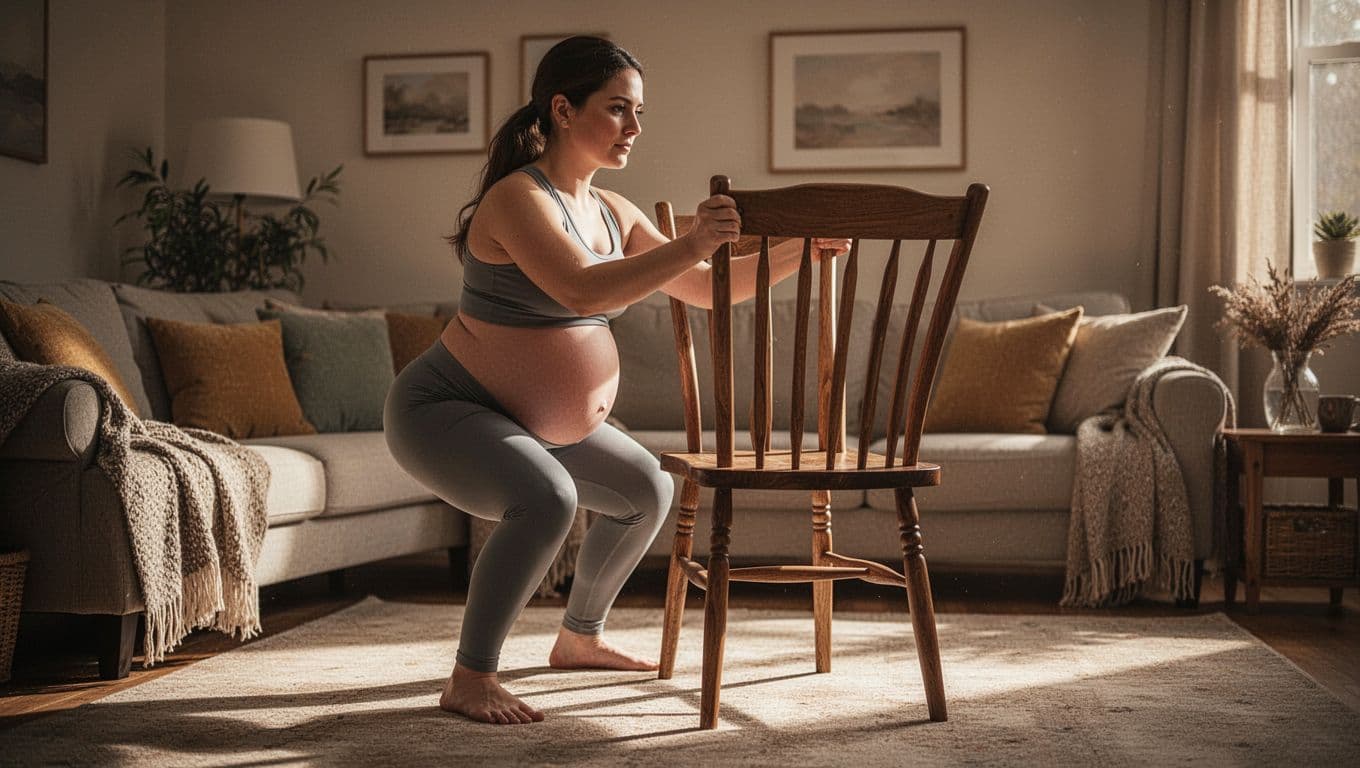
Start small if you need to. A 5 to 10 minute walk is enough at first, and you can build from there. For squats, hold onto a wall, countertop, or sturdy chair, then lower only as far as feels good.
A few simple options work well together:
- Walking: Build up your pace gradually, keep your shoulders loose, and wear supportive shoes.
- Supported squats: Keep your feet flat, your chest lifted, and your knees comfortable.
- Gentle side steps: Wake up the hips without straining the joints.
- Heel raises: Strengthen the calves and improve balance.
Slow, supported movement is often the safest choice. Smooth reps matter more than deep bends or long holds.
If you want more ideas for safe movement during pregnancy, prenatal yoga routines can also offer a gentle, home-friendly option.
Pelvic tilts, cat-cow, and hip circles for a looser lower back
Floor work can take pressure off the spine and hips, especially after a long day of standing or sitting. Pelvic tilts, cat-cow, and hip circles help the lower back move with less stiffness, and they often feel like a release instead of a workout.
Pelvic tilts are simple. On hands and knees or against a wall, gently tuck and untuck the pelvis. Cat-cow adds a soft curve through the spine, while hip circles let the pelvis move in a slow, easy loop. These motions are not about stretching hard. They are about keeping the joints awake.
Try to keep each movement smooth and small. The body usually responds better to a slow rhythm than a deep stretch. If your back feels tight, that gentle motion can be a lot like loosening a stuck hinge.
You can keep this sequence short:
- Start on hands and knees or with your back against a wall.
- Breathe in as you lengthen your spine.
- Breathe out as you gently tilt, round, or circle.
- Repeat for a few slow rounds, then rest.
If your lower back has been bothering you, these pregnancy back pain relief tips can pair well with this kind of mobility work.
Breathing practice and pelvic floor awareness
Breathing is one of the most useful tools you can practice before labor. Slow breaths help your nervous system settle, and that can make discomfort easier to handle when contractions start. A calm breath often gives your body a small pocket of space.
Try inhaling through your nose for a count of four, then exhaling slowly through your mouth. Keep your jaw soft and your shoulders down. Over time, this pattern can become a cue for your whole body to relax.
Pelvic floor awareness matters too. These muscles need to know how to work, but they also need to know how to soften. Many expecting moms focus only on squeezing, yet labor also asks the pelvic floor to release. Both skills matter.
A simple practice can help:
- Gently tighten the pelvic floor as if stopping gas or urine.
- Hold for a second or two.
- Let the muscles fully relax on the next breath.
That balance between engagement and release can make a real difference. It helps you stay connected to your body instead of tensing against it.
Birth ball work and side-lying stretches for comfort
A birth ball gives your hips room to move while keeping your body supported. Sitting on it encourages small pelvic circles, gentle bouncing, and better posture, all without much strain. It can also help baby settle into a good position when used regularly.
The key is to stay relaxed. Sit tall, let your knees open naturally, and move in easy circles or forward-and-back shifts. If your back feels tired, even a few minutes can bring relief.
Side-lying stretches are useful when you need rest but still want a little mobility. Lying on your side with a pillow between your knees can ease pressure on the hips and lower back. You can also add a slow top-leg stretch or a gentle ankle roll.
These positions are especially helpful on days when standing feels like too much. They let you recover without going completely still.
A few comfortable options to try:
- Birth ball circles for hip movement and posture.
- Side-lying rest with pillows for support.
- Gentle figure-four stretch if it feels comfortable.
- Side-lying breathing to settle the body before sleep.
If you want a fuller movement routine, safe yoga for pregnancy can give you more low-pressure ways to stay active while your body prepares for labor.
Smart daily habits that make labor prep easier
Labor prep gets easier when your day supports it in small ways. Water, rest, posture, and gentle support tools can keep your body steadier, your back happier, and your energy more consistent. These habits may seem simple, but they add up fast when pregnancy starts asking more from every movement.
Choose rest, hydration, and good posture on busy days
Busy days can drain you before you notice it. A glass of water, a full night of sleep, and a little posture awareness can keep your body from feeling worn down too soon. When you stay hydrated, your muscles usually feel less tight, and your energy tends to hold up better through the day.
Sleep matters for the same reason. Pregnancy already asks your body to work hard, so rest gives it time to recover. If you can, sit tall, relax your shoulders, and keep both feet on the floor instead of folding into a slump. That small adjustment can take pressure off your lower back and help your belly feel better supported.
Short movement breaks also help. Stand up after long stretches, take a few slow steps, and stretch your hips before they stiffen. A little movement is often enough to reset your body, especially on days that feel packed from morning to night.
A few habits fit easily into normal routines:
- Keep water nearby so you remember to sip often.
- Change positions often instead of staying still for too long.
- Sit with support under your low back if you need it.
- Take brief walks after meals or long periods of sitting.
For more day-to-day support, healthy pregnancy habits and routines can help you build a simple rhythm that feels manageable.
Use support tools that make movement feel safer
Support tools can turn movement into something gentler and more comfortable. A sturdy chair, a wall, a pillow, or a birth ball can give you balance without making exercise feel intense. They also help you stay relaxed, which matters more than doing anything perfectly.
A chair can steady you during squats or side steps. A wall can support your back during pelvic tilts or standing stretches. Pillows can soften side-lying rest and ease pressure on your hips. A birth ball gives you a soft place to sit while you make small circles or gentle shifts.
These tools are useful because they lower strain. They let you keep moving without feeling like you need to push through discomfort. That makes labor prep more realistic for tired mornings, sore afternoons, and evenings when your body wants something easy.
Simple support ideas can look like this:
- Chair support for balance during standing moves.
- Wall support for posture work and gentle stretches.
- Pillows between the knees or under the bump for rest.
- Birth ball sessions for soft hip movement and comfort.
Daily movement advice from Spinning Babies also points to small, regular motions that help your body stay loose and responsive. That steady approach works well when energy is limited and comfort matters most.
Gentle support keeps movement available on days when your body feels tired, heavy, or a little off balance.
Know when to slow down or stop
Pregnancy prep should feel steady, not forced. If a move causes pain, dizziness, bleeding, or shortness of breath, stop and rest. Your body is giving you useful information, and it deserves attention.
Sharp pain is never a good sign. Dizziness can mean you need water, food, or a break. Bleeding and trouble breathing need prompt medical guidance, especially if they happen during exercise or after a new movement routine.
Slowing down is also smart when fatigue builds fast. Some days call for stretching and a short walk, while other days call for pillows, water, and rest. That kind of flexibility is part of good preparation too. It helps you protect your strength for labor instead of spending it too early.
The safest habit is simple, listen early. If something feels wrong, pause before it gets worse. Labor prep should leave you feeling more supported, not more stressed.
Prenatal support that can make natural birth feel less stressful
A strong natural birth prep plan is not only about exercise. It also includes the kind of support that helps you feel steady when labor feels unknown. Education, planning, and emotional prep can take some of the pressure off, so you walk into birth with a clearer head and a calmer body.
Talk with your doctor or midwife before starting anything new
Before you add a new workout, stretch, or routine, check in with your doctor or midwife. That matters even more if your pregnancy is high-risk or you have pain, bleeding, dizziness, contractions, or any concern that feels off. A small change that seems harmless to one person may not be right for another.
Your provider can help you decide what is safe for your body and your stage of pregnancy. They can also tell you when to slow down, what symptoms need attention, and which movements may need to wait. For general guidance, ACOG’s exercise advice during pregnancy is a solid place to start.
If a symptom feels new, sharp, or worrying, stop and ask for medical advice before pushing through it.
That kind of caution is not fear. It is smart support. Natural birth prep works best when it respects your body instead of testing it.
Practice labor coping skills before the big day
Labor can feel less overwhelming when your coping tools are already familiar. Breathing exercises, relaxation practice, and simple mindset work give you something to return to when contractions rise. The more you practice now, the less strange those tools feel later.
Try slow breathing during a quiet moment, then use it while walking or resting. Add a relaxed jaw, loose shoulders, and a soft face. Those details matter, because tension often starts in the face and spreads downward like a tight knot.
You can also rehearse calm phrases before labor starts:
- “I can take this one wave at a time.”
- “My body knows what to do.”
- “I can breathe through discomfort.”
Education helps too. A childbirth class, a trusted book, or mental preparation for childbirth can make labor feel less unknown. When your mind feels informed, your body often feels more familiar with the process.
Prepare your birth plan and support system early
A birth plan does not need to be long or rigid. It only needs to reflect what helps you feel safe, heard, and calm. Maybe you want quiet voices, clear updates, dim lights, or a partner who stays close and speaks up for you.
Support matters just as much as the plan itself. The right people can help you stay grounded, especially when labor gets intense or decision-making feels harder. Talk early about who you want in the room, how you like to be spoken to, and what kind of comfort feels best.
Keep the plan flexible, though. Birth doesn’t always follow the path you picture, and that can be okay. A flexible plan still gives you direction without turning every change into a failure.
A simple way to think about it is this:
- Decide what matters most to you.
- Share it with your provider and support people.
- Leave room for labor to unfold in its own way.
For a practical companion to this stage, these final pregnancy checklists can help you organize the last details without scrambling. That extra order can bring a quiet kind of peace before labor begins.
Conclusion
Natural birth preparation works best when it stays gentle, consistent, and real. A walk, a few stretches, steady breathing, and enough rest can do more for your confidence than a long list of hard rules.
The strongest takeaway is simple, small habits build a body that feels supported and a mind that feels calmer. That kind of preparation will not control every part of birth, but it can help you meet it with more strength and trust.
Keep your focus on what you can practice now, then let the rest unfold one step at a time.
Save pin for later

- Dry Cough in Kids: 5 Causes and Safe Solutions - September 23, 2026
- How to Help a Child Deal With Anxiety at Home - September 12, 2026
- How to Prepare Your Child for the First Day of School - September 12, 2026