
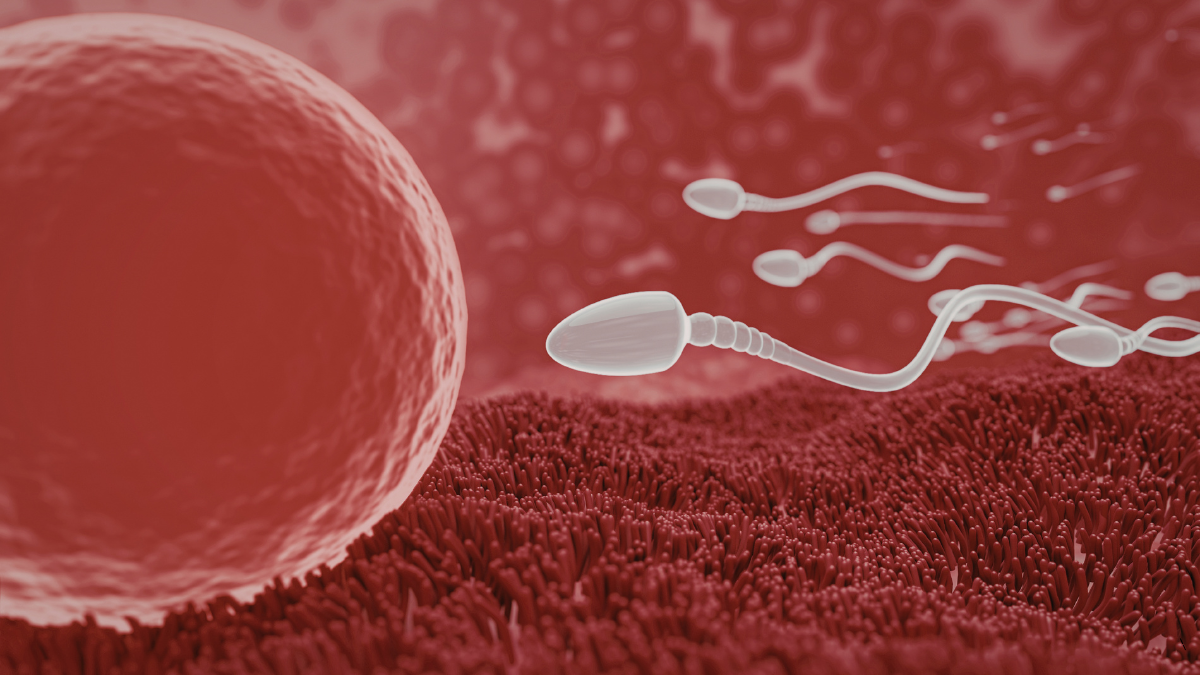
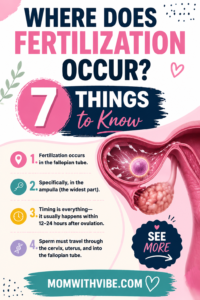
Fertilization usually happens in the ampulla, the widest part of the fallopian tube near the ovary. That small space matters more than most people realize, because it’s where sperm and egg can meet, start conception, and set the stage for early pregnancy.
If you’ve ever wondered how pregnancy begins, the answer involves more than one step and more than one body part. The fallopian tube has to catch the egg, sperm has to make the long trip, and the fertilized egg then begins its path toward the uterus. Fertilization happens fast, but the timing and location are what make it possible.
A clear understanding of where fertilization occurs can make ovulation, conception, and implantation much easier to follow. Next, let’s look at the seven key things you should know about the fallopian tube and what happens inside it.
The short answer: fertilization happens in the fallopian tube
Fertilization usually happens in the fallopian tube, most often in the ampulla. That makes the tube the meeting place for the egg and sperm, not the ovary or uterus.
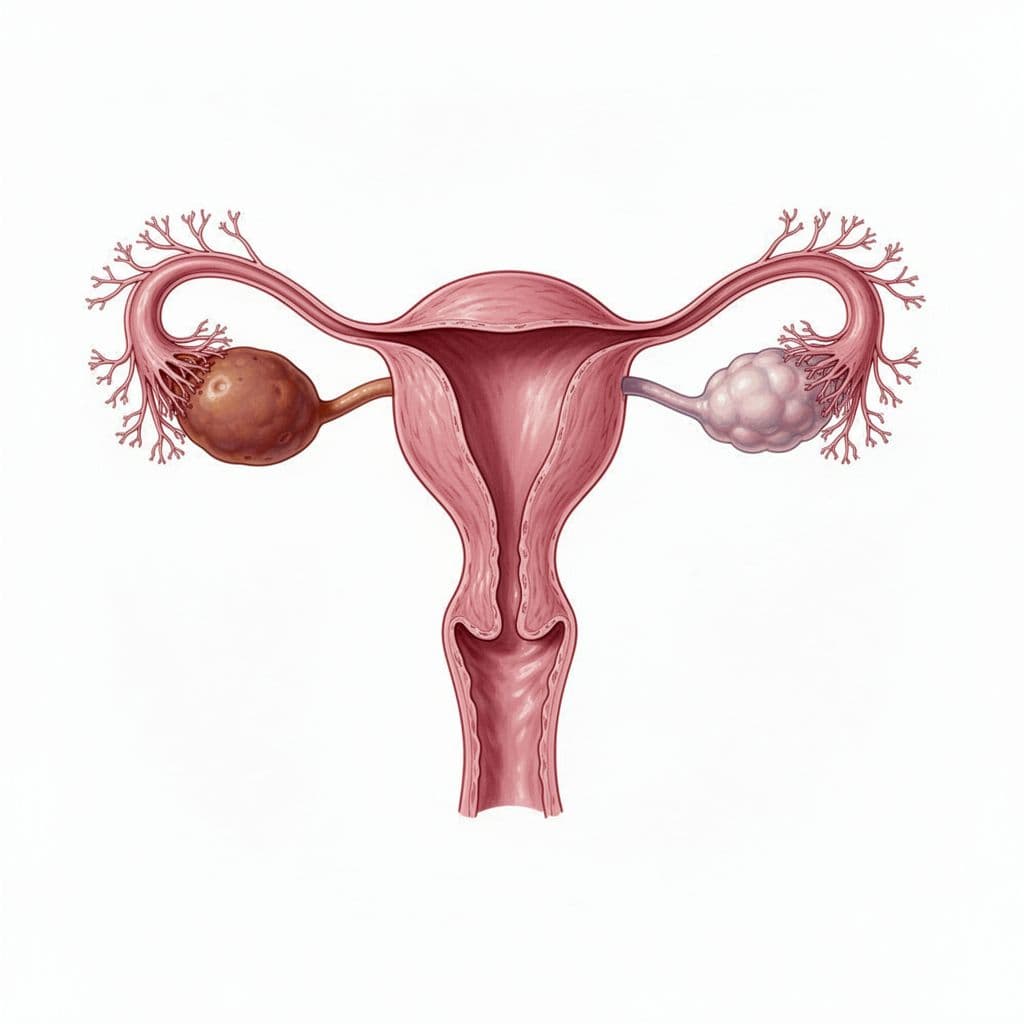
It usually happens soon after ovulation, when the egg leaves the ovary and enters the tube. Sperm can already be waiting there, so timing matters a lot. If you want a fuller picture of that timing, ovulation timing and early pregnancy can help connect the steps.
Fertilization starts in the tube, while the pregnancy test result comes much later.
What the ampulla is and why it matters
The ampulla is the wide outer part of the fallopian tube, near the ovary. It is the most common place where fertilization happens because it gives sperm and egg the best chance to meet.
Its shape matters. The ampulla is roomy compared with the narrower parts of the tube, and it sits close to where the egg enters after ovulation. That makes it the natural pickup point for conception. The egg is not inside the ovary anymore, and it has not reached the uterus yet, so the ampulla is the middle ground where the meeting usually happens.
How fertilization is different from implantation
Fertilization and implantation are two separate steps, and they happen in different places. Fertilization happens in the fallopian tube when sperm joins the egg. Implantation happens later, after the fertilized egg travels to the uterus and attaches to the uterine lining.
That difference matters because many people mix them up. Fertilization starts pregnancy at the cell level, but implantation is what allows the pregnancy to continue in the uterus. In simple terms, the tube is where conception begins, and the uterus is where the embryo settles in later.
For a quick comparison, think of it this way:
- Fertilization happens in the fallopian tube.
- Implantation happens in the uterus.
- Ovulation happens in the ovary, just before the egg enters the tube.
This order is why the fallopian tube matters so much. It is the bridge between ovulation and early pregnancy.
How the egg gets to the right place at the right time
Fertilization depends on timing as much as anatomy. The egg has a short window to meet sperm, and the fallopian tube has to catch it quickly after ovulation.
Once the ovary releases an egg, the next steps happen fast. The egg leaves the ovary, is picked up by the fimbriae, and moves into the fallopian tube. If sperm are already present in the reproductive tract, fertilization can happen in that narrow window. If they are not, the egg usually breaks down before there is a chance for conception.
What ovulation changes in the body
Ovulation opens the door for pregnancy. During this phase, a mature egg is released from the ovary, usually around the middle of the menstrual cycle. From there, it has only a short life span, often about 12 to 24 hours, which is why timing matters so much.
That short window is also why pregnancy is most likely around ovulation, not weeks before or after it. Sperm can live longer inside the reproductive tract than the egg can, so the best chance for fertilization comes when sperm are already waiting as ovulation happens. In other words, the body needs to line up the timing on both sides.
For a simple scientific breakdown of this process, the NCBI overview of ovulation explains how the egg is released and then taken up by the tube.
The fimbriae’s role in catching the egg
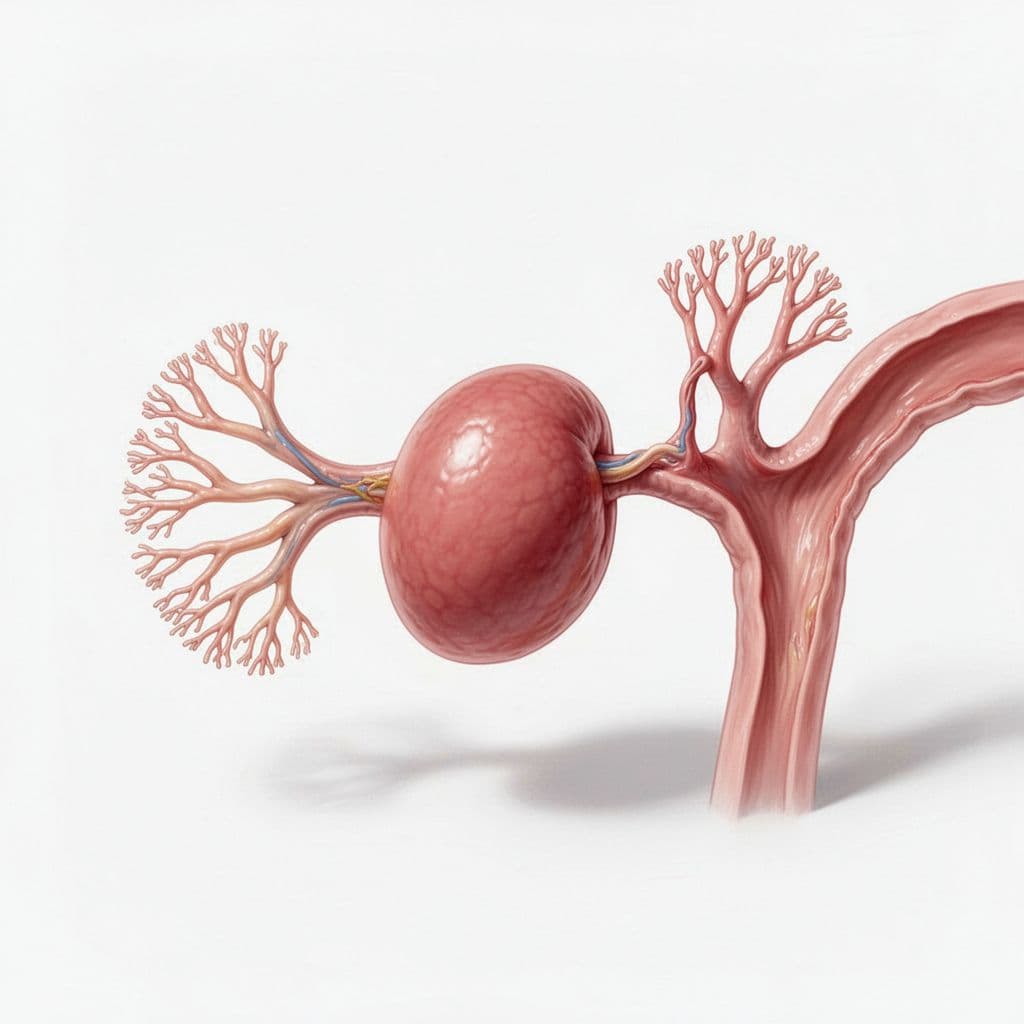
The fimbriae are the finger-like ends of the fallopian tube. They sit near the ovary and move gently to help guide the egg into the tube after ovulation.
Picture the egg being released into a small open space near the ovary, then the fimbriae sweeping in to catch it. Tiny cilia and tube movement help pull the egg inward, so it can travel toward the ampulla, where fertilization usually happens. This pickup happens quickly, and that speed matters because the egg does not wait long.
Once the egg is inside the tube, the next part of the journey begins. If sperm are already there, the chances of fertilization are highest right then, while the egg is still fresh and ready.
The long trip sperm must take before fertilization can happen
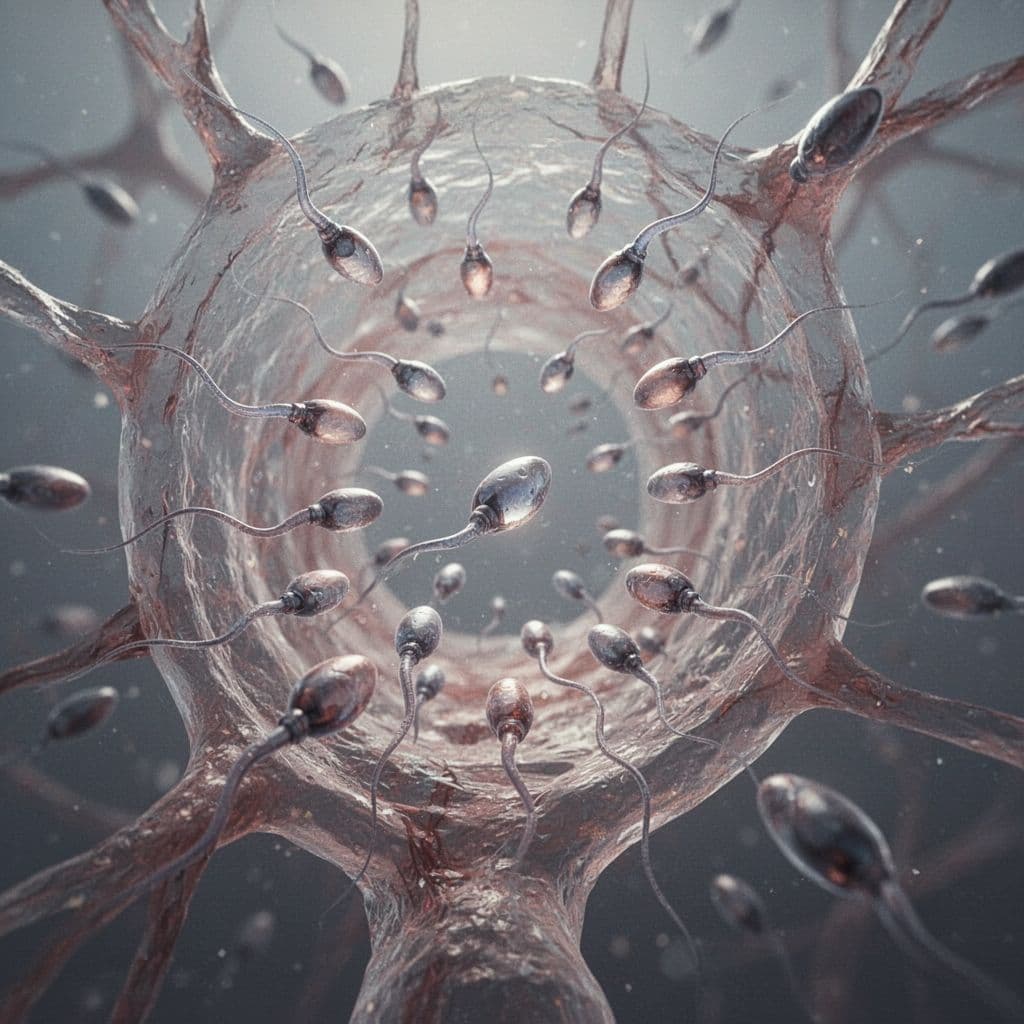
Sperm have a long path ahead of them after ejaculation. Millions may start the journey, but only a tiny fraction reach the fallopian tube, where fertilization can happen.
That trip is far from simple. The female reproductive tract is not a wide-open tunnel. It acts more like a series of checkpoints that filter, slow down, and select sperm along the way.
Why most sperm do not make it to the egg
Most sperm never get close to the egg because they face multiple barriers right away. The vagina is naturally acidic, which can damage sperm and lower their chances of survival. After that, sperm still have to pass through cervical mucus, which changes across the cycle and can block weaker or poorly shaped sperm.
Distance matters too. Sperm must move through the cervix, uterus, and into the fallopian tube before they ever reach the egg. That is a long route for a microscopic cell, especially when the tract also favors sperm that swim well and move in the right direction.
The reproductive tract also helps filter sperm as they travel. In fertility timeline after pregnancy loss, timing plays a big role, and the same is true here, because sperm need the right conditions at the right moment. A helpful review in Human Reproduction Update explains that cervical mucus and the narrow uterotubal junction both act like selection points.
That means the trip is not random. The body is already narrowing the field.
What capacitation means in plain English
Capacitation is the set of changes sperm go through inside the female reproductive tract so they can fertilize an egg. Before that happens, sperm are not fully ready to do the job.
During this process, sperm become better swimmers and change in ways that help them bind to and enter the egg. In simple terms, the female reproductive tract helps prepare the strongest sperm for the final step.
By the time sperm reach the fallopian tube, only the best candidates are left in the race.
What has to happen before one sperm can enter the egg
Before fertilization can happen, sperm has to clear a few built-in defenses around the egg. Those layers are there for a reason, and they do a good job of slowing everything down until the right sperm gets close enough to fuse.
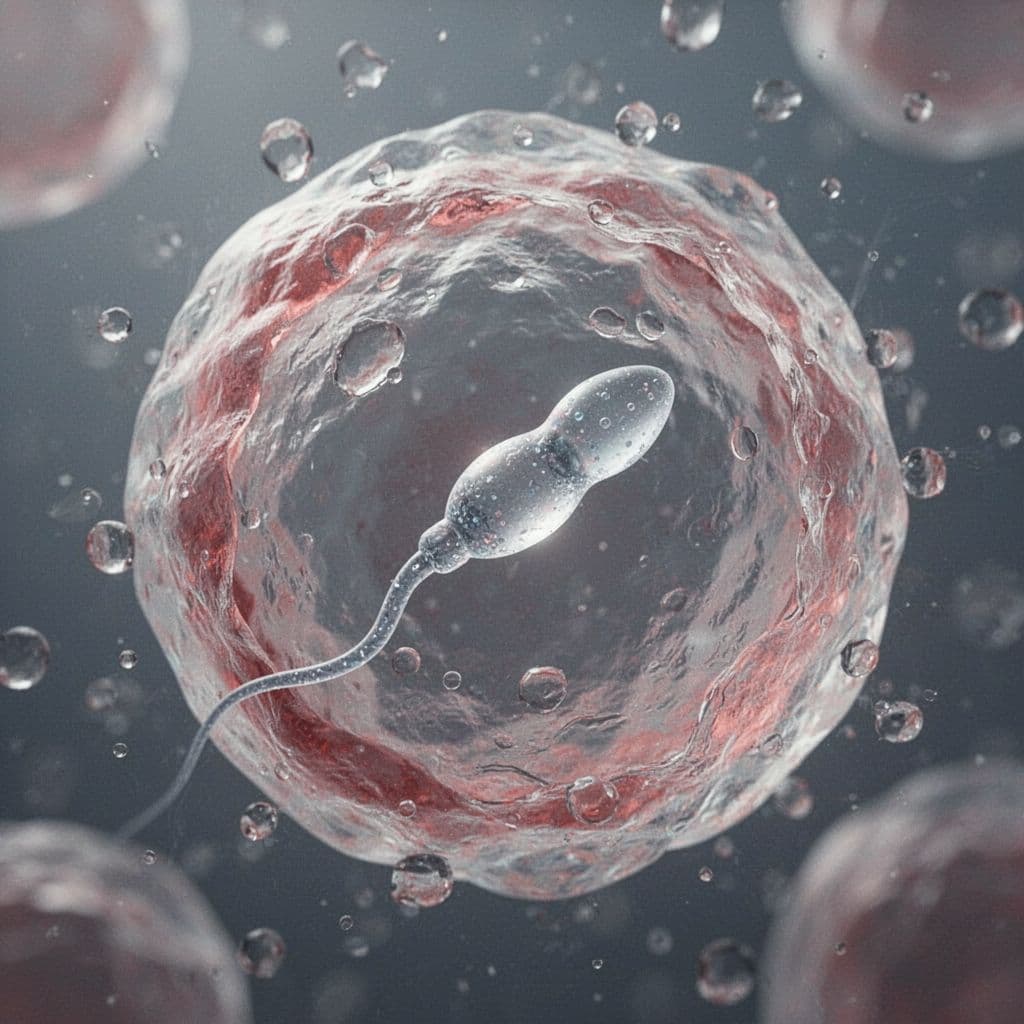
The egg is protected by more than one barrier. First, sperm has to move through the corona radiata, a loose layer of cells around the egg. Then it has to reach the zona pellucida, a tougher coat that acts like a final gate before the egg membrane.
How sperm break through the egg’s outer layers
Sperm does not just bump into the egg and slip inside. It releases enzymes from the acrosome, a cap-like structure on its head, in a step called the acrosome reaction. These enzymes help digest parts of the egg’s outer layers so sperm can move closer.
That reaction is a key part of fertilization. Without it, sperm can’t get through the protective coat well enough to reach the egg membrane. In plain terms, the acrosome reaction is the sperm’s way of opening the door after it reaches the front step.
The Sperm Capacitation, the Acrosome Reaction, and Fertilization review explains how this step fits into the larger fertilization process. Once the sperm gets through the outer layers, it is close enough to fuse with the egg.
Why only one sperm usually succeeds
The egg also has a strong backup system that kicks in after the first sperm enters. Very quickly, the egg changes its outer layer so other sperm cannot get in. This is called the block to polyspermy, and it keeps fertilization normal and healthy.
If more than one sperm entered, the embryo would have the wrong number of chromosomes. That usually leads to abnormal development. So this fast change is not just a detail, it is essential for a viable pregnancy.
In simple terms, the egg opens the door once, then locks it behind the first sperm. That single successful entry is what sets normal development in motion.
What happens right after fertilization
Right after fertilization, the sperm and egg join and their genetic material combines. That single new cell is called a zygote, and it is the very first stage of a new human life.
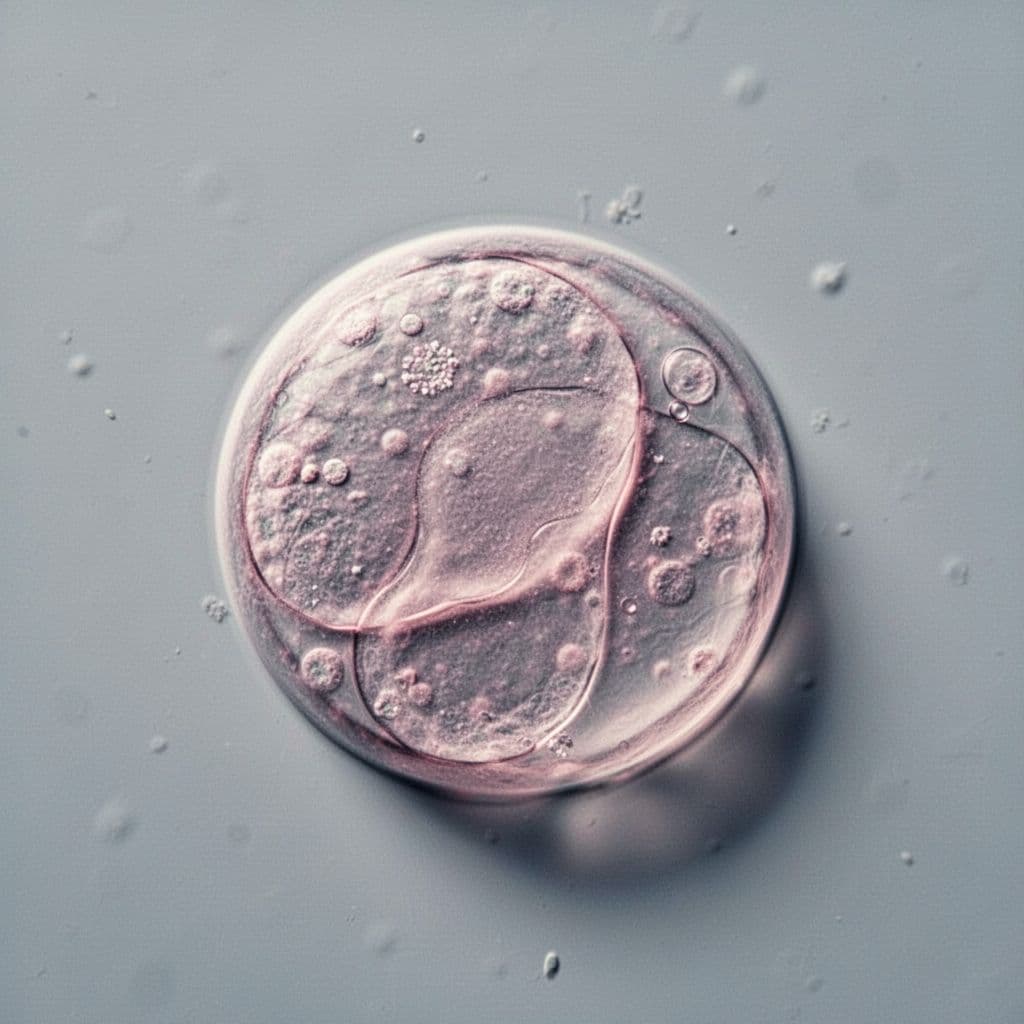
The zygote does not sit still for long. It starts dividing soon after fertilization, while it moves through the fallopian tube toward the uterus. That early trip is part travel, part growth, and both happen at the same time.
How the zygote begins early development
The zygote is the first cell of a new human life, and it begins splitting into more cells right away. These first divisions are called cleavage, and they turn one cell into two, then four, then many more.
The important part is that the embryo is not getting bigger yet. Instead, the same tiny package is getting filled with more cells. That is how development starts in a very controlled way.
In the first few days, the zygote becomes a cluster of cells as it keeps dividing. A clear overview of this early stage appears in fertilization and embryo development. For a step-by-step science view, this early zygote explanation also shows how the cell changes on the way to the uterus.
Why the embryo still has to travel to the uterus
Even after fertilization, the fertilized egg does not stay in the fallopian tube. It keeps moving toward the uterus, where implantation can happen a few days later. That journey is what connects fertilization to pregnancy.
The tube uses gentle muscle movement and tiny cilia to help move the developing embryo along. By the time it reaches the uterus, it has already divided several times and is ready for the next step.
Fertilization starts the process, but implantation is what allows pregnancy to continue.
If you want to understand what comes after this stage, the placenta’s role in pregnancy is the next piece of the story, because it supports the embryo after implantation.
Common questions people ask about fertilization
A lot of confusion comes from mixing up the ovary, fallopian tube, and uterus. The basic process is simple, though, fertilization usually happens in the fallopian tube, and timing has to line up with ovulation.
These quick answers cover the questions people ask most often. They also help separate fertilization from implantation, which are related but not the same step.
Can fertilization happen in the uterus or ovary?
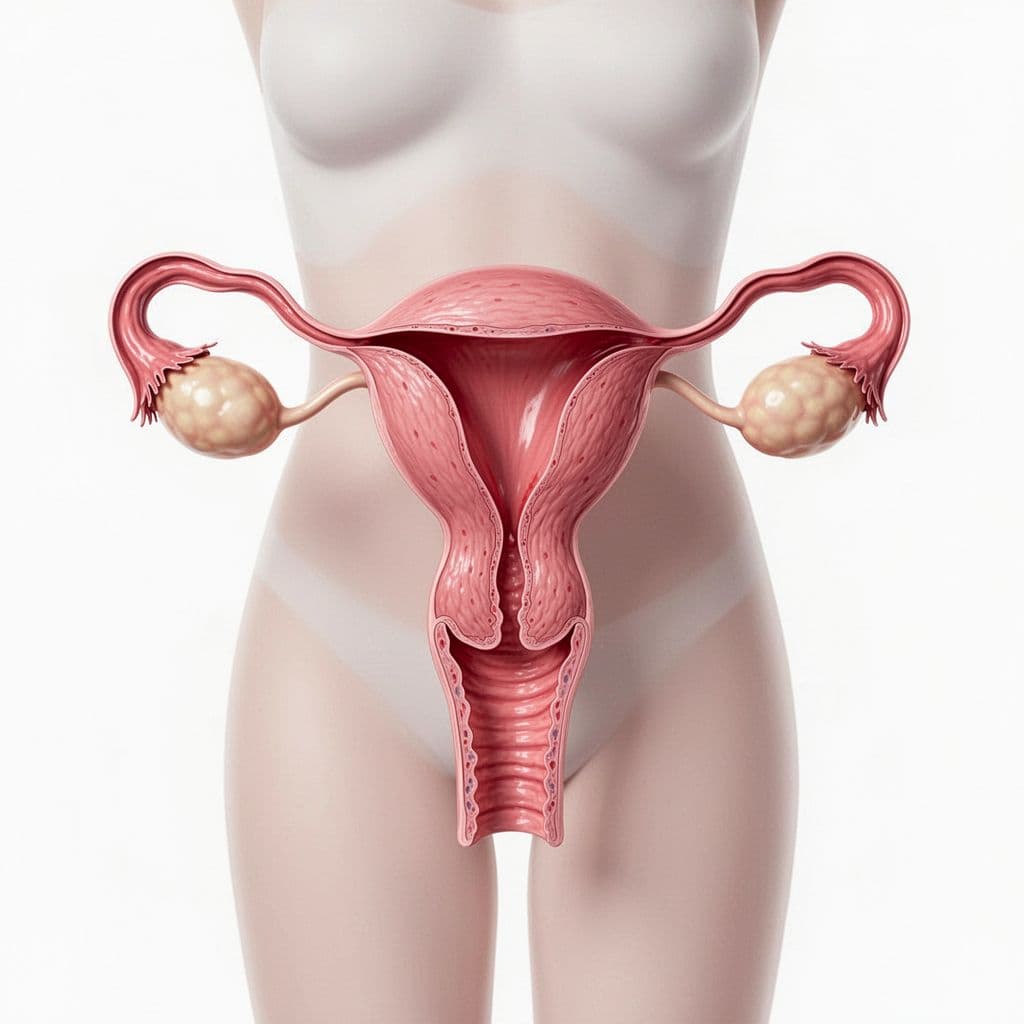
In humans, fertilization usually happens in the fallopian tube, not in the uterus or ovary. The ovary releases the egg during ovulation, then the fimbriae sweep it into the tube, where sperm can meet it.
The uterus is a later stop. That is where the fertilized egg implants and grows. If sperm and egg meet in the wrong place, that can point to a medical problem, such as an ectopic pregnancy, which is different from normal fertilization. The Cleveland Clinic’s overview of conception explains this sequence clearly.
Can fertilization happen without ovulation?
No. No egg means no fertilization. Ovulation has to happen first, because sperm cannot fertilize an egg that was never released.
That is why pregnancy depends on the menstrual cycle. When ovulation does not happen, there is no egg in the fallopian tube, so fertilization cannot begin. Simple as that.
How long after sex can fertilization happen?
Fertilization can happen hours or days after sex. Sperm can live in the female reproductive tract for several days, so they may still be present when ovulation finally happens.
That is why sex does not have to happen on the exact day of ovulation for pregnancy to occur. If sperm are already waiting in the fallopian tube, they can meet the egg soon after it is released. In short, the body runs on timing, not just the moment sex happens.
Sperm may stay alive long enough to wait for the egg, but the egg’s window is short.
For a clearer look at how sperm move and survive, UCSF Health’s guide to how conception works gives a helpful step-by-step view.
Conclusion
Fertilization usually happens in the ampulla of the fallopian tube, where the egg and sperm are most likely to meet after ovulation. That narrow window matters because the egg is available for only a short time, while sperm must travel through the reproductive tract to reach it.
After fertilization, the zygote starts dividing as it moves toward the uterus. That is why fertilization and implantation are different steps, and why the fallopian tube is so important at the start of pregnancy.
When you know the order, the whole process makes more sense, ovulation releases the egg, sperm travel to the tube, fertilization happens in the ampulla, and implantation comes later in the uterus. That simple sequence is the key idea to remember.
Save pin for later

- 12 Things Pregnant Women Do When They’re Alone - June 7, 2026
- 25 Healthy Pregnancy Snacks You Should Try - June 7, 2026
- 100 Funny Baby Jokes That Will Make You Laugh - May 15, 2026