
Old German names pair strong, historic sounds with meanings often linked to peace, courage, and leadership. The term can include names with Old High German roots as well as names from the wider Germanic tradition, and some meanings have more than one accepted interpretation.
If you’re looking for a name with history and a meaning that feels personal, this collection offers 40 choices for boys and girls. You’ll find familiar options alongside less common names, with meanings to help you narrow your search and explore more names with old German roots.
https://www.youtube.com/watch?v=Mzkner1HfRE
What Makes a Name Old German?
“Old German” can describe more than one kind of name. Some names come from Old High German, an early form of German; others have roots in neighboring Germanic languages, such as Old Saxon or Old Dutch. A name can also be called traditional German because generations of German speakers have used it, even if its roots began elsewhere. That distinction matters when tracing a name’s history.
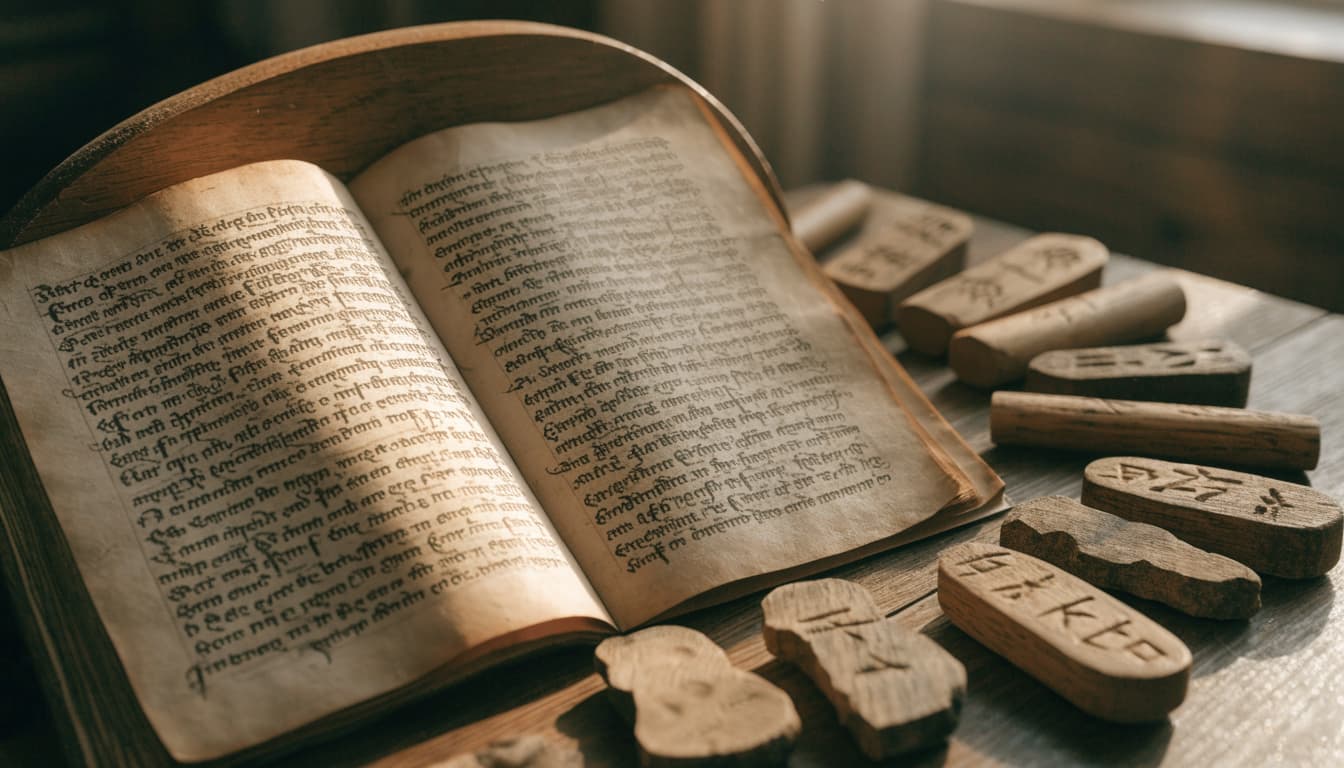
Germanic roots and traditional use
Many historic names belong to a broad Germanic naming tradition rather than to one modern country or language. German, Dutch, English, and Scandinavian names can share older elements, while each language developed its own forms and pronunciations. For more examples across the continent, browse these European baby names by country and gender.
Why meanings can vary
Many older Germanic names combine two word roots. For example, elements such as -bert are associated with brightness, -hild with battle, and -mund with protection. These roots can offer clues, but the full name does not always translate neatly as a modern phrase. Scholars may interpret a name differently depending on its earliest recorded form and the language or region where it appeared. The two-part structure of Germanic names helps explain why popular meanings are sometimes simplified.
Spellings also shifted over centuries as names passed between dialects and written traditions. As a result, one name may appear in several historical forms, and its original meaning may remain uncertain. The names in this guide are best understood as traditional forms with documented roots or long-standing German use, rather than as names with one guaranteed origin and definition.
20 Old German Names With Meaning for Boys
These names carry a range of traditional German and Germanic associations, from peace and leadership to battle and courage. Their histories differ, and some popular meanings are traditional interpretations rather than exact translations.
Strong and noble boy names
These five names have a firm, classic sound, though their roots and meanings are not all equally certain.
- Alfons is commonly glossed as “noble and ready.” Its history is more complex than that modern phrase suggests: the name is linked to Germanic elements and came into use through Latinized forms.
- Artur is often interpreted as “bear-strong,” a familiar traditional gloss. However, its etymology is disputed, so this meaning is better treated as an interpretation than a confirmed Germanic translation.
- August means “great” or “venerable.” It comes from Latin Augustus, not from an Old German compound, but it has long been used as a German name.
- Berno is associated with the old bern element, meaning “bear,” and can also appear as a shortened form of longer names. Its compact sound gives it a less formal feel than names such as Bertram.
- Bertram is traditionally interpreted as “bright raven.” The name has Germanic roots, but explanations of its elements vary, so the familiar gloss is not certain.
Names linked to peace, courage, and counsel
Several well-known German names combine ideas of peace, bravery, or sound judgment. Fritz is listed separately because it developed as a familiar short form, not as a separate root meaning.
- Friedrich combines elements associated with peace and power or rulership. It is commonly translated as “peaceful ruler,” though the old elements do not map perfectly onto modern English.
- Fritz is a short, familiar form of Friedrich. It shares Friedrich’s traditional meaning, but Fritz has its own history and use as a given name.
- Gunther, also spelled Günther in German, is linked to battle and an army. The name has an older Germanic compound structure rather than one simple modern definition.
- Heinrich joins roots associated with home and rulership, giving the established gloss “home ruler.” Henry is a related form used in English.
- Konrad means “brave counsel” or “bold counsel.” Its roots are associated with courage and advice, which give the name a thoughtful quality.
Classic names of rulers and leaders
These choices include short, enduring forms and longer names with associations to authority or public leadership. Their histories span different periods, rather than one single era.
- Karl means “free man” in its Germanic tradition. The spelling Carl is also used, while Karl is the standard German form.
- Leopold is often glossed as “bold leader.” Its older elements are usually associated with the people and boldness, making “bold among the people” a careful interpretation.
- Otto is linked to wealth, possessions, or prosperity. Unlike many Germanic names, it is an old short form, not a transparent two-part compound.
- Werner is associated with protecting or defending the people. Its roots are traditionally connected with defense and an army, though the exact gloss varies.
- Wolfgang combines roots meaning “wolf” and “going” or “path.” The traditional sense is close to “wolf’s way,” an unusual meaning with an unmistakably old Germanic sound.
For more names drawn from the wider tradition, browse these European baby names with Germanic roots.
Historic names with warrior and northern roots
These names have roots associated with the north, battle, or victory. Because many are compounds, their meanings can be interpreted in more than one way.
- Norbert combines elements associated with “north” and “bright.” The concise gloss “bright in the north” captures the traditional interpretation.
- Arnold is linked to the words for “eagle” and “strength” or “rule.” The second element varies in explanations, so “eagle strength” is a useful traditional reading, not a literal certainty.
- Dietrich is commonly explained as “ruler of the people.” Its older elements connect with the people and power or rulership.
- Ludwig joins roots meaning “famous” and “battle,” giving the familiar translation “famous warrior.” Louis is a related form in other European languages.
- Siegfried combines elements associated with victory and peace. Its meaning is often rendered as “victory and peace,” though the compound can also be read more literally as “victory-peace.”
20 Traditional German Girl Names and Their Meanings
These names range from Germanic compounds to biblical and classical choices adopted into German-speaking communities. Some are shared across Europe, so their place in German tradition does not always mean they began in German.
Elegant names with noble roots
Several familiar choices in this group come from adal, an old Germanic element meaning “noble.” Others have roots that traveled widely across Europe.
- Ada is often linked to adal, meaning “noble,” though the name has other independent origins and meanings. Its short, simple form has an old-fashioned clarity.
- Adelaide comes from the Germanic name Adelheid, combining adal, “noble,” with an element meaning “kind” or “type.” It is traditionally interpreted as “noble kind.”
- Adeline is a later form related to the same adal root. Its soft ending gives it a lighter sound than Adelaide, while preserving the association with nobility.
- Emma is linked to the Germanic element ermen, meaning “whole” or “universal.” Although common across many languages today, it has an established Germanic history.
- Heidi is a familiar German short form of Adelheid. It carries the same noble association and gained international recognition as an independent given name.
Names tied to peace, grace, and beauty
These choices draw on different traditions. Some have Germanic roots, while others entered German naming through Scandinavian or Christian use. For more graceful options, browse these romantic German girl names and their meanings.
- Frida is connected to the Old High German fridu, meaning “peace.” The name also has Scandinavian associations, which helped it spread beyond German-speaking regions.
- Gisela comes from a Germanic element traditionally glossed as “pledge.” Its historic roots give this elegant name a more serious meaning than its gentle sound might suggest.
- Ingrid comes from Old Norse elements associated with the god Ing and with beauty or beloved qualities. It is Scandinavian in origin, but has long been used in Germany.
- Linda is associated with the Germanic element lind, meaning “soft” or “gentle.” It may also appear as a short form of longer Germanic names.
- Maria has a long history in German-speaking communities through Christian tradition, but it is not Germanic in origin. Its meaning is debated, with several proposed explanations rather than one settled gloss.
Traditional names with bold, strong meanings
A number of traditional German girl names preserve roots associated with battle, protection, or strength. Some became familiar across Europe through royal, literary, and religious history.
- Aloysia is a feminine form in the Alois and Louis name family, ultimately connected to a Germanic element meaning “fame.” It is traditionally interpreted as “famous in battle.”
- Astrid is Scandinavian rather than originally German. Its meaning varies by source, with traditional interpretations including “divinely beautiful” and “strength.”
- Brunhilda is a historic Germanic name associated with armor and battle. The older elements are commonly interpreted as “armor” and “battle,” and the name also appears in legend.
- Gertrude combines Germanic elements associated with a spear and strength. Its traditional meaning is often given as “spear strength.”
- Hildegard is linked to elements meaning “battle” and “protection” or “enclosure.” The result is a name with a distinctly historic German character.
Distinctive names from German history and tradition
These names reflect the variety within German naming history. Some are Germanic, while others have Hebrew, French, Greek, or Latin roots and became traditional through long use.
- Ilse is a German short form of Elisabeth, a name of Hebrew origin traditionally interpreted as “my God is an oath.” Ilse has a distinctively German form and history.
- Luisa is a feminine form related to Louise and Ludwig. Its Germanic roots connect fame and battle, giving the familiar interpretation “famous warrior.”
- Matilda comes from Old High German elements meaning “might” and “battle.” Its traditional meaning, “mighty in battle,” helped it endure across several European languages.
- Theodora comes from Greek elements meaning “God” and “gift,” or “gift of God.” It is not Germanic, but has a long history in German-speaking communities.
- Ursula comes from Latin ursa, meaning “bear,” with the diminutive sense “little bear.” Christian tradition helped establish it as a familiar name in German-speaking regions.
How to Choose an Old German Name That Feels Right Today
A name can have centuries of history and still feel comfortable in everyday life. As you compare old German names, weigh the sound and practical details alongside the origin. A short list of finalists makes it easier to see which choice fits your family best.

Say the full name and test its everyday form
Say each name aloud with the middle and last names. Listen for a natural rhythm, and try calling it across a room. Then check how relatives, teachers, and friends are likely to pronounce and spell it in your family’s language. If the name has German spelling or sounds that may be unfamiliar, decide whether you’re comfortable explaining them.
Consider likely nicknames, too. A formal name may offer a short form that feels more casual, while another may be used almost entirely as written. Picture both versions on a school roster and in adulthood. These practical tips for choosing a baby name can help you compare the sound, spelling, and family fit.
Look beyond a single meaning
Before settling on a name, check its documented history, including older spellings and the language it came from. The New York Public Library’s guide to name research offers a starting point for exploring personal names and their origins. For Germanic names, a familiar English gloss may simplify a compound or reflect one interpretation among several.
Meanings can differ by source, so treat them as useful context rather than a final verdict. A name’s connection to a grandparent, family story, or place may matter as much as its literal translation. The right choice is one whose history you understand and whose sound feels natural in the life your child will lead.
Conclusion
Old German names range from familiar classics to rare historic choices, with meanings often tied to peace, strength, and nobility. Their roots can be layered, so treat traditional glosses as helpful clues rather than fixed definitions.
Shortlist the names that feel right in sound and significance, then consider how each fits your family. Before making a final choice, check uncertain meanings and origins. For more ideas, explore Germanic baby boy names and their meanings.
Save pin for later

- 12 Beautiful Baby Names That Mean Forest, Plus Woodland Picks - September 27, 2026
- 15 Fantastic Baby Nicknames for Boys, From Sweet to Playful - September 27, 2026
- 50 Popular Indian Girl Names and Their Meanings: A Curated List - September 27, 2026