 Mom with Vibe Team
Breastfeeding is by far one of the most universally encouraged and praised aspects of motherhood. Since that positive pregnancy test, you’ve probably been hit with messages from all corners of the internet about how breastfeeding is the only way to do right by your baby.
You know the sayings we’re talking about: “Breast is best,” “You’ll never regret breastfeeding,” and “Only a good mother breastfeeds.”
But not every mother can breastfeed. Some mothers face obstacles due to their physical health or because of their lifestyles. Some just don’t want to. Whatever the reason may be, there’s no judgment here. If you find yourself not breastfeeding your child, you’re in the right place. Don’t feel bad. Don’t feel guilty.
Today, we’re going to talk about why it’s totally okay if you can’t breastfeed.

1. All Moms Are Different
First and foremost, it’s important to remember that all moms are different. For some women, breastfeeding comes naturally. It’s comfortable, and it’s bonding. For others, circumstances beyond their control make breastfeeding difficult or next to impossible.
There are all sorts of reasons this could be the case. For some mothers, it’s a health condition. For others, it’s low milk supply, latch issues, a change in schedule, or just personal preference.
Whatever the case may be, there’s no one-size-fits-all approach to being a mother. If you’re not breastfeeding, you are still the right mother for your child. What matters is how you care for your child and how much love and attention you’re willing to give them. The love you have to offer is worth far more than the milk in your breasts.
Related: How To Increase Breast Milk Supply
2. Mental Health Matters
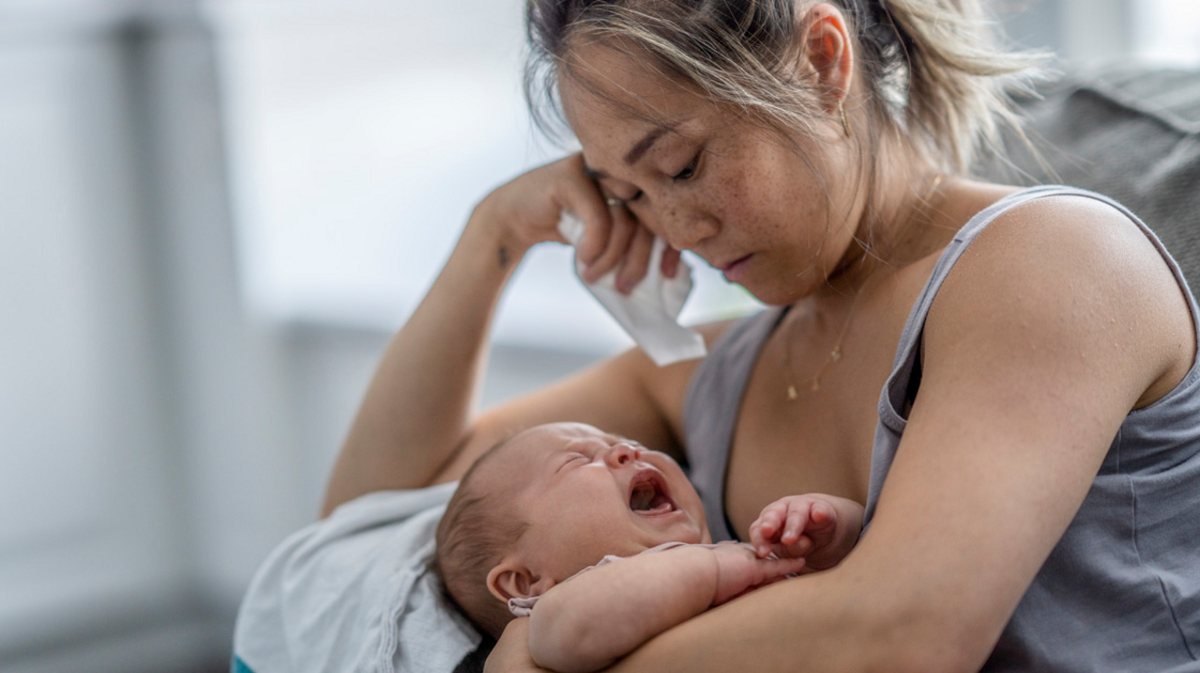
It’s no secret that the mental health of new mothers can be difficult to maintain—especially in the first few weeks and months after delivery. Add a little guilt and stress on top of that, and we have a recipe for long-term depression. Breastfeeding as a mother can be a mentally taxing experience.
When mothers feel bad or inadequate about their bodies or the choices they make about feeding, the mental and emotional pressure piles up. Mothers who feel forced to breastfeed or who constantly second-guess their choice to formula-feed will have a much more challenging time caring for their children.
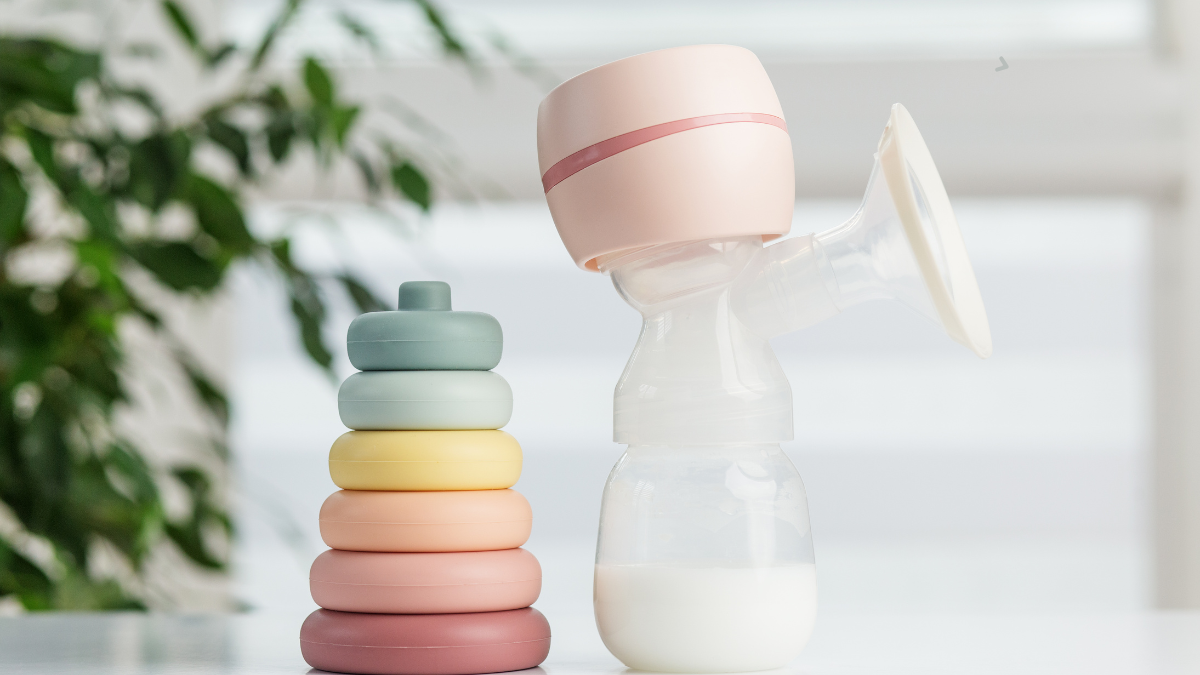
Formula-feeding or even exclusively pumping takes the weight off a mother’s shoulders. This will go a long way in helping her feel more confident, more stable, and less anxious. All of which helps her take better care of her baby.
3. Breastfeeding Isn’t Easy for Everyone
Breastfeeding isn’t always as easy for moms as everyone makes it out to be. Many new mothers aren’t prepared for the physical and emotional difficulties of breastfeeding. A few of these include sore nipples, engorgement, mastitis, and poor latch, among many others.
As a result, many mothers feel isolated and stuck. Even if they desperately want to make breastfeeding work, the physical stress or emotional pressure from outside sources makes it impossible. The unfortunate reality is that many of us have felt this way and have given up before we should have.
The perception that breastfeeding is the “easy” or “natural” way to feed your child is a pervasive one in our society, and not for lack of reason. But it is not true for every single mom. If breastfeeding is making you physically sick or is taking a toll on your mental health, it’s worth considering a switch to formula.
Related: 5 Symptoms of Not Eating Enough While Breastfeeding
4. Formula-Feeding Is a Great Alternative
Formula-feeding is a great alternative to breast milk that is widely supported by scientific research. Breast milk is amazing for infants because it contains all the nutrients, antibodies, and protection they need to grow and thrive in the first few years of their life.
However, infant formula is designed to mimic breast milk as much as possible. Formula manufacturers have spent a lot of time and effort working to make sure babies get as many nutrients from formula as they would from breast milk. As a result, formula is an excellent way to feed your child, and your pediatrician will back you up.
Babies who are formula-fed will likely grow and develop just as healthily as breastfed babies. There’s no evidence to support that formula-feeding causes any long-term harm to a child’s health. As long as you’re feeding your child, caring for them, and providing for them, they are getting everything they need.
5. Your Baby Can Still Bond with You
Breastfeeding your child is by no means the only way for them to bond with you as a mother. There are countless ways you can interact with your child to ensure they form healthy relationships and emotional connections. Bonding with your child is crucial to their development, and it’s important to focus on this over methods of feeding.
Bonding with your child and feeding your child are two different things, and the amount of time you spend with them doesn’t depend on the type of milk you give them. While nursing your baby, hold them close, speak to them, make eye contact, and read to them. Bottle-feeding also presents opportunities to build intimacy with your child. Hold your child, talk to them, play with them. There are so many ways to nurture your child.
Related: Can Babies Drink Cold Breast Milk?
6. Health Problems and Medical Conditions
Of course, not all mothers can breastfeed due to health concerns. For example, some mothers have medical conditions that make it very difficult or impossible for them to make milk. There are many such conditions, including hypoplasia (underdeveloped glandular tissue), hormonal imbalances, and past surgeries, among many others.
The bottom line is that there’s nothing to be ashamed of if you can’t breastfeed. Some mothers face medical challenges beyond their control that make breastfeeding near-impossible or impossible. As a mother, it’s okay to be kind to yourself and accept that some physical and mental health challenges are not your fault.
7. Premature Babies May Struggle to Nurse Properly
Premature babies have different needs than full-term babies. Since they are born early, their latching and sucking abilities are not as developed as full-term infants, which means that they often struggle with breastfeeding or nursing.
As a result, formula-feeding premature babies is often the most effective way to ensure that the baby is getting enough milk. In addition, some babies are born with medical conditions that make it difficult for them to breastfeed, and in these cases, formula-feeding will also be necessary to keep your baby healthy.
Related: 5 Ways to Heal Sore Nipples from Breastfeeding
8. You Are the Only Person Judging You
Ironically enough, there are many other mothers who will understand what you’re going through. The stigma of not breastfeeding is as much self-inflicted as it is from others. Remember that you are the only person who can truly judge your mothering skills. All other mothers are in the same situation you are in, with unique problems and solutions.
Feeding your baby is a decision that only you and your family should make. Other people’s feelings on how you feed your child should not affect you one way or another. After all, at the end of the day, the important thing is that you’re taking care of your child the best way you can.
9. Support Other Mothers, Too
In a world where it’s easy to shame other mothers for not breastfeeding, it’s just as important to remember to be supportive. For every mom out there, the struggle is real in some way. From both an emotional and mental standpoint, it’s important for mothers to support one another.
If you are struggling to breastfeed, reach out to your community and find people who are happy to support you. Talk to lactation consultants, midwives, your doctor, and your partner to find a solution. If you have chosen formula-feeding, don’t let other people pressure you into breastfeeding. Find a supportive group of people and parents who make you feel good.
Related: Healthy and Firm Breasts: 11 Things Women Should Totally Avoid
10. Feeding Is Only One Aspect of Motherhood
Feeding is only one small part of what it means to be a mother. Mothers provide so much more than just milk. They provide food, shelter, safety, guidance, and love. Feeding your child doesn’t determine how they view you. The emotional and mental care that you provide your child is far more important than how you feed them.
A happy, healthy, and stable mother is best for your child. So if breastfeeding is too much for you, either physically or emotionally, you are not serving your child by pushing yourself beyond your limits. Find what works for you and stick to it. Breastfeeding isn’t the only way to show your child love, and if your child has everything they need, they’re already thriving.
The Bottom Line
So in conclusion, it is perfectly okay to not breastfeed your baby. Every mother is in a different situation. It’s important to remember that you are more than a source of milk for your child and that your health and well-being matter, too.
The most important thing is to take care of your baby and yourself in a way that works for you. Don’t feel guilty for not breastfeeding. Breast milk is amazing, but so are you.
Save the pin for later

- 10 DIY Sensory Play Activities for Toddlers - March 12, 2026
- 12 Family Organization Systems for Busy Moms - March 12, 2026
- How to Change a Diaper: A Step by Step Guide - March 11, 2026