 Ngozi Kalu
Pregnancy and cravings are practically two things that automatically go together. If you’ve ever been pregnant, you already know what we mean: that sudden, fierce desire for chocolate and pickles, peanut butter, ice cream, spicy food, or some weird combination of things that just doesn’t seem to belong together.
Food cravings during pregnancy are normal, but of course, it always makes us wonder: What causes them?
What do they mean? Are they good or bad for us and the baby? Should we give in and indulge, or should we try to ignore them?
We’re here to help you understand pregnancy food cravings: what they are, why they happen, and how to deal with them.
This post is for expectant moms, partners of pregnant people, and anyone who is interested in learning more about the science and daily reality of cravings during pregnancy.
What Are Pregnancy Food Cravings?
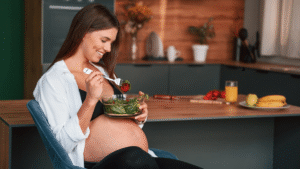
As you might have guessed by now, a pregnancy food craving is a powerful and often sudden desire to eat a specific food.
Cravings can be for relatively normal food (hello, French fries and chocolate), bizarre combinations of foods (pickles and ice cream, anyone?), or even inedible items.
Some women experience intense cravings, while others report more mild, ongoing desires. Cravings can also change throughout pregnancy, with the first trimester marked more by food aversions (a strong dislike of certain tastes or smells) and the second and third trimesters marked more by the cravings themselves.
Related: 15 Foods to Avoid During Pregnancy
Causes and Triggers of Pregnancy Cravings
The exact science behind why cravings happen is still not completely understood, but several theories have been developed, and some possible reasons have been determined:
-
Hormone Changes
One of the biggest changes during pregnancy is an increase in certain hormones, such as estrogen and progesterone. These hormone fluctuations can affect your sense of smell and taste and may be the reason you suddenly dislike coffee or love cheesy pizza. -
Nutritional Needs
Your body may use cravings to let you know what it needs nutritionally. For example, you may crave red meat or lean protein when you’re low in iron or want cheese or yogurt when you need more calcium. However, this isn’t always the case, as cravings don’t always reflect what your body actually needs. Just because you’re craving chocolate doesn’t mean you need more magnesium, for example. -
Emotional Stress
Pregnancy is an exciting, joyful, overwhelming, and emotional time. If your brain is flooded with stress hormones, certain foods—especially comfort foods—can release feel-good chemicals like dopamine, helping you relax and de-stress. -
Social and Cultural Factors
The food cravings you have during pregnancy may also be the result of where you live and what you ate while growing up. This is especially true for cravings that are common in certain parts of the world. For example, tropical fruits and veggies in some areas, salty snacks and sweets in others, etc.
Related: How Much Water Should A Pregnant Woman Drink?
Popular Pregnancy Food Cravings
Here are the most common pregnancy cravings reported by women:
-
Sweet foods: chocolate, ice cream, fruit, pastries
-
Salty foods: chips, pickles, olives, pretzels
-
Spicy foods: hot sauce, curry, chili
-
Carbs: bread, pasta, rice
-
Dairy products: cheese, yogurt, milk
-
Odd combinations: peanut butter and bananas, pickles and ice cream
Some pregnant women have one big craving throughout their entire pregnancy, while for others, the cravings may change each month or even each day.
Cravings also differ from person to person, so some may have a long list of things they want to eat, while others may have a relatively bland appetite.
Related: 10 Types of Housework Pregnant Women Should Avoid
Unusual Cravings
We all know the typical pregnancy cravings: salty, sweet, creamy, or spicy foods. But sometimes, pregnant women experience cravings for non-food items or things that don’t have much nutritional value. This is called pica, and these cravings can include dirt, clay, chalk, soap, ice, hair, or laundry starch.
If you know a pregnant woman who’s experiencing pica, encourage her to get in touch with her healthcare provider.
Eating non-food items can be harmful to both mom and baby, especially if the pregnancy already has a nutritional deficiency like iron or zinc. Pica cravings are more likely to occur in the second trimester.
Related: How To Increase Breast Milk Supply
Should You Always Give In to Pregnancy Cravings?
The short answer: no. The long answer: sometimes, but not always.
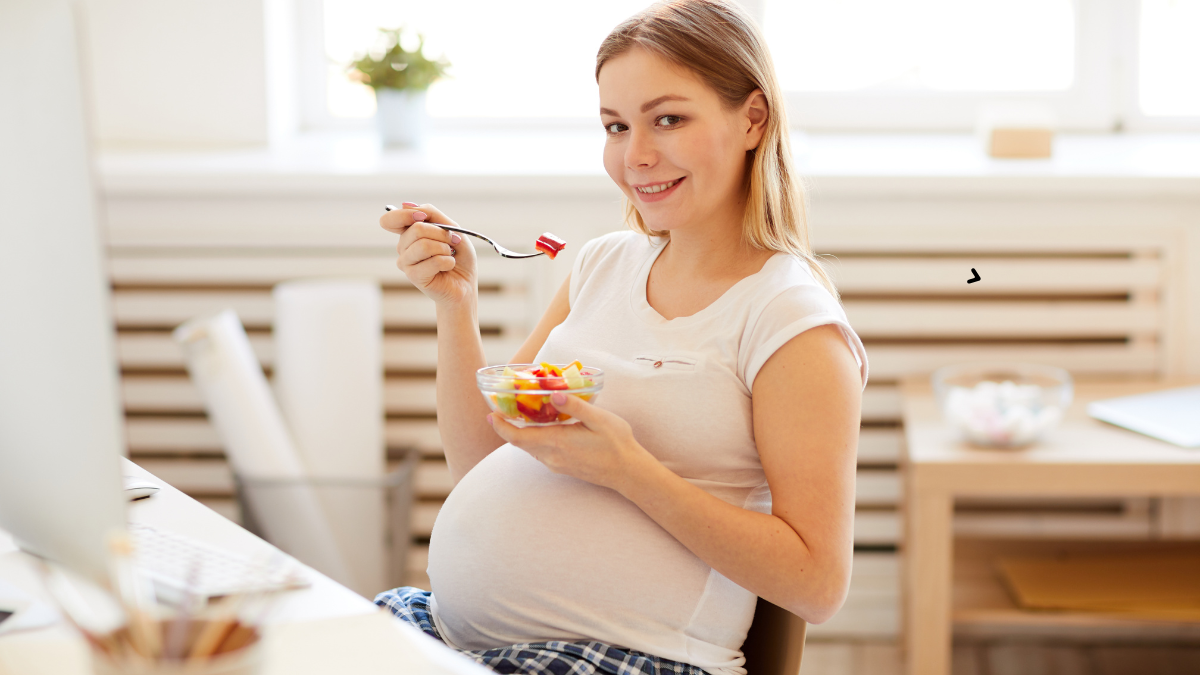
Cravings for fruits, vegetables, yogurt, cheese, and other relatively healthy things should be OK to indulge in. However, when cravings lean toward sugary sweets, fried foods, and other processed snacks and treats, it’s best to enjoy them only in moderation.
Pregnancy is a time when nutrition is critical to the baby’s healthy development, and food cravings can be a welcome relief in some cases, but not when they lead to a nutritionally unbalanced diet.
Tips for Coping with Pregnancy Cravings
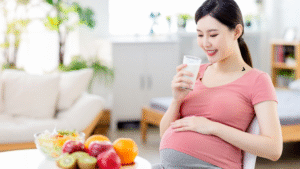
The best way to manage pregnancy cravings is to maintain a healthy, well-balanced diet and ensure you and your baby are getting the nutrition you need from whole foods. In addition, you can use the following practical tips:
-
Eat well-rounded meals that include protein, healthy fats, and fiber. This will stabilize your blood sugar and may also help with cravings.
-
Drink enough water. Sometimes thirst is disguised as hunger, so keeping hydrated can help curb unnecessary snacking.
-
Find healthy alternatives. Craving something sweet? Reach for some fruit, yogurt with honey, or a piece of dark chocolate.
-
Craving salty snacks? Try air-popped popcorn or lightly salted nuts instead.
-
Craving something creamy or cheesy? A smoothie or Greek yogurt can be good options.
-
Eat mindfully. Instead of munching absentmindedly, try to pause and ask yourself: “Am I really hungry, or is this an emotional craving?” If it’s the latter, consider taking a walk or journaling to distract yourself before turning to food.
-
Give yourself a break. Pregnancy is not the time to be too strict with yourself. If you want a small slice of cake or a handful of fries, allow yourself a small treat. Just don’t overdo it.
Related: 10 Reassuring Signs Your Baby Is Doing Just Fine
Cravings in Each Trimester
Cravings don’t typically remain the same throughout pregnancy and often depend on which trimester you’re in.
-
Cravings in the first trimester are often milder and more linked to food aversions and nausea.
-
The second trimester tends to bring on stronger and more specific cravings. You may also experience unusual or atypical food pairings or combinations.
-
In the third trimester, cravings are often the strongest but may also return to foods you ate before pregnancy, especially as your energy levels fluctuate.
Dealing with Cravings as a Partner
If you’re the partner of a pregnant woman, food cravings can be a challenging and even confusing or funny aspect of pregnancy.
The best thing to do is to be understanding and supportive. Whether that means getting up at midnight to go to the store for strawberries, playing in the kitchen to help your loved one, or cooking new recipes together, you’ll help her feel cared for and loved.
At the same time, though, it’s perfectly OK to nudge your pregnant partner to consider more nutritional options if her cravings lean too much toward sweets and fast food. The key here, as always, is compassion and balance.
When to See a Doctor About Pregnancy Cravings
We mentioned at the beginning that pregnancy cravings are normal and usually nothing to be concerned about. However, there are a few situations when it’s good to bring your cravings to the attention of your healthcare provider:
-
Cravings for non-food items or pica
-
Cravings that lead to an excessive amount of weight gain
-
Cravings that involve foods causing digestive discomfort or allergies
-
Feeling out of control over your eating
A doctor can help you manage your cravings and may even perform tests to check for nutritional deficiencies and provide guidance.
Final Words on Pregnancy Food Cravings
Food cravings are one of those unique and sometimes humorous aspects of pregnancy that all expectant mothers know and love (OK, maybe not “love,” but they can’t help but indulge in them every now and then).
Cravings are often triggered by a combination of hormones, nutritional needs, emotions, and cultural and social factors, and each woman will likely experience them differently.
Cravings are usually harmless, but remember to keep it all in moderation and maintain a balanced, nutritious diet. As always, if you have concerns about any aspects of your diet or nutrition during pregnancy, you can always talk to your healthcare provider.
Pregnancy is a time of massive change in your life, body, and mind. The best thing you can do for yourself and your little one is to listen to what your body and instincts are telling you, stay mindful of your food choices, and be as kind to yourself as possible.
Save the pin for later

- 8 Noticeable Symptoms of a Baby Boy During Pregnancy - November 8, 2025
- 10 Little Things You Should Not Do To Your Breasts - November 6, 2025
- 20 Things A C-Section Mom Should Avoid - November 5, 2025